Self-Harm: The Truth Behind It—and How to Stop

Brava

Brava

Living a Life
Joined
Jan 1, 2026
Posts
15,169
Reputation
23,344
Intro

Hello guys, this is a pretty sensitive topic, so I would please ask for all the troll posts to stay away just this one time. Threads like these are sometimes needed; many people go through mental hardships, and some may turn to self-harm as a way of coping. My goal with this post is to reach out to those in need of some hopefuel struggling with these poor habits. What may start as a joke or something unserious, turns into countless hours of pain just so the person can escape reality, away from their problems, just for those moments. But unfortunately that is not a healthy way to go about things, self-harm with time destroys the human body. The minor cuts or burns eventually are not enough, so people escalate the self-destruction to bigger cuts and bigger burns, and eventually a pathway like this could lead to the unfortunate end of su1c1de.

This thread is not meant to judge or shame anyone who struggles with self-harm. Rather, it is meant to remind you that you are not beyond help, recovery is possible, and your struggles do not have to define the rest of your life. No matter how long you have been struggling, it is never too late to take a different path and reach out for support. Hopefully, this thread can offer even a small amount of hope to someone who needs it.


Let's begin…


______________________________________________________________________________________________________________________________________________________________________________


What is self harm?


Self-harm: The intentional act of hurting your own body, usually as a way to cope with deep emotional pain or stress, without the intent to end your life

Self harm is generally a response to psychological or emotional distress.

Although I do think that there are people out there that could do it for the pure desire of trying to get more attention, it would still be a minor minority doing that.


So the question arises: Why would someone deliberately cause themselves harm, and why can stopping it be so difficult?


______________________________________________________________________________________________________________________________________________________________________________


Why does self harm start — The psychology


Contributing factors ; what can make someone vulnerable ?

These don’t automatically cause self-harm, but they increase vulnerability and could potentially make someone more susceptible to self-harm.

  • Unsupportive family environment
    • Emotionally unavailable parents
    • Constant criticism or conflict
    • Neglect
    • Feeling misunderstood at home
    • Lack of emotional safety

  • Lack of social support
    • Few close friends
    • Feeling isolated or rejected
    • Believing nobody would understand
    • Difficulty trusting others
    • No one to talk to about deep issues
    • No friends at all

  • Bullying or social rejection
    • Being bullied at school or online
    • Persistent humiliation or exclusion
    • Difficult peer relationships

  • Trauma or prolonged adversity
    • Experiencing traumatic events
    • Major instability or repeated stressful experiences
    • Living in an environment that feels unsafe or unpredictable

  • Difficulty with emotional regulation
    • Having intense emotions that feel difficult to control
    • Not having learned healthy ways to process distress
    • Difficulty communicating feelings

  • Chronic stress
    • Academic pressure
    • Family problems
    • Relationship difficulties
    • Major life changes

  • Negative self-perception
    • Persistent self-criticism
    • Feeling worthless or like a burden
    • Strong feelings of guilt or shame

  • Exposure and social learning
    • Encountering self-harm through peers or online communities can sometimes influence how someone understands or responds to distress.


Psychological reasons — direct pathways to self harm…

These are the immediate reasons someone may turn to self-harm.

  • Managing overwhelming emotions
    • Trying to cope with intense sadness, anger, anxiety, or distress.

  • Seeking temporary emotional relief
    • Attempting to change an emotional state that may feel unbearable.

  • Breaking through emotional numbness
    • Some people describe feeling disconnected or emotionally numb and seeking some kind of noticeable emotional change.

  • Regaining a sense of control
    • When circumstances feel uncontrollable, a person may seek something they perceive as being within their control.

  • Self-punishment
    • Someone may believe they deserve punishment because of guilt, shame, or extremely negative beliefs about themselves. (Emotional self-harm becoming physical)

  • Communicating distress
    • A person may struggle to put their emotional pain into words and use behavior as an expression of distress. This doesn’t always mean self-harm is simply “attention-seeking.”

  • Interrupting overwhelming thoughts
    • Trying to shift attention away and distract themselves from distressing thoughts.

  • Learned coping mechanism
    • If a person experiences temporary relief from distress after self-harming, their brain can learn to associate the behavior with that change in emotional state. Once this becomes routine, it’s hard to break.

  • Attention seeking
    • A lack of attention to oneself may make them want to begin hurting themselves to receive special kind of attention.


*The most important thing that we need to understand is that there is not one single reason for why self-harm can start. Two people can engage in the same activity with different kinds of reasons and intentions.*​


______________________________________________________________________________________________________________________________________________________________________________


Different forms of Self-Harm


Emotional self harm

Emotional self harm can be as little as cursing ourselves out, and as big as becoming your own worst enemy.

Main origin: Usually when someone is surrounded by negative people who spread their negativity to others by telling them that they are not good enough and things of that nature, usually this mentality transfers over to those affected by it, so they eventually start to hold grudges against themselves and start to think about themselves negatively.


Physical self-harm

Physical self-harm is when someone physically hurts themselves intentionally. This usually is done through cutting, hitting, injuring, scratching, burning themselves.

Main origin: Physical self-harm may begin as an attempt to cope with emotional pain, rather than from a desire to experience physical pain itself. Other common origins: desire for attention, loneliness, and search for short-term relief.


  1. Substance-related self-harm — Misusing substances with the intention of harming oneself.
  2. Self-sabotage — Deliberately damaging one’s relationships, education, opportunities, or other important parts of life because of negative beliefs about oneself.
  3. Self-neglect — Deliberately failing to care for basic needs or one’s wellbeing.


______________________________________________________________________________________________________________________________________________________________________________


The Cycle — why does it continue ?


We know why it starts… but why does one continue to partake in the acts of self-harm ? Especially on a consistent basis…


Here are the biggest reasons as to why people continue…


  • To feel pain.
Many physically damage themselves to feel that pain. Usually they like to have this physical pain be like a distraction from their emotional pain or from their current life problems.


  • Treating SH like a deserved punishment.
For some they feel like they deserve punishment for something they regret doing or maybe got away with doing something not good. Hurting themselves serves like a punishment for people with such desires.


  • Endorphin release
Injuries from self-harm triggers the body to release endorphins. Endorphins create a brief sense of physiological relief.


  • A way of coping with numbness, vanity, futility.
Long lasting loneliness, purposelessness, and numbness in an individual's life allows habits like self-harm to continue.


When unbearable emotions get altered by temporary relief; regardless of the specific purpose that relief brings, this makes the person more comfortable with self harm and makes it more a part of their daily life and also more reliant on self-harm as a form of relief from distress. So in the long run, it's not even because the person genuinely wants to put harm on themselves, self-harm becomes subconsciously a part of their lifestyle, making it more normalized and less scary.


*An important thing to note is that this is temporary relief. The purpose of this relief does not matter, it never solves the underlying problem.*​


______________________________________________________________________________________________________________________________________________________________________________


The philosophical side of SH — Why does someone turn their suffering against themselves?


Questions to ask yourself (regardless if you struggle with SH or not)

  • Why do humans sometimes respond to pain by directing it toward themselves ?

  • Why do us humans continue to hide our struggles until the very end ?

  • Does suffering have meaning, or do humans sometimes create meaning around their suffering ?

  • Is it truly impossible for someone to recover by themselves ?

  • Why does a person's lowest mental health level dictate the rest of their lives ?


I believe that self-harm is so much deeper than just grabbing a razor and cutting yourself; it is something that not only indicates a person's mental health but also when the person hides their injuries, it expands the person's mental low even deeper.

What is the person actually trying to escape? What pain has become so difficult to carry that the person feels they need another way to cope with it?

What I see is a person with a strong level of endurance, not giving up on life, but expressing their overwhelming distress, although in private, it's still something they do to keep their will to live somewhat alive.


“A struggle to remain afloat when the person has not yet found healthier ways to carry their pain.”


______________________________________________________________________________________________________________________________________________________________________________


Why “just stop” doesn’t work

The goal is not to just cease the habit of self-harm; but to solve the root problem, fix the emotional uncertainty, and resolve the negative mentality.

If a person who does self-harm on a consistent basis somehow manages to get himself to suddenly stop, that would be amazing! But how long would that last ? And would this sudden “recovery” be enough to restore their mental health ?

In my opinion it’s best to begin your recovery process from the root of the cause and knock it down; the rest will follow!


______________________________________________________________________________________________________________________________________________________________________________


Starting the recovery process…


*Before we discuss how you can take action against self-harm , and stop doing it, I want to preface by saying that my pms are open to anyone in need of help, I’m a genuine rotter and rarely go out of the house, so don’t hesitate thinking that you are bothering me in any way by reaching out to me. If you need someone to talk to about your self-harm habits, I’m here…*


(spoiler: one thing we must evaluate before i can give some advice)

One thing that can help you at first is figuring out exactly…

  • At what time does SH attract me most ?
    • Is it a specific time (EX: 7:00pm) ?
    • Is it at a time when no one is around (EX: mom leaves for work) ?
    • Is it after something happens (EX: coming back after school) ?

  • What do I feel before, during, and after SH ?
    • Does a specific emotion pull you into the deed ?

  • What are my rituals, routines, and habits that I do before, during, and after SH
    • Do these doings pull me more into the deed ?
    • Can I avoid them ? (if they bring harm)
    • Can I replace them with healthier habits that distract/ pull me away from SH?

I believe that these things are very overlooked. Understanding what surrounds you, whether it would be physically or emotionally, is really important because then you can begin to take action based on the knowledge that you know about what causes you to SH.


]METHODS[


Socializing more; especially during your most vulnerable times where you are most prone to SH. (I suppose talking online could be just as beneficial if not better)

However, many people might struggle with socializing or might not have anyone to talk to…

This is where I would recommend interacting with relatives (parents, grandparents, aunts & uncles, etc)

OR

Going to public places like libraries, grocery stores, parks, and the gym are all places where you can be around people (giving you the choice to socialize or at least have a forced interaction) or just be around people so you wouldn't have the opportunity to hide and SH yourself.

This method is hard at first, but after the first couple of times it starts becoming a piece of cake. (somehow force yourself to do it just once. It will be worth it I promise)


Hobby maxxing, doing something you enjoy.

Honestly the hobby can be anything as long as it starts to take time off of your day. It is ok if you begin to start fitting in both SH and your new hobby in your daily routine, as long as you are putting more effort into developing your hobby so you can spend more time on that rather than SH.

Hobby inspirations…

  • Reading
    • Romance
    • Manga
    • Comics
    • History books
    • Something easy to read but can teach you things

  • Sewing
  • Drawing
  • Journaling
  • Video Games
  • Going on walks
  • Gym


Doing less and less damage each day until you are doing barely any harm to yourself.

Ahhhh this one is tricky to convince yourself to do, but if you can try to do one less scratch/cut/burn, then with each day you would be doing less and less.


Doomscrolling

Nothing much to explain here, doomscrolling is excusable here.

Personally has helped me get rid of some other bad habits.


*I think an important thing to note for all these methods is that getting out of your comfort zone is a must, it is the hardest part, and you should definitely reach out to a person you trust for a good jumpstart out of your comfort zone.*


The best thing to do is to talk…


It’s really important to be able to reach out to therapists when going through self-harm episodes, especially because struggling alone can make difficult emotions feel even more overwhelming. In my opinion the best thing you can do is to talk to someone you trust. A therapist would be ideal but the problem is that they are not accessible to everyone. The next best thing would be to open up to your family or a friend and ask for their assistance. Usually after opening up the desire for SH drops significantly. Struggling in Isolation is way too difficult, step out of your comfort zone this once to help yourself get away from SH.


______________________________________________________________________________________________________________________________________________________________________________


Why you should not harm yourself


Reasons to stop / not begin self-harm…


  • The feeling that drives the urge is temporary, even when it feels endless.
  • You deserve coping mechanisms that don't leave you with more pain afterward.
  • Stopping doesn't require having your entire life figured out—just choosing a different response one moment at a time.
  • Recovery can give you back energy that the pain took away from you.
  • You are allowed to seek relief without hurting yourself.
  • A relapse or difficult day doesn't erase progress.
  • The version of you who feels better in the future deserves the chance to exist.
  • You may eventually discover reasons to live and create that you can't see from your current perspective; that current perspective is being blurred by your current actions.
  • Pain can be acknowledged without it ruining your identity.
  • You don't have to hate yourself to become someone better.
  • There are healthier ways to regain control, express overwhelming emotions, and release tension.
  • Express your plans with self-harm to anyone, see how they react…

(I bolded my favorite ones…)


______________________________________________________________________________________________________________________________________________________________________________


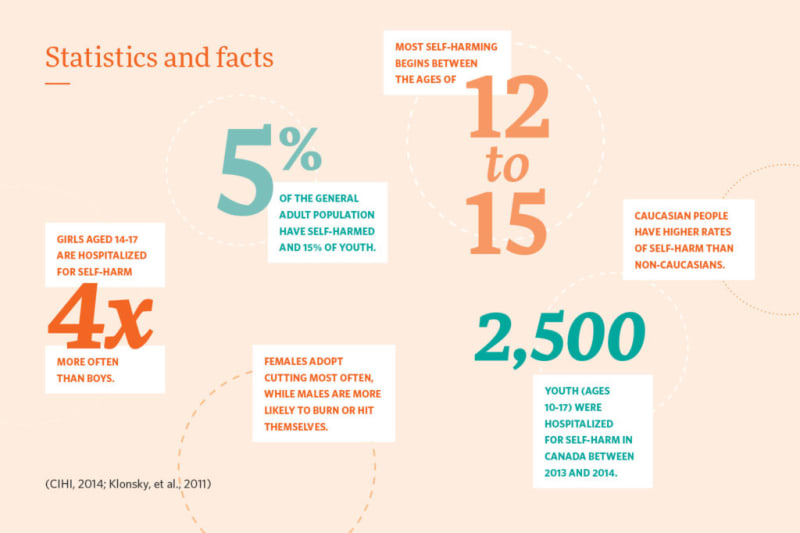
Self-Harm — The Statistics


1788895865110
1788895865121
1788895865136


Quick Facts to consider


  • Approximately 17% of adolescents worldwide report self-harming at least once in their lives.

  • Roughly 5.9% of adults in the United States engage in non-suicidal self-injury (NSSI).

  • Rates are significantly higher among youth, with about 17% to 35% of college students reporting self-injury.

  • Adolescence and young adulthood carry the highest risk, with the average age of onset at 13 years old.


Regional Statistics


  • In the U.S. in 2023, there were an estimated 240,778 emergency department visits for self-harm, the ages were from 10-25.
    • Rate of 372.02 visits for self-harm per 100,000 people

  • Statistics indicate that teenage girls and young women had more emergency-department visits for self-harm at higher rates than boys and men. Studies show teen girls are nearly twice as likely to engage in self-harm compared to teenage boys.
    • Female SH rate – 532.07 per 100,000
    • Male SH rate – 202.63 per 100,000

  • E.U. self-harm rate – 89.1 per 100,000 people
    • In the E.U. females are two times as vulnerable to self-harm than males are.

  • An analysis of adolescent self-harm behavior estimated a lifetime prevalence of approximately 21% across all European countries.


______________________________________________________________________________________________________________________________________________________________________________


Conclusion – How does it end ? Does it even end ?


Self-harm is a response to suffering, but suffering does not have to remain someone's permanent way of living…

At the end of the day, self-harm is so much more complicated than simply wanting to hurt yourself. No matter its origins, self-harm can lead a person to a pathway of endless pain and eventually death. This is not acceptable, we all must prevail and get the most out of our lives, at least we must try…

A person's suffering can become so overwhelming that it begins to define how they see themselves and their future but a person's present state does not have to become their permanent identity. Why must such a low moment in your life decide your whole future ?

The fact that someone has found one way to cope with their pain (self-harm) does not mean it is the only way they can manage it. Self-harm can become a cycle, but cycles can be broken. With proper understanding, support, and healthier coping mechanisms (professional help could help a lot as well) a person can learn to respond to their suffering differently in a more healthier way that helps them bounce back even stronger and relapse with the realization that they must embrace perseverance if they want to continue living life with a healthy and positive mentality.

Recovery is not about pretending the pain never existed; it is about reaching a point where pain no longer controls how a person treats themselves…​


6847551_tumblr_6cd0945eecf2859d5e001ecb148a74e8_c6b274cb_500.gif


______________________________________________________________________________________________________________________________________________________________________________


@DrMd
@illusion
@Seth Walsh
@Stardew
@Vrilltrum
 
Last edited:
  • +1
  • Love it
Reactions: Lemic, iwishicouldbediff, hax and 25 others
@Jesus_ist_König @Jgns @Peachy @Archangel @shedontluv-U
 
  • +1
Reactions: Lemic, kbj, shedontluv-U and 7 others
Didnt read but mirin the effort
 
  • +1
Reactions: Lemic, arlo_420, ArchangeI and 2 others
hymen
Will read later
 
  • +1
Reactions: arlo_420, ArchangeI and volgograd009
@registerfasterusing @unon @Askinov @negative @dofack
 
  • +1
Reactions: Lemic, arlo_420, ArchangeI and 1 other person
mirin thread
 
  • +1
Reactions: Lemic, Brava, arlo_420 and 2 others
Mirin
So glad i don't have this problem seems tough
Praying with all those who suffer from it
 
  • +1
Reactions: Lemic, copiumlover, Brava and 3 others
nice thread mirin:Chadge:
 
  • +1
Reactions: Lemic, copiumlover, volgograd009 and 3 others
Intro

Hello guys, this is a pretty sensitive topic, so I would please ask for all the troll posts to stay away just this one time. Threads like these are sometimes needed; many people go through mental hardships, and some may turn to self-harm as a way of coping. My goal with this post is to reach out to those in need of some hopefuel struggling with these poor habits. What may start as a joke or something unserious, turns into countless hours of pain just so the person can escape reality, away from their problems, just for those moments. But unfortunately that is not a healthy way to go about things, self-harm with time destroys the human body. The minor cuts or burns eventually are not enough, so people escalate the self-destruction to bigger cuts and bigger burns, and eventually a pathway like this could lead to the unfortunate end of su1c1de.

This thread is not meant to judge or shame anyone who struggles with self-harm. Rather, it is meant to remind you that you are not beyond help, recovery is possible, and your struggles do not have to define the rest of your life. No matter how long you have been struggling, it is never too late to take a different path and reach out for support. Hopefully, this thread can offer even a small amount of hope to someone who needs it.


Let's begin…


______________________________________________________________________________________________________________________________________________________________________________


What is self harm?


Self-harm: The intentional act of hurting your own body, usually as a way to cope with deep emotional pain or stress, without the intent to end your life

Self harm is generally a response to psychological or emotional distress.

Although I do think that there are people out there that could do it for the pure desire of trying to get more attention, it would still be a minor minority doing that.


So the question arises: Why would someone deliberately cause themselves harm, and why can stopping it be so difficult?


______________________________________________________________________________________________________________________________________________________________________________


Why does self harm start — The psychology


Contributing factors ; what can make someone vulnerable ?

These don’t automatically cause self-harm, but they increase vulnerability and could potentially make someone more susceptible to self-harm.

  • Unsupportive family environment
    • Emotionally unavailable parents
    • Constant criticism or conflict
    • Neglect
    • Feeling misunderstood at home
    • Lack of emotional safety

  • Lack of social support
    • Few close friends
    • Feeling isolated or rejected
    • Believing nobody would understand
    • Difficulty trusting others
    • No one to talk to about deep issues
    • No friends at all

  • Bullying or social rejection
    • Being bullied at school or online
    • Persistent humiliation or exclusion
    • Difficult peer relationships

  • Trauma or prolonged adversity
    • Experiencing traumatic events
    • Major instability or repeated stressful experiences
    • Living in an environment that feels unsafe or unpredictable

  • Difficulty with emotional regulation
    • Having intense emotions that feel difficult to control
    • Not having learned healthy ways to process distress
    • Difficulty communicating feelings

  • Chronic stress
    • Academic pressure
    • Family problems
    • Relationship difficulties
    • Major life changes

  • Negative self-perception
    • Persistent self-criticism
    • Feeling worthless or like a burden
    • Strong feelings of guilt or shame

  • Exposure and social learning
    • Encountering self-harm through peers or online communities can sometimes influence how someone understands or responds to distress.


Psychological reasons — direct pathways to self harm…

These are the immediate reasons someone may turn to self-harm.

  • Managing overwhelming emotions
    • Trying to cope with intense sadness, anger, anxiety, or distress.

  • Seeking temporary emotional relief
    • Attempting to change an emotional state that may feel unbearable.

  • Breaking through emotional numbness
    • Some people describe feeling disconnected or emotionally numb and seeking some kind of noticeable emotional change.

  • Regaining a sense of control
    • When circumstances feel uncontrollable, a person may seek something they perceive as being within their control.

  • Self-punishment
    • Someone may believe they deserve punishment because of guilt, shame, or extremely negative beliefs about themselves. (Emotional self-harm becoming physical)

  • Communicating distress
    • A person may struggle to put their emotional pain into words and use behavior as an expression of distress. This doesn’t always mean self-harm is simply “attention-seeking.”

  • Interrupting overwhelming thoughts
    • Trying to shift attention away and distract themselves from distressing thoughts.

  • Learned coping mechanism
    • If a person experiences temporary relief from distress after self-harming, their brain can learn to associate the behavior with that change in emotional state. Once this becomes routine, it’s hard to break.

  • Attention seeking
    • A lack of attention to oneself may make them want to begin hurting themselves to receive special kind of attention.


*The most important thing that we need to understand is that there is not one single reason for why self-harm can start. Two people can engage in the same activity with different kinds of reasons and intentions.*​


______________________________________________________________________________________________________________________________________________________________________________


Different forms of Self-Harm


Emotional self harm

Emotional self harm can be as little as cursing ourselves out, and as big as becoming your own worst enemy.

Main origin: Usually when someone is surrounded by negative people who spread their negativity to others by telling them that they are not good enough and things of that nature, usually this mentality transfers over to those affected by it, so they eventually start to hold grudges against themselves and start to think about themselves negatively.


Physical self-harm

Physical self-harm is when someone physically hurts themselves intentionally. This usually is done through cutting, hitting, injuring, scratching, burning themselves.

Main origin: Physical self-harm may begin as an attempt to cope with emotional pain, rather than from a desire to experience physical pain itself. Other common origins: desire for attention, loneliness, and search for short-term relief.


  1. Substance-related self-harm — Misusing substances with the intention of harming oneself.
  2. Self-sabotage — Deliberately damaging one’s relationships, education, opportunities, or other important parts of life because of negative beliefs about oneself.
  3. Self-neglect — Deliberately failing to care for basic needs or one’s wellbeing.


______________________________________________________________________________________________________________________________________________________________________________


The Cycle — why does it continue ?


We know why it starts… but why does one continue to partake in the acts of self-harm ? Especially on a consistent basis…


Here are the biggest reasons as to why people continue…


  • To feel pain.
Many physically damage themselves to feel that pain. Usually they like to have this physical pain be like a distraction from their emotional pain or from their current life problems.


  • Treating SH like a deserved punishment.
For some they feel like they deserve punishment for something they regret doing or maybe got away with doing something not good. Hurting themselves serves like a punishment for people with such desires.


  • Endorphin release
Injuries from self-harm triggers the body to release endorphins. Endorphins create a brief sense of physiological relief.


  • A way of coping with numbness, vanity, futility.
Long lasting loneliness, purposelessness, and numbness in an individual's life allows habits like self-harm to continue.


When unbearable emotions get altered by temporary relief; regardless of the specific purpose that relief brings, this makes the person more comfortable with self harm and makes it more a part of their daily life and also more reliant on self-harm as a form of relief from distress. So in the long run, it's not even because the person genuinely wants to put harm on themselves, self-harm becomes subconsciously a part of their lifestyle, making it more normalized and less scary.


*An important thing to note is that this is temporary relief. The purpose of this relief does not matter, it never solves the underlying problem.*​


______________________________________________________________________________________________________________________________________________________________________________


The philosophical side of SH — Why does someone turn their suffering against themselves?


Questions to ask yourself (regardless if you struggle with SH or not)

  • Why do humans sometimes respond to pain by directing it toward themselves ?

  • Why do us humans continue to hide our struggles until the very end ?

  • Does suffering have meaning, or do humans sometimes create meaning around their suffering ?

  • Is it truly impossible for someone to recover by themselves ?

  • Why does a person's lowest mental health level dictate the rest of their lives ?


I believe that self-harm is so much deeper than just grabbing a razor and cutting yourself; it is something that not only indicates a person's mental health but also when the person hides their injuries, it expands the person's mental low even deeper.

What is the person actually trying to escape? What pain has become so difficult to carry that the person feels they need another way to cope with it?

What I see is a person with a strong level of endurance, not giving up on life, but expressing their overwhelming distress, although in private, it's still something they do to keep their will to live somewhat alive.


“A struggle to remain afloat when the person has not yet found healthier ways to carry their pain.”


______________________________________________________________________________________________________________________________________________________________________________


Why “just stop” doesn’t work

The goal is not to just cease the habit of self-harm; but to solve the root problem, fix the emotional uncertainty, and resolve the negative mentality.

If a person who does self-harm on a consistent basis somehow manages to get himself to suddenly stop, that would be amazing! But how long would that last ? And would this sudden “recovery” be enough to restore their mental health ?

In my opinion it’s best to begin your recovery process from the root of the cause and knock it down; the rest will follow!


______________________________________________________________________________________________________________________________________________________________________________


Starting the recovery process…


*Before we discuss how you can take action against self-harm , and stop doing it, I want to preface by saying that my pms are open to anyone in need of help, I’m a genuine rotter and rarely go out of the house, so don’t hesitate thinking that you are bothering me in any way by reaching out to me. If you need someone to talk to about your self-harm habits, I’m here…*


(spoiler: one thing we must evaluate before i can give some advice)

One thing that can help you at first is figuring out exactly…

  • At what time does SH attract me most ?
    • Is it a specific time (EX: 7:00pm) ?
    • Is it at a time when no one is around (EX: mom leaves for work) ?
    • Is it after something happens (EX: coming back after school) ?

  • What do I feel before, during, and after SH ?
    • Does a specific emotion pull you into the deed ?

  • What are my rituals, routines, and habits that I do before, during, and after SH
    • Do these doings pull me more into the deed ?
    • Can I avoid them ? (if they bring harm)
    • Can I replace them with healthier habits that distract/ pull me away from SH?

I believe that these things are very overlooked. Understanding what surrounds you, whether it would be physically or emotionally, is really important because then you can begin to take action based on the knowledge that you know about what causes you to SH.


]METHODS[


Socializing more; especially during your most vulnerable times where you are most prone to SH. (I suppose talking online could be just as beneficial if not better)

However, many people might struggle with socializing or might not have anyone to talk to…

This is where I would recommend interacting with relatives (parents, grandparents, aunts & uncles, etc)

OR

Going to public places like libraries, grocery stores, parks, and the gym are all places where you can be around people (giving you the choice to socialize or at least have a forced interaction) or just be around people so you wouldn't have the opportunity to hide and SH yourself.

This method is hard at first, but after the first couple of times it starts becoming a piece of cake. (somehow force yourself to do it just once. It will be worth it I promise)


Hobby maxxing, doing something you enjoy.

Honestly the hobby can be anything as long as it starts to take time off of your day. It is ok if you begin to start fitting in both SH and your new hobby in your daily routine, as long as you are putting more effort into developing your hobby so you can spend more time on that rather than SH.

Hobby inspirations…

  • Reading
    • Romance
    • Manga
    • Comics
    • History books
    • Something easy to read but can teach you things

  • Sewing
  • Drawing
  • Journaling
  • Video Games
  • Going on walks
  • Gym


Doing less and less damage each day until you are doing barely any harm to yourself.

Ahhhh this one is tricky to convince yourself to do, but if you can try to do one less scratch/cut/burn, then with each day you would be doing less and less.


Doomscrolling

Nothing much to explain here, doomscrolling is excusable here.

Personally has helped me get rid of some other bad habits.


*I think an important thing to note for all these methods is that getting out of your comfort zone is a must, it is the hardest part, and you should definitely reach out to a person you trust for a good jumpstart out of your comfort zone.*


The best thing to do is to talk…


It’s really important to be able to reach out to therapists when going through self-harm episodes, especially because struggling alone can make difficult emotions feel even more overwhelming. In my opinion the best thing you can do is to talk to someone you trust. A therapist would be ideal but the problem is that they are not accessible to everyone. The next best thing would be to open up to your family or a friend and ask for their assistance. Usually after opening up the desire for SH drops significantly. Struggling in Isolation is way too difficult, step out of your comfort zone this once to help yourself get away from SH.


______________________________________________________________________________________________________________________________________________________________________________


Why you should not harm yourself


Reasons to stop / not begin self-harm…


  • The feeling that drives the urge is temporary, even when it feels endless.
  • You deserve coping mechanisms that don't leave you with more pain afterward.
  • Stopping doesn't require having your entire life figured out—just choosing a different response one moment at a time.
  • Recovery can give you back energy that the pain took away from you.
  • You are allowed to seek relief without hurting yourself.
  • A relapse or difficult day doesn't erase progress.
  • The version of you who feels better in the future deserves the chance to exist.
  • You may eventually discover reasons to live and create that you can't see from your current perspective; that current perspective is being blurred by your current actions.
  • Pain can be acknowledged without it ruining your identity.
  • You don't have to hate yourself to become someone better.
  • There are healthier ways to regain control, express overwhelming emotions, and release tension.
  • Express your plans with self-harm to anyone, see how they react…

(I bolded my favorite ones…)


______________________________________________________________________________________________________________________________________________________________________________


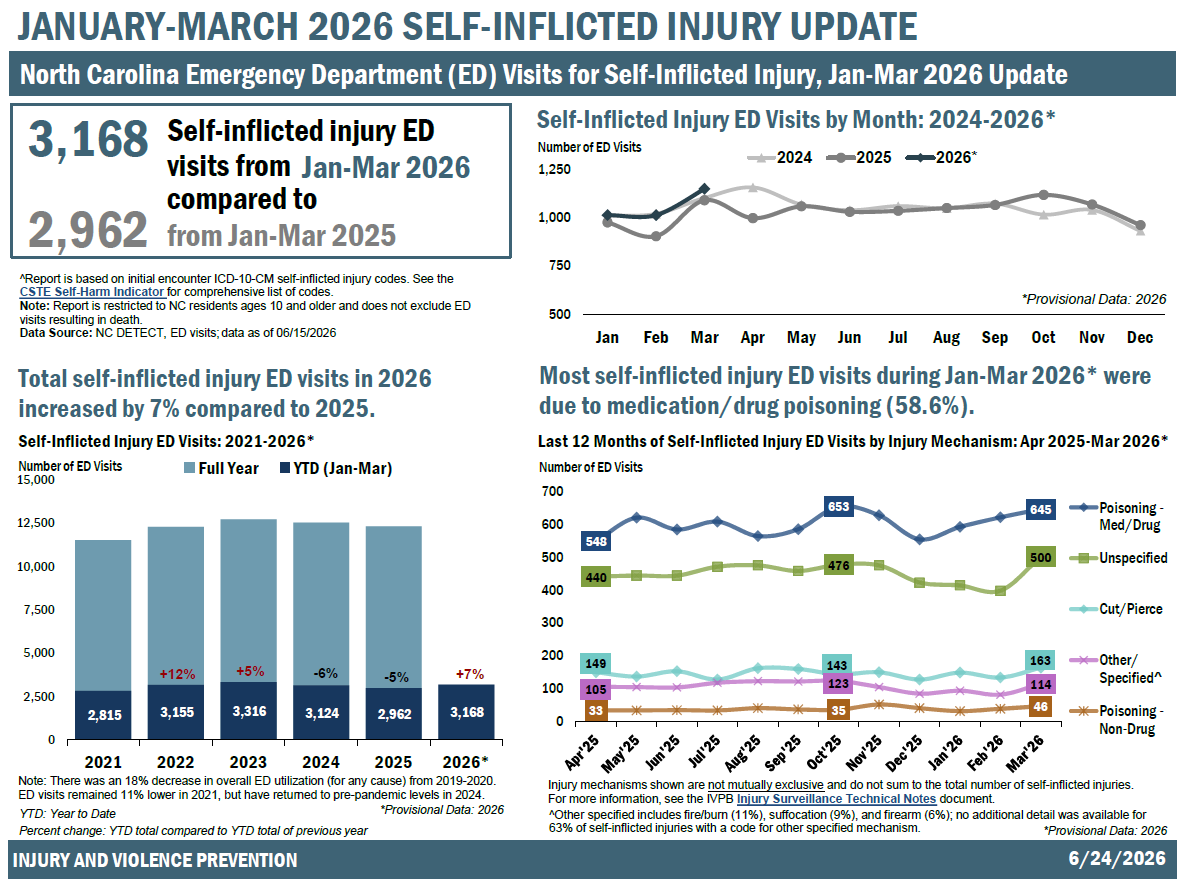
Self-Harm — The Statistics


View attachment 5623863View attachment 5623864View attachment 5623865


Quick Facts to consider


  • Approximately 17% of adolescents worldwide report self-harming at least once in their lives.

  • Roughly 5.9% of adults in the United States engage in non-suicidal self-injury (NSSI).

  • Rates are significantly higher among youth, with about 17% to 35% of college students reporting self-injury.

  • Adolescence and young adulthood carry the highest risk, with the average age of onset at 13 years old.


Regional Statistics


  • In the U.S. in 2023, there were an estimated 240,778 emergency department visits for self-harm, the ages were from 10-25.
    • Rate of 372.02 visits for self-harm per 100,000 people

  • Statistics indicate that teenage girls and young women had more emergency-department visits for self-harm at higher rates than boys and men. Studies show teen girls are nearly twice as likely to engage in self-harm compared to teenage boys.
    • Female SH rate – 532.07 per 100,000
    • Male SH rate – 202.63 per 100,000

  • E.U. self-harm rate – 89.1 per 100,000 people
    • In the E.U. females are two times as vulnerable to self-harm than males are.

  • An analysis of adolescent self-harm behavior estimated a lifetime prevalence of approximately 21% across all European countries.


______________________________________________________________________________________________________________________________________________________________________________


Conclusion – How does it end ? Does it even end ?


Self-harm is a response to suffering, but suffering does not have to remain someone's permanent way of living…

At the end of the day, self-harm is so much more complicated than simply wanting to hurt yourself. No matter its origins, self-harm can lead a person to a pathway of endless pain and eventually death. This is not acceptable, we all must prevail and get the most out of our lives, at least we must try…

A person's suffering can become so overwhelming that it begins to define how they see themselves and their future but a person's present state does not have to become their permanent identity. Why must such a low moment in your life decide your whole future ?

The fact that someone has found one way to cope with their pain (self-harm) does not mean it is the only way they can manage it. Self-harm can become a cycle, but cycles can be broken. With proper understanding, support, and healthier coping mechanisms (professional help could help a lot as well) a person can learn to respond to their suffering differently in a more healthier way that helps them bounce back even stronger and relapse with the realization that they must embrace perseverance if they want to continue living life with a healthy and positive mentality.

Recovery is not about pretending the pain never existed; it is about reaching a point where pain no longer controls how a person treats themselves…​


6847551_tumblr_6cd0945eecf2859d5e001ecb148a74e8_c6b274cb_500.gif


______________________________________________________________________________________________________________________________________________________________________________


@DrMd
@illusion
@Seth Walsh
@Stardew
@Vrilltrum
Didn't read as self harm isn't an issue for me but mirin the possitivity and the high efffort
 
  • +1
Reactions: Lemic, volgograd009 and Brava
@Lemic @rand anon @Stalker @soapbubble @italianltn
 
  • +1
Reactions: Lemic, Stalker, arlo_420 and 2 others
wrists are safe don't be a pussy and draw on your jugular

Cut deeper bitch
 
  • +1
  • JFL
Reactions: Lemic, hax, Stalker and 1 other person
  • +1
Reactions: Lemic, copiumlover, Sett and 2 others
If you selfharm for attention
you also have a mental problem
Therefore you need help from the people who surround you
Just like the people who sh for emotional pain
All the people who do selfharm should recieve support.
 
  • +1
Reactions: arlo_420 and Brava
show this thread to people who think bonesmashing has effect
 
If you selfharm for attention
you also have a mental problem
Therefore you need help from the people who surround you
Just like the people who sh for emotional pain
All the people who do selfharm should recieve support.
i never said that people seeking attention are not going throihg any mental hardships. i am simply just acknowledging that such people exist

you are correct everyone desreves help with a sh problem
 
  • +1
Reactions: Gravitas
@iblameb @iblameweight @Askinov @james_2006 @sasha108
 
  • +1
Reactions: shedontluv-U, james_2006 and sasha108
Intro

Hello guys, this is a pretty sensitive topic, so I would please ask for all the troll posts to stay away just this one time. Threads like these are sometimes needed; many people go through mental hardships, and some may turn to self-harm as a way of coping. My goal with this post is to reach out to those in need of some hopefuel struggling with these poor habits. What may start as a joke or something unserious, turns into countless hours of pain just so the person can escape reality, away from their problems, just for those moments. But unfortunately that is not a healthy way to go about things, self-harm with time destroys the human body. The minor cuts or burns eventually are not enough, so people escalate the self-destruction to bigger cuts and bigger burns, and eventually a pathway like this could lead to the unfortunate end of su1c1de.

This thread is not meant to judge or shame anyone who struggles with self-harm. Rather, it is meant to remind you that you are not beyond help, recovery is possible, and your struggles do not have to define the rest of your life. No matter how long you have been struggling, it is never too late to take a different path and reach out for support. Hopefully, this thread can offer even a small amount of hope to someone who needs it.


Let's begin…


______________________________________________________________________________________________________________________________________________________________________________


What is self harm?


Self-harm: The intentional act of hurting your own body, usually as a way to cope with deep emotional pain or stress, without the intent to end your life

Self harm is generally a response to psychological or emotional distress.

Although I do think that there are people out there that could do it for the pure desire of trying to get more attention, it would still be a minor minority doing that.


So the question arises: Why would someone deliberately cause themselves harm, and why can stopping it be so difficult?


______________________________________________________________________________________________________________________________________________________________________________


Why does self harm start — The psychology


Contributing factors ; what can make someone vulnerable ?

These don’t automatically cause self-harm, but they increase vulnerability and could potentially make someone more susceptible to self-harm.

  • Unsupportive family environment
    • Emotionally unavailable parents
    • Constant criticism or conflict
    • Neglect
    • Feeling misunderstood at home
    • Lack of emotional safety

  • Lack of social support
    • Few close friends
    • Feeling isolated or rejected
    • Believing nobody would understand
    • Difficulty trusting others
    • No one to talk to about deep issues
    • No friends at all

  • Bullying or social rejection
    • Being bullied at school or online
    • Persistent humiliation or exclusion
    • Difficult peer relationships

  • Trauma or prolonged adversity
    • Experiencing traumatic events
    • Major instability or repeated stressful experiences
    • Living in an environment that feels unsafe or unpredictable

  • Difficulty with emotional regulation
    • Having intense emotions that feel difficult to control
    • Not having learned healthy ways to process distress
    • Difficulty communicating feelings

  • Chronic stress
    • Academic pressure
    • Family problems
    • Relationship difficulties
    • Major life changes

  • Negative self-perception
    • Persistent self-criticism
    • Feeling worthless or like a burden
    • Strong feelings of guilt or shame

  • Exposure and social learning
    • Encountering self-harm through peers or online communities can sometimes influence how someone understands or responds to distress.


Psychological reasons — direct pathways to self harm…

These are the immediate reasons someone may turn to self-harm.

  • Managing overwhelming emotions
    • Trying to cope with intense sadness, anger, anxiety, or distress.

  • Seeking temporary emotional relief
    • Attempting to change an emotional state that may feel unbearable.

  • Breaking through emotional numbness
    • Some people describe feeling disconnected or emotionally numb and seeking some kind of noticeable emotional change.

  • Regaining a sense of control
    • When circumstances feel uncontrollable, a person may seek something they perceive as being within their control.

  • Self-punishment
    • Someone may believe they deserve punishment because of guilt, shame, or extremely negative beliefs about themselves. (Emotional self-harm becoming physical)

  • Communicating distress
    • A person may struggle to put their emotional pain into words and use behavior as an expression of distress. This doesn’t always mean self-harm is simply “attention-seeking.”

  • Interrupting overwhelming thoughts
    • Trying to shift attention away and distract themselves from distressing thoughts.

  • Learned coping mechanism
    • If a person experiences temporary relief from distress after self-harming, their brain can learn to associate the behavior with that change in emotional state. Once this becomes routine, it’s hard to break.

  • Attention seeking
    • A lack of attention to oneself may make them want to begin hurting themselves to receive special kind of attention.


*The most important thing that we need to understand is that there is not one single reason for why self-harm can start. Two people can engage in the same activity with different kinds of reasons and intentions.*​


______________________________________________________________________________________________________________________________________________________________________________


Different forms of Self-Harm


Emotional self harm

Emotional self harm can be as little as cursing ourselves out, and as big as becoming your own worst enemy.

Main origin: Usually when someone is surrounded by negative people who spread their negativity to others by telling them that they are not good enough and things of that nature, usually this mentality transfers over to those affected by it, so they eventually start to hold grudges against themselves and start to think about themselves negatively.


Physical self-harm

Physical self-harm is when someone physically hurts themselves intentionally. This usually is done through cutting, hitting, injuring, scratching, burning themselves.

Main origin: Physical self-harm may begin as an attempt to cope with emotional pain, rather than from a desire to experience physical pain itself. Other common origins: desire for attention, loneliness, and search for short-term relief.


  1. Substance-related self-harm — Misusing substances with the intention of harming oneself.
  2. Self-sabotage — Deliberately damaging one’s relationships, education, opportunities, or other important parts of life because of negative beliefs about oneself.
  3. Self-neglect — Deliberately failing to care for basic needs or one’s wellbeing.


______________________________________________________________________________________________________________________________________________________________________________


The Cycle — why does it continue ?


We know why it starts… but why does one continue to partake in the acts of self-harm ? Especially on a consistent basis…


Here are the biggest reasons as to why people continue…


  • To feel pain.
Many physically damage themselves to feel that pain. Usually they like to have this physical pain be like a distraction from their emotional pain or from their current life problems.


  • Treating SH like a deserved punishment.
For some they feel like they deserve punishment for something they regret doing or maybe got away with doing something not good. Hurting themselves serves like a punishment for people with such desires.


  • Endorphin release
Injuries from self-harm triggers the body to release endorphins. Endorphins create a brief sense of physiological relief.


  • A way of coping with numbness, vanity, futility.
Long lasting loneliness, purposelessness, and numbness in an individual's life allows habits like self-harm to continue.


When unbearable emotions get altered by temporary relief; regardless of the specific purpose that relief brings, this makes the person more comfortable with self harm and makes it more a part of their daily life and also more reliant on self-harm as a form of relief from distress. So in the long run, it's not even because the person genuinely wants to put harm on themselves, self-harm becomes subconsciously a part of their lifestyle, making it more normalized and less scary.


*An important thing to note is that this is temporary relief. The purpose of this relief does not matter, it never solves the underlying problem.*​


______________________________________________________________________________________________________________________________________________________________________________


The philosophical side of SH — Why does someone turn their suffering against themselves?


Questions to ask yourself (regardless if you struggle with SH or not)

  • Why do humans sometimes respond to pain by directing it toward themselves ?

  • Why do us humans continue to hide our struggles until the very end ?

  • Does suffering have meaning, or do humans sometimes create meaning around their suffering ?

  • Is it truly impossible for someone to recover by themselves ?

  • Why does a person's lowest mental health level dictate the rest of their lives ?


I believe that self-harm is so much deeper than just grabbing a razor and cutting yourself; it is something that not only indicates a person's mental health but also when the person hides their injuries, it expands the person's mental low even deeper.

What is the person actually trying to escape? What pain has become so difficult to carry that the person feels they need another way to cope with it?

What I see is a person with a strong level of endurance, not giving up on life, but expressing their overwhelming distress, although in private, it's still something they do to keep their will to live somewhat alive.


“A struggle to remain afloat when the person has not yet found healthier ways to carry their pain.”


______________________________________________________________________________________________________________________________________________________________________________


Why “just stop” doesn’t work

The goal is not to just cease the habit of self-harm; but to solve the root problem, fix the emotional uncertainty, and resolve the negative mentality.

If a person who does self-harm on a consistent basis somehow manages to get himself to suddenly stop, that would be amazing! But how long would that last ? And would this sudden “recovery” be enough to restore their mental health ?

In my opinion it’s best to begin your recovery process from the root of the cause and knock it down; the rest will follow!


______________________________________________________________________________________________________________________________________________________________________________


Starting the recovery process…


*Before we discuss how you can take action against self-harm , and stop doing it, I want to preface by saying that my pms are open to anyone in need of help, I’m a genuine rotter and rarely go out of the house, so don’t hesitate thinking that you are bothering me in any way by reaching out to me. If you need someone to talk to about your self-harm habits, I’m here…*


(spoiler: one thing we must evaluate before i can give some advice)

One thing that can help you at first is figuring out exactly…

  • At what time does SH attract me most ?
    • Is it a specific time (EX: 7:00pm) ?
    • Is it at a time when no one is around (EX: mom leaves for work) ?
    • Is it after something happens (EX: coming back after school) ?

  • What do I feel before, during, and after SH ?
    • Does a specific emotion pull you into the deed ?

  • What are my rituals, routines, and habits that I do before, during, and after SH
    • Do these doings pull me more into the deed ?
    • Can I avoid them ? (if they bring harm)
    • Can I replace them with healthier habits that distract/ pull me away from SH?

I believe that these things are very overlooked. Understanding what surrounds you, whether it would be physically or emotionally, is really important because then you can begin to take action based on the knowledge that you know about what causes you to SH.


]METHODS[


Socializing more; especially during your most vulnerable times where you are most prone to SH. (I suppose talking online could be just as beneficial if not better)

However, many people might struggle with socializing or might not have anyone to talk to…

This is where I would recommend interacting with relatives (parents, grandparents, aunts & uncles, etc)

OR

Going to public places like libraries, grocery stores, parks, and the gym are all places where you can be around people (giving you the choice to socialize or at least have a forced interaction) or just be around people so you wouldn't have the opportunity to hide and SH yourself.

This method is hard at first, but after the first couple of times it starts becoming a piece of cake. (somehow force yourself to do it just once. It will be worth it I promise)


Hobby maxxing, doing something you enjoy.

Honestly the hobby can be anything as long as it starts to take time off of your day. It is ok if you begin to start fitting in both SH and your new hobby in your daily routine, as long as you are putting more effort into developing your hobby so you can spend more time on that rather than SH.

Hobby inspirations…

  • Reading
    • Romance
    • Manga
    • Comics
    • History books
    • Something easy to read but can teach you things

  • Sewing
  • Drawing
  • Journaling
  • Video Games
  • Going on walks
  • Gym


Doing less and less damage each day until you are doing barely any harm to yourself.

Ahhhh this one is tricky to convince yourself to do, but if you can try to do one less scratch/cut/burn, then with each day you would be doing less and less.


Doomscrolling

Nothing much to explain here, doomscrolling is excusable here.

Personally has helped me get rid of some other bad habits.


*I think an important thing to note for all these methods is that getting out of your comfort zone is a must, it is the hardest part, and you should definitely reach out to a person you trust for a good jumpstart out of your comfort zone.*


The best thing to do is to talk…


It’s really important to be able to reach out to therapists when going through self-harm episodes, especially because struggling alone can make difficult emotions feel even more overwhelming. In my opinion the best thing you can do is to talk to someone you trust. A therapist would be ideal but the problem is that they are not accessible to everyone. The next best thing would be to open up to your family or a friend and ask for their assistance. Usually after opening up the desire for SH drops significantly. Struggling in Isolation is way too difficult, step out of your comfort zone this once to help yourself get away from SH.


______________________________________________________________________________________________________________________________________________________________________________


Why you should not harm yourself


Reasons to stop / not begin self-harm…


  • The feeling that drives the urge is temporary, even when it feels endless.
  • You deserve coping mechanisms that don't leave you with more pain afterward.
  • Stopping doesn't require having your entire life figured out—just choosing a different response one moment at a time.
  • Recovery can give you back energy that the pain took away from you.
  • You are allowed to seek relief without hurting yourself.
  • A relapse or difficult day doesn't erase progress.
  • The version of you who feels better in the future deserves the chance to exist.
  • You may eventually discover reasons to live and create that you can't see from your current perspective; that current perspective is being blurred by your current actions.
  • Pain can be acknowledged without it ruining your identity.
  • You don't have to hate yourself to become someone better.
  • There are healthier ways to regain control, express overwhelming emotions, and release tension.
  • Express your plans with self-harm to anyone, see how they react…

(I bolded my favorite ones…)


______________________________________________________________________________________________________________________________________________________________________________


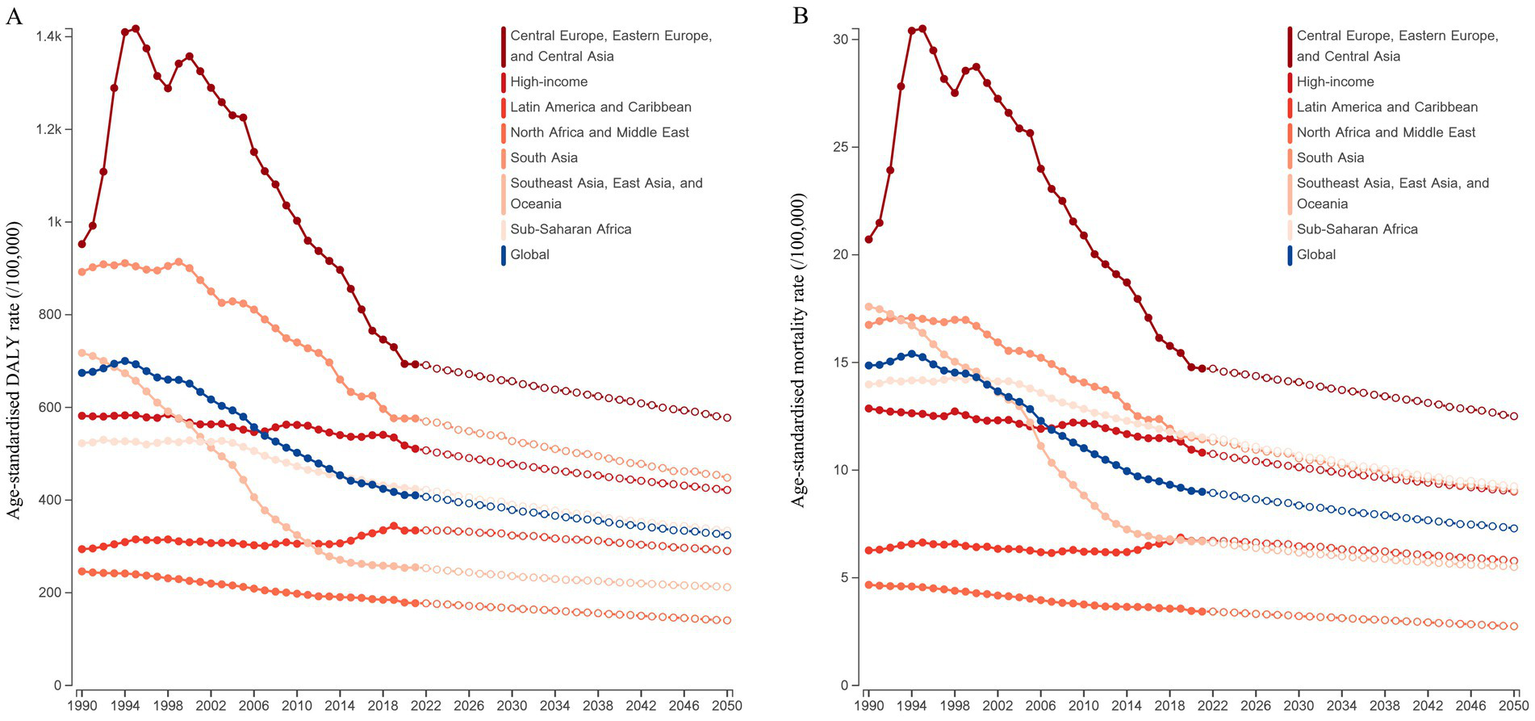
Self-Harm — The Statistics


View attachment 5623863View attachment 5623864View attachment 5623865


Quick Facts to consider


  • Approximately 17% of adolescents worldwide report self-harming at least once in their lives.

  • Roughly 5.9% of adults in the United States engage in non-suicidal self-injury (NSSI).

  • Rates are significantly higher among youth, with about 17% to 35% of college students reporting self-injury.

  • Adolescence and young adulthood carry the highest risk, with the average age of onset at 13 years old.


Regional Statistics


  • In the U.S. in 2023, there were an estimated 240,778 emergency department visits for self-harm, the ages were from 10-25.
    • Rate of 372.02 visits for self-harm per 100,000 people

  • Statistics indicate that teenage girls and young women had more emergency-department visits for self-harm at higher rates than boys and men. Studies show teen girls are nearly twice as likely to engage in self-harm compared to teenage boys.
    • Female SH rate – 532.07 per 100,000
    • Male SH rate – 202.63 per 100,000

  • E.U. self-harm rate – 89.1 per 100,000 people
    • In the E.U. females are two times as vulnerable to self-harm than males are.

  • An analysis of adolescent self-harm behavior estimated a lifetime prevalence of approximately 21% across all European countries.


______________________________________________________________________________________________________________________________________________________________________________


Conclusion – How does it end ? Does it even end ?


Self-harm is a response to suffering, but suffering does not have to remain someone's permanent way of living…

At the end of the day, self-harm is so much more complicated than simply wanting to hurt yourself. No matter its origins, self-harm can lead a person to a pathway of endless pain and eventually death. This is not acceptable, we all must prevail and get the most out of our lives, at least we must try…

A person's suffering can become so overwhelming that it begins to define how they see themselves and their future but a person's present state does not have to become their permanent identity. Why must such a low moment in your life decide your whole future ?

The fact that someone has found one way to cope with their pain (self-harm) does not mean it is the only way they can manage it. Self-harm can become a cycle, but cycles can be broken. With proper understanding, support, and healthier coping mechanisms (professional help could help a lot as well) a person can learn to respond to their suffering differently in a more healthier way that helps them bounce back even stronger and relapse with the realization that they must embrace perseverance if they want to continue living life with a healthy and positive mentality.

Recovery is not about pretending the pain never existed; it is about reaching a point where pain no longer controls how a person treats themselves…​


6847551_tumblr_6cd0945eecf2859d5e001ecb148a74e8_c6b274cb_500.gif


______________________________________________________________________________________________________________________________________________________________________________


@DrMd
@illusion
@Seth Walsh
@Stardew
@Vrilltrum
#stopselfharm

good man
 
  • +1
Reactions: Brava
Doki Doki Comments GIF
 
  • +1
Reactions: NinjaRG9
@iblameb @iblameweight @Askinov @james_2006 @sasha108
really good thread

I have never cut myself before, and I'm glad I haven't
 
  • +1
Reactions: sasha108 and Brava
#stopselfharm

good man
It’s sad how disregarded it is and how so much people brush it off as a non issue. When in reality self harm leads to further degradation of a humans life and even possibly death. I hate self harm and want it gone.
 
  • +1
Reactions: Seth Walsh and james_2006
Intro

Hello guys, this is a pretty sensitive topic, so I would please ask for all the troll posts to stay away just this one time. Threads like these are sometimes needed; many people go through mental hardships, and some may turn to self-harm as a way of coping. My goal with this post is to reach out to those in need of some hopefuel struggling with these poor habits. What may start as a joke or something unserious, turns into countless hours of pain just so the person can escape reality, away from their problems, just for those moments. But unfortunately that is not a healthy way to go about things, self-harm with time destroys the human body. The minor cuts or burns eventually are not enough, so people escalate the self-destruction to bigger cuts and bigger burns, and eventually a pathway like this could lead to the unfortunate end of su1c1de.

This thread is not meant to judge or shame anyone who struggles with self-harm. Rather, it is meant to remind you that you are not beyond help, recovery is possible, and your struggles do not have to define the rest of your life. No matter how long you have been struggling, it is never too late to take a different path and reach out for support. Hopefully, this thread can offer even a small amount of hope to someone who needs it.


Let's begin…


______________________________________________________________________________________________________________________________________________________________________________


What is self harm?


Self-harm: The intentional act of hurting your own body, usually as a way to cope with deep emotional pain or stress, without the intent to end your life

Self harm is generally a response to psychological or emotional distress.

Although I do think that there are people out there that could do it for the pure desire of trying to get more attention, it would still be a minor minority doing that.


So the question arises: Why would someone deliberately cause themselves harm, and why can stopping it be so difficult?


______________________________________________________________________________________________________________________________________________________________________________


Why does self harm start — The psychology


Contributing factors ; what can make someone vulnerable ?

These don’t automatically cause self-harm, but they increase vulnerability and could potentially make someone more susceptible to self-harm.

  • Unsupportive family environment
    • Emotionally unavailable parents
    • Constant criticism or conflict
    • Neglect
    • Feeling misunderstood at home
    • Lack of emotional safety

  • Lack of social support
    • Few close friends
    • Feeling isolated or rejected
    • Believing nobody would understand
    • Difficulty trusting others
    • No one to talk to about deep issues
    • No friends at all

  • Bullying or social rejection
    • Being bullied at school or online
    • Persistent humiliation or exclusion
    • Difficult peer relationships

  • Trauma or prolonged adversity
    • Experiencing traumatic events
    • Major instability or repeated stressful experiences
    • Living in an environment that feels unsafe or unpredictable

  • Difficulty with emotional regulation
    • Having intense emotions that feel difficult to control
    • Not having learned healthy ways to process distress
    • Difficulty communicating feelings

  • Chronic stress
    • Academic pressure
    • Family problems
    • Relationship difficulties
    • Major life changes

  • Negative self-perception
    • Persistent self-criticism
    • Feeling worthless or like a burden
    • Strong feelings of guilt or shame

  • Exposure and social learning
    • Encountering self-harm through peers or online communities can sometimes influence how someone understands or responds to distress.


Psychological reasons — direct pathways to self harm…

These are the immediate reasons someone may turn to self-harm.

  • Managing overwhelming emotions
    • Trying to cope with intense sadness, anger, anxiety, or distress.

  • Seeking temporary emotional relief
    • Attempting to change an emotional state that may feel unbearable.

  • Breaking through emotional numbness
    • Some people describe feeling disconnected or emotionally numb and seeking some kind of noticeable emotional change.

  • Regaining a sense of control
    • When circumstances feel uncontrollable, a person may seek something they perceive as being within their control.

  • Self-punishment
    • Someone may believe they deserve punishment because of guilt, shame, or extremely negative beliefs about themselves. (Emotional self-harm becoming physical)

  • Communicating distress
    • A person may struggle to put their emotional pain into words and use behavior as an expression of distress. This doesn’t always mean self-harm is simply “attention-seeking.”

  • Interrupting overwhelming thoughts
    • Trying to shift attention away and distract themselves from distressing thoughts.

  • Learned coping mechanism
    • If a person experiences temporary relief from distress after self-harming, their brain can learn to associate the behavior with that change in emotional state. Once this becomes routine, it’s hard to break.

  • Attention seeking
    • A lack of attention to oneself may make them want to begin hurting themselves to receive special kind of attention.


*The most important thing that we need to understand is that there is not one single reason for why self-harm can start. Two people can engage in the same activity with different kinds of reasons and intentions.*​


______________________________________________________________________________________________________________________________________________________________________________


Different forms of Self-Harm


Emotional self harm

Emotional self harm can be as little as cursing ourselves out, and as big as becoming your own worst enemy.

Main origin: Usually when someone is surrounded by negative people who spread their negativity to others by telling them that they are not good enough and things of that nature, usually this mentality transfers over to those affected by it, so they eventually start to hold grudges against themselves and start to think about themselves negatively.


Physical self-harm

Physical self-harm is when someone physically hurts themselves intentionally. This usually is done through cutting, hitting, injuring, scratching, burning themselves.

Main origin: Physical self-harm may begin as an attempt to cope with emotional pain, rather than from a desire to experience physical pain itself. Other common origins: desire for attention, loneliness, and search for short-term relief.


  1. Substance-related self-harm — Misusing substances with the intention of harming oneself.
  2. Self-sabotage — Deliberately damaging one’s relationships, education, opportunities, or other important parts of life because of negative beliefs about oneself.
  3. Self-neglect — Deliberately failing to care for basic needs or one’s wellbeing.


______________________________________________________________________________________________________________________________________________________________________________


The Cycle — why does it continue ?


We know why it starts… but why does one continue to partake in the acts of self-harm ? Especially on a consistent basis…


Here are the biggest reasons as to why people continue…


  • To feel pain.
Many physically damage themselves to feel that pain. Usually they like to have this physical pain be like a distraction from their emotional pain or from their current life problems.


  • Treating SH like a deserved punishment.
For some they feel like they deserve punishment for something they regret doing or maybe got away with doing something not good. Hurting themselves serves like a punishment for people with such desires.


  • Endorphin release
Injuries from self-harm triggers the body to release endorphins. Endorphins create a brief sense of physiological relief.


  • A way of coping with numbness, vanity, futility.
Long lasting loneliness, purposelessness, and numbness in an individual's life allows habits like self-harm to continue.


When unbearable emotions get altered by temporary relief; regardless of the specific purpose that relief brings, this makes the person more comfortable with self harm and makes it more a part of their daily life and also more reliant on self-harm as a form of relief from distress. So in the long run, it's not even because the person genuinely wants to put harm on themselves, self-harm becomes subconsciously a part of their lifestyle, making it more normalized and less scary.


*An important thing to note is that this is temporary relief. The purpose of this relief does not matter, it never solves the underlying problem.*​


______________________________________________________________________________________________________________________________________________________________________________


The philosophical side of SH — Why does someone turn their suffering against themselves?


Questions to ask yourself (regardless if you struggle with SH or not)

  • Why do humans sometimes respond to pain by directing it toward themselves ?

  • Why do us humans continue to hide our struggles until the very end ?

  • Does suffering have meaning, or do humans sometimes create meaning around their suffering ?

  • Is it truly impossible for someone to recover by themselves ?

  • Why does a person's lowest mental health level dictate the rest of their lives ?


I believe that self-harm is so much deeper than just grabbing a razor and cutting yourself; it is something that not only indicates a person's mental health but also when the person hides their injuries, it expands the person's mental low even deeper.

What is the person actually trying to escape? What pain has become so difficult to carry that the person feels they need another way to cope with it?

What I see is a person with a strong level of endurance, not giving up on life, but expressing their overwhelming distress, although in private, it's still something they do to keep their will to live somewhat alive.


“A struggle to remain afloat when the person has not yet found healthier ways to carry their pain.”


______________________________________________________________________________________________________________________________________________________________________________


Why “just stop” doesn’t work

The goal is not to just cease the habit of self-harm; but to solve the root problem, fix the emotional uncertainty, and resolve the negative mentality.

If a person who does self-harm on a consistent basis somehow manages to get himself to suddenly stop, that would be amazing! But how long would that last ? And would this sudden “recovery” be enough to restore their mental health ?

In my opinion it’s best to begin your recovery process from the root of the cause and knock it down; the rest will follow!


______________________________________________________________________________________________________________________________________________________________________________


Starting the recovery process…


*Before we discuss how you can take action against self-harm , and stop doing it, I want to preface by saying that my pms are open to anyone in need of help, I’m a genuine rotter and rarely go out of the house, so don’t hesitate thinking that you are bothering me in any way by reaching out to me. If you need someone to talk to about your self-harm habits, I’m here…*


(spoiler: one thing we must evaluate before i can give some advice)

One thing that can help you at first is figuring out exactly…

  • At what time does SH attract me most ?
    • Is it a specific time (EX: 7:00pm) ?
    • Is it at a time when no one is around (EX: mom leaves for work) ?
    • Is it after something happens (EX: coming back after school) ?

  • What do I feel before, during, and after SH ?
    • Does a specific emotion pull you into the deed ?

  • What are my rituals, routines, and habits that I do before, during, and after SH
    • Do these doings pull me more into the deed ?
    • Can I avoid them ? (if they bring harm)
    • Can I replace them with healthier habits that distract/ pull me away from SH?

I believe that these things are very overlooked. Understanding what surrounds you, whether it would be physically or emotionally, is really important because then you can begin to take action based on the knowledge that you know about what causes you to SH.


]METHODS[


Socializing more; especially during your most vulnerable times where you are most prone to SH. (I suppose talking online could be just as beneficial if not better)

However, many people might struggle with socializing or might not have anyone to talk to…

This is where I would recommend interacting with relatives (parents, grandparents, aunts & uncles, etc)

OR

Going to public places like libraries, grocery stores, parks, and the gym are all places where you can be around people (giving you the choice to socialize or at least have a forced interaction) or just be around people so you wouldn't have the opportunity to hide and SH yourself.

This method is hard at first, but after the first couple of times it starts becoming a piece of cake. (somehow force yourself to do it just once. It will be worth it I promise)


Hobby maxxing, doing something you enjoy.

Honestly the hobby can be anything as long as it starts to take time off of your day. It is ok if you begin to start fitting in both SH and your new hobby in your daily routine, as long as you are putting more effort into developing your hobby so you can spend more time on that rather than SH.

Hobby inspirations…

  • Reading
    • Romance
    • Manga
    • Comics
    • History books
    • Something easy to read but can teach you things

  • Sewing
  • Drawing
  • Journaling
  • Video Games
  • Going on walks
  • Gym


Doing less and less damage each day until you are doing barely any harm to yourself.

Ahhhh this one is tricky to convince yourself to do, but if you can try to do one less scratch/cut/burn, then with each day you would be doing less and less.


Doomscrolling

Nothing much to explain here, doomscrolling is excusable here.

Personally has helped me get rid of some other bad habits.


*I think an important thing to note for all these methods is that getting out of your comfort zone is a must, it is the hardest part, and you should definitely reach out to a person you trust for a good jumpstart out of your comfort zone.*


The best thing to do is to talk…


It’s really important to be able to reach out to therapists when going through self-harm episodes, especially because struggling alone can make difficult emotions feel even more overwhelming. In my opinion the best thing you can do is to talk to someone you trust. A therapist would be ideal but the problem is that they are not accessible to everyone. The next best thing would be to open up to your family or a friend and ask for their assistance. Usually after opening up the desire for SH drops significantly. Struggling in Isolation is way too difficult, step out of your comfort zone this once to help yourself get away from SH.


______________________________________________________________________________________________________________________________________________________________________________


Why you should not harm yourself


Reasons to stop / not begin self-harm…


  • The feeling that drives the urge is temporary, even when it feels endless.
  • You deserve coping mechanisms that don't leave you with more pain afterward.
  • Stopping doesn't require having your entire life figured out—just choosing a different response one moment at a time.
  • Recovery can give you back energy that the pain took away from you.
  • You are allowed to seek relief without hurting yourself.
  • A relapse or difficult day doesn't erase progress.
  • The version of you who feels better in the future deserves the chance to exist.
  • You may eventually discover reasons to live and create that you can't see from your current perspective; that current perspective is being blurred by your current actions.
  • Pain can be acknowledged without it ruining your identity.
  • You don't have to hate yourself to become someone better.
  • There are healthier ways to regain control, express overwhelming emotions, and release tension.
  • Express your plans with self-harm to anyone, see how they react…

(I bolded my favorite ones…)


______________________________________________________________________________________________________________________________________________________________________________


Self-Harm — The Statistics


View attachment 5623863View attachment 5623864View attachment 5623865


Quick Facts to consider


  • Approximately 17% of adolescents worldwide report self-harming at least once in their lives.

  • Roughly 5.9% of adults in the United States engage in non-suicidal self-injury (NSSI).

  • Rates are significantly higher among youth, with about 17% to 35% of college students reporting self-injury.

  • Adolescence and young adulthood carry the highest risk, with the average age of onset at 13 years old.


Regional Statistics


  • In the U.S. in 2023, there were an estimated 240,778 emergency department visits for self-harm, the ages were from 10-25.
    • Rate of 372.02 visits for self-harm per 100,000 people

  • Statistics indicate that teenage girls and young women had more emergency-department visits for self-harm at higher rates than boys and men. Studies show teen girls are nearly twice as likely to engage in self-harm compared to teenage boys.
    • Female SH rate – 532.07 per 100,000
    • Male SH rate – 202.63 per 100,000

  • E.U. self-harm rate – 89.1 per 100,000 people
    • In the E.U. females are two times as vulnerable to self-harm than males are.

  • An analysis of adolescent self-harm behavior estimated a lifetime prevalence of approximately 21% across all European countries.


______________________________________________________________________________________________________________________________________________________________________________


Conclusion – How does it end ? Does it even end ?


Self-harm is a response to suffering, but suffering does not have to remain someone's permanent way of living…

At the end of the day, self-harm is so much more complicated than simply wanting to hurt yourself. No matter its origins, self-harm can lead a person to a pathway of endless pain and eventually death. This is not acceptable, we all must prevail and get the most out of our lives, at least we must try…

A person's suffering can become so overwhelming that it begins to define how they see themselves and their future but a person's present state does not have to become their permanent identity. Why must such a low moment in your life decide your whole future ?

The fact that someone has found one way to cope with their pain (self-harm) does not mean it is the only way they can manage it. Self-harm can become a cycle, but cycles can be broken. With proper understanding, support, and healthier coping mechanisms (professional help could help a lot as well) a person can learn to respond to their suffering differently in a more healthier way that helps them bounce back even stronger and relapse with the realization that they must embrace perseverance if they want to continue living life with a healthy and positive mentality.

Recovery is not about pretending the pain never existed; it is about reaching a point where pain no longer controls how a person treats themselves…​


6847551_tumblr_6cd0945eecf2859d5e001ecb148a74e8_c6b274cb_500.gif


______________________________________________________________________________________________________________________________________________________________________________


@DrMd
@illusion
@Seth Walsh
@Stardew
@Vrilltrum
Mirin, important topic
All this impulsive actions with roids or heavy substances also should be considered as self harm ( not only Substance-related self-harm yk)
 
  • +1
Reactions: Brava
Mirin, important topic
All this impulsive actions with roids or heavy substances also should be considered as self harm ( not only Substance-related self-harm yk)
Yes I have that mentioned dw lol
 
  • +1
Reactions: shedontluv-U and sasha108
Well written.
 
  • Love it
Reactions: Brava
Intro

Hello guys, this is a pretty sensitive topic, so I would please ask for all the troll posts to stay away just this one time. Threads like these are sometimes needed; many people go through mental hardships, and some may turn to self-harm as a way of coping. My goal with this post is to reach out to those in need of some hopefuel struggling with these poor habits. What may start as a joke or something unserious, turns into countless hours of pain just so the person can escape reality, away from their problems, just for those moments. But unfortunately that is not a healthy way to go about things, self-harm with time destroys the human body. The minor cuts or burns eventually are not enough, so people escalate the self-destruction to bigger cuts and bigger burns, and eventually a pathway like this could lead to the unfortunate end of su1c1de.

This thread is not meant to judge or shame anyone who struggles with self-harm. Rather, it is meant to remind you that you are not beyond help, recovery is possible, and your struggles do not have to define the rest of your life. No matter how long you have been struggling, it is never too late to take a different path and reach out for support. Hopefully, this thread can offer even a small amount of hope to someone who needs it.


Let's begin…


______________________________________________________________________________________________________________________________________________________________________________


What is self harm?


Self-harm: The intentional act of hurting your own body, usually as a way to cope with deep emotional pain or stress, without the intent to end your life

Self harm is generally a response to psychological or emotional distress.

Although I do think that there are people out there that could do it for the pure desire of trying to get more attention, it would still be a minor minority doing that.


So the question arises: Why would someone deliberately cause themselves harm, and why can stopping it be so difficult?


______________________________________________________________________________________________________________________________________________________________________________


Why does self harm start — The psychology


Contributing factors ; what can make someone vulnerable ?

These don’t automatically cause self-harm, but they increase vulnerability and could potentially make someone more susceptible to self-harm.

  • Unsupportive family environment
    • Emotionally unavailable parents
    • Constant criticism or conflict
    • Neglect
    • Feeling misunderstood at home
    • Lack of emotional safety

  • Lack of social support
    • Few close friends
    • Feeling isolated or rejected
    • Believing nobody would understand
    • Difficulty trusting others
    • No one to talk to about deep issues
    • No friends at all

  • Bullying or social rejection
    • Being bullied at school or online
    • Persistent humiliation or exclusion
    • Difficult peer relationships

  • Trauma or prolonged adversity
    • Experiencing traumatic events
    • Major instability or repeated stressful experiences
    • Living in an environment that feels unsafe or unpredictable

  • Difficulty with emotional regulation
    • Having intense emotions that feel difficult to control
    • Not having learned healthy ways to process distress
    • Difficulty communicating feelings

  • Chronic stress
    • Academic pressure
    • Family problems
    • Relationship difficulties
    • Major life changes

  • Negative self-perception
    • Persistent self-criticism
    • Feeling worthless or like a burden
    • Strong feelings of guilt or shame

  • Exposure and social learning
    • Encountering self-harm through peers or online communities can sometimes influence how someone understands or responds to distress.


Psychological reasons — direct pathways to self harm…

These are the immediate reasons someone may turn to self-harm.

  • Managing overwhelming emotions
    • Trying to cope with intense sadness, anger, anxiety, or distress.

  • Seeking temporary emotional relief
    • Attempting to change an emotional state that may feel unbearable.

  • Breaking through emotional numbness
    • Some people describe feeling disconnected or emotionally numb and seeking some kind of noticeable emotional change.

  • Regaining a sense of control
    • When circumstances feel uncontrollable, a person may seek something they perceive as being within their control.

  • Self-punishment
    • Someone may believe they deserve punishment because of guilt, shame, or extremely negative beliefs about themselves. (Emotional self-harm becoming physical)

  • Communicating distress
    • A person may struggle to put their emotional pain into words and use behavior as an expression of distress. This doesn’t always mean self-harm is simply “attention-seeking.”

  • Interrupting overwhelming thoughts
    • Trying to shift attention away and distract themselves from distressing thoughts.

  • Learned coping mechanism
    • If a person experiences temporary relief from distress after self-harming, their brain can learn to associate the behavior with that change in emotional state. Once this becomes routine, it’s hard to break.

  • Attention seeking
    • A lack of attention to oneself may make them want to begin hurting themselves to receive special kind of attention.


*The most important thing that we need to understand is that there is not one single reason for why self-harm can start. Two people can engage in the same activity with different kinds of reasons and intentions.*​


______________________________________________________________________________________________________________________________________________________________________________


Different forms of Self-Harm


Emotional self harm

Emotional self harm can be as little as cursing ourselves out, and as big as becoming your own worst enemy.

Main origin: Usually when someone is surrounded by negative people who spread their negativity to others by telling them that they are not good enough and things of that nature, usually this mentality transfers over to those affected by it, so they eventually start to hold grudges against themselves and start to think about themselves negatively.


Physical self-harm

Physical self-harm is when someone physically hurts themselves intentionally. This usually is done through cutting, hitting, injuring, scratching, burning themselves.

Main origin: Physical self-harm may begin as an attempt to cope with emotional pain, rather than from a desire to experience physical pain itself. Other common origins: desire for attention, loneliness, and search for short-term relief.


  1. Substance-related self-harm — Misusing substances with the intention of harming oneself.
  2. Self-sabotage — Deliberately damaging one’s relationships, education, opportunities, or other important parts of life because of negative beliefs about oneself.
  3. Self-neglect — Deliberately failing to care for basic needs or one’s wellbeing.


______________________________________________________________________________________________________________________________________________________________________________


The Cycle — why does it continue ?


We know why it starts… but why does one continue to partake in the acts of self-harm ? Especially on a consistent basis…


Here are the biggest reasons as to why people continue…


  • To feel pain.
Many physically damage themselves to feel that pain. Usually they like to have this physical pain be like a distraction from their emotional pain or from their current life problems.


  • Treating SH like a deserved punishment.
For some they feel like they deserve punishment for something they regret doing or maybe got away with doing something not good. Hurting themselves serves like a punishment for people with such desires.


  • Endorphin release
Injuries from self-harm triggers the body to release endorphins. Endorphins create a brief sense of physiological relief.


  • A way of coping with numbness, vanity, futility.
Long lasting loneliness, purposelessness, and numbness in an individual's life allows habits like self-harm to continue.


When unbearable emotions get altered by temporary relief; regardless of the specific purpose that relief brings, this makes the person more comfortable with self harm and makes it more a part of their daily life and also more reliant on self-harm as a form of relief from distress. So in the long run, it's not even because the person genuinely wants to put harm on themselves, self-harm becomes subconsciously a part of their lifestyle, making it more normalized and less scary.


*An important thing to note is that this is temporary relief. The purpose of this relief does not matter, it never solves the underlying problem.*​


______________________________________________________________________________________________________________________________________________________________________________


The philosophical side of SH — Why does someone turn their suffering against themselves?


Questions to ask yourself (regardless if you struggle with SH or not)

  • Why do humans sometimes respond to pain by directing it toward themselves ?

  • Why do us humans continue to hide our struggles until the very end ?

  • Does suffering have meaning, or do humans sometimes create meaning around their suffering ?

  • Is it truly impossible for someone to recover by themselves ?

  • Why does a person's lowest mental health level dictate the rest of their lives ?


I believe that self-harm is so much deeper than just grabbing a razor and cutting yourself; it is something that not only indicates a person's mental health but also when the person hides their injuries, it expands the person's mental low even deeper.

What is the person actually trying to escape? What pain has become so difficult to carry that the person feels they need another way to cope with it?

What I see is a person with a strong level of endurance, not giving up on life, but expressing their overwhelming distress, although in private, it's still something they do to keep their will to live somewhat alive.


“A struggle to remain afloat when the person has not yet found healthier ways to carry their pain.”


______________________________________________________________________________________________________________________________________________________________________________


Why “just stop” doesn’t work

The goal is not to just cease the habit of self-harm; but to solve the root problem, fix the emotional uncertainty, and resolve the negative mentality.

If a person who does self-harm on a consistent basis somehow manages to get himself to suddenly stop, that would be amazing! But how long would that last ? And would this sudden “recovery” be enough to restore their mental health ?

In my opinion it’s best to begin your recovery process from the root of the cause and knock it down; the rest will follow!


______________________________________________________________________________________________________________________________________________________________________________


Starting the recovery process…


*Before we discuss how you can take action against self-harm , and stop doing it, I want to preface by saying that my pms are open to anyone in need of help, I’m a genuine rotter and rarely go out of the house, so don’t hesitate thinking that you are bothering me in any way by reaching out to me. If you need someone to talk to about your self-harm habits, I’m here…*


(spoiler: one thing we must evaluate before i can give some advice)

One thing that can help you at first is figuring out exactly…

  • At what time does SH attract me most ?
    • Is it a specific time (EX: 7:00pm) ?
    • Is it at a time when no one is around (EX: mom leaves for work) ?
    • Is it after something happens (EX: coming back after school) ?

  • What do I feel before, during, and after SH ?
    • Does a specific emotion pull you into the deed ?

  • What are my rituals, routines, and habits that I do before, during, and after SH
    • Do these doings pull me more into the deed ?
    • Can I avoid them ? (if they bring harm)
    • Can I replace them with healthier habits that distract/ pull me away from SH?

I believe that these things are very overlooked. Understanding what surrounds you, whether it would be physically or emotionally, is really important because then you can begin to take action based on the knowledge that you know about what causes you to SH.


]METHODS[


Socializing more; especially during your most vulnerable times where you are most prone to SH. (I suppose talking online could be just as beneficial if not better)

However, many people might struggle with socializing or might not have anyone to talk to…

This is where I would recommend interacting with relatives (parents, grandparents, aunts & uncles, etc)

OR

Going to public places like libraries, grocery stores, parks, and the gym are all places where you can be around people (giving you the choice to socialize or at least have a forced interaction) or just be around people so you wouldn't have the opportunity to hide and SH yourself.

This method is hard at first, but after the first couple of times it starts becoming a piece of cake. (somehow force yourself to do it just once. It will be worth it I promise)


Hobby maxxing, doing something you enjoy.

Honestly the hobby can be anything as long as it starts to take time off of your day. It is ok if you begin to start fitting in both SH and your new hobby in your daily routine, as long as you are putting more effort into developing your hobby so you can spend more time on that rather than SH.

Hobby inspirations…

  • Reading
    • Romance
    • Manga
    • Comics
    • History books
    • Something easy to read but can teach you things

  • Sewing
  • Drawing
  • Journaling
  • Video Games
  • Going on walks
  • Gym


Doing less and less damage each day until you are doing barely any harm to yourself.

Ahhhh this one is tricky to convince yourself to do, but if you can try to do one less scratch/cut/burn, then with each day you would be doing less and less.


Doomscrolling

Nothing much to explain here, doomscrolling is excusable here.

Personally has helped me get rid of some other bad habits.


*I think an important thing to note for all these methods is that getting out of your comfort zone is a must, it is the hardest part, and you should definitely reach out to a person you trust for a good jumpstart out of your comfort zone.*


The best thing to do is to talk…


It’s really important to be able to reach out to therapists when going through self-harm episodes, especially because struggling alone can make difficult emotions feel even more overwhelming. In my opinion the best thing you can do is to talk to someone you trust. A therapist would be ideal but the problem is that they are not accessible to everyone. The next best thing would be to open up to your family or a friend and ask for their assistance. Usually after opening up the desire for SH drops significantly. Struggling in Isolation is way too difficult, step out of your comfort zone this once to help yourself get away from SH.


______________________________________________________________________________________________________________________________________________________________________________


Why you should not harm yourself


Reasons to stop / not begin self-harm…


  • The feeling that drives the urge is temporary, even when it feels endless.
  • You deserve coping mechanisms that don't leave you with more pain afterward.
  • Stopping doesn't require having your entire life figured out—just choosing a different response one moment at a time.
  • Recovery can give you back energy that the pain took away from you.
  • You are allowed to seek relief without hurting yourself.
  • A relapse or difficult day doesn't erase progress.
  • The version of you who feels better in the future deserves the chance to exist.
  • You may eventually discover reasons to live and create that you can't see from your current perspective; that current perspective is being blurred by your current actions.
  • Pain can be acknowledged without it ruining your identity.
  • You don't have to hate yourself to become someone better.
  • There are healthier ways to regain control, express overwhelming emotions, and release tension.
  • Express your plans with self-harm to anyone, see how they react…

(I bolded my favorite ones…)


______________________________________________________________________________________________________________________________________________________________________________


Self-Harm — The Statistics


View attachment 5623863View attachment 5623864View attachment 5623865


Quick Facts to consider


  • Approximately 17% of adolescents worldwide report self-harming at least once in their lives.

  • Roughly 5.9% of adults in the United States engage in non-suicidal self-injury (NSSI).

  • Rates are significantly higher among youth, with about 17% to 35% of college students reporting self-injury.

  • Adolescence and young adulthood carry the highest risk, with the average age of onset at 13 years old.


Regional Statistics


  • In the U.S. in 2023, there were an estimated 240,778 emergency department visits for self-harm, the ages were from 10-25.
    • Rate of 372.02 visits for self-harm per 100,000 people

  • Statistics indicate that teenage girls and young women had more emergency-department visits for self-harm at higher rates than boys and men. Studies show teen girls are nearly twice as likely to engage in self-harm compared to teenage boys.
    • Female SH rate – 532.07 per 100,000
    • Male SH rate – 202.63 per 100,000

  • E.U. self-harm rate – 89.1 per 100,000 people
    • In the E.U. females are two times as vulnerable to self-harm than males are.

  • An analysis of adolescent self-harm behavior estimated a lifetime prevalence of approximately 21% across all European countries.


______________________________________________________________________________________________________________________________________________________________________________


Conclusion – How does it end ? Does it even end ?


Self-harm is a response to suffering, but suffering does not have to remain someone's permanent way of living…

At the end of the day, self-harm is so much more complicated than simply wanting to hurt yourself. No matter its origins, self-harm can lead a person to a pathway of endless pain and eventually death. This is not acceptable, we all must prevail and get the most out of our lives, at least we must try…

A person's suffering can become so overwhelming that it begins to define how they see themselves and their future but a person's present state does not have to become their permanent identity. Why must such a low moment in your life decide your whole future ?

The fact that someone has found one way to cope with their pain (self-harm) does not mean it is the only way they can manage it. Self-harm can become a cycle, but cycles can be broken. With proper understanding, support, and healthier coping mechanisms (professional help could help a lot as well) a person can learn to respond to their suffering differently in a more healthier way that helps them bounce back even stronger and relapse with the realization that they must embrace perseverance if they want to continue living life with a healthy and positive mentality.

Recovery is not about pretending the pain never existed; it is about reaching a point where pain no longer controls how a person treats themselves…​


6847551_tumblr_6cd0945eecf2859d5e001ecb148a74e8_c6b274cb_500.gif


______________________________________________________________________________________________________________________________________________________________________________


@DrMd
@illusion
@Seth Walsh
@Stardew
@Vrilltrum
Is drinking considered self harm?
 
  • +1
Reactions: Brava
Intro

Hello guys, this is a pretty sensitive topic, so I would please ask for all the troll posts to stay away just this one time. Threads like these are sometimes needed; many people go through mental hardships, and some may turn to self-harm as a way of coping. My goal with this post is to reach out to those in need of some hopefuel struggling with these poor habits. What may start as a joke or something unserious, turns into countless hours of pain just so the person can escape reality, away from their problems, just for those moments. But unfortunately that is not a healthy way to go about things, self-harm with time destroys the human body. The minor cuts or burns eventually are not enough, so people escalate the self-destruction to bigger cuts and bigger burns, and eventually a pathway like this could lead to the unfortunate end of su1c1de.

This thread is not meant to judge or shame anyone who struggles with self-harm. Rather, it is meant to remind you that you are not beyond help, recovery is possible, and your struggles do not have to define the rest of your life. No matter how long you have been struggling, it is never too late to take a different path and reach out for support. Hopefully, this thread can offer even a small amount of hope to someone who needs it.


Let's begin…


______________________________________________________________________________________________________________________________________________________________________________


What is self harm?


Self-harm: The intentional act of hurting your own body, usually as a way to cope with deep emotional pain or stress, without the intent to end your life

Self harm is generally a response to psychological or emotional distress.

Although I do think that there are people out there that could do it for the pure desire of trying to get more attention, it would still be a minor minority doing that.


So the question arises: Why would someone deliberately cause themselves harm, and why can stopping it be so difficult?


______________________________________________________________________________________________________________________________________________________________________________


Why does self harm start — The psychology


Contributing factors ; what can make someone vulnerable ?

These don’t automatically cause self-harm, but they increase vulnerability and could potentially make someone more susceptible to self-harm.

  • Unsupportive family environment
    • Emotionally unavailable parents
    • Constant criticism or conflict
    • Neglect
    • Feeling misunderstood at home
    • Lack of emotional safety

  • Lack of social support
    • Few close friends
    • Feeling isolated or rejected
    • Believing nobody would understand
    • Difficulty trusting others
    • No one to talk to about deep issues
    • No friends at all

  • Bullying or social rejection
    • Being bullied at school or online
    • Persistent humiliation or exclusion
    • Difficult peer relationships

  • Trauma or prolonged adversity
    • Experiencing traumatic events
    • Major instability or repeated stressful experiences
    • Living in an environment that feels unsafe or unpredictable

  • Difficulty with emotional regulation
    • Having intense emotions that feel difficult to control
    • Not having learned healthy ways to process distress
    • Difficulty communicating feelings

  • Chronic stress
    • Academic pressure
    • Family problems
    • Relationship difficulties
    • Major life changes

  • Negative self-perception
    • Persistent self-criticism
    • Feeling worthless or like a burden
    • Strong feelings of guilt or shame

  • Exposure and social learning
    • Encountering self-harm through peers or online communities can sometimes influence how someone understands or responds to distress.


Psychological reasons — direct pathways to self harm…

These are the immediate reasons someone may turn to self-harm.

  • Managing overwhelming emotions
    • Trying to cope with intense sadness, anger, anxiety, or distress.

  • Seeking temporary emotional relief
    • Attempting to change an emotional state that may feel unbearable.

  • Breaking through emotional numbness
    • Some people describe feeling disconnected or emotionally numb and seeking some kind of noticeable emotional change.

  • Regaining a sense of control
    • When circumstances feel uncontrollable, a person may seek something they perceive as being within their control.

  • Self-punishment
    • Someone may believe they deserve punishment because of guilt, shame, or extremely negative beliefs about themselves. (Emotional self-harm becoming physical)

  • Communicating distress
    • A person may struggle to put their emotional pain into words and use behavior as an expression of distress. This doesn’t always mean self-harm is simply “attention-seeking.”

  • Interrupting overwhelming thoughts
    • Trying to shift attention away and distract themselves from distressing thoughts.

  • Learned coping mechanism
    • If a person experiences temporary relief from distress after self-harming, their brain can learn to associate the behavior with that change in emotional state. Once this becomes routine, it’s hard to break.

  • Attention seeking
    • A lack of attention to oneself may make them want to begin hurting themselves to receive special kind of attention.


*The most important thing that we need to understand is that there is not one single reason for why self-harm can start. Two people can engage in the same activity with different kinds of reasons and intentions.*​


______________________________________________________________________________________________________________________________________________________________________________


Different forms of Self-Harm


Emotional self harm

Emotional self harm can be as little as cursing ourselves out, and as big as becoming your own worst enemy.

Main origin: Usually when someone is surrounded by negative people who spread their negativity to others by telling them that they are not good enough and things of that nature, usually this mentality transfers over to those affected by it, so they eventually start to hold grudges against themselves and start to think about themselves negatively.


Physical self-harm

Physical self-harm is when someone physically hurts themselves intentionally. This usually is done through cutting, hitting, injuring, scratching, burning themselves.

Main origin: Physical self-harm may begin as an attempt to cope with emotional pain, rather than from a desire to experience physical pain itself. Other common origins: desire for attention, loneliness, and search for short-term relief.


  1. Substance-related self-harm — Misusing substances with the intention of harming oneself.
  2. Self-sabotage — Deliberately damaging one’s relationships, education, opportunities, or other important parts of life because of negative beliefs about oneself.
  3. Self-neglect — Deliberately failing to care for basic needs or one’s wellbeing.


______________________________________________________________________________________________________________________________________________________________________________


The Cycle — why does it continue ?


We know why it starts… but why does one continue to partake in the acts of self-harm ? Especially on a consistent basis…


Here are the biggest reasons as to why people continue…


  • To feel pain.
Many physically damage themselves to feel that pain. Usually they like to have this physical pain be like a distraction from their emotional pain or from their current life problems.


  • Treating SH like a deserved punishment.
For some they feel like they deserve punishment for something they regret doing or maybe got away with doing something not good. Hurting themselves serves like a punishment for people with such desires.


  • Endorphin release
Injuries from self-harm triggers the body to release endorphins. Endorphins create a brief sense of physiological relief.


  • A way of coping with numbness, vanity, futility.
Long lasting loneliness, purposelessness, and numbness in an individual's life allows habits like self-harm to continue.


When unbearable emotions get altered by temporary relief; regardless of the specific purpose that relief brings, this makes the person more comfortable with self harm and makes it more a part of their daily life and also more reliant on self-harm as a form of relief from distress. So in the long run, it's not even because the person genuinely wants to put harm on themselves, self-harm becomes subconsciously a part of their lifestyle, making it more normalized and less scary.


*An important thing to note is that this is temporary relief. The purpose of this relief does not matter, it never solves the underlying problem.*​


______________________________________________________________________________________________________________________________________________________________________________


The philosophical side of SH — Why does someone turn their suffering against themselves?


Questions to ask yourself (regardless if you struggle with SH or not)

  • Why do humans sometimes respond to pain by directing it toward themselves ?

  • Why do us humans continue to hide our struggles until the very end ?

  • Does suffering have meaning, or do humans sometimes create meaning around their suffering ?

  • Is it truly impossible for someone to recover by themselves ?

  • Why does a person's lowest mental health level dictate the rest of their lives ?


I believe that self-harm is so much deeper than just grabbing a razor and cutting yourself; it is something that not only indicates a person's mental health but also when the person hides their injuries, it expands the person's mental low even deeper.

What is the person actually trying to escape? What pain has become so difficult to carry that the person feels they need another way to cope with it?

What I see is a person with a strong level of endurance, not giving up on life, but expressing their overwhelming distress, although in private, it's still something they do to keep their will to live somewhat alive.


“A struggle to remain afloat when the person has not yet found healthier ways to carry their pain.”


______________________________________________________________________________________________________________________________________________________________________________


Why “just stop” doesn’t work

The goal is not to just cease the habit of self-harm; but to solve the root problem, fix the emotional uncertainty, and resolve the negative mentality.

If a person who does self-harm on a consistent basis somehow manages to get himself to suddenly stop, that would be amazing! But how long would that last ? And would this sudden “recovery” be enough to restore their mental health ?

In my opinion it’s best to begin your recovery process from the root of the cause and knock it down; the rest will follow!


______________________________________________________________________________________________________________________________________________________________________________


Starting the recovery process…


*Before we discuss how you can take action against self-harm , and stop doing it, I want to preface by saying that my pms are open to anyone in need of help, I’m a genuine rotter and rarely go out of the house, so don’t hesitate thinking that you are bothering me in any way by reaching out to me. If you need someone to talk to about your self-harm habits, I’m here…*


(spoiler: one thing we must evaluate before i can give some advice)

One thing that can help you at first is figuring out exactly…

  • At what time does SH attract me most ?
    • Is it a specific time (EX: 7:00pm) ?
    • Is it at a time when no one is around (EX: mom leaves for work) ?
    • Is it after something happens (EX: coming back after school) ?

  • What do I feel before, during, and after SH ?
    • Does a specific emotion pull you into the deed ?

  • What are my rituals, routines, and habits that I do before, during, and after SH
    • Do these doings pull me more into the deed ?
    • Can I avoid them ? (if they bring harm)
    • Can I replace them with healthier habits that distract/ pull me away from SH?

I believe that these things are very overlooked. Understanding what surrounds you, whether it would be physically or emotionally, is really important because then you can begin to take action based on the knowledge that you know about what causes you to SH.


]METHODS[


Socializing more; especially during your most vulnerable times where you are most prone to SH. (I suppose talking online could be just as beneficial if not better)

However, many people might struggle with socializing or might not have anyone to talk to…

This is where I would recommend interacting with relatives (parents, grandparents, aunts & uncles, etc)

OR

Going to public places like libraries, grocery stores, parks, and the gym are all places where you can be around people (giving you the choice to socialize or at least have a forced interaction) or just be around people so you wouldn't have the opportunity to hide and SH yourself.

This method is hard at first, but after the first couple of times it starts becoming a piece of cake. (somehow force yourself to do it just once. It will be worth it I promise)


Hobby maxxing, doing something you enjoy.

Honestly the hobby can be anything as long as it starts to take time off of your day. It is ok if you begin to start fitting in both SH and your new hobby in your daily routine, as long as you are putting more effort into developing your hobby so you can spend more time on that rather than SH.

Hobby inspirations…

  • Reading
    • Romance
    • Manga
    • Comics
    • History books
    • Something easy to read but can teach you things

  • Sewing
  • Drawing
  • Journaling
  • Video Games
  • Going on walks
  • Gym


Doing less and less damage each day until you are doing barely any harm to yourself.

Ahhhh this one is tricky to convince yourself to do, but if you can try to do one less scratch/cut/burn, then with each day you would be doing less and less.


Doomscrolling

Nothing much to explain here, doomscrolling is excusable here.

Personally has helped me get rid of some other bad habits.


*I think an important thing to note for all these methods is that getting out of your comfort zone is a must, it is the hardest part, and you should definitely reach out to a person you trust for a good jumpstart out of your comfort zone.*


The best thing to do is to talk…


It’s really important to be able to reach out to therapists when going through self-harm episodes, especially because struggling alone can make difficult emotions feel even more overwhelming. In my opinion the best thing you can do is to talk to someone you trust. A therapist would be ideal but the problem is that they are not accessible to everyone. The next best thing would be to open up to your family or a friend and ask for their assistance. Usually after opening up the desire for SH drops significantly. Struggling in Isolation is way too difficult, step out of your comfort zone this once to help yourself get away from SH.


______________________________________________________________________________________________________________________________________________________________________________


Why you should not harm yourself


Reasons to stop / not begin self-harm…


  • The feeling that drives the urge is temporary, even when it feels endless.
  • You deserve coping mechanisms that don't leave you with more pain afterward.
  • Stopping doesn't require having your entire life figured out—just choosing a different response one moment at a time.
  • Recovery can give you back energy that the pain took away from you.
  • You are allowed to seek relief without hurting yourself.
  • A relapse or difficult day doesn't erase progress.
  • The version of you who feels better in the future deserves the chance to exist.
  • You may eventually discover reasons to live and create that you can't see from your current perspective; that current perspective is being blurred by your current actions.
  • Pain can be acknowledged without it ruining your identity.
  • You don't have to hate yourself to become someone better.
  • There are healthier ways to regain control, express overwhelming emotions, and release tension.
  • Express your plans with self-harm to anyone, see how they react…

(I bolded my favorite ones…)


______________________________________________________________________________________________________________________________________________________________________________


Self-Harm — The Statistics


View attachment 5623863View attachment 5623864View attachment 5623865


Quick Facts to consider


  • Approximately 17% of adolescents worldwide report self-harming at least once in their lives.

  • Roughly 5.9% of adults in the United States engage in non-suicidal self-injury (NSSI).

  • Rates are significantly higher among youth, with about 17% to 35% of college students reporting self-injury.

  • Adolescence and young adulthood carry the highest risk, with the average age of onset at 13 years old.


Regional Statistics


  • In the U.S. in 2023, there were an estimated 240,778 emergency department visits for self-harm, the ages were from 10-25.
    • Rate of 372.02 visits for self-harm per 100,000 people

  • Statistics indicate that teenage girls and young women had more emergency-department visits for self-harm at higher rates than boys and men. Studies show teen girls are nearly twice as likely to engage in self-harm compared to teenage boys.
    • Female SH rate – 532.07 per 100,000
    • Male SH rate – 202.63 per 100,000

  • E.U. self-harm rate – 89.1 per 100,000 people
    • In the E.U. females are two times as vulnerable to self-harm than males are.

  • An analysis of adolescent self-harm behavior estimated a lifetime prevalence of approximately 21% across all European countries.


______________________________________________________________________________________________________________________________________________________________________________


Conclusion – How does it end ? Does it even end ?


Self-harm is a response to suffering, but suffering does not have to remain someone's permanent way of living…

At the end of the day, self-harm is so much more complicated than simply wanting to hurt yourself. No matter its origins, self-harm can lead a person to a pathway of endless pain and eventually death. This is not acceptable, we all must prevail and get the most out of our lives, at least we must try…

A person's suffering can become so overwhelming that it begins to define how they see themselves and their future but a person's present state does not have to become their permanent identity. Why must such a low moment in your life decide your whole future ?

The fact that someone has found one way to cope with their pain (self-harm) does not mean it is the only way they can manage it. Self-harm can become a cycle, but cycles can be broken. With proper understanding, support, and healthier coping mechanisms (professional help could help a lot as well) a person can learn to respond to their suffering differently in a more healthier way that helps them bounce back even stronger and relapse with the realization that they must embrace perseverance if they want to continue living life with a healthy and positive mentality.

Recovery is not about pretending the pain never existed; it is about reaching a point where pain no longer controls how a person treats themselves…​


6847551_tumblr_6cd0945eecf2859d5e001ecb148a74e8_c6b274cb_500.gif


______________________________________________________________________________________________________________________________________________________________________________


@DrMd
@illusion
@Seth Walsh
@Stardew
@Vrilltrum
Do you have anything to tell us, brava?
 
  • +1
Reactions: Brava
wwwww
 
  • +1
Reactions: shedontluv-U and Brava
  • +1
Reactions: shedontluv-U and Divineincel
I slit my wrist last year bc I got ragebaited :lul::lul::lul:
 
  • Hmm...
Reactions: Brava
Hopefully you haven’t been keeping that habit
Nope, but it didn’t even hurt and now i tell everyone that asks it’s from the oven grill
 
  • +1
Reactions: Brava
Well if you are drinking too much maybe e

If you are abusing it to hurt yourself then yes it is sh
I drink to forget
 
  • +1
Reactions: Brava
noo brava dont selfharm your penis!!
 
J
Intro

Hello guys, this is a pretty sensitive topic, so I would please ask for all the troll posts to stay away just this one time. Threads like these are sometimes needed; many people go through mental hardships, and some may turn to self-harm as a way of coping. My goal with this post is to reach out to those in need of some hopefuel struggling with these poor habits. What may start as a joke or something unserious, turns into countless hours of pain just so the person can escape reality, away from their problems, just for those moments. But unfortunately that is not a healthy way to go about things, self-harm with time destroys the human body. The minor cuts or burns eventually are not enough, so people escalate the self-destruction to bigger cuts and bigger burns, and eventually a pathway like this could lead to the unfortunate end of su1c1de.

This thread is not meant to judge or shame anyone who struggles with self-harm. Rather, it is meant to remind you that you are not beyond help, recovery is possible, and your struggles do not have to define the rest of your life. No matter how long you have been struggling, it is never too late to take a different path and reach out for support. Hopefully, this thread can offer even a small amount of hope to someone who needs it.


Let's begin…


______________________________________________________________________________________________________________________________________________________________________________


What is self harm?


Self-harm: The intentional act of hurting your own body, usually as a way to cope with deep emotional pain or stress, without the intent to end your life

Self harm is generally a response to psychological or emotional distress.

Although I do think that there are people out there that could do it for the pure desire of trying to get more attention, it would still be a minor minority doing that.


So the question arises: Why would someone deliberately cause themselves harm, and why can stopping it be so difficult?


______________________________________________________________________________________________________________________________________________________________________________


Why does self harm start — The psychology


Contributing factors ; what can make someone vulnerable ?

These don’t automatically cause self-harm, but they increase vulnerability and could potentially make someone more susceptible to self-harm.

  • Unsupportive family environment
    • Emotionally unavailable parents
    • Constant criticism or conflict
    • Neglect
    • Feeling misunderstood at home
    • Lack of emotional safety

  • Lack of social support
    • Few close friends
    • Feeling isolated or rejected
    • Believing nobody would understand
    • Difficulty trusting others
    • No one to talk to about deep issues
    • No friends at all

  • Bullying or social rejection
    • Being bullied at school or online
    • Persistent humiliation or exclusion
    • Difficult peer relationships

  • Trauma or prolonged adversity
    • Experiencing traumatic events
    • Major instability or repeated stressful experiences
    • Living in an environment that feels unsafe or unpredictable

  • Difficulty with emotional regulation
    • Having intense emotions that feel difficult to control
    • Not having learned healthy ways to process distress
    • Difficulty communicating feelings

  • Chronic stress
    • Academic pressure
    • Family problems
    • Relationship difficulties
    • Major life changes

  • Negative self-perception
    • Persistent self-criticism
    • Feeling worthless or like a burden
    • Strong feelings of guilt or shame

  • Exposure and social learning
    • Encountering self-harm through peers or online communities can sometimes influence how someone understands or responds to distress.


Psychological reasons — direct pathways to self harm…

These are the immediate reasons someone may turn to self-harm.

  • Managing overwhelming emotions
    • Trying to cope with intense sadness, anger, anxiety, or distress.

  • Seeking temporary emotional relief
    • Attempting to change an emotional state that may feel unbearable.

  • Breaking through emotional numbness
    • Some people describe feeling disconnected or emotionally numb and seeking some kind of noticeable emotional change.

  • Regaining a sense of control
    • When circumstances feel uncontrollable, a person may seek something they perceive as being within their control.

  • Self-punishment
    • Someone may believe they deserve punishment because of guilt, shame, or extremely negative beliefs about themselves. (Emotional self-harm becoming physical)

  • Communicating distress
    • A person may struggle to put their emotional pain into words and use behavior as an expression of distress. This doesn’t always mean self-harm is simply “attention-seeking.”

  • Interrupting overwhelming thoughts
    • Trying to shift attention away and distract themselves from distressing thoughts.

  • Learned coping mechanism
    • If a person experiences temporary relief from distress after self-harming, their brain can learn to associate the behavior with that change in emotional state. Once this becomes routine, it’s hard to break.

  • Attention seeking
    • A lack of attention to oneself may make them want to begin hurting themselves to receive special kind of attention.


*The most important thing that we need to understand is that there is not one single reason for why self-harm can start. Two people can engage in the same activity with different kinds of reasons and intentions.*​


______________________________________________________________________________________________________________________________________________________________________________


Different forms of Self-Harm


Emotional self harm

Emotional self harm can be as little as cursing ourselves out, and as big as becoming your own worst enemy.

Main origin: Usually when someone is surrounded by negative people who spread their negativity to others by telling them that they are not good enough and things of that nature, usually this mentality transfers over to those affected by it, so they eventually start to hold grudges against themselves and start to think about themselves negatively.


Physical self-harm

Physical self-harm is when someone physically hurts themselves intentionally. This usually is done through cutting, hitting, injuring, scratching, burning themselves.

Main origin: Physical self-harm may begin as an attempt to cope with emotional pain, rather than from a desire to experience physical pain itself. Other common origins: desire for attention, loneliness, and search for short-term relief.


  1. Substance-related self-harm — Misusing substances with the intention of harming oneself.
  2. Self-sabotage — Deliberately damaging one’s relationships, education, opportunities, or other important parts of life because of negative beliefs about oneself.
  3. Self-neglect — Deliberately failing to care for basic needs or one’s wellbeing.


______________________________________________________________________________________________________________________________________________________________________________


The Cycle — why does it continue ?


We know why it starts… but why does one continue to partake in the acts of self-harm ? Especially on a consistent basis…


Here are the biggest reasons as to why people continue…


  • To feel pain.
Many physically damage themselves to feel that pain. Usually they like to have this physical pain be like a distraction from their emotional pain or from their current life problems.


  • Treating SH like a deserved punishment.
For some they feel like they deserve punishment for something they regret doing or maybe got away with doing something not good. Hurting themselves serves like a punishment for people with such desires.


  • Endorphin release
Injuries from self-harm triggers the body to release endorphins. Endorphins create a brief sense of physiological relief.


  • A way of coping with numbness, vanity, futility.
Long lasting loneliness, purposelessness, and numbness in an individual's life allows habits like self-harm to continue.


When unbearable emotions get altered by temporary relief; regardless of the specific purpose that relief brings, this makes the person more comfortable with self harm and makes it more a part of their daily life and also more reliant on self-harm as a form of relief from distress. So in the long run, it's not even because the person genuinely wants to put harm on themselves, self-harm becomes subconsciously a part of their lifestyle, making it more normalized and less scary.


*An important thing to note is that this is temporary relief. The purpose of this relief does not matter, it never solves the underlying problem.*​


______________________________________________________________________________________________________________________________________________________________________________


The philosophical side of SH — Why does someone turn their suffering against themselves?


Questions to ask yourself (regardless if you struggle with SH or not)

  • Why do humans sometimes respond to pain by directing it toward themselves ?

  • Why do us humans continue to hide our struggles until the very end ?

  • Does suffering have meaning, or do humans sometimes create meaning around their suffering ?

  • Is it truly impossible for someone to recover by themselves ?

  • Why does a person's lowest mental health level dictate the rest of their lives ?


I believe that self-harm is so much deeper than just grabbing a razor and cutting yourself; it is something that not only indicates a person's mental health but also when the person hides their injuries, it expands the person's mental low even deeper.

What is the person actually trying to escape? What pain has become so difficult to carry that the person feels they need another way to cope with it?

What I see is a person with a strong level of endurance, not giving up on life, but expressing their overwhelming distress, although in private, it's still something they do to keep their will to live somewhat alive.


“A struggle to remain afloat when the person has not yet found healthier ways to carry their pain.”


______________________________________________________________________________________________________________________________________________________________________________


Why “just stop” doesn’t work

The goal is not to just cease the habit of self-harm; but to solve the root problem, fix the emotional uncertainty, and resolve the negative mentality.

If a person who does self-harm on a consistent basis somehow manages to get himself to suddenly stop, that would be amazing! But how long would that last ? And would this sudden “recovery” be enough to restore their mental health ?

In my opinion it’s best to begin your recovery process from the root of the cause and knock it down; the rest will follow!


______________________________________________________________________________________________________________________________________________________________________________


Starting the recovery process…


*Before we discuss how you can take action against self-harm , and stop doing it, I want to preface by saying that my pms are open to anyone in need of help, I’m a genuine rotter and rarely go out of the house, so don’t hesitate thinking that you are bothering me in any way by reaching out to me. If you need someone to talk to about your self-harm habits, I’m here…*


(spoiler: one thing we must evaluate before i can give some advice)

One thing that can help you at first is figuring out exactly…

  • At what time does SH attract me most ?
    • Is it a specific time (EX: 7:00pm) ?
    • Is it at a time when no one is around (EX: mom leaves for work) ?
    • Is it after something happens (EX: coming back after school) ?

  • What do I feel before, during, and after SH ?
    • Does a specific emotion pull you into the deed ?

  • What are my rituals, routines, and habits that I do before, during, and after SH
    • Do these doings pull me more into the deed ?
    • Can I avoid them ? (if they bring harm)
    • Can I replace them with healthier habits that distract/ pull me away from SH?

I believe that these things are very overlooked. Understanding what surrounds you, whether it would be physically or emotionally, is really important because then you can begin to take action based on the knowledge that you know about what causes you to SH.


]METHODS[


Socializing more; especially during your most vulnerable times where you are most prone to SH. (I suppose talking online could be just as beneficial if not better)

However, many people might struggle with socializing or might not have anyone to talk to…

This is where I would recommend interacting with relatives (parents, grandparents, aunts & uncles, etc)

OR

Going to public places like libraries, grocery stores, parks, and the gym are all places where you can be around people (giving you the choice to socialize or at least have a forced interaction) or just be around people so you wouldn't have the opportunity to hide and SH yourself.

This method is hard at first, but after the first couple of times it starts becoming a piece of cake. (somehow force yourself to do it just once. It will be worth it I promise)


Hobby maxxing, doing something you enjoy.

Honestly the hobby can be anything as long as it starts to take time off of your day. It is ok if you begin to start fitting in both SH and your new hobby in your daily routine, as long as you are putting more effort into developing your hobby so you can spend more time on that rather than SH.

Hobby inspirations…

  • Reading
    • Romance
    • Manga
    • Comics
    • History books
    • Something easy to read but can teach you things

  • Sewing
  • Drawing
  • Journaling
  • Video Games
  • Going on walks
  • Gym


Doing less and less damage each day until you are doing barely any harm to yourself.

Ahhhh this one is tricky to convince yourself to do, but if you can try to do one less scratch/cut/burn, then with each day you would be doing less and less.


Doomscrolling

Nothing much to explain here, doomscrolling is excusable here.

Personally has helped me get rid of some other bad habits.


*I think an important thing to note for all these methods is that getting out of your comfort zone is a must, it is the hardest part, and you should definitely reach out to a person you trust for a good jumpstart out of your comfort zone.*


The best thing to do is to talk…


It’s really important to be able to reach out to therapists when going through self-harm episodes, especially because struggling alone can make difficult emotions feel even more overwhelming. In my opinion the best thing you can do is to talk to someone you trust. A therapist would be ideal but the problem is that they are not accessible to everyone. The next best thing would be to open up to your family or a friend and ask for their assistance. Usually after opening up the desire for SH drops significantly. Struggling in Isolation is way too difficult, step out of your comfort zone this once to help yourself get away from SH.


______________________________________________________________________________________________________________________________________________________________________________


Why you should not harm yourself


Reasons to stop / not begin self-harm…


  • The feeling that drives the urge is temporary, even when it feels endless.
  • You deserve coping mechanisms that don't leave you with more pain afterward.
  • Stopping doesn't require having your entire life figured out—just choosing a different response one moment at a time.
  • Recovery can give you back energy that the pain took away from you.
  • You are allowed to seek relief without hurting yourself.
  • A relapse or difficult day doesn't erase progress.
  • The version of you who feels better in the future deserves the chance to exist.
  • You may eventually discover reasons to live and create that you can't see from your current perspective; that current perspective is being blurred by your current actions.
  • Pain can be acknowledged without it ruining your identity.
  • You don't have to hate yourself to become someone better.
  • There are healthier ways to regain control, express overwhelming emotions, and release tension.
  • Express your plans with self-harm to anyone, see how they react…

(I bolded my favorite ones…)


______________________________________________________________________________________________________________________________________________________________________________


Self-Harm — The Statistics


View attachment 5623863View attachment 5623864View attachment 5623865


Quick Facts to consider


  • Approximately 17% of adolescents worldwide report self-harming at least once in their lives.

  • Roughly 5.9% of adults in the United States engage in non-suicidal self-injury (NSSI).

  • Rates are significantly higher among youth, with about 17% to 35% of college students reporting self-injury.

  • Adolescence and young adulthood carry the highest risk, with the average age of onset at 13 years old.


Regional Statistics


  • In the U.S. in 2023, there were an estimated 240,778 emergency department visits for self-harm, the ages were from 10-25.
    • Rate of 372.02 visits for self-harm per 100,000 people

  • Statistics indicate that teenage girls and young women had more emergency-department visits for self-harm at higher rates than boys and men. Studies show teen girls are nearly twice as likely to engage in self-harm compared to teenage boys.
    • Female SH rate – 532.07 per 100,000
    • Male SH rate – 202.63 per 100,000

  • E.U. self-harm rate – 89.1 per 100,000 people
    • In the E.U. females are two times as vulnerable to self-harm than males are.

  • An analysis of adolescent self-harm behavior estimated a lifetime prevalence of approximately 21% across all European countries.


______________________________________________________________________________________________________________________________________________________________________________


Conclusion – How does it end ? Does it even end ?


Self-harm is a response to suffering, but suffering does not have to remain someone's permanent way of living…

At the end of the day, self-harm is so much more complicated than simply wanting to hurt yourself. No matter its origins, self-harm can lead a person to a pathway of endless pain and eventually death. This is not acceptable, we all must prevail and get the most out of our lives, at least we must try…

A person's suffering can become so overwhelming that it begins to define how they see themselves and their future but a person's present state does not have to become their permanent identity. Why must such a low moment in your life decide your whole future ?

The fact that someone has found one way to cope with their pain (self-harm) does not mean it is the only way they can manage it. Self-harm can become a cycle, but cycles can be broken. With proper understanding, support, and healthier coping mechanisms (professional help could help a lot as well) a person can learn to respond to their suffering differently in a more healthier way that helps them bounce back even stronger and relapse with the realization that they must embrace perseverance if they want to continue living life with a healthy and positive mentality.

Recovery is not about pretending the pain never existed; it is about reaching a point where pain no longer controls how a person treats themselves…​


6847551_tumblr_6cd0945eecf2859d5e001ecb148a74e8_c6b274cb_500.gif


______________________________________________________________________________________________________________________________________________________________________________


@DrMd
@illusion
@Seth Walsh
@Stardew
@Vrilltrum
just off work will read this later. Nice effort brava.

Hope you enjoy your night. ❤️
 
  • +1
Reactions: Brava
I cant stop... I CANT STOP

Evil Laugh GIF
 

Similar threads

Αlchemy
Replies
5
Views
45
emulator
emulator
unwanted_incel
Replies
13
Views
76
unwanted_incel
unwanted_incel
CurrentYanti
Replies
11
Views
80
IndecentEyes
IndecentEyes
lemon67
Replies
28
Views
129
presible
presible
muhajudin21
Replies
2
Views
31
greylurker
greylurker

Users who are viewing this thread

Back
Top