Skincare is mostly cope/ Guide on the only things that work

Hello .org and welcome to this guide made by me (a grey:forcedsmile:) that is supposed to showcase how easy it is to reach your skin goals and how nearly all the stuff you may be using is completely useless and a waste of money


Before i get into this guide i js want to clarify that this guide is intended for people who have no to medium acne and just want to get optimal skin, if you are struggling with severe acne you should just take accutane and get rid of the acne to the most part first and then start implementing things like tretinoin azelaic acid etc.

Table of contents::BASEDCIGAR:
-
The basics :popcorn:
-What works:bigbrain:
-What doesn't work/waste of money:no:
-What might be a good addition:feelswhere:
-Basic routine:Comfy:


The Basics::feelshah:
Cleanser & Moisturizer:

An effective skincare routine is built on two essential products: a cleanser and a moisturizer. These form the foundation of healthy skin by maintaining cleanliness and supporting the skin barrier.

A cleanser removes dirt, excess sebum, sweat, and environmental impurities from the skin. Proper cleansing helps prevent clogged pores and prepares the skin for any additional treatments.

A moisturizer hydrates the skin and supports the skin barrier — the outer protective layer that prevents water loss and shields against external irritants. Maintaining a healthy barrier improves overall skin texture, resilience, and appearance.:feelshah:

How to choose based on skin type:

Oily / Acne-prone skin: Use a gentle foaming or gel cleanser and a lightweight, oil-free moisturizer. Ingredients such as niacinamide can help regulate sebum production.

Dry skin: Opt for a cream-based, non-foaming cleanser and a richer moisturizer containing ceramides or glycerin.
Sensitive skin: Choose fragrance-free products with minimal ingredients to reduce irritation risk.

Combination skin: A mild gel cleanser and a balanced, lightweight moisturizer are typically suitable.

Example brands and products:
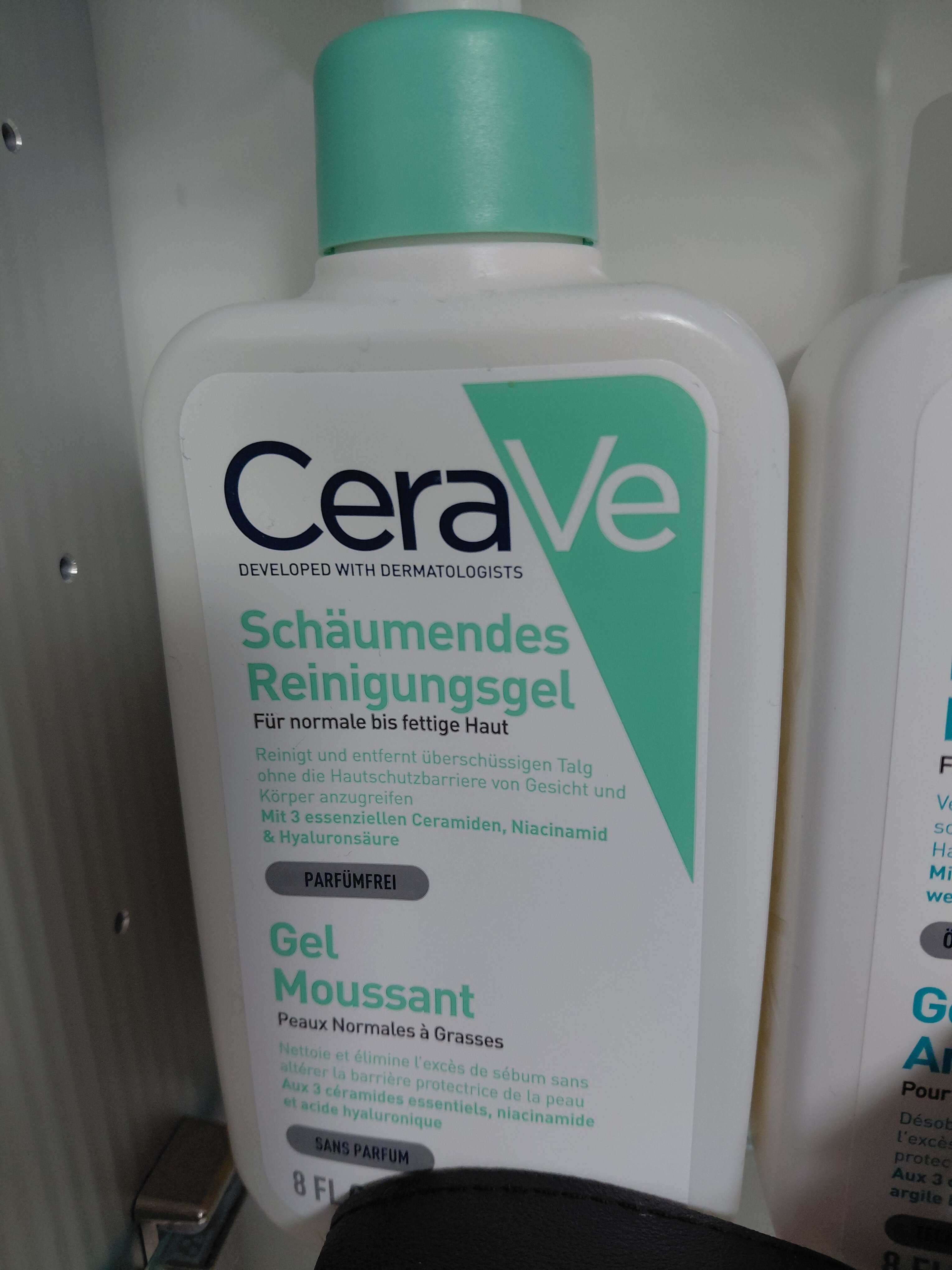
CeraVe – Hydrating Cleanser, Foaming Cleanser, Moisturizing Cream
La Roche-Posay – Toleriane Cleanser, Effaclar Gel
The Ordinary – Natural Moisturizing Factors + HA
Neutrogena – Hydro Boost Water Gel

The focus should be on consistency and compatibility with your skin type rather than the number of products used. A strong basic routine creates the necessary conditions for long-term skin health.:feelsgah:


What works::soy:

What Actually Works: Retinoids

If there is one category of active ingredients that consistently delivers measurable skin improvement, it is retinoids.

Retinoids are a family of vitamin A derivatives that increase skin cell turnover, stimulate collagen production, regulate sebum, and normalize pore function. This makes them effective for acne, uneven texture, hyperpigmentation, and early signs of aging.

The most potent and well-studied form is tretinoin (all-trans retinoic acid), which works directly on retinoic acid receptors in the skin. Other forms — such as retinol and retinal (retinaldehyde) — must first convert into retinoic acid inside the skin, making them generally milder but also less potent.

Prescription-strength tretinoin (e.g., products like Retin-A) has decades of clinical research supporting its effectiveness. Over-the-counter retinol products from brands like The Ordinary or La Roche-Posay offer lower-strength alternatives for beginners.

Retinoids form the core of a results-oriented skincare routine because they directly influence how skin cells behave. While cleansers and moisturizers maintain skin health, retinoids actively remodel it. Without a retinoid, most additional products provide only marginal improvements. With one, you are addressing the underlying biology of the skin.

How to use:
Start 2–3 times per week at night.
Apply a pea-sized amount to dry skin.
Follow with moisturizer.
Always use sunscreen during the day.

Common side effects:
Dryness
Mild irritation
Flaking
Temporary breakouts during the first weeks (“retinization phase”)

These effects are usually temporary as the skin adapts. Introducing the product slowly and maintaining good barrier support reduces irritation risk.

In a streamlined routine, a gentle cleanser, a moisturizer, sunscreen, and a retinoid cover nearly everything that is scientifically proven to create long-term visible change. Most other additions are optional refinements rather than necessities.

Azelaic Acid: The Perfect Partner

Azelaic acid is one of the most underrated active ingredients in skincare. It works by reducing inflammation, calming redness, inhibiting acne-causing bacteria, and gently normalizing keratin production inside the pores. It also helps fade post-inflammatory hyperpigmentation and even out skin tone.

Unlike many harsh actives, azelaic acid is generally well tolerated and suitable for sensitive or acne-prone skin.

While it is not as biologically transformative as a retinoid, it pairs exceptionally well with tretinoin. Tretinoin accelerates cell turnover and stimulates collagen; azelaic acid reduces inflammation, controls breakouts, and brightens pigmentation. Together, they address texture, clarity, tone, and long-term skin structure at the same time.

This combination is often responsible for what people online describe as “glass skin” or a high-clarity glow:soy: — smoother texture, more even tone, and visibly calmer skin. The results are not magic, but when used consistently, the synergy can feel dramatic.

How to use:
Can be applied once daily (morning or night).
Often used in the morning if tretinoin is used at night.
Apply after cleansing and before moisturizer.
Sunscreen remains essential.

Common side effects may include mild tingling or dryness at the beginning, but irritation risk is typically low compared to stronger acids.

If tretinoin is the foundation of a results-driven routine, azelaic acid is the most logical upgrade — not essential, but the strongest complementary addition for clearer, brighter, and more refined skin over time.:feelsgood:


What doesn't work/waste of money:

What Doesn’t Really Work (At Least Not in a Meaningful Way):feelswhy:

The skincare industry thrives on distraction. While retinoids directly change how skin cells function, many trending products offer minimal, cosmetic, or temporary effects — often at a premium price.
Let’s be honest: compared to tretinoin, most of these are noise.

1. Collagen Creams
Topical collagen does not meaningfully increase collagen production in the skin. The molecules are too large to penetrate deeply. At best, they provide surface-level hydration. They do not rebuild your skin.
2. “Salmon Sperm” / PDRN Treatments
These sound futuristic and exclusive, but the real-world topical benefits are modest. The marketing is dramatic; the results are subtle. You are paying for novelty.
3. Charcoal Masks
Activated charcoal gets marketed like a miracle detox agent, but it doesn’t “suck out” deep impurities. It can dry the skin and strip oils without improving texture or structural health.
4. “Essential Oils” as Main Actives
Lavender, tea tree, rosehip, and similar oils smell nice and may have mild antimicrobial effects. They do not correct texture, stimulate collagen, or meaningfully change skin biology — and they can irritate sensitive skin.
5. High-Dose Niacinamide Serums
Niacinamide has benefits — oil regulation, mild barrier support — but compared to azelaic acid, its impact is modest. It does not significantly remodel skin or correct deep texture issues. In a streamlined routine built around tretinoin and azelaic acid, it becomes optional rather than essential.:feelsuhh:


What might be a good addition:

Hyaluronic acid
Hyaluronic acid is a humectant, meaning it attracts and binds water to the skin. It improves hydration, reduces the appearance of fine lines caused by dryness, and supports overall skin smoothness. It does not stimulate collagen or change skin structure, but it enhances skin comfort and appearance. Look for formulas with multiple molecular weights and apply to slightly damp skin, then seal with a moisturizer to prevent water loss.

Vitamin C
Vitamin C (preferably L-ascorbic acid in the 10–20% range) is an antioxidant that helps neutralize free radicals from UV exposure and pollution. It can brighten skin tone, reduce hyperpigmentation, and mildly support collagen production. Stability matters: choose air-tight, opaque packaging and avoid formulas that have turned dark orange or brown. Use in the morning under sunscreen for best results.


Basic routine::02Jump:


Morning:
Gentle cleanser
Vitamin C serum
(Optional) Azelaic acid
Hyaluronic acid serum (on damp skin)
Moisturizer
Sunscreen

Night:
Gentle cleanser
Azelaic acid (if not used in the morning)
Tretinoin (pea-sized amount, on dry skin)
Hyaluronic acid if needed for hydration
Moisturizer


That's it for my first ever guide ik most of this is water but i just wanted to start posting and show people that they don't need to waste that much money on useless shit. Just for context this guide does not cover microneedeling but I still think that microneedeling can be really effective.

Studies:


I hope yall have a great day:BASEDCIGAR::aheago::Claps:

Just noticed that I forgot to mention sunscreen you should use it every day no exceptions
 
Last edited:
  • +1
  • Love it
Reactions: SillylittleGoose, jliftsbrah, G.K and 25 others
Hello .org and welcome to this guide made by me (a grey:forcedsmile:) that is supposed to showcase how easy it is to reach your skin goals and how nearly all the stuff you may be using is completely useless and a waste of money


Before i get into this guide i js want to clarify that this guide is intended for people who have no to medium acne and just want to get optimal skin, if you are struggling with severe acne you should just take accutane and get rid of the acne to the most part first and then start implementing things like tretinoin azelaic acid etc.

Table of contents::BASEDCIGAR:
-
The basics :popcorn:
-What works:bigbrain:
-What doesn't work/waste of money:no:
-What might be a good addition:feelswhere:
-Basic routine:Comfy:


The Basics::feelshah:
Cleanser & Moisturizer:

An effective skincare routine is built on two essential products: a cleanser and a moisturizer. These form the foundation of healthy skin by maintaining cleanliness and supporting the skin barrier.

A cleanser removes dirt, excess sebum, sweat, and environmental impurities from the skin. Proper cleansing helps prevent clogged pores and prepares the skin for any additional treatments.

A moisturizer hydrates the skin and supports the skin barrier — the outer protective layer that prevents water loss and shields against external irritants. Maintaining a healthy barrier improves overall skin texture, resilience, and appearance.:feelshah:

How to choose based on skin type:

Oily / Acne-prone skin: Use a gentle foaming or gel cleanser and a lightweight, oil-free moisturizer. Ingredients such as niacinamide can help regulate sebum production.

Dry skin: Opt for a cream-based, non-foaming cleanser and a richer moisturizer containing ceramides or glycerin.
Sensitive skin: Choose fragrance-free products with minimal ingredients to reduce irritation risk.

Combination skin: A mild gel cleanser and a balanced, lightweight moisturizer are typically suitable.

Example brands and products:
CeraVe – Hydrating Cleanser, Foaming Cleanser, Moisturizing Cream
La Roche-Posay – Toleriane Cleanser, Effaclar Gel
The Ordinary – Natural Moisturizing Factors + HA
Neutrogena – Hydro Boost Water Gel

The focus should be on consistency and compatibility with your skin type rather than the number of products used. A strong basic routine creates the necessary conditions for long-term skin health.:feelsgah:


What works::soy:

What Actually Works: Retinoids

If there is one category of active ingredients that consistently delivers measurable skin improvement, it is retinoids.

Retinoids are a family of vitamin A derivatives that increase skin cell turnover, stimulate collagen production, regulate sebum, and normalize pore function. This makes them effective for acne, uneven texture, hyperpigmentation, and early signs of aging.

The most potent and well-studied form is tretinoin (all-trans retinoic acid), which works directly on retinoic acid receptors in the skin. Other forms — such as retinol and retinal (retinaldehyde) — must first convert into retinoic acid inside the skin, making them generally milder but also less potent.

Prescription-strength tretinoin (e.g., products like Retin-A) has decades of clinical research supporting its effectiveness. Over-the-counter retinol products from brands like The Ordinary or La Roche-Posay offer lower-strength alternatives for beginners.

Retinoids form the core of a results-oriented skincare routine because they directly influence how skin cells behave. While cleansers and moisturizers maintain skin health, retinoids actively remodel it. Without a retinoid, most additional products provide only marginal improvements. With one, you are addressing the underlying biology of the skin.

How to use:
Start 2–3 times per week at night.
Apply a pea-sized amount to dry skin.
Follow with moisturizer.
Always use sunscreen during the day.

Common side effects:
Dryness
Mild irritation
Flaking
Temporary breakouts during the first weeks (“retinization phase”)

These effects are usually temporary as the skin adapts. Introducing the product slowly and maintaining good barrier support reduces irritation risk.

In a streamlined routine, a gentle cleanser, a moisturizer, sunscreen, and a retinoid cover nearly everything that is scientifically proven to create long-term visible change. Most other additions are optional refinements rather than necessities.

Azelaic Acid: The Perfect Partner

Azelaic acid is one of the most underrated active ingredients in skincare. It works by reducing inflammation, calming redness, inhibiting acne-causing bacteria, and gently normalizing keratin production inside the pores. It also helps fade post-inflammatory hyperpigmentation and even out skin tone.

Unlike many harsh actives, azelaic acid is generally well tolerated and suitable for sensitive or acne-prone skin.

While it is not as biologically transformative as a retinoid, it pairs exceptionally well with tretinoin. Tretinoin accelerates cell turnover and stimulates collagen; azelaic acid reduces inflammation, controls breakouts, and brightens pigmentation. Together, they address texture, clarity, tone, and long-term skin structure at the same time.

This combination is often responsible for what people online describe as “glass skin” or a high-clarity glow:soy: — smoother texture, more even tone, and visibly calmer skin. The results are not magic, but when used consistently, the synergy can feel dramatic.

How to use:
Can be applied once daily (morning or night).
Often used in the morning if tretinoin is used at night.
Apply after cleansing and before moisturizer.
Sunscreen remains essential.

Common side effects may include mild tingling or dryness at the beginning, but irritation risk is typically low compared to stronger acids.

If tretinoin is the foundation of a results-driven routine, azelaic acid is the most logical upgrade — not essential, but the strongest complementary addition for clearer, brighter, and more refined skin over time.:feelsgood:


What doesn't work/waste of money:

What Doesn’t Really Work (At Least Not in a Meaningful Way):feelswhy:

The skincare industry thrives on distraction. While retinoids directly change how skin cells function, many trending products offer minimal, cosmetic, or temporary effects — often at a premium price.
Let’s be honest: compared to tretinoin, most of these are noise.

1. Collagen Creams
Topical collagen does not meaningfully increase collagen production in the skin. The molecules are too large to penetrate deeply. At best, they provide surface-level hydration. They do not rebuild your skin.
2. “Salmon Sperm” / PDRN Treatments
These sound futuristic and exclusive, but the real-world topical benefits are modest. The marketing is dramatic; the results are subtle. You are paying for novelty.
3. Charcoal Masks
Activated charcoal gets marketed like a miracle detox agent, but it doesn’t “suck out” deep impurities. It can dry the skin and strip oils without improving texture or structural health.
4. “Essential Oils” as Main Actives
Lavender, tea tree, rosehip, and similar oils smell nice and may have mild antimicrobial effects. They do not correct texture, stimulate collagen, or meaningfully change skin biology — and they can irritate sensitive skin.
5. High-Dose Niacinamide Serums
Niacinamide has benefits — oil regulation, mild barrier support — but compared to azelaic acid, its impact is modest. It does not significantly remodel skin or correct deep texture issues. In a streamlined routine built around tretinoin and azelaic acid, it becomes optional rather than essential.:feelsuhh:


What might be a good addition:

Hyaluronic acid
Hyaluronic acid is a humectant, meaning it attracts and binds water to the skin. It improves hydration, reduces the appearance of fine lines caused by dryness, and supports overall skin smoothness. It does not stimulate collagen or change skin structure, but it enhances skin comfort and appearance. Look for formulas with multiple molecular weights and apply to slightly damp skin, then seal with a moisturizer to prevent water loss.

Vitamin C
Vitamin C (preferably L-ascorbic acid in the 10–20% range) is an antioxidant that helps neutralize free radicals from UV exposure and pollution. It can brighten skin tone, reduce hyperpigmentation, and mildly support collagen production. Stability matters: choose air-tight, opaque packaging and avoid formulas that have turned dark orange or brown. Use in the morning under sunscreen for best results.


Basic routine::02Jump:


Morning:
Gentle cleanser
Vitamin C serum
(Optional) Azelaic acid
Hyaluronic acid serum (on damp skin)
Moisturizer
Sunscreen

Night:
Gentle cleanser
Azelaic acid (if not used in the morning)
Tretinoin (pea-sized amount, on dry skin)
Hyaluronic acid if needed for hydration
Moisturizer


That's it for my first ever guide ik most of this is water but i just wanted to start posting and show people that they don't need to waste that much money on useless shit. Just for context this guide does not cover microneedeling but I still think that microneedeling can be really effective.

Studies:


I hope yall have a great day:BASEDCIGAR::aheago::Claps:

Just noticed that I forgot to mention sunscreen you should use it every day no exceptions


Hey bro could you give some product links because I think I’m using the wrong ones I have oily acne prone skin and I mostly use cerave anti acne cleanser and their moisturizer that has spf 35 in it
 
  • +1
Reactions: Aether_
Hello .org and welcome to this guide made by me (a grey:forcedsmile:) that is supposed to showcase how easy it is to reach your skin goals and how nearly all the stuff you may be using is completely useless and a waste of money


Before i get into this guide i js want to clarify that this guide is intended for people who have no to medium acne and just want to get optimal skin, if you are struggling with severe acne you should just take accutane and get rid of the acne to the most part first and then start implementing things like tretinoin azelaic acid etc.

Table of contents::BASEDCIGAR:
-
The basics :popcorn:
-What works:bigbrain:
-What doesn't work/waste of money:no:
-What might be a good addition:feelswhere:
-Basic routine:Comfy:


The Basics::feelshah:
Cleanser & Moisturizer:

An effective skincare routine is built on two essential products: a cleanser and a moisturizer. These form the foundation of healthy skin by maintaining cleanliness and supporting the skin barrier.

A cleanser removes dirt, excess sebum, sweat, and environmental impurities from the skin. Proper cleansing helps prevent clogged pores and prepares the skin for any additional treatments.

A moisturizer hydrates the skin and supports the skin barrier — the outer protective layer that prevents water loss and shields against external irritants. Maintaining a healthy barrier improves overall skin texture, resilience, and appearance.:feelshah:

How to choose based on skin type:

Oily / Acne-prone skin: Use a gentle foaming or gel cleanser and a lightweight, oil-free moisturizer. Ingredients such as niacinamide can help regulate sebum production.

Dry skin: Opt for a cream-based, non-foaming cleanser and a richer moisturizer containing ceramides or glycerin.
Sensitive skin: Choose fragrance-free products with minimal ingredients to reduce irritation risk.

Combination skin: A mild gel cleanser and a balanced, lightweight moisturizer are typically suitable.

Example brands and products:
CeraVe – Hydrating Cleanser, Foaming Cleanser, Moisturizing Cream
La Roche-Posay – Toleriane Cleanser, Effaclar Gel
The Ordinary – Natural Moisturizing Factors + HA
Neutrogena – Hydro Boost Water Gel

The focus should be on consistency and compatibility with your skin type rather than the number of products used. A strong basic routine creates the necessary conditions for long-term skin health.:feelsgah:


What works::soy:

What Actually Works: Retinoids

If there is one category of active ingredients that consistently delivers measurable skin improvement, it is retinoids.

Retinoids are a family of vitamin A derivatives that increase skin cell turnover, stimulate collagen production, regulate sebum, and normalize pore function. This makes them effective for acne, uneven texture, hyperpigmentation, and early signs of aging.

The most potent and well-studied form is tretinoin (all-trans retinoic acid), which works directly on retinoic acid receptors in the skin. Other forms — such as retinol and retinal (retinaldehyde) — must first convert into retinoic acid inside the skin, making them generally milder but also less potent.

Prescription-strength tretinoin (e.g., products like Retin-A) has decades of clinical research supporting its effectiveness. Over-the-counter retinol products from brands like The Ordinary or La Roche-Posay offer lower-strength alternatives for beginners.

Retinoids form the core of a results-oriented skincare routine because they directly influence how skin cells behave. While cleansers and moisturizers maintain skin health, retinoids actively remodel it. Without a retinoid, most additional products provide only marginal improvements. With one, you are addressing the underlying biology of the skin.

How to use:
Start 2–3 times per week at night.
Apply a pea-sized amount to dry skin.
Follow with moisturizer.
Always use sunscreen during the day.

Common side effects:
Dryness
Mild irritation
Flaking
Temporary breakouts during the first weeks (“retinization phase”)

These effects are usually temporary as the skin adapts. Introducing the product slowly and maintaining good barrier support reduces irritation risk.

In a streamlined routine, a gentle cleanser, a moisturizer, sunscreen, and a retinoid cover nearly everything that is scientifically proven to create long-term visible change. Most other additions are optional refinements rather than necessities.

Azelaic Acid: The Perfect Partner

Azelaic acid is one of the most underrated active ingredients in skincare. It works by reducing inflammation, calming redness, inhibiting acne-causing bacteria, and gently normalizing keratin production inside the pores. It also helps fade post-inflammatory hyperpigmentation and even out skin tone.

Unlike many harsh actives, azelaic acid is generally well tolerated and suitable for sensitive or acne-prone skin.

While it is not as biologically transformative as a retinoid, it pairs exceptionally well with tretinoin. Tretinoin accelerates cell turnover and stimulates collagen; azelaic acid reduces inflammation, controls breakouts, and brightens pigmentation. Together, they address texture, clarity, tone, and long-term skin structure at the same time.

This combination is often responsible for what people online describe as “glass skin” or a high-clarity glow:soy: — smoother texture, more even tone, and visibly calmer skin. The results are not magic, but when used consistently, the synergy can feel dramatic.

How to use:
Can be applied once daily (morning or night).
Often used in the morning if tretinoin is used at night.
Apply after cleansing and before moisturizer.
Sunscreen remains essential.

Common side effects may include mild tingling or dryness at the beginning, but irritation risk is typically low compared to stronger acids.

If tretinoin is the foundation of a results-driven routine, azelaic acid is the most logical upgrade — not essential, but the strongest complementary addition for clearer, brighter, and more refined skin over time.:feelsgood:


What doesn't work/waste of money:

What Doesn’t Really Work (At Least Not in a Meaningful Way):feelswhy:

The skincare industry thrives on distraction. While retinoids directly change how skin cells function, many trending products offer minimal, cosmetic, or temporary effects — often at a premium price.
Let’s be honest: compared to tretinoin, most of these are noise.

1. Collagen Creams
Topical collagen does not meaningfully increase collagen production in the skin. The molecules are too large to penetrate deeply. At best, they provide surface-level hydration. They do not rebuild your skin.
2. “Salmon Sperm” / PDRN Treatments
These sound futuristic and exclusive, but the real-world topical benefits are modest. The marketing is dramatic; the results are subtle. You are paying for novelty.
3. Charcoal Masks
Activated charcoal gets marketed like a miracle detox agent, but it doesn’t “suck out” deep impurities. It can dry the skin and strip oils without improving texture or structural health.
4. “Essential Oils” as Main Actives
Lavender, tea tree, rosehip, and similar oils smell nice and may have mild antimicrobial effects. They do not correct texture, stimulate collagen, or meaningfully change skin biology — and they can irritate sensitive skin.
5. High-Dose Niacinamide Serums
Niacinamide has benefits — oil regulation, mild barrier support — but compared to azelaic acid, its impact is modest. It does not significantly remodel skin or correct deep texture issues. In a streamlined routine built around tretinoin and azelaic acid, it becomes optional rather than essential.:feelsuhh:


What might be a good addition:

Hyaluronic acid
Hyaluronic acid is a humectant, meaning it attracts and binds water to the skin. It improves hydration, reduces the appearance of fine lines caused by dryness, and supports overall skin smoothness. It does not stimulate collagen or change skin structure, but it enhances skin comfort and appearance. Look for formulas with multiple molecular weights and apply to slightly damp skin, then seal with a moisturizer to prevent water loss.

Vitamin C
Vitamin C (preferably L-ascorbic acid in the 10–20% range) is an antioxidant that helps neutralize free radicals from UV exposure and pollution. It can brighten skin tone, reduce hyperpigmentation, and mildly support collagen production. Stability matters: choose air-tight, opaque packaging and avoid formulas that have turned dark orange or brown. Use in the morning under sunscreen for best results.


Basic routine::02Jump:


Morning:
Gentle cleanser
Vitamin C serum
(Optional) Azelaic acid
Hyaluronic acid serum (on damp skin)
Moisturizer
Sunscreen

Night:
Gentle cleanser
Azelaic acid (if not used in the morning)
Tretinoin (pea-sized amount, on dry skin)
Hyaluronic acid if needed for hydration
Moisturizer


That's it for my first ever guide ik most of this is water but i just wanted to start posting and show people that they don't need to waste that much money on useless shit. Just for context this guide does not cover microneedeling but I still think that microneedeling can be really effective.

Studies:


I hope yall have a great day:BASEDCIGAR::aheago::Claps:

Just noticed that I forgot to mention sunscreen you should use it every day no exceptions
explain why skincare is cope
 
  • +1
Reactions: Aether_
explain why skincare is cope
It's not cope that was mostly clickbait I just wanted to show how most of the products you see on tiktok are cope and what the real working products are. :BASEDCIGAR:
 
  • +1
  • JFL
Reactions: lahari and Firstname.Lastname
Hey bro could you give some product links because I think I’m using the wrong ones I have oily acne prone skin and I mostly use cerave anti acne cleanser and their moisturizer that has spf 35 in it
The moisturizer is quite good but spf 50 as a separate thing would be better, chemical and mineral based both work great. For the cleanser you could use the cerave foaming cleanser bc the other one causes too much extra irritation on a routine like this.
17729925873874591591865316724072
 
  • +1
Reactions: lahari and itsoverjustrope8383
The moisturizer is quite good but spf 50 as a separate thing would be better, chemical and mineral based both work great. For the cleanser you could use the cerave foaming cleanser bc the other one causes too much extra irritation on a routine like this.View attachment 4741150
thank you
Hello .org and welcome to this guide made by me (a grey:forcedsmile:) that is supposed to showcase how easy it is to reach your skin goals and how nearly all the stuff you may be using is completely useless and a waste of money


Before i get into this guide i js want to clarify that this guide is intended for people who have no to medium acne and just want to get optimal skin, if you are struggling with severe acne you should just take accutane and get rid of the acne to the most part first and then start implementing things like tretinoin azelaic acid etc.

Table of contents::BASEDCIGAR:
-
The basics :popcorn:
-What works:bigbrain:
-What doesn't work/waste of money:no:
-What might be a good addition:feelswhere:
-Basic routine:Comfy:


The Basics::feelshah:
Cleanser & Moisturizer:

An effective skincare routine is built on two essential products: a cleanser and a moisturizer. These form the foundation of healthy skin by maintaining cleanliness and supporting the skin barrier.

A cleanser removes dirt, excess sebum, sweat, and environmental impurities from the skin. Proper cleansing helps prevent clogged pores and prepares the skin for any additional treatments.

A moisturizer hydrates the skin and supports the skin barrier — the outer protective layer that prevents water loss and shields against external irritants. Maintaining a healthy barrier improves overall skin texture, resilience, and appearance.:feelshah:

How to choose based on skin type:

Oily / Acne-prone skin: Use a gentle foaming or gel cleanser and a lightweight, oil-free moisturizer. Ingredients such as niacinamide can help regulate sebum production.

Dry skin: Opt for a cream-based, non-foaming cleanser and a richer moisturizer containing ceramides or glycerin.
Sensitive skin: Choose fragrance-free products with minimal ingredients to reduce irritation risk.

Combination skin: A mild gel cleanser and a balanced, lightweight moisturizer are typically suitable.

Example brands and products:
CeraVe – Hydrating Cleanser, Foaming Cleanser, Moisturizing Cream
La Roche-Posay – Toleriane Cleanser, Effaclar Gel
The Ordinary – Natural Moisturizing Factors + HA
Neutrogena – Hydro Boost Water Gel

The focus should be on consistency and compatibility with your skin type rather than the number of products used. A strong basic routine creates the necessary conditions for long-term skin health.:feelsgah:


What works::soy:

What Actually Works: Retinoids

If there is one category of active ingredients that consistently delivers measurable skin improvement, it is retinoids.

Retinoids are a family of vitamin A derivatives that increase skin cell turnover, stimulate collagen production, regulate sebum, and normalize pore function. This makes them effective for acne, uneven texture, hyperpigmentation, and early signs of aging.

The most potent and well-studied form is tretinoin (all-trans retinoic acid), which works directly on retinoic acid receptors in the skin. Other forms — such as retinol and retinal (retinaldehyde) — must first convert into retinoic acid inside the skin, making them generally milder but also less potent.

Prescription-strength tretinoin (e.g., products like Retin-A) has decades of clinical research supporting its effectiveness. Over-the-counter retinol products from brands like The Ordinary or La Roche-Posay offer lower-strength alternatives for beginners.

Retinoids form the core of a results-oriented skincare routine because they directly influence how skin cells behave. While cleansers and moisturizers maintain skin health, retinoids actively remodel it. Without a retinoid, most additional products provide only marginal improvements. With one, you are addressing the underlying biology of the skin.

How to use:
Start 2–3 times per week at night.
Apply a pea-sized amount to dry skin.
Follow with moisturizer.
Always use sunscreen during the day.

Common side effects:
Dryness
Mild irritation
Flaking
Temporary breakouts during the first weeks (“retinization phase”)

These effects are usually temporary as the skin adapts. Introducing the product slowly and maintaining good barrier support reduces irritation risk.

In a streamlined routine, a gentle cleanser, a moisturizer, sunscreen, and a retinoid cover nearly everything that is scientifically proven to create long-term visible change. Most other additions are optional refinements rather than necessities.

Azelaic Acid: The Perfect Partner

Azelaic acid is one of the most underrated active ingredients in skincare. It works by reducing inflammation, calming redness, inhibiting acne-causing bacteria, and gently normalizing keratin production inside the pores. It also helps fade post-inflammatory hyperpigmentation and even out skin tone.

Unlike many harsh actives, azelaic acid is generally well tolerated and suitable for sensitive or acne-prone skin.

While it is not as biologically transformative as a retinoid, it pairs exceptionally well with tretinoin. Tretinoin accelerates cell turnover and stimulates collagen; azelaic acid reduces inflammation, controls breakouts, and brightens pigmentation. Together, they address texture, clarity, tone, and long-term skin structure at the same time.

This combination is often responsible for what people online describe as “glass skin” or a high-clarity glow:soy: — smoother texture, more even tone, and visibly calmer skin. The results are not magic, but when used consistently, the synergy can feel dramatic.

How to use:
Can be applied once daily (morning or night).
Often used in the morning if tretinoin is used at night.
Apply after cleansing and before moisturizer.
Sunscreen remains essential.

Common side effects may include mild tingling or dryness at the beginning, but irritation risk is typically low compared to stronger acids.

If tretinoin is the foundation of a results-driven routine, azelaic acid is the most logical upgrade — not essential, but the strongest complementary addition for clearer, brighter, and more refined skin over time.:feelsgood:


What doesn't work/waste of money:

What Doesn’t Really Work (At Least Not in a Meaningful Way):feelswhy:

The skincare industry thrives on distraction. While retinoids directly change how skin cells function, many trending products offer minimal, cosmetic, or temporary effects — often at a premium price.
Let’s be honest: compared to tretinoin, most of these are noise.

1. Collagen Creams
Topical collagen does not meaningfully increase collagen production in the skin. The molecules are too large to penetrate deeply. At best, they provide surface-level hydration. They do not rebuild your skin.
2. “Salmon Sperm” / PDRN Treatments
These sound futuristic and exclusive, but the real-world topical benefits are modest. The marketing is dramatic; the results are subtle. You are paying for novelty.
3. Charcoal Masks
Activated charcoal gets marketed like a miracle detox agent, but it doesn’t “suck out” deep impurities. It can dry the skin and strip oils without improving texture or structural health.
4. “Essential Oils” as Main Actives
Lavender, tea tree, rosehip, and similar oils smell nice and may have mild antimicrobial effects. They do not correct texture, stimulate collagen, or meaningfully change skin biology — and they can irritate sensitive skin.
5. High-Dose Niacinamide Serums
Niacinamide has benefits — oil regulation, mild barrier support — but compared to azelaic acid, its impact is modest. It does not significantly remodel skin or correct deep texture issues. In a streamlined routine built around tretinoin and azelaic acid, it becomes optional rather than essential.:feelsuhh:


What might be a good addition:

Hyaluronic acid
Hyaluronic acid is a humectant, meaning it attracts and binds water to the skin. It improves hydration, reduces the appearance of fine lines caused by dryness, and supports overall skin smoothness. It does not stimulate collagen or change skin structure, but it enhances skin comfort and appearance. Look for formulas with multiple molecular weights and apply to slightly damp skin, then seal with a moisturizer to prevent water loss.

Vitamin C
Vitamin C (preferably L-ascorbic acid in the 10–20% range) is an antioxidant that helps neutralize free radicals from UV exposure and pollution. It can brighten skin tone, reduce hyperpigmentation, and mildly support collagen production. Stability matters: choose air-tight, opaque packaging and avoid formulas that have turned dark orange or brown. Use in the morning under sunscreen for best results.


Basic routine::02Jump:


Morning:
Gentle cleanser
Vitamin C serum
(Optional) Azelaic acid
Hyaluronic acid serum (on damp skin)
Moisturizer
Sunscreen

Night:
Gentle cleanser
Azelaic acid (if not used in the morning)
Tretinoin (pea-sized amount, on dry skin)
Hyaluronic acid if needed for hydration
Moisturizer


That's it for my first ever guide ik most of this is water but i just wanted to start posting and show people that they don't need to waste that much money on useless shit. Just for context this guide does not cover microneedeling but I still think that microneedeling can be really effective.

Studies:


I hope yall have a great day:BASEDCIGAR::aheago::Claps:

Just noticed that I forgot to mention sunscreen you should use it every day no exceptions
hey just curious where should I get the tret and what amount would you recommend
 
  • +1
Reactions: Aether_
thank you

hey just curious where should I get the tret and what amount would you recommend
Go to your dermatologist and ask for 0.05% or 0.025% always use a pea size amount and if you are adapted you can go up to 2 pea sized amounts even though not everyone agrees on that but studies show it works better.
 
  • +1
Reactions: lahari and itsoverjustrope8383
what about people claiming tret causes facial fat loss?
surely when there's a lot of people claiming it it must have some truth
 
  • +1
Reactions: Aether_
what about people claiming tret causes facial fat loss?
surely when there's a lot of people claiming it it must have some truth
I have actually never seen anyone in my whole life claim that they gained facial fat from tret:ogre: It only increases collagen production which makes the skin look more plump and better but collagen is not far I've think tretinoin doesn't even go that deep so don't stress and take tret bhai:feelsgood: Where have you read that, just curious
 
  • +1
Reactions: lahari
I have actually never seen anyone in my whole life claim that they gained facial fat from tret:ogre: It only increases collagen production which makes the skin look more plump and better but collagen is not far I've think tretinoin doesn't even go that deep so don't stress and take tret bhai:feelsgood: Where have you read that, just curious
noticed it myself while i was using it so i looked it up and there's a considerable amount of people claiming the same thing happened to them, so i stopped using it out of fear.
tried to get back on it because there's also people saying there's no scientific evidence you lose fat from it but idk, when you see it yourself and also see many people saying the same thing it just not worth it.
It may vary from person to person, and many people don’t experience it.
 
  • +1
Reactions: Aether_
noticed it myself while i was using it so i looked it up and there's a considerable amount of people claiming the same thing happened to them, so i stopped using it out of fear.
tried to get back on it because there's also people saying there's no scientific evidence you lose fat from it but idk, when you see it yourself and also see many people saying the same thing it just not worth it.
It may vary from person to person, and many people don’t experience it.
That's most likely just bc of inflammation reducing and the skin adapting which makes it look like you are gaining fat i've seen people talk about just now but I usually goes away after the adaptation phase
 
  • +1
Reactions: lahari
bookmarked will read later bhai

idk if you mentioned it but tazarotene is also great and mogs tretinion (isotret should only be considered last resort
 
  • +1
Reactions: Aether_
bookmarked will read later bhai

idk if you mentioned it but tazarotene is also great and mogs tretinion (isotret should only be considered last resort
I wanted to keep it simple so I didn't include Taz but you would have to start on tret anyways bc Taz is really strong even to strong to start with but if you want to take the routine to the next level after adapting to tretinoin then tazorotene is a great option.:feelsgood:
 
  • +1
Reactions: lahari
I wanted to keep it simple so I didn't include Taz but you would have to start on tret anyways bc Taz is really strong even to strong to start with but if you want to take the routine to the next level after adapting to tretinoin then tazorotene is a great option.:feelsgood:
i feel like taz has way less irritation than tret
i might get on accutane tho cuz of even with taz i dont see it going away

i only have post acne / scarring with pimples and sometimes breakouts but they definitely less nowdays
 
Bookmarked, will read later. Studying
 
Go to your dermatologist and ask for 0.05% or 0.025% always use a pea size amount and if you are adapted you can go up to 2 pea sized amounts even though not everyone agrees on that but studies show it works better.
Thank you
 
  • +1
Reactions: Aether_
Hello .org and welcome to this guide made by me (a grey:forcedsmile:) that is supposed to showcase how easy it is to reach your skin goals and how nearly all the stuff you may be using is completely useless and a waste of money


Before i get into this guide i js want to clarify that this guide is intended for people who have no to medium acne and just want to get optimal skin, if you are struggling with severe acne you should just take accutane and get rid of the acne to the most part first and then start implementing things like tretinoin azelaic acid etc.

Table of contents::BASEDCIGAR:
-
The basics :popcorn:
-What works:bigbrain:
-What doesn't work/waste of money:no:
-What might be a good addition:feelswhere:
-Basic routine:Comfy:


The Basics::feelshah:
Cleanser & Moisturizer:

An effective skincare routine is built on two essential products: a cleanser and a moisturizer. These form the foundation of healthy skin by maintaining cleanliness and supporting the skin barrier.

A cleanser removes dirt, excess sebum, sweat, and environmental impurities from the skin. Proper cleansing helps prevent clogged pores and prepares the skin for any additional treatments.

A moisturizer hydrates the skin and supports the skin barrier — the outer protective layer that prevents water loss and shields against external irritants. Maintaining a healthy barrier improves overall skin texture, resilience, and appearance.:feelshah:

How to choose based on skin type:

Oily / Acne-prone skin: Use a gentle foaming or gel cleanser and a lightweight, oil-free moisturizer. Ingredients such as niacinamide can help regulate sebum production.

Dry skin: Opt for a cream-based, non-foaming cleanser and a richer moisturizer containing ceramides or glycerin.
Sensitive skin: Choose fragrance-free products with minimal ingredients to reduce irritation risk.

Combination skin: A mild gel cleanser and a balanced, lightweight moisturizer are typically suitable.

Example brands and products:
CeraVe – Hydrating Cleanser, Foaming Cleanser, Moisturizing Cream
La Roche-Posay – Toleriane Cleanser, Effaclar Gel
The Ordinary – Natural Moisturizing Factors + HA
Neutrogena – Hydro Boost Water Gel

The focus should be on consistency and compatibility with your skin type rather than the number of products used. A strong basic routine creates the necessary conditions for long-term skin health.:feelsgah:


What works::soy:

What Actually Works: Retinoids

If there is one category of active ingredients that consistently delivers measurable skin improvement, it is retinoids.

Retinoids are a family of vitamin A derivatives that increase skin cell turnover, stimulate collagen production, regulate sebum, and normalize pore function. This makes them effective for acne, uneven texture, hyperpigmentation, and early signs of aging.

The most potent and well-studied form is tretinoin (all-trans retinoic acid), which works directly on retinoic acid receptors in the skin. Other forms — such as retinol and retinal (retinaldehyde) — must first convert into retinoic acid inside the skin, making them generally milder but also less potent.

Prescription-strength tretinoin (e.g., products like Retin-A) has decades of clinical research supporting its effectiveness. Over-the-counter retinol products from brands like The Ordinary or La Roche-Posay offer lower-strength alternatives for beginners.

Retinoids form the core of a results-oriented skincare routine because they directly influence how skin cells behave. While cleansers and moisturizers maintain skin health, retinoids actively remodel it. Without a retinoid, most additional products provide only marginal improvements. With one, you are addressing the underlying biology of the skin.

How to use:
Start 2–3 times per week at night.
Apply a pea-sized amount to dry skin.
Follow with moisturizer.
Always use sunscreen during the day.

Common side effects:
Dryness
Mild irritation
Flaking
Temporary breakouts during the first weeks (“retinization phase”)

These effects are usually temporary as the skin adapts. Introducing the product slowly and maintaining good barrier support reduces irritation risk.

In a streamlined routine, a gentle cleanser, a moisturizer, sunscreen, and a retinoid cover nearly everything that is scientifically proven to create long-term visible change. Most other additions are optional refinements rather than necessities.

Azelaic Acid: The Perfect Partner

Azelaic acid is one of the most underrated active ingredients in skincare. It works by reducing inflammation, calming redness, inhibiting acne-causing bacteria, and gently normalizing keratin production inside the pores. It also helps fade post-inflammatory hyperpigmentation and even out skin tone.

Unlike many harsh actives, azelaic acid is generally well tolerated and suitable for sensitive or acne-prone skin.

While it is not as biologically transformative as a retinoid, it pairs exceptionally well with tretinoin. Tretinoin accelerates cell turnover and stimulates collagen; azelaic acid reduces inflammation, controls breakouts, and brightens pigmentation. Together, they address texture, clarity, tone, and long-term skin structure at the same time.

This combination is often responsible for what people online describe as “glass skin” or a high-clarity glow:soy: — smoother texture, more even tone, and visibly calmer skin. The results are not magic, but when used consistently, the synergy can feel dramatic.

How to use:
Can be applied once daily (morning or night).
Often used in the morning if tretinoin is used at night.
Apply after cleansing and before moisturizer.
Sunscreen remains essential.

Common side effects may include mild tingling or dryness at the beginning, but irritation risk is typically low compared to stronger acids.

If tretinoin is the foundation of a results-driven routine, azelaic acid is the most logical upgrade — not essential, but the strongest complementary addition for clearer, brighter, and more refined skin over time.:feelsgood:


What doesn't work/waste of money:

What Doesn’t Really Work (At Least Not in a Meaningful Way):feelswhy:

The skincare industry thrives on distraction. While retinoids directly change how skin cells function, many trending products offer minimal, cosmetic, or temporary effects — often at a premium price.
Let’s be honest: compared to tretinoin, most of these are noise.

1. Collagen Creams
Topical collagen does not meaningfully increase collagen production in the skin. The molecules are too large to penetrate deeply. At best, they provide surface-level hydration. They do not rebuild your skin.
2. “Salmon Sperm” / PDRN Treatments
These sound futuristic and exclusive, but the real-world topical benefits are modest. The marketing is dramatic; the results are subtle. You are paying for novelty.
3. Charcoal Masks
Activated charcoal gets marketed like a miracle detox agent, but it doesn’t “suck out” deep impurities. It can dry the skin and strip oils without improving texture or structural health.
4. “Essential Oils” as Main Actives
Lavender, tea tree, rosehip, and similar oils smell nice and may have mild antimicrobial effects. They do not correct texture, stimulate collagen, or meaningfully change skin biology — and they can irritate sensitive skin.
5. High-Dose Niacinamide Serums
Niacinamide has benefits — oil regulation, mild barrier support — but compared to azelaic acid, its impact is modest. It does not significantly remodel skin or correct deep texture issues. In a streamlined routine built around tretinoin and azelaic acid, it becomes optional rather than essential.:feelsuhh:


What might be a good addition:

Hyaluronic acid
Hyaluronic acid is a humectant, meaning it attracts and binds water to the skin. It improves hydration, reduces the appearance of fine lines caused by dryness, and supports overall skin smoothness. It does not stimulate collagen or change skin structure, but it enhances skin comfort and appearance. Look for formulas with multiple molecular weights and apply to slightly damp skin, then seal with a moisturizer to prevent water loss.

Vitamin C
Vitamin C (preferably L-ascorbic acid in the 10–20% range) is an antioxidant that helps neutralize free radicals from UV exposure and pollution. It can brighten skin tone, reduce hyperpigmentation, and mildly support collagen production. Stability matters: choose air-tight, opaque packaging and avoid formulas that have turned dark orange or brown. Use in the morning under sunscreen for best results.


Basic routine::02Jump:


Morning:
Gentle cleanser
Vitamin C serum
(Optional) Azelaic acid
Hyaluronic acid serum (on damp skin)
Moisturizer
Sunscreen

Night:
Gentle cleanser
Azelaic acid (if not used in the morning)
Tretinoin (pea-sized amount, on dry skin)
Hyaluronic acid if needed for hydration
Moisturizer


That's it for my first ever guide ik most of this is water but i just wanted to start posting and show people that they don't need to waste that much money on useless shit. Just for context this guide does not cover microneedeling but I still think that microneedeling can be really effective.

Studies:


I hope yall have a great day:BASEDCIGAR::aheago::Claps:

Just noticed that I forgot to mention sunscreen you should use it every day no exceptions
I guess I’ll try azelaic acid the dermatologist told me my facial redness is untreatable:feelscry:
What sunscreen do you use?
 
  • +1
Reactions: Aether_
I guess I’ll try azelaic acid the dermatologist told me my facial redness is untreatable:feelscry:
What sunscreen do you use?
Facial redness that is untreatable sounds strange bc how would something like azelaic acid that reduces inflammation and thus does other stuff to the blood vessels not work.... try it out i hope it works for you.

As a sunscreen for weekdays I use la-roche posay anthelios 50+spf with the tint but I wouldn't really recommend it bc it's not the best for the skin but the tint can help with frauding redness. Any sunscreen should work you just have to find one that works for you:BASEDCIGAR:
 
  • +1
Reactions: spongebobsex
Facial redness that is untreatable sounds strange bc how would something like azelaic acid that reduces inflammation and thus does other stuff to the blood vessels not work.... try it out i hope it works for you.

As a sunscreen for weekdays I use la-roche posay anthelios 50+spf with the tint but I wouldn't really recommend it bc it's not the best for the skin but the tint can help with frauding redness. Any sunscreen should work you just have to find one that works for you:BASEDCIGAR:
It gets worse when I’m in the sun but I’m always red regardless should I try 14% or 10% azaleic acid
I use like 6 pea sized amounts of Tretinoin .025 so I’m going to upgrade to .10%
 
  • +1
Reactions: Aether_
It gets worse when I’m in the sun but I’m always red regardless should I try 14% or 10% azaleic acid
I use like 6 pea sized amounts of Tretinoin .025 so I’m going to upgrade to .10%
If you have tret then I assume a dermatologist prescribed it to you thus you could even ask for 20% azelaic acid bc it doesn’t really have sides and 20% is js so more effective. Btw i'm on 0.05% tret with like a little over 2 pea sized amounts and the redness is most likely just the adaptation to the tret bc of increased cell turnover. Also don't use such a big amount i'd say don't go over 2 pea sized amounts just increase the % of the tret to 0.1 like you said
 
If you have tret then I assume a dermatologist prescribed it to you thus you could even ask for 20% azelaic acid bc it doesn’t really have sides and 20% is js so more effective. Btw i'm on 0.05% tret with like a little over 2 pea sized amounts and the redness is most likely just the adaptation to the tret bc of increased cell turnover. Also don't use such a big amount i'd say don't go over 2 pea sized amounts just increase the % of the tret to 0.1 like you said
Oh no the redness is long before the tret prescription it’s like a lifelong thing I have it on my hands and legs/feet too even the dermatologist said it was some medical anomaly apparently I’ll ask for 20% azaleic acid
 
  • +1
Reactions: Aether_
Oh no the redness is long before the tret prescription it’s like a lifelong thing I have it on my hands and legs/feet too even the dermatologist said it was some medical anomaly apparently I’ll ask for 20% azaleic acid
That sounds really bad hopefully the azelaic acid can atleast help with the face:feelshah: If it is that severe the dermatologist should not even hesitate prescribing you this
 
  • +1
Reactions: spongebobsex
Oh no the redness is long before the tret prescription it’s like a lifelong thing I have it on my hands and legs/feet too even the dermatologist said it was some medical anomaly apparently I’ll ask for 20% azaleic acid
If the redness is really genetic and shows up on the face and limbs, azelaic acid alone may not be strong enough. Some people use stronger stuff like topical metronidazole or ivermectin, which calm inflammation pretty well. There are also things like tacrolimus or pimecrolimus creams that really suppress redness if it’s stubborn. For more severe cases, low-dose oral doxycycline can help, and some people go for laser or IPL treatments to target the visible blood vessels directly. Basically, azelaic acid is fine for mild cases, but for extreme, widespread redness, these tend to be more effective. I have no experience on these but my mom will possibly use some of these but first of all give the azelaic acid a try many people underestimate 20%
 
  • +1
Reactions: spongebobsex
Hello .org and welcome to this guide made by me (a grey:forcedsmile:) that is supposed to showcase how easy it is to reach your skin goals and how nearly all the stuff you may be using is completely useless and a waste of money


Before i get into this guide i js want to clarify that this guide is intended for people who have no to medium acne and just want to get optimal skin, if you are struggling with severe acne you should just take accutane and get rid of the acne to the most part first and then start implementing things like tretinoin azelaic acid etc.

Table of contents::BASEDCIGAR:
-
The basics :popcorn:
-What works:bigbrain:
-What doesn't work/waste of money:no:
-What might be a good addition:feelswhere:
-Basic routine:Comfy:


The Basics::feelshah:
Cleanser & Moisturizer:

An effective skincare routine is built on two essential products: a cleanser and a moisturizer. These form the foundation of healthy skin by maintaining cleanliness and supporting the skin barrier.

A cleanser removes dirt, excess sebum, sweat, and environmental impurities from the skin. Proper cleansing helps prevent clogged pores and prepares the skin for any additional treatments.

A moisturizer hydrates the skin and supports the skin barrier — the outer protective layer that prevents water loss and shields against external irritants. Maintaining a healthy barrier improves overall skin texture, resilience, and appearance.:feelshah:

How to choose based on skin type:

Oily / Acne-prone skin: Use a gentle foaming or gel cleanser and a lightweight, oil-free moisturizer. Ingredients such as niacinamide can help regulate sebum production.

Dry skin: Opt for a cream-based, non-foaming cleanser and a richer moisturizer containing ceramides or glycerin.
Sensitive skin: Choose fragrance-free products with minimal ingredients to reduce irritation risk.

Combination skin: A mild gel cleanser and a balanced, lightweight moisturizer are typically suitable.

Example brands and products:
CeraVe – Hydrating Cleanser, Foaming Cleanser, Moisturizing Cream
La Roche-Posay – Toleriane Cleanser, Effaclar Gel
The Ordinary – Natural Moisturizing Factors + HA
Neutrogena – Hydro Boost Water Gel

The focus should be on consistency and compatibility with your skin type rather than the number of products used. A strong basic routine creates the necessary conditions for long-term skin health.:feelsgah:


What works::soy:

What Actually Works: Retinoids

If there is one category of active ingredients that consistently delivers measurable skin improvement, it is retinoids.

Retinoids are a family of vitamin A derivatives that increase skin cell turnover, stimulate collagen production, regulate sebum, and normalize pore function. This makes them effective for acne, uneven texture, hyperpigmentation, and early signs of aging.

The most potent and well-studied form is tretinoin (all-trans retinoic acid), which works directly on retinoic acid receptors in the skin. Other forms — such as retinol and retinal (retinaldehyde) — must first convert into retinoic acid inside the skin, making them generally milder but also less potent.

Prescription-strength tretinoin (e.g., products like Retin-A) has decades of clinical research supporting its effectiveness. Over-the-counter retinol products from brands like The Ordinary or La Roche-Posay offer lower-strength alternatives for beginners.

Retinoids form the core of a results-oriented skincare routine because they directly influence how skin cells behave. While cleansers and moisturizers maintain skin health, retinoids actively remodel it. Without a retinoid, most additional products provide only marginal improvements. With one, you are addressing the underlying biology of the skin.

How to use:
Start 2–3 times per week at night.
Apply a pea-sized amount to dry skin.
Follow with moisturizer.
Always use sunscreen during the day.

Common side effects:
Dryness
Mild irritation
Flaking
Temporary breakouts during the first weeks (“retinization phase”)

These effects are usually temporary as the skin adapts. Introducing the product slowly and maintaining good barrier support reduces irritation risk.

In a streamlined routine, a gentle cleanser, a moisturizer, sunscreen, and a retinoid cover nearly everything that is scientifically proven to create long-term visible change. Most other additions are optional refinements rather than necessities.

Azelaic Acid: The Perfect Partner

Azelaic acid is one of the most underrated active ingredients in skincare. It works by reducing inflammation, calming redness, inhibiting acne-causing bacteria, and gently normalizing keratin production inside the pores. It also helps fade post-inflammatory hyperpigmentation and even out skin tone.

Unlike many harsh actives, azelaic acid is generally well tolerated and suitable for sensitive or acne-prone skin.

While it is not as biologically transformative as a retinoid, it pairs exceptionally well with tretinoin. Tretinoin accelerates cell turnover and stimulates collagen; azelaic acid reduces inflammation, controls breakouts, and brightens pigmentation. Together, they address texture, clarity, tone, and long-term skin structure at the same time.

This combination is often responsible for what people online describe as “glass skin” or a high-clarity glow:soy: — smoother texture, more even tone, and visibly calmer skin. The results are not magic, but when used consistently, the synergy can feel dramatic.

How to use:
Can be applied once daily (morning or night).
Often used in the morning if tretinoin is used at night.
Apply after cleansing and before moisturizer.
Sunscreen remains essential.

Common side effects may include mild tingling or dryness at the beginning, but irritation risk is typically low compared to stronger acids.

If tretinoin is the foundation of a results-driven routine, azelaic acid is the most logical upgrade — not essential, but the strongest complementary addition for clearer, brighter, and more refined skin over time.:feelsgood:


What doesn't work/waste of money:

What Doesn’t Really Work (At Least Not in a Meaningful Way):feelswhy:

The skincare industry thrives on distraction. While retinoids directly change how skin cells function, many trending products offer minimal, cosmetic, or temporary effects — often at a premium price.
Let’s be honest: compared to tretinoin, most of these are noise.

1. Collagen Creams
Topical collagen does not meaningfully increase collagen production in the skin. The molecules are too large to penetrate deeply. At best, they provide surface-level hydration. They do not rebuild your skin.
2. “Salmon Sperm” / PDRN Treatments
These sound futuristic and exclusive, but the real-world topical benefits are modest. The marketing is dramatic; the results are subtle. You are paying for novelty.
3. Charcoal Masks
Activated charcoal gets marketed like a miracle detox agent, but it doesn’t “suck out” deep impurities. It can dry the skin and strip oils without improving texture or structural health.
4. “Essential Oils” as Main Actives
Lavender, tea tree, rosehip, and similar oils smell nice and may have mild antimicrobial effects. They do not correct texture, stimulate collagen, or meaningfully change skin biology — and they can irritate sensitive skin.
5. High-Dose Niacinamide Serums
Niacinamide has benefits — oil regulation, mild barrier support — but compared to azelaic acid, its impact is modest. It does not significantly remodel skin or correct deep texture issues. In a streamlined routine built around tretinoin and azelaic acid, it becomes optional rather than essential.:feelsuhh:


What might be a good addition:

Hyaluronic acid
Hyaluronic acid is a humectant, meaning it attracts and binds water to the skin. It improves hydration, reduces the appearance of fine lines caused by dryness, and supports overall skin smoothness. It does not stimulate collagen or change skin structure, but it enhances skin comfort and appearance. Look for formulas with multiple molecular weights and apply to slightly damp skin, then seal with a moisturizer to prevent water loss.

Vitamin C
Vitamin C (preferably L-ascorbic acid in the 10–20% range) is an antioxidant that helps neutralize free radicals from UV exposure and pollution. It can brighten skin tone, reduce hyperpigmentation, and mildly support collagen production. Stability matters: choose air-tight, opaque packaging and avoid formulas that have turned dark orange or brown. Use in the morning under sunscreen for best results.


Basic routine::02Jump:


Morning:
Gentle cleanser
Vitamin C serum
(Optional) Azelaic acid
Hyaluronic acid serum (on damp skin)
Moisturizer
Sunscreen

Night:
Gentle cleanser
Azelaic acid (if not used in the morning)
Tretinoin (pea-sized amount, on dry skin)
Hyaluronic acid if needed for hydration
Moisturizer


That's it for my first ever guide ik most of this is water but i just wanted to start posting and show people that they don't need to waste that much money on useless shit. Just for context this guide does not cover microneedeling but I still think that microneedeling can be really effective.

Studies:


I hope yall have a great day:BASEDCIGAR::aheago::Claps:

Just noticed that I forgot to mention sunscreen you should use it every day no exceptions
Goated, mirin the research even if its basic info, helped alot.
 
  • +1
Reactions: Aether_
Mirin guide vro
 
  • +1
Reactions: Aether_
  • +1
Reactions: PixelDude
Any tips on how I can get approved for sure? I haven't got "bad" skin according to many but I can see it myself, looking old and some pimples here and there.
ik old post but if u live in the uk ik how to get it without prescription within 3 days
 
  • +1
Reactions: Aether_
good thread bookmarked :02Hype:
 
  • +1
Reactions: Aether_
This is just ai man what humans use the wording "Azelaic Acid: The Perfect Partner" like nga that shi sounds so unnatural
 
  • +1
Reactions: Aether_
good thread
is 10% azelaic acid good with 0.05% tret
 
  • +1
Reactions: Aether_
good thread
is 10% azelaic acid good with 0.05% tret
Yes definitely but if you can get it 20% would be better but that routine is already very good
 
  • +1
Reactions: arjoinsecure
  • +1
Reactions: arjoinsecure
Hello .org and welcome to this guide made by me (a grey:forcedsmile:) that is supposed to showcase how easy it is to reach your skin goals and how nearly all the stuff you may be using is completely useless and a waste of money


Before i get into this guide i js want to clarify that this guide is intended for people who have no to medium acne and just want to get optimal skin, if you are struggling with severe acne you should just take accutane and get rid of the acne to the most part first and then start implementing things like tretinoin azelaic acid etc.

Table of contents::BASEDCIGAR:
-
The basics :popcorn:
-What works:bigbrain:
-What doesn't work/waste of money:no:
-What might be a good addition:feelswhere:
-Basic routine:Comfy:


The Basics::feelshah:
Cleanser & Moisturizer:

An effective skincare routine is built on two essential products: a cleanser and a moisturizer. These form the foundation of healthy skin by maintaining cleanliness and supporting the skin barrier.

A cleanser removes dirt, excess sebum, sweat, and environmental impurities from the skin. Proper cleansing helps prevent clogged pores and prepares the skin for any additional treatments.

A moisturizer hydrates the skin and supports the skin barrier — the outer protective layer that prevents water loss and shields against external irritants. Maintaining a healthy barrier improves overall skin texture, resilience, and appearance.:feelshah:

How to choose based on skin type:

Oily / Acne-prone skin: Use a gentle foaming or gel cleanser and a lightweight, oil-free moisturizer. Ingredients such as niacinamide can help regulate sebum production.

Dry skin: Opt for a cream-based, non-foaming cleanser and a richer moisturizer containing ceramides or glycerin.
Sensitive skin: Choose fragrance-free products with minimal ingredients to reduce irritation risk.

Combination skin: A mild gel cleanser and a balanced, lightweight moisturizer are typically suitable.

Example brands and products:
CeraVe – Hydrating Cleanser, Foaming Cleanser, Moisturizing Cream
La Roche-Posay – Toleriane Cleanser, Effaclar Gel
The Ordinary – Natural Moisturizing Factors + HA
Neutrogena – Hydro Boost Water Gel

The focus should be on consistency and compatibility with your skin type rather than the number of products used. A strong basic routine creates the necessary conditions for long-term skin health.:feelsgah:


What works::soy:

What Actually Works: Retinoids

If there is one category of active ingredients that consistently delivers measurable skin improvement, it is retinoids.

Retinoids are a family of vitamin A derivatives that increase skin cell turnover, stimulate collagen production, regulate sebum, and normalize pore function. This makes them effective for acne, uneven texture, hyperpigmentation, and early signs of aging.

The most potent and well-studied form is tretinoin (all-trans retinoic acid), which works directly on retinoic acid receptors in the skin. Other forms — such as retinol and retinal (retinaldehyde) — must first convert into retinoic acid inside the skin, making them generally milder but also less potent.

Prescription-strength tretinoin (e.g., products like Retin-A) has decades of clinical research supporting its effectiveness. Over-the-counter retinol products from brands like The Ordinary or La Roche-Posay offer lower-strength alternatives for beginners.

Retinoids form the core of a results-oriented skincare routine because they directly influence how skin cells behave. While cleansers and moisturizers maintain skin health, retinoids actively remodel it. Without a retinoid, most additional products provide only marginal improvements. With one, you are addressing the underlying biology of the skin.

How to use:
Start 2–3 times per week at night.
Apply a pea-sized amount to dry skin.
Follow with moisturizer.
Always use sunscreen during the day.

Common side effects:
Dryness
Mild irritation
Flaking
Temporary breakouts during the first weeks (“retinization phase”)

These effects are usually temporary as the skin adapts. Introducing the product slowly and maintaining good barrier support reduces irritation risk.

In a streamlined routine, a gentle cleanser, a moisturizer, sunscreen, and a retinoid cover nearly everything that is scientifically proven to create long-term visible change. Most other additions are optional refinements rather than necessities.

Azelaic Acid: The Perfect Partner

Azelaic acid is one of the most underrated active ingredients in skincare. It works by reducing inflammation, calming redness, inhibiting acne-causing bacteria, and gently normalizing keratin production inside the pores. It also helps fade post-inflammatory hyperpigmentation and even out skin tone.

Unlike many harsh actives, azelaic acid is generally well tolerated and suitable for sensitive or acne-prone skin.

While it is not as biologically transformative as a retinoid, it pairs exceptionally well with tretinoin. Tretinoin accelerates cell turnover and stimulates collagen; azelaic acid reduces inflammation, controls breakouts, and brightens pigmentation. Together, they address texture, clarity, tone, and long-term skin structure at the same time.

This combination is often responsible for what people online describe as “glass skin” or a high-clarity glow:soy: — smoother texture, more even tone, and visibly calmer skin. The results are not magic, but when used consistently, the synergy can feel dramatic.

How to use:
Can be applied once daily (morning or night).
Often used in the morning if tretinoin is used at night.
Apply after cleansing and before moisturizer.
Sunscreen remains essential.

Common side effects may include mild tingling or dryness at the beginning, but irritation risk is typically low compared to stronger acids.

If tretinoin is the foundation of a results-driven routine, azelaic acid is the most logical upgrade — not essential, but the strongest complementary addition for clearer, brighter, and more refined skin over time.:feelsgood:


What doesn't work/waste of money:

What Doesn’t Really Work (At Least Not in a Meaningful Way):feelswhy:

The skincare industry thrives on distraction. While retinoids directly change how skin cells function, many trending products offer minimal, cosmetic, or temporary effects — often at a premium price.
Let’s be honest: compared to tretinoin, most of these are noise.

1. Collagen Creams
Topical collagen does not meaningfully increase collagen production in the skin. The molecules are too large to penetrate deeply. At best, they provide surface-level hydration. They do not rebuild your skin.
2. “Salmon Sperm” / PDRN Treatments
These sound futuristic and exclusive, but the real-world topical benefits are modest. The marketing is dramatic; the results are subtle. You are paying for novelty.
3. Charcoal Masks
Activated charcoal gets marketed like a miracle detox agent, but it doesn’t “suck out” deep impurities. It can dry the skin and strip oils without improving texture or structural health.
4. “Essential Oils” as Main Actives
Lavender, tea tree, rosehip, and similar oils smell nice and may have mild antimicrobial effects. They do not correct texture, stimulate collagen, or meaningfully change skin biology — and they can irritate sensitive skin.
5. High-Dose Niacinamide Serums
Niacinamide has benefits — oil regulation, mild barrier support — but compared to azelaic acid, its impact is modest. It does not significantly remodel skin or correct deep texture issues. In a streamlined routine built around tretinoin and azelaic acid, it becomes optional rather than essential.:feelsuhh:


What might be a good addition:

Hyaluronic acid
Hyaluronic acid is a humectant, meaning it attracts and binds water to the skin. It improves hydration, reduces the appearance of fine lines caused by dryness, and supports overall skin smoothness. It does not stimulate collagen or change skin structure, but it enhances skin comfort and appearance. Look for formulas with multiple molecular weights and apply to slightly damp skin, then seal with a moisturizer to prevent water loss.

Vitamin C
Vitamin C (preferably L-ascorbic acid in the 10–20% range) is an antioxidant that helps neutralize free radicals from UV exposure and pollution. It can brighten skin tone, reduce hyperpigmentation, and mildly support collagen production. Stability matters: choose air-tight, opaque packaging and avoid formulas that have turned dark orange or brown. Use in the morning under sunscreen for best results.


Basic routine::02Jump:


Morning:
Gentle cleanser
Vitamin C serum
(Optional) Azelaic acid
Hyaluronic acid serum (on damp skin)
Moisturizer
Sunscreen

Night:
Gentle cleanser
Azelaic acid (if not used in the morning)
Tretinoin (pea-sized amount, on dry skin)
Hyaluronic acid if needed for hydration
Moisturizer


That's it for my first ever guide ik most of this is water but i just wanted to start posting and show people that they don't need to waste that much money on useless shit. Just for context this guide does not cover microneedeling but I still think that microneedeling can be really effective.

Studies:


I hope yall have a great day:BASEDCIGAR::aheago::Claps:

Just noticed that I forgot to mention sunscreen you should use it every day no exceptions
https://pubmed.ncbi.nlm.nih.gov/33998768/
glycolic acid is also another useful serum
 
  • +1
Reactions: Aether_
Morning:
Gentle cleanser
Vitamin C serum
(Optional) Azelaic acid
Hyaluronic acid serum (on damp skin)
Moisturizer
Sunscreen

Night:
Gentle cleanser
Azelaic acid (if not used in the morning)
Tretinoin (pea-sized amount, on dry skin)
Hyaluronic acid if needed for hydration
Moisturizer
isotretonin clears everything ibsr
 
  • +1
Reactions: Aether_
Hello .org and welcome to this guide made by me (a grey:forcedsmile:) that is supposed to showcase how easy it is to reach your skin goals and how nearly all the stuff you may be using is completely useless and a waste of money


Before i get into this guide i js want to clarify that this guide is intended for people who have no to medium acne and just want to get optimal skin, if you are struggling with severe acne you should just take accutane and get rid of the acne to the most part first and then start implementing things like tretinoin azelaic acid etc.

Table of contents::BASEDCIGAR:
-
The basics :popcorn:
-What works:bigbrain:
-What doesn't work/waste of money:no:
-What might be a good addition:feelswhere:
-Basic routine:Comfy:


The Basics::feelshah:
Cleanser & Moisturizer:

An effective skincare routine is built on two essential products: a cleanser and a moisturizer. These form the foundation of healthy skin by maintaining cleanliness and supporting the skin barrier.

A cleanser removes dirt, excess sebum, sweat, and environmental impurities from the skin. Proper cleansing helps prevent clogged pores and prepares the skin for any additional treatments.

A moisturizer hydrates the skin and supports the skin barrier — the outer protective layer that prevents water loss and shields against external irritants. Maintaining a healthy barrier improves overall skin texture, resilience, and appearance.:feelshah:

How to choose based on skin type:

Oily / Acne-prone skin: Use a gentle foaming or gel cleanser and a lightweight, oil-free moisturizer. Ingredients such as niacinamide can help regulate sebum production.

Dry skin: Opt for a cream-based, non-foaming cleanser and a richer moisturizer containing ceramides or glycerin.
Sensitive skin: Choose fragrance-free products with minimal ingredients to reduce irritation risk.

Combination skin: A mild gel cleanser and a balanced, lightweight moisturizer are typically suitable.

Example brands and products:
CeraVe – Hydrating Cleanser, Foaming Cleanser, Moisturizing Cream
La Roche-Posay – Toleriane Cleanser, Effaclar Gel
The Ordinary – Natural Moisturizing Factors + HA
Neutrogena – Hydro Boost Water Gel

The focus should be on consistency and compatibility with your skin type rather than the number of products used. A strong basic routine creates the necessary conditions for long-term skin health.:feelsgah:


What works::soy:

What Actually Works: Retinoids

If there is one category of active ingredients that consistently delivers measurable skin improvement, it is retinoids.

Retinoids are a family of vitamin A derivatives that increase skin cell turnover, stimulate collagen production, regulate sebum, and normalize pore function. This makes them effective for acne, uneven texture, hyperpigmentation, and early signs of aging.

The most potent and well-studied form is tretinoin (all-trans retinoic acid), which works directly on retinoic acid receptors in the skin. Other forms — such as retinol and retinal (retinaldehyde) — must first convert into retinoic acid inside the skin, making them generally milder but also less potent.

Prescription-strength tretinoin (e.g., products like Retin-A) has decades of clinical research supporting its effectiveness. Over-the-counter retinol products from brands like The Ordinary or La Roche-Posay offer lower-strength alternatives for beginners.

Retinoids form the core of a results-oriented skincare routine because they directly influence how skin cells behave. While cleansers and moisturizers maintain skin health, retinoids actively remodel it. Without a retinoid, most additional products provide only marginal improvements. With one, you are addressing the underlying biology of the skin.

How to use:
Start 2–3 times per week at night.
Apply a pea-sized amount to dry skin.
Follow with moisturizer.
Always use sunscreen during the day.

Common side effects:
Dryness
Mild irritation
Flaking
Temporary breakouts during the first weeks (“retinization phase”)

These effects are usually temporary as the skin adapts. Introducing the product slowly and maintaining good barrier support reduces irritation risk.

In a streamlined routine, a gentle cleanser, a moisturizer, sunscreen, and a retinoid cover nearly everything that is scientifically proven to create long-term visible change. Most other additions are optional refinements rather than necessities.

Azelaic Acid: The Perfect Partner

Azelaic acid is one of the most underrated active ingredients in skincare. It works by reducing inflammation, calming redness, inhibiting acne-causing bacteria, and gently normalizing keratin production inside the pores. It also helps fade post-inflammatory hyperpigmentation and even out skin tone.

Unlike many harsh actives, azelaic acid is generally well tolerated and suitable for sensitive or acne-prone skin.

While it is not as biologically transformative as a retinoid, it pairs exceptionally well with tretinoin. Tretinoin accelerates cell turnover and stimulates collagen; azelaic acid reduces inflammation, controls breakouts, and brightens pigmentation. Together, they address texture, clarity, tone, and long-term skin structure at the same time.

This combination is often responsible for what people online describe as “glass skin” or a high-clarity glow:soy: — smoother texture, more even tone, and visibly calmer skin. The results are not magic, but when used consistently, the synergy can feel dramatic.

How to use:
Can be applied once daily (morning or night).
Often used in the morning if tretinoin is used at night.
Apply after cleansing and before moisturizer.
Sunscreen remains essential.

Common side effects may include mild tingling or dryness at the beginning, but irritation risk is typically low compared to stronger acids.

If tretinoin is the foundation of a results-driven routine, azelaic acid is the most logical upgrade — not essential, but the strongest complementary addition for clearer, brighter, and more refined skin over time.:feelsgood:


What doesn't work/waste of money:

What Doesn’t Really Work (At Least Not in a Meaningful Way):feelswhy:

The skincare industry thrives on distraction. While retinoids directly change how skin cells function, many trending products offer minimal, cosmetic, or temporary effects — often at a premium price.
Let’s be honest: compared to tretinoin, most of these are noise.

1. Collagen Creams
Topical collagen does not meaningfully increase collagen production in the skin. The molecules are too large to penetrate deeply. At best, they provide surface-level hydration. They do not rebuild your skin.
2. “Salmon Sperm” / PDRN Treatments
These sound futuristic and exclusive, but the real-world topical benefits are modest. The marketing is dramatic; the results are subtle. You are paying for novelty.
3. Charcoal Masks
Activated charcoal gets marketed like a miracle detox agent, but it doesn’t “suck out” deep impurities. It can dry the skin and strip oils without improving texture or structural health.
4. “Essential Oils” as Main Actives
Lavender, tea tree, rosehip, and similar oils smell nice and may have mild antimicrobial effects. They do not correct texture, stimulate collagen, or meaningfully change skin biology — and they can irritate sensitive skin.
5. High-Dose Niacinamide Serums
Niacinamide has benefits — oil regulation, mild barrier support — but compared to azelaic acid, its impact is modest. It does not significantly remodel skin or correct deep texture issues. In a streamlined routine built around tretinoin and azelaic acid, it becomes optional rather than essential.:feelsuhh:


What might be a good addition:

Hyaluronic acid
Hyaluronic acid is a humectant, meaning it attracts and binds water to the skin. It improves hydration, reduces the appearance of fine lines caused by dryness, and supports overall skin smoothness. It does not stimulate collagen or change skin structure, but it enhances skin comfort and appearance. Look for formulas with multiple molecular weights and apply to slightly damp skin, then seal with a moisturizer to prevent water loss.

Vitamin C
Vitamin C (preferably L-ascorbic acid in the 10–20% range) is an antioxidant that helps neutralize free radicals from UV exposure and pollution. It can brighten skin tone, reduce hyperpigmentation, and mildly support collagen production. Stability matters: choose air-tight, opaque packaging and avoid formulas that have turned dark orange or brown. Use in the morning under sunscreen for best results.


Basic routine::02Jump:


Morning:
Gentle cleanser
Vitamin C serum
(Optional) Azelaic acid
Hyaluronic acid serum (on damp skin)
Moisturizer
Sunscreen

Night:
Gentle cleanser
Azelaic acid (if not used in the morning)
Tretinoin (pea-sized amount, on dry skin)
Hyaluronic acid if needed for hydration
Moisturizer


That's it for my first ever guide ik most of this is water but i just wanted to start posting and show people that they don't need to waste that much money on useless shit. Just for context this guide does not cover microneedeling but I still think that microneedeling can be really effective.

Studies:


I hope yall have a great day:BASEDCIGAR::aheago::Claps:

Just noticed that I forgot to mention sunscreen you should use it every day no exceptions
Mirin bro good shit. Would you not use hyaluronic acid before azelaic acid, and aren’t you not supposed to put hyaluronic acid with tret?
 
  • +1
Reactions: Aether_
Mirin bro good shit. Would you not use hyaluronic acid before azelaic acid, and aren’t you not supposed to put hyaluronic acid with tret?
Some people use it before and after but stuff like azelaic acid dries your skin out anyways so I would only apply it before if you have severe skin dehydration on your skin barrier. After in addition to a good moisturizer is the most effective way of doing it bc its also quite expensive so you don't want to waste
 
It is quite useful but I don't have experience with it. Always focus on establishing a working routine first and then you can implement stuff like this even though it is irritating and definitely not needed if you follow my routine for example
yea my current issue is rosacea 😭
 
  • +1
Reactions: Aether_
yea my current issue is rosacea 😭
Azelaic acid is way stronger than anything else so I would strongly recommend you to use 20% and getting the prescription is easy and worth it. I just remembered that there us some stronger stuff but ofc prescription based and the dermatologist will definitely first give you azelaic acid bc the other stuff has some serious sides. Good luck to you bro:Claps:
 
Azelaic acid is way stronger than anything else so I would strongly recommend you to use 20% and getting the prescription is easy and worth it. I just remembered that there us some stronger stuff but ofc prescription based and the dermatologist will definitely first give you azelaic acid bc the other stuff has some serious sides. Good luck to you bro:Claps:
yea using it as we type its burning (which means its obv working well) so peak :ApuJam:
cheers to g for the help :p
 
  • +1
Reactions: Aether_
Hello .org and welcome to this guide made by me (a grey:forcedsmile:) that is supposed to showcase how easy it is to reach your skin goals and how nearly all the stuff you may be using is completely useless and a waste of money


Before i get into this guide i js want to clarify that this guide is intended for people who have no to medium acne and just want to get optimal skin, if you are struggling with severe acne you should just take accutane and get rid of the acne to the most part first and then start implementing things like tretinoin azelaic acid etc.

Table of contents::BASEDCIGAR:
-
The basics :popcorn:
-What works:bigbrain:
-What doesn't work/waste of money:no:
-What might be a good addition:feelswhere:
-Basic routine:Comfy:


The Basics::feelshah:
Cleanser & Moisturizer:

An effective skincare routine is built on two essential products: a cleanser and a moisturizer. These form the foundation of healthy skin by maintaining cleanliness and supporting the skin barrier.

A cleanser removes dirt, excess sebum, sweat, and environmental impurities from the skin. Proper cleansing helps prevent clogged pores and prepares the skin for any additional treatments.

A moisturizer hydrates the skin and supports the skin barrier — the outer protective layer that prevents water loss and shields against external irritants. Maintaining a healthy barrier improves overall skin texture, resilience, and appearance.:feelshah:

How to choose based on skin type:

Oily / Acne-prone skin: Use a gentle foaming or gel cleanser and a lightweight, oil-free moisturizer. Ingredients such as niacinamide can help regulate sebum production.

Dry skin: Opt for a cream-based, non-foaming cleanser and a richer moisturizer containing ceramides or glycerin.
Sensitive skin: Choose fragrance-free products with minimal ingredients to reduce irritation risk.

Combination skin: A mild gel cleanser and a balanced, lightweight moisturizer are typically suitable.

Example brands and products:
CeraVe – Hydrating Cleanser, Foaming Cleanser, Moisturizing Cream
La Roche-Posay – Toleriane Cleanser, Effaclar Gel
The Ordinary – Natural Moisturizing Factors + HA
Neutrogena – Hydro Boost Water Gel

The focus should be on consistency and compatibility with your skin type rather than the number of products used. A strong basic routine creates the necessary conditions for long-term skin health.:feelsgah:


What works::soy:

What Actually Works: Retinoids

If there is one category of active ingredients that consistently delivers measurable skin improvement, it is retinoids.

Retinoids are a family of vitamin A derivatives that increase skin cell turnover, stimulate collagen production, regulate sebum, and normalize pore function. This makes them effective for acne, uneven texture, hyperpigmentation, and early signs of aging.

The most potent and well-studied form is tretinoin (all-trans retinoic acid), which works directly on retinoic acid receptors in the skin. Other forms — such as retinol and retinal (retinaldehyde) — must first convert into retinoic acid inside the skin, making them generally milder but also less potent.

Prescription-strength tretinoin (e.g., products like Retin-A) has decades of clinical research supporting its effectiveness. Over-the-counter retinol products from brands like The Ordinary or La Roche-Posay offer lower-strength alternatives for beginners.

Retinoids form the core of a results-oriented skincare routine because they directly influence how skin cells behave. While cleansers and moisturizers maintain skin health, retinoids actively remodel it. Without a retinoid, most additional products provide only marginal improvements. With one, you are addressing the underlying biology of the skin.

How to use:
Start 2–3 times per week at night.
Apply a pea-sized amount to dry skin.
Follow with moisturizer.
Always use sunscreen during the day.

Common side effects:
Dryness
Mild irritation
Flaking
Temporary breakouts during the first weeks (“retinization phase”)

These effects are usually temporary as the skin adapts. Introducing the product slowly and maintaining good barrier support reduces irritation risk.

In a streamlined routine, a gentle cleanser, a moisturizer, sunscreen, and a retinoid cover nearly everything that is scientifically proven to create long-term visible change. Most other additions are optional refinements rather than necessities.

Azelaic Acid: The Perfect Partner

Azelaic acid is one of the most underrated active ingredients in skincare. It works by reducing inflammation, calming redness, inhibiting acne-causing bacteria, and gently normalizing keratin production inside the pores. It also helps fade post-inflammatory hyperpigmentation and even out skin tone.

Unlike many harsh actives, azelaic acid is generally well tolerated and suitable for sensitive or acne-prone skin.

While it is not as biologically transformative as a retinoid, it pairs exceptionally well with tretinoin. Tretinoin accelerates cell turnover and stimulates collagen; azelaic acid reduces inflammation, controls breakouts, and brightens pigmentation. Together, they address texture, clarity, tone, and long-term skin structure at the same time.

This combination is often responsible for what people online describe as “glass skin” or a high-clarity glow:soy: — smoother texture, more even tone, and visibly calmer skin. The results are not magic, but when used consistently, the synergy can feel dramatic.

How to use:
Can be applied once daily (morning or night).
Often used in the morning if tretinoin is used at night.
Apply after cleansing and before moisturizer.
Sunscreen remains essential.

Common side effects may include mild tingling or dryness at the beginning, but irritation risk is typically low compared to stronger acids.

If tretinoin is the foundation of a results-driven routine, azelaic acid is the most logical upgrade — not essential, but the strongest complementary addition for clearer, brighter, and more refined skin over time.:feelsgood:


What doesn't work/waste of money:

What Doesn’t Really Work (At Least Not in a Meaningful Way):feelswhy:

The skincare industry thrives on distraction. While retinoids directly change how skin cells function, many trending products offer minimal, cosmetic, or temporary effects — often at a premium price.
Let’s be honest: compared to tretinoin, most of these are noise.

1. Collagen Creams
Topical collagen does not meaningfully increase collagen production in the skin. The molecules are too large to penetrate deeply. At best, they provide surface-level hydration. They do not rebuild your skin.
2. “Salmon Sperm” / PDRN Treatments
These sound futuristic and exclusive, but the real-world topical benefits are modest. The marketing is dramatic; the results are subtle. You are paying for novelty.
3. Charcoal Masks
Activated charcoal gets marketed like a miracle detox agent, but it doesn’t “suck out” deep impurities. It can dry the skin and strip oils without improving texture or structural health.
4. “Essential Oils” as Main Actives
Lavender, tea tree, rosehip, and similar oils smell nice and may have mild antimicrobial effects. They do not correct texture, stimulate collagen, or meaningfully change skin biology — and they can irritate sensitive skin.
5. High-Dose Niacinamide Serums
Niacinamide has benefits — oil regulation, mild barrier support — but compared to azelaic acid, its impact is modest. It does not significantly remodel skin or correct deep texture issues. In a streamlined routine built around tretinoin and azelaic acid, it becomes optional rather than essential.:feelsuhh:


What might be a good addition:

Hyaluronic acid
Hyaluronic acid is a humectant, meaning it attracts and binds water to the skin. It improves hydration, reduces the appearance of fine lines caused by dryness, and supports overall skin smoothness. It does not stimulate collagen or change skin structure, but it enhances skin comfort and appearance. Look for formulas with multiple molecular weights and apply to slightly damp skin, then seal with a moisturizer to prevent water loss.

Vitamin C
Vitamin C (preferably L-ascorbic acid in the 10–20% range) is an antioxidant that helps neutralize free radicals from UV exposure and pollution. It can brighten skin tone, reduce hyperpigmentation, and mildly support collagen production. Stability matters: choose air-tight, opaque packaging and avoid formulas that have turned dark orange or brown. Use in the morning under sunscreen for best results.


Basic routine::02Jump:


Morning:
Gentle cleanser
Vitamin C serum
(Optional) Azelaic acid
Hyaluronic acid serum (on damp skin)
Moisturizer
Sunscreen

Night:
Gentle cleanser
Azelaic acid (if not used in the morning)
Tretinoin (pea-sized amount, on dry skin)
Hyaluronic acid if needed for hydration
Moisturizer


That's it for my first ever guide ik most of this is water but i just wanted to start posting and show people that they don't need to waste that much money on useless shit. Just for context this guide does not cover microneedeling but I still think that microneedeling can be really effective.

Studies:


I hope yall have a great day:BASEDCIGAR::aheago::Claps:

Just noticed that I forgot to mention sunscreen you should use it every day no exceptions
Nice guide, thinking of adding Azelaic acid on my routine in the morning
 
  • +1
Reactions: Aether_
Yes Taz is way stronger but unless you have extrem scarring or acne you will have to start with tretinoin and work your way up:BASEDCIGAR:
i only have access to taz and not tret and the taz is 0.1% is it okay to start with that
 
  • +1
Reactions: Aether_
i only have access to taz and not tret and the taz is 0.1% is it okay to start with that
Yes but you need to be careful. Make sure to use the sandwich method and really start slowly like once every 3 days and increase when your skin is ready
 
  • +1
Reactions: oyjah
Yes but you need to be careful. Make sure to use the sandwich method and really start slowly like once every 3 days and increase when your skin is ready
thx g :feelsgood:
 
  • +1
Reactions: Aether_
Hello .org and welcome to this guide made by me (a grey:forcedsmile:) that is supposed to showcase how easy it is to reach your skin goals and how nearly all the stuff you may be using is completely useless and a waste of money


Before i get into this guide i js want to clarify that this guide is intended for people who have no to medium acne and just want to get optimal skin, if you are struggling with severe acne you should just take accutane and get rid of the acne to the most part first and then start implementing things like tretinoin azelaic acid etc.

Table of contents::BASEDCIGAR:
-
The basics :popcorn:
-What works:bigbrain:
-What doesn't work/waste of money:no:
-What might be a good addition:feelswhere:
-Basic routine:Comfy:


The Basics::feelshah:
Cleanser & Moisturizer:

An effective skincare routine is built on two essential products: a cleanser and a moisturizer. These form the foundation of healthy skin by maintaining cleanliness and supporting the skin barrier.

A cleanser removes dirt, excess sebum, sweat, and environmental impurities from the skin. Proper cleansing helps prevent clogged pores and prepares the skin for any additional treatments.

A moisturizer hydrates the skin and supports the skin barrier — the outer protective layer that prevents water loss and shields against external irritants. Maintaining a healthy barrier improves overall skin texture, resilience, and appearance.:feelshah:

How to choose based on skin type:

Oily / Acne-prone skin: Use a gentle foaming or gel cleanser and a lightweight, oil-free moisturizer. Ingredients such as niacinamide can help regulate sebum production.

Dry skin: Opt for a cream-based, non-foaming cleanser and a richer moisturizer containing ceramides or glycerin.
Sensitive skin: Choose fragrance-free products with minimal ingredients to reduce irritation risk.

Combination skin: A mild gel cleanser and a balanced, lightweight moisturizer are typically suitable.

Example brands and products:
CeraVe – Hydrating Cleanser, Foaming Cleanser, Moisturizing Cream
La Roche-Posay – Toleriane Cleanser, Effaclar Gel
The Ordinary – Natural Moisturizing Factors + HA
Neutrogena – Hydro Boost Water Gel

The focus should be on consistency and compatibility with your skin type rather than the number of products used. A strong basic routine creates the necessary conditions for long-term skin health.:feelsgah:


What works::soy:

What Actually Works: Retinoids

If there is one category of active ingredients that consistently delivers measurable skin improvement, it is retinoids.

Retinoids are a family of vitamin A derivatives that increase skin cell turnover, stimulate collagen production, regulate sebum, and normalize pore function. This makes them effective for acne, uneven texture, hyperpigmentation, and early signs of aging.

The most potent and well-studied form is tretinoin (all-trans retinoic acid), which works directly on retinoic acid receptors in the skin. Other forms — such as retinol and retinal (retinaldehyde) — must first convert into retinoic acid inside the skin, making them generally milder but also less potent.

Prescription-strength tretinoin (e.g., products like Retin-A) has decades of clinical research supporting its effectiveness. Over-the-counter retinol products from brands like The Ordinary or La Roche-Posay offer lower-strength alternatives for beginners.

Retinoids form the core of a results-oriented skincare routine because they directly influence how skin cells behave. While cleansers and moisturizers maintain skin health, retinoids actively remodel it. Without a retinoid, most additional products provide only marginal improvements. With one, you are addressing the underlying biology of the skin.

How to use:
Start 2–3 times per week at night.
Apply a pea-sized amount to dry skin.
Follow with moisturizer.
Always use sunscreen during the day.

Common side effects:
Dryness
Mild irritation
Flaking
Temporary breakouts during the first weeks (“retinization phase”)

These effects are usually temporary as the skin adapts. Introducing the product slowly and maintaining good barrier support reduces irritation risk.

In a streamlined routine, a gentle cleanser, a moisturizer, sunscreen, and a retinoid cover nearly everything that is scientifically proven to create long-term visible change. Most other additions are optional refinements rather than necessities.

Azelaic Acid: The Perfect Partner

Azelaic acid is one of the most underrated active ingredients in skincare. It works by reducing inflammation, calming redness, inhibiting acne-causing bacteria, and gently normalizing keratin production inside the pores. It also helps fade post-inflammatory hyperpigmentation and even out skin tone.

Unlike many harsh actives, azelaic acid is generally well tolerated and suitable for sensitive or acne-prone skin.

While it is not as biologically transformative as a retinoid, it pairs exceptionally well with tretinoin. Tretinoin accelerates cell turnover and stimulates collagen; azelaic acid reduces inflammation, controls breakouts, and brightens pigmentation. Together, they address texture, clarity, tone, and long-term skin structure at the same time.

This combination is often responsible for what people online describe as “glass skin” or a high-clarity glow:soy: — smoother texture, more even tone, and visibly calmer skin. The results are not magic, but when used consistently, the synergy can feel dramatic.

How to use:
Can be applied once daily (morning or night).
Often used in the morning if tretinoin is used at night.
Apply after cleansing and before moisturizer.
Sunscreen remains essential.

Common side effects may include mild tingling or dryness at the beginning, but irritation risk is typically low compared to stronger acids.

If tretinoin is the foundation of a results-driven routine, azelaic acid is the most logical upgrade — not essential, but the strongest complementary addition for clearer, brighter, and more refined skin over time.:feelsgood:


What doesn't work/waste of money:

What Doesn’t Really Work (At Least Not in a Meaningful Way):feelswhy:

The skincare industry thrives on distraction. While retinoids directly change how skin cells function, many trending products offer minimal, cosmetic, or temporary effects — often at a premium price.
Let’s be honest: compared to tretinoin, most of these are noise.

1. Collagen Creams
Topical collagen does not meaningfully increase collagen production in the skin. The molecules are too large to penetrate deeply. At best, they provide surface-level hydration. They do not rebuild your skin.
2. “Salmon Sperm” / PDRN Treatments
These sound futuristic and exclusive, but the real-world topical benefits are modest. The marketing is dramatic; the results are subtle. You are paying for novelty.
3. Charcoal Masks
Activated charcoal gets marketed like a miracle detox agent, but it doesn’t “suck out” deep impurities. It can dry the skin and strip oils without improving texture or structural health.
4. “Essential Oils” as Main Actives
Lavender, tea tree, rosehip, and similar oils smell nice and may have mild antimicrobial effects. They do not correct texture, stimulate collagen, or meaningfully change skin biology — and they can irritate sensitive skin.
5. High-Dose Niacinamide Serums
Niacinamide has benefits — oil regulation, mild barrier support — but compared to azelaic acid, its impact is modest. It does not significantly remodel skin or correct deep texture issues. In a streamlined routine built around tretinoin and azelaic acid, it becomes optional rather than essential.:feelsuhh:


What might be a good addition:

Hyaluronic acid
Hyaluronic acid is a humectant, meaning it attracts and binds water to the skin. It improves hydration, reduces the appearance of fine lines caused by dryness, and supports overall skin smoothness. It does not stimulate collagen or change skin structure, but it enhances skin comfort and appearance. Look for formulas with multiple molecular weights and apply to slightly damp skin, then seal with a moisturizer to prevent water loss.

Vitamin C
Vitamin C (preferably L-ascorbic acid in the 10–20% range) is an antioxidant that helps neutralize free radicals from UV exposure and pollution. It can brighten skin tone, reduce hyperpigmentation, and mildly support collagen production. Stability matters: choose air-tight, opaque packaging and avoid formulas that have turned dark orange or brown. Use in the morning under sunscreen for best results.


Basic routine::02Jump:


Morning:
Gentle cleanser
Vitamin C serum
(Optional) Azelaic acid
Hyaluronic acid serum (on damp skin)
Moisturizer
Sunscreen

Night:
Gentle cleanser
Azelaic acid (if not used in the morning)
Tretinoin (pea-sized amount, on dry skin)
Hyaluronic acid if needed for hydration
Moisturizer


That's it for my first ever guide ik most of this is water but i just wanted to start posting and show people that they don't need to waste that much money on useless shit. Just for context this guide does not cover microneedeling but I still think that microneedeling can be really effective.

Studies:


I hope yall have a great day:BASEDCIGAR::aheago::Claps:

Just noticed that I forgot to mention sunscreen you should use it every day no exceptions
Thoughts on adapalene ?
 
  • +1
Reactions: Aether_

Similar threads

KuzatheUsurper
Replies
4
Views
55
daudthe1_
daudthe1_
oprysideprofile
Replies
29
Views
208
oprysideprofile
oprysideprofile
daudthe1_
Replies
22
Views
205
daudthe1_
daudthe1_
Axix
Replies
14
Views
188
Axix
Axix
D
Replies
0
Views
24
d9dyriei
D

Users who are viewing this thread

Back
Top