A factual sleep guide, what actually works. Sources at the bottom
Theres a lot of sleep advice floating around this site that ranges from solid to just straight up made up bs This thread only has stuff with real evidence behind it Sleep affects your skin, under eye puffiness, mood, focus, and hormones more than people realize, so its worth doing right. You dont need to obsess over every single point below, the first couple sections matter way more than the rest
TABLE OF CONTENTS
If you only take 3 things from this whole thread, TAKE THESE. Everything else is a smaller multiplier on top of these.
Everything past this point is refinement, not a replacement, for these three.
Yeah, basically, easily said, its just this:
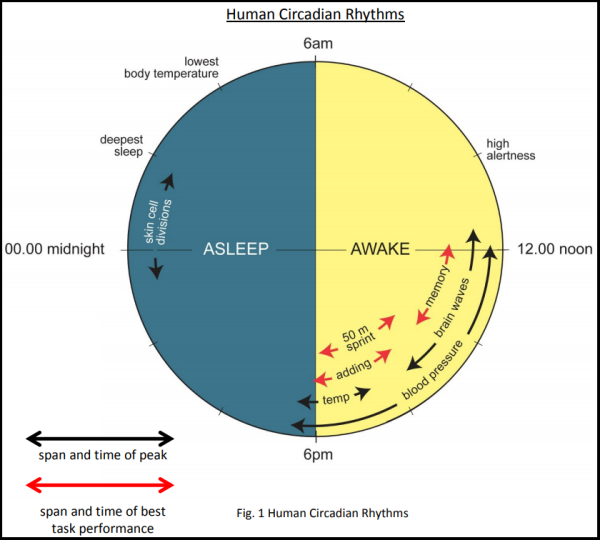
Your brain’s master clock (the suprachiasmatic nucleus) resets every morning when sunlight hits your retina.
From there, it’s just two main chemicals running the show:
Melatonin gets released when it turns dark to make you sleepy
Cortisol gets pumped out when you wake up to make you alert
Homeostatic process: the longer youre awake, the more adenosine builds up in your brain as a byproduct of your cells being active. That buildup is what makes you feel "sleep pressure" by the end of the day. Caffeine works by blocking those same receptors, it doesnt get rid of the adenosine, it just blocks the signal.
Takeaway: getting your light exposure timing consistent (bright in the morning, dim at night) is the main lever you actually control here
CDC and the American Academy of Sleep Medicine recommend 7 to 9 hours a night for adults. teens need more (8-10h).
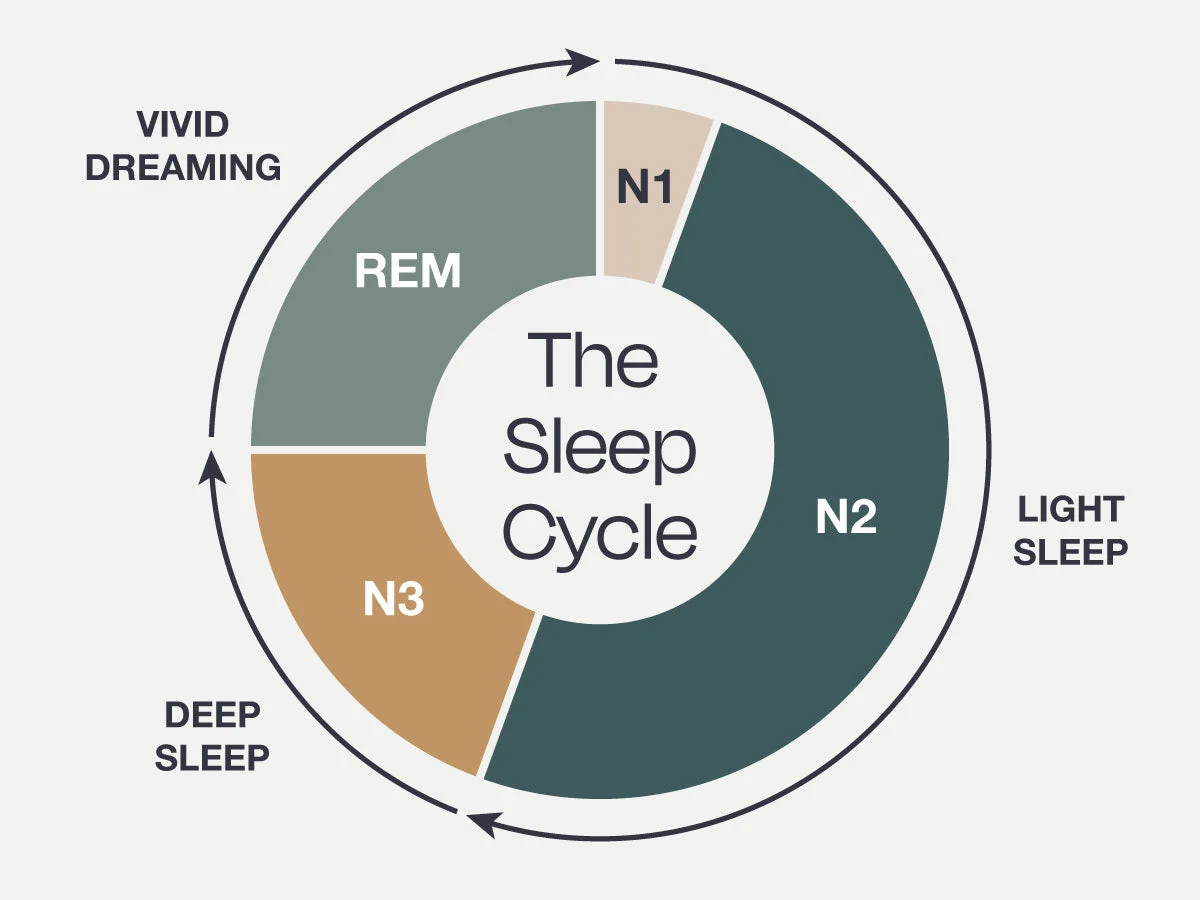
A night of sleep cycles through stages roughly every 90 minutes:
basically easy said its like this:
N1/N2 (Light Sleep): The transition into sleep that takes up most of your night.
N3 (Deep Sleep): Fixes your body, heals your immune system, and builds muscle (happens mostly in the first half of the night).
REM Sleep: Fixes your brain, sorts your memories, handles emotions, and causes dreams (happens mostly in the second half of the night).
This is why cutting sleep short from the front (staying up late) hits you differently than cutting it from the back (waking up early). Lose early sleep and you lose deep sleep. Lose late sleep and you lose REM
Highest Roi category after schedule consistency
Temperature: 60-67F (15.5-19C). This is the range the National Sleep Foundation and most clinical sources cite. Your core body temp naturally drops 1-2F to start sleep, a cool room helps that drop happen instead of fighting it.
Darkness: blackout curtains or a decent eye mask. Even small amounts of light at night can suppress melatonin.
Quiet / white noise: a fan or white noise machine can mask sudden noises if you're a light sleeper.
Comfortable mattress and pillow: less exciting than the rest but you spend a third of your life on it, dont cheap out if you can avoid it
Lower confidence extras (commonly suggested, weaker evidence behind them):
Weighted blankets: some people report better subjective sleep and less anxiety, but the research is mixed and effects are modest
"EMF shielding" products: theres currently no solid scientific consensus that normal household emf levels actually dissrupt sleep in a meaningful way. Not worth spending money on and is most likely just placebo or cope
Light is the main input your circadian clock uses to set itself, so timing matters both directions.
Morning: get bright light, ideally sunlight, within an hour of waking, for 10-30 min. One of the most reliable ways to anchor your circadian rhythm and improve alertness that day and sleep onset that night.
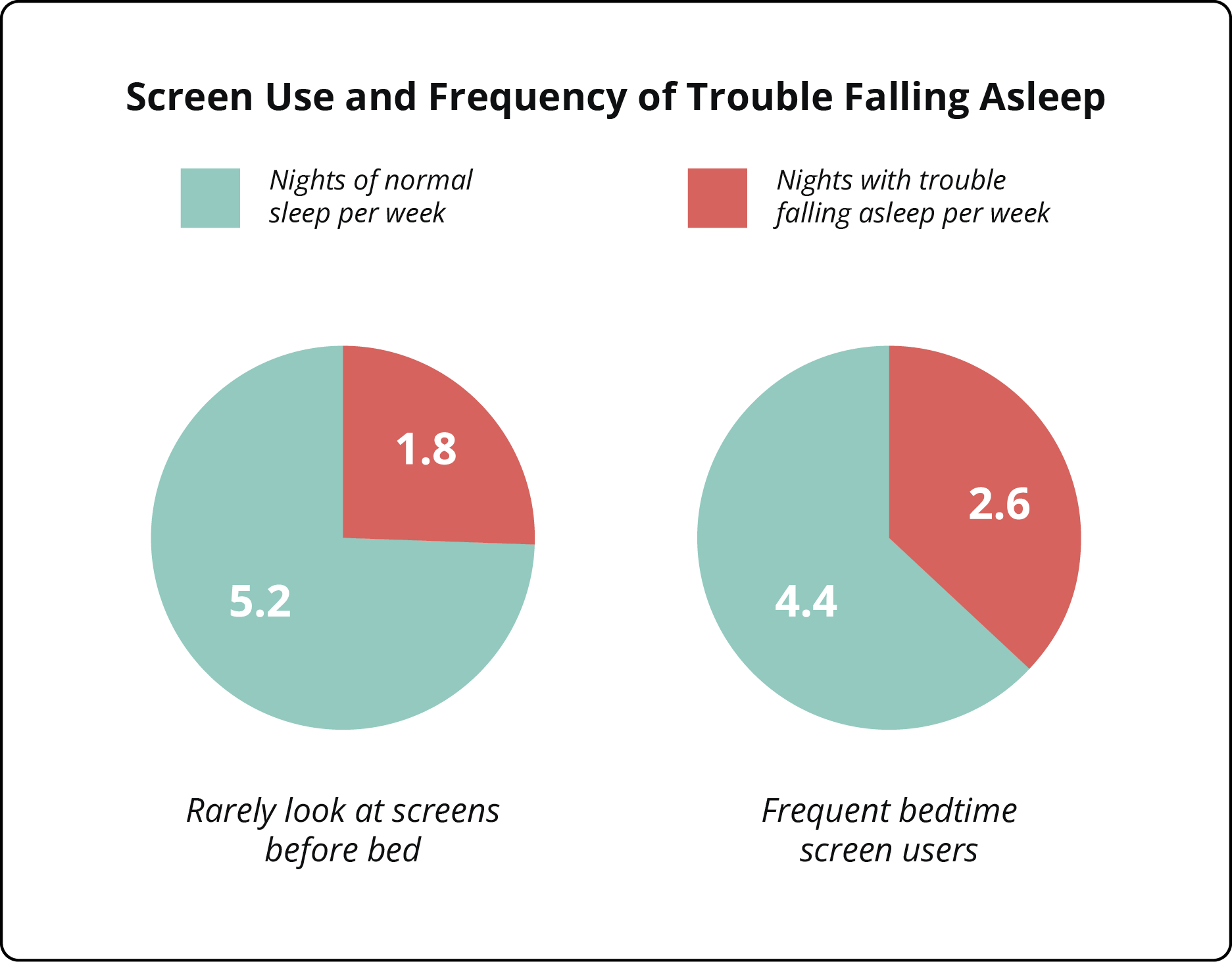
Evening: dim the lights and cut screen brightness 1-2 hours before bed. Blue heavy light suppresses melatonin more than warm light, though how much blue light glasses specifically fix this in real world conditions is pretty mixed. Cutting overall brightness and screen time matters more than the color filter
Consistency of this pattern matters more than any single "perfect" night
Caffeine has roughly a 5-7 hour half life. A coffee at 2pm can still have a meaningful amount in your system at bedtime. General advice is to cut caffeine by early to mid afternoon, more so if you're sensitive to it.
Alcohol might help you fall asleep faster but it fragments sleep later in the night and suppresses REM. Makes your sleep quality worse even if youre technically unconscious longer
Last meal: finishing 2-3 hours before bed is a pretty standard clinical recommendation, Eating late raises body temp and metabolism right when its supposed to be dropping, and can cause reflux that disrupts sleep
Eating at consistent times helps anchor your circadian rhythm similar to light, though its a smaller effect than the stuff above.
A short nap, around 20 minutes, in the early to mid afternoon can boost alertness without the grogginess you get from waking out of deep sleep. Lines up with the natural energy dip a lot of people feel in the early afternoon.
Naps over 30 min risk sliding into deep sleep, which causes grogginess when you wake up and can mess with your nighttime sleep onset.
If you dont get an afternoon dip, you dont need to force a nap.
Probably the most misused supplement in this whole space, so it gets its own section.
Your body naturally produces melatonin in the microgram to low milligram range. Most OTC tablets (3-10mg) are way higher than what research says is actually necessary.
Lower doses (0.5-1mg) are often just as effective or more effective than high doses. Melatonin receptors saturate fast, extra doesnt add benefit, it just adds side effects like grogginess and weird vivid dreams
It works best as a circadian rhythm regulator, not a sedative. Most useful for shifting your clock (jet lag, shift work, fixing a messed up schedule), taken a few hours before your target bedtime, rather than as a nightly knockout pill
The actual research shows it reduces time to fall asleep by roughly 7-12 minutes on average. Real but modest not some magic sedative
Long term nightly use hasnt been studied as much as short term use, so its reasonable to use it situationally rather than every night forever
Side sleeping (especially left side) gets recommended a lot for a few plausible reasons: may reduce acid reflux, can ease pressure on the airway (relevant if you snore or have mild apnea) and takes pressure off your lower back compared to sleeping on your stomach
That said, the research comparing sleep positions head to head in the general healthy population is pretty limited. Most of the strong evidence is specific to reflux, pregnancy, and appnea, not general population outcome.
Fix for side sleeping downsides: a pillow between your knees helps with hip and spine alignment, and a supportive pillow under your neck cuts down on shoulder strain
Bottom line: if a position is comfortable and youre not waking up in pain, dont force a "correct" one. But if you snore, have reflux, or have mild apnea symptoms side sleeping is a low cost thing worth trying
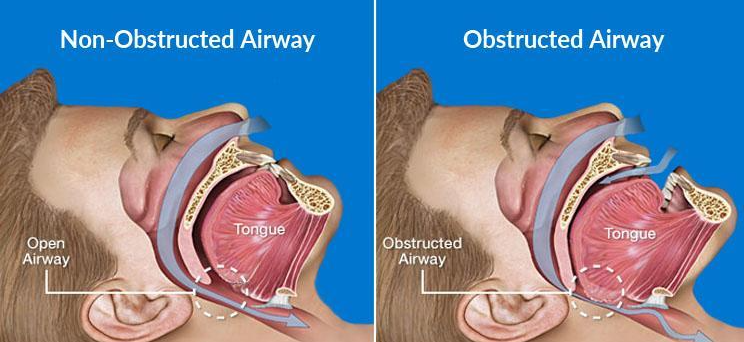
This is the one category where "just optimize your habits" isnt the answer, it needs an actual medical evaluation
Possible signs:
Loud, frequent snoring
Waking up gasping or choking
Morning headaches
Daytime grogginess/brain fog even with adequate hours in bed
Someones witnessed you stop breathing while asleep
If a few of these apply to you, go see a doctor before spending more time or money on the rest of this thread
Ranked roughly by how strong the evidence is for sleep specifically. None of this is a substitute for the fundamentals above, its the smallest lever in this whole thread
Reasonably supported:
Magnesium (glycinate is a well absorbed form): commonly used, decent evidence for better sleep quality, especially if you're mildly deficient. Typical range 200-400mg in the evening.
Glycine: small studies show modest improvement in subjective sleep quality around 3g doses.
Mixed but plausible:
L-theanine: promotes relaxation via alpha brain wave activity, typically 100-200mg, not a strong sedative on its own.
Ashwaganhda: some evidence for lowering stress/cortisol which can help sleep indirectly, effect on sleep itself is more modest than the marketing suggests
Weaker/limited direct evidence despite being popular:
5-htp, SAMe, high dose B vitamins, inositol, and various "serotonin boosting" stacks have plausible mechanisms but limited direct clinical evidence for sleep specifically. Some of these (5-htp, SAMe) carry risks with certain meds, especially antidepressants, so dont just stack them casually
Rough template, not a rigid rule adjust to your own chronotype
Wake up: get bright light within 30-60 min
Morning: your hardest/most demanding tasks (cortisol is naturally elevated)
Early afternoon (1-3pm): optional 20 min nap if you feel a dip
Afternoon: cut off caffeine
Evening: work out earlier rather than right before bed
2-3 hrs before bed: last meal, dim lights, cut screens, warm shower if you want
Bedtime: same time every night, plus or minus an hour on weekends
National Sleep Foundation, Sleep Tips: https://www.thensf.org/sleep-tips/Sleep Foundation, Best Temperature for Sleep: https://www.sleepfoundation.org/bedroom-environment/best-temperature-for-sleepCleveland Clinic, What Is the Ideal Sleeping Temperature: https://health.clevelandclinic.org/what-is-the-ideal-sleeping-temperature-for-my-bedroomCDC / AASM recommended sleep duration guidelines for adultsSleep Reset, Appropriate Melatonin Dosage Guidelines: https://www.thesleepreset.com/blog/...elatonin-dosage-6-guidelines-for-better-sleepNIH/NCBI melatonin dosing and clinical trial literatureRasch B. et al. (2013), About Sleep's Role in Memory, Physiological ReviewsOkamoto-Mizuno K. et al. (2012), Effects of Thermal Environment on Sleep and Circadian Rhythm, Journal of Physiological AnthropologySpiegel K. et al. (2005), Sleep Loss: A Novel Risk Factor for Insulin Resistance and Type 2 DiabetesAmerican Academy of Sleep Medicine clinical practice guidelines on insomnia (CBT-I as first line treatment)
Sources at the bottomTheres a lot of sleep advice floating around this site that ranges from solid to just straight up made up bs
This thread only has stuff with real evidence behind it Sleep affects your skin, under eye puffiness, mood, focus, and hormones more than people realize, so its worth doing right. You dont need to obsess over every single point below, the first couple sections matter way more than the restTABLE OF CONTENTS
- The Big 3
- How your sleep clock works
- Sleep duration and stages
- Environment setup
- Light exposure
- Food, caffeine and alcohol
- Naps
- Melatonin, used correctly
- Sleep position
- Sleep apnea, know the signs
- Supplements
- Sample daily rhythm
- Sources
- THE BIG 3
If you only take 3 things from this whole thread, TAKE THESE. Everything else is a smaller multiplier on top of these.
- Keep a consistent sleep and wake schedule, including weekends, within about an hour. Irregular schedules are consistently linked to worse sleep quality and worse metabolic markers, even if total sleep time stays the same.
- Get 7 to 9 hours if youre an adult (depends on age, more on that below).
- Keep the room cool, dark and quiet. This is the single most evidence backed environmental factor.
Everything past this point is refinement, not a replacement, for these three.
- HOW YOUR SLEEP CLOCK WORKS
Yeah, basically, easily said, its just this:
Your brain’s master clock (the suprachiasmatic nucleus
) resets every morning when sunlight hits your retina.From there, it’s just two main chemicals running the show:
Melatonin gets released when it turns dark to make you sleepy
Cortisol gets pumped out when you wake up to make you alert
Homeostatic process: the longer youre awake, the more adenosine builds up in your brain as a byproduct of your cells being active. That buildup is what makes you feel "sleep pressure" by the end of the day. Caffeine works by blocking those same receptors, it doesnt get rid of the adenosine, it just blocks the signal.
Takeaway: getting your light exposure timing consistent (bright in the morning, dim at night) is the main lever you actually control here
- SLEEP DURATION AND STAGES
CDC and the American Academy of Sleep Medicine recommend 7 to 9 hours a night for adults. teens need more (8-10h).
A night of sleep cycles through stages roughly every 90 minutes:
basically easy said its like this:
N1/N2 (Light Sleep): The transition into sleep that takes up most of your night.
N3 (Deep Sleep): Fixes your body, heals your immune system, and builds muscle (happens mostly in the first half of the night).
REM Sleep: Fixes your brain, sorts your memories, handles emotions, and causes dreams (happens mostly in the second half of the night).
This is why cutting sleep short from the front (staying up late) hits you differently than cutting it from the back (waking up early). Lose early sleep and you lose deep sleep. Lose late sleep and you lose REM
- ENVIRONMENT SETUP
Highest Roi category after schedule consistency
Temperature: 60-67F (15.5-19C). This is the range the National Sleep Foundation and most clinical sources cite. Your core body temp naturally drops 1-2F to start sleep, a cool room helps that drop happen instead of fighting it.
Darkness: blackout curtains or a decent eye mask. Even small amounts of light at night can suppress melatonin.
Quiet / white noise: a fan or white noise machine can mask sudden noises if you're a light sleeper.
Comfortable mattress and pillow: less exciting than the rest but you spend a third of your life on it, dont cheap out if you can avoid it
Lower confidence extras (commonly suggested, weaker evidence behind them):
Weighted blankets: some people report better subjective sleep and less anxiety
, but the research is mixed and effects are modest"EMF shielding" products: theres currently no solid scientific consensus that normal household emf levels actually dissrupt sleep in a meaningful way. Not worth spending money on and is most likely just placebo or cope
- LIGHT EXPOSURE
Light is the main input your circadian clock uses to set itself, so timing matters both directions.
Morning: get bright light, ideally sunlight, within an hour of waking, for 10-30 min. One of the most reliable ways to anchor your circadian rhythm and improve alertness that day and sleep onset that night.
Evening: dim the lights and cut screen brightness 1-2 hours before bed. Blue heavy light suppresses melatonin more than warm light, though how much blue light glasses specifically fix this in real world conditions is pretty mixed. Cutting overall brightness and screen time matters more than the color filter
Consistency of this pattern matters more than any single "perfect" night
- FOOD, CAFFEINE AND ALCOHOL
Caffeine has roughly a 5-7 hour half life. A coffee at 2pm can still have a meaningful amount in your system at bedtime. General advice is to cut caffeine by early to mid afternoon, more so if you're sensitive to it.
Alcohol might help you fall asleep faster but it fragments sleep later in the night and suppresses REM. Makes your sleep quality worse even if youre technically unconscious longer
Last meal: finishing 2-3 hours before bed is a pretty standard clinical recommendation, Eating late raises body temp and metabolism right when its supposed to be dropping, and can cause reflux that disrupts sleep
Eating at consistent times helps anchor your circadian rhythm similar to light, though its a smaller effect than the stuff above.
- NAPS
A short nap, around 20 minutes, in the early to mid afternoon can boost alertness without the grogginess you get from waking out of deep sleep. Lines up with the natural energy dip a lot of people feel in the early afternoon.
Naps over 30 min risk sliding into deep sleep, which causes grogginess when you wake up and can mess with your nighttime sleep onset.
If you dont get an afternoon dip, you dont need to force a nap.
- MELATONIN, USED CORRECTLY
Probably the most misused supplement in this whole space, so it gets its own section.
Your body naturally produces melatonin in the microgram to low milligram range. Most OTC tablets (3-10mg) are way higher than what research says is actually necessary.
Lower doses (0.5-1mg) are often just as effective or more effective than high doses. Melatonin receptors saturate fast, extra doesnt add benefit, it just adds side effects like grogginess and weird vivid dreams
It works best as a circadian rhythm regulator, not a sedative. Most useful for shifting your clock (jet lag, shift work, fixing a messed up schedule), taken a few hours before your target bedtime, rather than as a nightly knockout pill
The actual research shows it reduces time to fall asleep by roughly 7-12 minutes on average. Real but modest not some magic sedative
Long term nightly use hasnt been studied as much as short term use, so its reasonable to use it situationally rather than every night forever
- SLEEP POSITION
Side sleeping (especially left side) gets recommended a lot for a few plausible reasons: may reduce acid reflux, can ease pressure on the airway (relevant if you snore or have mild apnea) and takes pressure off your lower back compared to sleeping on your stomach
That said, the research comparing sleep positions head to head in the general healthy population is pretty limited. Most of the strong evidence is specific to reflux, pregnancy, and appnea, not general population outcome.
Fix for side sleeping downsides: a pillow between your knees helps with hip and spine alignment, and a supportive pillow under your neck cuts down on shoulder strain
Bottom line: if a position is comfortable and youre not waking up in pain, dont force a "correct" one
. But if you snore, have reflux, or have mild apnea symptoms side sleeping is a low cost thing worth trying
- SLEEP APNEA, KNOW THE SIGNS
This is the one category where "just optimize your habits" isnt the answer, it needs an actual medical evaluation
Possible signs:
Loud, frequent snoring
Waking up gasping or choking
Morning headaches
Daytime grogginess/brain fog even with adequate hours in bed
Someones witnessed you stop breathing while asleep
If a few of these apply to you, go see a doctor before spending more time or money on the rest of this thread
- SUPPLEMENTS
Ranked roughly by how strong the evidence is for sleep specifically. None of this is a substitute for the fundamentals above, its the smallest lever in this whole thread
Reasonably supported:
Magnesium (glycinate is a well absorbed form): commonly used, decent evidence for better sleep quality, especially if you're mildly deficient. Typical range 200-400mg in the evening.
Glycine: small studies show modest improvement in subjective sleep quality around 3g doses.
Mixed but plausible:
L-theanine: promotes relaxation via alpha brain wave activity, typically 100-200mg, not a strong sedative on its own.
Ashwaganhda: some evidence for lowering stress/cortisol which can help sleep indirectly, effect on sleep itself is more modest than the marketing suggests
Weaker/limited direct evidence despite being popular:
5-htp, SAMe, high dose B vitamins, inositol, and various "serotonin boosting" stacks have plausible mechanisms but limited direct clinical evidence for sleep specifically. Some of these (5-htp, SAMe) carry risks with certain meds, especially antidepressants, so dont just stack them casually
- SAMPLE DAILY RHYTHM
Rough template, not a rigid rule adjust to your own chronotype
Wake up: get bright light within 30-60 min
Morning: your hardest/most demanding tasks (cortisol is naturally elevated)
Early afternoon (1-3pm): optional 20 min nap if you feel a dip
Afternoon: cut off caffeine
Evening: work out earlier rather than right before bed
2-3 hrs before bed: last meal, dim lights, cut screens, warm shower if you want
Bedtime: same time every night, plus or minus an hour on weekends
- SOURCES
National Sleep Foundation, Sleep Tips: https://www.thensf.org/sleep-tips/Sleep Foundation, Best Temperature for Sleep: https://www.sleepfoundation.org/bedroom-environment/best-temperature-for-sleepCleveland Clinic, What Is the Ideal Sleeping Temperature: https://health.clevelandclinic.org/what-is-the-ideal-sleeping-temperature-for-my-bedroomCDC / AASM recommended sleep duration guidelines for adultsSleep Reset, Appropriate Melatonin Dosage Guidelines: https://www.thesleepreset.com/blog/...elatonin-dosage-6-guidelines-for-better-sleepNIH/NCBI melatonin dosing and clinical trial literatureRasch B. et al. (2013), About Sleep's Role in Memory, Physiological ReviewsOkamoto-Mizuno K. et al. (2012), Effects of Thermal Environment on Sleep and Circadian Rhythm, Journal of Physiological AnthropologySpiegel K. et al. (2005), Sleep Loss: A Novel Risk Factor for Insulin Resistance and Type 2 DiabetesAmerican Academy of Sleep Medicine clinical practice guidelines on insomnia (CBT-I as first line treatment)