How To Whiten Teeth - The Basics.
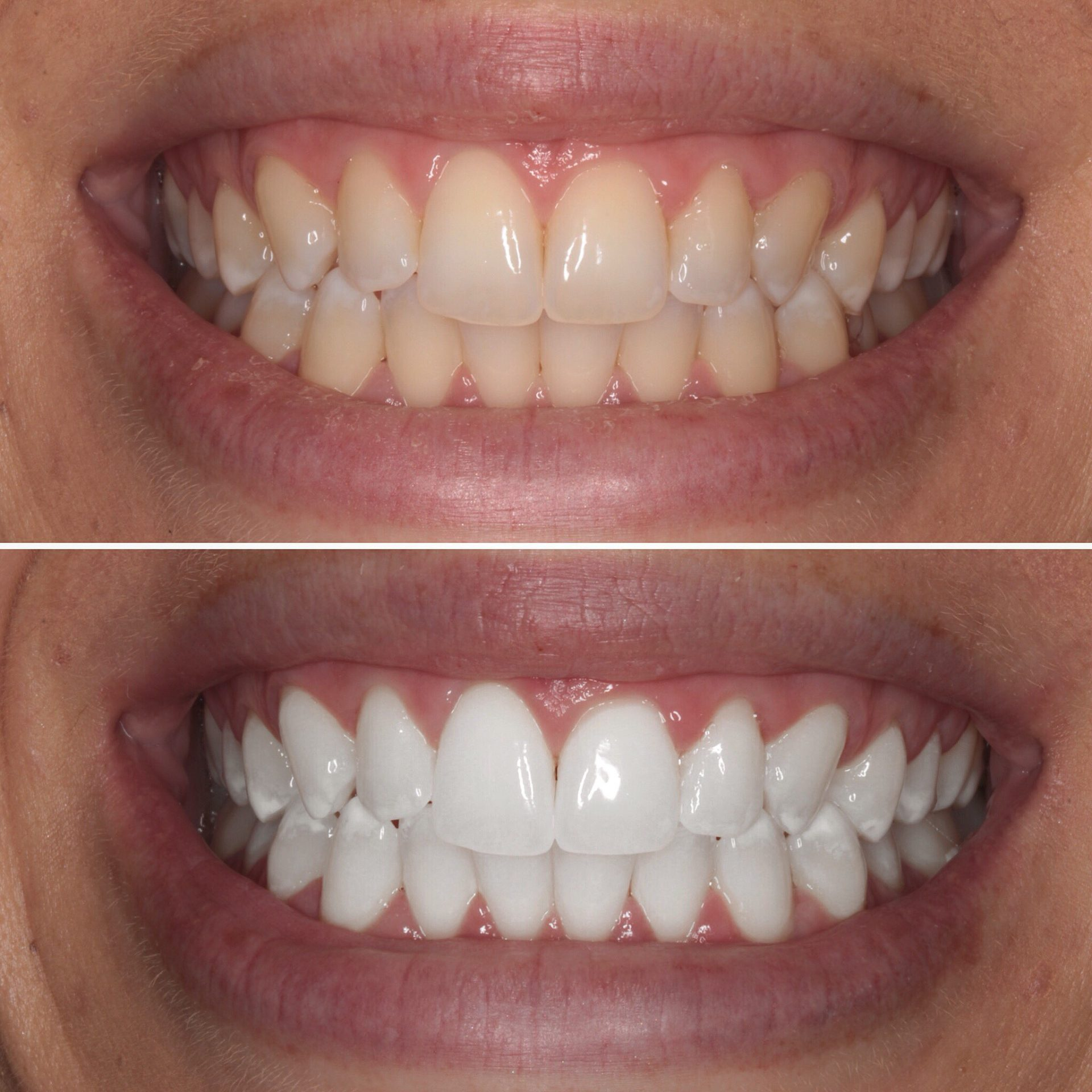
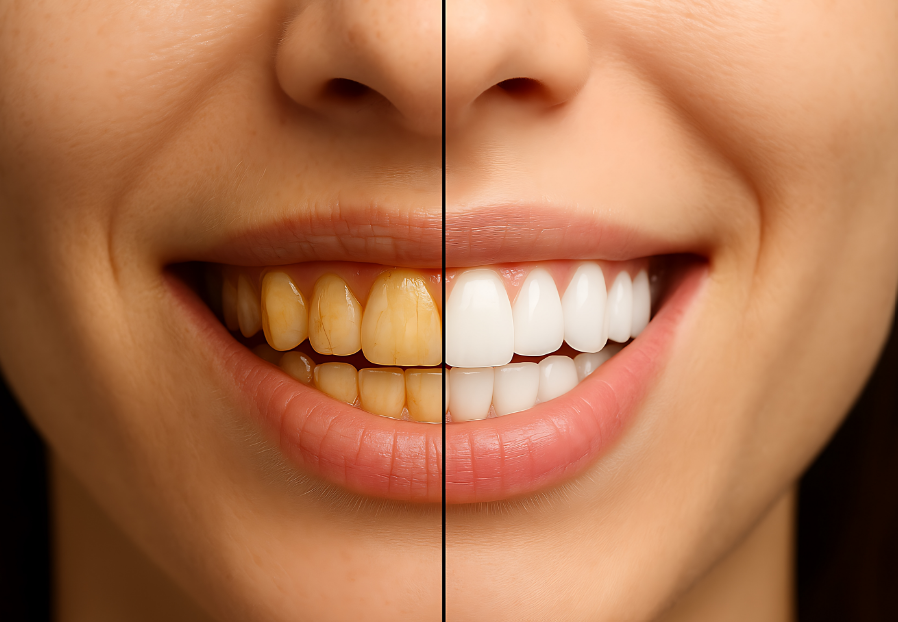
Table Of Contents
Section 1: Introduction
Section 2: The Science Of Whitening
Section 3: Why Teeth Appear Yellow
Section 4: Types of Stains
Section 5: How Whitening Actually Works
Section 6: What Products To Use
Section 1: Introduction
Section 2: The Science Of Whitening
Section 3: Why Teeth Appear Yellow
Section 4: Types of Stains
Section 5: How Whitening Actually Works
Section 6: What Products To Use
SECTION 1: Introduction
Teeth are one of the most important "smaller" features when it comes to attractiveness. You can have perfectly aligned teeth but if your teeth look dull, stained, and over all unhealthy when you smile, it can be a major halo. When people hear how to whiten teeth, they automatically think about brushing their teeth, flossing, or going to the dentist for basic information; but it goes much more deeper than just what you see on the outside, and much easier to fix then you think! In this guide I'll tell you everything that is needed to know when it comes to teeth health, and how to whiten them properly, so when you smile your teeth looks perfectly white and it does not need to be an insecurity.
Section 2: The Science Of Whitening
Tooth color results from the combination between the tooths two layers (dentin and enamel) individual color and optics characteristics. But why does this matter?
↓↓↓
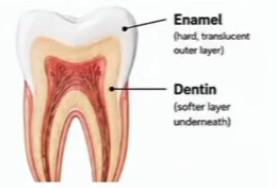
- Enamel: Enamel is the hard, translucent, outer shell, and it is the hardest substance in the human body which acts like clear glass. Enamel is a chromatic translucent tissue that modifies the underlying dentin appearance, so changes within the color or translucency of both of these dental hard tissues may cause tooth discoloration.
_______
- Dentin: Dentin is the main dental tissue affecting overall tooth color. It is the layer underneath enamel, it naturally has yellow to yellow=brown color and is softer than enamel. However, enamel surface characteristics affect light transmission, which modifies tooth color.
- Enamel: Enamel is the hard, translucent, outer shell, and it is the hardest substance in the human body which acts like clear glass. Enamel is a chromatic translucent tissue that modifies the underlying dentin appearance, so changes within the color or translucency of both of these dental hard tissues may cause tooth discoloration.
_______
- Dentin: Dentin is the main dental tissue affecting overall tooth color. It is the layer underneath enamel, it naturally has yellow to yellow=brown color and is softer than enamel. However, enamel surface characteristics affect light transmission, which modifies tooth color.
Section 3: Why Teeth Appear Yellow
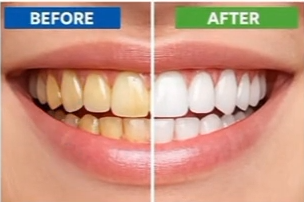
- Teeth are not naturally "paper white". Enamel is slightly translucent, the color of the dentin underneath shows through it, so people who naturally have slightly yellower dentin or thinner enamel from the very start of their life, appear to have yellower teeth, even if their teeth are perfectly healthy.
- Teeth are not naturally "paper white". Enamel is slightly translucent, the color of the dentin underneath shows through it, so people who naturally have slightly yellower dentin or thinner enamel from the very start of their life, appear to have yellower teeth, even if their teeth are perfectly healthy.
- As you age, enamel slowly wears down, which ultimately exposes more dentin and makes your teeth appear more dark/dirty.
- Your genetic make up determines the influence of your tooth shade by determining the thickness of your tooth enamel, and the shade of dentin underneath. If your parents have naturally un-whitened teeth, your coloring problems are caused by your genetic makeup.
Section 4: Types Of Stains
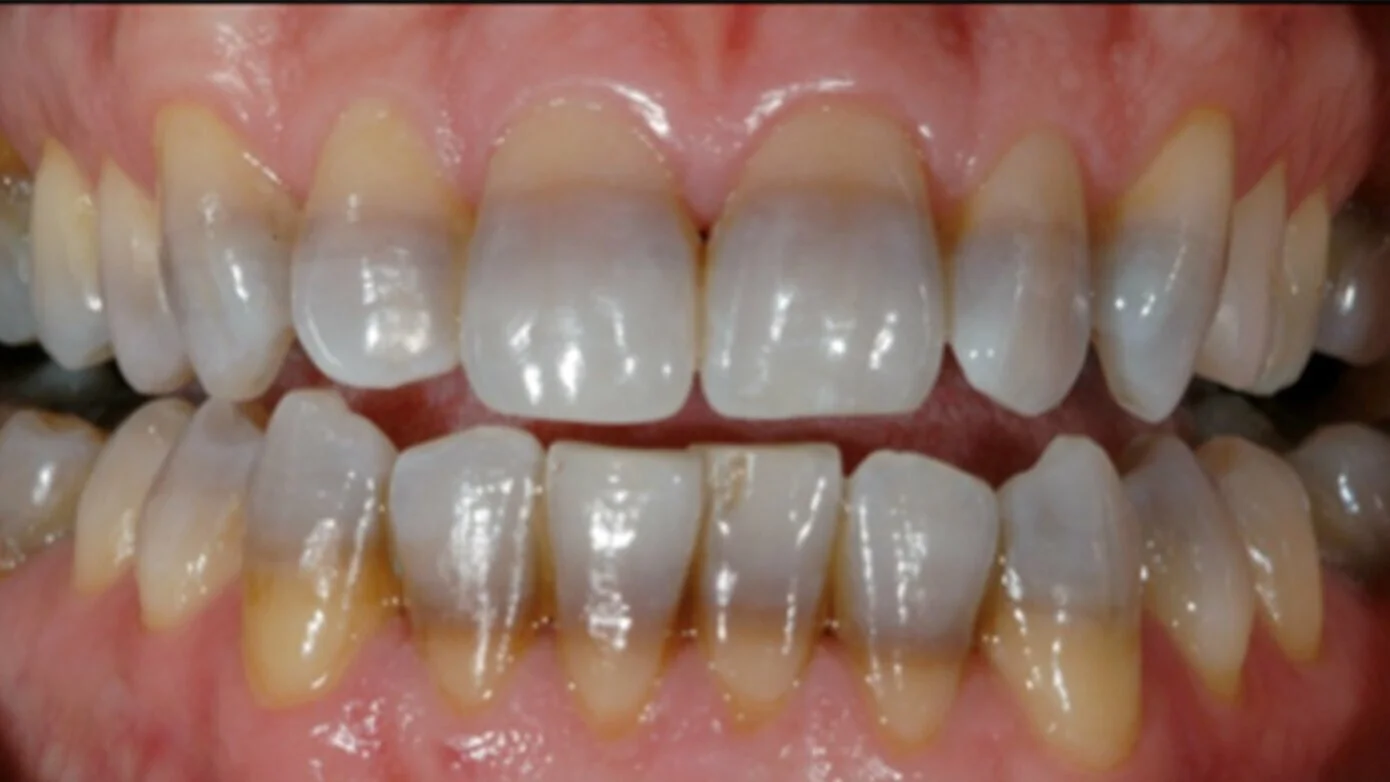
Teeth stains are not just a singular simple thing. There are two types of stains: Extrinsic Stains, Intrinsic Stains. They both are caused by different reasons, and are fixed by different methods.
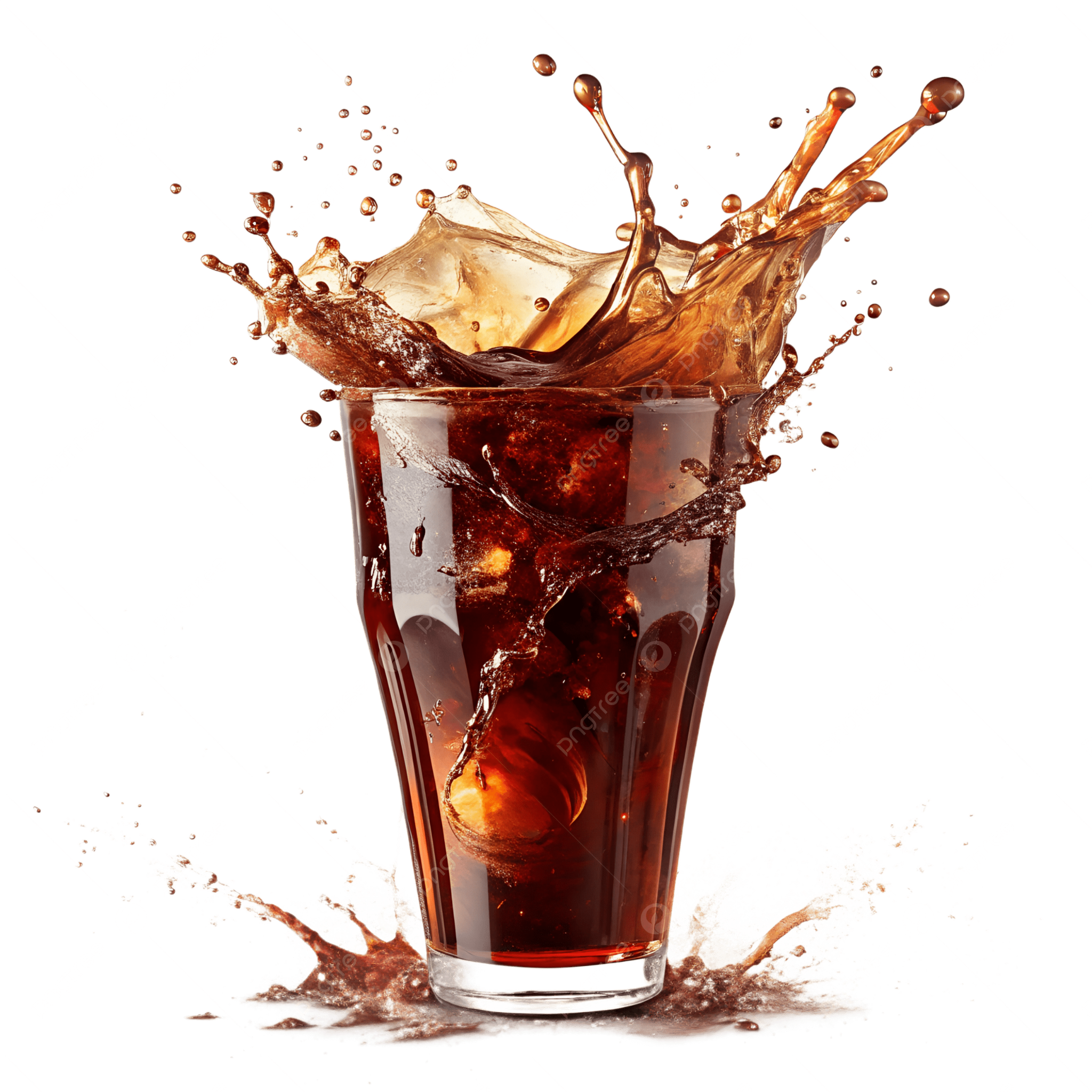
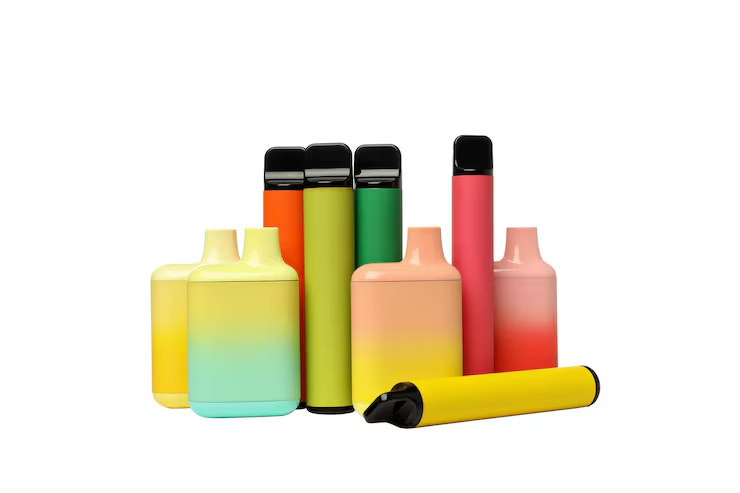
- Extrinsic (Surface) Stains: Extrinsic Stains are on the outside of the enamel. The main cause of Extrinsic Stains are: Coffee, tea, wine, smoking, vaping, dark sodas, curry, berries, etc.

_______
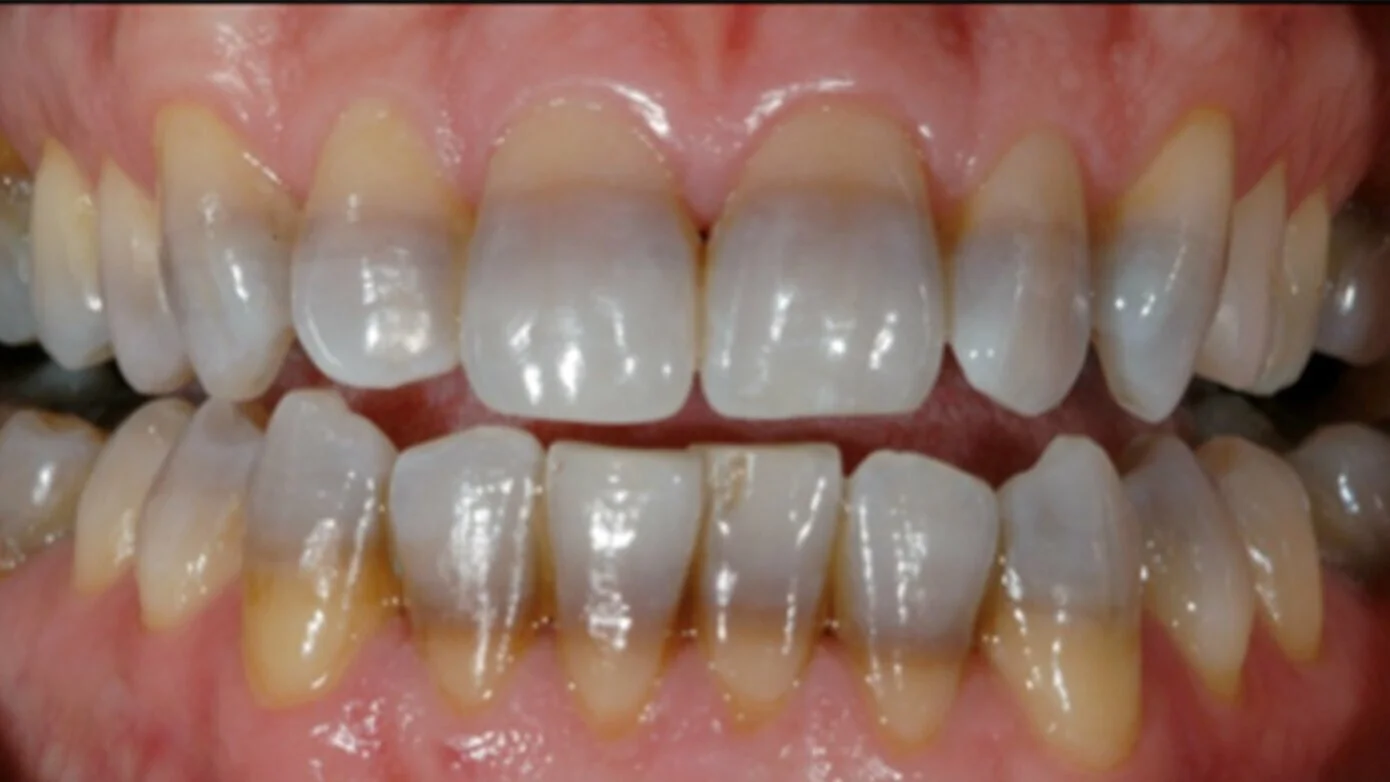
- Intrinsic (Deep) Stains: Intrinsic Stains are inside of the enamel and dentin. The main cause of Intrinsic Stains are caused by: Aging, certain medications (Tetracycline, Doxycycline, Minocycline, Diphenhydramine, Cetirizine, Beta-blockers, Calcium channel blockers, Chlorhexidine) trauma, excess fluoride, or genetics. (Intrinsic Stains REQUIRE peroxide whitening because the stain is inside the tooth, not on the surface!!)
- Extrinsic (Surface) Stains: Extrinsic Stains are on the outside of the enamel. The main cause of Extrinsic Stains are: Coffee, tea, wine, smoking, vaping, dark sodas, curry, berries, etc.
_______
- Intrinsic (Deep) Stains: Intrinsic Stains are inside of the enamel and dentin. The main cause of Intrinsic Stains are caused by: Aging, certain medications (Tetracycline, Doxycycline, Minocycline, Diphenhydramine, Cetirizine, Beta-blockers, Calcium channel blockers, Chlorhexidine) trauma, excess fluoride, or genetics. (Intrinsic Stains REQUIRE peroxide whitening because the stain is inside the tooth, not on the surface!!)
Section 5: How Whitening Actually Works
Whitening products use hydrogen peroxide (takes about 15-20 minutes for whitening using hydrogen peroxide) or carbamide peroxide (20-25 minutes for the carbamide peroxide treatment.) Hydrogen peroxide and carbamide peroxide break down into oxygen molecules, which then the oxygen penetrates through the enamel and breaks apart stain molecules trapped inside the tooth. This makes the stains less visible without physically scrapping away enamel.
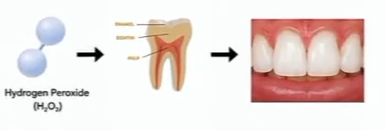
Whitening products use hydrogen peroxide (takes about 15-20 minutes for whitening using hydrogen peroxide) or carbamide peroxide (20-25 minutes for the carbamide peroxide treatment.) Hydrogen peroxide and carbamide peroxide break down into oxygen molecules, which then the oxygen penetrates through the enamel and breaks apart stain molecules trapped inside the tooth. This makes the stains less visible without physically scrapping away enamel.
Section 6: What Products To Use
Step-by-step plan for a noticeably whiter smile
↓↓↓
Step 1: Choose Your Whitening Method
- Whitening strips: convenient, easy to use, good for beginners.
- Whitening gel in trays: better contact, more even results.
- Professional in-office: fastest and most powerful option.
- Pen or toothpaste: good for maintenance and touch-ups.
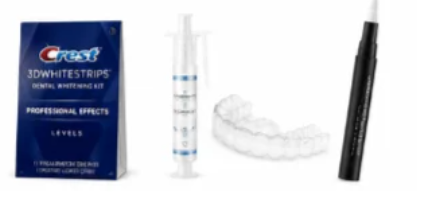
Step 2: Pick The Right Product
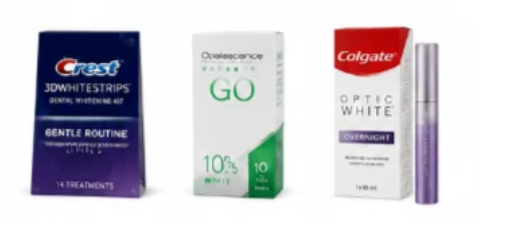
- Look for hydrogen peroxide (6%–14%) in strips or carbamide peroxide (10%–22%) in gels.
- 10%–20% CP is ideal for at-home gel use.
- Avoid products with little to no peroxide.
- Trusted brands: Crest, Opalescence, Colgate, Oral-B, and Philips.
Step 3: Prep Your Teeth
- Brush and floss thoroughly.
- Remove any plaque or food.
- Dry teeth before applying strips or gel.
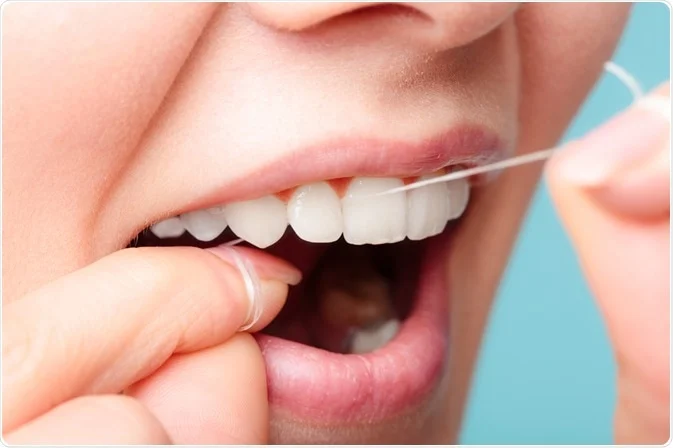
Step 4: Apply Correctly
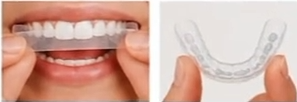
- For strips: apply to upper and lower teeth, avoiding the gums.
- For trays: apply a small amount of gel in a thin layer.
- Do not overfill trays or use too much product.
- Wear for the recommended time, usually 30 minutes to 2 hours.
Step 5: Aftercare
- Remove strips or trays and rinse your mouth.

- Avoid eating or drinking for at least 30 minutes.
- Do not brush immediately after whitening; wait 30 to 60 minutes.