



Seth Walsh

Iconoclast
Contributor
- Joined
- Jan 12, 2020
- Posts
- 11,023
- Reputation
- 22,528
The next frontier of class discrimination may not be your surname, school, or address.
It may be how you speak.



Not because employers will consciously think:
Interviews are increasingly recorded, transcribed and analysed by software. With enough data, speech can reveal an enormous amount of latent socioeconomic information.
Accent. Vocabulary. Cadence. Grammar. Confidence. Hesitation. Regionalisms. Pronunciation. How someone disagrees. How comfortable they appear speaking to authority.
Individually, these signals are weak.
Collectively, they can become a probabilistic class fingerprint.
And one of the most important hidden variables may not even be income.
It may be family solvency.

Consider two candidates earning the same salary.
Candidate A comes from a financially fragile household. There are few assets, little backup capital and limited ability to absorb unemployment or other shocks.
Candidate B comes from a household with substantial assets, low debt and enough financial security to absorb years of disruption.
On a CV, they may look almost identical.
Economically, they inhabit completely different worlds.
Historically, employers had crude proxies for this:
School.
University.
Postcode.
Clothing.
Sports.
Accent.
Connections.
Internships.
Social mannerisms.

What gets described as “confidence” or “executive presence” may sometimes be partly the behavioural consequence of financial security.
Someone who knows that one bad month will not destroy them can behave differently.
They may negotiate more aggressively.
Take greater career risks.
Appear more relaxed around authority.
Walk away from bad opportunities more easily.
And that relaxation can itself be interpreted as competence.
This creates a feedback loop:
family capital → lower personal fragility → different behaviour → behaviour interpreted as status or ability → better opportunities → more capital
Someone from a more fragile background may be equally intelligent but rationally optimise for security, exhibit more anxiety, take fewer risks and consequently be perceived differently.

Now add machine learning.
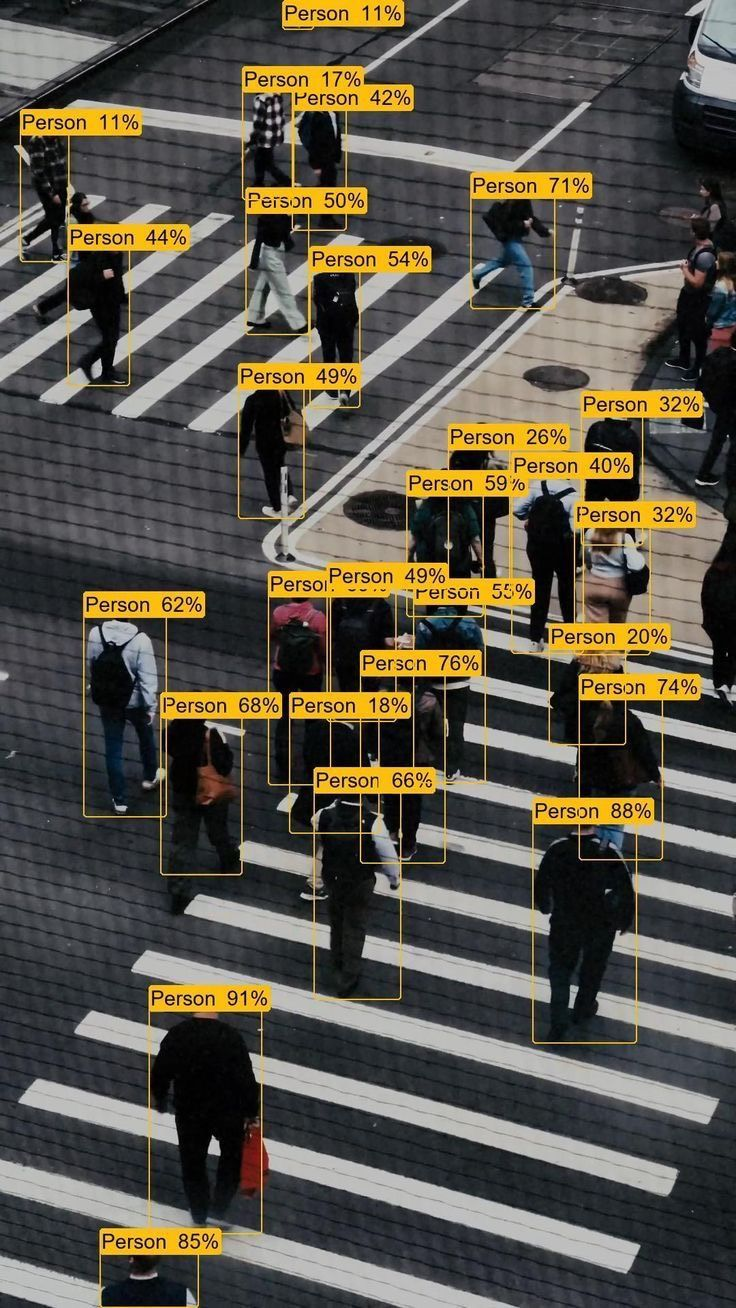
A human interviewer might consciously try to disregard accent or background.
A sufficiently sophisticated model does not need an explicit variable called “social class”.
It can learn thousands of correlated features.
It does not need to output:
HIGH-SOCIOECONOMIC-STATUS CANDIDATE
It can output:
Communication: excellent
Executive presence: strong
Leadership potential: high
Client suitability: high
The classification has simply been translated into respectable corporate language.
The important point is that companies would not necessarily need to intentionally discriminate.
If particular linguistic and behavioural patterns historically correlate with employees who succeeded inside elite organisations, an optimisation system can learn those patterns automatically.
The model learns the existing equilibrium.
Regulation may attempt to prevent this, but social class is unusually difficult to isolate because it is not a single variable.
It is a giant collection of correlated signals.
Speech is only one.
Combine:
The strongest signal may eventually be something extremely difficult to fake:
the unconscious behaviour of someone accustomed to financial security.
People often assume AI hiring systems will become more meritocratic because machines can remove human prejudice.
The opposite possibility deserves more attention.
Humans are relatively poor at detecting class once someone learns the relevant social codes.
Machines may eventually become extremely good at it.
The old system asked where you came from.
The new system may only need twenty seconds of audio.

It may be how you speak.
Not because employers will consciously think:
It will be subtler than that.“This person pronounces that word a certain way, therefore their family is wealthy.”
Interviews are increasingly recorded, transcribed and analysed by software. With enough data, speech can reveal an enormous amount of latent socioeconomic information.
Accent. Vocabulary. Cadence. Grammar. Confidence. Hesitation. Regionalisms. Pronunciation. How someone disagrees. How comfortable they appear speaking to authority.
Individually, these signals are weak.
Collectively, they can become a probabilistic class fingerprint.
And one of the most important hidden variables may not even be income.
It may be family solvency.
Consider two candidates earning the same salary.
Candidate A comes from a financially fragile household. There are few assets, little backup capital and limited ability to absorb unemployment or other shocks.
Candidate B comes from a household with substantial assets, low debt and enough financial security to absorb years of disruption.
On a CV, they may look almost identical.
Economically, they inhabit completely different worlds.
Historically, employers had crude proxies for this:
School.
University.
Postcode.
Clothing.
Sports.
Accent.
Connections.
Internships.
Social mannerisms.
What gets described as “confidence” or “executive presence” may sometimes be partly the behavioural consequence of financial security.
Someone who knows that one bad month will not destroy them can behave differently.
They may negotiate more aggressively.
Take greater career risks.
Appear more relaxed around authority.
Walk away from bad opportunities more easily.
And that relaxation can itself be interpreted as competence.
This creates a feedback loop:
family capital → lower personal fragility → different behaviour → behaviour interpreted as status or ability → better opportunities → more capital
Someone from a more fragile background may be equally intelligent but rationally optimise for security, exhibit more anxiety, take fewer risks and consequently be perceived differently.
Now add machine learning.
A human interviewer might consciously try to disregard accent or background.
A sufficiently sophisticated model does not need an explicit variable called “social class”.
It can learn thousands of correlated features.
It does not need to output:
HIGH-SOCIOECONOMIC-STATUS CANDIDATE
It can output:
Communication: excellent
Executive presence: strong
Leadership potential: high
Client suitability: high
The classification has simply been translated into respectable corporate language.
The important point is that companies would not necessarily need to intentionally discriminate.
If particular linguistic and behavioural patterns historically correlate with employees who succeeded inside elite organisations, an optimisation system can learn those patterns automatically.
The model learns the existing equilibrium.
Regulation may attempt to prevent this, but social class is unusually difficult to isolate because it is not a single variable.
It is a giant collection of correlated signals.
Speech is only one.
Combine:
- voice
- vocabulary
- education
- career history
- hobbies
- writing style
- social networks
- clothing
- video backgrounds
- negotiation behaviour
- response patterns
- salary expectations
- geographic mobility
The strongest signal may eventually be something extremely difficult to fake:
the unconscious behaviour of someone accustomed to financial security.
People often assume AI hiring systems will become more meritocratic because machines can remove human prejudice.
The opposite possibility deserves more attention.
Humans are relatively poor at detecting class once someone learns the relevant social codes.
Machines may eventually become extremely good at it.
The old system asked where you came from.
The new system may only need twenty seconds of audio.


