



Natural.love
Bronze
- Joined
- Dec 22, 2025
- Posts
- 469
- Reputation
- 289
Post is obviously about never stressing LUL
Chronic stress
Life stress is a central construct in health research because it is associated with increased risk for a variety of serious mental and physical health problems, including anxiety disorders, depression, cardiovascular disease, autoimmune disorders, Alzheimer’s disease, certain cancers, and other diseases of aging. In this review, we examine how lifetime stress exposure contributes to elevated disease risk, and explore ongoing measurement and scientific issues related to this topic. To accomplish these goals, we first review existing instruments that have been developed for assessing perceived stress, self-reported life events, interviewer-assessed life stressors, and lifetime stress exposure. Next, we describe laboratory-based tasks that have been used for characterizing individual differences in psychological and biological stress reactivity. These methods have yielded an enormous amount of data showing how life stress influences the activity of the hypothalamic-pituitary-adrenal axis, hypothalamic-pituitary-gonadal axis, sympathetic-adrenal-medullary axis, and immune system, and how such processes can in turn cause allostatic load and biological embedding of the stress effect at the level of the human brain and genome. At the same time, many critical measurement and scientific issues remain unresolved, and we discuss these topics last while describing some pressing issues and opportunities for future research on stress and health.
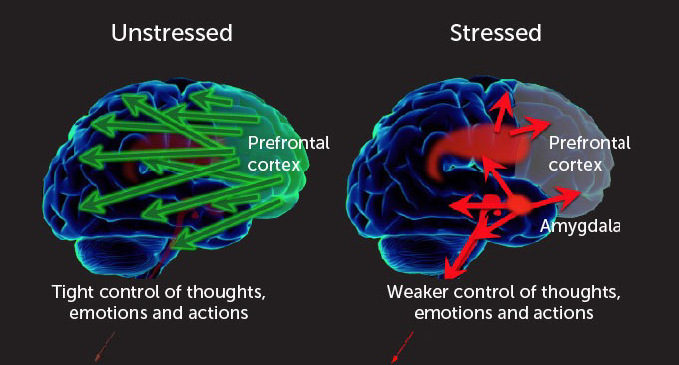
Repeated overstimulation of the stress response system, caused by exposure to prolonged highly stressful experiences, is thought to affect brain structure, cognitive ability, and mental health. We tested the effects of highly stressful experiences during childhood and adulthood using data from the UK Biobank, a large-scale national health and biomedical study with over 500,000 participants. To do this, we defined four groups with high or low levels of childhood and/or adulthood stress. We then used T1-and diffusion-weighted MRI data to assess the macrostructure of grey matter and microstructure of white matter within limbic brain regions, commonly associated with the stress response. We also compared executive function and working memory between these groups. Our findings suggest that in females, higher levels of Childhood stress were associated with reduced connectivity within the posterior thalamic radiation and cingulum of the hippocampus. In males however, higher levels of Adulthood stress is associated with similar changes in brain microstructure in the posterior thalamic radiation and cingulum of the hippocampus. High stress in Childhood and Adulthood was associated with decreases in executive function and working memory in both males and females. Stress across the lifespan was also positively associated with the number of diagnosed mental health problems, with a stronger effect in females than in males. Finally, our findings also suggest that cognitive and mental health outcomes due to stress may be mediated by the sex specific stress related changes in brain microstructure. Together our findings demonstrate clear links between stress at distinct phases of the lifespan, changes in measures of brain microstructure, impairments in cognitive abilities and negative mental health outcomes.
https://pmc.ncbi.nlm.nih.gov/articles/PMC9170771/
 The infantile, childhood, and adolescent periods of growth and development also represent times of increased vulnerability to stressors. Growth velocity in each period is dependent on the interplay of genetic, environmental, dietary, socioeconomic, developmental, behavioral, nutritional, metabolic, biochemical, and hormonal factors. A stressor may impact growth directly through modulation of the growth hormone axis or indirectly through other factors. The adaptive response to stressors culminates in behavioral, physiological, and biochemical responses which together support survival and conservation of energy. The immediate response involves activation of the sympathetic nervous system and the hypothalamic-pituitary-adrenal axis. The time-limited stress response is at once antigrowth, antireproductive, and catabolic with no lasting adverse consequences. However, chronic activation of the stress system and hypercortisolism have consequential negative impacts on growth, thyroid function, reproduction-puberty, and metabolism. High cortisol suppresses growth hormone-insulin-like growth factor 1, hypothalamic-pituitary-gonadal, and thyroid axes and has been reported to be responsible for an increase in visceral adiposity, a decrease in lean mass, suppression of osteoblastic activity with risk of osteoporosis, and induction of insulin resistance. Early-life adversities, emotional or physical, have been associated with long-term negative physical and mental health outcomes. Existing models of chronic stress corroborate that early-life adversities can affect growth and have consequences in other aspects of well-being throughout the lifespan. Targeted interventions to reduce stress during infancy, childhood, and adolescence can have far-reaching benefits to long-term health as well as attaining adequate growth. In this review, we describe the neuroendocrinology of the stress response, the factors influencing growth, and the impact of chronic stress on growth during critical periods of infancy, childhood, and puberty with particular reference to growth, thyroid, and gonadal axis.
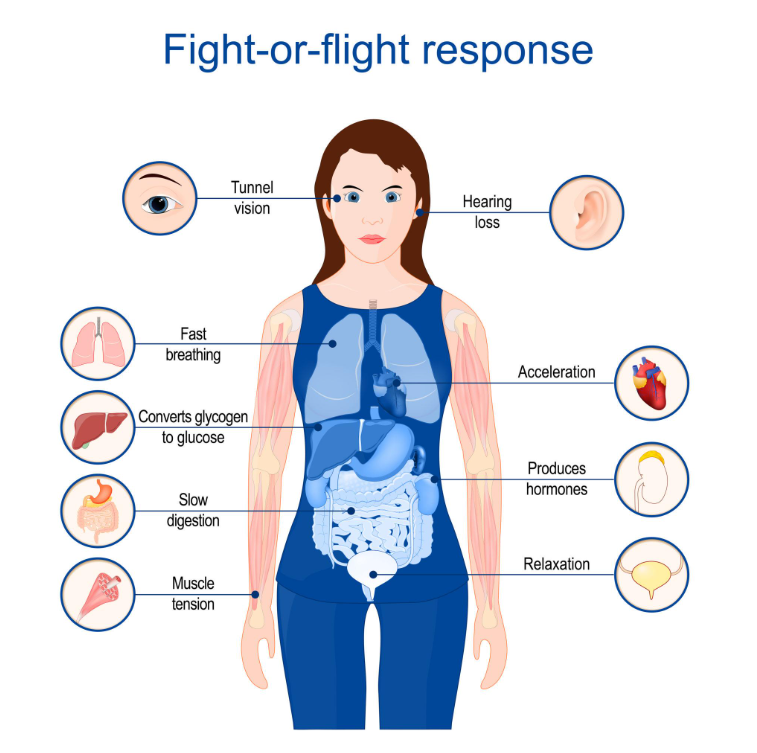
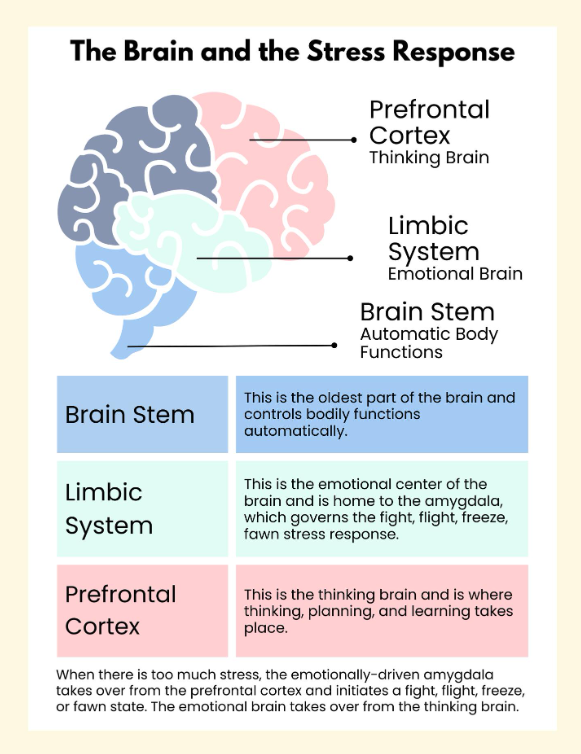
Acute Stress(ACTIVATES FLIGHT OR FIGHT OR RESPONSE TO A SUDDEN CHALLENGE):
Acute stress is associated with beneficial as well as detrimental effects on cognition in different individuals. However, it is not yet known how stress can have such opposing effects. Stroop-like tasks typically show this dissociation: stress diminishes speed, but improves accuracy. We investigated accuracy and speed during a stroop-like task of 120 healthy male subjects after an experimental stress induction or control condition in a randomized, counter-balanced cross-over design; we assessed brain–behavior associations and determined the influence of individual brain connectivity patterns on these associations, which may moderate the effect and help identify stress resilience factors. In the mean, stress was associated to increase in accuracy, but decrease in speed. Accuracy was associated to brain activation in a distributed set of brain regions overlapping with the executive control network (ECN) and speed to temporo-parietal activation. In line with a stress-related large-scale network reconfiguration, individuals showing an upregulation of the salience and down-regulation of the executive-control network under stress displayed increased speed, but decreased performance. In contrast, individuals who upregulate their ECN under stress show improved performance. Our results indicate that the individual large-scale brain network balance under acute stress moderates cognitive consequences of threat.
Acute stress is generally thought to impair performance on tasks thought to rely on selective attention. This effect has been well established for moderate to severe stressors, but no study has examined how a mild stressor-the most common type of stressor-influences selective attention. In addition, no study to date has examined how stress influences the component processes involved in overall selective attention task performance, such as controlled attention, automatic attentional activation, decision-making, and motor abilities. To address these issues, we randomly assigned 107 participants to a mild acute stress or control condition. As expected, the mild acute stress condition showed a small but significant increase in cortisol relative to the control condition. Following the stressor, we assessed attention with two separate flanker tasks. One of these tasks was optimized to investigate component attentional processes using computational cognitive modeling, whereas the other task employed mouse-tracking to illustrate how response conflict unfolded over time. The results for both tasks showed that mild acute stress decreased response time (i.e., increased response speed) without influencing accuracy or interference control. Further, computational modeling and mouse-tracking analyses indicated that these effects were due to faster motor action execution time for chosen actions. Intriguingly, however, cortisol responses were unrelated to any of the observed effects of mild stress. These results have implications for theories of stress and cognition, and highlight the importance of considering motor processes in understanding the effects of stress on cognitive task performance.
"Chronic stress is known to cause major health problems, yet acute stress is thought to improve people's performance and health. A new study by UC Berkeley professor Daniela Kaufer shows why that is. Stress generates new nerve cells in the brain that, two weeks later, help people learn better."
CORTISOL:
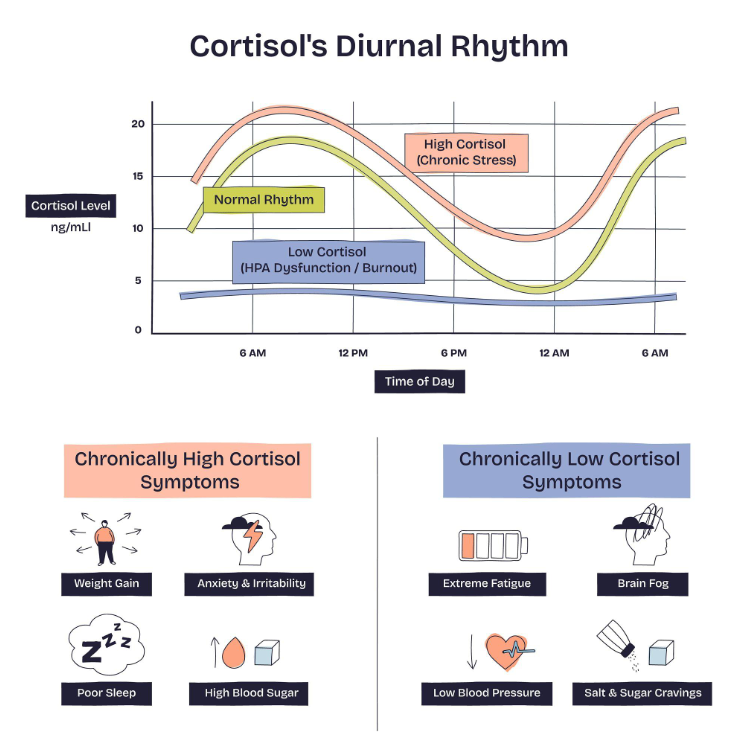
Cortisol, the major physiological end-product of the hypothalamic-pituitary-adrenal (HPA) axis, is usually associated with stress and negative affect. However, a new body of research highlights the complex, adaptive significance of elevated cortisol within individuals in everyday life. Whereas most studies do not have the power to test the dynamic transactions between cortisol and affect within a person throughout the entire waking day, we employed an intensive study protocol analyzing hourly diary reports of affect in relation to hourly salivary cortisol samples among 24 healthy adults from morning to bedtime, across two consecutive weekdays (n = 862 total samples). Utilizing multi-leveling modeling and focusing on within-person effects, we examined whether momentary increases in cortisol could be mood protective, or energy enhancing, in everyday life, supporting the cortisol boost hypothesis. Results revealed no significant associations between cortisol and current affective state; however, within-person increases in cortisol were significantly associated with subsequent rises in activeness, alertness, and relaxation, and trend-level reductions in stress and nervousness. This study adds to growing evidence that cortisol plays a positive role in regulating affect in everyday life.
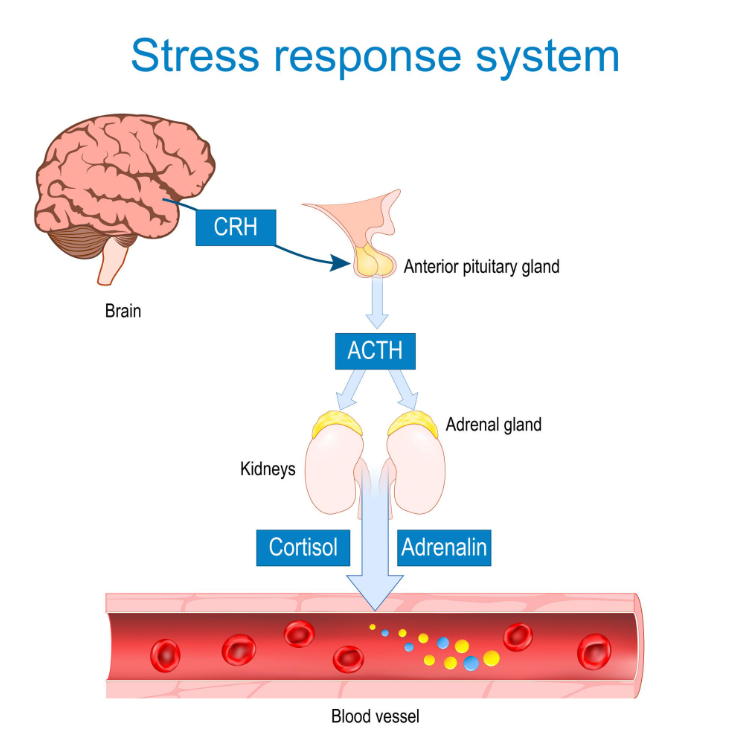
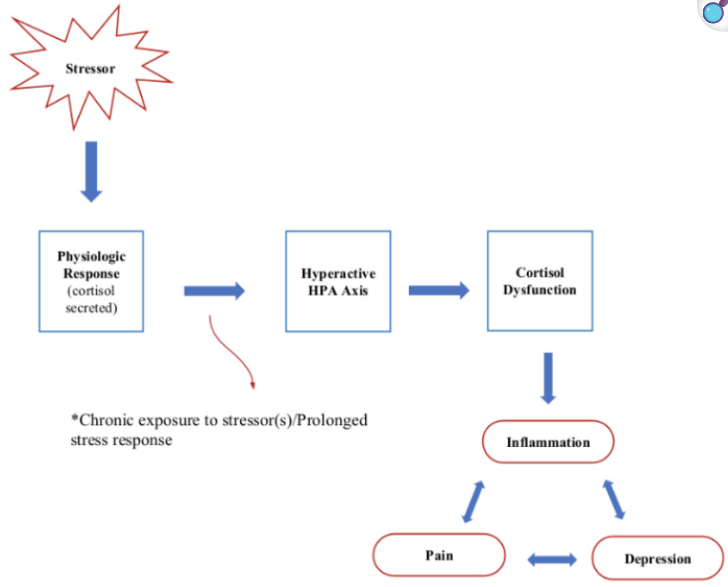 In conclusion, cortisol, a pivotal glucocorticoid hormone produced by the adrenal glands, is integral to numerous physiological processes. Its release is intricately regulated by the suprachiasmatic nucleus, governing the circadian rhythm and activating the complex hypothalamic–pituitary–adrenal (HPA) axis, a vital neuroendocrine system responsible for stress response and maintaining homeostasis. Disruptions in cortisol regulation due to chronic stress, disease, and aging have profound implications for multiple bodily systems. Animal models have been essential in unraveling these complex cortisol dynamics during stress, shedding light on the interplay between physiological, neuroendocrine, and immune factors in the stress response. These models have also revealed the impact of various stressors, including social hierarchies, highlighting the role of social factors in cortisol regulation. There is a big spectrum of psychosomatic diseases that are a result of chronic stress; however, in this review, we focused only on the most frequent diseases that affect the central nervous system. Chronic stress is closely linked to the progression of diseases, like Alzheimer’s and Parkinson’s, driven by excessive cortisol production and HPA axis dysregulation, along with neuroinflammation in the central nervous system. The relationship between cortisol dysregulation and major depressive disorder is complex, characterized by HPA axis hyperactivity and chronic inflammation. Lastly, chronic pain is associated with abnormal cortisol patterns that heighten pain sensitivity and susceptibility and are closely related to depression. Understanding these multifaceted mechanisms and their effects is essential, as they offer insights into potential interventions to mitigate the detrimental consequences of chronic stress and cortisol dysregulation in these conditions.
https://pmc.ncbi.nlm.nih.gov/articles/PMC10706127/
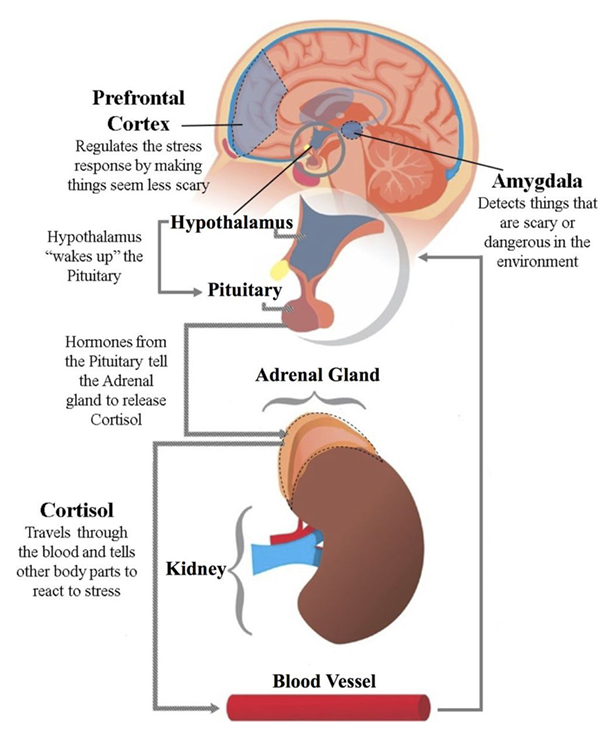
Nothing else to say here i guess, love pubmed. Don't need to read but atleast rep bhai
Chronic stress
Life stress is a central construct in health research because it is associated with increased risk for a variety of serious mental and physical health problems, including anxiety disorders, depression, cardiovascular disease, autoimmune disorders, Alzheimer’s disease, certain cancers, and other diseases of aging. In this review, we examine how lifetime stress exposure contributes to elevated disease risk, and explore ongoing measurement and scientific issues related to this topic. To accomplish these goals, we first review existing instruments that have been developed for assessing perceived stress, self-reported life events, interviewer-assessed life stressors, and lifetime stress exposure. Next, we describe laboratory-based tasks that have been used for characterizing individual differences in psychological and biological stress reactivity. These methods have yielded an enormous amount of data showing how life stress influences the activity of the hypothalamic-pituitary-adrenal axis, hypothalamic-pituitary-gonadal axis, sympathetic-adrenal-medullary axis, and immune system, and how such processes can in turn cause allostatic load and biological embedding of the stress effect at the level of the human brain and genome. At the same time, many critical measurement and scientific issues remain unresolved, and we discuss these topics last while describing some pressing issues and opportunities for future research on stress and health.
Repeated overstimulation of the stress response system, caused by exposure to prolonged highly stressful experiences, is thought to affect brain structure, cognitive ability, and mental health. We tested the effects of highly stressful experiences during childhood and adulthood using data from the UK Biobank, a large-scale national health and biomedical study with over 500,000 participants. To do this, we defined four groups with high or low levels of childhood and/or adulthood stress. We then used T1-and diffusion-weighted MRI data to assess the macrostructure of grey matter and microstructure of white matter within limbic brain regions, commonly associated with the stress response. We also compared executive function and working memory between these groups. Our findings suggest that in females, higher levels of Childhood stress were associated with reduced connectivity within the posterior thalamic radiation and cingulum of the hippocampus. In males however, higher levels of Adulthood stress is associated with similar changes in brain microstructure in the posterior thalamic radiation and cingulum of the hippocampus. High stress in Childhood and Adulthood was associated with decreases in executive function and working memory in both males and females. Stress across the lifespan was also positively associated with the number of diagnosed mental health problems, with a stronger effect in females than in males. Finally, our findings also suggest that cognitive and mental health outcomes due to stress may be mediated by the sex specific stress related changes in brain microstructure. Together our findings demonstrate clear links between stress at distinct phases of the lifespan, changes in measures of brain microstructure, impairments in cognitive abilities and negative mental health outcomes.
https://pmc.ncbi.nlm.nih.gov/articles/PMC9170771/
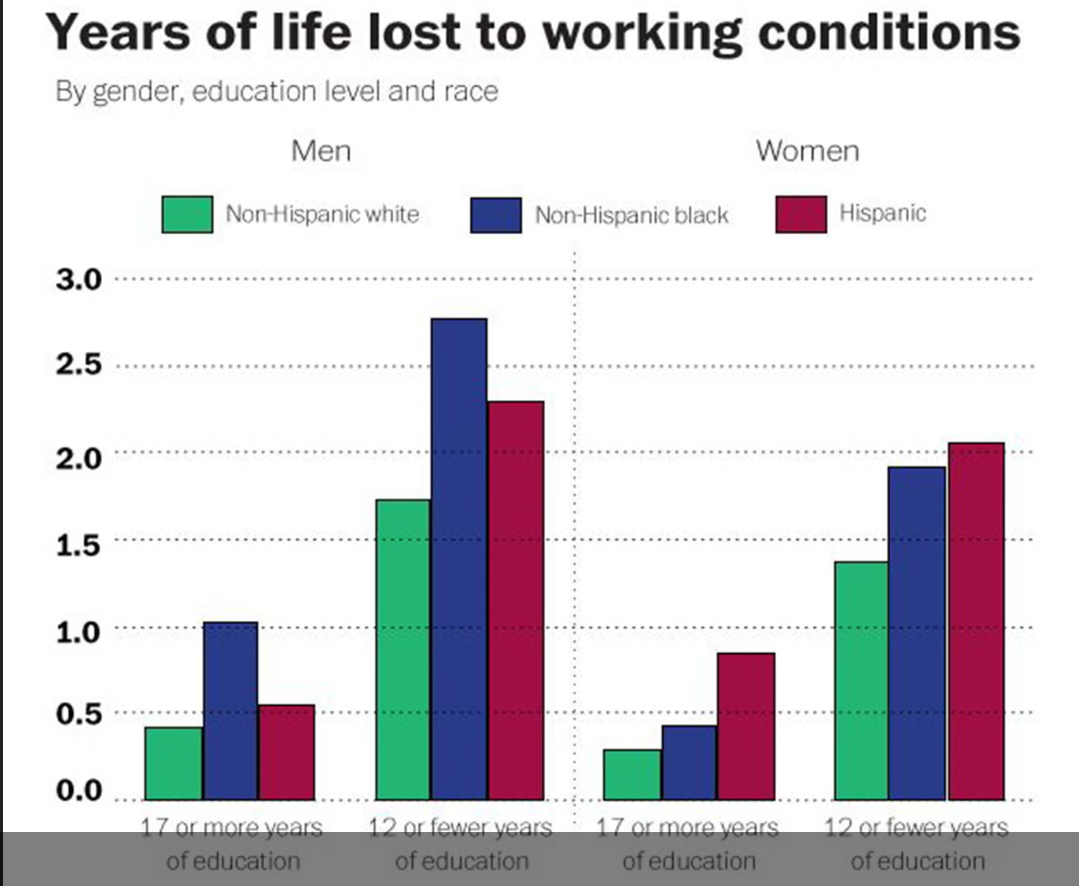
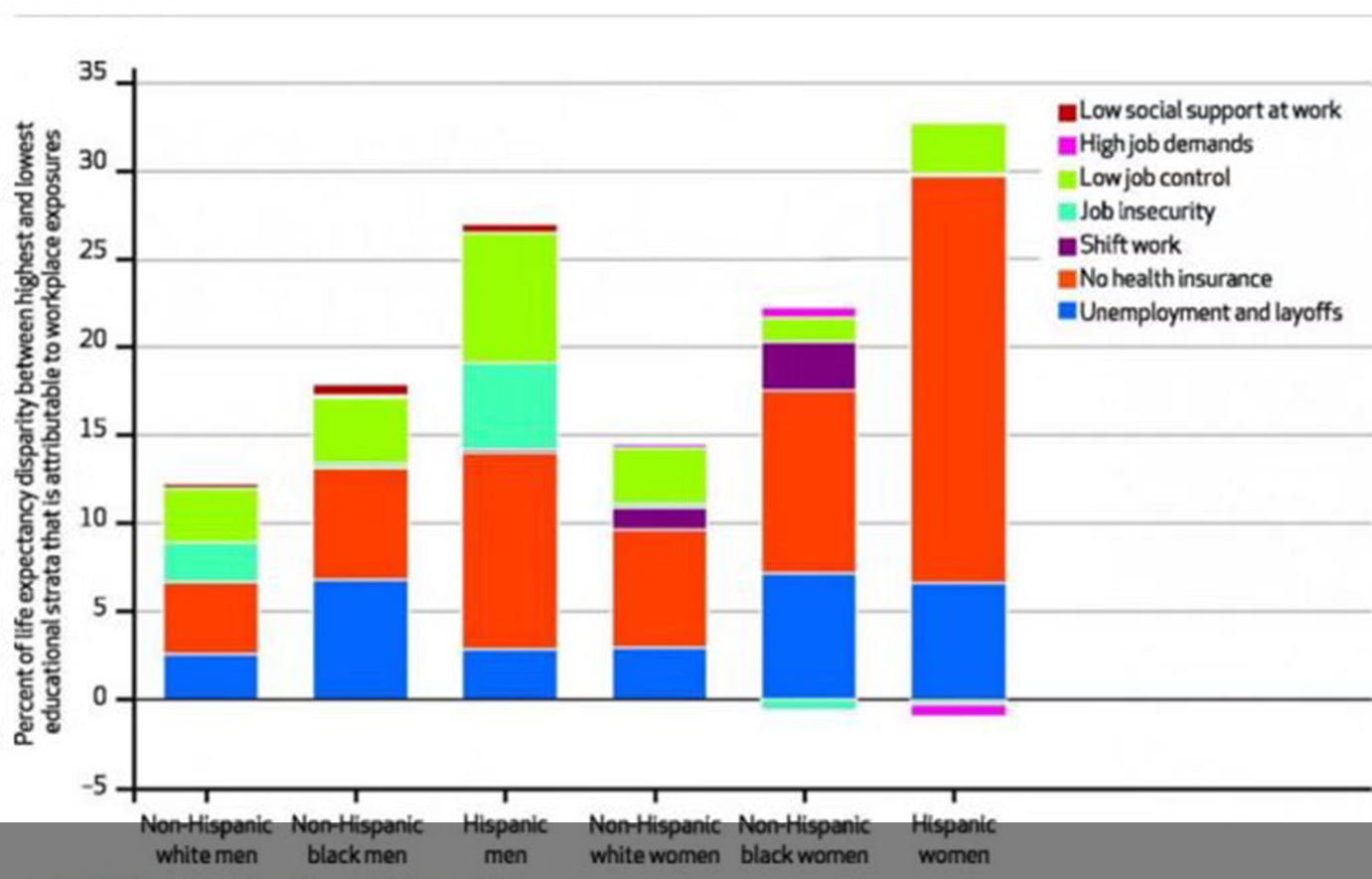
"A stressful workplace could take 33 years off your life expectancy, study finds"
Acute Stress(ACTIVATES FLIGHT OR FIGHT OR RESPONSE TO A SUDDEN CHALLENGE):
Acute stress is associated with beneficial as well as detrimental effects on cognition in different individuals. However, it is not yet known how stress can have such opposing effects. Stroop-like tasks typically show this dissociation: stress diminishes speed, but improves accuracy. We investigated accuracy and speed during a stroop-like task of 120 healthy male subjects after an experimental stress induction or control condition in a randomized, counter-balanced cross-over design; we assessed brain–behavior associations and determined the influence of individual brain connectivity patterns on these associations, which may moderate the effect and help identify stress resilience factors. In the mean, stress was associated to increase in accuracy, but decrease in speed. Accuracy was associated to brain activation in a distributed set of brain regions overlapping with the executive control network (ECN) and speed to temporo-parietal activation. In line with a stress-related large-scale network reconfiguration, individuals showing an upregulation of the salience and down-regulation of the executive-control network under stress displayed increased speed, but decreased performance. In contrast, individuals who upregulate their ECN under stress show improved performance. Our results indicate that the individual large-scale brain network balance under acute stress moderates cognitive consequences of threat.
Acute stress is generally thought to impair performance on tasks thought to rely on selective attention. This effect has been well established for moderate to severe stressors, but no study has examined how a mild stressor-the most common type of stressor-influences selective attention. In addition, no study to date has examined how stress influences the component processes involved in overall selective attention task performance, such as controlled attention, automatic attentional activation, decision-making, and motor abilities. To address these issues, we randomly assigned 107 participants to a mild acute stress or control condition. As expected, the mild acute stress condition showed a small but significant increase in cortisol relative to the control condition. Following the stressor, we assessed attention with two separate flanker tasks. One of these tasks was optimized to investigate component attentional processes using computational cognitive modeling, whereas the other task employed mouse-tracking to illustrate how response conflict unfolded over time. The results for both tasks showed that mild acute stress decreased response time (i.e., increased response speed) without influencing accuracy or interference control. Further, computational modeling and mouse-tracking analyses indicated that these effects were due to faster motor action execution time for chosen actions. Intriguingly, however, cortisol responses were unrelated to any of the observed effects of mild stress. These results have implications for theories of stress and cognition, and highlight the importance of considering motor processes in understanding the effects of stress on cognitive task performance.
"Chronic stress is known to cause major health problems, yet acute stress is thought to improve people's performance and health. A new study by UC Berkeley professor Daniela Kaufer shows why that is. Stress generates new nerve cells in the brain that, two weeks later, help people learn better."
CORTISOL:
Cortisol, the major physiological end-product of the hypothalamic-pituitary-adrenal (HPA) axis, is usually associated with stress and negative affect. However, a new body of research highlights the complex, adaptive significance of elevated cortisol within individuals in everyday life. Whereas most studies do not have the power to test the dynamic transactions between cortisol and affect within a person throughout the entire waking day, we employed an intensive study protocol analyzing hourly diary reports of affect in relation to hourly salivary cortisol samples among 24 healthy adults from morning to bedtime, across two consecutive weekdays (n = 862 total samples). Utilizing multi-leveling modeling and focusing on within-person effects, we examined whether momentary increases in cortisol could be mood protective, or energy enhancing, in everyday life, supporting the cortisol boost hypothesis. Results revealed no significant associations between cortisol and current affective state; however, within-person increases in cortisol were significantly associated with subsequent rises in activeness, alertness, and relaxation, and trend-level reductions in stress and nervousness. This study adds to growing evidence that cortisol plays a positive role in regulating affect in everyday life.
The Role of Cortisol in Chronic Stress, Neurodegenerative Diseases, and Psychological Disorders
cortisol, a critical glucocorticoid hormone produced by the adrenal glands, plays a pivotal role in various physiological processes. Its release is finely orchestrated by the suprachiasmatic nucleus, governing the circadian rhythm and activating the intricate hypothalamic–pituitary–adrenal (HPA) axis, a vital neuroendocrine system responsible for stress response and maintaining homeostasis. Disruptions in cortisol regulation due to chronic stress, disease, and aging have profound implications for multiple bodily systems. Animal models have been instrumental in elucidating these complex cortisol dynamics during stress, shedding light on the interplay between physiological, neuroendocrine, and immune factors in the stress response. These models have also revealed the impact of various stressors, including social hierarchies, highlighting the role of social factors in cortisol regulation. Moreover, chronic stress is closely linked to the progression of neurodegenerative diseases, like Alzheimer’s and Parkinson’s, driven by excessive cortisol production and HPA axis dysregulation, along with neuroinflammation in the central nervous system. The relationship between cortisol dysregulation and major depressive disorder is complex, characterized by HPA axis hyperactivity and chronic inflammation. Lastly, chronic pain is associated with abnormal cortisol patterns that heighten pain sensitivity and susceptibility. Understanding these multifaceted mechanisms and their effects is essential, as they offer insights into potential interventions to mitigate the detrimental consequences of chronic stress and cortisol dysregulation in these conditions.
https://pmc.ncbi.nlm.nih.gov/articles/PMC10706127/
Good Stress, Bad Stress and Oxidative Stress: Insights from Anticipatory Cortisol Reactivity
Chronic psychological stress appears to accelerate biological aging, and oxidative damage is an important potential mediator of this process. However, the mechanisms by which psychological stress promotes oxidative damage are poorly understood. This study investigates the theory that cortisol increases in response to an acutely stressful event have the potential to either enhance or undermine psychobiological resilience to oxidative damage, depending on the body's prior exposure to chronic psychological stress. In order to achieve a range of chronic stress exposure, forty-eight post-menopausal women were recruited in a case-control design that matched women caring for spouses with dementia (a chronic stress model) with similarly aged control women whose spouses were healthy. Participants completed a questionnaire assessing perceived stress over the previous month and provided fasting blood. Three markers of oxidative damage were assessed: 8-iso-prostaglandin F2α (IsoP), lipid peroxidation, 8-hydroxyguanosine (8-OxoG) and 8-hydroxy-2′-deoxyguanosine (8-OHdG), reflecting oxidative damage to RNA/DNA respectively. Within approximately one week, participants completed a standardized acute laboratory stress task while salivary cortisol responses were measured. The increase from 0 to 30 min was defined as “peak” cortisol reactivity, while the increase from 0 to 15 min was defined as “anticipatory” cortisol reactivity, representing a cortisol response that began while preparing for the stress task. Women under chronic stress had higher 8-oxoG, oxidative damage to RNA (p<.01). A moderated mediation model was tested, in which it was hypothesized that heightened anticipatory cortisol reactivity would mediate the relationship between perceived stress and elevated oxidative stress damage, but only among women under chronic stress. Consistent with this model, bootstrapped path analysis found significant indirect paths from perceived stress to 8-OxoG and IsoP (but not 8-OHdG) via anticipatory cortisol reactivity, showing the expected relations among chronically stressed participants (p≤.01.) Intriguingly, among those with low chronic stress exposure, moderate (compared to low) levels of perceived stress were associated with reduced levels of oxidative damage. Hence, this study supports the emerging model that chronic stress exposure promotes oxidative damage through frequent and sustained activation of the Hypothalamic-Pituitary-Adrenal axis. It also supports the less studied model of ‘eustress’ - that manageable levels of life stress may enhance psychobiological resilience to oxidative damage.
Nothing else to say here i guess, love pubmed. Don't need to read but atleast rep bhai


