KazuyaMishima
Iron
- Joined
- May 18, 2026
- Posts
- 21
- Reputation
- 16
A lot of users here seem to push infraorbital implants extremely heavily for almost any case of perceived infraorbital recession. I think this is a harmful recommendation that's pushing people to do a procedure that genuinely will not benefit them as much as they imagine.
RISKS
There are certain areas where facial implants have disproportionate risk. The eyes are one of these areas (aside from anything that requires you to crack open your skull) across many different categories.
BONE VS VOLUME
I see in every thread "bone problem = do implants, volume problem = do fat graft/filler". You're not a genius for saying this, you're just spouting what you see on .org without question. It's a blanket statement that isn't always true. A lot of oculoplastic surgeons still recommend fat graft or filler as the first line recommendation even if you may have somewhat of a bony deficiency. Let's not forget that implants are harder to contour and control than soft tissue, so you can end up solving a bony deficiency and have it still look weird. You can have a bone problem and easily still address it with soft tissue analogues as long as it's not severe. This is pretty obvious when you look at people aging, a lot of them end up with a negative orbital vector due to soft tissue laxity/descent/loss rather than bone loss. You can also have good bone and shitty volume like Cillian Murphy and still end up looking "buggy eyed" so why are we placing so much focus on bone?
ORBITAL VECTOR
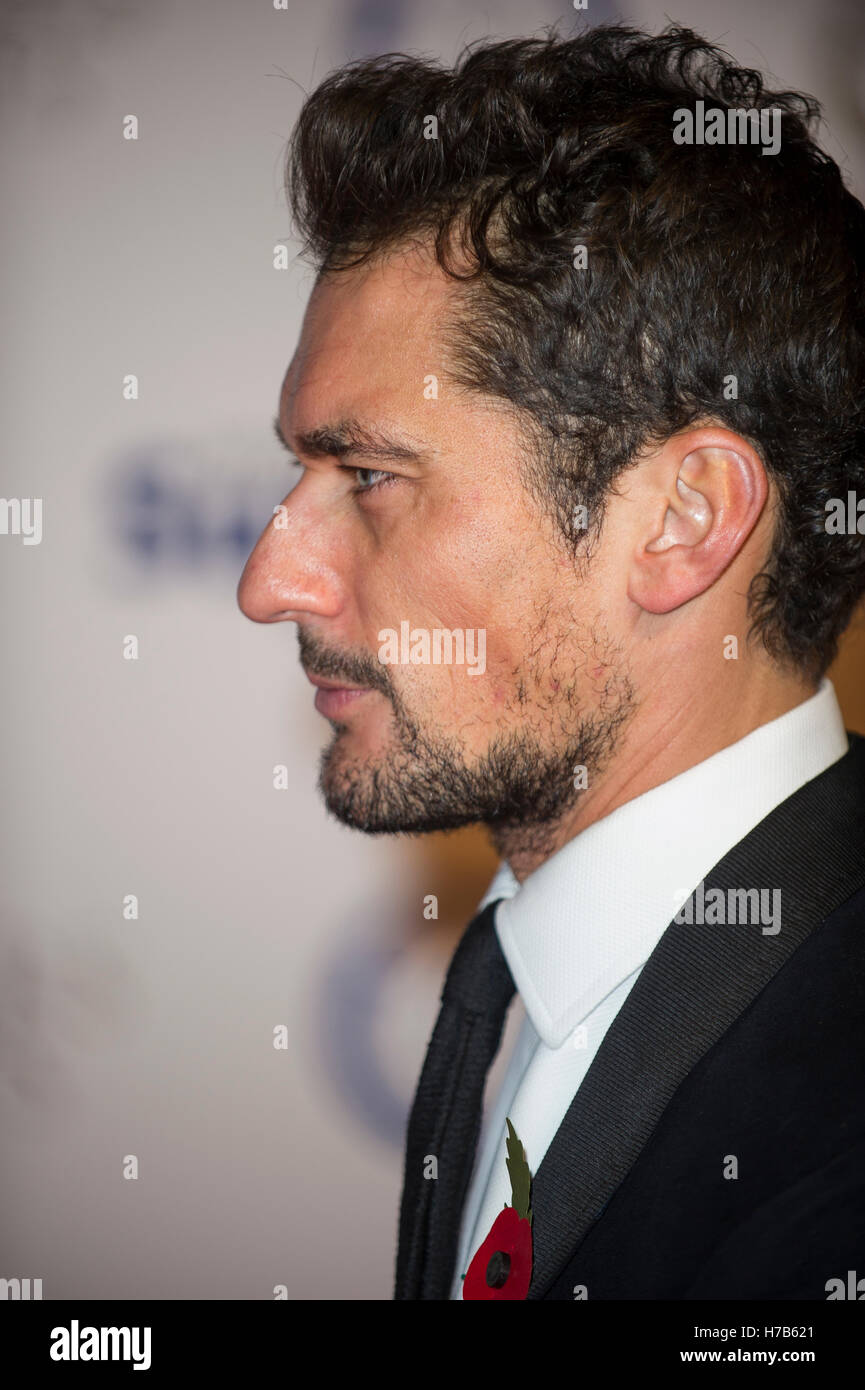
This point is related to the previous, since a negative orbital vector can be caused by bone or volume loss. People see "negative orbital vector" and immediately push for implants. Except, a negative orbital vector isn't really even a failo. A lot of extremely attractive eye areas have this-- chico, gandy, zayn, delon. So why is that? Because people look at your eyes, not your orbital vector.
Seriously, going from a negative to a positive orbital vector is not going to ascend your eye area. I'd argue a positive orbital vector isn't even a halo. It looks aesthetic to .org rotters but it has a very negligible influence on your actual PSL. The strongest argument for a positive orbital vector is that it increases the likelihood of soft tissue procedures to succeed. Yes, if you lack skeletal undereye support your eye procedures may relapse and the research shows that. Counterargument-- do a stronger soft tissue procedure and add volume via something like fat grafting for support. If there are plenty of models with a negative orbital vector yet still a strong eye area with minimal laxity due to strong soft tissue profiles, then we can infer that bone probably isn't as important as we make it out to be.
IMPLANT RARITY
Infraorbital implants are not as popular as this site may lead you to believe. They are a frankly niche procedure done by only a handful of surgeons. Their initial use case was as an adjunct to maxillofacial surgery for hypoplasia patients who have orbital rims that looked very obviously deficient or sunken in. The vast majority of oculoplastic surgeons prefer to use filler or recently fat grafts because for the vast majority of clients that want eye procedures, soft tissue procedures solve the problems other people look at. It's almost exclusively people from this forum that get implants so haphazardly. This isn't because its a hidden gem, it's because the people that specifically specialize in eye area procedures don't believe they're worth doing most of the time. Not to mention the vast majority of maxillofacial surgeons don't do it either, even the top aesthetic ones like Raffaini (prefers fat grafting) and Gunson (does some sort of other hydroxyapatite augmentation and combines it with filler). Even the most well known oculoplastic surgeon here, Taban, almost always combines every one of his implant results with soft tissue procedures so you can't even tell if the implants did anything aside from maybe a smoother 3/4 and side profile.
IMPLANT INDICATION
The most indicated case for these implants is probably someone who has severely recessed infraorbital rims or some sort of midface hypoplasia. I don't think most people who get these implants match these criteria. Timothy Haireth is a recent example of this. He got these implants as part of his comprehensive surgery package recently, and his eye area looks the same except a smoother lid cheek transition and less hollowing (which of course, is easily replicated via soft tissue procedures). A lot of you also seem to think that proper craniofacial growth means you also get perfect infraorbital and zygomatic bones. So you want to slap them on top of other surgeries like trimax because you need to "advance the whole face". That's not the truth unless you have insane maxilla movements beyond your face's limits at which point you're probably going to look uncanny no matter what implants you slap on. You can have perfect maxilla and mandible growth with flatter zygoma or infraorbitals because that's just normal genetic variation. Some people have these flatter features as a kid and just carried them into adulthood despite good jaws through no fault of their own because it's not a developmental problem.
EYE AREA SALIENCE
There's a couple main factors that people actually notice in an eye area. I'm only going to address the areas that people typically want to address with eye procedures and not stuff like brows and lashes cause that really doesn't require hardmaxxxing.
1. Scleral show. Addressed comprehensively via lower lid retraction repair or partially via canthopexy/plasty. Mildly addressed by lefort/filler/fat graft based on some research.
2. Lid/cheek transition. This is what can exacerbate a buggy eyed look. This requires saddled implants, but it can also be addressed very well with filler/fat grafts.
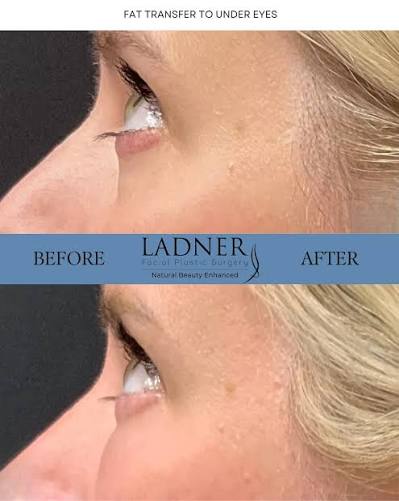
3. Tear troughs. This is basically hand in hand with the above, but this is pretty much easily addressed with filler/fat grafts.
4. Eye prominence. Technically orbital decompression and infraorbital implants do help with this, but this is not really very noticeable outside of side and 3/4 profiles unless you have genuine bulging eyes. Not a good ROI to address unless it's extremely noticeable from the front. Some of you guys recommend OD and implants for every person with slightly prominent eyes, which is silly because it's only that obvious in certain angles very close up. A lot of you just have slightly prominent eyes which aren't really a failo (zayn malik and cilian murphy have these, still insane eye area appeal despite people saying they have bug eyes)
5. Canthal tilt. Overrated concern unless you have NCT. You pretty much need a cantho procedure to address these, since implants are not definitively going to help you with this. The before and afters where they seem to help are always combined with some sort of cantho.
IMPLANT INTENTION
Some of you guys think infraorbital implants will give you compact hunter eyes. First of all, if you don't naturally have the facial features that support this, that look you're going for is going to make look like a serb caricature, not sean o pry. Second of all, you probably won't even get that eye area via this implant. A lot of the insane transformation before afters of these implants are people squinting or angle frauding, and I have no idea why nobody is noticing. Those that aren't got very specific implant designs that almost always look uncanny. Most people would be best served with working around their natural eye area shape and fixing the salience cues I mentioned above. That might actually give you a higher perceived attractiveness boost than trying to force hunter eyes which probably will not fit the rest of your face. I'm not saying hunter eyes aren't a halo with this btw, I'm saying the ones that are manufactured tend to not be a halo. The only case in which manufactured halos tend to work is when you have literally nothing going for you and looking uncanny is still better than whatever you can reach naturally via routine bone and soft tissue augmentation.
CONCLUSION
At the end of the day, If you're looksmaxxing for a very particular look and don't care about the risk/reward on these, go knock yourself out. I'm just having a really hard time justifying them when their ROI isn't very good for most of the cases I see on here. I've seen a million infraorbital implant results from this forum and 99% of the time they either look like they did nothing, did something but didn't change perceived attractiveness, or did too much and look uncanny. I'd argue that for those of you that are more concerned with what features people actually notice these aren't very useful. You can get them and post on .org and receive some mires but if you go out in real life, they're either not noticeable or too noticeable (and not in the good way).
TLDR; Infraorbital implants are not what you want for the problems you're trying to fix. Infraorbital implants are for extremely obvious skeletal indications or very specific (low inhib and purely PSL driven) aesthetic goals, they should not be your default answer to hollowing, negative vector, or desiring hunter eyes.
RISKS
There are certain areas where facial implants have disproportionate risk. The eyes are one of these areas (aside from anything that requires you to crack open your skull) across many different categories.
- Revision rate. This is one of the most revised implants out there because of how difficult the undereye area is.
- Complication rate. Infection rate that stays with you for life (but much less after the first few months) and nerve irritation risk. First post you see on reddit about infraorbital implants is about a guy who said they sucked the joy out of his life and caused more aesthetic problems than it solved.
- Uncanny risk. You go conservative with these and they don't change anything, so you get all the risks with none of the reward. You go aggressive with them and they stick out like a sore thumb.
- Lower lid retraction. Implants actually do address scleral show in some patients via providing undereye support, but it also paradoxically creates lower lid retraction through the preferred incision method and requires soft tissue procedures to balance that anyway.
- Palpabillity/contour. It's much harder to blend implants into your facial contours than it is with soft tissue, and this leads into a lot of the revision risk. You'll also notice that movement and certain lighting will exacerbate this issue. This is the #1 reason for revision.
- Saddle requirement. You either saddle them or you end up having to do regular infraorbital implants with fat grafting to avoid the step off. The saddle unfortunately compounds all the previous risks.
- Aging. You're going to age, and chance of revision increases, since implants are not your actual bone. Soft tissue may not contour well around it, and there are studies showing bone resorption over time which will make this an even worse problem.
- Ease of removal. They are not easily removable unlike other implants, and removing them will cause the area they were removed from to look worse than they were initially due to soft tissue sagging and retraction.
BONE VS VOLUME
I see in every thread "bone problem = do implants, volume problem = do fat graft/filler". You're not a genius for saying this, you're just spouting what you see on .org without question. It's a blanket statement that isn't always true. A lot of oculoplastic surgeons still recommend fat graft or filler as the first line recommendation even if you may have somewhat of a bony deficiency. Let's not forget that implants are harder to contour and control than soft tissue, so you can end up solving a bony deficiency and have it still look weird. You can have a bone problem and easily still address it with soft tissue analogues as long as it's not severe. This is pretty obvious when you look at people aging, a lot of them end up with a negative orbital vector due to soft tissue laxity/descent/loss rather than bone loss. You can also have good bone and shitty volume like Cillian Murphy and still end up looking "buggy eyed" so why are we placing so much focus on bone?
ORBITAL VECTOR
This point is related to the previous, since a negative orbital vector can be caused by bone or volume loss. People see "negative orbital vector" and immediately push for implants. Except, a negative orbital vector isn't really even a failo. A lot of extremely attractive eye areas have this-- chico, gandy, zayn, delon. So why is that? Because people look at your eyes, not your orbital vector.
Seriously, going from a negative to a positive orbital vector is not going to ascend your eye area. I'd argue a positive orbital vector isn't even a halo. It looks aesthetic to .org rotters but it has a very negligible influence on your actual PSL. The strongest argument for a positive orbital vector is that it increases the likelihood of soft tissue procedures to succeed. Yes, if you lack skeletal undereye support your eye procedures may relapse and the research shows that. Counterargument-- do a stronger soft tissue procedure and add volume via something like fat grafting for support. If there are plenty of models with a negative orbital vector yet still a strong eye area with minimal laxity due to strong soft tissue profiles, then we can infer that bone probably isn't as important as we make it out to be.
IMPLANT RARITY
Infraorbital implants are not as popular as this site may lead you to believe. They are a frankly niche procedure done by only a handful of surgeons. Their initial use case was as an adjunct to maxillofacial surgery for hypoplasia patients who have orbital rims that looked very obviously deficient or sunken in. The vast majority of oculoplastic surgeons prefer to use filler or recently fat grafts because for the vast majority of clients that want eye procedures, soft tissue procedures solve the problems other people look at. It's almost exclusively people from this forum that get implants so haphazardly. This isn't because its a hidden gem, it's because the people that specifically specialize in eye area procedures don't believe they're worth doing most of the time. Not to mention the vast majority of maxillofacial surgeons don't do it either, even the top aesthetic ones like Raffaini (prefers fat grafting) and Gunson (does some sort of other hydroxyapatite augmentation and combines it with filler). Even the most well known oculoplastic surgeon here, Taban, almost always combines every one of his implant results with soft tissue procedures so you can't even tell if the implants did anything aside from maybe a smoother 3/4 and side profile.
IMPLANT INDICATION
The most indicated case for these implants is probably someone who has severely recessed infraorbital rims or some sort of midface hypoplasia. I don't think most people who get these implants match these criteria. Timothy Haireth is a recent example of this. He got these implants as part of his comprehensive surgery package recently, and his eye area looks the same except a smoother lid cheek transition and less hollowing (which of course, is easily replicated via soft tissue procedures). A lot of you also seem to think that proper craniofacial growth means you also get perfect infraorbital and zygomatic bones. So you want to slap them on top of other surgeries like trimax because you need to "advance the whole face". That's not the truth unless you have insane maxilla movements beyond your face's limits at which point you're probably going to look uncanny no matter what implants you slap on. You can have perfect maxilla and mandible growth with flatter zygoma or infraorbitals because that's just normal genetic variation. Some people have these flatter features as a kid and just carried them into adulthood despite good jaws through no fault of their own because it's not a developmental problem.
EYE AREA SALIENCE
There's a couple main factors that people actually notice in an eye area. I'm only going to address the areas that people typically want to address with eye procedures and not stuff like brows and lashes cause that really doesn't require hardmaxxxing.
1. Scleral show. Addressed comprehensively via lower lid retraction repair or partially via canthopexy/plasty. Mildly addressed by lefort/filler/fat graft based on some research.
2. Lid/cheek transition. This is what can exacerbate a buggy eyed look. This requires saddled implants, but it can also be addressed very well with filler/fat grafts.
3. Tear troughs. This is basically hand in hand with the above, but this is pretty much easily addressed with filler/fat grafts.
4. Eye prominence. Technically orbital decompression and infraorbital implants do help with this, but this is not really very noticeable outside of side and 3/4 profiles unless you have genuine bulging eyes. Not a good ROI to address unless it's extremely noticeable from the front. Some of you guys recommend OD and implants for every person with slightly prominent eyes, which is silly because it's only that obvious in certain angles very close up. A lot of you just have slightly prominent eyes which aren't really a failo (zayn malik and cilian murphy have these, still insane eye area appeal despite people saying they have bug eyes)
5. Canthal tilt. Overrated concern unless you have NCT. You pretty much need a cantho procedure to address these, since implants are not definitively going to help you with this. The before and afters where they seem to help are always combined with some sort of cantho.
IMPLANT INTENTION
Some of you guys think infraorbital implants will give you compact hunter eyes. First of all, if you don't naturally have the facial features that support this, that look you're going for is going to make look like a serb caricature, not sean o pry. Second of all, you probably won't even get that eye area via this implant. A lot of the insane transformation before afters of these implants are people squinting or angle frauding, and I have no idea why nobody is noticing. Those that aren't got very specific implant designs that almost always look uncanny. Most people would be best served with working around their natural eye area shape and fixing the salience cues I mentioned above. That might actually give you a higher perceived attractiveness boost than trying to force hunter eyes which probably will not fit the rest of your face. I'm not saying hunter eyes aren't a halo with this btw, I'm saying the ones that are manufactured tend to not be a halo. The only case in which manufactured halos tend to work is when you have literally nothing going for you and looking uncanny is still better than whatever you can reach naturally via routine bone and soft tissue augmentation.
CONCLUSION
At the end of the day, If you're looksmaxxing for a very particular look and don't care about the risk/reward on these, go knock yourself out. I'm just having a really hard time justifying them when their ROI isn't very good for most of the cases I see on here. I've seen a million infraorbital implant results from this forum and 99% of the time they either look like they did nothing, did something but didn't change perceived attractiveness, or did too much and look uncanny. I'd argue that for those of you that are more concerned with what features people actually notice these aren't very useful. You can get them and post on .org and receive some mires but if you go out in real life, they're either not noticeable or too noticeable (and not in the good way).
TLDR; Infraorbital implants are not what you want for the problems you're trying to fix. Infraorbital implants are for extremely obvious skeletal indications or very specific (low inhib and purely PSL driven) aesthetic goals, they should not be your default answer to hollowing, negative vector, or desiring hunter eyes.