The Complete Shredding Guide For Summer

THE COMPLETE SHREDDING GUIDE FOR SUMMER
(Get shredded in a fucking month)
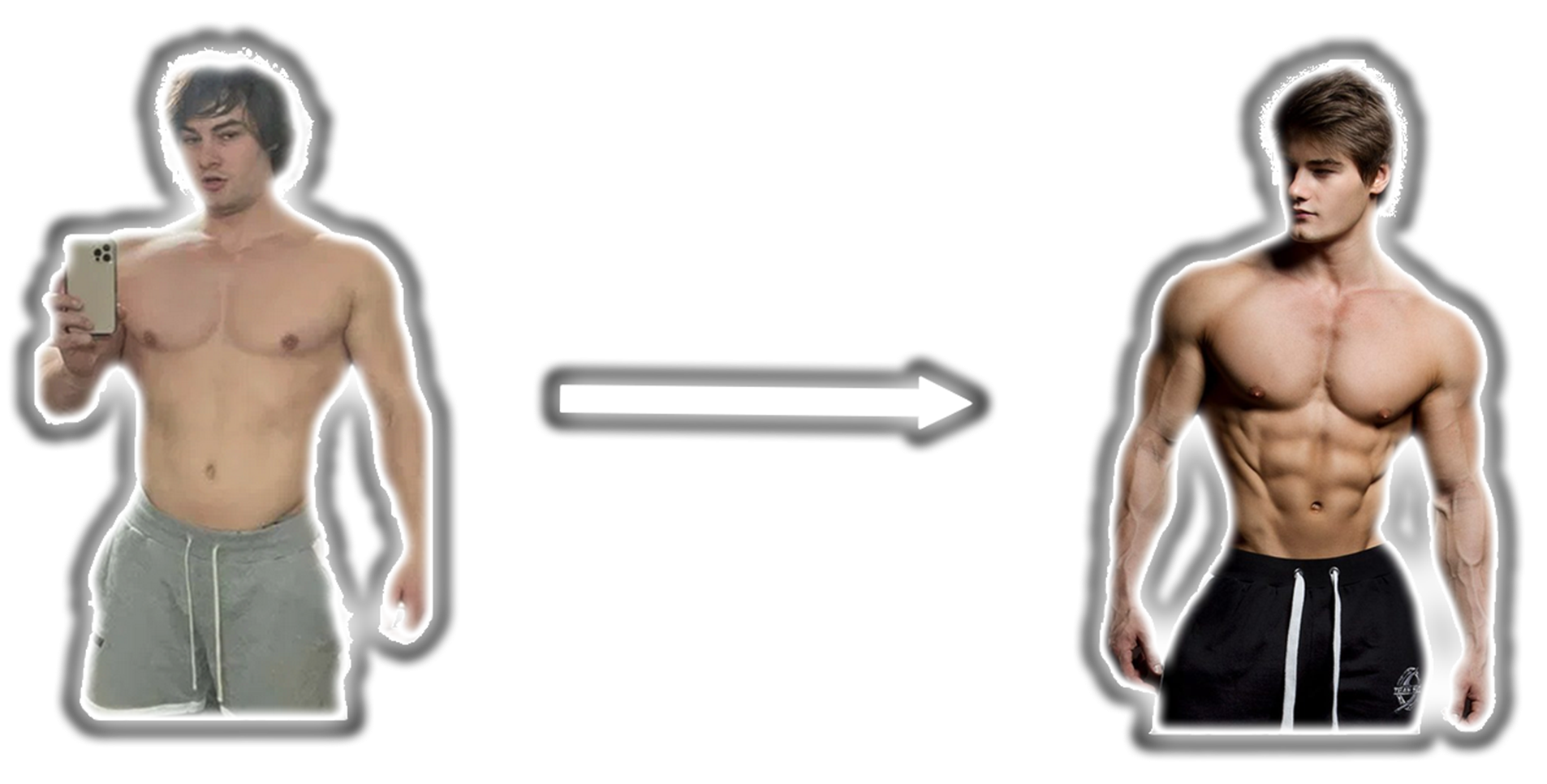
q50sla.png
Table of contents:
0 – Introduction / Disclaimer
1 – Prerequisites (BF%, LBM & Protein Target)
2 – Diet (PSMF Setup & Food Choices)
3 – Maximizing Fat Loss Mechanisms
3.0 – Overview: Lipolysis & Beta‑Oxidation
3.1 – Maximizing Lipolysis (Fat Breakdown)
3.2 – Maximizing Beta‑Oxidation (Fat Burning)
4 – Ancillaries (Appetite, "Fat Burners", Peptides)
5 – Exercise (Lifting, Cardio & Steps)
6 – How to Prevent Failure (Mindset & Social Tactics)
7 – TL;DR
8 - Scientific Backup/ Sources:


Thread Music:


0 Introduction / Disclaimer
949w48.png

By no means is this medical advice. Even though the risks are relatively low, everyone is different and some people may respond to this differently than others (although as I said, the majority should be fine).​


This thread is mainly focused on PSMF, most of the other stuff isn't mandatory but still better to include. PSMF stands for protein sparing modified fast, It's a diet where you mainly eat protein, it allows cutting efficiently without losing almost any muscle mass during cutting.
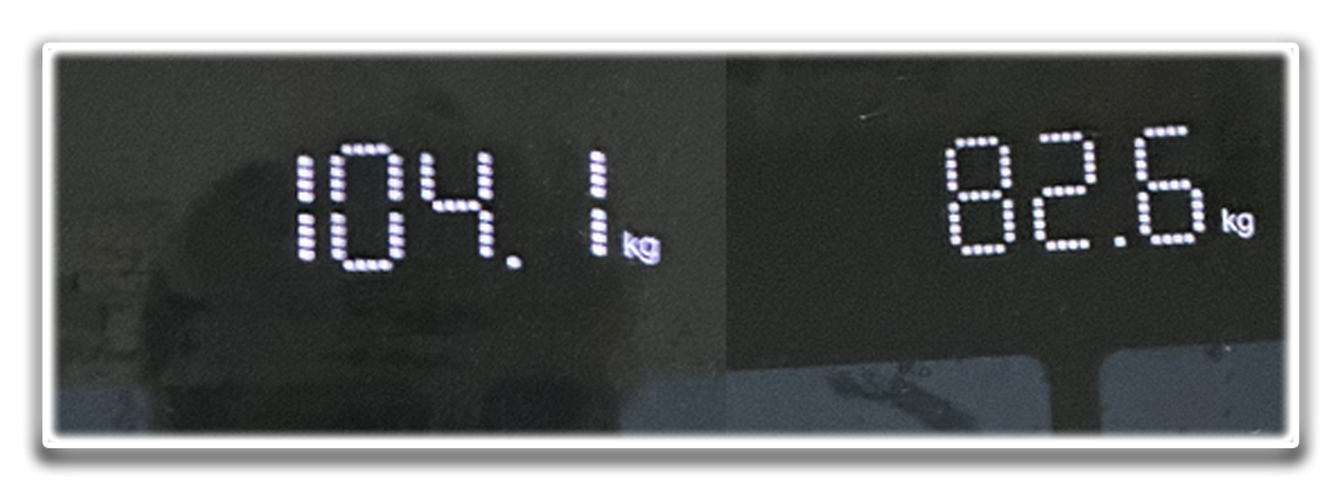
My 3 Month PSMF transformation:
fyxzn2.png


1 Prerequisites (BF%, LBM & Protein Target)
1.0 – Estimate your body fat %
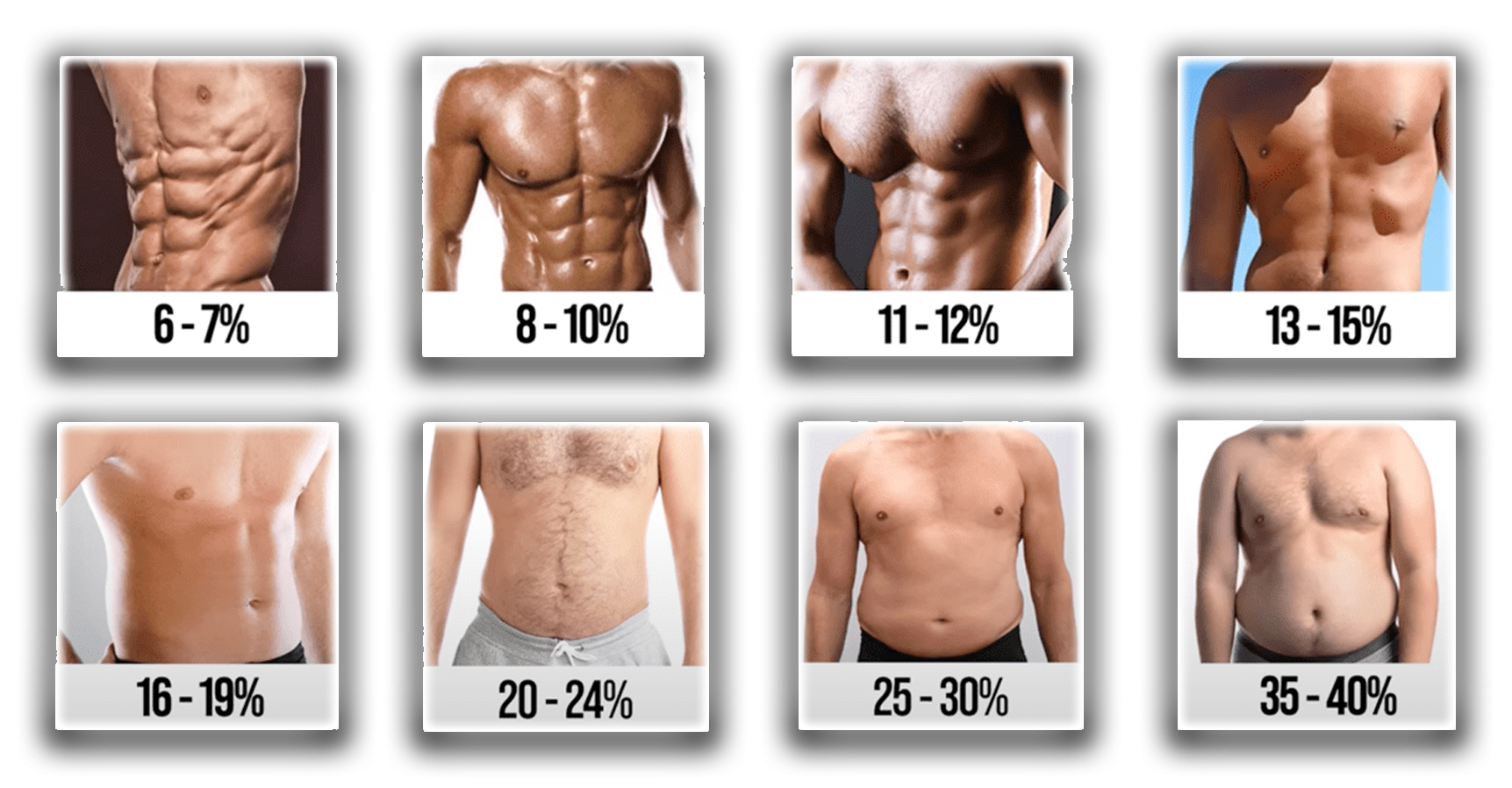
You can estimate body fat by eyeballing (Which is probably the most accurate tbh) or using calipers, DEXA, or a decent impedance scale.
Once you have a body fat estimate, calculate your lean body mass (LBM):

Lean Body Mass = Bodyweight × (1 − Body Fat %)

Example: 180 lbs at 15% body fat → 180 × 0.85 = 153 lbs LBM.
rkfdco.png
1.1 – Set your daily protein target
Aim for roughly 1 g of protein per lb of lean bodyweight (about 2.2–2.5 g/kg LBM). Higher protein intakes during a deficit preserve more lean mass and strength vs lower protein diets. [1]

So at 180 lbs with 15% body fat (153 lbs LBM), target around 150–160 g of protein per day.

Body Weight (kg)​
Body Fat %​
Fat Mass (kg)​
Lean Body Mass (kg)​
Daily Protein Target (g)​
60 kg​
10%​
6 kg​
54 kg​
~119 g​
60 kg​
15%​
9 kg​
51 kg​
~112 g​
60 kg​
20%​
12 kg​
48 kg​
~106 g​
70 kg​
10%​
7 kg​
63 kg​
~139 g​
70 kg​
15%​
10.5 kg​
59.5 kg​
~131 g​
70 kg​
20%​
14 kg​
56 kg​
~123 g​
80 kg​
10%​
8 kg​
72 kg​
~159 g​
80 kg​
15%​
12 kg​
68 kg​
~150 g​
80 kg​
20%​
16 kg​
64 kg​
~141 g​
90 kg​
15%​
13.5 kg​
76.5 kg​
~169 g​
90 kg​
20%​
18 kg​
72 kg​
~159 g​
90 kg​
25%​
22.5 kg​
67.5 kg​
~149 g​
100 kg​
20%​
20 kg​
80 kg​
~176 g​
100 kg​
25%​
25 kg​
75 kg​
~165 g​
100 kg​
30%​
30 kg​
70 kg​
~154 g​

1.2 – Start tracking your caloric intake
Download MyFitnessPal (or any decent tracker), weigh food on a kitchen scale, and log everything that goes into your mouth.
Specify raw vs cooked and pick accurate entries, you can't run a precise PSMF if you're eyeballing calories.


2 Diet (PSMF Setup & Food Choices)
1779706924686
2.0 – Core diet rules
This is a PSMF, so:

Protein: set by LBM (usually 120–200 g/day for most).
Carbs: ~20 g/day or less (mostly from low‑cal veggies).
Fats: ~20 g/day or less (just what rides along with lean meats).
Total calories: generally 600–900 kcal/day in a classic PSMF setup

You're gonna be living on lean protein with trace fats/carbs. Everything else is flavor and damage control.


2.1 – Food choices
Food
Protein per 100g
Fat
Carbs
Chicken breast (raw)​
~23g​
~1g​
0g​
Turkey breast (raw)​
~22g​
~1g​
0g​
Cod/white fish​
~18g​
~0.5g​
0g​
Egg whites​
~11g​
0g​
~0.7g​
Low-fat cottage cheese​
~11g​
~1g​
~3g​
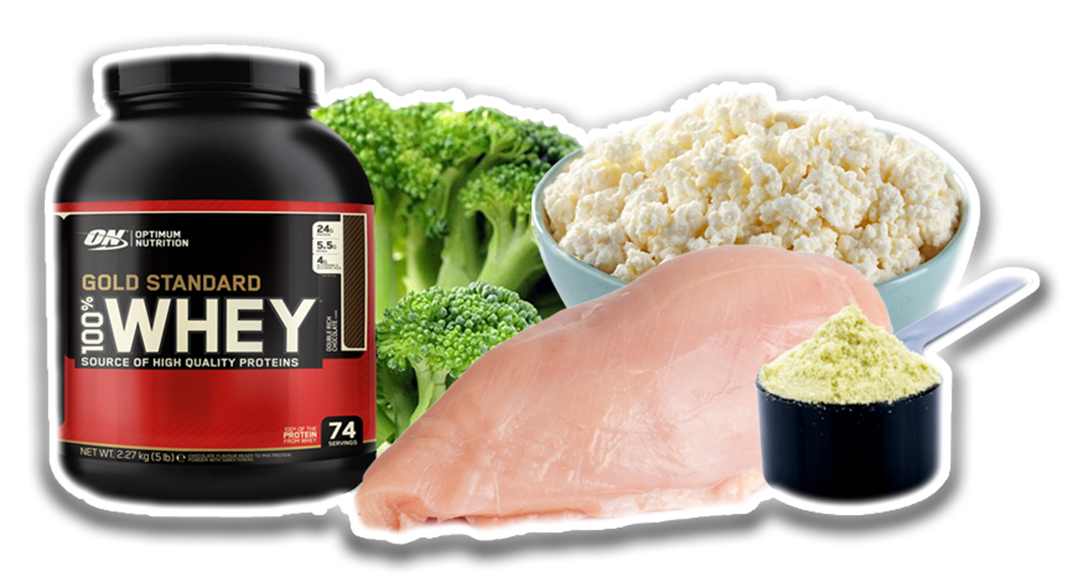
Whey isolate​
~90g​
~1g​
~1g​
A simple baseline day:
– 500 g chicken or turkey breast across the day.
– 1–2 scoops whey isolate to fill any protein gaps.
Solid meat is usually superior to shakes for satiety, but as long as you hit your protein target and keep fats/carbs low, you're doing it right.
Use:

– Zero‑cal seasonings, herbs, spices.
– Sugar‑free drinks, black coffee, tea.
– Low‑cal veggies (lettuce, cucumber, zucchini, broccoli) in moderation

Because the calories are so low, official PSMF programs usually add a multivitamin and extra electrolytes (sodium, potassium, magnesium) to prevent deficiencies. [2] Target ranges (e.g., ~3–5 g sodium, ~2–3 g potassium, 300–400 mg magnesium per day).


3 Maximizing Fat Loss Mechanisms
2xvu2d.png
j9j8og.png

3.0 Overview: Lipolysis & BetaOxidation
Fat loss happens in two major biochemical steps:

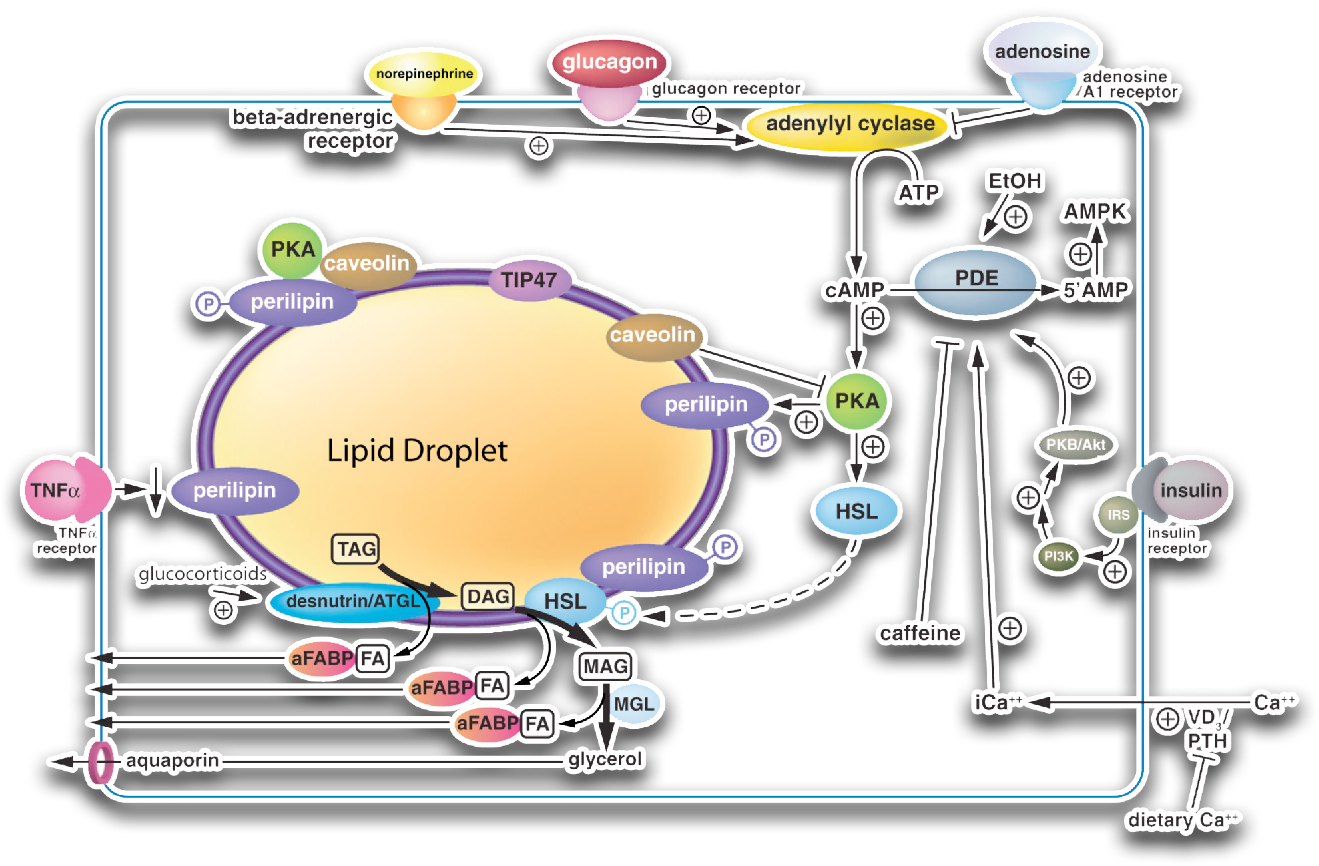
Lipolysis: breakdown of stored triglycerides in fat cells into free fatty acids (FFAs) and glycerol.
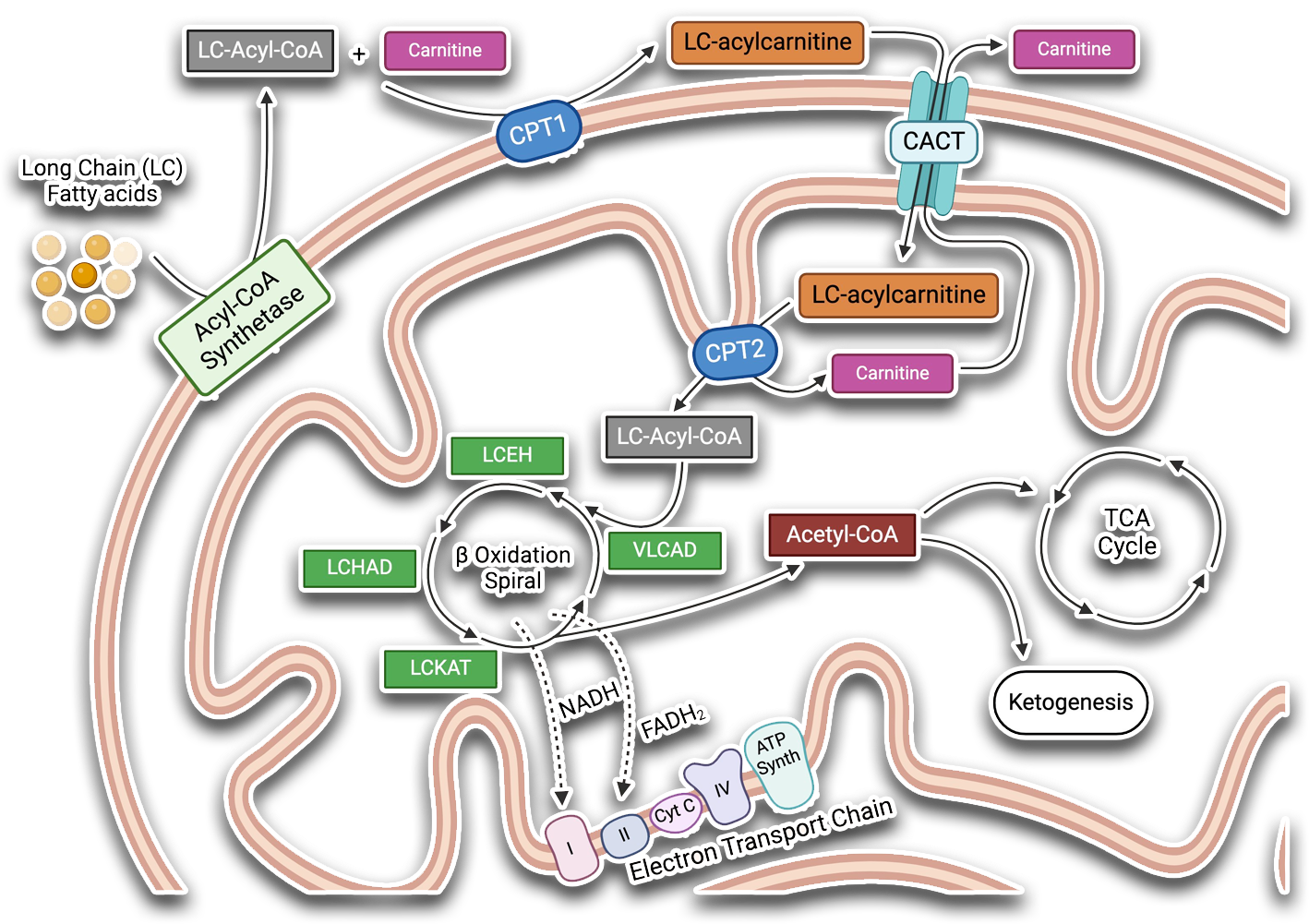
Beta‑oxidation: transport of FFAs into mitochondria and burning them for ATP.
https://www.ncbi.nlm.nih.gov/books/NBK560564/
You still need a calorie deficit, but how much of that deficit is filled by fat vs glycogen/glucose and muscle depends on how well you're mobilizing and oxidizing fat.

Keep in mind, we care about body composition and not just fat loss. [5]


3.1 Maximizing Lipolysis (Fat Breakdown)
2xvu2d.png


Lipolysis is controlled mainly by hormone‑sensitive lipase and related enzymes in adipose tissue.
https://en.wikipedia.org/wiki/Lipolysis
https://journals.physiology.org/doi/full/10.1152/ajpgi.00554.2006

Key drivers:

Catecholamines (adrenaline & noradrenaline):
Bind β‑adrenergic receptors (β1/β2/β3) on fat cells → ↑cAMP → activate hormone‑sensitive lipase → more FFAs released into the blood.

Glucagon:
Works alongside catecholamines in the fasted state, especially when liver glycogen is low, to support fat breakdown. [7]

Low insulin:
Insulin directly suppresses lipolysis, lowering insulin via fasting, low‑carb/ketogenic diets, or deep calorie restriction removes that, hence why PSMF mogs.

Lifestyle factors that boost lipolysis:

– Hard lifting / HIIT → big catecholamine spikes and acute increases in lipolysis. [8]

– Fasted cardio → with low insulin, catecholamine signalling on fat cells is more effective (though daily fat loss still depends on the total deficit).
– Cold exposure → cold showers / ice baths activate the sympathetic nervous system and brown fat, giving a modest increase in lipolysis and energy expenditure aswell though the effects are negligible. [7]

Common lipolysis‑oriented drugs:

– Clenbuterol: β2‑agonist → ↑cAMP → ↑lipolysis; can cause tachycardia (High heart rate) though.
– Yohimbine: α2‑antagonist blocking anti‑lipolytic signalling; works best fasted (insulin blunts its effect) but can cause anxiety and blood pressure spikes.
– Ephedrine + caffeine: increases catecholamine release / β‑receptor activation → ↑thermogenesis and lipolysis; significant CNS and cardiovascular load.
– GLP‑1 agonists (e.g. Semaglutide): mainly reduce appetite and improve glycemic control; by lowering energy intake and postprandial insulin they indirectly support fat loss. [9]

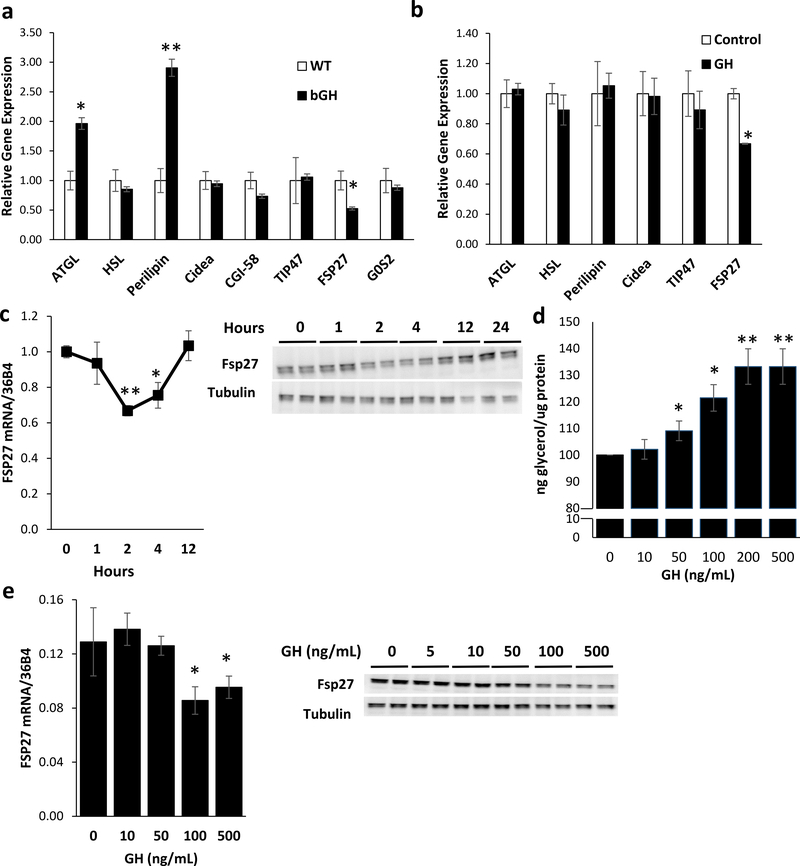
– Growth Hormone (GH): stimulates hormone‑sensitive lipase and increases FFA release [10]
wkacpt.png

Also I must mention that on PSMF, you already have low insulin and frequent catecholamine spikes (training + big deficit), so you're naturally in a high‑lipolysis environment even without these.


3.2 Maximizing BetaOxidation (Fat Burning)
j9j8og.png


Once FFAs are in the bloodstream, they must get into mitochondria to be burned.
Long‑chain fatty acids depend on the carnitine shuttle for entry into the mitochondrial matrix. [11]

Key drivers:

Carnitine & mitochondria:
Carnitine transports long‑chain fatty acids across the inner mitochondrial membrane; deficiencies or transport defects impair fat oxidation and shift fuel use toward carbs. [12]

Endurance / Zone 2 training increases mitochondrial density and the ability of muscle to use fat as a primary fuel. [13]

Keto / fasting / PSMF upregulate enzymes involved in fat oxidation and ketone production.

Metabolic rate & AMPK:
Thyroid hormone (T3) increases metabolic rate and upregulates many genes involved in energy expenditure and fat oxidation. [9]
AMPK activation (via exercise, deficit, metformin/berberine) signals a low‑energy state and promotes fat oxidation while improving insulin sensitivity. [8]

Common beta‑oxidation‑oriented agents:

– L‑Carnitine: Facilitates fatty acid transport into mitochondria. Best injected (oral absorption is kinda poor). [14]
– Berberine / Metformin: Activates AMPK → ↑fat oxidation. Also improves insulin sensitivity. [15]
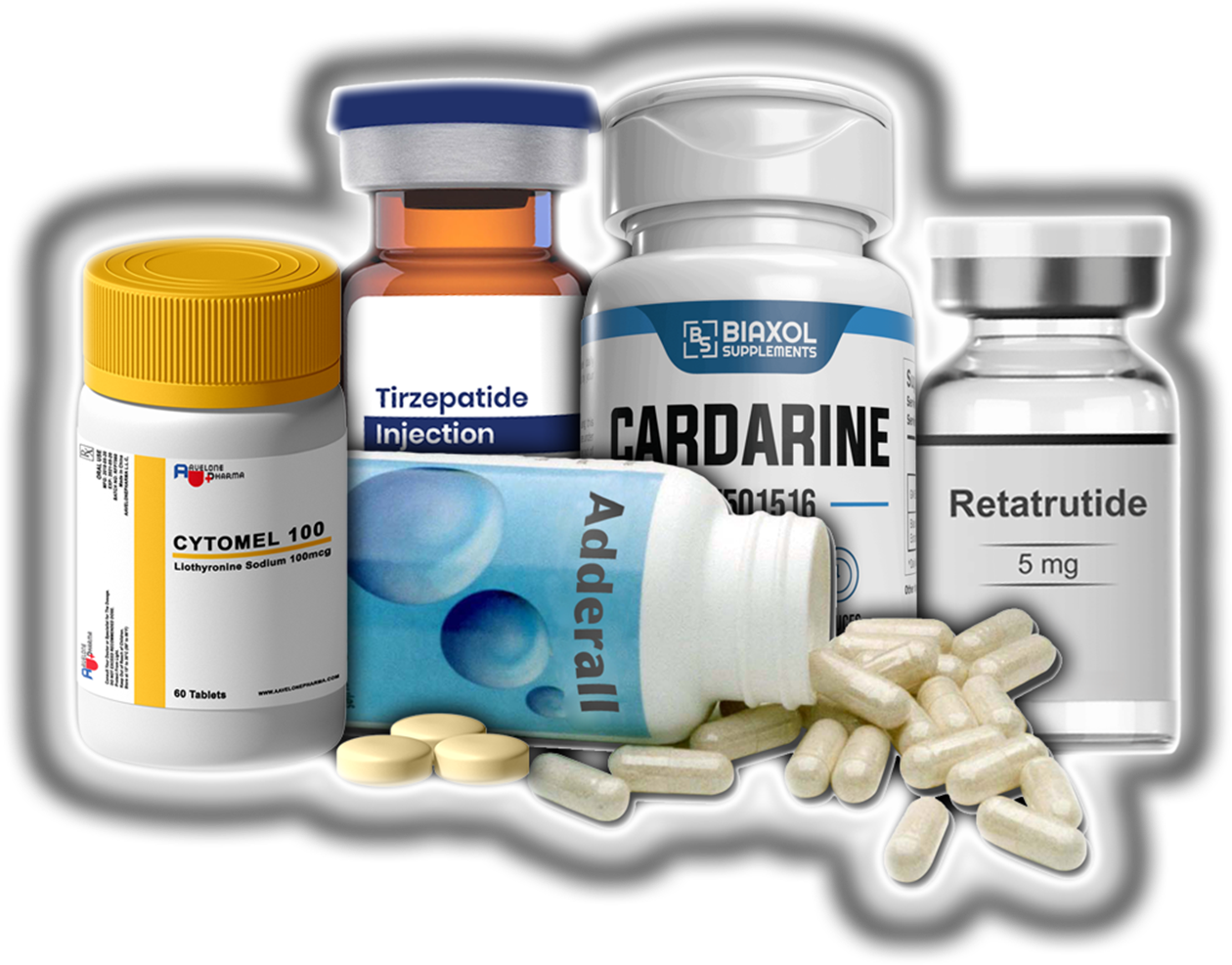
– T3 (Cytomel): ramps metabolism and fat burning but can accelerate muscle loss, strain the heart, and suppress normal thyroid function if misused.
– Exogenous ketones / ketone esters: Forces body into ketosis → ↑fat oxidation. Useful for non-keto dieters. ( doesn't really matter when on PSMF)
– GW501516 (Cardarine): PPARδ agonist → ↑fat oxidation + endurance. called cancerine by some (although the evidence is mixed). Depletes carnitine—relies on sufficient carnitine for beta oxidation effects.


4 Ancillaries (Appetite, "Fat Burners", Peptides)
1779707383890

4.0 – Appetite control & GLP‑1s
Retatrutide, Semaglutide, Cagrilintide, Tirzepatide (Mounjaro), etc. are GLP‑1 / multi‑agonist drugs that strongly reduce appetite and improve glycemic control, making it easier to adhere to a long‑term calorie deficit. [9]

Makes PSMF 10 times easier to follow up.

4.1 – Stimulants
Caffeine, ephedrine, and prescription stimulants (Methylphenidate, Dextro, Vyvanse etc.) suppress appetite and increase catecholamines, which can raise energy expenditure but also heart rate, blood pressure.

I must say they are very mogger for energy on cut to keep up with daily life, I'm probably going to post a thread about stims soon aswell.

4.2 – "Fat‑loss enhancers"
– Clenbuterol: β2‑agonist → ↑cAMP → ↑lipolysis; can cause tachycardia (High heart rate) though.
– A-Yohimbine: α2‑antagonist blocking anti‑lipolytic signalling; works best fasted (insulin blunts its effect) but can cause anxiety and blood pressure spikes.
– Ephedrine + caffeine: increases catecholamine release / β‑receptor activation → ↑thermogenesis and lipolysis; significant CNS and cardiovascular load.
– L‑Carnitine: Facilitates fatty acid transport into mitochondria. Best injected (oral absorption is kinda poor). [14]
– Berberine / Metformin: Activates AMPK → ↑fat oxidation. Also improves insulin sensitivity. [15]
– T3 (Cytomel): ramps metabolism and fat burning but can accelerate muscle loss, strain the heart, and suppress normal thyroid function if misused.
– Exogenous ketones / ketone esters: Forces body into ketosis → ↑fat oxidation. Useful for non-keto dieters. ( doesn't really matter when on PSMF)
– GW501516 (Cardarine): PPARδ agonist → ↑fat oxidation + endurance. called cancerine by some (although the evidence is mixed). Depletes carnitine—relies on sufficient carnitine for beta oxidation effects.
– Growth Hormone (GH): stimulates hormone‑sensitive lipase and increases FFA release;. [10]

4.3 – Metabolic aids & cortisol modulation
– MOTS‑c: mitochondrial‑derived peptide that mimics exercise‑/fasting‑like signals → ↑AMPK activity, insulin sensitivity, and fat oxidation; may help preserve muscle.

– Metyrapone: cortisol‑synthesis inhibitor (blocks 11‑β‑hydroxylase) → lowers cortisol; used clinically in adrenal‑excess / Cushing‑related workups and mild autonomous cortisol secretion to improve metabolic markers.

Bottom line: if you aren't already sticking to your diet, ancillaries are not the bottleneck.


5 Exercise (Lifting, Cardio & Steps)
6d2ijo.png
5.0 – Lifting to keep muscle
On a PSMF, high protein plus resistance training is what tells your body "keep this muscle" while you're in a big deficit. [16]

– Train each muscle group 2× per week atleast.
– Keep your main compounds in (bench, squat, deadlift, OHP, rows, pull‑ups), but don't chase PRs while aggressively dieting.
– Focus on maintaining strength and performance, not progressing; 2–4 hard sets per exercise is usually enough stimulus without murdering recovery.


5.1 – Cardio & steps
– Baseline: aim for around 10k steps per day to keep NEAT high.
– Avoid excessive added cardio at the start of a PSMF – it ramps hunger and fatigue and can speed up metabolic adaptation on very low calories.
– In the final days before a deadline, you can add more Zone 2 cardio (incline treadmill, cycling, etc.)


6 How to Prevent Failure (Mindset & Social Tactics)
– Don't say "I'm on a diet" to no. Just say you're not hungry or you already ate bro
– Learn to enjoy social events without eating; sip sugar‑free soda, water, tea, or black coffee and chill.
– No cheat meals, no "just one slice", no "I'll make up for it tomorrow".
– Remember that in normal day‑to‑day life, almost no situation actually forces you to eat junk – either stay fat or be shredded, make your choice.

Run this properly and, depending on your starting body fat, you can get noticeably lean in ~4–8 weeks,
which lines up with what clinical PSMF programs see under supervision. [17]


7 TL;DR & More material

TL;DR:
Track calories, Fats and Carbs < 20gr, Eat mainly protein, Supplement electrolytes, Eat Less than 1000calories, Train each muscle group 1-2 times a week, Keep your step count and daily activity high (<10.000 steps)

Trust the process.

Optionally:
Use GLP‑1 / multi‑agonists like Reta, Tirz or Cagr for apetite suppresion, Use Stimulants for energy and apetite suppresion, Use the "Fat Loss Enhancers" to maximise lipolysis and beta oxidation, Use Mots-c for metabolic markers, Use Metyrapone to inhibit cortisol, Introduce Zone 2 cardio after a while​


8 Scientific Backup/ Sources:
1. A systematic review of dietary protein during caloric restriction in resistance trained lean athletes: a case for higher intakes.
https://pubmed.ncbi.nlm.nih.gov/26817506/

2. Protein sparing modified fast diet program.
https://www.clevelandclinicabudhabi.ae/en/health-library/health-resources/treatments-and-procedures/protein-sparing-modified-fast-diet-program

3. The biochemistry and physiology of mitochondrial fatty acid β-oxidation and its genetic disorders.
https://pmc.ncbi.nlm.nih.gov/articles/PMC5766985/

4. Fatty acid oxidation.
https://www.ncbi.nlm.nih.gov/books/NBK560564/

5. Body recomposition: can trained individuals build muscle and lose fat at the same time?
https://pmc.ncbi.nlm.nih.gov/articles/PMC5421125/

6. Lipolysis.
https://en.wikipedia.org/wiki/Lipolysis

7. The combined effects of exercise and food intake on adipose tissue and splanchnic metabolism.
https://journals.physiology.org/doi/full/10.1152/ajpgi.00554.2006

8. AMP-activated protein kinase, a metabolic master switch: possible roles in type 2 diabetes.
https://www.sciencedirect.com/science/article/abs/pii/S1043276017301492

9. Once-weekly semaglutide in adults with overweight or obesity.
https://pmc.ncbi.nlm.nih.gov/articles/PMC10552824/

10. Effects of growth hormone on glucose, lipid, and protein metabolism in human subjects.
https://pmc.ncbi.nlm.nih.gov/articles/PMC6226059/

11. Carnitine transport and fatty acid oxidation.
https://pmc.ncbi.nlm.nih.gov/articles/PMC4967041/

12. Carnitine and fatty acid transport.
https://www.lipidmaps.org/resources/lipidweb/lipidweb_html/lipids/simple/carnitin/index.htm

13. Adaptations of skeletal muscle to endurance exercise and their metabolic consequences.
https://pubmed.ncbi.nlm.nih.gov/23899751/

14. Carnitine in human muscle bioenergetics: can carnitine supplementation improve physical exercise?
https://pmc.ncbi.nlm.nih.gov/articles/PMC8910660/#B46-ijms-23-02717

15. Efficacy and safety of berberine alone for several metabolic disorders: a systematic review and meta-analysis of randomized clinical trials.
https://pmc.ncbi.nlm.nih.gov/articles/PMC5839379/

16. Reduced resting skeletal muscle protein synthesis is rescued by resistance exercise and protein ingestion following short-term energy deficit.
https://pubmed.ncbi.nlm.nih.gov/37724991/

17. Very-low-calorie diets and sustained weight loss.
https://pmc.ncbi.nlm.nih.gov/articles/PMC4784653/


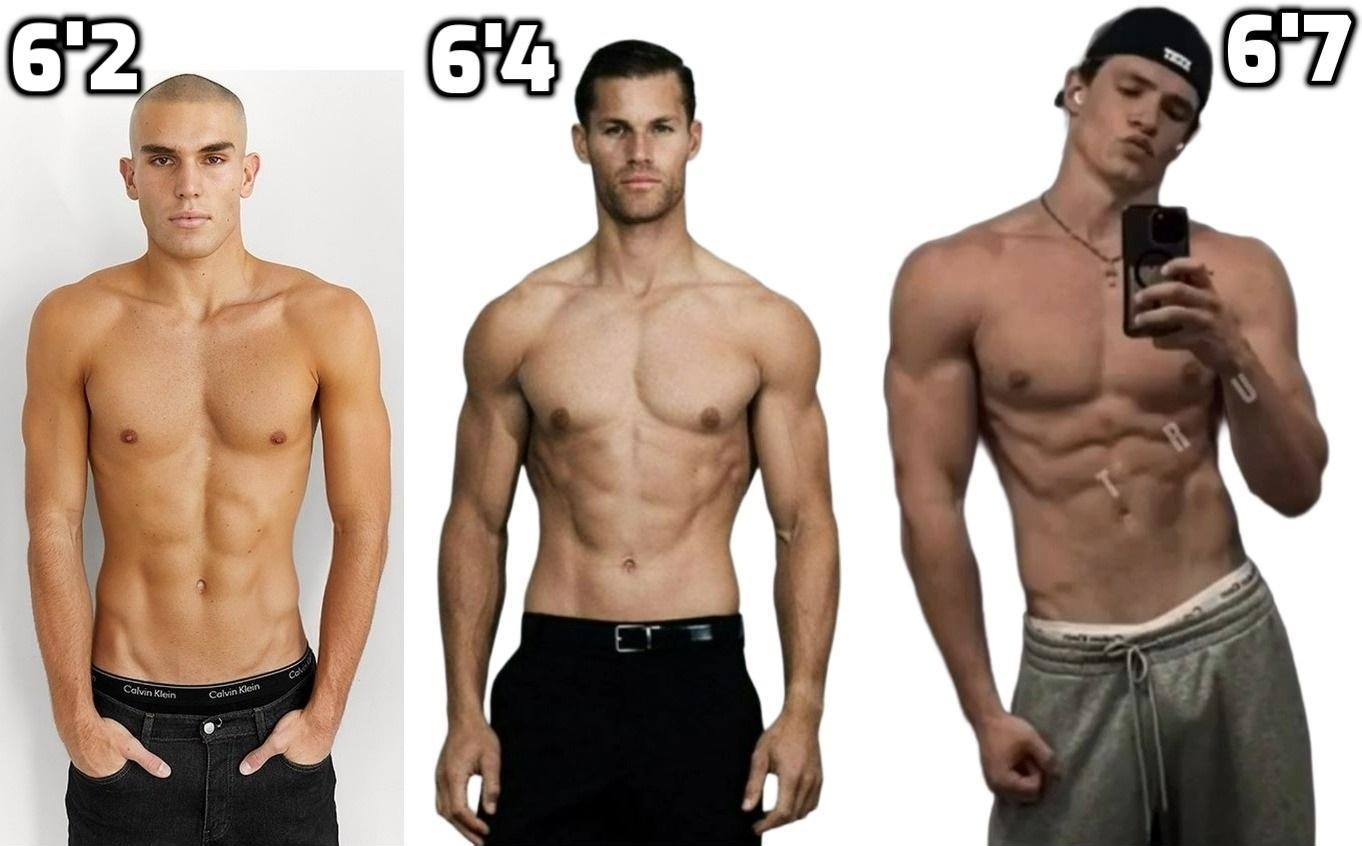
How WE are gonna look like this summer:


- A glycogen depleted Menas
 
Last edited:
  • +1
  • Love it
  • JFL
Reactions: oklahomanfarmer, dekol, catboy09 and 139 others
what is a good exercise routine for upper lower split
 
2.1 – Food choices
Food
Protein per 100g
Fat
Carbs
Chicken breast (raw)​
~23g​
~1g​
0g​
Turkey breast (raw)​
~22g​
~1g​
0g​
Cod/white fish​
~18g​
~0.5g​
0g​
Egg whites​
~11g​
0g​
~0.7g​
Low-fat cottage cheese​
~11g​
~1g​
~3g​
Whey isolate​
~90g​
~1g​
~1g​
diet of doom and despair, atp just starvemaxx. but overall decent thread. also l-carnitine is cope
 
  • Love it
Reactions: jozsef316@gmail
Do you have any tips for helping me stick to the diet? In the past i have failed with diets because i dont have a strong mentality when it comes to resisting junk food. As a result im pretty much always bloated but not fat
 
  • JFL
  • +1
  • So Sad
Reactions: catboy09, iamnotyourfailure, sziabattya and 1 other person
Do you have any tips for helping me stick to the diet? In the past i have failed with diets because i dont have a strong mentality when it comes to resisting junk food. As a result im pretty much always bloated but not fat
:rage::rage::rage::rage::rage::rage::rage::rage::rage::rage::rage::rage::rage::rage::rage::rage::rage::rage::rage::rage::rage::rage::rage::rage::rage:
 
  • Woah
Reactions: iamnotyourfailure
Do you have any tips for helping me stick to the diet? In the past i have failed with diets because i dont have a strong mentality when it comes to resisting junk food. As a result im pretty much always bloated but not fat
watch mukbangs of disgusting fat niggas eating a bunch of food and tell yourself "thats where i'll be if I even think of such disgustingness, i loathe at these disgusting fat tubs of lard"
 
  • +1
Reactions: jozsef316@gmail and Surrender
THE COMPLETE SHREDDING GUIDE FOR SUMMER
(Get shredded in a fucking month)
q50sla.png
Table of contents:
0 – Introduction / Disclaimer
1 – Prerequisites (BF%, LBM & Protein Target)
2 – Diet (PSMF Setup & Food Choices)
3 – Maximizing Fat Loss Mechanisms
3.0 – Overview: Lipolysis & Beta‑Oxidation
3.1 – Maximizing Lipolysis (Fat Breakdown)
3.2 – Maximizing Beta‑Oxidation (Fat Burning)
4 – Ancillaries (Appetite, "Fat Burners", Peptides)
5 – Exercise (Lifting, Cardio & Steps)
6 – How to Prevent Failure (Mindset & Social Tactics)
7 – TL;DR
8 - Scientific Backup/ Sources:


Thread Music:


0 Introduction / Disclaimer
949w48.png

By no means is this medical advice. Even though the risks are relatively low, everyone is different and some people may respond to this differently than others (although as I said, the majority should be fine).​


This thread is mainly focused on PSMF, most of the other stuff isn't mandatory but still better to include. PSMF stands for protein sparing modified fast, It's a diet where you mainly eat protein, it allows cutting efficiently without losing almost any muscle mass during cutting.
My 3 Month PSMF transformation:
fyxzn2.png


1 Prerequisites (BF%, LBM & Protein Target)
1.0 – Estimate your body fat %
You can estimate body fat by eyeballing (Which is probably the most accurate tbh) or using calipers, DEXA, or a decent impedance scale.
Once you have a body fat estimate, calculate your lean body mass (LBM):

Lean Body Mass = Bodyweight × (1 − Body Fat %)

Example: 180 lbs at 15% body fat → 180 × 0.85 = 153 lbs LBM.

rkfdco.png
1.1 – Set your daily protein target
Aim for roughly 1 g of protein per lb of lean bodyweight (about 2.2–2.5 g/kg LBM). Higher protein intakes during a deficit preserve more lean mass and strength vs lower protein diets. [1]

So at 180 lbs with 15% body fat (153 lbs LBM), target around 150–160 g of protein per day.

Body Weight (kg)​
Body Fat %​
Fat Mass (kg)​
Lean Body Mass (kg)​
Daily Protein Target (g)​
60 kg​
10%​
6 kg​
54 kg​
~119 g​
60 kg​
15%​
9 kg​
51 kg​
~112 g​
60 kg​
20%​
12 kg​
48 kg​
~106 g​
70 kg​
10%​
7 kg​
63 kg​
~139 g​
70 kg​
15%​
10.5 kg​
59.5 kg​
~131 g​
70 kg​
20%​
14 kg​
56 kg​
~123 g​
80 kg​
10%​
8 kg​
72 kg​
~159 g​
80 kg​
15%​
12 kg​
68 kg​
~150 g​
80 kg​
20%​
16 kg​
64 kg​
~141 g​
90 kg​
15%​
13.5 kg​
76.5 kg​
~169 g​
90 kg​
20%​
18 kg​
72 kg​
~159 g​
90 kg​
25%​
22.5 kg​
67.5 kg​
~149 g​
100 kg​
20%​
20 kg​
80 kg​
~176 g​
100 kg​
25%​
25 kg​
75 kg​
~165 g​
100 kg​
30%​
30 kg​
70 kg​
~154 g​

1.2 – Start tracking your caloric intake
Download MyFitnessPal (or any decent tracker), weigh food on a kitchen scale, and log everything that goes into your mouth.
Specify raw vs cooked and pick accurate entries, you can't run a precise PSMF if you're eyeballing calories.


2 Diet (PSMF Setup & Food Choices)
View attachment 5115972
2.0 – Core diet rules
This is a PSMF, so:

Protein: set by LBM (usually 120–200 g/day for most).
Carbs: ~20 g/day or less (mostly from low‑cal veggies).
Fats: ~20 g/day or less (just what rides along with lean meats).
Total calories: generally 600–900 kcal/day in a classic PSMF setup

You're gonna be living on lean protein with trace fats/carbs. Everything else is flavor and damage control.


2.1 – Food choices
Food
Protein per 100g
Fat
Carbs
Chicken breast (raw)​
~23g​
~1g​
0g​
Turkey breast (raw)​
~22g​
~1g​
0g​
Cod/white fish​
~18g​
~0.5g​
0g​
Egg whites​
~11g​
0g​
~0.7g​
Low-fat cottage cheese​
~11g​
~1g​
~3g​
Whey isolate​
~90g​
~1g​
~1g​
A simple baseline day:
– 500 g chicken or turkey breast across the day.
– 1–2 scoops whey isolate to fill any protein gaps.
Solid meat is usually superior to shakes for satiety, but as long as you hit your protein target and keep fats/carbs low, you're doing it right.
Use:

– Zero‑cal seasonings, herbs, spices.
– Sugar‑free drinks, black coffee, tea.
– Low‑cal veggies (lettuce, cucumber, zucchini, broccoli) in moderation

Because the calories are so low, official PSMF programs usually add a multivitamin and extra electrolytes (sodium, potassium, magnesium) to prevent deficiencies. [2] Target ranges (e.g., ~3–5 g sodium, ~2–3 g potassium, 300–400 mg magnesium per day).


3 Maximizing Fat Loss Mechanisms
2xvu2d.png
j9j8og.png

3.0 Overview: Lipolysis & BetaOxidation
Fat loss happens in two major biochemical steps:

Lipolysis: breakdown of stored triglycerides in fat cells into free fatty acids (FFAs) and glycerol.
Beta‑oxidation: transport of FFAs into mitochondria and burning them for ATP.
https://www.ncbi.nlm.nih.gov/books/NBK560564/
You still need a calorie deficit, but how much of that deficit is filled by fat vs glycogen/glucose and muscle depends on how well you're mobilizing and oxidizing fat.

Keep in mind, we care about body composition and not just fat loss. [5]


3.1 Maximizing Lipolysis (Fat Breakdown)
2xvu2d.png


Lipolysis is controlled mainly by hormone‑sensitive lipase and related enzymes in adipose tissue.
https://en.wikipedia.org/wiki/Lipolysis
https://journals.physiology.org/doi/full/10.1152/ajpgi.00554.2006

Key drivers:

Catecholamines (adrenaline & noradrenaline):
Bind β‑adrenergic receptors (β1/β2/β3) on fat cells → ↑cAMP → activate hormone‑sensitive lipase → more FFAs released into the blood.

Glucagon:
Works alongside catecholamines in the fasted state, especially when liver glycogen is low, to support fat breakdown. [7]

Low insulin:
Insulin directly suppresses lipolysis, lowering insulin via fasting, low‑carb/ketogenic diets, or deep calorie restriction removes that, hence why PSMF mogs.

Lifestyle factors that boost lipolysis:

– Hard lifting / HIIT → big catecholamine spikes and acute increases in lipolysis. [8]

– Fasted cardio → with low insulin, catecholamine signalling on fat cells is more effective (though daily fat loss still depends on the total deficit).
– Cold exposure → cold showers / ice baths activate the sympathetic nervous system and brown fat, giving a modest increase in lipolysis and energy expenditure aswell though the effects are negligible. [7]

Common lipolysis‑oriented drugs:

– Clenbuterol: β2‑agonist → ↑cAMP → ↑lipolysis; can cause tachycardia (High heart rate) though.
– Yohimbine: α2‑antagonist blocking anti‑lipolytic signalling; works best fasted (insulin blunts its effect) but can cause anxiety and blood pressure spikes.
– Ephedrine + caffeine: increases catecholamine release / β‑receptor activation → ↑thermogenesis and lipolysis; significant CNS and cardiovascular load.
– GLP‑1 agonists (e.g. Semaglutide): mainly reduce appetite and improve glycemic control; by lowering energy intake and postprandial insulin they indirectly support fat loss. [9]

– Growth Hormone (GH): stimulates hormone‑sensitive lipase and increases FFA release [10]
wkacpt.png

Also I must mention that on PSMF, you already have low insulin and frequent catecholamine spikes (training + big deficit), so you're naturally in a high‑lipolysis environment even without these.


3.2 Maximizing BetaOxidation (Fat Burning)
j9j8og.png


Once FFAs are in the bloodstream, they must get into mitochondria to be burned.
Long‑chain fatty acids depend on the carnitine shuttle for entry into the mitochondrial matrix. [11]

Key drivers:

Carnitine & mitochondria:
Carnitine transports long‑chain fatty acids across the inner mitochondrial membrane; deficiencies or transport defects impair fat oxidation and shift fuel use toward carbs. [12]

Endurance / Zone 2 training increases mitochondrial density and the ability of muscle to use fat as a primary fuel. [13]

Keto / fasting / PSMF upregulate enzymes involved in fat oxidation and ketone production.

Metabolic rate & AMPK:
Thyroid hormone (T3) increases metabolic rate and upregulates many genes involved in energy expenditure and fat oxidation. [9]
AMPK activation (via exercise, deficit, metformin/berberine) signals a low‑energy state and promotes fat oxidation while improving insulin sensitivity. [8]

Common beta‑oxidation‑oriented agents:

– L‑Carnitine: Facilitates fatty acid transport into mitochondria. Best injected (oral absorption is kinda poor). [14]
– Berberine / Metformin: Activates AMPK → ↑fat oxidation. Also improves insulin sensitivity. [15]
– T3 (Cytomel): ramps metabolism and fat burning but can accelerate muscle loss, strain the heart, and suppress normal thyroid function if misused.
– Exogenous ketones / ketone esters: Forces body into ketosis → ↑fat oxidation. Useful for non-keto dieters. ( doesn't really matter when on PSMF)
– GW501516 (Cardarine): PPARδ agonist → ↑fat oxidation + endurance. called cancerine by some (although the evidence is mixed). Depletes carnitine—relies on sufficient carnitine for beta oxidation effects.


4 Ancillaries (Appetite, "Fat Burners", Peptides)
View attachment 5115987

4.0 – Appetite control & GLP‑1s
Retatrutide, Semaglutide, Cagrilintide, Tirzepatide (Mounjaro), etc. are GLP‑1 / multi‑agonist drugs that strongly reduce appetite and improve glycemic control, making it easier to adhere to a long‑term calorie deficit. [9]

Makes PSMF 10 times easier to follow up.

4.1 – Stimulants
Caffeine, ephedrine, and prescription stimulants (Methylphenidate, Dextro, Vyvanse etc.) suppress appetite and increase catecholamines, which can raise energy expenditure but also heart rate, blood pressure.

I must say they are very mogger for energy on cut to keep up with daily life, I'm probably going to post a thread about stims soon aswell.

4.2 – "Fat‑loss enhancers"
– Clenbuterol: β2‑agonist → ↑cAMP → ↑lipolysis; can cause tachycardia (High heart rate) though.
– A-Yohimbine: α2‑antagonist blocking anti‑lipolytic signalling; works best fasted (insulin blunts its effect) but can cause anxiety and blood pressure spikes.
– Ephedrine + caffeine: increases catecholamine release / β‑receptor activation → ↑thermogenesis and lipolysis; significant CNS and cardiovascular load.
– L‑Carnitine: Facilitates fatty acid transport into mitochondria. Best injected (oral absorption is kinda poor). [14]
– Berberine / Metformin: Activates AMPK → ↑fat oxidation. Also improves insulin sensitivity. [15]
– T3 (Cytomel): ramps metabolism and fat burning but can accelerate muscle loss, strain the heart, and suppress normal thyroid function if misused.
– Exogenous ketones / ketone esters: Forces body into ketosis → ↑fat oxidation. Useful for non-keto dieters. ( doesn't really matter when on PSMF)
– GW501516 (Cardarine): PPARδ agonist → ↑fat oxidation + endurance. called cancerine by some (although the evidence is mixed). Depletes carnitine—relies on sufficient carnitine for beta oxidation effects.
– Growth Hormone (GH): stimulates hormone‑sensitive lipase and increases FFA release;. [10]

4.3 – Metabolic aids & cortisol modulation
– MOTS‑c: mitochondrial‑derived peptide that mimics exercise‑/fasting‑like signals → ↑AMPK activity, insulin sensitivity, and fat oxidation; may help preserve muscle.

– Metyrapone: cortisol‑synthesis inhibitor (blocks 11‑β‑hydroxylase) → lowers cortisol; used clinically in adrenal‑excess / Cushing‑related workups and mild autonomous cortisol secretion to improve metabolic markers.

Bottom line: if you aren't already sticking to your diet, ancillaries are not the bottleneck.


5 Exercise (Lifting, Cardio & Steps)
6d2ijo.png
5.0 – Lifting to keep muscle
On a PSMF, high protein plus resistance training is what tells your body "keep this muscle" while you're in a big deficit. [16]

– Train each muscle group 2× per week atleast.
– Keep your main compounds in (bench, squat, deadlift, OHP, rows, pull‑ups), but don't chase PRs while aggressively dieting.
– Focus on maintaining strength and performance, not progressing; 2–4 hard sets per exercise is usually enough stimulus without murdering recovery.


5.1 – Cardio & steps
– Baseline: aim for around 10k steps per day to keep NEAT high.
– Avoid excessive added cardio at the start of a PSMF – it ramps hunger and fatigue and can speed up metabolic adaptation on very low calories.
– In the final days before a deadline, you can add more Zone 2 cardio (incline treadmill, cycling, etc.)


6 How to Prevent Failure (Mindset & Social Tactics)
– Don't say "I'm on a diet" to no. Just say you're not hungry or you already ate bro
– Learn to enjoy social events without eating; sip sugar‑free soda, water, tea, or black coffee and chill.
– No cheat meals, no "just one slice", no "I'll make up for it tomorrow".
– Remember that in normal day‑to‑day life, almost no situation actually forces you to eat junk – either stay fat or be shredded, make your choice.

Run this properly and, depending on your starting body fat, you can get noticeably lean in ~4–8 weeks,
which lines up with what clinical PSMF programs see under supervision. [17]


7 TL;DR & More material

TL;DR:
Track calories, Fats and Carbs < 20gr, Eat mainly protein, Supplement electrolytes, Eat Less than 1000calories, Train each muscle group 1-2 times a week, Keep your step count and daily activity high (<10.000 steps)

Trust the process.

Optionally:
Use GLP‑1 / multi‑agonists like Reta, Tirz or Cagr for apetite suppresion, Use Stimulants for energy and apetite suppresion, Use the "Fat Loss Enhancers" to maximise lipolysis and beta oxidation, Use Mots-c for metabolic markers, Use Metyrapone to inhibit cortisol, Introduce Zone 2 cardio after a while​


8 Scientific Backup/ Sources:
1. A systematic review of dietary protein during caloric restriction in resistance trained lean athletes: a case for higher intakes.
https://pubmed.ncbi.nlm.nih.gov/26817506/

2. Protein sparing modified fast diet program.
https://www.clevelandclinicabudhabi.ae/en/health-library/health-resources/treatments-and-procedures/protein-sparing-modified-fast-diet-program

3. The biochemistry and physiology of mitochondrial fatty acid β-oxidation and its genetic disorders.
https://pmc.ncbi.nlm.nih.gov/articles/PMC5766985/

4. Fatty acid oxidation.
https://www.ncbi.nlm.nih.gov/books/NBK560564/

5. Body recomposition: can trained individuals build muscle and lose fat at the same time?
https://pmc.ncbi.nlm.nih.gov/articles/PMC5421125/

6. Lipolysis.
https://en.wikipedia.org/wiki/Lipolysis

7. The combined effects of exercise and food intake on adipose tissue and splanchnic metabolism.
https://journals.physiology.org/doi/full/10.1152/ajpgi.00554.2006

8. AMP-activated protein kinase, a metabolic master switch: possible roles in type 2 diabetes.
https://www.sciencedirect.com/science/article/abs/pii/S1043276017301492

9. Once-weekly semaglutide in adults with overweight or obesity.
https://pmc.ncbi.nlm.nih.gov/articles/PMC10552824/

10. Effects of growth hormone on glucose, lipid, and protein metabolism in human subjects.
https://pmc.ncbi.nlm.nih.gov/articles/PMC6226059/

11. Carnitine transport and fatty acid oxidation.
https://pmc.ncbi.nlm.nih.gov/articles/PMC4967041/

12. Carnitine and fatty acid transport.
https://www.lipidmaps.org/resources/lipidweb/lipidweb_html/lipids/simple/carnitin/index.htm

13. Adaptations of skeletal muscle to endurance exercise and their metabolic consequences.
https://pubmed.ncbi.nlm.nih.gov/23899751/

14. Carnitine in human muscle bioenergetics: can carnitine supplementation improve physical exercise?
https://pmc.ncbi.nlm.nih.gov/articles/PMC8910660/#B46-ijms-23-02717

15. Efficacy and safety of berberine alone for several metabolic disorders: a systematic review and meta-analysis of randomized clinical trials.
https://pmc.ncbi.nlm.nih.gov/articles/PMC5839379/

16. Reduced resting skeletal muscle protein synthesis is rescued by resistance exercise and protein ingestion following short-term energy deficit.
https://pubmed.ncbi.nlm.nih.gov/37724991/

17. Very-low-calorie diets and sustained weight loss.
https://pmc.ncbi.nlm.nih.gov/articles/PMC4784653/


How WE are gonna look like this summer:
View attachment 5105610


- A glycogen depleted Menas

Good thread, my honest question is, i "live" in the school, Monday to Friday my breakfast,lunch and dinner are given for the school so how can i make this calorie defice
 
  • Hmm...
Reactions: Menas
Good thread, my honest question is, i "live" in the school, Monday to Friday my breakfast,lunch and dinner are given for the school so how can i make this calorie defice
Just don't eat the fatty food, focus on getting your protein in.
even if you don't have options for the food you still don't have to finish the whole plate or anything, just eat less.
 
What happens if you're skinny fat
 
  • Hmm...
Reactions: Menas
If you want to do a psmf just read lyle mcdonalds guide to the rfl diet but atleast its not one of those shitty threads where they tell you to just eat 500 deficit as if thats gonna do anything
This isn’t the last summer
 
Do you have any tips for helping me stick to the diet? In the past i have failed with diets because i dont have a strong mentality when it comes to resisting junk food. As a result im pretty much always bloated but not fat
:forcedsmile::forcedsmile::sick::sick::sick:
 
THE COMPLETE SHREDDING GUIDE FOR SUMMER
(Get shredded in a fucking month)
q50sla.png
Table of contents:
0 – Introduction / Disclaimer
1 – Prerequisites (BF%, LBM & Protein Target)
2 – Diet (PSMF Setup & Food Choices)
3 – Maximizing Fat Loss Mechanisms
3.0 – Overview: Lipolysis & Beta‑Oxidation
3.1 – Maximizing Lipolysis (Fat Breakdown)
3.2 – Maximizing Beta‑Oxidation (Fat Burning)
4 – Ancillaries (Appetite, "Fat Burners", Peptides)
5 – Exercise (Lifting, Cardio & Steps)
6 – How to Prevent Failure (Mindset & Social Tactics)
7 – TL;DR
8 - Scientific Backup/ Sources:


Thread Music:


0 Introduction / Disclaimer
949w48.png

By no means is this medical advice. Even though the risks are relatively low, everyone is different and some people may respond to this differently than others (although as I said, the majority should be fine).​


This thread is mainly focused on PSMF, most of the other stuff isn't mandatory but still better to include. PSMF stands for protein sparing modified fast, It's a diet where you mainly eat protein, it allows cutting efficiently without losing almost any muscle mass during cutting.
My 3 Month PSMF transformation:
fyxzn2.png


1 Prerequisites (BF%, LBM & Protein Target)
1.0 – Estimate your body fat %
You can estimate body fat by eyeballing (Which is probably the most accurate tbh) or using calipers, DEXA, or a decent impedance scale.
Once you have a body fat estimate, calculate your lean body mass (LBM):

Lean Body Mass = Bodyweight × (1 − Body Fat %)

Example: 180 lbs at 15% body fat → 180 × 0.85 = 153 lbs LBM.

rkfdco.png
1.1 – Set your daily protein target
Aim for roughly 1 g of protein per lb of lean bodyweight (about 2.2–2.5 g/kg LBM). Higher protein intakes during a deficit preserve more lean mass and strength vs lower protein diets. [1]

So at 180 lbs with 15% body fat (153 lbs LBM), target around 150–160 g of protein per day.

Body Weight (kg)​
Body Fat %​
Fat Mass (kg)​
Lean Body Mass (kg)​
Daily Protein Target (g)​
60 kg​
10%​
6 kg​
54 kg​
~119 g​
60 kg​
15%​
9 kg​
51 kg​
~112 g​
60 kg​
20%​
12 kg​
48 kg​
~106 g​
70 kg​
10%​
7 kg​
63 kg​
~139 g​
70 kg​
15%​
10.5 kg​
59.5 kg​
~131 g​
70 kg​
20%​
14 kg​
56 kg​
~123 g​
80 kg​
10%​
8 kg​
72 kg​
~159 g​
80 kg​
15%​
12 kg​
68 kg​
~150 g​
80 kg​
20%​
16 kg​
64 kg​
~141 g​
90 kg​
15%​
13.5 kg​
76.5 kg​
~169 g​
90 kg​
20%​
18 kg​
72 kg​
~159 g​
90 kg​
25%​
22.5 kg​
67.5 kg​
~149 g​
100 kg​
20%​
20 kg​
80 kg​
~176 g​
100 kg​
25%​
25 kg​
75 kg​
~165 g​
100 kg​
30%​
30 kg​
70 kg​
~154 g​

1.2 – Start tracking your caloric intake
Download MyFitnessPal (or any decent tracker), weigh food on a kitchen scale, and log everything that goes into your mouth.
Specify raw vs cooked and pick accurate entries, you can't run a precise PSMF if you're eyeballing calories.


2 Diet (PSMF Setup & Food Choices)
View attachment 5115972
2.0 – Core diet rules
This is a PSMF, so:

Protein: set by LBM (usually 120–200 g/day for most).
Carbs: ~20 g/day or less (mostly from low‑cal veggies).
Fats: ~20 g/day or less (just what rides along with lean meats).
Total calories: generally 600–900 kcal/day in a classic PSMF setup

You're gonna be living on lean protein with trace fats/carbs. Everything else is flavor and damage control.


2.1 – Food choices
Food
Protein per 100g
Fat
Carbs
Chicken breast (raw)​
~23g​
~1g​
0g​
Turkey breast (raw)​
~22g​
~1g​
0g​
Cod/white fish​
~18g​
~0.5g​
0g​
Egg whites​
~11g​
0g​
~0.7g​
Low-fat cottage cheese​
~11g​
~1g​
~3g​
Whey isolate​
~90g​
~1g​
~1g​
A simple baseline day:
– 500 g chicken or turkey breast across the day.
– 1–2 scoops whey isolate to fill any protein gaps.
Solid meat is usually superior to shakes for satiety, but as long as you hit your protein target and keep fats/carbs low, you're doing it right.
Use:

– Zero‑cal seasonings, herbs, spices.
– Sugar‑free drinks, black coffee, tea.
– Low‑cal veggies (lettuce, cucumber, zucchini, broccoli) in moderation

Because the calories are so low, official PSMF programs usually add a multivitamin and extra electrolytes (sodium, potassium, magnesium) to prevent deficiencies. [2] Target ranges (e.g., ~3–5 g sodium, ~2–3 g potassium, 300–400 mg magnesium per day).


3 Maximizing Fat Loss Mechanisms
2xvu2d.png
j9j8og.png

3.0 Overview: Lipolysis & BetaOxidation
Fat loss happens in two major biochemical steps:

Lipolysis: breakdown of stored triglycerides in fat cells into free fatty acids (FFAs) and glycerol.
Beta‑oxidation: transport of FFAs into mitochondria and burning them for ATP.
https://www.ncbi.nlm.nih.gov/books/NBK560564/
You still need a calorie deficit, but how much of that deficit is filled by fat vs glycogen/glucose and muscle depends on how well you're mobilizing and oxidizing fat.

Keep in mind, we care about body composition and not just fat loss. [5]


3.1 Maximizing Lipolysis (Fat Breakdown)
2xvu2d.png


Lipolysis is controlled mainly by hormone‑sensitive lipase and related enzymes in adipose tissue.
https://en.wikipedia.org/wiki/Lipolysis
https://journals.physiology.org/doi/full/10.1152/ajpgi.00554.2006

Key drivers:

Catecholamines (adrenaline & noradrenaline):
Bind β‑adrenergic receptors (β1/β2/β3) on fat cells → ↑cAMP → activate hormone‑sensitive lipase → more FFAs released into the blood.

Glucagon:
Works alongside catecholamines in the fasted state, especially when liver glycogen is low, to support fat breakdown. [7]

Low insulin:
Insulin directly suppresses lipolysis, lowering insulin via fasting, low‑carb/ketogenic diets, or deep calorie restriction removes that, hence why PSMF mogs.

Lifestyle factors that boost lipolysis:

– Hard lifting / HIIT → big catecholamine spikes and acute increases in lipolysis. [8]

– Fasted cardio → with low insulin, catecholamine signalling on fat cells is more effective (though daily fat loss still depends on the total deficit).
– Cold exposure → cold showers / ice baths activate the sympathetic nervous system and brown fat, giving a modest increase in lipolysis and energy expenditure aswell though the effects are negligible. [7]

Common lipolysis‑oriented drugs:

– Clenbuterol: β2‑agonist → ↑cAMP → ↑lipolysis; can cause tachycardia (High heart rate) though.
– Yohimbine: α2‑antagonist blocking anti‑lipolytic signalling; works best fasted (insulin blunts its effect) but can cause anxiety and blood pressure spikes.
– Ephedrine + caffeine: increases catecholamine release / β‑receptor activation → ↑thermogenesis and lipolysis; significant CNS and cardiovascular load.
– GLP‑1 agonists (e.g. Semaglutide): mainly reduce appetite and improve glycemic control; by lowering energy intake and postprandial insulin they indirectly support fat loss. [9]

– Growth Hormone (GH): stimulates hormone‑sensitive lipase and increases FFA release [10]
wkacpt.png

Also I must mention that on PSMF, you already have low insulin and frequent catecholamine spikes (training + big deficit), so you're naturally in a high‑lipolysis environment even without these.


3.2 Maximizing BetaOxidation (Fat Burning)
j9j8og.png


Once FFAs are in the bloodstream, they must get into mitochondria to be burned.
Long‑chain fatty acids depend on the carnitine shuttle for entry into the mitochondrial matrix. [11]

Key drivers:

Carnitine & mitochondria:
Carnitine transports long‑chain fatty acids across the inner mitochondrial membrane; deficiencies or transport defects impair fat oxidation and shift fuel use toward carbs. [12]

Endurance / Zone 2 training increases mitochondrial density and the ability of muscle to use fat as a primary fuel. [13]

Keto / fasting / PSMF upregulate enzymes involved in fat oxidation and ketone production.

Metabolic rate & AMPK:
Thyroid hormone (T3) increases metabolic rate and upregulates many genes involved in energy expenditure and fat oxidation. [9]
AMPK activation (via exercise, deficit, metformin/berberine) signals a low‑energy state and promotes fat oxidation while improving insulin sensitivity. [8]

Common beta‑oxidation‑oriented agents:

– L‑Carnitine: Facilitates fatty acid transport into mitochondria. Best injected (oral absorption is kinda poor). [14]
– Berberine / Metformin: Activates AMPK → ↑fat oxidation. Also improves insulin sensitivity. [15]
– T3 (Cytomel): ramps metabolism and fat burning but can accelerate muscle loss, strain the heart, and suppress normal thyroid function if misused.
– Exogenous ketones / ketone esters: Forces body into ketosis → ↑fat oxidation. Useful for non-keto dieters. ( doesn't really matter when on PSMF)
– GW501516 (Cardarine): PPARδ agonist → ↑fat oxidation + endurance. called cancerine by some (although the evidence is mixed). Depletes carnitine—relies on sufficient carnitine for beta oxidation effects.


4 Ancillaries (Appetite, "Fat Burners", Peptides)
View attachment 5115987

4.0 – Appetite control & GLP‑1s
Retatrutide, Semaglutide, Cagrilintide, Tirzepatide (Mounjaro), etc. are GLP‑1 / multi‑agonist drugs that strongly reduce appetite and improve glycemic control, making it easier to adhere to a long‑term calorie deficit. [9]

Makes PSMF 10 times easier to follow up.

4.1 – Stimulants
Caffeine, ephedrine, and prescription stimulants (Methylphenidate, Dextro, Vyvanse etc.) suppress appetite and increase catecholamines, which can raise energy expenditure but also heart rate, blood pressure.

I must say they are very mogger for energy on cut to keep up with daily life, I'm probably going to post a thread about stims soon aswell.

4.2 – "Fat‑loss enhancers"
– Clenbuterol: β2‑agonist → ↑cAMP → ↑lipolysis; can cause tachycardia (High heart rate) though.
– A-Yohimbine: α2‑antagonist blocking anti‑lipolytic signalling; works best fasted (insulin blunts its effect) but can cause anxiety and blood pressure spikes.
– Ephedrine + caffeine: increases catecholamine release / β‑receptor activation → ↑thermogenesis and lipolysis; significant CNS and cardiovascular load.
– L‑Carnitine: Facilitates fatty acid transport into mitochondria. Best injected (oral absorption is kinda poor). [14]
– Berberine / Metformin: Activates AMPK → ↑fat oxidation. Also improves insulin sensitivity. [15]
– T3 (Cytomel): ramps metabolism and fat burning but can accelerate muscle loss, strain the heart, and suppress normal thyroid function if misused.
– Exogenous ketones / ketone esters: Forces body into ketosis → ↑fat oxidation. Useful for non-keto dieters. ( doesn't really matter when on PSMF)
– GW501516 (Cardarine): PPARδ agonist → ↑fat oxidation + endurance. called cancerine by some (although the evidence is mixed). Depletes carnitine—relies on sufficient carnitine for beta oxidation effects.
– Growth Hormone (GH): stimulates hormone‑sensitive lipase and increases FFA release;. [10]

4.3 – Metabolic aids & cortisol modulation
– MOTS‑c: mitochondrial‑derived peptide that mimics exercise‑/fasting‑like signals → ↑AMPK activity, insulin sensitivity, and fat oxidation; may help preserve muscle.

– Metyrapone: cortisol‑synthesis inhibitor (blocks 11‑β‑hydroxylase) → lowers cortisol; used clinically in adrenal‑excess / Cushing‑related workups and mild autonomous cortisol secretion to improve metabolic markers.

Bottom line: if you aren't already sticking to your diet, ancillaries are not the bottleneck.


5 Exercise (Lifting, Cardio & Steps)
6d2ijo.png
5.0 – Lifting to keep muscle
On a PSMF, high protein plus resistance training is what tells your body "keep this muscle" while you're in a big deficit. [16]

– Train each muscle group 2× per week atleast.
– Keep your main compounds in (bench, squat, deadlift, OHP, rows, pull‑ups), but don't chase PRs while aggressively dieting.
– Focus on maintaining strength and performance, not progressing; 2–4 hard sets per exercise is usually enough stimulus without murdering recovery.


5.1 – Cardio & steps
– Baseline: aim for around 10k steps per day to keep NEAT high.
– Avoid excessive added cardio at the start of a PSMF – it ramps hunger and fatigue and can speed up metabolic adaptation on very low calories.
– In the final days before a deadline, you can add more Zone 2 cardio (incline treadmill, cycling, etc.)


6 How to Prevent Failure (Mindset & Social Tactics)
– Don't say "I'm on a diet" to no. Just say you're not hungry or you already ate bro
– Learn to enjoy social events without eating; sip sugar‑free soda, water, tea, or black coffee and chill.
– No cheat meals, no "just one slice", no "I'll make up for it tomorrow".
– Remember that in normal day‑to‑day life, almost no situation actually forces you to eat junk – either stay fat or be shredded, make your choice.

Run this properly and, depending on your starting body fat, you can get noticeably lean in ~4–8 weeks,
which lines up with what clinical PSMF programs see under supervision. [17]


7 TL;DR & More material

TL;DR:
Track calories, Fats and Carbs < 20gr, Eat mainly protein, Supplement electrolytes, Eat Less than 1000calories, Train each muscle group 1-2 times a week, Keep your step count and daily activity high (<10.000 steps)

Trust the process.

Optionally:
Use GLP‑1 / multi‑agonists like Reta, Tirz or Cagr for apetite suppresion, Use Stimulants for energy and apetite suppresion, Use the "Fat Loss Enhancers" to maximise lipolysis and beta oxidation, Use Mots-c for metabolic markers, Use Metyrapone to inhibit cortisol, Introduce Zone 2 cardio after a while​


8 Scientific Backup/ Sources:
1. A systematic review of dietary protein during caloric restriction in resistance trained lean athletes: a case for higher intakes.
https://pubmed.ncbi.nlm.nih.gov/26817506/

2. Protein sparing modified fast diet program.
https://www.clevelandclinicabudhabi.ae/en/health-library/health-resources/treatments-and-procedures/protein-sparing-modified-fast-diet-program

3. The biochemistry and physiology of mitochondrial fatty acid β-oxidation and its genetic disorders.
https://pmc.ncbi.nlm.nih.gov/articles/PMC5766985/

4. Fatty acid oxidation.
https://www.ncbi.nlm.nih.gov/books/NBK560564/

5. Body recomposition: can trained individuals build muscle and lose fat at the same time?
https://pmc.ncbi.nlm.nih.gov/articles/PMC5421125/

6. Lipolysis.
https://en.wikipedia.org/wiki/Lipolysis

7. The combined effects of exercise and food intake on adipose tissue and splanchnic metabolism.
https://journals.physiology.org/doi/full/10.1152/ajpgi.00554.2006

8. AMP-activated protein kinase, a metabolic master switch: possible roles in type 2 diabetes.
https://www.sciencedirect.com/science/article/abs/pii/S1043276017301492

9. Once-weekly semaglutide in adults with overweight or obesity.
https://pmc.ncbi.nlm.nih.gov/articles/PMC10552824/

10. Effects of growth hormone on glucose, lipid, and protein metabolism in human subjects.
https://pmc.ncbi.nlm.nih.gov/articles/PMC6226059/

11. Carnitine transport and fatty acid oxidation.
https://pmc.ncbi.nlm.nih.gov/articles/PMC4967041/

12. Carnitine and fatty acid transport.
https://www.lipidmaps.org/resources/lipidweb/lipidweb_html/lipids/simple/carnitin/index.htm

13. Adaptations of skeletal muscle to endurance exercise and their metabolic consequences.
https://pubmed.ncbi.nlm.nih.gov/23899751/

14. Carnitine in human muscle bioenergetics: can carnitine supplementation improve physical exercise?
https://pmc.ncbi.nlm.nih.gov/articles/PMC8910660/#B46-ijms-23-02717

15. Efficacy and safety of berberine alone for several metabolic disorders: a systematic review and meta-analysis of randomized clinical trials.
https://pmc.ncbi.nlm.nih.gov/articles/PMC5839379/

16. Reduced resting skeletal muscle protein synthesis is rescued by resistance exercise and protein ingestion following short-term energy deficit.
https://pubmed.ncbi.nlm.nih.gov/37724991/

17. Very-low-calorie diets and sustained weight loss.
https://pmc.ncbi.nlm.nih.gov/articles/PMC4784653/


How WE are gonna look like this summer:
View attachment 5105610


- A glycogen depleted Menas

Need to read
 
  • +1
Reactions: Menas
What happens if you're skinny fat
Depends, You can either do a quick cut and then do maintenance and up carbs.

You could also cut on fat , up the carbs as much as you can and eat 300-400 calories below TDEE if you want to build muscle

ideally 20g fat 1g per target weight protein (lb) and the rest carbs

@Menas What does :unsure: mean
that I forgot to reply lol
 
Depends, You can either do a quick cut and then do maintenance and up carbs.

You could also cut on fat , up the carbs as much as you can and eat 300-400 calories below TDEE if you want to build muscle

ideally 20g fat 1g per target weight protein (lb) and the rest carbs


that I forgot to reply lol

How do you know the total number of calories you should eat because I read the guide but it doesnt really say anything except for filling in the remaining space of your diet with carbs
i am at 60 kg 20% body fat would that mean you eat roughly 2000 grams of fat according to your calculation
and also will this affect puberty at 16 but nearing 17
Also can you do full body split only or do you have to do upper lower split
 
Last edited:
come to this by @Askinov advice, mirin hard:nutButton:
 
jozzy ur everywhere mirin hard, you have time everywhere fr
 
even richs can be richer
 
  • WTF
Reactions: jozsef316@gmail
THE COMPLETE SHREDDING GUIDE FOR SUMMER
(Get shredded in a fucking month)
q50sla.png
Table of contents:
0 – Introduction / Disclaimer
1 – Prerequisites (BF%, LBM & Protein Target)
2 – Diet (PSMF Setup & Food Choices)
3 – Maximizing Fat Loss Mechanisms
3.0 – Overview: Lipolysis & Beta‑Oxidation
3.1 – Maximizing Lipolysis (Fat Breakdown)
3.2 – Maximizing Beta‑Oxidation (Fat Burning)
4 – Ancillaries (Appetite, "Fat Burners", Peptides)
5 – Exercise (Lifting, Cardio & Steps)
6 – How to Prevent Failure (Mindset & Social Tactics)
7 – TL;DR
8 - Scientific Backup/ Sources:


Thread Music:


0 Introduction / Disclaimer
949w48.png

By no means is this medical advice. Even though the risks are relatively low, everyone is different and some people may respond to this differently than others (although as I said, the majority should be fine).​


This thread is mainly focused on PSMF, most of the other stuff isn't mandatory but still better to include. PSMF stands for protein sparing modified fast, It's a diet where you mainly eat protein, it allows cutting efficiently without losing almost any muscle mass during cutting.
My 3 Month PSMF transformation:
fyxzn2.png


1 Prerequisites (BF%, LBM & Protein Target)
1.0 – Estimate your body fat %
You can estimate body fat by eyeballing (Which is probably the most accurate tbh) or using calipers, DEXA, or a decent impedance scale.
Once you have a body fat estimate, calculate your lean body mass (LBM):

Lean Body Mass = Bodyweight × (1 − Body Fat %)

Example: 180 lbs at 15% body fat → 180 × 0.85 = 153 lbs LBM.

rkfdco.png
1.1 – Set your daily protein target
Aim for roughly 1 g of protein per lb of lean bodyweight (about 2.2–2.5 g/kg LBM). Higher protein intakes during a deficit preserve more lean mass and strength vs lower protein diets. [1]

So at 180 lbs with 15% body fat (153 lbs LBM), target around 150–160 g of protein per day.

Body Weight (kg)​
Body Fat %​
Fat Mass (kg)​
Lean Body Mass (kg)​
Daily Protein Target (g)​
60 kg​
10%​
6 kg​
54 kg​
~119 g​
60 kg​
15%​
9 kg​
51 kg​
~112 g​
60 kg​
20%​
12 kg​
48 kg​
~106 g​
70 kg​
10%​
7 kg​
63 kg​
~139 g​
70 kg​
15%​
10.5 kg​
59.5 kg​
~131 g​
70 kg​
20%​
14 kg​
56 kg​
~123 g​
80 kg​
10%​
8 kg​
72 kg​
~159 g​
80 kg​
15%​
12 kg​
68 kg​
~150 g​
80 kg​
20%​
16 kg​
64 kg​
~141 g​
90 kg​
15%​
13.5 kg​
76.5 kg​
~169 g​
90 kg​
20%​
18 kg​
72 kg​
~159 g​
90 kg​
25%​
22.5 kg​
67.5 kg​
~149 g​
100 kg​
20%​
20 kg​
80 kg​
~176 g​
100 kg​
25%​
25 kg​
75 kg​
~165 g​
100 kg​
30%​
30 kg​
70 kg​
~154 g​

1.2 – Start tracking your caloric intake
Download MyFitnessPal (or any decent tracker), weigh food on a kitchen scale, and log everything that goes into your mouth.
Specify raw vs cooked and pick accurate entries, you can't run a precise PSMF if you're eyeballing calories.


2 Diet (PSMF Setup & Food Choices)
View attachment 5115972
2.0 – Core diet rules
This is a PSMF, so:

Protein: set by LBM (usually 120–200 g/day for most).
Carbs: ~20 g/day or less (mostly from low‑cal veggies).
Fats: ~20 g/day or less (just what rides along with lean meats).
Total calories: generally 600–900 kcal/day in a classic PSMF setup

You're gonna be living on lean protein with trace fats/carbs. Everything else is flavor and damage control.


2.1 – Food choices
Food
Protein per 100g
Fat
Carbs
Chicken breast (raw)​
~23g​
~1g​
0g​
Turkey breast (raw)​
~22g​
~1g​
0g​
Cod/white fish​
~18g​
~0.5g​
0g​
Egg whites​
~11g​
0g​
~0.7g​
Low-fat cottage cheese​
~11g​
~1g​
~3g​
Whey isolate​
~90g​
~1g​
~1g​
A simple baseline day:
– 500 g chicken or turkey breast across the day.
– 1–2 scoops whey isolate to fill any protein gaps.
Solid meat is usually superior to shakes for satiety, but as long as you hit your protein target and keep fats/carbs low, you're doing it right.
Use:

– Zero‑cal seasonings, herbs, spices.
– Sugar‑free drinks, black coffee, tea.
– Low‑cal veggies (lettuce, cucumber, zucchini, broccoli) in moderation

Because the calories are so low, official PSMF programs usually add a multivitamin and extra electrolytes (sodium, potassium, magnesium) to prevent deficiencies. [2] Target ranges (e.g., ~3–5 g sodium, ~2–3 g potassium, 300–400 mg magnesium per day).


3 Maximizing Fat Loss Mechanisms
2xvu2d.png
j9j8og.png

3.0 Overview: Lipolysis & BetaOxidation
Fat loss happens in two major biochemical steps:

Lipolysis: breakdown of stored triglycerides in fat cells into free fatty acids (FFAs) and glycerol.
Beta‑oxidation: transport of FFAs into mitochondria and burning them for ATP.
https://www.ncbi.nlm.nih.gov/books/NBK560564/
You still need a calorie deficit, but how much of that deficit is filled by fat vs glycogen/glucose and muscle depends on how well you're mobilizing and oxidizing fat.

Keep in mind, we care about body composition and not just fat loss. [5]


3.1 Maximizing Lipolysis (Fat Breakdown)
2xvu2d.png


Lipolysis is controlled mainly by hormone‑sensitive lipase and related enzymes in adipose tissue.
https://en.wikipedia.org/wiki/Lipolysis
https://journals.physiology.org/doi/full/10.1152/ajpgi.00554.2006

Key drivers:

Catecholamines (adrenaline & noradrenaline):
Bind β‑adrenergic receptors (β1/β2/β3) on fat cells → ↑cAMP → activate hormone‑sensitive lipase → more FFAs released into the blood.

Glucagon:
Works alongside catecholamines in the fasted state, especially when liver glycogen is low, to support fat breakdown. [7]

Low insulin:
Insulin directly suppresses lipolysis, lowering insulin via fasting, low‑carb/ketogenic diets, or deep calorie restriction removes that, hence why PSMF mogs.

Lifestyle factors that boost lipolysis:

– Hard lifting / HIIT → big catecholamine spikes and acute increases in lipolysis. [8]

– Fasted cardio → with low insulin, catecholamine signalling on fat cells is more effective (though daily fat loss still depends on the total deficit).
– Cold exposure → cold showers / ice baths activate the sympathetic nervous system and brown fat, giving a modest increase in lipolysis and energy expenditure aswell though the effects are negligible. [7]

Common lipolysis‑oriented drugs:

– Clenbuterol: β2‑agonist → ↑cAMP → ↑lipolysis; can cause tachycardia (High heart rate) though.
– Yohimbine: α2‑antagonist blocking anti‑lipolytic signalling; works best fasted (insulin blunts its effect) but can cause anxiety and blood pressure spikes.
– Ephedrine + caffeine: increases catecholamine release / β‑receptor activation → ↑thermogenesis and lipolysis; significant CNS and cardiovascular load.
– GLP‑1 agonists (e.g. Semaglutide): mainly reduce appetite and improve glycemic control; by lowering energy intake and postprandial insulin they indirectly support fat loss. [9]

– Growth Hormone (GH): stimulates hormone‑sensitive lipase and increases FFA release [10]
wkacpt.png

Also I must mention that on PSMF, you already have low insulin and frequent catecholamine spikes (training + big deficit), so you're naturally in a high‑lipolysis environment even without these.


3.2 Maximizing BetaOxidation (Fat Burning)
j9j8og.png


Once FFAs are in the bloodstream, they must get into mitochondria to be burned.
Long‑chain fatty acids depend on the carnitine shuttle for entry into the mitochondrial matrix. [11]

Key drivers:

Carnitine & mitochondria:
Carnitine transports long‑chain fatty acids across the inner mitochondrial membrane; deficiencies or transport defects impair fat oxidation and shift fuel use toward carbs. [12]

Endurance / Zone 2 training increases mitochondrial density and the ability of muscle to use fat as a primary fuel. [13]

Keto / fasting / PSMF upregulate enzymes involved in fat oxidation and ketone production.

Metabolic rate & AMPK:
Thyroid hormone (T3) increases metabolic rate and upregulates many genes involved in energy expenditure and fat oxidation. [9]
AMPK activation (via exercise, deficit, metformin/berberine) signals a low‑energy state and promotes fat oxidation while improving insulin sensitivity. [8]

Common beta‑oxidation‑oriented agents:

– L‑Carnitine: Facilitates fatty acid transport into mitochondria. Best injected (oral absorption is kinda poor). [14]
– Berberine / Metformin: Activates AMPK → ↑fat oxidation. Also improves insulin sensitivity. [15]
– T3 (Cytomel): ramps metabolism and fat burning but can accelerate muscle loss, strain the heart, and suppress normal thyroid function if misused.
– Exogenous ketones / ketone esters: Forces body into ketosis → ↑fat oxidation. Useful for non-keto dieters. ( doesn't really matter when on PSMF)
– GW501516 (Cardarine): PPARδ agonist → ↑fat oxidation + endurance. called cancerine by some (although the evidence is mixed). Depletes carnitine—relies on sufficient carnitine for beta oxidation effects.


4 Ancillaries (Appetite, "Fat Burners", Peptides)
View attachment 5115987

4.0 – Appetite control & GLP‑1s
Retatrutide, Semaglutide, Cagrilintide, Tirzepatide (Mounjaro), etc. are GLP‑1 / multi‑agonist drugs that strongly reduce appetite and improve glycemic control, making it easier to adhere to a long‑term calorie deficit. [9]

Makes PSMF 10 times easier to follow up.

4.1 – Stimulants
Caffeine, ephedrine, and prescription stimulants (Methylphenidate, Dextro, Vyvanse etc.) suppress appetite and increase catecholamines, which can raise energy expenditure but also heart rate, blood pressure.

I must say they are very mogger for energy on cut to keep up with daily life, I'm probably going to post a thread about stims soon aswell.

4.2 – "Fat‑loss enhancers"
– Clenbuterol: β2‑agonist → ↑cAMP → ↑lipolysis; can cause tachycardia (High heart rate) though.
– A-Yohimbine: α2‑antagonist blocking anti‑lipolytic signalling; works best fasted (insulin blunts its effect) but can cause anxiety and blood pressure spikes.
– Ephedrine + caffeine: increases catecholamine release / β‑receptor activation → ↑thermogenesis and lipolysis; significant CNS and cardiovascular load.
– L‑Carnitine: Facilitates fatty acid transport into mitochondria. Best injected (oral absorption is kinda poor). [14]
– Berberine / Metformin: Activates AMPK → ↑fat oxidation. Also improves insulin sensitivity. [15]
– T3 (Cytomel): ramps metabolism and fat burning but can accelerate muscle loss, strain the heart, and suppress normal thyroid function if misused.
– Exogenous ketones / ketone esters: Forces body into ketosis → ↑fat oxidation. Useful for non-keto dieters. ( doesn't really matter when on PSMF)
– GW501516 (Cardarine): PPARδ agonist → ↑fat oxidation + endurance. called cancerine by some (although the evidence is mixed). Depletes carnitine—relies on sufficient carnitine for beta oxidation effects.
– Growth Hormone (GH): stimulates hormone‑sensitive lipase and increases FFA release;. [10]

4.3 – Metabolic aids & cortisol modulation
– MOTS‑c: mitochondrial‑derived peptide that mimics exercise‑/fasting‑like signals → ↑AMPK activity, insulin sensitivity, and fat oxidation; may help preserve muscle.

– Metyrapone: cortisol‑synthesis inhibitor (blocks 11‑β‑hydroxylase) → lowers cortisol; used clinically in adrenal‑excess / Cushing‑related workups and mild autonomous cortisol secretion to improve metabolic markers.

Bottom line: if you aren't already sticking to your diet, ancillaries are not the bottleneck.


5 Exercise (Lifting, Cardio & Steps)
6d2ijo.png
5.0 – Lifting to keep muscle
On a PSMF, high protein plus resistance training is what tells your body "keep this muscle" while you're in a big deficit. [16]

– Train each muscle group 2× per week atleast.
– Keep your main compounds in (bench, squat, deadlift, OHP, rows, pull‑ups), but don't chase PRs while aggressively dieting.
– Focus on maintaining strength and performance, not progressing; 2–4 hard sets per exercise is usually enough stimulus without murdering recovery.


5.1 – Cardio & steps
– Baseline: aim for around 10k steps per day to keep NEAT high.
– Avoid excessive added cardio at the start of a PSMF – it ramps hunger and fatigue and can speed up metabolic adaptation on very low calories.
– In the final days before a deadline, you can add more Zone 2 cardio (incline treadmill, cycling, etc.)


6 How to Prevent Failure (Mindset & Social Tactics)
– Don't say "I'm on a diet" to no. Just say you're not hungry or you already ate bro
– Learn to enjoy social events without eating; sip sugar‑free soda, water, tea, or black coffee and chill.
– No cheat meals, no "just one slice", no "I'll make up for it tomorrow".
– Remember that in normal day‑to‑day life, almost no situation actually forces you to eat junk – either stay fat or be shredded, make your choice.

Run this properly and, depending on your starting body fat, you can get noticeably lean in ~4–8 weeks,
which lines up with what clinical PSMF programs see under supervision. [17]


7 TL;DR & More material

TL;DR:
Track calories, Fats and Carbs < 20gr, Eat mainly protein, Supplement electrolytes, Eat Less than 1000calories, Train each muscle group 1-2 times a week, Keep your step count and daily activity high (<10.000 steps)

Trust the process.

Optionally:
Use GLP‑1 / multi‑agonists like Reta, Tirz or Cagr for apetite suppresion, Use Stimulants for energy and apetite suppresion, Use the "Fat Loss Enhancers" to maximise lipolysis and beta oxidation, Use Mots-c for metabolic markers, Use Metyrapone to inhibit cortisol, Introduce Zone 2 cardio after a while​


8 Scientific Backup/ Sources:
1. A systematic review of dietary protein during caloric restriction in resistance trained lean athletes: a case for higher intakes.
https://pubmed.ncbi.nlm.nih.gov/26817506/

2. Protein sparing modified fast diet program.
https://www.clevelandclinicabudhabi.ae/en/health-library/health-resources/treatments-and-procedures/protein-sparing-modified-fast-diet-program

3. The biochemistry and physiology of mitochondrial fatty acid β-oxidation and its genetic disorders.
https://pmc.ncbi.nlm.nih.gov/articles/PMC5766985/

4. Fatty acid oxidation.
https://www.ncbi.nlm.nih.gov/books/NBK560564/

5. Body recomposition: can trained individuals build muscle and lose fat at the same time?
https://pmc.ncbi.nlm.nih.gov/articles/PMC5421125/

6. Lipolysis.
https://en.wikipedia.org/wiki/Lipolysis

7. The combined effects of exercise and food intake on adipose tissue and splanchnic metabolism.
https://journals.physiology.org/doi/full/10.1152/ajpgi.00554.2006

8. AMP-activated protein kinase, a metabolic master switch: possible roles in type 2 diabetes.
https://www.sciencedirect.com/science/article/abs/pii/S1043276017301492

9. Once-weekly semaglutide in adults with overweight or obesity.
https://pmc.ncbi.nlm.nih.gov/articles/PMC10552824/

10. Effects of growth hormone on glucose, lipid, and protein metabolism in human subjects.
https://pmc.ncbi.nlm.nih.gov/articles/PMC6226059/

11. Carnitine transport and fatty acid oxidation.
https://pmc.ncbi.nlm.nih.gov/articles/PMC4967041/

12. Carnitine and fatty acid transport.
https://www.lipidmaps.org/resources/lipidweb/lipidweb_html/lipids/simple/carnitin/index.htm

13. Adaptations of skeletal muscle to endurance exercise and their metabolic consequences.
https://pubmed.ncbi.nlm.nih.gov/23899751/

14. Carnitine in human muscle bioenergetics: can carnitine supplementation improve physical exercise?
https://pmc.ncbi.nlm.nih.gov/articles/PMC8910660/#B46-ijms-23-02717

15. Efficacy and safety of berberine alone for several metabolic disorders: a systematic review and meta-analysis of randomized clinical trials.
https://pmc.ncbi.nlm.nih.gov/articles/PMC5839379/

16. Reduced resting skeletal muscle protein synthesis is rescued by resistance exercise and protein ingestion following short-term energy deficit.
https://pubmed.ncbi.nlm.nih.gov/37724991/

17. Very-low-calorie diets and sustained weight loss.
https://pmc.ncbi.nlm.nih.gov/articles/PMC4784653/


How WE are gonna look like this summer:
View attachment 5105610


- A glycogen depleted Menas

mirin post but dnr a molecule just push pull legs bro
 
  • +1
Reactions: jozsef316@gmail
tough guy i will annihilate you to a single quark
 
  • +1
Reactions: jozsef316@gmail
Yo, I've been blasting PSMF for a longer time now, like approximately 35 days out of the last 50 days. But 2 days ago I decided to pause until Monday next week, so the fucking heat wave is away
Anyways, what ancillaries would I need to run it indefinitely in cat 1? I'm still in cat 2, but pushing cat 1 soon. The following is from Lyle McDonald's book

So category 1 dieters have the joy of going straight through without free meals or refeeds for 11-
12 straight days. At which point they should perform a 2-3 days high-carb, high-calorie refeed prior to
going back to normal dieting (a second cycle of PSMF is a possibility although I don’t really recommend
it). The carb-load guidelines in the UD2 work fine and finishing up the week of dieting with the
tension/power workout combo in described in the UD2 would be a very good idea. Please trust me
when I say that trying to follow the crash diet for longer than this rather short time period will seriously
screw you if you’re already lean.
I know it’s tempting just keep dropping fat like crazy but without some major drugs to deal with
metabolic slowdown and muscle loss,
you will cause more harm than good. I should mention that the
crash diet schedule of 11-12 days into a 2-3 day refeed could conceivably work to carb-up an athlete or
bodybuilder up for their meet or contest.
T3 + TRT and call it done or...?
 
Last edited:
I’ve been trying this diet since you posted the thread since I was interested and I’ve seen some results

How has it been going for you? Are you seeing any major change? I’d say the thing I’m feeling the most is the energy levels going down hunger isn’t really an issue
 
  • +1
Reactions: Menas
I’ve been trying this diet since you posted the thread since I was interested and I’ve seen some results

How has it been going for you? Are you seeing any major change? I’d say the thing I’m feeling the most is the energy levels going down hunger isn’t really an issue
Yeah I took a break from PSMF since I had run it for a while, I'll start it again tomorrow

But in general it's mostly energy levels going down, after a while u get used to the hunger.
 
  • +1
Reactions: zygosmasher
Yo, I've been blasting PSMF for a longer time now, like approximately 35 days out of the last 50 days. But 2 days ago I decided to pause until Monday next week, so the fucking heat wave is away
Anyways, what ancillaries would I need to run it indefinitely in cat 1? I'm still in cat 2, but pushing cat 1 soon. The following is from Lyle McDonald's book


T3 + TRT and call it done or...?
Eat maintenance for like a week if you feel like it.
You don't have to blast t3 + trt just to get leaner.

You'll be fine tbh
 
  • +1
Reactions: Looshmaxxed
Yeah I took a break from PSMF since I had run it for a while, I'll start it again tomorrow

But in general it's mostly energy levels going down, after a while u get used to the hunger.
Yeahh g I was used to it on day 1 actually it was like a blessing since I had an ED and I don’t even like eating but I do it for the nutritional value

I’ve been trying to keep it at around 1k cals, as for shredding potential with no androgynous hormones, what do you think are the most realistic bf% levels whilst also staying relatively muscular are? I don’t wanna be like Jeff seid huge but I also don’t wanna be a stickman
 
  • +1
Reactions: Menas
You can probably maintain 10-12% easily

Also I don't think going any leaner than that is really worth it tbh
Yeah I agree and that’s good, it’s what I was aiming for maintenance wise

Thanks bro good luck on your next run, I’m gonna do 5-6 week periods of this and then like 1-2 week recomps just to get my hormones in balance until I’m at the bf% and then just super lean bulk for the muscle mass I think that’s the best way to go about it
 
Eat maintenance for like a week if you feel like it.
You don't have to blast t3 + trt just to get leaner.

You'll be fine tbh
Yeah true, but I've been on TRT anyways, for ~1 year now
Idk maybe I'll add T3
 
THE COMPLETE SHREDDING GUIDE FOR SUMMER
(Get shredded in a fucking month)
q50sla.png
Table of contents:
0 – Introduction / Disclaimer
1 – Prerequisites (BF%, LBM & Protein Target)
2 – Diet (PSMF Setup & Food Choices)
3 – Maximizing Fat Loss Mechanisms
3.0 – Overview: Lipolysis & Beta‑Oxidation
3.1 – Maximizing Lipolysis (Fat Breakdown)
3.2 – Maximizing Beta‑Oxidation (Fat Burning)
4 – Ancillaries (Appetite, "Fat Burners", Peptides)
5 – Exercise (Lifting, Cardio & Steps)
6 – How to Prevent Failure (Mindset & Social Tactics)
7 – TL;DR
8 - Scientific Backup/ Sources:


Thread Music:


0 Introduction / Disclaimer
949w48.png

By no means is this medical advice. Even though the risks are relatively low, everyone is different and some people may respond to this differently than others (although as I said, the majority should be fine).​


This thread is mainly focused on PSMF, most of the other stuff isn't mandatory but still better to include. PSMF stands for protein sparing modified fast, It's a diet where you mainly eat protein, it allows cutting efficiently without losing almost any muscle mass during cutting.
My 3 Month PSMF transformation:
fyxzn2.png


1 Prerequisites (BF%, LBM & Protein Target)
1.0 – Estimate your body fat %
You can estimate body fat by eyeballing (Which is probably the most accurate tbh) or using calipers, DEXA, or a decent impedance scale.
Once you have a body fat estimate, calculate your lean body mass (LBM):

Lean Body Mass = Bodyweight × (1 − Body Fat %)

Example: 180 lbs at 15% body fat → 180 × 0.85 = 153 lbs LBM.

rkfdco.png
1.1 – Set your daily protein target
Aim for roughly 1 g of protein per lb of lean bodyweight (about 2.2–2.5 g/kg LBM). Higher protein intakes during a deficit preserve more lean mass and strength vs lower protein diets. [1]

So at 180 lbs with 15% body fat (153 lbs LBM), target around 150–160 g of protein per day.

Body Weight (kg)​
Body Fat %​
Fat Mass (kg)​
Lean Body Mass (kg)​
Daily Protein Target (g)​
60 kg​
10%​
6 kg​
54 kg​
~119 g​
60 kg​
15%​
9 kg​
51 kg​
~112 g​
60 kg​
20%​
12 kg​
48 kg​
~106 g​
70 kg​
10%​
7 kg​
63 kg​
~139 g​
70 kg​
15%​
10.5 kg​
59.5 kg​
~131 g​
70 kg​
20%​
14 kg​
56 kg​
~123 g​
80 kg​
10%​
8 kg​
72 kg​
~159 g​
80 kg​
15%​
12 kg​
68 kg​
~150 g​
80 kg​
20%​
16 kg​
64 kg​
~141 g​
90 kg​
15%​
13.5 kg​
76.5 kg​
~169 g​
90 kg​
20%​
18 kg​
72 kg​
~159 g​
90 kg​
25%​
22.5 kg​
67.5 kg​
~149 g​
100 kg​
20%​
20 kg​
80 kg​
~176 g​
100 kg​
25%​
25 kg​
75 kg​
~165 g​
100 kg​
30%​
30 kg​
70 kg​
~154 g​

1.2 – Start tracking your caloric intake
Download MyFitnessPal (or any decent tracker), weigh food on a kitchen scale, and log everything that goes into your mouth.
Specify raw vs cooked and pick accurate entries, you can't run a precise PSMF if you're eyeballing calories.


2 Diet (PSMF Setup & Food Choices)
View attachment 5115972
2.0 – Core diet rules
This is a PSMF, so:

Protein: set by LBM (usually 120–200 g/day for most).
Carbs: ~20 g/day or less (mostly from low‑cal veggies).
Fats: ~20 g/day or less (just what rides along with lean meats).
Total calories: generally 600–900 kcal/day in a classic PSMF setup

You're gonna be living on lean protein with trace fats/carbs. Everything else is flavor and damage control.


2.1 – Food choices
Food
Protein per 100g
Fat
Carbs
Chicken breast (raw)​
~23g​
~1g​
0g​
Turkey breast (raw)​
~22g​
~1g​
0g​
Cod/white fish​
~18g​
~0.5g​
0g​
Egg whites​
~11g​
0g​
~0.7g​
Low-fat cottage cheese​
~11g​
~1g​
~3g​
Whey isolate​
~90g​
~1g​
~1g​
A simple baseline day:
– 500 g chicken or turkey breast across the day.
– 1–2 scoops whey isolate to fill any protein gaps.
Solid meat is usually superior to shakes for satiety, but as long as you hit your protein target and keep fats/carbs low, you're doing it right.
Use:

– Zero‑cal seasonings, herbs, spices.
– Sugar‑free drinks, black coffee, tea.
– Low‑cal veggies (lettuce, cucumber, zucchini, broccoli) in moderation

Because the calories are so low, official PSMF programs usually add a multivitamin and extra electrolytes (sodium, potassium, magnesium) to prevent deficiencies. [2] Target ranges (e.g., ~3–5 g sodium, ~2–3 g potassium, 300–400 mg magnesium per day).


3 Maximizing Fat Loss Mechanisms
2xvu2d.png
j9j8og.png

3.0 Overview: Lipolysis & BetaOxidation
Fat loss happens in two major biochemical steps:

Lipolysis: breakdown of stored triglycerides in fat cells into free fatty acids (FFAs) and glycerol.
Beta‑oxidation: transport of FFAs into mitochondria and burning them for ATP.
https://www.ncbi.nlm.nih.gov/books/NBK560564/
You still need a calorie deficit, but how much of that deficit is filled by fat vs glycogen/glucose and muscle depends on how well you're mobilizing and oxidizing fat.

Keep in mind, we care about body composition and not just fat loss. [5]


3.1 Maximizing Lipolysis (Fat Breakdown)
2xvu2d.png


Lipolysis is controlled mainly by hormone‑sensitive lipase and related enzymes in adipose tissue.
https://en.wikipedia.org/wiki/Lipolysis
https://journals.physiology.org/doi/full/10.1152/ajpgi.00554.2006

Key drivers:

Catecholamines (adrenaline & noradrenaline):
Bind β‑adrenergic receptors (β1/β2/β3) on fat cells → ↑cAMP → activate hormone‑sensitive lipase → more FFAs released into the blood.

Glucagon:
Works alongside catecholamines in the fasted state, especially when liver glycogen is low, to support fat breakdown. [7]

Low insulin:
Insulin directly suppresses lipolysis, lowering insulin via fasting, low‑carb/ketogenic diets, or deep calorie restriction removes that, hence why PSMF mogs.

Lifestyle factors that boost lipolysis:

– Hard lifting / HIIT → big catecholamine spikes and acute increases in lipolysis. [8]

– Fasted cardio → with low insulin, catecholamine signalling on fat cells is more effective (though daily fat loss still depends on the total deficit).
– Cold exposure → cold showers / ice baths activate the sympathetic nervous system and brown fat, giving a modest increase in lipolysis and energy expenditure aswell though the effects are negligible. [7]

Common lipolysis‑oriented drugs:

– Clenbuterol: β2‑agonist → ↑cAMP → ↑lipolysis; can cause tachycardia (High heart rate) though.
– Yohimbine: α2‑antagonist blocking anti‑lipolytic signalling; works best fasted (insulin blunts its effect) but can cause anxiety and blood pressure spikes.
– Ephedrine + caffeine: increases catecholamine release / β‑receptor activation → ↑thermogenesis and lipolysis; significant CNS and cardiovascular load.
– GLP‑1 agonists (e.g. Semaglutide): mainly reduce appetite and improve glycemic control; by lowering energy intake and postprandial insulin they indirectly support fat loss. [9]

– Growth Hormone (GH): stimulates hormone‑sensitive lipase and increases FFA release [10]
wkacpt.png

Also I must mention that on PSMF, you already have low insulin and frequent catecholamine spikes (training + big deficit), so you're naturally in a high‑lipolysis environment even without these.


3.2 Maximizing BetaOxidation (Fat Burning)
j9j8og.png


Once FFAs are in the bloodstream, they must get into mitochondria to be burned.
Long‑chain fatty acids depend on the carnitine shuttle for entry into the mitochondrial matrix. [11]

Key drivers:

Carnitine & mitochondria:
Carnitine transports long‑chain fatty acids across the inner mitochondrial membrane; deficiencies or transport defects impair fat oxidation and shift fuel use toward carbs. [12]

Endurance / Zone 2 training increases mitochondrial density and the ability of muscle to use fat as a primary fuel. [13]

Keto / fasting / PSMF upregulate enzymes involved in fat oxidation and ketone production.

Metabolic rate & AMPK:
Thyroid hormone (T3) increases metabolic rate and upregulates many genes involved in energy expenditure and fat oxidation. [9]
AMPK activation (via exercise, deficit, metformin/berberine) signals a low‑energy state and promotes fat oxidation while improving insulin sensitivity. [8]

Common beta‑oxidation‑oriented agents:

– L‑Carnitine: Facilitates fatty acid transport into mitochondria. Best injected (oral absorption is kinda poor). [14]
– Berberine / Metformin: Activates AMPK → ↑fat oxidation. Also improves insulin sensitivity. [15]
– T3 (Cytomel): ramps metabolism and fat burning but can accelerate muscle loss, strain the heart, and suppress normal thyroid function if misused.
– Exogenous ketones / ketone esters: Forces body into ketosis → ↑fat oxidation. Useful for non-keto dieters. ( doesn't really matter when on PSMF)
– GW501516 (Cardarine): PPARδ agonist → ↑fat oxidation + endurance. called cancerine by some (although the evidence is mixed). Depletes carnitine—relies on sufficient carnitine for beta oxidation effects.


4 Ancillaries (Appetite, "Fat Burners", Peptides)
View attachment 5115987

4.0 – Appetite control & GLP‑1s
Retatrutide, Semaglutide, Cagrilintide, Tirzepatide (Mounjaro), etc. are GLP‑1 / multi‑agonist drugs that strongly reduce appetite and improve glycemic control, making it easier to adhere to a long‑term calorie deficit. [9]

Makes PSMF 10 times easier to follow up.

4.1 – Stimulants
Caffeine, ephedrine, and prescription stimulants (Methylphenidate, Dextro, Vyvanse etc.) suppress appetite and increase catecholamines, which can raise energy expenditure but also heart rate, blood pressure.

I must say they are very mogger for energy on cut to keep up with daily life, I'm probably going to post a thread about stims soon aswell.

4.2 – "Fat‑loss enhancers"
– Clenbuterol: β2‑agonist → ↑cAMP → ↑lipolysis; can cause tachycardia (High heart rate) though.
– A-Yohimbine: α2‑antagonist blocking anti‑lipolytic signalling; works best fasted (insulin blunts its effect) but can cause anxiety and blood pressure spikes.
– Ephedrine + caffeine: increases catecholamine release / β‑receptor activation → ↑thermogenesis and lipolysis; significant CNS and cardiovascular load.
– L‑Carnitine: Facilitates fatty acid transport into mitochondria. Best injected (oral absorption is kinda poor). [14]
– Berberine / Metformin: Activates AMPK → ↑fat oxidation. Also improves insulin sensitivity. [15]
– T3 (Cytomel): ramps metabolism and fat burning but can accelerate muscle loss, strain the heart, and suppress normal thyroid function if misused.
– Exogenous ketones / ketone esters: Forces body into ketosis → ↑fat oxidation. Useful for non-keto dieters. ( doesn't really matter when on PSMF)
– GW501516 (Cardarine): PPARδ agonist → ↑fat oxidation + endurance. called cancerine by some (although the evidence is mixed). Depletes carnitine—relies on sufficient carnitine for beta oxidation effects.
– Growth Hormone (GH): stimulates hormone‑sensitive lipase and increases FFA release;. [10]

4.3 – Metabolic aids & cortisol modulation
– MOTS‑c: mitochondrial‑derived peptide that mimics exercise‑/fasting‑like signals → ↑AMPK activity, insulin sensitivity, and fat oxidation; may help preserve muscle.

– Metyrapone: cortisol‑synthesis inhibitor (blocks 11‑β‑hydroxylase) → lowers cortisol; used clinically in adrenal‑excess / Cushing‑related workups and mild autonomous cortisol secretion to improve metabolic markers.

Bottom line: if you aren't already sticking to your diet, ancillaries are not the bottleneck.


5 Exercise (Lifting, Cardio & Steps)
6d2ijo.png
5.0 – Lifting to keep muscle
On a PSMF, high protein plus resistance training is what tells your body "keep this muscle" while you're in a big deficit. [16]

– Train each muscle group 2× per week atleast.
– Keep your main compounds in (bench, squat, deadlift, OHP, rows, pull‑ups), but don't chase PRs while aggressively dieting.
– Focus on maintaining strength and performance, not progressing; 2–4 hard sets per exercise is usually enough stimulus without murdering recovery.


5.1 – Cardio & steps
– Baseline: aim for around 10k steps per day to keep NEAT high.
– Avoid excessive added cardio at the start of a PSMF – it ramps hunger and fatigue and can speed up metabolic adaptation on very low calories.
– In the final days before a deadline, you can add more Zone 2 cardio (incline treadmill, cycling, etc.)


6 How to Prevent Failure (Mindset & Social Tactics)
– Don't say "I'm on a diet" to no. Just say you're not hungry or you already ate bro
– Learn to enjoy social events without eating; sip sugar‑free soda, water, tea, or black coffee and chill.
– No cheat meals, no "just one slice", no "I'll make up for it tomorrow".
– Remember that in normal day‑to‑day life, almost no situation actually forces you to eat junk – either stay fat or be shredded, make your choice.

Run this properly and, depending on your starting body fat, you can get noticeably lean in ~4–8 weeks,
which lines up with what clinical PSMF programs see under supervision. [17]


7 TL;DR & More material

TL;DR:
Track calories, Fats and Carbs < 20gr, Eat mainly protein, Supplement electrolytes, Eat Less than 1000calories, Train each muscle group 1-2 times a week, Keep your step count and daily activity high (<10.000 steps)

Trust the process.

Optionally:
Use GLP‑1 / multi‑agonists like Reta, Tirz or Cagr for apetite suppresion, Use Stimulants for energy and apetite suppresion, Use the "Fat Loss Enhancers" to maximise lipolysis and beta oxidation, Use Mots-c for metabolic markers, Use Metyrapone to inhibit cortisol, Introduce Zone 2 cardio after a while​


8 Scientific Backup/ Sources:
1. A systematic review of dietary protein during caloric restriction in resistance trained lean athletes: a case for higher intakes.
https://pubmed.ncbi.nlm.nih.gov/26817506/

2. Protein sparing modified fast diet program.
https://www.clevelandclinicabudhabi.ae/en/health-library/health-resources/treatments-and-procedures/protein-sparing-modified-fast-diet-program

3. The biochemistry and physiology of mitochondrial fatty acid β-oxidation and its genetic disorders.
https://pmc.ncbi.nlm.nih.gov/articles/PMC5766985/

4. Fatty acid oxidation.
https://www.ncbi.nlm.nih.gov/books/NBK560564/

5. Body recomposition: can trained individuals build muscle and lose fat at the same time?
https://pmc.ncbi.nlm.nih.gov/articles/PMC5421125/

6. Lipolysis.
https://en.wikipedia.org/wiki/Lipolysis

7. The combined effects of exercise and food intake on adipose tissue and splanchnic metabolism.
https://journals.physiology.org/doi/full/10.1152/ajpgi.00554.2006

8. AMP-activated protein kinase, a metabolic master switch: possible roles in type 2 diabetes.
https://www.sciencedirect.com/science/article/abs/pii/S1043276017301492

9. Once-weekly semaglutide in adults with overweight or obesity.
https://pmc.ncbi.nlm.nih.gov/articles/PMC10552824/

10. Effects of growth hormone on glucose, lipid, and protein metabolism in human subjects.
https://pmc.ncbi.nlm.nih.gov/articles/PMC6226059/

11. Carnitine transport and fatty acid oxidation.
https://pmc.ncbi.nlm.nih.gov/articles/PMC4967041/

12. Carnitine and fatty acid transport.
https://www.lipidmaps.org/resources/lipidweb/lipidweb_html/lipids/simple/carnitin/index.htm

13. Adaptations of skeletal muscle to endurance exercise and their metabolic consequences.
https://pubmed.ncbi.nlm.nih.gov/23899751/

14. Carnitine in human muscle bioenergetics: can carnitine supplementation improve physical exercise?
https://pmc.ncbi.nlm.nih.gov/articles/PMC8910660/#B46-ijms-23-02717

15. Efficacy and safety of berberine alone for several metabolic disorders: a systematic review and meta-analysis of randomized clinical trials.
https://pmc.ncbi.nlm.nih.gov/articles/PMC5839379/

16. Reduced resting skeletal muscle protein synthesis is rescued by resistance exercise and protein ingestion following short-term energy deficit.
https://pubmed.ncbi.nlm.nih.gov/37724991/

17. Very-low-calorie diets and sustained weight loss.
https://pmc.ncbi.nlm.nih.gov/articles/PMC4784653/


How WE are gonna look like this summer:
View attachment 5105610


- A glycogen depleted Menas

dnr cope
 
  • JFL
Reactions: Menas
@Menas
How do you know the total number of calories you should eat because I read the guide but it doesnt really say anything except for filling in the remaining space of your diet with carbs
i am at 60 kg 20% body fat would that mean you eat roughly 2000 grams of fat according to your calculation
and also will this affect puberty at 16 but nearing 17
Also can you do full body split only or do you have to do upper lower split
Hello?
 
I’ve been trying this diet since you posted the thread since I was interested and I’ve seen some results

How has it been going for you? Are you seeing any major change? I’d say the thing I’m feeling the most is the energy levels going down hunger isn’t really an issue
shit how u cope with hunger i just dont have enough discipline and want to elevate my dopamine through eatinhg its become a countless cycle since i get almost shredded several months ago and want to get 14 to 10 bf to complete ts
 
shit how u cope with hunger i just dont have enough discipline and want to elevate my dopamine through eatinhg its become a countless cycle since i get almost shredded several months ago and want to get 14 to 10 bf to complete ts
I used to go days without eating

I hate eating and I hate food
 
THE COMPLETE SHREDDING GUIDE FOR SUMMER
(Get shredded in a fucking month)
q50sla.png
Table of contents:
0 – Introduction / Disclaimer
1 – Prerequisites (BF%, LBM & Protein Target)
2 – Diet (PSMF Setup & Food Choices)
3 – Maximizing Fat Loss Mechanisms
3.0 – Overview: Lipolysis & Beta‑Oxidation
3.1 – Maximizing Lipolysis (Fat Breakdown)
3.2 – Maximizing Beta‑Oxidation (Fat Burning)
4 – Ancillaries (Appetite, "Fat Burners", Peptides)
5 – Exercise (Lifting, Cardio & Steps)
6 – How to Prevent Failure (Mindset & Social Tactics)
7 – TL;DR
8 - Scientific Backup/ Sources:


Thread Music:


0 Introduction / Disclaimer
949w48.png

By no means is this medical advice. Even though the risks are relatively low, everyone is different and some people may respond to this differently than others (although as I said, the majority should be fine).​


This thread is mainly focused on PSMF, most of the other stuff isn't mandatory but still better to include. PSMF stands for protein sparing modified fast, It's a diet where you mainly eat protein, it allows cutting efficiently without losing almost any muscle mass during cutting.
My 3 Month PSMF transformation:
fyxzn2.png


1 Prerequisites (BF%, LBM & Protein Target)
1.0 – Estimate your body fat %
You can estimate body fat by eyeballing (Which is probably the most accurate tbh) or using calipers, DEXA, or a decent impedance scale.
Once you have a body fat estimate, calculate your lean body mass (LBM):

Lean Body Mass = Bodyweight × (1 − Body Fat %)

Example: 180 lbs at 15% body fat → 180 × 0.85 = 153 lbs LBM.

rkfdco.png
1.1 – Set your daily protein target
Aim for roughly 1 g of protein per lb of lean bodyweight (about 2.2–2.5 g/kg LBM). Higher protein intakes during a deficit preserve more lean mass and strength vs lower protein diets. [1]

So at 180 lbs with 15% body fat (153 lbs LBM), target around 150–160 g of protein per day.

Body Weight (kg)​
Body Fat %​
Fat Mass (kg)​
Lean Body Mass (kg)​
Daily Protein Target (g)​
60 kg​
10%​
6 kg​
54 kg​
~119 g​
60 kg​
15%​
9 kg​
51 kg​
~112 g​
60 kg​
20%​
12 kg​
48 kg​
~106 g​
70 kg​
10%​
7 kg​
63 kg​
~139 g​
70 kg​
15%​
10.5 kg​
59.5 kg​
~131 g​
70 kg​
20%​
14 kg​
56 kg​
~123 g​
80 kg​
10%​
8 kg​
72 kg​
~159 g​
80 kg​
15%​
12 kg​
68 kg​
~150 g​
80 kg​
20%​
16 kg​
64 kg​
~141 g​
90 kg​
15%​
13.5 kg​
76.5 kg​
~169 g​
90 kg​
20%​
18 kg​
72 kg​
~159 g​
90 kg​
25%​
22.5 kg​
67.5 kg​
~149 g​
100 kg​
20%​
20 kg​
80 kg​
~176 g​
100 kg​
25%​
25 kg​
75 kg​
~165 g​
100 kg​
30%​
30 kg​
70 kg​
~154 g​

1.2 – Start tracking your caloric intake
Download MyFitnessPal (or any decent tracker), weigh food on a kitchen scale, and log everything that goes into your mouth.
Specify raw vs cooked and pick accurate entries, you can't run a precise PSMF if you're eyeballing calories.


2 Diet (PSMF Setup & Food Choices)
View attachment 5115972
2.0 – Core diet rules
This is a PSMF, so:

Protein: set by LBM (usually 120–200 g/day for most).
Carbs: ~20 g/day or less (mostly from low‑cal veggies).
Fats: ~20 g/day or less (just what rides along with lean meats).
Total calories: generally 600–900 kcal/day in a classic PSMF setup

You're gonna be living on lean protein with trace fats/carbs. Everything else is flavor and damage control.


2.1 – Food choices
Food
Protein per 100g
Fat
Carbs
Chicken breast (raw)​
~23g​
~1g​
0g​
Turkey breast (raw)​
~22g​
~1g​
0g​
Cod/white fish​
~18g​
~0.5g​
0g​
Egg whites​
~11g​
0g​
~0.7g​
Low-fat cottage cheese​
~11g​
~1g​
~3g​
Whey isolate​
~90g​
~1g​
~1g​
A simple baseline day:
– 500 g chicken or turkey breast across the day.
– 1–2 scoops whey isolate to fill any protein gaps.
Solid meat is usually superior to shakes for satiety, but as long as you hit your protein target and keep fats/carbs low, you're doing it right.
Use:

– Zero‑cal seasonings, herbs, spices.
– Sugar‑free drinks, black coffee, tea.
– Low‑cal veggies (lettuce, cucumber, zucchini, broccoli) in moderation

Because the calories are so low, official PSMF programs usually add a multivitamin and extra electrolytes (sodium, potassium, magnesium) to prevent deficiencies. [2] Target ranges (e.g., ~3–5 g sodium, ~2–3 g potassium, 300–400 mg magnesium per day).


3 Maximizing Fat Loss Mechanisms
2xvu2d.png
j9j8og.png

3.0 Overview: Lipolysis & BetaOxidation
Fat loss happens in two major biochemical steps:

Lipolysis: breakdown of stored triglycerides in fat cells into free fatty acids (FFAs) and glycerol.
Beta‑oxidation: transport of FFAs into mitochondria and burning them for ATP.
https://www.ncbi.nlm.nih.gov/books/NBK560564/
You still need a calorie deficit, but how much of that deficit is filled by fat vs glycogen/glucose and muscle depends on how well you're mobilizing and oxidizing fat.

Keep in mind, we care about body composition and not just fat loss. [5]


3.1 Maximizing Lipolysis (Fat Breakdown)
2xvu2d.png


Lipolysis is controlled mainly by hormone‑sensitive lipase and related enzymes in adipose tissue.
https://en.wikipedia.org/wiki/Lipolysis
https://journals.physiology.org/doi/full/10.1152/ajpgi.00554.2006

Key drivers:

Catecholamines (adrenaline & noradrenaline):
Bind β‑adrenergic receptors (β1/β2/β3) on fat cells → ↑cAMP → activate hormone‑sensitive lipase → more FFAs released into the blood.

Glucagon:
Works alongside catecholamines in the fasted state, especially when liver glycogen is low, to support fat breakdown. [7]

Low insulin:
Insulin directly suppresses lipolysis, lowering insulin via fasting, low‑carb/ketogenic diets, or deep calorie restriction removes that, hence why PSMF mogs.

Lifestyle factors that boost lipolysis:

– Hard lifting / HIIT → big catecholamine spikes and acute increases in lipolysis. [8]

– Fasted cardio → with low insulin, catecholamine signalling on fat cells is more effective (though daily fat loss still depends on the total deficit).
– Cold exposure → cold showers / ice baths activate the sympathetic nervous system and brown fat, giving a modest increase in lipolysis and energy expenditure aswell though the effects are negligible. [7]

Common lipolysis‑oriented drugs:

– Clenbuterol: β2‑agonist → ↑cAMP → ↑lipolysis; can cause tachycardia (High heart rate) though.
– Yohimbine: α2‑antagonist blocking anti‑lipolytic signalling; works best fasted (insulin blunts its effect) but can cause anxiety and blood pressure spikes.
– Ephedrine + caffeine: increases catecholamine release / β‑receptor activation → ↑thermogenesis and lipolysis; significant CNS and cardiovascular load.
– GLP‑1 agonists (e.g. Semaglutide): mainly reduce appetite and improve glycemic control; by lowering energy intake and postprandial insulin they indirectly support fat loss. [9]

– Growth Hormone (GH): stimulates hormone‑sensitive lipase and increases FFA release [10]
wkacpt.png

Also I must mention that on PSMF, you already have low insulin and frequent catecholamine spikes (training + big deficit), so you're naturally in a high‑lipolysis environment even without these.


3.2 Maximizing BetaOxidation (Fat Burning)
j9j8og.png


Once FFAs are in the bloodstream, they must get into mitochondria to be burned.
Long‑chain fatty acids depend on the carnitine shuttle for entry into the mitochondrial matrix. [11]

Key drivers:

Carnitine & mitochondria:
Carnitine transports long‑chain fatty acids across the inner mitochondrial membrane; deficiencies or transport defects impair fat oxidation and shift fuel use toward carbs. [12]

Endurance / Zone 2 training increases mitochondrial density and the ability of muscle to use fat as a primary fuel. [13]

Keto / fasting / PSMF upregulate enzymes involved in fat oxidation and ketone production.

Metabolic rate & AMPK:
Thyroid hormone (T3) increases metabolic rate and upregulates many genes involved in energy expenditure and fat oxidation. [9]
AMPK activation (via exercise, deficit, metformin/berberine) signals a low‑energy state and promotes fat oxidation while improving insulin sensitivity. [8]

Common beta‑oxidation‑oriented agents:

– L‑Carnitine: Facilitates fatty acid transport into mitochondria. Best injected (oral absorption is kinda poor). [14]
– Berberine / Metformin: Activates AMPK → ↑fat oxidation. Also improves insulin sensitivity. [15]
– T3 (Cytomel): ramps metabolism and fat burning but can accelerate muscle loss, strain the heart, and suppress normal thyroid function if misused.
– Exogenous ketones / ketone esters: Forces body into ketosis → ↑fat oxidation. Useful for non-keto dieters. ( doesn't really matter when on PSMF)
– GW501516 (Cardarine): PPARδ agonist → ↑fat oxidation + endurance. called cancerine by some (although the evidence is mixed). Depletes carnitine—relies on sufficient carnitine for beta oxidation effects.


4 Ancillaries (Appetite, "Fat Burners", Peptides)
View attachment 5115987

4.0 – Appetite control & GLP‑1s
Retatrutide, Semaglutide, Cagrilintide, Tirzepatide (Mounjaro), etc. are GLP‑1 / multi‑agonist drugs that strongly reduce appetite and improve glycemic control, making it easier to adhere to a long‑term calorie deficit. [9]

Makes PSMF 10 times easier to follow up.

4.1 – Stimulants
Caffeine, ephedrine, and prescription stimulants (Methylphenidate, Dextro, Vyvanse etc.) suppress appetite and increase catecholamines, which can raise energy expenditure but also heart rate, blood pressure.

I must say they are very mogger for energy on cut to keep up with daily life, I'm probably going to post a thread about stims soon aswell.

4.2 – "Fat‑loss enhancers"
– Clenbuterol: β2‑agonist → ↑cAMP → ↑lipolysis; can cause tachycardia (High heart rate) though.
– A-Yohimbine: α2‑antagonist blocking anti‑lipolytic signalling; works best fasted (insulin blunts its effect) but can cause anxiety and blood pressure spikes.
– Ephedrine + caffeine: increases catecholamine release / β‑receptor activation → ↑thermogenesis and lipolysis; significant CNS and cardiovascular load.
– L‑Carnitine: Facilitates fatty acid transport into mitochondria. Best injected (oral absorption is kinda poor). [14]
– Berberine / Metformin: Activates AMPK → ↑fat oxidation. Also improves insulin sensitivity. [15]
– T3 (Cytomel): ramps metabolism and fat burning but can accelerate muscle loss, strain the heart, and suppress normal thyroid function if misused.
– Exogenous ketones / ketone esters: Forces body into ketosis → ↑fat oxidation. Useful for non-keto dieters. ( doesn't really matter when on PSMF)
– GW501516 (Cardarine): PPARδ agonist → ↑fat oxidation + endurance. called cancerine by some (although the evidence is mixed). Depletes carnitine—relies on sufficient carnitine for beta oxidation effects.
– Growth Hormone (GH): stimulates hormone‑sensitive lipase and increases FFA release;. [10]

4.3 – Metabolic aids & cortisol modulation
– MOTS‑c: mitochondrial‑derived peptide that mimics exercise‑/fasting‑like signals → ↑AMPK activity, insulin sensitivity, and fat oxidation; may help preserve muscle.

– Metyrapone: cortisol‑synthesis inhibitor (blocks 11‑β‑hydroxylase) → lowers cortisol; used clinically in adrenal‑excess / Cushing‑related workups and mild autonomous cortisol secretion to improve metabolic markers.

Bottom line: if you aren't already sticking to your diet, ancillaries are not the bottleneck.


5 Exercise (Lifting, Cardio & Steps)
6d2ijo.png
5.0 – Lifting to keep muscle
On a PSMF, high protein plus resistance training is what tells your body "keep this muscle" while you're in a big deficit. [16]

– Train each muscle group 2× per week atleast.
– Keep your main compounds in (bench, squat, deadlift, OHP, rows, pull‑ups), but don't chase PRs while aggressively dieting.
– Focus on maintaining strength and performance, not progressing; 2–4 hard sets per exercise is usually enough stimulus without murdering recovery.


5.1 – Cardio & steps
– Baseline: aim for around 10k steps per day to keep NEAT high.
– Avoid excessive added cardio at the start of a PSMF – it ramps hunger and fatigue and can speed up metabolic adaptation on very low calories.
– In the final days before a deadline, you can add more Zone 2 cardio (incline treadmill, cycling, etc.)


6 How to Prevent Failure (Mindset & Social Tactics)
– Don't say "I'm on a diet" to no. Just say you're not hungry or you already ate bro
– Learn to enjoy social events without eating; sip sugar‑free soda, water, tea, or black coffee and chill.
– No cheat meals, no "just one slice", no "I'll make up for it tomorrow".
– Remember that in normal day‑to‑day life, almost no situation actually forces you to eat junk – either stay fat or be shredded, make your choice.

Run this properly and, depending on your starting body fat, you can get noticeably lean in ~4–8 weeks,
which lines up with what clinical PSMF programs see under supervision. [17]


7 TL;DR & More material

TL;DR:
Track calories, Fats and Carbs < 20gr, Eat mainly protein, Supplement electrolytes, Eat Less than 1000calories, Train each muscle group 1-2 times a week, Keep your step count and daily activity high (<10.000 steps)

Trust the process.

Optionally:
Use GLP‑1 / multi‑agonists like Reta, Tirz or Cagr for apetite suppresion, Use Stimulants for energy and apetite suppresion, Use the "Fat Loss Enhancers" to maximise lipolysis and beta oxidation, Use Mots-c for metabolic markers, Use Metyrapone to inhibit cortisol, Introduce Zone 2 cardio after a while​


8 Scientific Backup/ Sources:
1. A systematic review of dietary protein during caloric restriction in resistance trained lean athletes: a case for higher intakes.
https://pubmed.ncbi.nlm.nih.gov/26817506/

2. Protein sparing modified fast diet program.
https://www.clevelandclinicabudhabi.ae/en/health-library/health-resources/treatments-and-procedures/protein-sparing-modified-fast-diet-program

3. The biochemistry and physiology of mitochondrial fatty acid β-oxidation and its genetic disorders.
https://pmc.ncbi.nlm.nih.gov/articles/PMC5766985/

4. Fatty acid oxidation.
https://www.ncbi.nlm.nih.gov/books/NBK560564/

5. Body recomposition: can trained individuals build muscle and lose fat at the same time?
https://pmc.ncbi.nlm.nih.gov/articles/PMC5421125/

6. Lipolysis.
https://en.wikipedia.org/wiki/Lipolysis

7. The combined effects of exercise and food intake on adipose tissue and splanchnic metabolism.
https://journals.physiology.org/doi/full/10.1152/ajpgi.00554.2006

8. AMP-activated protein kinase, a metabolic master switch: possible roles in type 2 diabetes.
https://www.sciencedirect.com/science/article/abs/pii/S1043276017301492

9. Once-weekly semaglutide in adults with overweight or obesity.
https://pmc.ncbi.nlm.nih.gov/articles/PMC10552824/

10. Effects of growth hormone on glucose, lipid, and protein metabolism in human subjects.
https://pmc.ncbi.nlm.nih.gov/articles/PMC6226059/

11. Carnitine transport and fatty acid oxidation.
https://pmc.ncbi.nlm.nih.gov/articles/PMC4967041/

12. Carnitine and fatty acid transport.
https://www.lipidmaps.org/resources/lipidweb/lipidweb_html/lipids/simple/carnitin/index.htm

13. Adaptations of skeletal muscle to endurance exercise and their metabolic consequences.
https://pubmed.ncbi.nlm.nih.gov/23899751/

14. Carnitine in human muscle bioenergetics: can carnitine supplementation improve physical exercise?
https://pmc.ncbi.nlm.nih.gov/articles/PMC8910660/#B46-ijms-23-02717

15. Efficacy and safety of berberine alone for several metabolic disorders: a systematic review and meta-analysis of randomized clinical trials.
https://pmc.ncbi.nlm.nih.gov/articles/PMC5839379/

16. Reduced resting skeletal muscle protein synthesis is rescued by resistance exercise and protein ingestion following short-term energy deficit.
https://pubmed.ncbi.nlm.nih.gov/37724991/

17. Very-low-calorie diets and sustained weight loss.
https://pmc.ncbi.nlm.nih.gov/articles/PMC4784653/


How WE are gonna look like this summer:
View attachment 5105610


- A glycogen depleted Menas

Is it fine to run test at 16 if i started puberty at 12 and use all proper ancillaries
 
PSMF is the worst of the worst
 

Similar threads

Nodal
Replies
434
Views
78K
Lord_Chudd
L
Nodal
Replies
369
Views
61K
Paganini
Paganini
SlayerJonas
Replies
304
Views
39K
Askinov
Askinov
Asoka
Replies
225
Views
35K
Retacel
Retacel

Users who are viewing this thread

  • ch5rus
  • jaez799
  • Trahanic
  • 7Azcendr7
  • L1G7
  • Bubba.mog
  • reuf
  • DoNotResusciate
Back
Top