Seth Walsh

Iconoclast
Contributor
- Joined
- Jan 12, 2020
- Posts
- 10,924
- Reputation
- 22,312
1/
The final blackpill is not about looks.
It is about starting position.
Most of life is downstream of what you inherit before you can even speak:
money, class, stability, language, norms, networks, taste, confidence, timing, and the right to make mistakes without dying from them.


2/
People say inheritance and think only of cash.
That is the shallow version.
Real inheritance is:
time
money
ranking
belonging
autonomy
freedom
connection
The money matters. The rest often matters more.


3/
A strong inheritance can put someone 20-30 years ahead of their peers.
Not because they are 20-30 years smarter.
Because they begin life with fewer penalties, fewer delays, fewer forced errors, and more room for compounding.




4/
Money inheritance buys the obvious things:
better housing, better schools, safer neighborhoods, internships, tutors, lower stress, cleaner food, nicer clothes, legal help, family bailouts, deposits, down payments, business seed capital.
That alone is enormous.
But it still understates the truth.


5/
Time is inherited.
If your family has money, you waste less life on recovery from chaos.
Less time fixing disasters.
Less time working dead-end jobs just to stay alive.
Less time trapped in environments that crush development.
You start earlier.
You compound earlier.
You choose earlier.


6/
Ranking is inherited.
Some people enter rooms already pre-validated by surname, accent, school, postcode, body language, references, and class familiarity.
Others have to prove, re-prove, soften, translate, and self-monitor constantly.
One person arrives as a presumed asset.
The other arrives as a question mark.

7/
Belonging is inherited.
Some people move through elite settings with zero psychic tax.
They know how to speak, how to joke, how to host, how to ask, how to follow up, how to dress, how to signal they belong.
That ease is worth a fortune.
Because institutions reward the familiar.


8/
Autonomy is inherited.
If you have a cushion, you can say no:
no to bad jobs
no to bad cities
no to bad relationships
no to humiliating dependence
no to panic decisions
The poor are often not less intelligent.
They are less free to refuse.


9/
Freedom is inherited.
Freedom is not vibes.
Freedom is having enough capital, network, status, and fallback that you can survive your own judgment.
Without that, most “choices” are just constrained adaptations to pressure.


10/
Connection is inherited.
Well-connected families do not just pass down contacts.
They pass down trust chains, warm introductions, calibrated norms, higher-grade marriage markets, reputational shelter, and access to people who can move things.
This is invisible capital.
It compounds like money.

11/
Social class is the system that packages all of this together.
Class is not just income.
It is your default environment.
Your error tolerance.
Your social confidence.
Your sense of what is normal.
Your expectations.
Your calibration for power.
Your ability to convert talent into outcomes.

12/
This is why meritocracy feels fake.
Because two people can have equal intelligence and equal effort, yet one is operating from:
more calm
more legitimacy
better timing
better information
better health
better networks
better taste
better partner options
better fallback
That is not a small edge.
That is a different life.

13/
The deepest unfairness is not that some inherit money.
It is that they inherit a whole world designed to prevent waste.
They are protected from low-quality environments, low-quality people, low-quality choices, and high-cost mistakes.
They inherit smoother compounding.
14/
Starting with nothing means your first job is not “be exceptional.”
It is:
escape fragility
build skill
stay liquid
avoid traps
buy time
find better environments
convert labor into capital
convert capital into ownership
You are not climbing a ladder.
You are trying to exit gravity.
15/
The final blackpill is this:
Life outcomes are not driven by effort alone.
They are heavily shaped by the quality of what was transferred into you and around you before your own agency was fully online.
Inheritance is not just wealth.
It is pre-compounded life.
16/
And that is why some people seem years ahead before they have done very much at all.
They are not always better.
They are often earlier, calmer, safer, more connected, more legible, and less penalized.
The race is real.
The starting lines are not.
17/
So the truth is not “give up.”
The truth is “see clearly.”
See what was inherited.
See what was missing.
See what can still be built.
Then build deliberately:
money
taste
health
network
freedom
belonging
autonomy
standards
and eventually, inheritance for the next generation
18/
Because the ultimate flex is not personal consumption.
It is ending the chain of fragility and handing your children what others got from birth:
time, money, ranking, belonging, autonomy, freedom and connection.
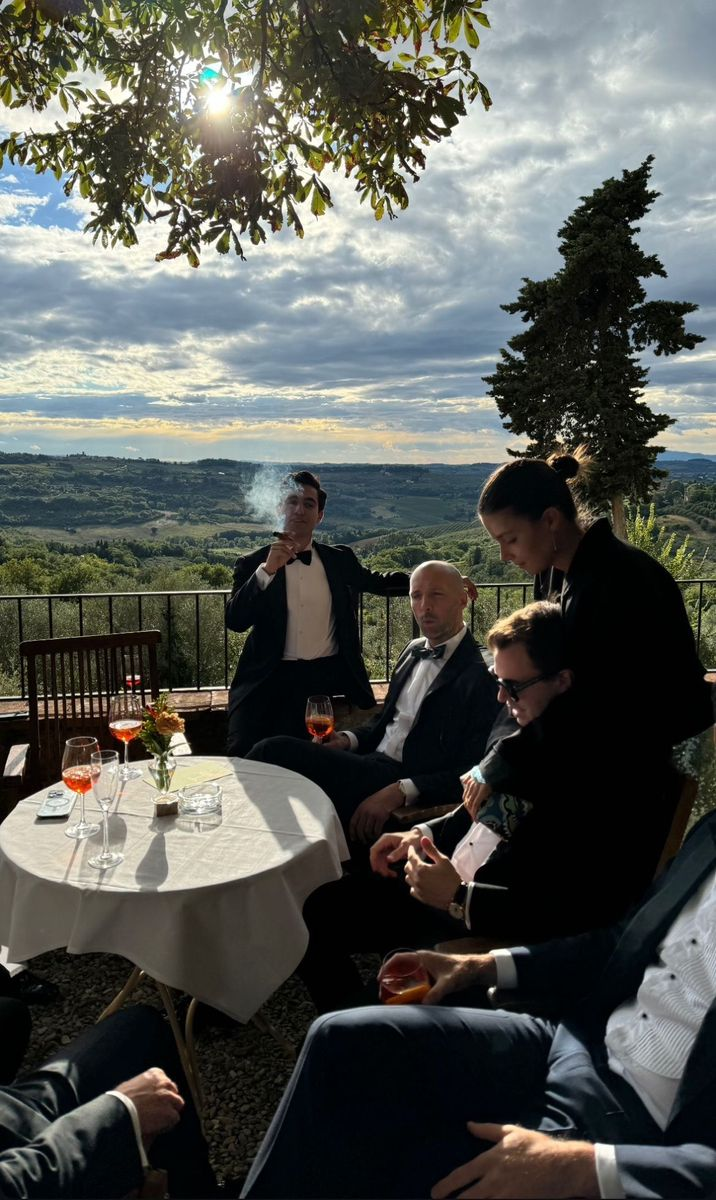
The final blackpill is not about looks.
It is about starting position.
Most of life is downstream of what you inherit before you can even speak:
money, class, stability, language, norms, networks, taste, confidence, timing, and the right to make mistakes without dying from them.
2/
People say inheritance and think only of cash.
That is the shallow version.
Real inheritance is:
time
money
ranking
belonging
autonomy
freedom
connection
The money matters. The rest often matters more.
3/
A strong inheritance can put someone 20-30 years ahead of their peers.
Not because they are 20-30 years smarter.
Because they begin life with fewer penalties, fewer delays, fewer forced errors, and more room for compounding.
4/
Money inheritance buys the obvious things:
better housing, better schools, safer neighborhoods, internships, tutors, lower stress, cleaner food, nicer clothes, legal help, family bailouts, deposits, down payments, business seed capital.
That alone is enormous.
But it still understates the truth.
5/
Time is inherited.
If your family has money, you waste less life on recovery from chaos.
Less time fixing disasters.
Less time working dead-end jobs just to stay alive.
Less time trapped in environments that crush development.
You start earlier.
You compound earlier.
You choose earlier.
6/
Ranking is inherited.
Some people enter rooms already pre-validated by surname, accent, school, postcode, body language, references, and class familiarity.
Others have to prove, re-prove, soften, translate, and self-monitor constantly.
One person arrives as a presumed asset.
The other arrives as a question mark.
7/
Belonging is inherited.
Some people move through elite settings with zero psychic tax.
They know how to speak, how to joke, how to host, how to ask, how to follow up, how to dress, how to signal they belong.
That ease is worth a fortune.
Because institutions reward the familiar.
8/
Autonomy is inherited.
If you have a cushion, you can say no:
no to bad jobs
no to bad cities
no to bad relationships
no to humiliating dependence
no to panic decisions
The poor are often not less intelligent.
They are less free to refuse.
9/
Freedom is inherited.
Freedom is not vibes.
Freedom is having enough capital, network, status, and fallback that you can survive your own judgment.
Without that, most “choices” are just constrained adaptations to pressure.
10/
Connection is inherited.
Well-connected families do not just pass down contacts.
They pass down trust chains, warm introductions, calibrated norms, higher-grade marriage markets, reputational shelter, and access to people who can move things.
This is invisible capital.
It compounds like money.
11/
Social class is the system that packages all of this together.
Class is not just income.
It is your default environment.
Your error tolerance.
Your social confidence.
Your sense of what is normal.
Your expectations.
Your calibration for power.
Your ability to convert talent into outcomes.
12/
This is why meritocracy feels fake.
Because two people can have equal intelligence and equal effort, yet one is operating from:
more calm
more legitimacy
better timing
better information
better health
better networks
better taste
better partner options
better fallback
That is not a small edge.
That is a different life.
13/
The deepest unfairness is not that some inherit money.
It is that they inherit a whole world designed to prevent waste.
They are protected from low-quality environments, low-quality people, low-quality choices, and high-cost mistakes.
They inherit smoother compounding.
14/
Starting with nothing means your first job is not “be exceptional.”
It is:
escape fragility
build skill
stay liquid
avoid traps
buy time
find better environments
convert labor into capital
convert capital into ownership
You are not climbing a ladder.
You are trying to exit gravity.
15/
The final blackpill is this:
Life outcomes are not driven by effort alone.
They are heavily shaped by the quality of what was transferred into you and around you before your own agency was fully online.
Inheritance is not just wealth.
It is pre-compounded life.
16/
And that is why some people seem years ahead before they have done very much at all.
They are not always better.
They are often earlier, calmer, safer, more connected, more legible, and less penalized.
The race is real.
The starting lines are not.
17/
So the truth is not “give up.”
The truth is “see clearly.”
See what was inherited.
See what was missing.
See what can still be built.
Then build deliberately:
money
taste
health
network
freedom
belonging
autonomy
standards
and eventually, inheritance for the next generation
18/
Because the ultimate flex is not personal consumption.
It is ending the chain of fragility and handing your children what others got from birth:
time, money, ranking, belonging, autonomy, freedom and connection.