Jason Voorhees

𝕸𝖊𝖗𝖈𝖊𝖓𝖆𝖗𝖞 𝕮𝖔𝖗𝖕 • 𝟐𝟎𝟐𝟒🥇
- Joined
- May 15, 2020
- Posts
- 95,018
- Reputation
- 288,432
According to The HSBC report. Across the US and UK 226 CEOs that were Indian or Indian origin in 200 companies and were worth ~$15 trillion collectively were analysed in a study.

 www.investopedia.com

 fortune.com
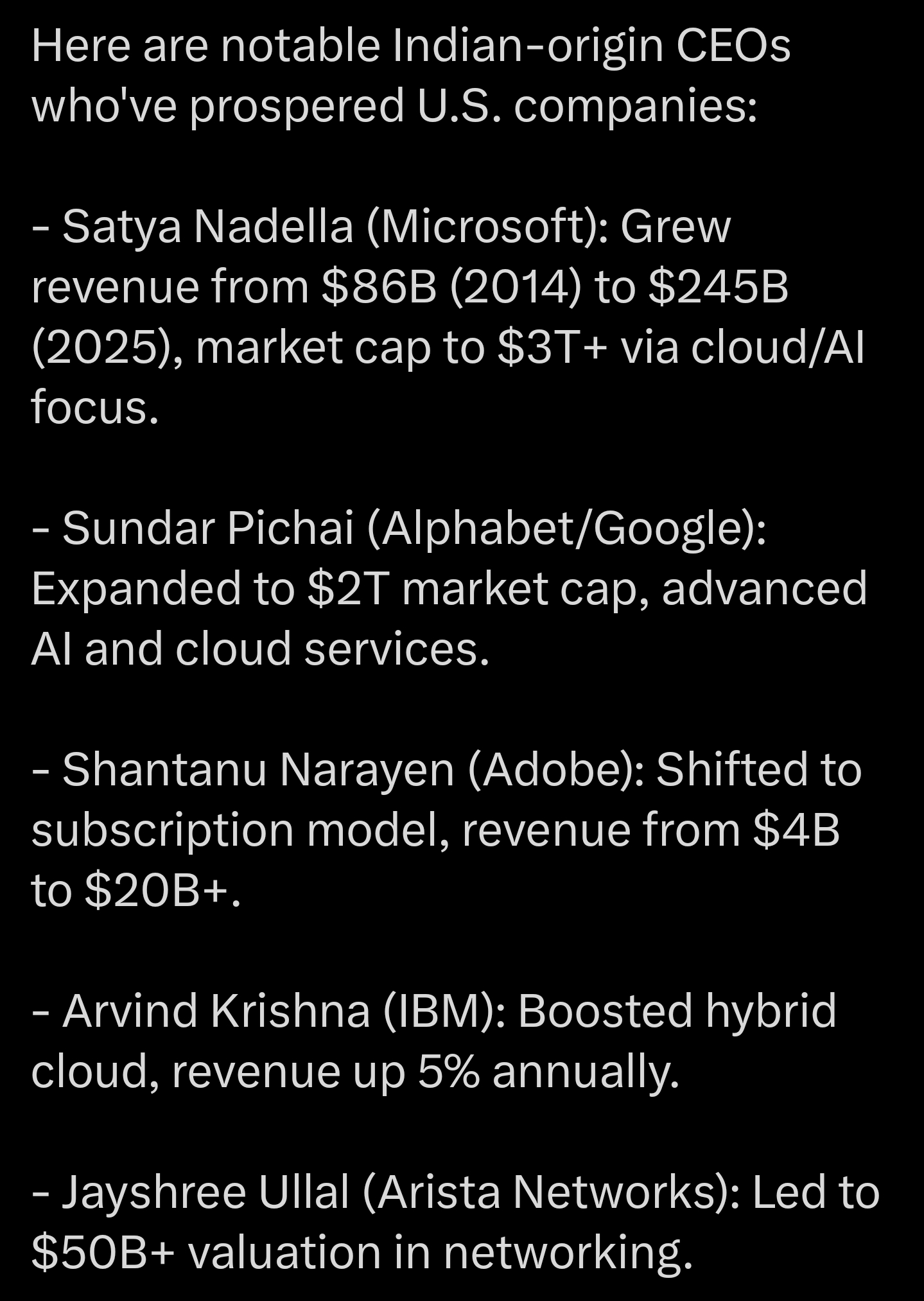
Indian CEO across the board has one recurring theme. In all the companies they entered they turned the companies into hyper efficient money making machines
But one common pattern that was found was that there was massive stakeholder turns and growth for investors, but erosion of the original "soul" creative joy, user delight, and product simplicity making customers unhappy
Summary of the case studies the reports mentioned
Adobe under Shantanu Narayen (CEO
2007-2026):
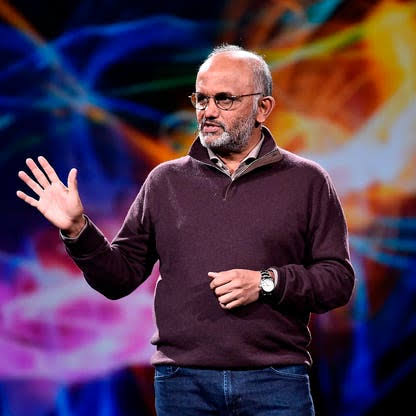
Shifted from perpetual licenses own Photoshop forever to Creative Cloud subscriptions. This created stable,
high margin recurring revenue and this along aggressive cost cutting and made strategic shifts to consolidate all power into Adobe. Result the company's market cap exploded from ~$16B to over $200B+. Shantanu did what previous CEOs took decades to do but in the process also changed the Adobe philosophy. Customers hated this shift but they had no choice because Shantanu systematically killed off all the compitition. Either use our products or go suck paint

 www.change.org
Microsoft under Satya Nadella (CEO since 2014):
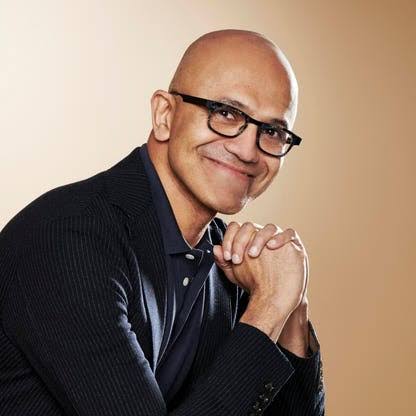
Transformed a declining giant into a cloud/Al powerhouse Azure, Office 365, Copilot/OpenAI. Market cap surged from went 3x into trillions, stock up ~10x+ but in the process did 15,000+ layoffs in 2025 to fund Al bets, neglected core parts of their software and shifted focus from windows turning windows into a buggy mess. Microsoft became microslop while profits hit records.
Google/Alphabet under Sundar Pichai
(CEO since 2015):
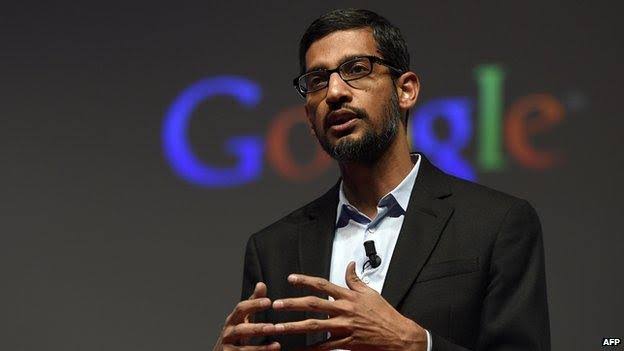
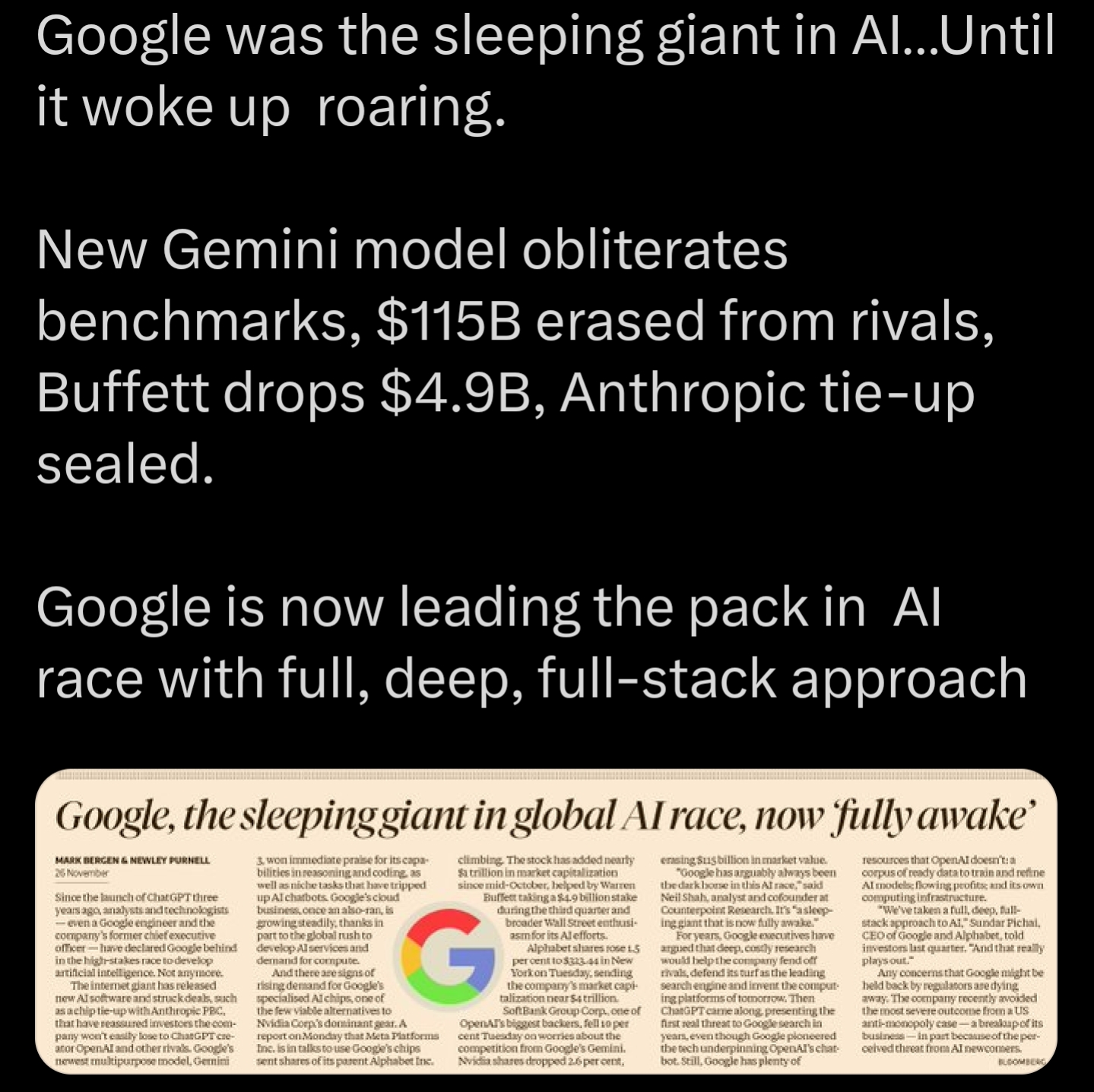
Was ignorant on AI but went full force on Al with Gemini and an entire infrastructure optimized for AI. Completely crushed the competition with his recent moves and. Market cap grew to trillions despite heavy competition and antitrust pressures.

 looksmax.org
But at the same search quality got worse, more spam, irrelevant results and "enshittification" (extra ads, less joy)
Conclusion that study and reporters arrived at was Indian CEOs are extremely at good at micro management and hyper optimizing operations because of their analytical rigor and Indian mentality of efficiency and profits above everything else.
They have saved dieing companies and made them insanely profitable by delivering massive shareholder returns through ruthless efficiency, cloud/ subscription/Al pivots, cost cutting, and metric driven management but at the expense of the company's original "soul" (creative culture, user first innovation, employee morale, or product joy).
Leading Indian CEOs at Global Tech and Pharma Giants
Discover how Indian CEOs lead global giants like Microsoft, Alphabet, and Chanel in technology and pharmaceuticals, shaping industries with innovative strategies.
Commentary: Why Indian-born leaders dominate U.S. tech's top ranks | Fortune
Microsoft's Satya Nadella, Google's Sundar Pichai, and Twitter's Parag Agrawal are leaders who can implement cultural change, writes Vivek Wadhwa.
Indian CEO across the board has one recurring theme. In all the companies they entered they turned the companies into hyper efficient money making machines
But one common pattern that was found was that there was massive stakeholder turns and growth for investors, but erosion of the original "soul" creative joy, user delight, and product simplicity making customers unhappy
Summary of the case studies the reports mentioned
Adobe under Shantanu Narayen (CEO
2007-2026):
Shifted from perpetual licenses own Photoshop forever to Creative Cloud subscriptions. This created stable,
high margin recurring revenue and this along aggressive cost cutting and made strategic shifts to consolidate all power into Adobe. Result the company's market cap exploded from ~$16B to over $200B+. Shantanu did what previous CEOs took decades to do but in the process also changed the Adobe philosophy. Customers hated this shift but they had no choice because Shantanu systematically killed off all the compitition. Either use our products or go suck paint
Sign the Petition
Adobe Systems Incorporated: Eliminate the mandatory "creative cloud" subscription model.
www.change.org
Microsoft under Satya Nadella (CEO since 2014):
Transformed a declining giant into a cloud/Al powerhouse Azure, Office 365, Copilot/OpenAI. Market cap surged from went 3x into trillions, stock up ~10x+ but in the process did 15,000+ layoffs in 2025 to fund Al bets, neglected core parts of their software and shifted focus from windows turning windows into a buggy mess. Microsoft became microslop while profits hit records.
Google/Alphabet under Sundar Pichai
(CEO since 2015):
Was ignorant on AI but went full force on Al with Gemini and an entire infrastructure optimized for AI. Completely crushed the competition with his recent moves and. Market cap grew to trillions despite heavy competition and antitrust pressures.
The Google CEO just played a master stroke to ensure google dominates
I'll explain in the simplest possible terms since everyone here has the attention span of a gold fish. When you used to search something on Google. You used to be able to see upto 100 pages but now it is reduced to 10.. Now the question. Who looks through those 100 pages anyway Jason. The...
looksmax.org
But at the same search quality got worse, more spam, irrelevant results and "enshittification" (extra ads, less joy)
Conclusion that study and reporters arrived at was Indian CEOs are extremely at good at micro management and hyper optimizing operations because of their analytical rigor and Indian mentality of efficiency and profits above everything else.
They have saved dieing companies and made them insanely profitable by delivering massive shareholder returns through ruthless efficiency, cloud/ subscription/Al pivots, cost cutting, and metric driven management but at the expense of the company's original "soul" (creative culture, user first innovation, employee morale, or product joy).
Last edited: