combatingNorwooding
Solstice
- Joined
- Mar 1, 2026
- Posts
- 2,332
- Reputation
- 9,909
By @combatingNorwooding
hi guys, this is an updated version of my previous thread I made. It’s a bit more straight to the point and pointed to aesthetics rather than normal gymcelling.
I will also make this far less complicated for the sake of simplicity.

Table of contents:
Gymcelling is LEGIT, don’t let other twinkcels tell you otherwise
first, we need to address why you should go to the gym and if you should even do it as a natty. So as a roider myself, I advice you to only start a cycle when you’re at least 2 years in the gym to see if you like what you see in the mirror because when you start roiding you will most likely fall for a rabbit hole of nonstop cycles which is not all bad but we prefer to see first what we look like when at least 2 years in the gym to see if we should even roid right? Make sense. But if you DO wanna roid and you wanna stick to that, be my guest. Roiding is great. But this is not the guide for you. If you wanna check a good guide on roiding then Click this. This is simply a guide that will practically help you learn everything you need to learn in order to make the best out of your training.
Gymcelling is one of the MOST if not THE method to increase your SMV and dimorphism.
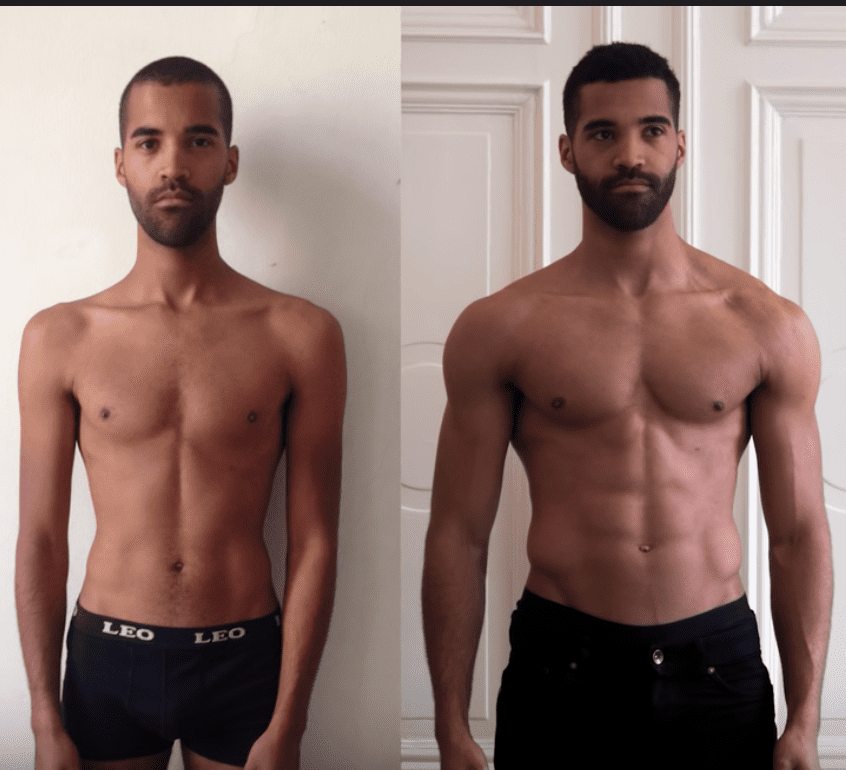
(NATTY BTW)
Even if you’re LTN you will look so much more masculine, confident and desired. Women would notice you way faster.

Totally achievable natty btw
BUT there’s a BIG BUT. Gymcelling won’t turn your life 360. They just WONT. My opinion on when gymcelling is going to make a bigger change on your dating life is if you’re MTN+, has a small waist (ideally 70-80CM circumference but that depends on your bidlet and hips), 16-20CM+ bidlet ( as a starting point) and 5’10+. A good physique will always look better when you’re tall and good looking:
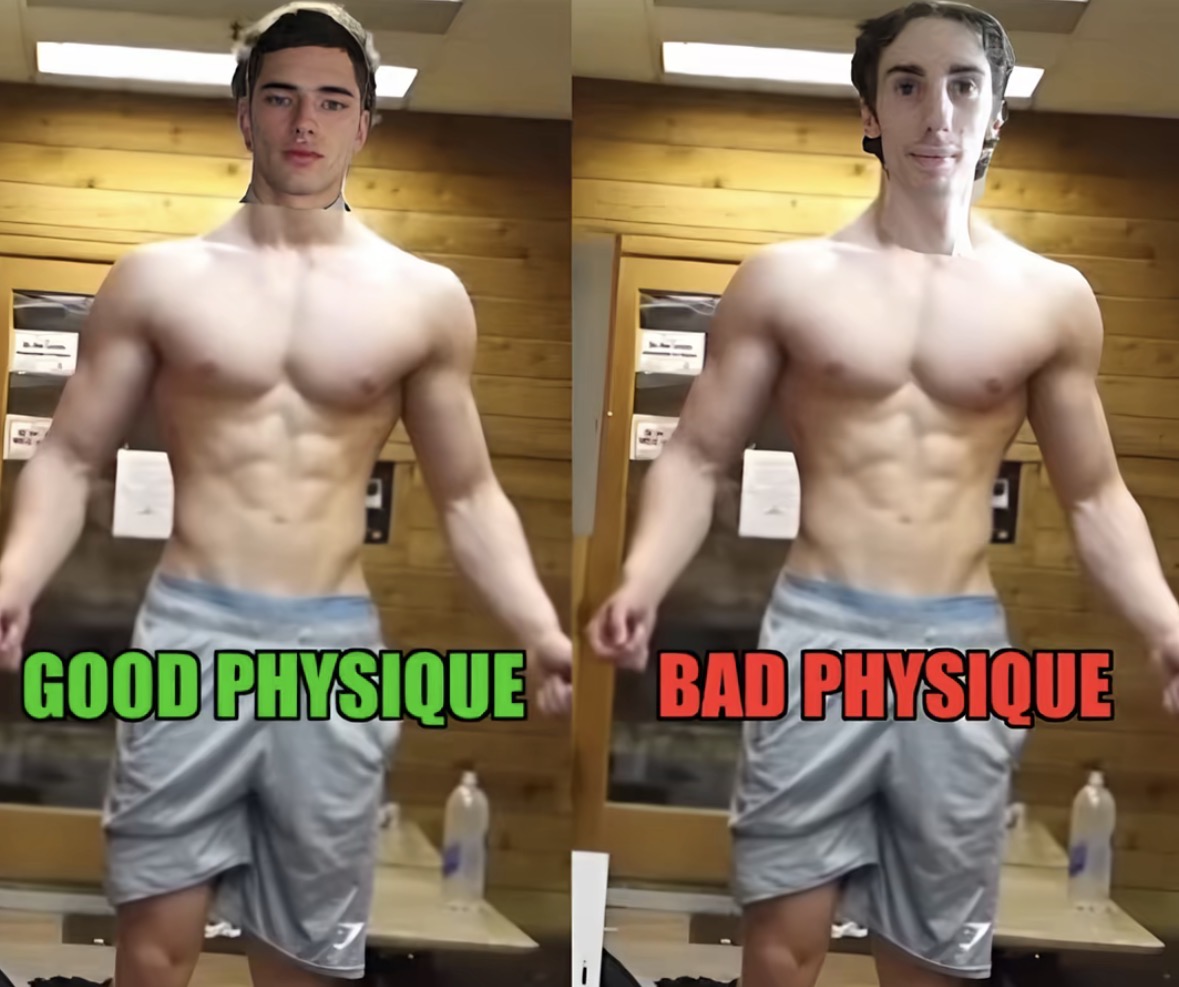
That doesn’t mean that hitting the gym won’t help you in the dating life if you’re below the requirements I listed above, it’s just that people will clown you just for trying and that will make you a “gymcel”.
But I guess people will clown you on everything you do when short and ugly.
Another Good thread about gymcelling you can keep in mind.
What we aim for
That’s enough yapping about why you should gymcel. Let’s get to the point shall we?
So like i said previously, this is a thread dedicated to aesthetic training and less of a normal routine( It doesn’t really matter but focusing on different aspects of your physique will results in a more aesthetic one!!!! ).
The objective as looksmaxers is to have aesthetic features, for instance: big upper pecs, side delts, front delts, biceps, neck and lats.
Unaesthetic features: big obliques, glutes, upper traps and potentially erectors.
The physique we chase is something like this



No, it ain’t going to be easy and you definitely need 1in 10,000 genetics and PEDs to reach this goal, BUT the objective ≠ what you will achieve.
- ideal ratios (circumference measured ideally)
- tan: having a tanned physique is a very underrated way of making your physique far better:
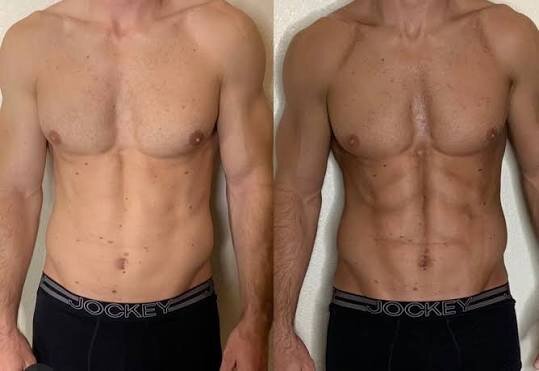

Such an easy looksmax to your face as well BTW (H2O)
You can simply tan by being in the sun (water) but to minimize being unnecessary amount of time in the sun, you can use a tanning lotion and MT1/2.
I will NOT recommend using a tanning spray since it’s stupid asf. Why risk being exposed using it when at the beach when you can simply get longer tan when ACTUAL TANNING.
- Low BF is LAW. Anything between 10-18% BF is great. Don’t go too low or too high. Being right in the middle is perfect when you’re trying to attract women. This guide changed my mind on how people perceive BF%.
- Being shaved! This is underrated but having a shaved physique will really point out your muscles. Hair can hide some features. I would aim to trim your chest, back, legs, and armpits hair. ONLY SHAVE/TRIM IT IF ITS TOO HAIRY!!! This is very important since if you don’t have much hair theres no reason to fixate over those little things, it won’t looksmim you by any means. If you want Check this guide to know where/how and when to shave your body hair.
- acneless body. When your physique is full of acne it looks awful. It’s pretty obvious so I have nothing to say.
I would fix it by eating a good diet, try to minimize sweating and if this doesn’t help then use accutane.
Simplest way of looking at hypertrophy (terms you need to know)
-progressive overload
Without this, you have nothing. Every gym has men in their 30s/40s lifting very light weight despite working out since they were in highschool. And their physiques reflect this. it. For the sake of keeping things simple, I am going to use the definition for progressive overload that I believe makes the most practical sense.
If you curl 30lb dumbbells for 5 reps to failure in a session with a 1 second concentric (positive portion of the movement) and a 2 second eccentric (negative portion), you would need to increase to 6 reps or more the next session or complete 5 reps the next session with more weight and the same tempo to be considered progressive overload. This does NOT mean there has been no improvement if you do the same number of reps and weight. It simply means in this context you would not call it progressive overload.
For example, in the previous scenario if you performed the dumbbell curls the following session for 5 reps with the same weight and tempo, but there were noticeable differences in the amount of effort needed to perform the task, that can also be a sign of improvement. But to keep things as simple as possible, we are going to define progressive overload as simply the increased reps, weight, or both from here on out.
NOTE: you DONT force progressive overload you let it come to you. What does this mean? This simply means you need to only increase the reps/weight when you get to the point you wanted to. That’s why we use a double progression model. This model simply means that you pick a rep range, lets for example take the 5-8 rep range. When you get to 8 reps with a particular weight with strict form and ideally 1RIR, then you add weight accordingly to the exercise so you will next set perform 5 reps. That way you can always know when to add weight.
-RIR (Reps In Reverse)
This concept pretty much explains itself. It merely refers to the number of additional reps you could have performed if you were to take a set to failure. You can think of 0RIR as failure. I know that’s a bit contentious to some, but it will keep things simpler for us, especially when programming. If you did 9 reps but could have attempted a 10th that would be 1RIR. 8 Reps would be 2RIR. So on and so forth.
Beginners find it hard to gauge RIR because they don’t know what failure feels like.
Because of this confusion I typically don’t quibble over the definition and when I say 1RIR I view 1RIR as “not failure” even if I don’t think I could get another rep. Luckily for us, hypertrophy is not going to be dictated on us arguing over what we consider 0 or 1RIR to be, as growth can be achieved with sets that are taken to or close to failure. The mere difference between 0RIR to 1RIR is simply to lower fatigue while still keeping high tension.
-ROM (Range Of Motion)
This is a topic that often gets confused because people regularly refer to things as Full ROM and Partial ROM as if there isn’t more nuance. For example, full ROM on a squat is often thought of as bending the knees until they will no longer bend (butt as low as possible) and then standing up until the knees are completely straight. However, there is a very clear point when the subject performing the exercise is no longer providing a quality stimulus to the acting tissues.
Telling the subject that they must fully straighten the legs after this point to achieve Full ROM is arbitrary and likely unnecessary, as they could directly reverse their momentum into another rep. That is why you may hear me refer to some movements as “Arbitrary ROM”. Fully straightening the legs above a point where the acting tissues are provided any meaningful stimulus would be an example of Arbitrary ROM. In general Full ROM can be used when in doubt, but it will not be necessary for all muscle groups at all times to achieve an adequate stimulus. There is muscle ROM and a movement ROM. Two completely different things.
-redundancy
Everyone has seen the person in their gym that walks in, grabs a barbell and does 3 sets of curls before moving to the dumbbell station, doing 3 sets of curls, and then finishing off with straight bar cable curls for 3 sets. This would be a good example of exercise redundancy. You are challenging the same muscle group through a very similar movement pattern.
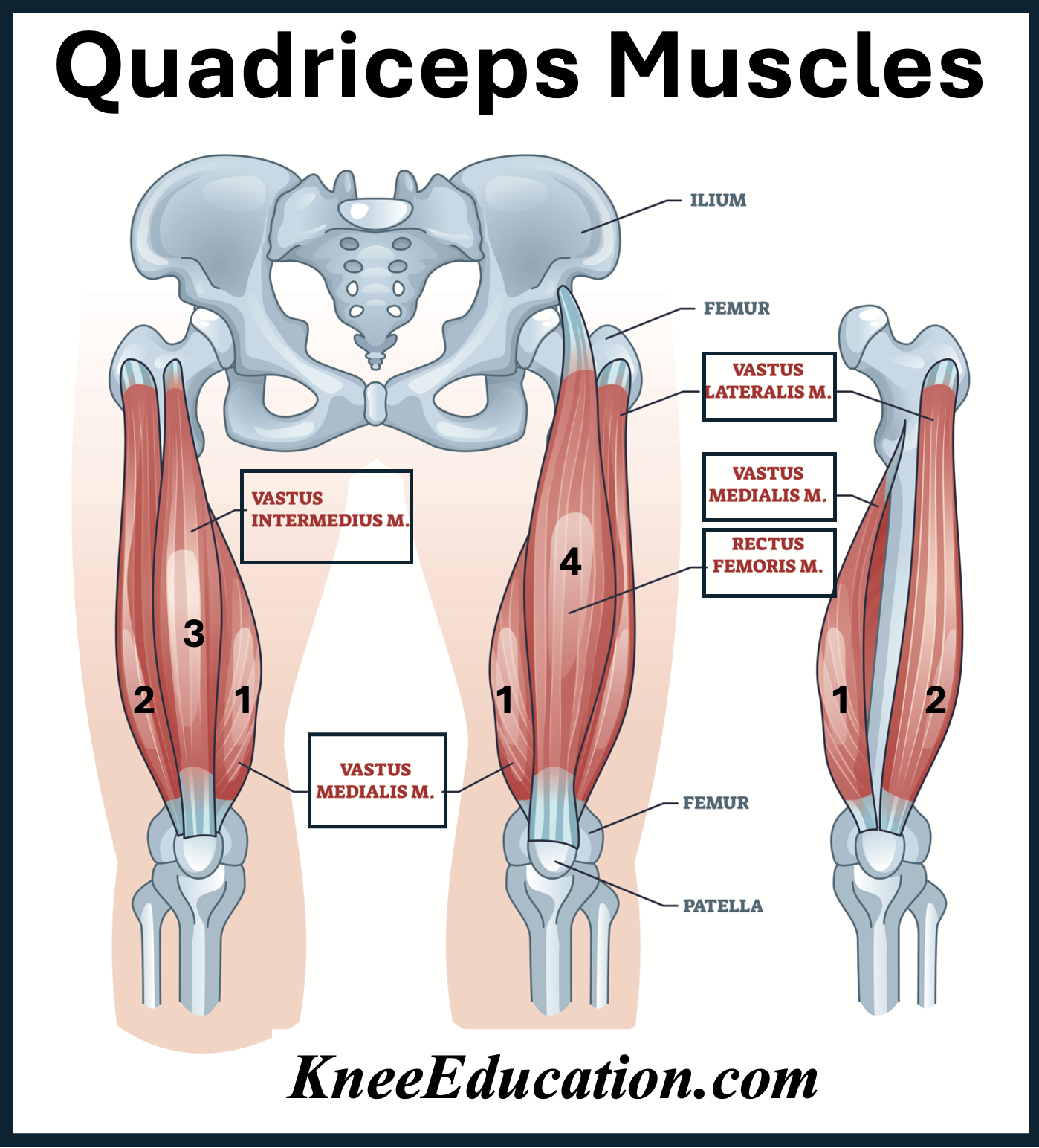
This does NOT mean that you can never work the same muscle group in different ways during a session. If you decide to do a pressing motion for the quads and a leg extension in the same session we would not consider this complete redundancy. While they both emphasize quadriceps, they have more tension in different portions of the movement and even work slightly different muscles. (Squats barely work on the rectus femoris, while leg extension work all the heads of the quads).
-intensity
In a hypertrophic context intensity refers to proximity to failure. The closer to failure, the higher the intensity of the set. 5RIR or more would be considered low intensity by almost everyone in the science based community. People may quibble over what they would consider to be "high intensity", but at the very least we can agree that getting closer to failure is progressively higher intensity with 0RIR most certainly being "high intensity".
Forcing failure is DUMB tho. You already reached 0RIR, why keep going? You are only adding unnecessary fatigue not stimulus. That’s why drop sets, super sets etc are BUNS.
-volume
Volume in a hypertrophic context is always referring to the number of working sets done. This is not to be confused with volume load which is the total amount of weight moved in a workout. So if I say that my volume for the biceps is 4 sets this means 4 sets WITH high intensity. Warm up sets are not counted towards volume. A working set is defined as being within a predetermined proximity to failure. If the RIR is very high (4+), it should NOT be counted as a working set. That would count towards warm ups.
-Stability
This is a highly contentious topic (but shouldn't be) within the bodybuilding community. Generally speaking, stability is something that you should seek out within an exercise if hypertrophy is the goal. And deep down every bodybuilder knows this. If you ask someone the best way to grow their back and they give you this exercise..
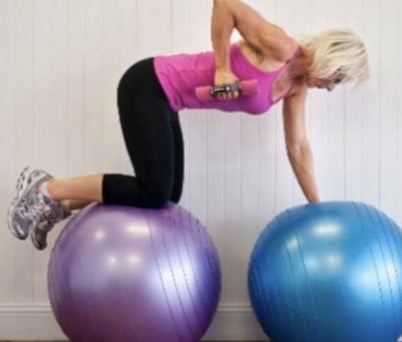
You would automatically know their advice is fucking horseshit. So the TRUE point of contention is not whether stability matters. It’s how much it matters.
For example hack squat is a very stable exercise to hit the quads, so why would you choose to do a back squat ? (a very unstable movement)… you can choose the back squat, it will just be less stable. It’s still a great exercise.
In MOST cases, additional stability is a good thing for muscle growth. It allows us to more intentionally focus on the muscle group we want to grow and less on coordinating the movement. You see, people often separate brain and muscle, but the two are intrinsically linked. If the brain is spending too much of its attention on stabilizing the body, it will actively take away from the stimulus we are working for. This does NOT mean that you can’t grow a muscle without perfect stability. It simply means that, generally speaking, it makes more sense to pick the more stable exercise IF all else is equal (path, resistance profile, comfort).
This is why you will see people within the science based community opt for quality machines over free weights in many circumstances. This is not to say that the use of free weights will not lead to growth. In fact it would be moronic to say that it won’t. But if the movement pattern and construction of a machine is biomechanically solid, it is difficult to make the argument to choose the free weight option for maximum efficiency. Having said that, at times the construction of the machine can be imperfect leading to the free weight option being a higher quality choice despite increased stability demands. How this looks in your home gym will be individualized.
-Frequency
If I could choose one topic that has the most buzz surrounding it at the time of creating this, it would be frequency. It currently is HIGHLY contentious and I will attempt to be as impartial as one can while discussing it. To understand this discussion, I probably should give you a couple studies that influenced people’s thinking on this topic. In 2016 this paper was released by Brad Schoenfeld et al.
I will not go into every detail of the study, but the conclusion is when comparing studies that investigated training muscle groups between 1 to 3 days per week on volume-equated basis, the current body of evidence indicates that frequencies of training twice a week promote superior hypertrophic outcomes to once a week. It can therefore be inferred that the major muscle groups should be trained at least twice a week to maximize muscle growth; whether training a muscle group three times per week is superior to a twice-per-week protocol remains to be determined, but we can potentially say it’s better since if the studies show the same outcomes we can look at mechanisms as well. 3x is better than 2x mechanistically.
Seemed pretty straightforward and for at least a few years the majority of people agreed that training a muscle group with a frequency of more than one time per week yielded superior results. However, just a couple years later, A paper by the SAME author came out.
Contradicting the previous review, this paper stated in the abstract:
And gave the practical takeaway:
“Thus, for a given training volume, individuals can choose a weekly frequency per muscle groups based on personal preference.”
In other words, the update was that overall volume per week was what mattered and NOT whether a muscle group was being trained multiple times within the training week. Alas, it was only the beginning of the war. People began to question these findings. Certain mechanisms weren’t adding up. Here are some of the questions people began to have:
These questions/mechanistic issues have led many people to believe that the takeaway from this review must be wrong. That frequency matters and weekly volume is not the highest quality metric to make the foundation of hypertrophy programming. And that leads us to our next topic.
-fatigue
This is also a hotly debated topic. And for those that are worried about how to practically apply things we’ve talked about, do not worry. We will get to that later. I am merely outlining the current landscape for smart/effective training.
Now back to fatigue. We have two types of fatigue that we generally care about when it comes to deciding how to train. We have CNS fatigue. And peripheral fatigue.
Peripheral fatigue can be thought of as the fatigue that directly inhibits specific muscle groups from operating at full capacity, while CNS fatigue is a reduced capability of the brain to send proper signalling to the muscles. Peripheral fatigue is why we don’t want to do too many sets for an individual muscle group in a session, and CNS fatigue is why we don’t want to do too many total sets within a session (or across multiple days), regardless of which muscles are being trained.
Fatigue is why this next topic matters so much.
-sequencing
Imagine you’re a track athlete and I told you to run 100m as fast as you possibly could. Let’s say you achieve a time of 13.5 seconds. I then give you 5 min to recover. Your heart rate goes down, your muscles aren’t sore and overall you feel good. I then ask you to do it again. Do you think your time would improve? Assuming you did things right the first time around, you would not expect to run faster the second time around. In fact you would expect to be slightly slower. Despite feeling good, fatiguing mechanisms are still present, and this reduces output.
Even if you did happen to run as fast the second time due to an unforeseen variable, do you think you could do it again the 3rd time? How about the 4th? Slowly you would be forced to admit that your body just isn’t capable of putting out a max effort repeatedly, even with enough rest time for the heart to slow and the muscles to “feel” relaxed. We fundamentally understand this when it comes to sport, but fail to apply it at the gym.
If you had 8 total exercises to perform in the day and biceps were the muscle group you wanted to grow the most, it would be foolish to make biceps the 8th exercise in the day. Fatiguing mechanisms lead to decreased output and ultimately less growth. Whenever you are deciding how to program your workouts, sequence based on the goals for your physique. Of course genetics will mean that some muscles grow easier than others. But if your strong points are being sequenced first in your workouts, they will even more significantly outpace your weak points than they already are.
Programming 101 (how to create your own gym routine)
programming in the gym simply means how you are managing volume, fatigue, recovery, exercise selection & order overtime In this section i will go through how to program your own gym routine while still keeping everything simple.
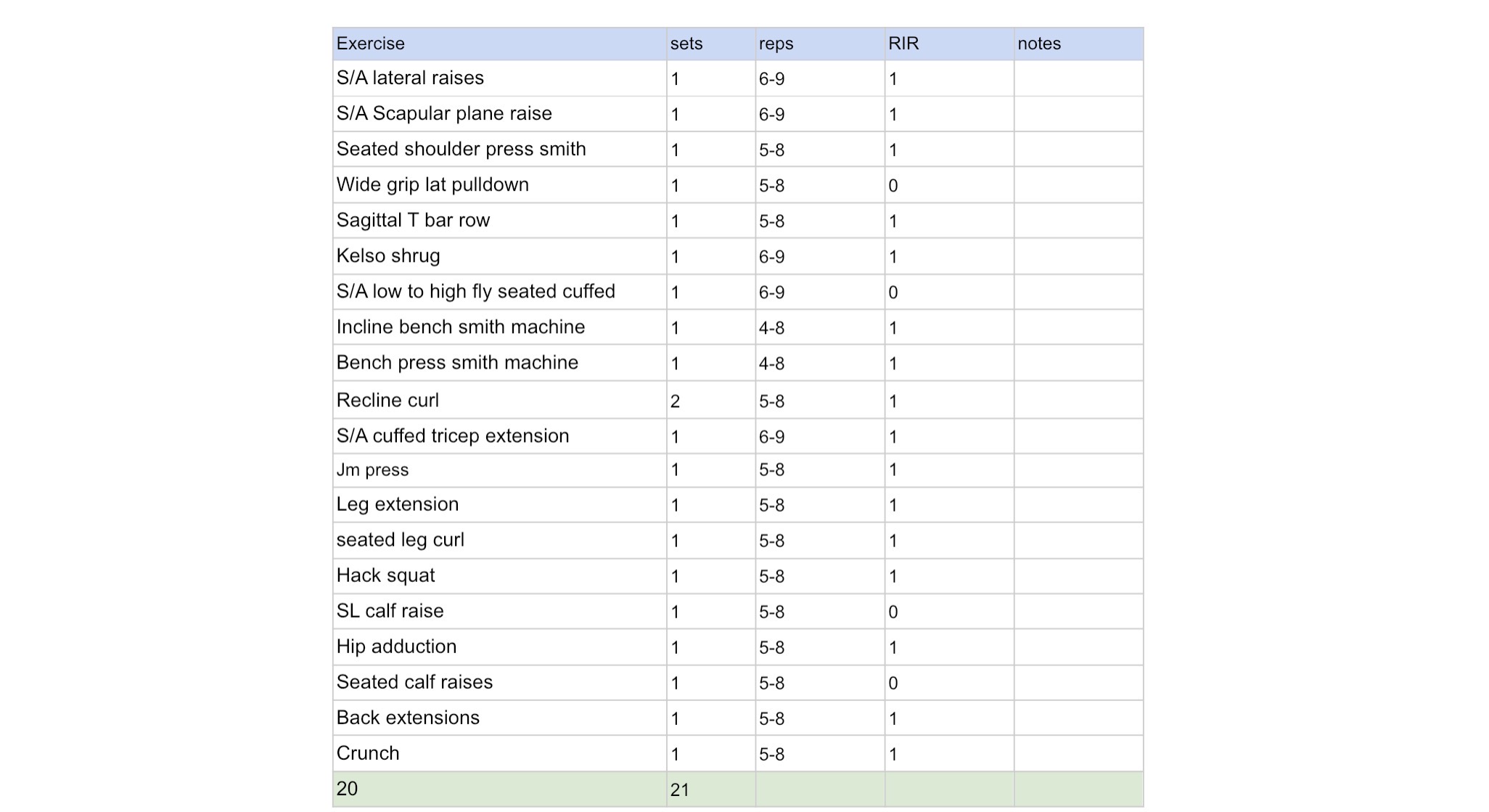
For instance this is my FBeod (every other day) program:
Quick note: I advice you to have a logbook written to you in docs/XL and a logbook where you use during your workout to know what weights & reps you have done last session so it will help you compensate your current session. Good apps for this are Hevy and Tracked. I currently use Tracked because I support keenaRmalloy if you are not tapped in, tap in.
-Frequency
First thing we need to decide is what general frequency you’re going to do for a muscle group. The overall body of literature seems to suggest that working a muscle group more than once a week is preferable for growth.
In the end, your safest bet is going to be a training frequency that you enjoy and gives adequate stimulus and rest.
If this answer does not satisfy you, I apologize but based on the current available mechanistic AND outcome data I will not give you a firmer stance. Both can be done with VERY high efficiency. I would argue that even 1x/week training has shown solid efficacy given adequate volume (sorry to everyone who wants me to say that you will grow zero muscle and implode with 1x/week frequency).
However if we look at things objectively (especially with lower volume training) it becomes very tough to argue 1x/week being able to compete with 2 or 3 times per week frequency. Which brings me to my next important point. How many sets I suggest you program for a muscle group will change based on your overall frequency. If you are only training a muscle group 1x/week, I would suggest keeping your volume quite high. Simply put, you will both have a long time to recover and possibly a long time for atrophy if you go 7 full days without a significant stimulus. So while I don’t generally advise training muscle groups 1x/week, if you do, I would prefer a rather high volume OR intensity techniques (drop sets, super sets…) being added to some sets if you are planning on keeping set volume relatively low.
With that sidenote out of the way, training with more than 1x/week frequency (if smartly managed) will likely lead to better results for the majority of lifters. This does NOT have to be exactly 2 or 3x frequency. some even do 3.5x frequency or higher. There is nothing inherently special about 7 days and your split does NOT need to be based around a calendar week. It is the format that most people adopt because humans like organization, but it is by no means a necessity.
-volume
As we hinted at before, volume is fundamentally based on frequency.
Your volume is going to be HIGHLY dependent on your frequency with the two being inversely proportional (As volume per day goes up, frequency must come down). My guideline in the majority of cases (assuming sets taken to 0-1RIR) would be as follows:
• 3x/week frequency or more: 1-3 direct sets/day
• 2x/week frequency: 2-6 direct sets/day
• 1x/week frequency: 6+ (can obviously be quite high)
This may seem quite low (and compared to a lot of bodybuilding history it is) but I would contend that there are many reasons this can be highly effective. One reason is that many people simply don't train as intensely as they believe and therefore miss out on stimulus on a set per set basis. And the other is that I'm referring to DIRECT sets. Much of the literature involving volume gets heavily bogged down by indirect sets.
Hypothetically let's imagine a program that only uses single joint movements. The goal of the program is to train all of the major muscle groups most heavily associated with bodybuilding (not aesthetics gymcelling, so don’t take those muscle groups for granted). Those are as follows:
Calves, Adductors, Hamstrings, Quads, Glutes, Erectors, Lats, Traps/Rhomboids, Chest, Biceps, Triceps, Abdominals, Shoulders (could be split into anterior, middle, and posterior, but we’ll just keep them together for the example)
Here we are looking at a MINIMUM of 12 muscle groups and, if isolated/severely biased, 12 exercises. Automatically that would mean 36 total sets in a week for the 3x frequency MINIMUM and going over 100 total weekly sets if 3 direct sets were done each day. Add to this that many people who are currently attempting to isolate every possible exercise are also doing a majority of their exercises unilaterally AND doing multiple movements per muscle group for even more severe biasing. This is a maximalist way of viewing programming and can easily lead to hundreds of working sets.
That being said, part of the reason compound movements are so heavily relied upon is due to their ability to reduce overall set volume. Imagine if someone does a squat pattern and counts that towards glute, adductor and quadriceps volume. Throw in a chest press and a non chest supported row and you’ve now (in many people’s minds) put at least some volume towards every muscle group listed other than the calves. 3 movements, 11 muscle groups. This would be the minimalist way of viewing programming. 1-2 sets in a day for each movement and you could be doing as little as 15-20 total working sets in a week.
As with most things, I personally believe that the true solution for the majority of people is going to lie somewhere in the middle. If the literature has taught us anything about maximizing muscle growth, much to the chagrin of absolutists, it has taught us that there are a number of very efficient ways to get to the same goal (building an aesthetic physique).
-How to program your own routine
i won’t go into the weeds of how should your program look as a beginner (1-2 years of lifting) /intermediate (3-5) /advanced (6+) since I already have went through it Here and I don’t want this thread to be too long. I will summary what I wrote in that thread to here for the sake of simplicity.
1. - choose your split
You can genuinely choose any split you want as long as you recover from it, you make good gains from it and you enjoy it. The main splits I think are great to do are PPL, UL, FB 3x, FBeod. These 4 are great and WILL give you great results no doubt. Splits don’t matter as much as people think so just do whatever you enjoy. I think anterior posterior is ASS, does that mean it won’t give you results ? Fuck no. It will give you great results it’s just that some other splits will yield you better results.
2. -exercise selection
Stability, set up time, enjoyment and progressive runway are the 4 pillars of exercise selection. Pick the most stable exercises you can, that you enjoy and that take little time to set up and most importantly, perform the joint action of the group you tryna bias. I already went over ALL the joint actions each muscle perform Here but I will summary it here and list the joint actions of the major muscle groups we are going to focus about.
Upper pecs- Shoulder flexion in the top half of the ROM. So any low to high fly in the top ROM of the movement will be great. To potentially bias more fibers you can also add a supinated smith machine incline bench.
Side delts- shoulder abduction. Any lateral raise will cover the most of the side delt.
Front delts- shoulder flexion. The front delts is a strong shoulder flexor even tho the chest take most of the work at the top half of the ROM. Any shoulder press will target the front delts very well.
Biceps- Elbow flexion with supinated wrist. Any curl will work it just as well.
Lats-Shoulder extension and Shoulder adduction. Any close grip row/pulldown and wide grip pulldown with target both well. Shoulder extension is a bit more upper fibers of the lats and the latter is more lower fibers.
3. - prioritized muscle groups
Now that we noted these muscle groups let’s get into how to prioritize them in your program. As you saw earlier with my gym program, my side delts, lats, upper pecs and biceps are earliest in the session. This will help me prioritize these muscle groups since I will have the least amount of Supra Spinal CNS fatigue hence much more energy and motivation to perform these exercises thus they will grow the most compared to your other muscle groups.
4. -The 4 pillars of exercise selection
I mentioned it earlier but I will go a bit more deeply into this. Enjoyment, stability, set up time, progressive runway are the 4 most important pillars to look for in an exercise.
What’s the point of doing an exercise if you don’t look for doing it in the session? Choosing an exercise you like will give you more motivation and will help with consistency over time. Stability is just as important. For example: if you want a good chest exercise, don’t choose bench press. It’s a very unstable movement compared to other exercises like chest press, pec deck etc. this DOES NOT mean I’m advising to never do bench press. Actually, bench is a solid movement to grow your chest but there are better ones that you could choose. set up time is not as important as the other pillars here but it does plays a major role on your sessions. When you take more time performing an exercise than actually doing it, it will just make your session longer for no reason which we don’t want to happen. And the last pillar is progressive runway. This is basically the amount of weight you can put on an exercise. An exercise with a bad progressive runway would be something like an hip adduction, it’s very easy to max out.
5. - Exercises > sets.
I advice to also do more exercises > more sets. What does this mean? This simply means that you should always look for more exercises to do rather than doing more sets of the same exercises. Why? Because hypertrophy is muscle fiber specific. Not muscle groups specific. This means that for example if you perform 2 sets of chest press for the sternal costal head (mid-lower chest) then you better off doing 1 set chest press and 1 set pec deck, this will assure you will activate some muscle fibers that weren’t activated in the chest press. Like you see in my program. I choose to do 1 set per exercise rather than 2+ sets in 1 exercise except the recline curl that I perform 2 sets in and it’s simply because I enjoy that exercise. Also, single sets can lead to more motivation. When you only have 1 set for a specific exercise you are probably going to feel more motivated.
6. -RIR
I won’t go deeply on this since I already explained this previously but i think I need to mention something. I advice to do 1-2 RIR on compound movements and 0-1 RIR on isolations. That way we can minima fatigue and still get adequate stimulus.
7. - progression
How to know if your program is working ? You progress over time. His is the best mark to note when wanting to see if your program is good or not. You did 70kg bench for 7 reps 6 months ago and now you do 80kg bench for 8 reps ? Congratulations your program is great.
Things to keep in mind is MAV (maximum adaptive volume), MEV )minimum effective volume) and MRV (maximum recoverable volume). You should train between MEV and MRV which will results in your MAV. The only way you are going to find it is by error and trial. Experiment, check your logbook, see when you progress etc.
A very good way of increasing your motivation in the gym is listening to music.
Affect Behavior Cognition (ABC)
Music can influence performance in many ways.
• Psychological (Mood, Emotion, Affect)
• Physiological (Heart Rate, Hormonal balance)
• Psychophysical (Perceived Exertion)
• Ergogenic (Work Capacity, Endurance)
How to maximize these effects for biggest performance boost:
• Prioritize self-selected / preferred music
• Match tempo to exercise intensity (120-140 BPM for most lifting)
Strategic Timing can be like this- be pre task for arousal/priming (High-energy, self-selected) (Improved power/motivation), In-task for distraction/sustainment (Tempo matched) (Lower RPE/improved endurance), Post-task for recovery (Slow tempo) (Faster HRV/Improved recovery)
Looping your favorite song during working sets can build Pavlovian Conditioning
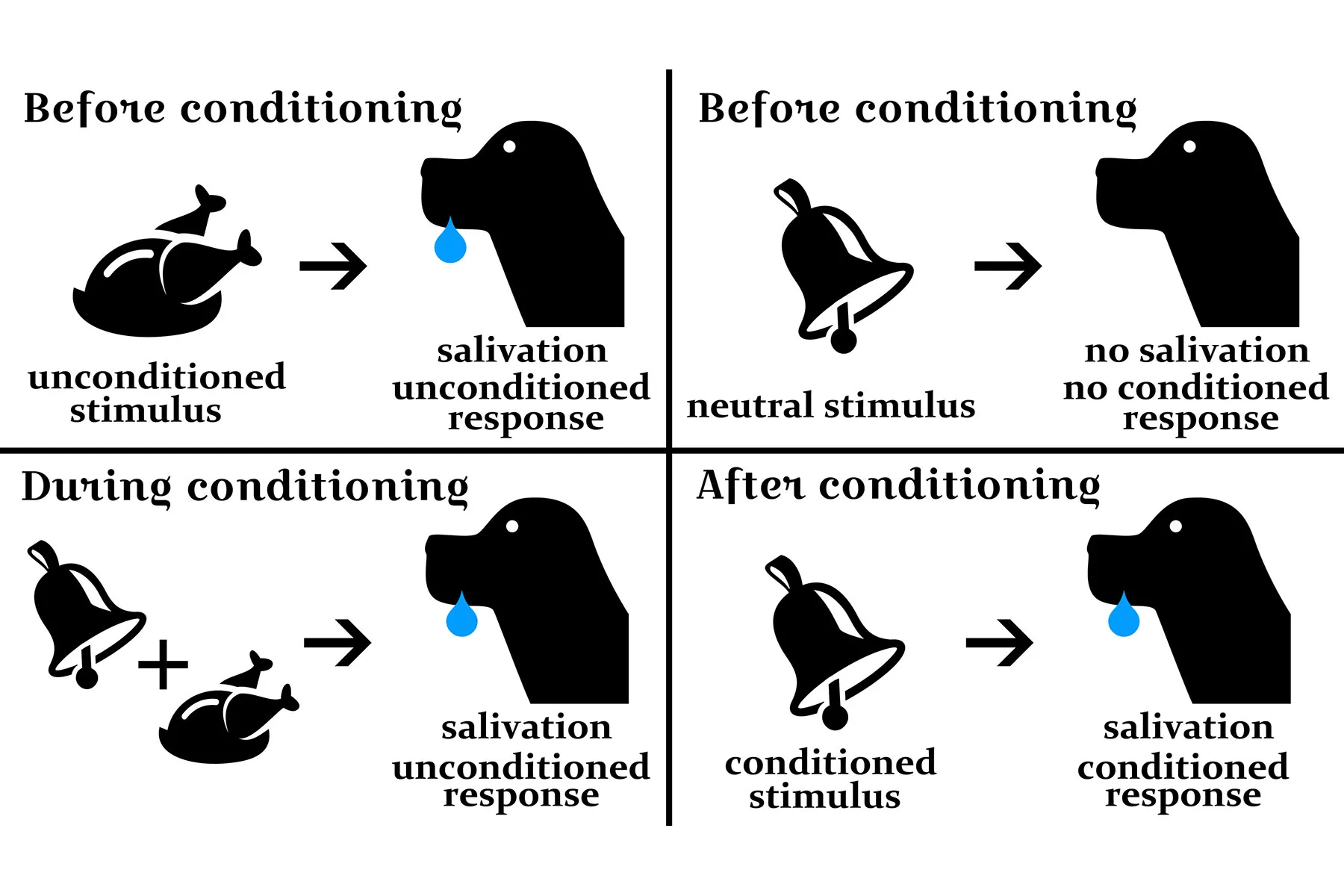
Training your brain to "go" the moment it plays
But potency can fade, neural Habituation = Brain downregulating to repeated stimuli. Dopamine/motivation hit weakens after 2-4 weeks of heavy use
Rotate core songs every 2-4 weeks or when ever you feel like they don’t hit the same
Sleep & nutrition
-sleep
Your sleep routine is just as important as your gym routine. Your gains happens when you sleep. Bad sleep = bad gains. As simple as that.
I won’t get TOO deep into this since there are countless guides on this forum about sleep and most of you probably know what to do.
Best time to sleep is between 22:00-00:00 and wake up at 6:00-8:00.
Bad sleep is awful for looksmaxxing but it’s awful for literally everything else, like brain function, energy, health indicators and most importantly your physical capabilities- Chronic Lack of Sleep is Associated With Increased Sports Injuries in Adolescent Athlete
You should sleep around 7-9 hours a night.
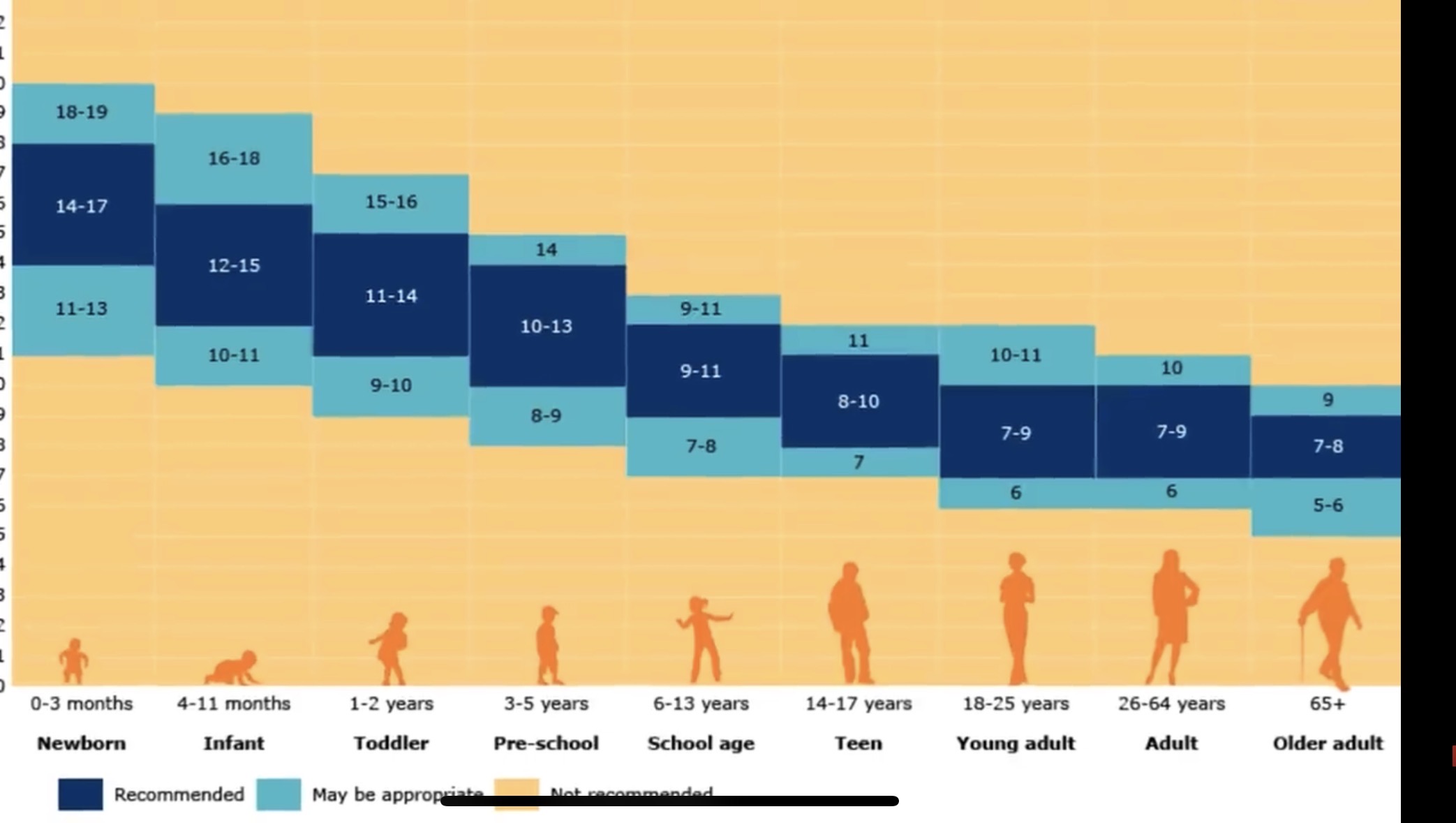
how should you sleep max then?
-Nutrition
IMO, diet is kinda overrated, but it is undoubtedly will make a major difference in your gains. I just don’t think you should over fixate on every single thing in your diet. It’s important but you don’t notice much difference if you eat 100g of protein and 150g of protein.
The basics should be eat 3-4 meals a day so your body can digest each meal properly, try to spread protein, fat and carbs evenly between these meals.
-Calories
The first step is to find your maintenance calories. You can use a TDEE calculator by entering your age, weight, height, and activity level. This will give you a starting point for your maintenance. The most accurate method is to track your calories and your weight for 3 to two 4. If your weight stays stable during that time, those calories are your maintenance.
Once you know your maintenance, you can decide your goal. If you want to cut fat, you should eat below maintenance, typically around 300 to 500 calories less per day. Cutting is appropriate if your waist is growing, your abs are not visible, or your body fat is higher than you want. Eating around maintenance is ideal if you are in a healthy body fat range, approximately 12 to 17 percent, and want to maintain your current weight. It is important to check your body and not rely solely on numbers. A BMI calculator can serve as a rough guideline. A BMI below 18.5 usually indicates you are underweight and may benefit from bulking. A BMI between 18.5 and 24.9 is considered normal and suggests that maintaining or doing a lean bulk is appropriate. A BMI over 25 often means you should cut. Keep in mind that BMI is not perfect because it does not distinguish between muscle and fat.
According to BMI, Ronnie Coleman is obese
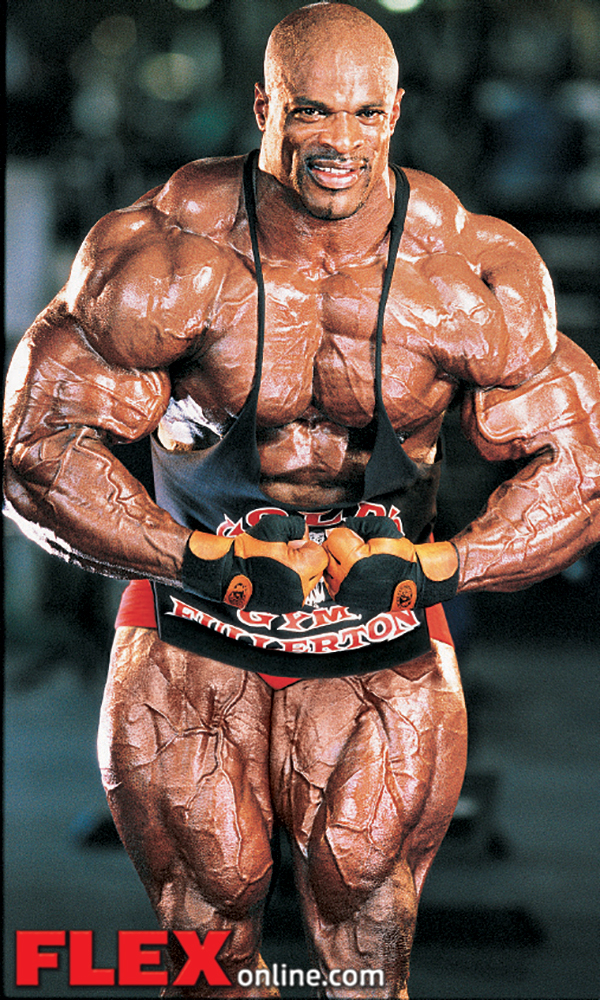
Visual assessment is crucial. If you cannot see your abs, your veins are not visible, or you just look fat overall, cutting is recommended. If you appear very lean but struggle to gain strength and muscle, a bulk may be necessary (CONSIDERING THE LIMITING FACTOR IS YOUR DIET AND NOT ANYTHING ELSE LIKE YOUR SLEEP, TRAINING PROGRAM etc).
You should adjust your calories as you go. Track your progress weekly.
-macros and micros
For those who can’t differentiate between them, it’s simple-
macros = fats, carbs, protein.
Micros = vitamins and minerals.
So I will divide this into 2 subsections which are micros and macros.
-Micronutrients
Micronutrients are the vitamins and minerals your body needs in small amounts to function properly. They are critical for performance, recovery, hormone balance, and overall health. Even if your calories and macros are on point, a deficiency in micronutrients can limit your results and leave you constantly fatigued or under-recovered.
Vitamins are organic compounds your body mostly cannot produce on its own, so you must get them from food. Each vitamin helps with different things, for example: Vitamin A is important for vision, immune function, and cell growth and can be found in liver, carrots, sweet potatoes, and dark leafy greens. Vitamin C supports collagen production, acts as an antioxidant, and aids recovery, and is found in citrus fruits, peppers, and broccoli. Vitamin D is crucial for bone health, immune function, and testosterone production, and can be obtained from sunlight exposure, fatty fish, and fortified foods. Vitamin E is another antioxidant that protects your cells and is abundant in nuts, seeds, and vegetable oils. Vitamin K is essential for blood clotting and bone health and is found in leafy greens, broccoli, and fermented foods. B vitamins, which include B1 through B12, help convert food into energy, support red blood cell production, and maintain nervous system function. They are found in whole grains, meat, eggs, dairy, and leafy vegetables.
Minerals are inorganic elements required for essential bodily functions like muscle contraction, nerve signaling, fluid balance, and enzyme activity. Calcium supports bones and muscle contractions and is found in dairy, leafy greens, and fortified foods. Magnesium is involved in hundreds of biochemical reactions, including energy production and muscle relaxation, and is found in nuts, seeds, and whole grains. Sodium and potassium maintain fluid balance and proper nerve and muscle function, and are found in salt, bananas, potatoes, and vegetables. Phosphorus contributes to bone structure and energy metabolism and is present in meat, dairy, and beans. Iron is critical for oxygen transport and energy levels and is found in red meat, legumes, and fortified cereals. Zinc supports immune function, hormone production, and protein synthesis, and can be obtained from meat, shellfish, and seeds. Other minerals like copper, sulfur, and fluoride play specialized roles in enzymes, tissue repair, and bone health.
Iron deficiency can cause persistent fatigue, while low vitamin D or magnesium can affect testosterone and muscle function. B vitamin shortages can make energy production less efficient, leaving you drained during workouts. The key is consistency. Eating a variety of colorful vegetables and fruits, incorporating dairy, nuts, seeds, whole grains, meat, eggs, and fish ensures you cover most vitamins and minerals. If your diet is limited or you suspect deficiencies, a basic multivitamin or targeted supplements like vitamin D, magnesium, or zinc can help, but they are only a backup to a nutrient-rich diet. Think of micronutrients as the foundation for everything else in your training. Without them, protein, carbs, and training stimulus cannot reach their full potential.
-Macronutrients
Macros are basically just fat, carbs and protein. Each plays a unique role in your training and overall performance. Fats are essential for hormonal regulation, including testosterone and other key hormones that influence muscle growth, recovery, and energy levels. Including healthy sources of fats like olive oil, nuts, seeds, and fatty fish helps you feel stronger, maintain stable energy, and perform better in the gym. Protein is the building block of muscle. It stimulates muscle protein synthesis, which is the process your body uses to repair and grow muscle fibers after training. Getting enough protein from sources like meat, eggs, dairy, and legumes ensures your muscles recover efficiently and grow over time. Carbohydrates are your body’s favorite source of energy, especially for high intensity workouts. They fuel your muscles, help maintain performance during training, and aid in recovery by replenishing glycogen stores. Prioritizing carbs from whole grains, fruits, and starchy vegetables allows you to train harder, recover faster, and get the most out of your workouts.
Each macros calories are-
Protein: 4 calories
Carbs: 4 calories
Fats: 9 calories
How much of each should you consume ?
Let’s give an example of someone who is 70 kg and his LBM (Lean Body Mass)is 60 kg.
He would consume 1.5-2 grams of protein per kg of Lean Body Mass, so if your LBM is 60kg, consume either 90-120 grams of protein.
Let’s say that individual is eating 120 grams of protein that means he’s eating 120x4=480 calories from protein only.
Then I would opt for him to eat 40-50 grams of fat daily, which is 50x9=450, so that’s 450 calories of fat only.
For carbs, I would fill the rest, considering he’s eating at maintenance and let’s say it’s 2,500, so he needs to fill the rest of the calories (fat and protein are 930 calories) so 2,500-930=1,570, so if we divide 1,570:4 that will equal to 392-393 grams of carbs, which is great. So we got
Fat: 50 grams
Protein: 120 grams
Carbs: 393 grams
In % it’s
fat: 18%
Protein: 19%
Carbs: 63%
Morning: focus more on fats and protein.
Noon: focus on carbs and protein, and a bit of fats.
Preworkout: mostly carbs, aim for 1g per kg of body weight.
Evening: mostly fats, carbs and a bit of protein.
It doesn’t matter that much when you eat your fats and protein, but keep space for carbs when it’s 3-4 hours preworkout. Dont eat a lot of fats before a workout since the carbs will digest much slower.
You can also use carbs intra workout and post workout to maximize recovery and energy during your workout and after it.
fashion, supplements, equipment & accessories for the gym
Now that we covered everything we need to know in order to maximize our gains in the gym, let’s look at what we should be wearing to the gym, what equipment we should use and what accessories.
-fashion
-upper body
Ideally a wife beater/tank top. Something like this


The black ones are better (for once). Really no shirt is better. Compression shirts are great as well but they are kinda cringe ICL.
Do NOT wear stingers:

It looks like actual shit on everyone.
Wear AIRPODS to the gym. Yes this might be weird but wearing AirPods is a very niche statusmax. Imagine going to the gym With these
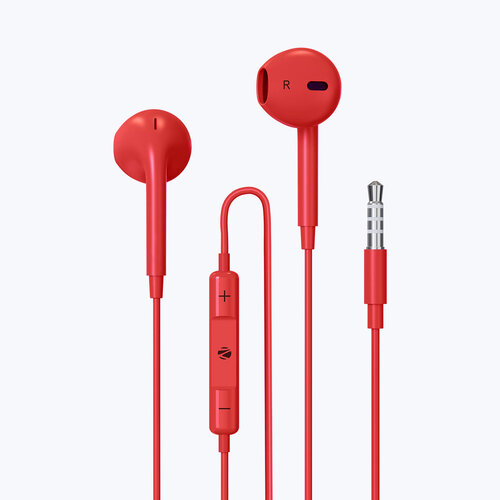
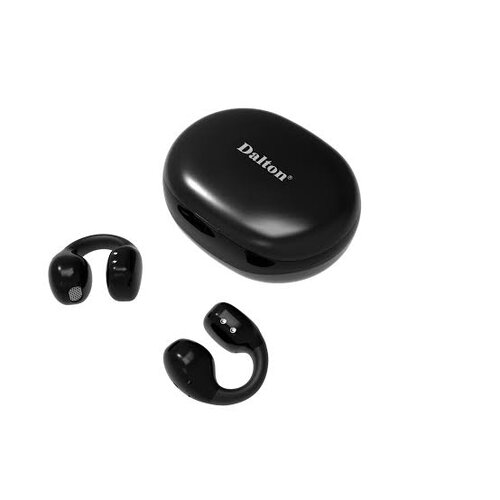
It will make you look like a poor weirdo.
A hat. A hat is a great niche mysteriousmaxxing way of making yourself more mysterious. If your hair doesn’t look good that day you go to the gym, a hat might save you. Something life this will suit everyone

Carhartt’s hats are great.
-Lower body
Nothing much to say. Wear jeans/long pants and I would opt for air force but it’s your choice. You can stick an insole in there if you want and you know there’s going to be baddies in the gym that day.
Long pants + black wife beater + Air Force is top tier gym fit.
-Equipment
I think the less equipment the better but there are some exercises that require equipment.
Must-have equipment-
-Cuffs

Will help you mainly on cable exercises. They will eliminate some of the elbow and wrist flexors which will increase MUR in your exercises.
-Straps
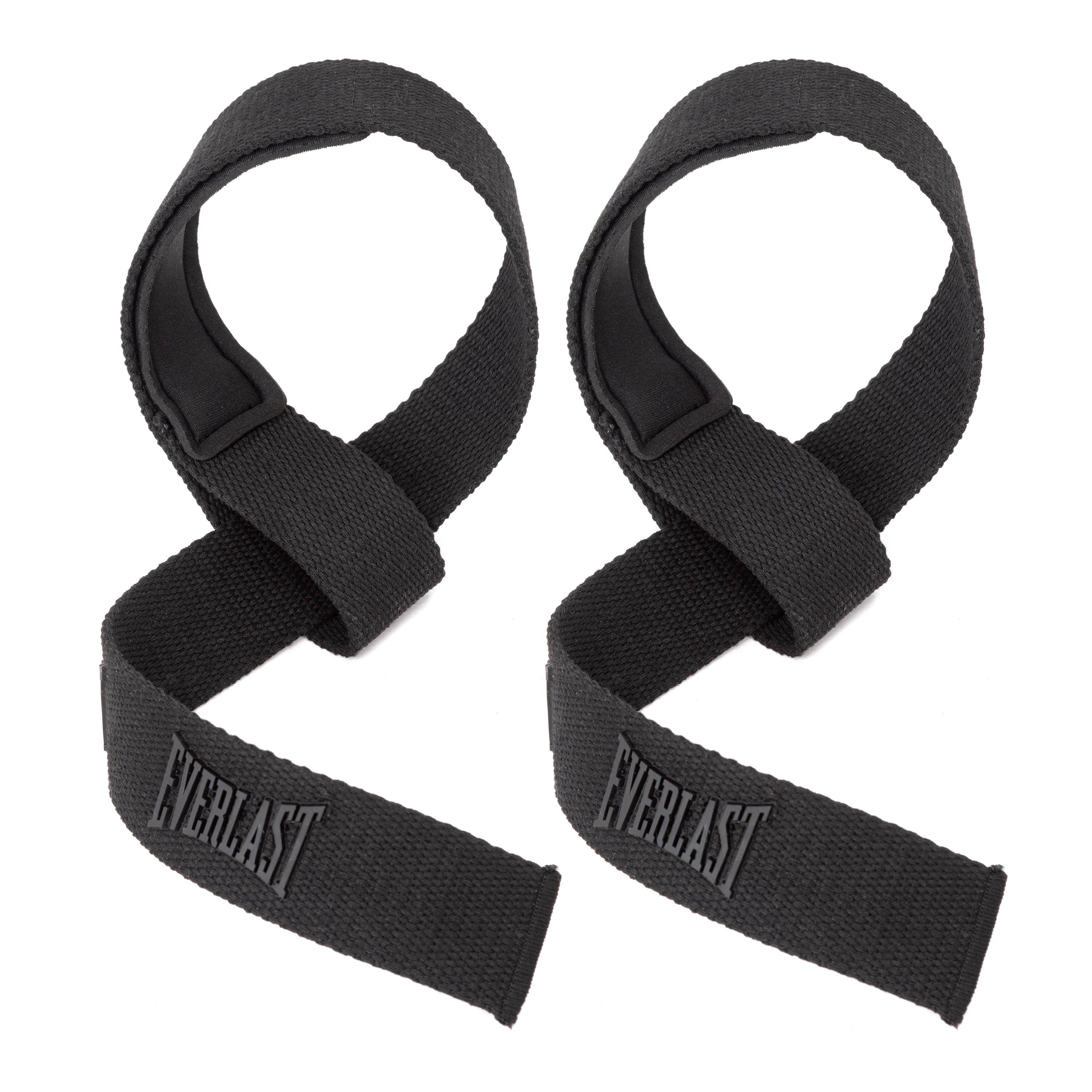
Your grip is the limiting factor in any pulling and rowing movement as well as in something like an hinge (SLDL, 45s), straps will ensure you stop when your back give up and not your forearms
-Wraps
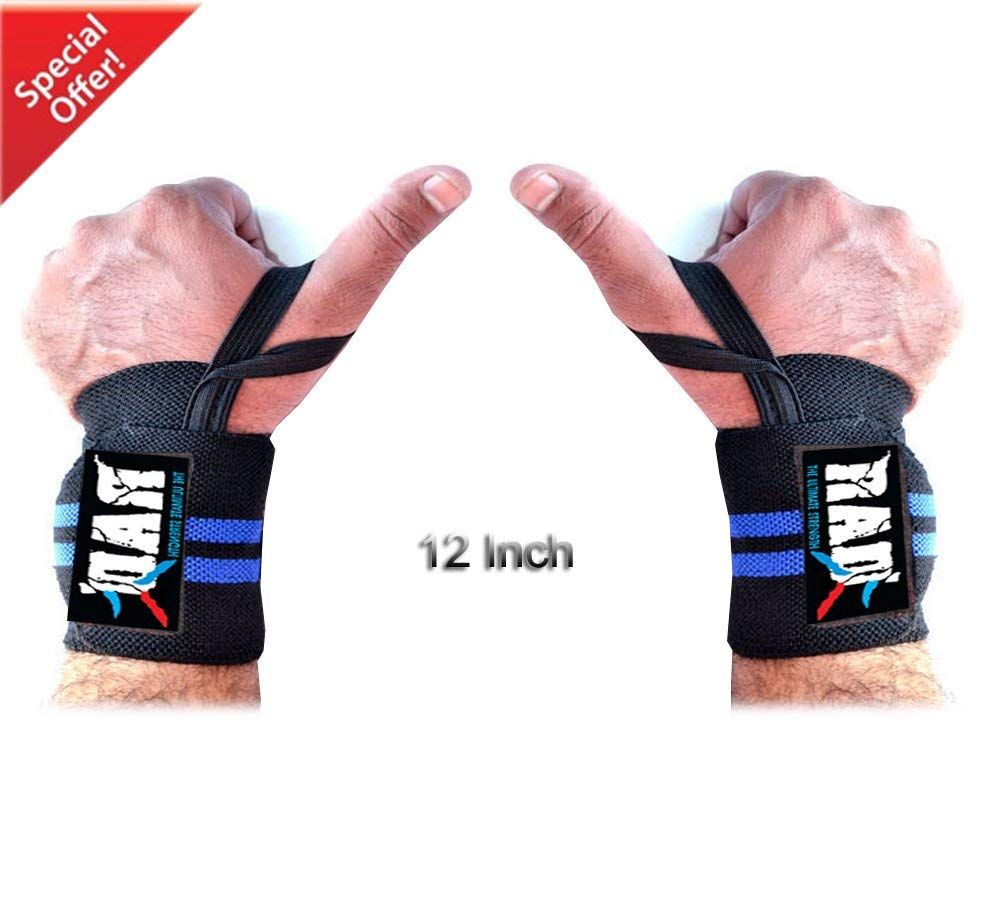
These are optional tbh but are very important for wrist health.
Optional accessories:
seatbelt- mainly for leg extension/leg curls to help you being more stable
Resistance bands- can help with changing an exercise resistance profile
Gym pin- for increasing weight on a particular exercise
Supplements are great, but don’t think they will turn your physique 360°. They can only aid a bit in recovery, sleep and inflammation.
Supplements for the gym is great, since it can help you push a little further than your body normally can. I will list all the supplements you should take if you want to maximize hypertrophy.
@norwoodingmanlet @chudpiller @teddy101 @Jenson @illusion
hi guys, this is an updated version of my previous thread I made. It’s a bit more straight to the point and pointed to aesthetics rather than normal gymcelling.
I will also make this far less complicated for the sake of simplicity.
Table of contents:
- Gymcelling is LEGIT, don’t let other twinkcels tell you otherwise
- What we aim for
- Simplest way of looking at hypertrophy (terms you need to know)
- Programming 101 (how to create your own gym routine)
- Sleep & nutrition
- fashion, equipement & accessories for the gym
Gymcelling is LEGIT, don’t let other twinkcels tell you otherwise
first, we need to address why you should go to the gym and if you should even do it as a natty. So as a roider myself, I advice you to only start a cycle when you’re at least 2 years in the gym to see if you like what you see in the mirror because when you start roiding you will most likely fall for a rabbit hole of nonstop cycles which is not all bad but we prefer to see first what we look like when at least 2 years in the gym to see if we should even roid right? Make sense. But if you DO wanna roid and you wanna stick to that, be my guest. Roiding is great. But this is not the guide for you. If you wanna check a good guide on roiding then Click this. This is simply a guide that will practically help you learn everything you need to learn in order to make the best out of your training.
Gymcelling is one of the MOST if not THE method to increase your SMV and dimorphism.
(NATTY BTW)
Even if you’re LTN you will look so much more masculine, confident and desired. Women would notice you way faster.

Totally achievable natty btw
BUT there’s a BIG BUT. Gymcelling won’t turn your life 360. They just WONT. My opinion on when gymcelling is going to make a bigger change on your dating life is if you’re MTN+, has a small waist (ideally 70-80CM circumference but that depends on your bidlet and hips), 16-20CM+ bidlet ( as a starting point) and 5’10+. A good physique will always look better when you’re tall and good looking:
That doesn’t mean that hitting the gym won’t help you in the dating life if you’re below the requirements I listed above, it’s just that people will clown you just for trying and that will make you a “gymcel”.
But I guess people will clown you on everything you do when short and ugly.
Another Good thread about gymcelling you can keep in mind.
What we aim for
That’s enough yapping about why you should gymcel. Let’s get to the point shall we?
So like i said previously, this is a thread dedicated to aesthetic training and less of a normal routine( It doesn’t really matter but focusing on different aspects of your physique will results in a more aesthetic one!!!! ).
The objective as looksmaxers is to have aesthetic features, for instance: big upper pecs, side delts, front delts, biceps, neck and lats.
Unaesthetic features: big obliques, glutes, upper traps and potentially erectors.
The physique we chase is something like this



No, it ain’t going to be easy and you definitely need 1in 10,000 genetics and PEDs to reach this goal, BUT the objective ≠ what you will achieve.
- ideal ratios (circumference measured ideally)
- SWR (shoulder to waist ratio) - ideal is 1.6+
- WHR (waist to hip ratio) - ideal is 0.80
- SHR (shoulder to hip ratio) - ideal is 1.4+
- tan: having a tanned physique is a very underrated way of making your physique far better:
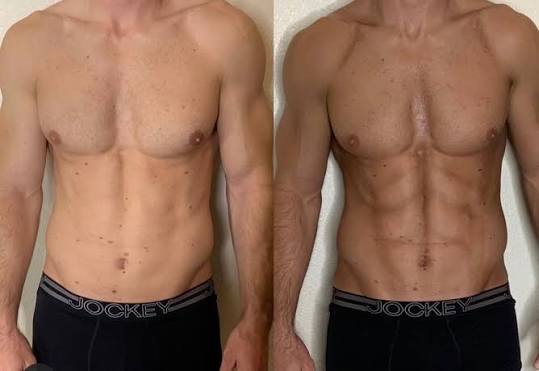
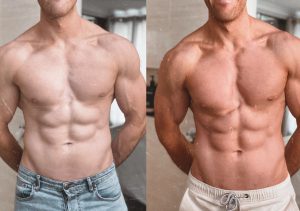
Such an easy looksmax to your face as well BTW (H2O)
You can simply tan by being in the sun (water) but to minimize being unnecessary amount of time in the sun, you can use a tanning lotion and MT1/2.
I will NOT recommend using a tanning spray since it’s stupid asf. Why risk being exposed using it when at the beach when you can simply get longer tan when ACTUAL TANNING.
- Low BF is LAW. Anything between 10-18% BF is great. Don’t go too low or too high. Being right in the middle is perfect when you’re trying to attract women. This guide changed my mind on how people perceive BF%.
- Being shaved! This is underrated but having a shaved physique will really point out your muscles. Hair can hide some features. I would aim to trim your chest, back, legs, and armpits hair. ONLY SHAVE/TRIM IT IF ITS TOO HAIRY!!! This is very important since if you don’t have much hair theres no reason to fixate over those little things, it won’t looksmim you by any means. If you want Check this guide to know where/how and when to shave your body hair.
- acneless body. When your physique is full of acne it looks awful. It’s pretty obvious so I have nothing to say.
I would fix it by eating a good diet, try to minimize sweating and if this doesn’t help then use accutane.
Simplest way of looking at hypertrophy (terms you need to know)
-progressive overload
Without this, you have nothing. Every gym has men in their 30s/40s lifting very light weight despite working out since they were in highschool. And their physiques reflect this. it. For the sake of keeping things simple, I am going to use the definition for progressive overload that I believe makes the most practical sense.
If you curl 30lb dumbbells for 5 reps to failure in a session with a 1 second concentric (positive portion of the movement) and a 2 second eccentric (negative portion), you would need to increase to 6 reps or more the next session or complete 5 reps the next session with more weight and the same tempo to be considered progressive overload. This does NOT mean there has been no improvement if you do the same number of reps and weight. It simply means in this context you would not call it progressive overload.
For example, in the previous scenario if you performed the dumbbell curls the following session for 5 reps with the same weight and tempo, but there were noticeable differences in the amount of effort needed to perform the task, that can also be a sign of improvement. But to keep things as simple as possible, we are going to define progressive overload as simply the increased reps, weight, or both from here on out.
NOTE: you DONT force progressive overload you let it come to you. What does this mean? This simply means you need to only increase the reps/weight when you get to the point you wanted to. That’s why we use a double progression model. This model simply means that you pick a rep range, lets for example take the 5-8 rep range. When you get to 8 reps with a particular weight with strict form and ideally 1RIR, then you add weight accordingly to the exercise so you will next set perform 5 reps. That way you can always know when to add weight.
-RIR (Reps In Reverse)
This concept pretty much explains itself. It merely refers to the number of additional reps you could have performed if you were to take a set to failure. You can think of 0RIR as failure. I know that’s a bit contentious to some, but it will keep things simpler for us, especially when programming. If you did 9 reps but could have attempted a 10th that would be 1RIR. 8 Reps would be 2RIR. So on and so forth.
Beginners find it hard to gauge RIR because they don’t know what failure feels like.
Because of this confusion I typically don’t quibble over the definition and when I say 1RIR I view 1RIR as “not failure” even if I don’t think I could get another rep. Luckily for us, hypertrophy is not going to be dictated on us arguing over what we consider 0 or 1RIR to be, as growth can be achieved with sets that are taken to or close to failure. The mere difference between 0RIR to 1RIR is simply to lower fatigue while still keeping high tension.
-ROM (Range Of Motion)
This is a topic that often gets confused because people regularly refer to things as Full ROM and Partial ROM as if there isn’t more nuance. For example, full ROM on a squat is often thought of as bending the knees until they will no longer bend (butt as low as possible) and then standing up until the knees are completely straight. However, there is a very clear point when the subject performing the exercise is no longer providing a quality stimulus to the acting tissues.
Telling the subject that they must fully straighten the legs after this point to achieve Full ROM is arbitrary and likely unnecessary, as they could directly reverse their momentum into another rep. That is why you may hear me refer to some movements as “Arbitrary ROM”. Fully straightening the legs above a point where the acting tissues are provided any meaningful stimulus would be an example of Arbitrary ROM. In general Full ROM can be used when in doubt, but it will not be necessary for all muscle groups at all times to achieve an adequate stimulus. There is muscle ROM and a movement ROM. Two completely different things.
-redundancy
Everyone has seen the person in their gym that walks in, grabs a barbell and does 3 sets of curls before moving to the dumbbell station, doing 3 sets of curls, and then finishing off with straight bar cable curls for 3 sets. This would be a good example of exercise redundancy. You are challenging the same muscle group through a very similar movement pattern.
This does NOT mean that you can never work the same muscle group in different ways during a session. If you decide to do a pressing motion for the quads and a leg extension in the same session we would not consider this complete redundancy. While they both emphasize quadriceps, they have more tension in different portions of the movement and even work slightly different muscles. (Squats barely work on the rectus femoris, while leg extension work all the heads of the quads).
-intensity
In a hypertrophic context intensity refers to proximity to failure. The closer to failure, the higher the intensity of the set. 5RIR or more would be considered low intensity by almost everyone in the science based community. People may quibble over what they would consider to be "high intensity", but at the very least we can agree that getting closer to failure is progressively higher intensity with 0RIR most certainly being "high intensity".
Forcing failure is DUMB tho. You already reached 0RIR, why keep going? You are only adding unnecessary fatigue not stimulus. That’s why drop sets, super sets etc are BUNS.
-volume
Volume in a hypertrophic context is always referring to the number of working sets done. This is not to be confused with volume load which is the total amount of weight moved in a workout. So if I say that my volume for the biceps is 4 sets this means 4 sets WITH high intensity. Warm up sets are not counted towards volume. A working set is defined as being within a predetermined proximity to failure. If the RIR is very high (4+), it should NOT be counted as a working set. That would count towards warm ups.
-Stability
This is a highly contentious topic (but shouldn't be) within the bodybuilding community. Generally speaking, stability is something that you should seek out within an exercise if hypertrophy is the goal. And deep down every bodybuilder knows this. If you ask someone the best way to grow their back and they give you this exercise..
You would automatically know their advice is fucking horseshit. So the TRUE point of contention is not whether stability matters. It’s how much it matters.
For example hack squat is a very stable exercise to hit the quads, so why would you choose to do a back squat ? (a very unstable movement)… you can choose the back squat, it will just be less stable. It’s still a great exercise.
In MOST cases, additional stability is a good thing for muscle growth. It allows us to more intentionally focus on the muscle group we want to grow and less on coordinating the movement. You see, people often separate brain and muscle, but the two are intrinsically linked. If the brain is spending too much of its attention on stabilizing the body, it will actively take away from the stimulus we are working for. This does NOT mean that you can’t grow a muscle without perfect stability. It simply means that, generally speaking, it makes more sense to pick the more stable exercise IF all else is equal (path, resistance profile, comfort).
This is why you will see people within the science based community opt for quality machines over free weights in many circumstances. This is not to say that the use of free weights will not lead to growth. In fact it would be moronic to say that it won’t. But if the movement pattern and construction of a machine is biomechanically solid, it is difficult to make the argument to choose the free weight option for maximum efficiency. Having said that, at times the construction of the machine can be imperfect leading to the free weight option being a higher quality choice despite increased stability demands. How this looks in your home gym will be individualized.
-Frequency
If I could choose one topic that has the most buzz surrounding it at the time of creating this, it would be frequency. It currently is HIGHLY contentious and I will attempt to be as impartial as one can while discussing it. To understand this discussion, I probably should give you a couple studies that influenced people’s thinking on this topic. In 2016 this paper was released by Brad Schoenfeld et al.
I will not go into every detail of the study, but the conclusion is when comparing studies that investigated training muscle groups between 1 to 3 days per week on volume-equated basis, the current body of evidence indicates that frequencies of training twice a week promote superior hypertrophic outcomes to once a week. It can therefore be inferred that the major muscle groups should be trained at least twice a week to maximize muscle growth; whether training a muscle group three times per week is superior to a twice-per-week protocol remains to be determined, but we can potentially say it’s better since if the studies show the same outcomes we can look at mechanisms as well. 3x is better than 2x mechanistically.
Seemed pretty straightforward and for at least a few years the majority of people agreed that training a muscle group with a frequency of more than one time per week yielded superior results. However, just a couple years later, A paper by the SAME author came out.
Contradicting the previous review, this paper stated in the abstract:
Results showed no significant difference between higher and lower frequency on a volume-equated basis
And gave the practical takeaway:
“Thus, for a given training volume, individuals can choose a weekly frequency per muscle groups based on personal preference.”
In other words, the update was that overall volume per week was what mattered and NOT whether a muscle group was being trained multiple times within the training week. Alas, it was only the beginning of the war. People began to question these findings. Certain mechanisms weren’t adding up. Here are some of the questions people began to have:
- Question 1: If weekly volume is all that matters, why do we have a study showing superior results for training a muscle 3x/week with 1 set compared to 1x/week with three sets?
- Question 2: If we know that growth from an individual workout does not last seven days, what is happening for the remainder of the week?
- Question 3: Why do strength gains seem to level off much quicker than hypertrophy gains in high volume studies? If that much more contractile tissue was added, should strength gains not continue to rise alongside the additional growth?
These questions/mechanistic issues have led many people to believe that the takeaway from this review must be wrong. That frequency matters and weekly volume is not the highest quality metric to make the foundation of hypertrophy programming. And that leads us to our next topic.
-fatigue
This is also a hotly debated topic. And for those that are worried about how to practically apply things we’ve talked about, do not worry. We will get to that later. I am merely outlining the current landscape for smart/effective training.
Now back to fatigue. We have two types of fatigue that we generally care about when it comes to deciding how to train. We have CNS fatigue. And peripheral fatigue.
Peripheral fatigue can be thought of as the fatigue that directly inhibits specific muscle groups from operating at full capacity, while CNS fatigue is a reduced capability of the brain to send proper signalling to the muscles. Peripheral fatigue is why we don’t want to do too many sets for an individual muscle group in a session, and CNS fatigue is why we don’t want to do too many total sets within a session (or across multiple days), regardless of which muscles are being trained.
Fatigue is why this next topic matters so much.
-sequencing
Imagine you’re a track athlete and I told you to run 100m as fast as you possibly could. Let’s say you achieve a time of 13.5 seconds. I then give you 5 min to recover. Your heart rate goes down, your muscles aren’t sore and overall you feel good. I then ask you to do it again. Do you think your time would improve? Assuming you did things right the first time around, you would not expect to run faster the second time around. In fact you would expect to be slightly slower. Despite feeling good, fatiguing mechanisms are still present, and this reduces output.
Even if you did happen to run as fast the second time due to an unforeseen variable, do you think you could do it again the 3rd time? How about the 4th? Slowly you would be forced to admit that your body just isn’t capable of putting out a max effort repeatedly, even with enough rest time for the heart to slow and the muscles to “feel” relaxed. We fundamentally understand this when it comes to sport, but fail to apply it at the gym.
If you had 8 total exercises to perform in the day and biceps were the muscle group you wanted to grow the most, it would be foolish to make biceps the 8th exercise in the day. Fatiguing mechanisms lead to decreased output and ultimately less growth. Whenever you are deciding how to program your workouts, sequence based on the goals for your physique. Of course genetics will mean that some muscles grow easier than others. But if your strong points are being sequenced first in your workouts, they will even more significantly outpace your weak points than they already are.
Programming 101 (how to create your own gym routine)
programming in the gym simply means how you are managing volume, fatigue, recovery, exercise selection & order overtime In this section i will go through how to program your own gym routine while still keeping everything simple.
For instance this is my FBeod (every other day) program:
Quick note: I advice you to have a logbook written to you in docs/XL and a logbook where you use during your workout to know what weights & reps you have done last session so it will help you compensate your current session. Good apps for this are Hevy and Tracked. I currently use Tracked because I support keenaRmalloy if you are not tapped in, tap in.
-Frequency
First thing we need to decide is what general frequency you’re going to do for a muscle group. The overall body of literature seems to suggest that working a muscle group more than once a week is preferable for growth.
In the end, your safest bet is going to be a training frequency that you enjoy and gives adequate stimulus and rest.
If this answer does not satisfy you, I apologize but based on the current available mechanistic AND outcome data I will not give you a firmer stance. Both can be done with VERY high efficiency. I would argue that even 1x/week training has shown solid efficacy given adequate volume (sorry to everyone who wants me to say that you will grow zero muscle and implode with 1x/week frequency).
However if we look at things objectively (especially with lower volume training) it becomes very tough to argue 1x/week being able to compete with 2 or 3 times per week frequency. Which brings me to my next important point. How many sets I suggest you program for a muscle group will change based on your overall frequency. If you are only training a muscle group 1x/week, I would suggest keeping your volume quite high. Simply put, you will both have a long time to recover and possibly a long time for atrophy if you go 7 full days without a significant stimulus. So while I don’t generally advise training muscle groups 1x/week, if you do, I would prefer a rather high volume OR intensity techniques (drop sets, super sets…) being added to some sets if you are planning on keeping set volume relatively low.
With that sidenote out of the way, training with more than 1x/week frequency (if smartly managed) will likely lead to better results for the majority of lifters. This does NOT have to be exactly 2 or 3x frequency. some even do 3.5x frequency or higher. There is nothing inherently special about 7 days and your split does NOT need to be based around a calendar week. It is the format that most people adopt because humans like organization, but it is by no means a necessity.
-volume
As we hinted at before, volume is fundamentally based on frequency.
Your volume is going to be HIGHLY dependent on your frequency with the two being inversely proportional (As volume per day goes up, frequency must come down). My guideline in the majority of cases (assuming sets taken to 0-1RIR) would be as follows:
• 3x/week frequency or more: 1-3 direct sets/day
• 2x/week frequency: 2-6 direct sets/day
• 1x/week frequency: 6+ (can obviously be quite high)
This may seem quite low (and compared to a lot of bodybuilding history it is) but I would contend that there are many reasons this can be highly effective. One reason is that many people simply don't train as intensely as they believe and therefore miss out on stimulus on a set per set basis. And the other is that I'm referring to DIRECT sets. Much of the literature involving volume gets heavily bogged down by indirect sets.
Hypothetically let's imagine a program that only uses single joint movements. The goal of the program is to train all of the major muscle groups most heavily associated with bodybuilding (not aesthetics gymcelling, so don’t take those muscle groups for granted). Those are as follows:
Calves, Adductors, Hamstrings, Quads, Glutes, Erectors, Lats, Traps/Rhomboids, Chest, Biceps, Triceps, Abdominals, Shoulders (could be split into anterior, middle, and posterior, but we’ll just keep them together for the example)
Here we are looking at a MINIMUM of 12 muscle groups and, if isolated/severely biased, 12 exercises. Automatically that would mean 36 total sets in a week for the 3x frequency MINIMUM and going over 100 total weekly sets if 3 direct sets were done each day. Add to this that many people who are currently attempting to isolate every possible exercise are also doing a majority of their exercises unilaterally AND doing multiple movements per muscle group for even more severe biasing. This is a maximalist way of viewing programming and can easily lead to hundreds of working sets.
That being said, part of the reason compound movements are so heavily relied upon is due to their ability to reduce overall set volume. Imagine if someone does a squat pattern and counts that towards glute, adductor and quadriceps volume. Throw in a chest press and a non chest supported row and you’ve now (in many people’s minds) put at least some volume towards every muscle group listed other than the calves. 3 movements, 11 muscle groups. This would be the minimalist way of viewing programming. 1-2 sets in a day for each movement and you could be doing as little as 15-20 total working sets in a week.
As with most things, I personally believe that the true solution for the majority of people is going to lie somewhere in the middle. If the literature has taught us anything about maximizing muscle growth, much to the chagrin of absolutists, it has taught us that there are a number of very efficient ways to get to the same goal (building an aesthetic physique).
-How to program your own routine
i won’t go into the weeds of how should your program look as a beginner (1-2 years of lifting) /intermediate (3-5) /advanced (6+) since I already have went through it Here and I don’t want this thread to be too long. I will summary what I wrote in that thread to here for the sake of simplicity.
1. - choose your split
You can genuinely choose any split you want as long as you recover from it, you make good gains from it and you enjoy it. The main splits I think are great to do are PPL, UL, FB 3x, FBeod. These 4 are great and WILL give you great results no doubt. Splits don’t matter as much as people think so just do whatever you enjoy. I think anterior posterior is ASS, does that mean it won’t give you results ? Fuck no. It will give you great results it’s just that some other splits will yield you better results.
2. -exercise selection
Stability, set up time, enjoyment and progressive runway are the 4 pillars of exercise selection. Pick the most stable exercises you can, that you enjoy and that take little time to set up and most importantly, perform the joint action of the group you tryna bias. I already went over ALL the joint actions each muscle perform Here but I will summary it here and list the joint actions of the major muscle groups we are going to focus about.
Upper pecs- Shoulder flexion in the top half of the ROM. So any low to high fly in the top ROM of the movement will be great. To potentially bias more fibers you can also add a supinated smith machine incline bench.
Side delts- shoulder abduction. Any lateral raise will cover the most of the side delt.
Front delts- shoulder flexion. The front delts is a strong shoulder flexor even tho the chest take most of the work at the top half of the ROM. Any shoulder press will target the front delts very well.
Biceps- Elbow flexion with supinated wrist. Any curl will work it just as well.
Lats-Shoulder extension and Shoulder adduction. Any close grip row/pulldown and wide grip pulldown with target both well. Shoulder extension is a bit more upper fibers of the lats and the latter is more lower fibers.
3. - prioritized muscle groups
Now that we noted these muscle groups let’s get into how to prioritize them in your program. As you saw earlier with my gym program, my side delts, lats, upper pecs and biceps are earliest in the session. This will help me prioritize these muscle groups since I will have the least amount of Supra Spinal CNS fatigue hence much more energy and motivation to perform these exercises thus they will grow the most compared to your other muscle groups.
4. -The 4 pillars of exercise selection
I mentioned it earlier but I will go a bit more deeply into this. Enjoyment, stability, set up time, progressive runway are the 4 most important pillars to look for in an exercise.
What’s the point of doing an exercise if you don’t look for doing it in the session? Choosing an exercise you like will give you more motivation and will help with consistency over time. Stability is just as important. For example: if you want a good chest exercise, don’t choose bench press. It’s a very unstable movement compared to other exercises like chest press, pec deck etc. this DOES NOT mean I’m advising to never do bench press. Actually, bench is a solid movement to grow your chest but there are better ones that you could choose. set up time is not as important as the other pillars here but it does plays a major role on your sessions. When you take more time performing an exercise than actually doing it, it will just make your session longer for no reason which we don’t want to happen. And the last pillar is progressive runway. This is basically the amount of weight you can put on an exercise. An exercise with a bad progressive runway would be something like an hip adduction, it’s very easy to max out.
5. - Exercises > sets.
I advice to also do more exercises > more sets. What does this mean? This simply means that you should always look for more exercises to do rather than doing more sets of the same exercises. Why? Because hypertrophy is muscle fiber specific. Not muscle groups specific. This means that for example if you perform 2 sets of chest press for the sternal costal head (mid-lower chest) then you better off doing 1 set chest press and 1 set pec deck, this will assure you will activate some muscle fibers that weren’t activated in the chest press. Like you see in my program. I choose to do 1 set per exercise rather than 2+ sets in 1 exercise except the recline curl that I perform 2 sets in and it’s simply because I enjoy that exercise. Also, single sets can lead to more motivation. When you only have 1 set for a specific exercise you are probably going to feel more motivated.
6. -RIR
I won’t go deeply on this since I already explained this previously but i think I need to mention something. I advice to do 1-2 RIR on compound movements and 0-1 RIR on isolations. That way we can minima fatigue and still get adequate stimulus.
7. - progression
How to know if your program is working ? You progress over time. His is the best mark to note when wanting to see if your program is good or not. You did 70kg bench for 7 reps 6 months ago and now you do 80kg bench for 8 reps ? Congratulations your program is great.
Things to keep in mind is MAV (maximum adaptive volume), MEV )minimum effective volume) and MRV (maximum recoverable volume). You should train between MEV and MRV which will results in your MAV. The only way you are going to find it is by error and trial. Experiment, check your logbook, see when you progress etc.
A very good way of increasing your motivation in the gym is listening to music.
Affect Behavior Cognition (ABC)
Music can influence performance in many ways.
- Emotional state (Affect)
- Physical execution & performance metrics (Behavior)
- Thought process & focus (Cognition)
• Psychological (Mood, Emotion, Affect)
• Physiological (Heart Rate, Hormonal balance)
• Psychophysical (Perceived Exertion)
• Ergogenic (Work Capacity, Endurance)
How to maximize these effects for biggest performance boost:
• Prioritize self-selected / preferred music
• Match tempo to exercise intensity (120-140 BPM for most lifting)
Strategic Timing can be like this- be pre task for arousal/priming (High-energy, self-selected) (Improved power/motivation), In-task for distraction/sustainment (Tempo matched) (Lower RPE/improved endurance), Post-task for recovery (Slow tempo) (Faster HRV/Improved recovery)
Looping your favorite song during working sets can build Pavlovian Conditioning
Training your brain to "go" the moment it plays
But potency can fade, neural Habituation = Brain downregulating to repeated stimuli. Dopamine/motivation hit weakens after 2-4 weeks of heavy use
Rotate core songs every 2-4 weeks or when ever you feel like they don’t hit the same
Sleep & nutrition
-sleep
Your sleep routine is just as important as your gym routine. Your gains happens when you sleep. Bad sleep = bad gains. As simple as that.
I won’t get TOO deep into this since there are countless guides on this forum about sleep and most of you probably know what to do.
Best time to sleep is between 22:00-00:00 and wake up at 6:00-8:00.
Bad sleep is awful for looksmaxxing but it’s awful for literally everything else, like brain function, energy, health indicators and most importantly your physical capabilities- Chronic Lack of Sleep is Associated With Increased Sports Injuries in Adolescent Athlete
You should sleep around 7-9 hours a night.
how should you sleep max then?
- sleep in a pitch dark room.Studies show that being in a dark room can help you sleep much more efficiently. You can wear a face mask if you can’t have a complete dark room.
- Sleep at the same time every day. When you sleep at different times every day you disrupt your circadian rhythm which is crucial for your sleep.
- No caffeine 6-10 hours before bed
- Sleep in a cool room (ideally 14-20°Celsius)
- No working out at least 2 hours before sleeping
- No screens 1-1.5 hours before sleep
- No bright lights 2 hours before sleeping
- Hot shower 2-1 hour before sleep Hot shower / bath before sleep helps calm the body
- Watch the sunset and sunrise (sunrise is optional)
- Don’t eat big meals 2-3 hours minimum before sleep
- Be very active during the day. Walk a lot, be in the sun (with protection)
- Read a book right before you go to sleep
- Melatonin- 5-20mg 1-2 hours before sleep
- Magnesium glycinate- 360mg of elemental magnesium 1-2 hours before sleep
-Nutrition
IMO, diet is kinda overrated, but it is undoubtedly will make a major difference in your gains. I just don’t think you should over fixate on every single thing in your diet. It’s important but you don’t notice much difference if you eat 100g of protein and 150g of protein.
The basics should be eat 3-4 meals a day so your body can digest each meal properly, try to spread protein, fat and carbs evenly between these meals.
-Calories
The first step is to find your maintenance calories. You can use a TDEE calculator by entering your age, weight, height, and activity level. This will give you a starting point for your maintenance. The most accurate method is to track your calories and your weight for 3 to two 4. If your weight stays stable during that time, those calories are your maintenance.
Once you know your maintenance, you can decide your goal. If you want to cut fat, you should eat below maintenance, typically around 300 to 500 calories less per day. Cutting is appropriate if your waist is growing, your abs are not visible, or your body fat is higher than you want. Eating around maintenance is ideal if you are in a healthy body fat range, approximately 12 to 17 percent, and want to maintain your current weight. It is important to check your body and not rely solely on numbers. A BMI calculator can serve as a rough guideline. A BMI below 18.5 usually indicates you are underweight and may benefit from bulking. A BMI between 18.5 and 24.9 is considered normal and suggests that maintaining or doing a lean bulk is appropriate. A BMI over 25 often means you should cut. Keep in mind that BMI is not perfect because it does not distinguish between muscle and fat.
According to BMI, Ronnie Coleman is obese
Visual assessment is crucial. If you cannot see your abs, your veins are not visible, or you just look fat overall, cutting is recommended. If you appear very lean but struggle to gain strength and muscle, a bulk may be necessary (CONSIDERING THE LIMITING FACTOR IS YOUR DIET AND NOT ANYTHING ELSE LIKE YOUR SLEEP, TRAINING PROGRAM etc).
You should adjust your calories as you go. Track your progress weekly.
-macros and micros
For those who can’t differentiate between them, it’s simple-
macros = fats, carbs, protein.
Micros = vitamins and minerals.
So I will divide this into 2 subsections which are micros and macros.
-Micronutrients
Micronutrients are the vitamins and minerals your body needs in small amounts to function properly. They are critical for performance, recovery, hormone balance, and overall health. Even if your calories and macros are on point, a deficiency in micronutrients can limit your results and leave you constantly fatigued or under-recovered.
Vitamins are organic compounds your body mostly cannot produce on its own, so you must get them from food. Each vitamin helps with different things, for example: Vitamin A is important for vision, immune function, and cell growth and can be found in liver, carrots, sweet potatoes, and dark leafy greens. Vitamin C supports collagen production, acts as an antioxidant, and aids recovery, and is found in citrus fruits, peppers, and broccoli. Vitamin D is crucial for bone health, immune function, and testosterone production, and can be obtained from sunlight exposure, fatty fish, and fortified foods. Vitamin E is another antioxidant that protects your cells and is abundant in nuts, seeds, and vegetable oils. Vitamin K is essential for blood clotting and bone health and is found in leafy greens, broccoli, and fermented foods. B vitamins, which include B1 through B12, help convert food into energy, support red blood cell production, and maintain nervous system function. They are found in whole grains, meat, eggs, dairy, and leafy vegetables.
Minerals are inorganic elements required for essential bodily functions like muscle contraction, nerve signaling, fluid balance, and enzyme activity. Calcium supports bones and muscle contractions and is found in dairy, leafy greens, and fortified foods. Magnesium is involved in hundreds of biochemical reactions, including energy production and muscle relaxation, and is found in nuts, seeds, and whole grains. Sodium and potassium maintain fluid balance and proper nerve and muscle function, and are found in salt, bananas, potatoes, and vegetables. Phosphorus contributes to bone structure and energy metabolism and is present in meat, dairy, and beans. Iron is critical for oxygen transport and energy levels and is found in red meat, legumes, and fortified cereals. Zinc supports immune function, hormone production, and protein synthesis, and can be obtained from meat, shellfish, and seeds. Other minerals like copper, sulfur, and fluoride play specialized roles in enzymes, tissue repair, and bone health.
Iron deficiency can cause persistent fatigue, while low vitamin D or magnesium can affect testosterone and muscle function. B vitamin shortages can make energy production less efficient, leaving you drained during workouts. The key is consistency. Eating a variety of colorful vegetables and fruits, incorporating dairy, nuts, seeds, whole grains, meat, eggs, and fish ensures you cover most vitamins and minerals. If your diet is limited or you suspect deficiencies, a basic multivitamin or targeted supplements like vitamin D, magnesium, or zinc can help, but they are only a backup to a nutrient-rich diet. Think of micronutrients as the foundation for everything else in your training. Without them, protein, carbs, and training stimulus cannot reach their full potential.
-Macronutrients
Macros are basically just fat, carbs and protein. Each plays a unique role in your training and overall performance. Fats are essential for hormonal regulation, including testosterone and other key hormones that influence muscle growth, recovery, and energy levels. Including healthy sources of fats like olive oil, nuts, seeds, and fatty fish helps you feel stronger, maintain stable energy, and perform better in the gym. Protein is the building block of muscle. It stimulates muscle protein synthesis, which is the process your body uses to repair and grow muscle fibers after training. Getting enough protein from sources like meat, eggs, dairy, and legumes ensures your muscles recover efficiently and grow over time. Carbohydrates are your body’s favorite source of energy, especially for high intensity workouts. They fuel your muscles, help maintain performance during training, and aid in recovery by replenishing glycogen stores. Prioritizing carbs from whole grains, fruits, and starchy vegetables allows you to train harder, recover faster, and get the most out of your workouts.
Each macros calories are-
Protein: 4 calories
Carbs: 4 calories
Fats: 9 calories
How much of each should you consume ?
Let’s give an example of someone who is 70 kg and his LBM (Lean Body Mass)is 60 kg.
He would consume 1.5-2 grams of protein per kg of Lean Body Mass, so if your LBM is 60kg, consume either 90-120 grams of protein.
Let’s say that individual is eating 120 grams of protein that means he’s eating 120x4=480 calories from protein only.
Then I would opt for him to eat 40-50 grams of fat daily, which is 50x9=450, so that’s 450 calories of fat only.
For carbs, I would fill the rest, considering he’s eating at maintenance and let’s say it’s 2,500, so he needs to fill the rest of the calories (fat and protein are 930 calories) so 2,500-930=1,570, so if we divide 1,570:4 that will equal to 392-393 grams of carbs, which is great. So we got
Fat: 50 grams
Protein: 120 grams
Carbs: 393 grams
In % it’s
fat: 18%
Protein: 19%
Carbs: 63%
Morning: focus more on fats and protein.
Noon: focus on carbs and protein, and a bit of fats.
Preworkout: mostly carbs, aim for 1g per kg of body weight.
Evening: mostly fats, carbs and a bit of protein.
It doesn’t matter that much when you eat your fats and protein, but keep space for carbs when it’s 3-4 hours preworkout. Dont eat a lot of fats before a workout since the carbs will digest much slower.
You can also use carbs intra workout and post workout to maximize recovery and energy during your workout and after it.
fashion, supplements, equipment & accessories for the gym
Now that we covered everything we need to know in order to maximize our gains in the gym, let’s look at what we should be wearing to the gym, what equipment we should use and what accessories.
-fashion
-upper body
Ideally a wife beater/tank top. Something like this


The black ones are better (for once). Really no shirt is better. Compression shirts are great as well but they are kinda cringe ICL.
Do NOT wear stingers:
It looks like actual shit on everyone.
Wear AIRPODS to the gym. Yes this might be weird but wearing AirPods is a very niche statusmax. Imagine going to the gym With these
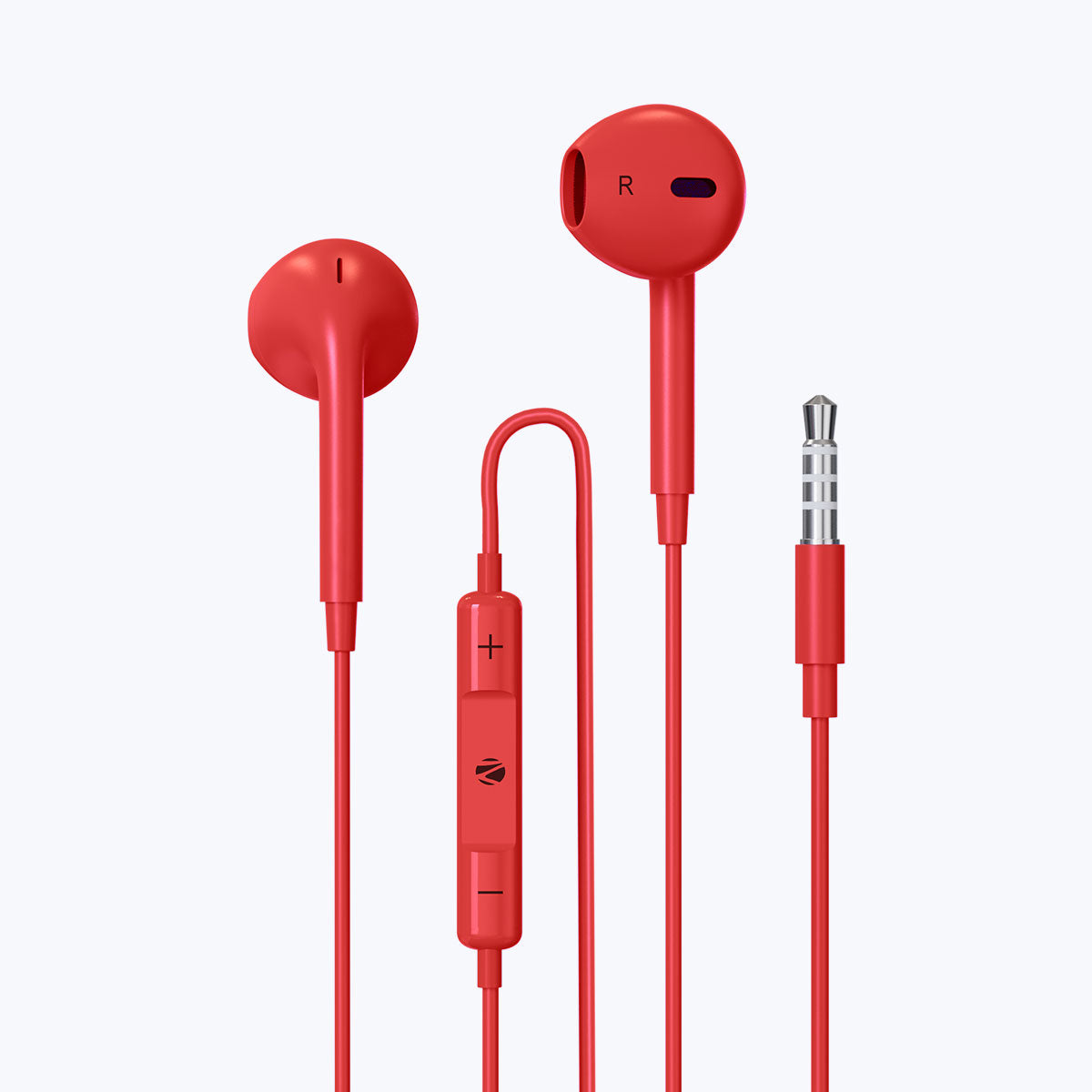
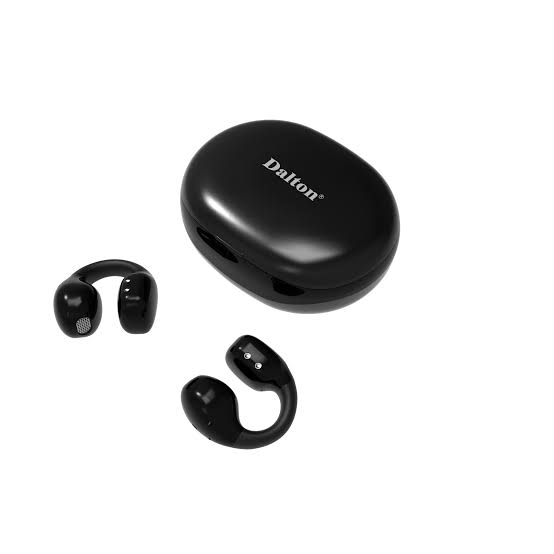
It will make you look like a poor weirdo.
A hat. A hat is a great niche mysteriousmaxxing way of making yourself more mysterious. If your hair doesn’t look good that day you go to the gym, a hat might save you. Something life this will suit everyone
Carhartt’s hats are great.
-Lower body
Nothing much to say. Wear jeans/long pants and I would opt for air force but it’s your choice. You can stick an insole in there if you want and you know there’s going to be baddies in the gym that day.
Long pants + black wife beater + Air Force is top tier gym fit.
-Equipment
I think the less equipment the better but there are some exercises that require equipment.
Must-have equipment-
-Cuffs
Will help you mainly on cable exercises. They will eliminate some of the elbow and wrist flexors which will increase MUR in your exercises.
-Straps
Your grip is the limiting factor in any pulling and rowing movement as well as in something like an hinge (SLDL, 45s), straps will ensure you stop when your back give up and not your forearms
-Wraps
These are optional tbh but are very important for wrist health.
Optional accessories:
seatbelt- mainly for leg extension/leg curls to help you being more stable
Resistance bands- can help with changing an exercise resistance profile
Gym pin- for increasing weight on a particular exercise
Supplements are great, but don’t think they will turn your physique 360°. They can only aid a bit in recovery, sleep and inflammation.
Supplements for the gym is great, since it can help you push a little further than your body normally can. I will list all the supplements you should take if you want to maximize hypertrophy.
- magnesium glycinate- relieves stress, help sleep and help with heart health, helps with insulin resistance. I would do 200-400 elemental mg, it’s individual dependent.
- caffeine- help with perception of effort by reducing it which allows you to train harder and stay focused during the workout. Take 3-6 mg of caffeine per kg of body weight as a pre workout. Dont consume 10 or less hours before going to sleep.
- melatonin- not for the gym but it’s great for helping with sleep quality. I would opt for 2-15 mg depends on what works best for you. Take it 30 minutes before sleep
- Creatine- great, S tier supplement, has no side effects and is the most researched compound ITW, I suggest you to get 5-10 grams of it daily and it doesn’t matter much when you take it. It will give you a small boost in training and it’s great for your brain as well
- zinc- can boost your test and it activates enzymes for MPS (muscle protein synthesis). I would opt for 50 mg.
- Electrolytes- makes you hydrated, when you are hydrated you are performing much better and taking electrolytes before the gym with your preworkout is great, also consider to take it intra workout if you sweat a lot
- Fish oil- help with heart health, brain, joint function, skin health. Take 2,400 EPA/DHA
@norwoodingmanlet @chudpiller @teddy101 @Jenson @illusion








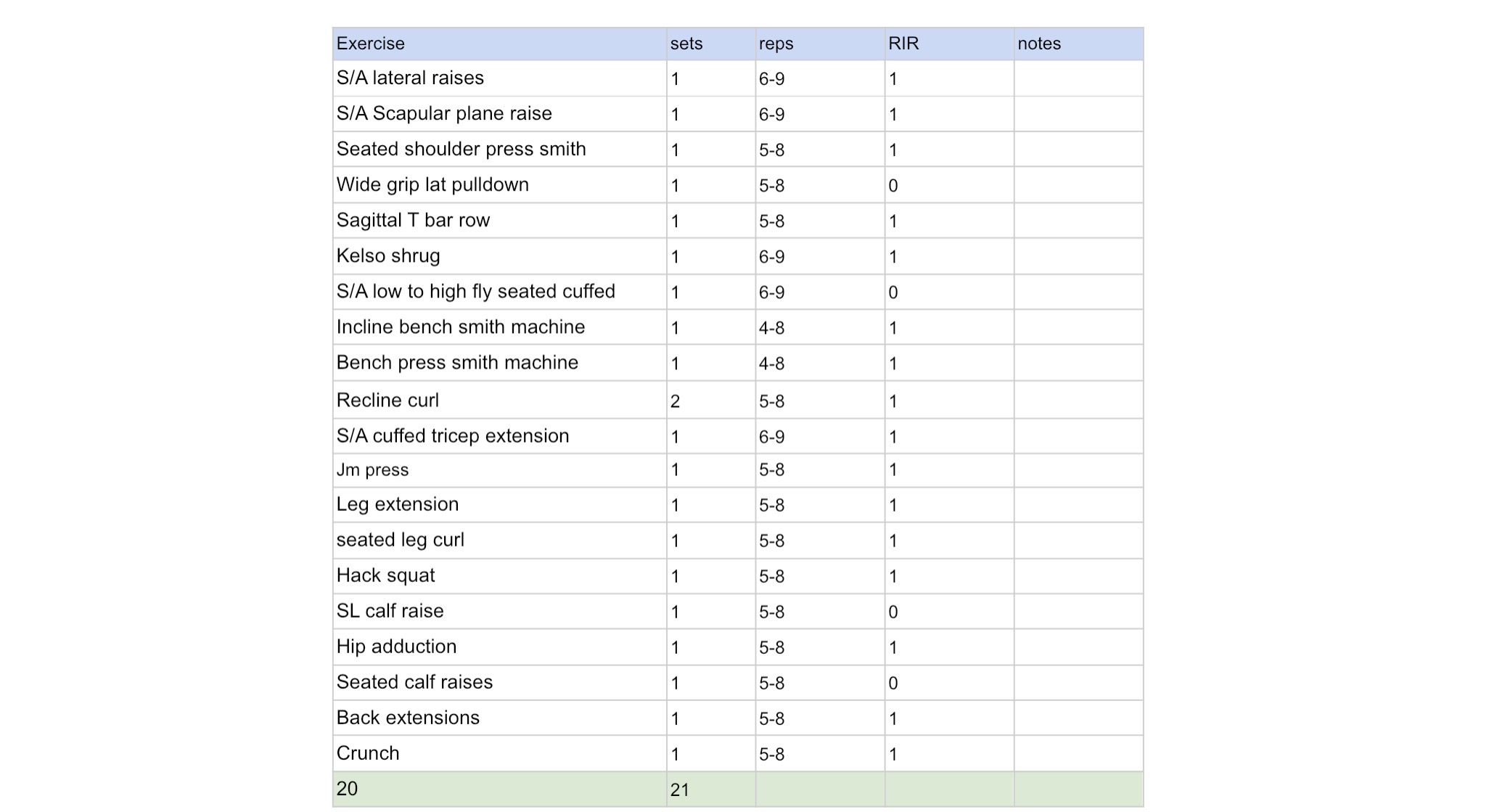
 but not hitting legs