The Seborrheic Dermatitis Scalp Megaguide: Why it Happens and How to Keep it Controlled

Elf

Elf

Ascension
Joined
Sep 17, 2023
Posts
1,228
Reputation
1,998
DISCLAIMER
This is for educational purposes only, not medical advice. A lot of what I'll be sharing in this thread comes from years of personal experience dealing with seborrheic dermatitis. Everyone's different, so results may vary (I've tried to include everything in hope that most people will yield good results). Some approaches depending on your condition can carry risks, so please just use common sense and consider talking to a professional.


Table of Contents
1. What is Seborrheic Dermatitis?
2. Why I am making this thread
3. Why does this matter?
4. Hairloss / Balding
5. The Protocol Itself

5.1 Required items​
5.2 Routine​
6. Interactions with environment
6.1 Winter/Cold​
6.2 Air Pollution​
6.3 Diet​
7. Interactions with other things
7.1 Isotretinoin​
7.2 Finasteride​
7.3 Dutasteride​
7.4 Minoxidil​


What is Seborrheic Dermatitis? We'll refer to it as "SD" in this thread
Seborrheic dermatitis is a very common chronic skin disorder causing red, greasy, and flaky patches on areas of the body (focusing on scalp here) that are richly supplied with oil producing glands. The scalp, face, and chest tend to be affected by this type of skin disease and studies currently believe it occurs due to a combination of the yeast on your skin (malassezia), excessive production of oil, as well as an inflammatory reaction, although it is not contagious and the exact mechanisms behind its development remain poorly understood. "Dandruff" can be viewed as the most mild form of the disease and it can appear at random times.
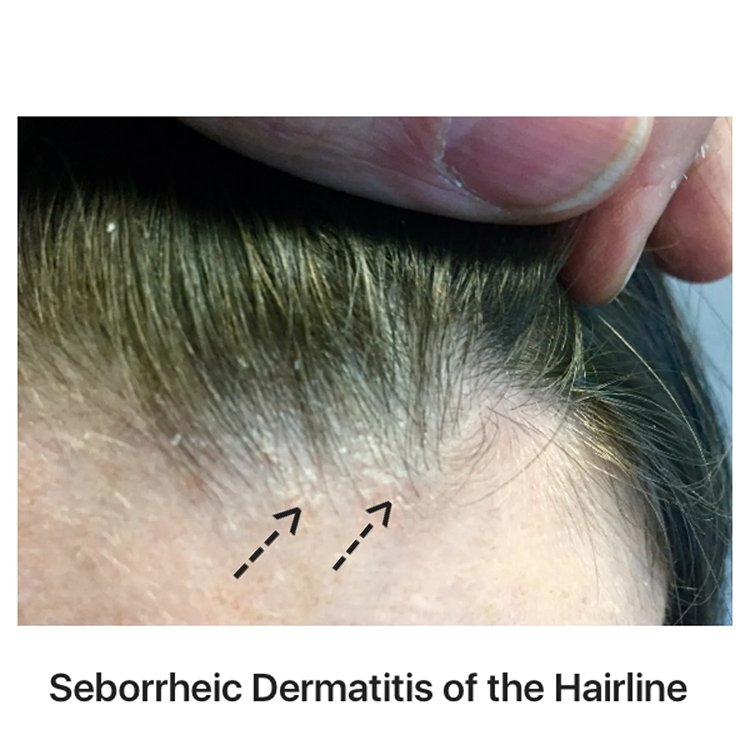
SD 1


Why I am making this thread
I've had seborrheic dermatitis since the age of 13, and tried almost every treatment, product, and method for a few years in order to manage my SD. I was able to develop a reliable protocol that currently keeps my SD under control, and also helps mask many of its signs. The information I'm providing comes from extensive testing and researching many different treatments and products. To my knowledge, there are no other places online that provide all of the information I am providing here, all in one location. People that had interest in this subject may already be aware of many things here, but I haven't found a thread mentioning all of them in relation to SD.

My case
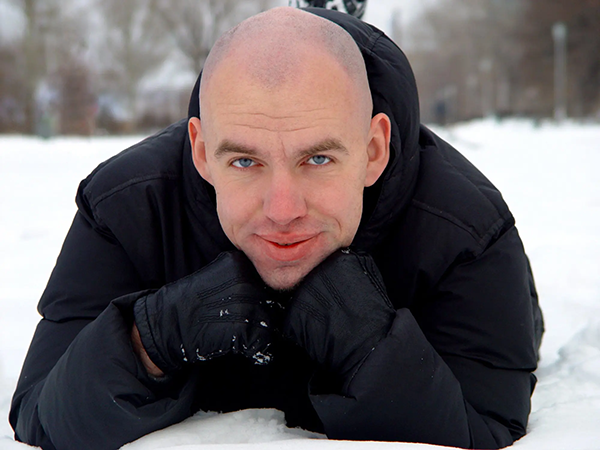
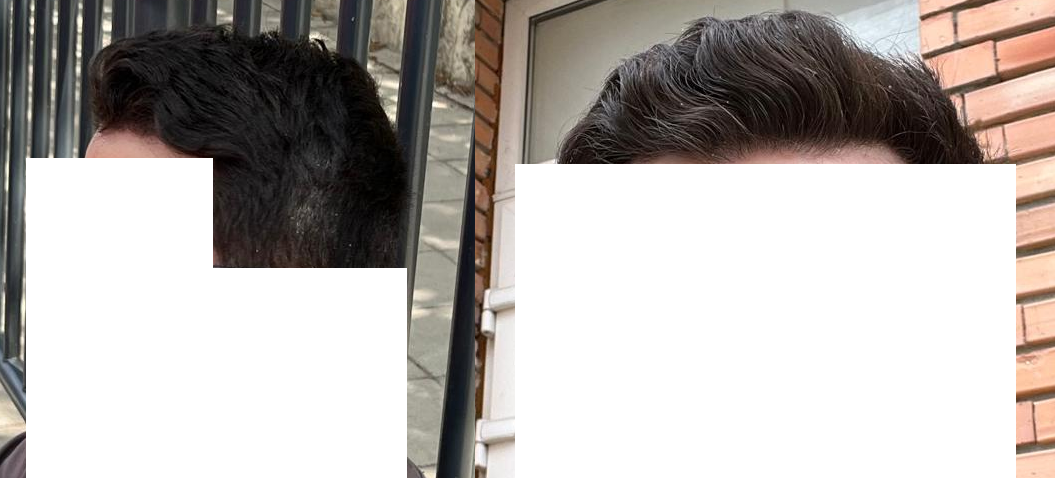
BEFORE
Note: These photos of me were taken after already having tried a few solutions, it was way worse.

SD 2


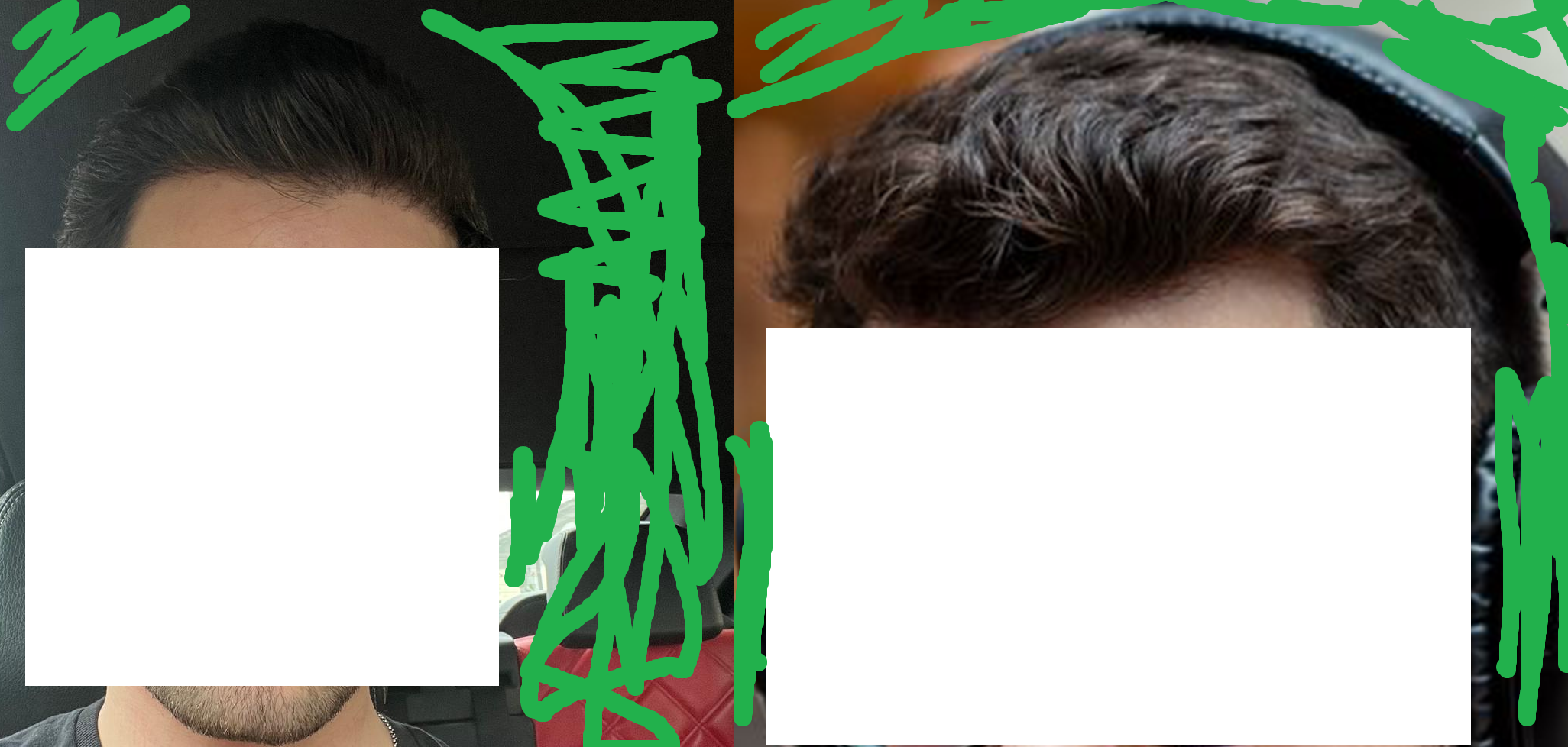
AFTER
Note: Also underwent other procedures such as hair transplant, etc.

SD 3

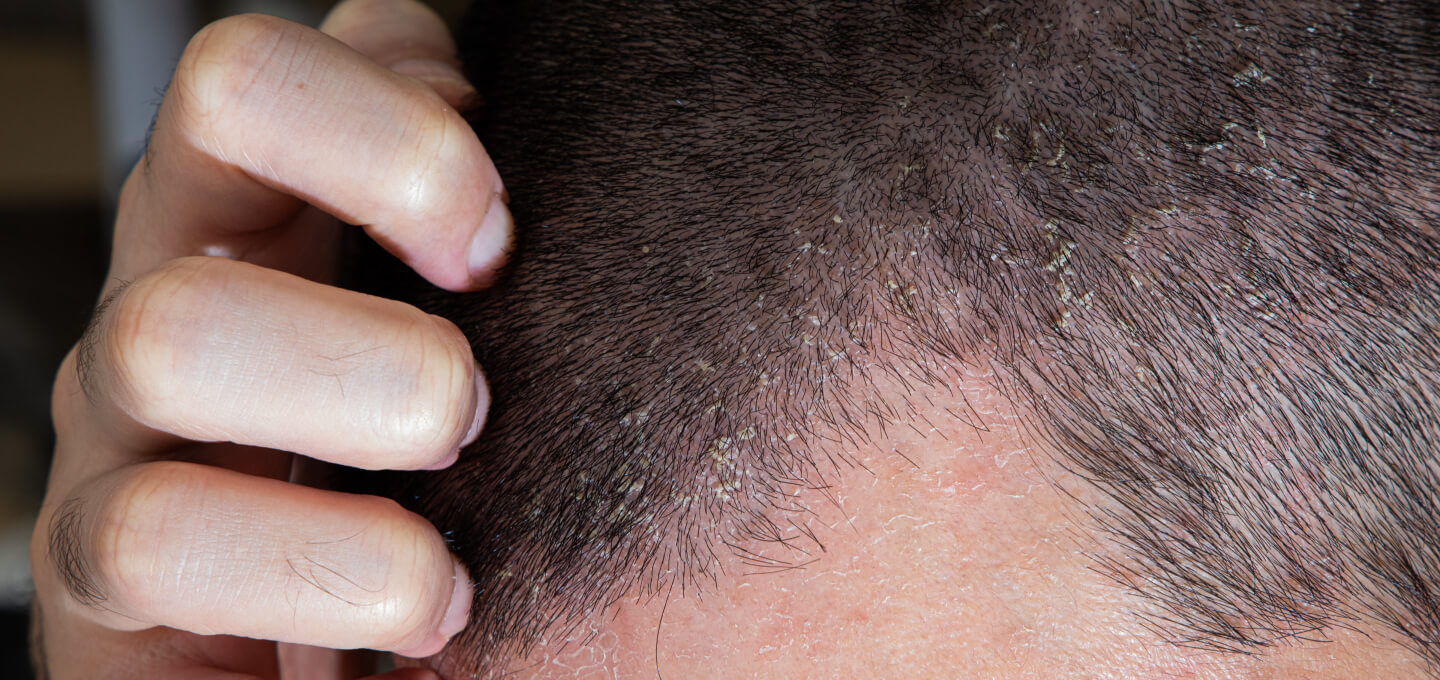
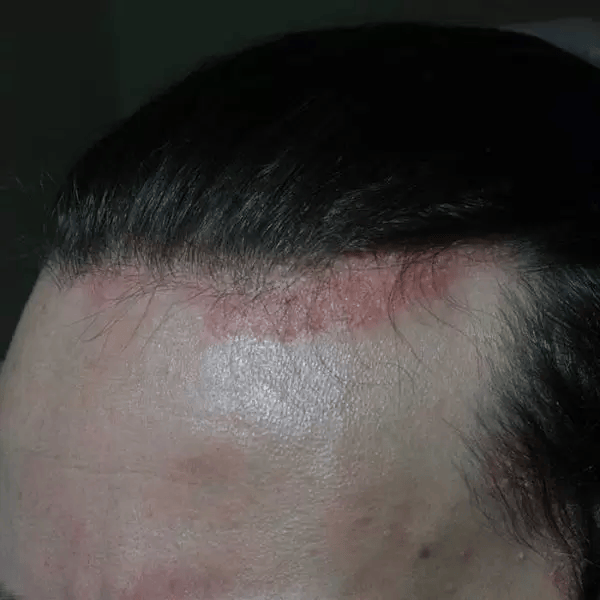
Other examples
Notice how SD can manifest itself as more flakey or as more redness, this depends on the person and multiple factors.

SD 4
SD 5


Why does this matter?
For those affected by it, SD is one of the things that barely gets talked about in looksmaxing, even though it has a big impact on how clean, healthy, and put-together you look. Flaking, redness, and weird shines can turn anyone into a subhuman and mess with how your hair looks and even skin quality. As far as I'm aware there is no "real cure". Why? Because most of it is due to: genetics, your skin barrier & how oily your skin is naturally. (https://www.ncbi.nlm.nih.gov/books/NBK551707/)

So, with the right protocol as well as by avoiding triggers and being consistent, you can keep it under control just enough for it to stop being a noticeable looksmin and burden.


Hairloss / Balding
I started balding at 17, and one factor that may have amplified it is poorly controlled SD. If you're suffering from this condition, you need to understand that once it has been active for too long, what happens is it keeps your scalp in a state of both chronic irritation and inflammation. As many of you already know from other threads, an inflamed environment in the scalp makes it more likely to create increased oxidative stress around the follicles. This can cause hairs to shed more often or even grow less strong. This basically makes thinning look worse or progress faster, on top of pre-existing genetic hair loss. This doesn't mean "SD causes permanent baldness" by itself, but it can act like an accelerator if it's left untreated. (https://pmc.ncbi.nlm.nih.gov/articles/PMC6369642/, https://pubmed.ncbi.nlm.nih.gov/16901187/)

Note: There is no STRONG evidence that this is true, we have limited observational and correlational studies.


The Protocol Itself

Required items

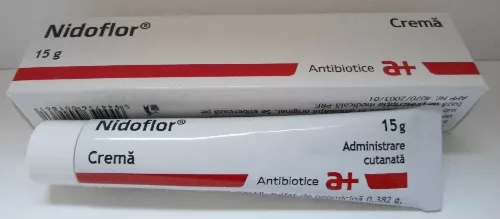
Nidoflor or similar variant

SD 6

I used a product called "Nidoflor", which is a combo of triamcinolone acetonide + neomycin sulfate + nystatin (per 1g: triamcinolone acetonide 1 mg = 0.1%, neomycin sulfate 3.82mg, nystatin 100,000 IU). I haven't found this exact combo being sold anywhere else, but you could find some close matches under the form of a topical cream. (SmPC of my product in Romanian)

Here's what each of these compounds are.
Nystatin: an antifungal agent
Neomycin sulfate: a topical antibiotic
Triamcinolone acetonide: a synthetic corticosteroid

Dall'Oglio et al. (2022) report that the use of topical potent corticosteroids achieves quick control of erythema, scaling, and pruritus in seborrheic dermatitis. Just note it also warns about the risks involved.
(https://pmc.ncbi.nlm.nih.gov/articles/PMC9365318/)
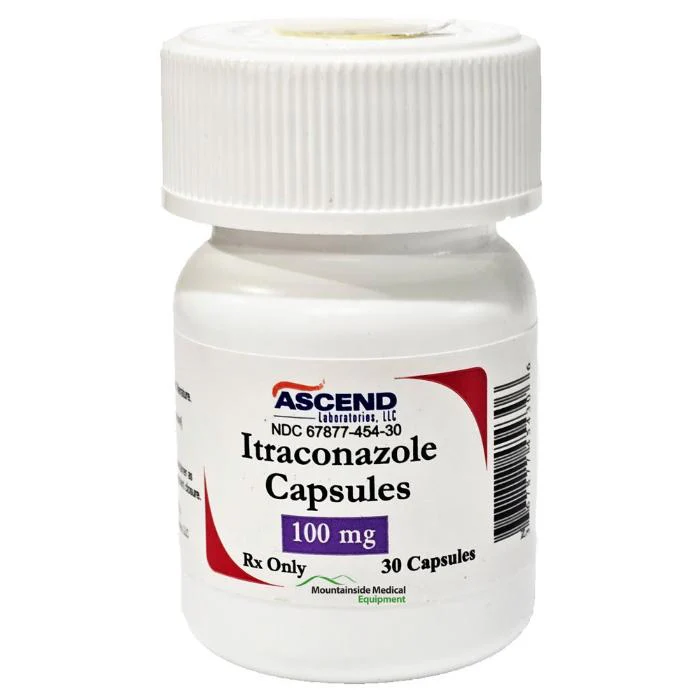
Itraconazole pills
SD 7

I would say this was the biggest needle mover in my case. After using itraconazole pills for just about two weeks, I had already noticed a huge reduction in the intensity of my symptoms, and after 6 weeks the symptoms were almost completely gone and I had a lot less outbreaks. Both the inflammation and scaling clearly improved from baseline. My personal observation aligns with published clinical data, where "63.4% of the patients achieve clearance of the lesions, and none had severe disease", supporting the efficacy of oral itraconazole in reducing seborrheic dermatitis severity (Nguyen et al., 2019) (https://pmc.ncbi.nlm.nih.gov/articles/PMC6364731)
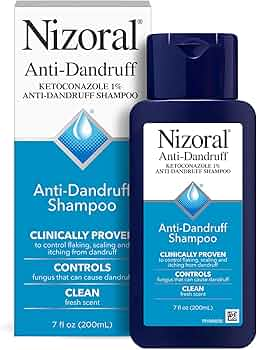
Ketaconazole shampoo (pref 2%+)
SD 8

Barbosa V et al. (2024) reports that prescription ketoconazole shampoo (2%) is a reliable treatment for scalp SD, and is also nicely tolerated and effective at relieving symptoms. The paper actually compares ketoconazole with selenium disulphide as an alternative but we're focusing on ketoconazole. Just note that selenium disulphide was presented as a well-tolerated alternative.
(https://pubmed.ncbi.nlm.nih.gov/39659649/)
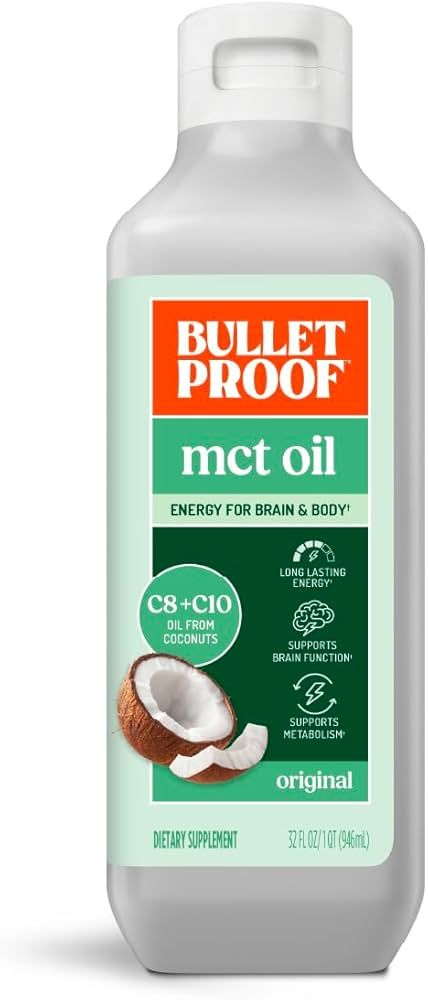
MCT Oil with C8 and C10
SD 9

Papavassilis C et al. (1999) reports that medium-chain triglycerides (including C8 and C10, which my MCT oil is made of) reduced the growth of Malassezia species, suggesting potential antifungal effects relevant to conditions like SD.

From my research, this study seems to be the most recent one that directly associates MCTs with growth inhibition effects on Malassezia species. There is newer research that have explored antimicrobial and antifungal properties of medium-chain fatty acids in broader contexts, but I haven't found any that directly look into the relationship between MCTs and Malassezia growth. (https://pubmed.ncbi.nlm.nih.gov/10507598/)
Lice comb
SD 10

Optional

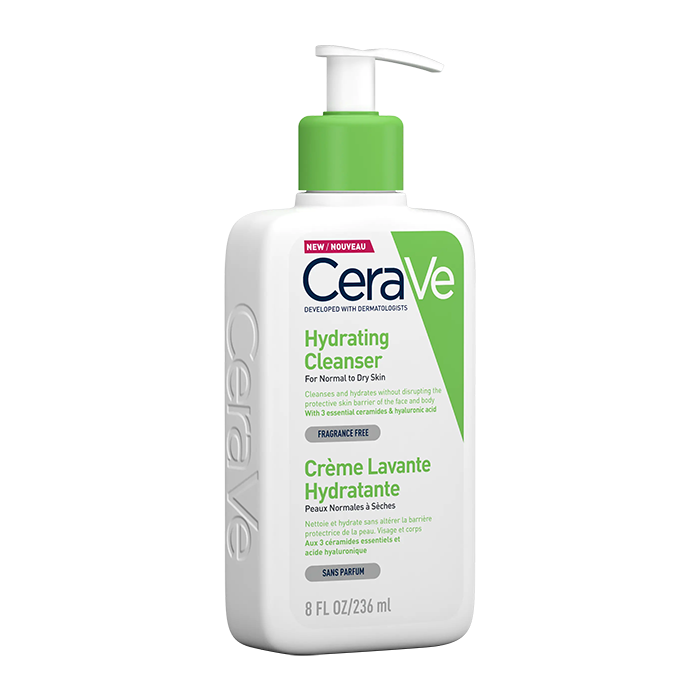
Cleanser

SD 11
Moisturizer
SD 12


The Routine

SD 13

We'll have an initial phase in which the goal is to quickly reduce scaling and inflammation and suppress Malassezia driven activity, then a maintenance phase to stop symptoms from returning. SD isn't always caused by simple fungal overgrowth. Malassezia is a normal part of everyone's skin's microbiome, and the condition is likely the result of a mix of: microbiome imbalance, barrier factors, and the individual's inflammatory response. The goal is symptom control and a more stable scalp environment, so don't consider it a permanent 'cure'.

Day 0
I strongly suggest getting a short haircut.
It helps the products reach the scalp much better and makes SD easier to manage.

First 14 days
Itraconazole:

200 mg/day for 14 days. Don't extend daily usage beyond this, as itraconazole can be hard on the liver.

MCT oil:
Apply to the most affected areas a few hours before showering, then wash it out so your hair doesn't stay greasy.

Daily shower routine:
Use lukewarm water and thoroughly soak the scalp.
Gently use the lice comb to lift/remove flakes so the shampoo can reach the scalp properly.
Apply the ketoconazole shampoo and let it sit for 5 minutes.
Rinse, then apply the shampoo one more time without letting it sit.
After the shower, pat your scalp with a towel (DON'T RUB, friction can worsen irritation).
While hair is still slightly damp, apply your variant of Nidoflor to the red + flaky areas and let it air-dry.

Nidoflor (your variant) duration:
Use it 7 days in a row only, since it contains a strong corticosteroid (and you don't want to become dependent on it)

Post 7 days
We stop using the Nidoflor (or the corticosteroid + antibiotic) but we keep showering everyday with the protocol above and keep using MCT Oil.

Post 14 days
Itraconazole:
200mg/week for 4 more weeks


At this point, we have reached the final stage. We have stopped using Nidoflor (your variant), and we will only use itraconazole once a week for a month. All that remains is to maintain our progress by following the protocol 3–4 times a week (MCT oil + ketoconazole 2% shampoo). It is highly recommended not to blow-dry your hair and instead to use a towel to remove as much moisture as possible.

Why do we keep using itraconazole?
According to the paper cited for itraconazole:
At week 2, 70% still had moderate–severe disease and only 6.7% had clearance.
At week 6, 63.4% achieved clearance.


Interactions with environment

SD 14


Winter/Cold
SD tends to be worse/more common in winter: a study shows SD showed up more often when it was colder, and it was also more common when UV/sunlight levels were lower. A simple reason is that cold weather + dry indoor heating can weaken the scalp's protective skin barrier, making it easier for irritation and inflammation to flare. Less sunlight also matters because UV light can reduce microbes (UV is used in germicidal settings to inactivate bacteria and/or fungi). This won't matter much if you're just planning on rotting indoors for the rest of your life. Anyway, the same study notes sunlight has been shown to suppress Malassezia. Lab research also found certain near-UV wavelengths can reduce Malassezia growth in a dose-dependent way (not in this specific paper). (https://pmc.ncbi.nlm.nih.gov/articles/PMC9040311/)

Solution: Shower in lukewarm water, then a apply a gentle cleanser and a moisturizer (face + hairline/scalp edges). Check if your home has dry air with a hygrometer. If it is the case then a humidifier helps, just don't overdo it. Lastly, moderate amounts of sunlight exposure can be useful.

SD 15


Air Pollution
SD can also be worse in more polluted environments: a study shows people exposed to higher levels of common air pollutants had a higher risk of developing late-onset SD. That's because pollution is basically tiny particles and irritating gases that can sit on your skin and/or scalp. While this is not a huge issue, it's part of the many things that worsen SD. If you're exposed to them for a long period of time, they just become persistent mild irritants to your scalp. That can lead to inflammation, messes up your scalp's skin barrier and also ramps up oxidative stress, so you'll be losing moisture more easily. Note that there is no direct proof that this leads to SD by itself. (https://pubmed.ncbi.nlm.nih.gov/38648509/, https://pmc.ncbi.nlm.nih.gov/articles/PMC6766865/)

Solution: Use a HEPA air purifier at home (especially in the bedroom) to reduce indoor particulate pollution, which may help lower an environmental trigger.
My personal choices for air purifiers are the Airfanta 3Pro or Levoit 300S. Keep in mind this solution is not tested in this paper specifically, it's just my reasoning, common sense and hopefully a good exposure-reduction step. Lack of evidence regarding this specific solution does not mean it won't work, especially since it carries zero risk.

SD 16


Diet
Based on available studies, SD seems to have a diet connection for some people, but it's not universal. One study shows that people who ate more fruit had less SD, while a more "Western" pattern (typical processed/fast-food style) was linked to more SD (fruit pattern ~ 25% lower odds, Western pattern ~ 47% higher odds). On the other hand, a case-control study reported that almost half of SD patients (49.2%) said foods did not affected their flares. In those who noticed triggers, the most common ones were sweets, spicy and fried foods, as well as dairy. Their data also showed daily bread, rice, pasta intake was more common in the SD group. The simple explanation is that lots of refined carbs can push hormones like IGF-1, and that may increase oil production and inflammation, while fruits/vegetables patterns may help via antioxidants and overall "less inflammatory" eating. (https://pmc.ncbi.nlm.nih.gov/articles/PMC10719884/, https://pubmed.ncbi.nlm.nih.gov/30130619/)

Solution: If you want to keep it simple, you've got two choices. Either do an elimination diet, or just straight up cut refined carbs/sugar (sodas, pastry, bread). Instead, try fruits and whole foods (red meat, organs, healthy fats, vegetables). This may be personal, but pasteurized dairy specifically seemed more likely to inflame me, so I just avoid that.


Interactions with other things

SD 17


Isotretinoin
Isotretinoin works by shrinking the sebaceous glands. That means they make much less sebum, and with less oil, the scalp is less of a lipid-rich environment for Malassezia (lipid-dependent), and inflammation can calm. Low-dose has been studied for moderate to severe SD.

Short term: It often causes dry skin/scalp and has been shown to weaken the protective layer of the skin, which leads to moisture evaporating from the surface and triggers an irritant retinoid rash. In our case for the scalp, this shows up as more dryness, redness, itching, and flaking, especially early on.

Long term: Over months, isotretinoin can control SD symptoms while you're still taking it, but dry skin/scalp irritation can persist. Once you stop using it, SD can relapse (one study reported ~11% recurrence within 3 months). Data suggests a dose effect: 20 mg/day may provide better control and less relapses than 10 mg/day over a longer period.

https://pubmed.ncbi.nlm.nih.gov/27778328/
https://www.jaad.org/article/S0190-9622(25)02114-0/
https://www.jaad.org/article/S0190-9622(23)01351-8/
Note: I can access the JAAD papers using my student credentials, not sure if they are accessible for free.


SD 18


Finasteride/Dutasteride:
Why it might help SD: My theory was that lowering DHT could reduce androgen-driven oiliness, but in practice, a human endocrine study found finasteride "did not decrease the sebum score from baseline values". That means it may not meaningfully reduce scalp oil.

Explaining type 1 and type 2
Our bodies have two main versions of 5-alpha reductase. That's the enzyme that converts testosterone to DHT, but there are better threads explaining this in detail. Simply put, type 1 is found a lot in skin/oil glands (sebaceous) and type 2 is found in tissues like hair follicles, prostate, etc. For our topic, the difference does matter, because blocking the version that's more active in oil glands is in theory more likely to affect skin/scalp oiliness.

Finasteride: mainly blocks type 2, that means, it lowers DHT in type 2 dominant tissues, but it's less likely to significantly reduce scalp sebum (as mentioned, oil glands lean more on type 1). Data currently suggests that finasteride doesn't often meaningfully lower sebum output, which makes it much less likely to improve SD via "less oil". That's the best human data I was able to find in this regard.

Dutasteride: blocks both type 1 and type 2 forms of 5-alpha reductase. It also targets the "skin/oil gland", type 1 isoenzyme. So, in theory it's a more logical option than finasteride, mechanistically, when it comes to sebaceous gland activity. That being said, do keep in mind SD isn't only an "oil problem", it's a mix of Malassezia, inflammation, as well as any person's individual sensitivity. Although dutasteride reduces scalp DHT more broadly and sounds like a better choice for us, we unfortunately still don't have strong enough evidence that it improves SD specifically, and the benefits remain theoretical/uncertain rather than proven.

https://pubmed.ncbi.nlm.nih.gov/8381804/
https://pmc.ncbi.nlm.nih.gov/articles/PMC5023004/
https://pmc.ncbi.nlm.nih.gov/articles/PMC2923939/


SD 19


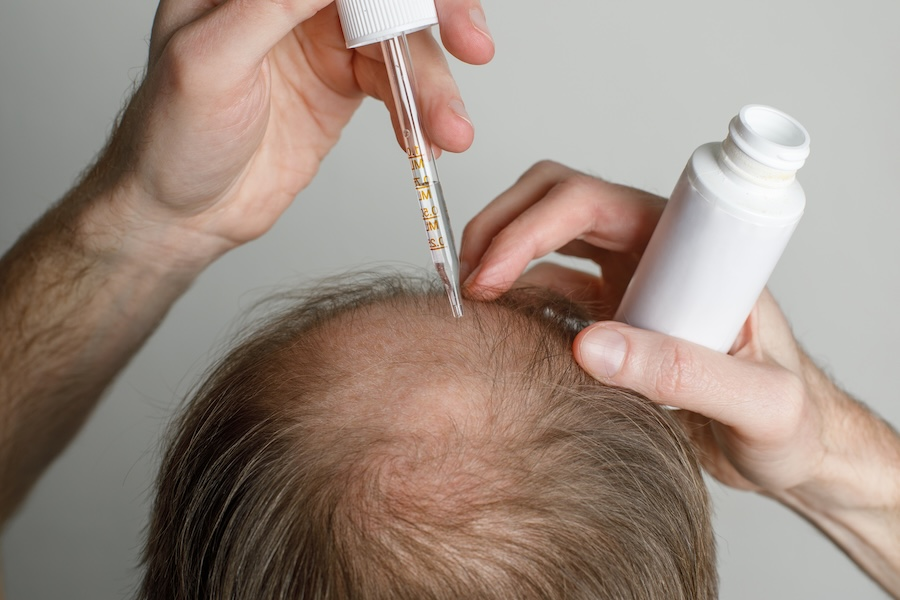
Minoxidil (topical):
Topical minoxidil can make SD look worse in some people: a study shows that among 400 patients using topical minoxidil for androgenic alopecia, scalp side effects included itching, increased dandruff, redness, and they say the main causes behind those symptoms are irritant contact dermatitis, allergic contact dermatitis, or an exacerbation of seborrheic dermatitis. An important note is they mention that these reactions often come from the propylene glycol rather than minoxidil itself.
https://pmc.ncbi.nlm.nih.gov/articles/PMC10149432


Thanks for reading!
This is my first higher quality contribution to the community. I hope this will come in handy to anyone affected by this or even dandruff in the future. Open to any new ideas and/or corrections, just reply below, thank you.

If you’re dealing with SD, feel free to DM me for any questions.

Huge efforts by @Nexom for the collaboration on this thread, thanks!
Also thanks to @chadisbeingmade for checking it out as well.
 
Last edited:
  • +1
  • Love it
Reactions: LLcel, DAMN1212, beyond_birthday and 25 others
Glad to have contributed in making this guide, hope it will help anyone dealing with seborrheic dermatitis now or in the future. Good stuff!
 
  • +1
  • Love it
Reactions: glaw, LLcel, Flugelmaxing and 7 others
People that could make good use of it or mentioned it before:
@Bewusst @StraightHeadJames @sub5outsider @twilight @Mess
 
  • +1
  • Love it
Reactions: twilight, Mess and gio729
@Sepsin @SlayerJonas @Sadist @Orka @TechnoBoss
 
  • +1
Reactions: Sadist, Orka, Sepsin and 1 other person
mirin :love:

I genuinely needed this, thanks
 
  • +1
Reactions: TechnoBoss, Nexom, gio729 and 1 other person
I don't have seborrheic dermatitis so I won't benefit from reading through but looks like a very detailed thread. Thank you for contributing, first glance looks botb worthy.
 
  • +1
Reactions: TechnoBoss, Nexom and Elf
DISCLAIMER
This is for educational purposes only, not medical advice. A lot of what I'll be sharing in this thread comes from years of personal experience dealing with seborrheic dermatitis. Everyone's different, so results may vary (I've tried to include everything in hope that most people will yield good results). Some approaches depending on your condition can carry risks, so please just use common sense and consider talking to a professional.


Table of Contents
1. What is Seborrheic Dermatitis?
2. Why I am making this thread
3. Why does this matter?
4. Hairloss / Balding
5. The Protocol Itself

5.1 Required items​
5.2 Routine​
6. Interactions with environment
6.1 Winter/Cold​
6.2 Air Pollution​
6.3 Diet​
7. Interactions with other things
7.1 Isotretinoin​
7.2 Finasteride​
7.3 Dutasteride​
7.4 Minoxidil​


What is Seborrheic Dermatitis? We'll refer to it as "SD" in this thread
Seborrheic dermatitis is a very common chronic skin disorder causing red, greasy, and flaky patches on areas of the body (focusing on scalp here) that are richly supplied with oil producing glands. The scalp, face, and chest tend to be affected by this type of skin disease and studies currently believe it occurs due to a combination of the yeast on your skin (malassezia), excessive production of oil, as well as an inflammatory reaction, although it is not contagious and the exact mechanisms behind its development remain poorly understood. "Dandruff" can be viewed as the most mild form of the disease and it can appear at random times.

View attachment 4525182


Why I am making this thread
I've had seborrheic dermatitis since the age of 13, and tried almost every treatment, product, and method for a few years in order to manage my SD. I was able to develop a reliable protocol that currently keeps my SD under control, and also helps mask many of its signs. The information I'm providing comes from extensive testing and researching many different treatments and products. To my knowledge, there are no other places online that provide all of the information I am providing here, all in one location. People that had interest in this subject may already be aware of many things here, but I haven't found a thread mentioning all of them in relation to SD.

My case
BEFORE
Note: These photos of me were taken after already having tried a few solutions, it was way worse.

View attachment 4525183

AFTER
Note: Also underwent other procedures such as hair transplant, etc.

View attachment 4525184

Other examples
Notice how SD can manifest itself as more flakey or as more redness, this depends on the person and multiple factors.

View attachment 4525185View attachment 4525186


Why does this matter?
For those affected by it, SD is one of the things that barely gets talked about in looksmaxing, even though it has a big impact on how clean, healthy, and put-together you look. Flaking, redness, and weird shines can turn anyone into a subhuman and mess with how your hair looks and even skin quality. As far as I'm aware there is no "real cure". Why? Because most of it is due to: genetics, your skin barrier & how oily your skin is naturally. (https://www.ncbi.nlm.nih.gov/books/NBK551707/)

So, with the right protocol as well as by avoiding triggers and being consistent, you can keep it under control just enough for it to stop being a noticeable looksmin and burden.


Hairloss / Balding
I started balding at 17, and one factor that may have amplified it is poorly controlled SD. If you're suffering from this condition, you need to understand that once it has been active for too long, what happens is it keeps your scalp in a state of both chronic irritation and inflammation. As many of you already know from other threads, an inflamed environment in the scalp makes it more likely to create increased oxidative stress around the follicles. This can cause hairs to shed more often or even grow less strong. This basically makes thinning look worse or progress faster, on top of pre-existing genetic hair loss. This doesn't mean "SD causes permanent baldness" by itself, but it can act like an accelerator if it's left untreated. (https://pmc.ncbi.nlm.nih.gov/articles/PMC6369642/, https://pubmed.ncbi.nlm.nih.gov/16901187/)

Note: There is no STRONG evidence that this is true, we have limited observational and correlational studies.


The Protocol Itself

Required items

Nidoflor or similar variant

View attachment 4525187
I used a product called "Nidoflor", which is a combo of triamcinolone acetonide + neomycin sulfate + nystatin (per 1g: triamcinolone acetonide 1 mg = 0.1%, neomycin sulfate 3.82mg, nystatin 100,000 IU). I haven't found this exact combo being sold anywhere else, but you could find some close matches under the form of a topical cream. (SmPC of my product in Romanian)

Here's what each of these compounds are.
Nystatin: an antifungal agent
Neomycin sulfate: a topical antibiotic
Triamcinolone acetonide: a synthetic corticosteroid

Dall'Oglio et al. (2022) report that the use of topical potent corticosteroids achieves quick control of erythema, scaling, and pruritus in seborrheic dermatitis. Just note it also warns about the risks involved.
(https://pmc.ncbi.nlm.nih.gov/articles/PMC9365318/)
Itraconazole pills
View attachment 4525188
I would say this was the biggest needle mover in my case. After using itraconazole pills for just about two weeks, I had already noticed a huge reduction in the intensity of my symptoms, and after 6 weeks the symptoms were almost completely gone and I had a lot less outbreaks. Both the inflammation and scaling clearly improved from baseline. My personal observation aligns with published clinical data, where "63.4% of the patients achieve clearance of the lesions, and none had severe disease", supporting the efficacy of oral itraconazole in reducing seborrheic dermatitis severity (Nguyen et al., 2019) (https://pmc.ncbi.nlm.nih.gov/articles/PMC6364731)
Ketaconazole shampoo (pref 2%+)
View attachment 4525189
Barbosa V et al. (2024) reports that prescription ketoconazole shampoo (2%) is a reliable treatment for scalp SD, and is also nicely tolerated and effective at relieving symptoms. The paper actually compares ketoconazole with selenium disulphide as an alternative but we're focusing on ketoconazole. Just note that selenium disulphide was presented as a well-tolerated alternative.
(https://pubmed.ncbi.nlm.nih.gov/39659649/)
MCT Oil with C8 and C10
View attachment 4525190
Papavassilis C et al. (1999) reports that medium-chain triglycerides (including C8 and C10, which my MCT oil is made of) reduced the growth of Malassezia species, suggesting potential antifungal effects relevant to conditions like SD.

From my research, this study seems to be the most recent one that directly associates MCTs with growth inhibition effects on Malassezia species. There is newer research that have explored antimicrobial and antifungal properties of medium-chain fatty acids in broader contexts, but I haven't found any that directly look into the relationship between MCTs and Malassezia growth. (https://pubmed.ncbi.nlm.nih.gov/10507598/)
Lice comb

Optional

Cleanser

Moisturizer


The Routine

View attachment 4525196
We'll have an initial phase in which the goal is to quickly reduce scaling and inflammation and suppress Malassezia driven activity, then a maintenance phase to stop symptoms from returning. SD isn't always caused by simple fungal overgrowth. Malassezia is a normal part of everyone's skin's microbiome, and the condition is likely the result of a mix of: microbiome imbalance, barrier factors, and the individual's inflammatory response. The goal is symptom control and a more stable scalp environment, so don't consider it a permanent 'cure'.

Day 0
I strongly suggest getting a short haircut.
It helps the products reach the scalp much better and makes SD easier to manage.

First 14 days
Itraconazole:

200 mg/day for 14 days. Don't extend daily usage beyond this, as itraconazole can be hard on the liver.

MCT oil:
Apply to the most affected areas a few hours before showering, then wash it out so your hair doesn't stay greasy.

Daily shower routine:
Use lukewarm water and thoroughly soak the scalp.
Gently use the lice comb to lift/remove flakes so the shampoo can reach the scalp properly.
Apply the ketoconazole shampoo and let it sit for 5 minutes.
Rinse, then apply the shampoo one more time without letting it sit.
After the shower, pat your scalp with a towel (DON'T RUB, friction can worsen irritation).
While hair is still slightly damp, apply your variant of Nidoflor to the red + flaky areas and let it air-dry.

Nidoflor (your variant) duration:
Use it 7 days in a row only, since it contains a strong corticosteroid (and you don't want to become dependent on it)

Post 7 days
We stop using the Nidoflor (or the corticosteroid + antibiotic) but we keep showering everyday with the protocol above and keep using MCT Oil.

Post 14 days
Itraconazole:
200mg/week for 4 more weeks


At this point, we have reached the final stage. We have stopped using Nidoflor (your variant), and we will only use itraconazole once a week for a month. All that remains is to maintain our progress by following the protocol 3–4 times a week (MCT oil + ketoconazole 2% shampoo). It is highly recommended not to blow-dry your hair and instead to use a towel to remove as much moisture as possible.

Why do we keep using itraconazole?
According to the paper cited for itraconazole:
At week 2, 70% still had moderate–severe disease and only 6.7% had clearance.
At week 6, 63.4% achieved clearance.


Interactions with environment

View attachment 4525200

Winter/Cold
SD tends to be worse/more common in winter: a study shows SD showed up more often when it was colder, and it was also more common when UV/sunlight levels were lower. A simple reason is that cold weather + dry indoor heating can weaken the scalp's protective skin barrier, making it easier for irritation and inflammation to flare. Less sunlight also matters because UV light can reduce microbes (UV is used in germicidal settings to inactivate bacteria and/or fungi). This won't matter much if you're just planning on rotting indoors for the rest of your life. Anyway, the same study notes sunlight has been shown to suppress Malassezia. Lab research also found certain near-UV wavelengths can reduce Malassezia growth in a dose-dependent way (not in this specific paper). (https://pmc.ncbi.nlm.nih.gov/articles/PMC9040311/)

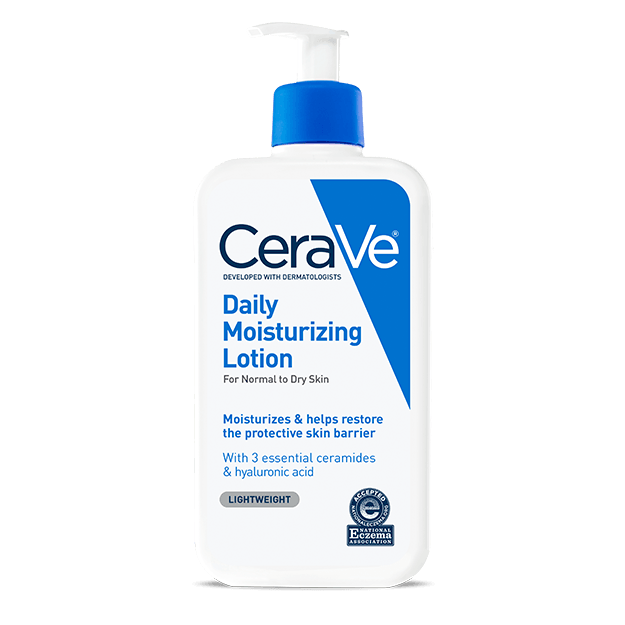
Solution: Shower in lukewarm water, then a apply a gentle cleanser and a moisturizer (face + hairline/scalp edges). Check if your home has dry air with a hygrometer. If it is the case then a humidifier helps, just don't overdo it. Lastly, moderate amounts of sunlight exposure can be useful.

View attachment 4525201

Air Pollution
SD can also be worse in more polluted environments: a study shows people exposed to higher levels of common air pollutants had a higher risk of developing late-onset SD. That's because pollution is basically tiny particles and irritating gases that can sit on your skin and/or scalp. While this is not a huge issue, it's part of the many things that worsen SD. If you're exposed to them for a long period of time, they just become persistent mild irritants to your scalp. That can lead to inflammation, messes up your scalp's skin barrier and also ramps up oxidative stress, so you'll be losing moisture more easily. Note that there is no direct proof that this leads to SD by itself. (https://pubmed.ncbi.nlm.nih.gov/38648509/, https://pmc.ncbi.nlm.nih.gov/articles/PMC6766865/)

Solution: Use a HEPA air purifier at home (especially in the bedroom) to reduce indoor particulate pollution, which may help lower an environmental trigger.
My personal choices for air purifiers are the Airfanta 3Pro or Levoit 300S. Keep in mind this solution is not tested in this paper specifically, it's just my reasoning, common sense and hopefully a good exposure-reduction step. Lack of evidence regarding this specific solution does not mean it won't work, especially since it carries zero risk.
View attachment 4525203

Diet
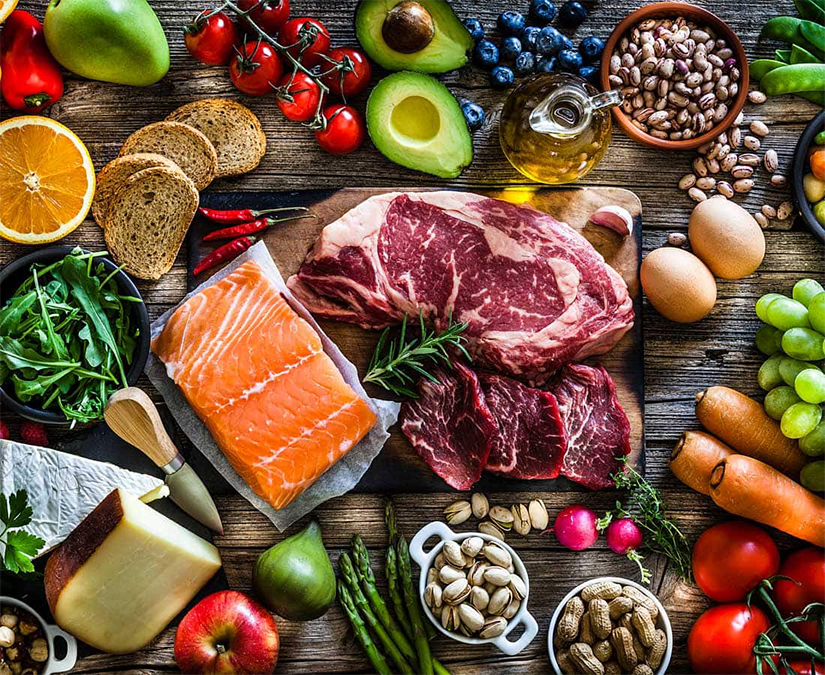
Based on available studies, SD seems to have a diet connection for some people, but it's not universal. One study shows that people who ate more fruit had less SD, while a more "Western" pattern (typical processed/fast-food style) was linked to more SD (fruit pattern ~ 25% lower odds, Western pattern ~ 47% higher odds). On the other hand, a case-control study reported that almost half of SD patients (49.2%) said foods did not affected their flares. In those who noticed triggers, the most common ones were sweets, spicy and fried foods, as well as dairy. Their data also showed daily bread, rice, pasta intake was more common in the SD group. The simple explanation is that lots of refined carbs can push hormones like IGF-1, and that may increase oil production and inflammation, while fruits/vegetables patterns may help via antioxidants and overall "less inflammatory" eating. (https://pmc.ncbi.nlm.nih.gov/articles/PMC10719884/, https://pubmed.ncbi.nlm.nih.gov/30130619/)

Solution: If you want to keep it simple, you've got two choices. Either do an elimination diet, or just straight up cut refined carbs/sugar (sodas, pastry, bread). Instead, try fruits and whole foods (red meat, organs, healthy fats, vegetables). This may be personal, but pasteurized dairy specifically seemed more likely to inflame me, so I just avoid that.


Interactions with other things
View attachment 4525204

Isotretinoin
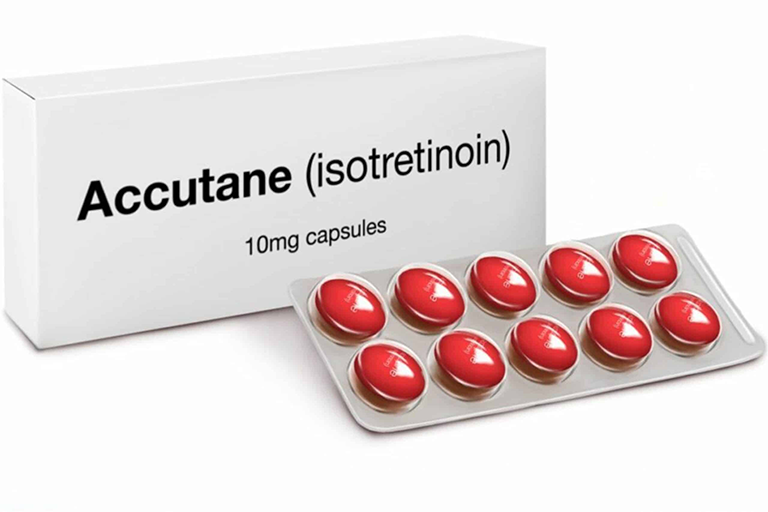
Isotretinoin works by shrinking the sebaceous glands. That means they make much less sebum, and with less oil, the scalp is less of a lipid-rich environment for Malassezia (lipid-dependent), and inflammation can calm. Low-dose has been studied for moderate to severe SD.

Short term: It often causes dry skin/scalp and has been shown to weaken the protective layer of the skin, which leads to moisture evaporating from the surface and triggers an irritant retinoid rash. In our case for the scalp, this shows up as more dryness, redness, itching, and flaking, especially early on.

Long term: Over months, isotretinoin can control SD symptoms while you're still taking it, but dry skin/scalp irritation can persist. Once you stop using it, SD can relapse (one study reported ~11% recurrence within 3 months). Data suggests a dose effect: 20 mg/day may provide better control and less relapses than 10 mg/day over a longer period.

https://pubmed.ncbi.nlm.nih.gov/27778328/
https://www.jaad.org/article/S0190-9622(25)02114-0/
https://www.jaad.org/article/S0190-9622(23)01351-8/
Note: I can access the JAAD papers using my student credentials, not sure if they are accessible for free.


View attachment 4525206

Finasteride/Dutasteride:
Why it might help SD: My theory was that lowering DHT could reduce androgen-driven oiliness, but in practice, a human endocrine study found finasteride "did not decrease the sebum score from baseline values". That means it may not meaningfully reduce scalp oil.

Explaining type 1 and type 2
Our bodies have two main versions of 5-alpha reductase. That's the enzyme that converts testosterone to DHT, but there are better threads explaining this in detail. Simply put, type 1 is found a lot in skin/oil glands (sebaceous) and type 2 is found in tissues like hair follicles, prostate, etc. For our topic, the difference does matter, because blocking the version that's more active in oil glands is in theory more likely to affect skin/scalp oiliness.

Finasteride: mainly blocks type 2, that means, it lowers DHT in type 2 dominant tissues, but it's less likely to significantly reduce scalp sebum (as mentioned, oil glands lean more on type 1). Data currently suggests that finasteride doesn't often meaningfully lower sebum output, which makes it much less likely to improve SD via "less oil". That's the best human data I was able to find in this regard.

Dutasteride: blocks both type 1 and type 2 forms of 5-alpha reductase. It also targets the "skin/oil gland", type 1 isoenzyme. So, in theory it's a more logical option than finasteride, mechanistically, when it comes to sebaceous gland activity. That being said, do keep in mind SD isn't only an "oil problem", it's a mix of Malassezia, inflammation, as well as any person's individual sensitivity. Although dutasteride reduces scalp DHT more broadly and sounds like a better choice for us, we unfortunately still don't have strong enough evidence that it improves SD specifically, and the benefits remain theoretical/uncertain rather than proven.

https://pubmed.ncbi.nlm.nih.gov/8381804/
https://pmc.ncbi.nlm.nih.gov/articles/PMC5023004/
https://pmc.ncbi.nlm.nih.gov/articles/PMC2923939/


View attachment 4525208

Minoxidil (topical):
Topical minoxidil can make SD look worse in some people: a study shows that among 400 patients using topical minoxidil for androgenic alopecia, scalp side effects included itching, increased dandruff, redness, and they say the main causes behind those symptoms are irritant contact dermatitis, allergic contact dermatitis, or an exacerbation of seborrheic dermatitis. An important note is they mention that these reactions often come from the propylene glycol rather than minoxidil itself.
https://pmc.ncbi.nlm.nih.gov/articles/PMC10149432


Thanks for reading!
This is my first higher quality contribution to the community. I hope this will come in handy to anyone affected by this or even dandruff in the future.
If you’re dealing with SD, feel free to DM me for any questions.

Huge efforts by @Nexom for the collaboration on this thread, thanks!
Also thanks to @chadisbeingmade for checking it out as well.
Mirin thread and effort OP

Just bookmarked
 
  • +1
Reactions: Nexom and Elf
DISCLAIMER
This is for educational purposes only, not medical advice. A lot of what I'll be sharing in this thread comes from years of personal experience dealing with seborrheic dermatitis. Everyone's different, so results may vary (I've tried to include everything in hope that most people will yield good results). Some approaches depending on your condition can carry risks, so please just use common sense and consider talking to a professional.


Table of Contents
1. What is Seborrheic Dermatitis?
2. Why I am making this thread
3. Why does this matter?
4. Hairloss / Balding
5. The Protocol Itself

5.1 Required items​
5.2 Routine​
6. Interactions with environment
6.1 Winter/Cold​
6.2 Air Pollution​
6.3 Diet​
7. Interactions with other things
7.1 Isotretinoin​
7.2 Finasteride​
7.3 Dutasteride​
7.4 Minoxidil​


What is Seborrheic Dermatitis? We'll refer to it as "SD" in this thread
Seborrheic dermatitis is a very common chronic skin disorder causing red, greasy, and flaky patches on areas of the body (focusing on scalp here) that are richly supplied with oil producing glands. The scalp, face, and chest tend to be affected by this type of skin disease and studies currently believe it occurs due to a combination of the yeast on your skin (malassezia), excessive production of oil, as well as an inflammatory reaction, although it is not contagious and the exact mechanisms behind its development remain poorly understood. "Dandruff" can be viewed as the most mild form of the disease and it can appear at random times.

View attachment 4525182


Why I am making this thread
I've had seborrheic dermatitis since the age of 13, and tried almost every treatment, product, and method for a few years in order to manage my SD. I was able to develop a reliable protocol that currently keeps my SD under control, and also helps mask many of its signs. The information I'm providing comes from extensive testing and researching many different treatments and products. To my knowledge, there are no other places online that provide all of the information I am providing here, all in one location. People that had interest in this subject may already be aware of many things here, but I haven't found a thread mentioning all of them in relation to SD.

My case
BEFORE
Note: These photos of me were taken after already having tried a few solutions, it was way worse.

View attachment 4525183

AFTER
Note: Also underwent other procedures such as hair transplant, etc.

View attachment 4525184

Other examples
Notice how SD can manifest itself as more flakey or as more redness, this depends on the person and multiple factors.

View attachment 4525185View attachment 4525186


Why does this matter?
For those affected by it, SD is one of the things that barely gets talked about in looksmaxing, even though it has a big impact on how clean, healthy, and put-together you look. Flaking, redness, and weird shines can turn anyone into a subhuman and mess with how your hair looks and even skin quality. As far as I'm aware there is no "real cure". Why? Because most of it is due to: genetics, your skin barrier & how oily your skin is naturally. (https://www.ncbi.nlm.nih.gov/books/NBK551707/)

So, with the right protocol as well as by avoiding triggers and being consistent, you can keep it under control just enough for it to stop being a noticeable looksmin and burden.


Hairloss / Balding
I started balding at 17, and one factor that may have amplified it is poorly controlled SD. If you're suffering from this condition, you need to understand that once it has been active for too long, what happens is it keeps your scalp in a state of both chronic irritation and inflammation. As many of you already know from other threads, an inflamed environment in the scalp makes it more likely to create increased oxidative stress around the follicles. This can cause hairs to shed more often or even grow less strong. This basically makes thinning look worse or progress faster, on top of pre-existing genetic hair loss. This doesn't mean "SD causes permanent baldness" by itself, but it can act like an accelerator if it's left untreated. (https://pmc.ncbi.nlm.nih.gov/articles/PMC6369642/, https://pubmed.ncbi.nlm.nih.gov/16901187/)

Note: There is no STRONG evidence that this is true, we have limited observational and correlational studies.


The Protocol Itself

Required items

Nidoflor or similar variant

View attachment 4525187
I used a product called "Nidoflor", which is a combo of triamcinolone acetonide + neomycin sulfate + nystatin (per 1g: triamcinolone acetonide 1 mg = 0.1%, neomycin sulfate 3.82mg, nystatin 100,000 IU). I haven't found this exact combo being sold anywhere else, but you could find some close matches under the form of a topical cream. (SmPC of my product in Romanian)

Here's what each of these compounds are.
Nystatin: an antifungal agent
Neomycin sulfate: a topical antibiotic
Triamcinolone acetonide: a synthetic corticosteroid

Dall'Oglio et al. (2022) report that the use of topical potent corticosteroids achieves quick control of erythema, scaling, and pruritus in seborrheic dermatitis. Just note it also warns about the risks involved.
(https://pmc.ncbi.nlm.nih.gov/articles/PMC9365318/)
Itraconazole pills
View attachment 4525188
I would say this was the biggest needle mover in my case. After using itraconazole pills for just about two weeks, I had already noticed a huge reduction in the intensity of my symptoms, and after 6 weeks the symptoms were almost completely gone and I had a lot less outbreaks. Both the inflammation and scaling clearly improved from baseline. My personal observation aligns with published clinical data, where "63.4% of the patients achieve clearance of the lesions, and none had severe disease", supporting the efficacy of oral itraconazole in reducing seborrheic dermatitis severity (Nguyen et al., 2019) (https://pmc.ncbi.nlm.nih.gov/articles/PMC6364731)
Ketaconazole shampoo (pref 2%+)
View attachment 4525189
Barbosa V et al. (2024) reports that prescription ketoconazole shampoo (2%) is a reliable treatment for scalp SD, and is also nicely tolerated and effective at relieving symptoms. The paper actually compares ketoconazole with selenium disulphide as an alternative but we're focusing on ketoconazole. Just note that selenium disulphide was presented as a well-tolerated alternative.
(https://pubmed.ncbi.nlm.nih.gov/39659649/)
MCT Oil with C8 and C10
View attachment 4525190
Papavassilis C et al. (1999) reports that medium-chain triglycerides (including C8 and C10, which my MCT oil is made of) reduced the growth of Malassezia species, suggesting potential antifungal effects relevant to conditions like SD.

From my research, this study seems to be the most recent one that directly associates MCTs with growth inhibition effects on Malassezia species. There is newer research that have explored antimicrobial and antifungal properties of medium-chain fatty acids in broader contexts, but I haven't found any that directly look into the relationship between MCTs and Malassezia growth. (https://pubmed.ncbi.nlm.nih.gov/10507598/)
Lice comb

Optional

Cleanser

Moisturizer


The Routine

View attachment 4525196
We'll have an initial phase in which the goal is to quickly reduce scaling and inflammation and suppress Malassezia driven activity, then a maintenance phase to stop symptoms from returning. SD isn't always caused by simple fungal overgrowth. Malassezia is a normal part of everyone's skin's microbiome, and the condition is likely the result of a mix of: microbiome imbalance, barrier factors, and the individual's inflammatory response. The goal is symptom control and a more stable scalp environment, so don't consider it a permanent 'cure'.

Day 0
I strongly suggest getting a short haircut.
It helps the products reach the scalp much better and makes SD easier to manage.

First 14 days
Itraconazole:

200 mg/day for 14 days. Don't extend daily usage beyond this, as itraconazole can be hard on the liver.

MCT oil:
Apply to the most affected areas a few hours before showering, then wash it out so your hair doesn't stay greasy.

Daily shower routine:
Use lukewarm water and thoroughly soak the scalp.
Gently use the lice comb to lift/remove flakes so the shampoo can reach the scalp properly.
Apply the ketoconazole shampoo and let it sit for 5 minutes.
Rinse, then apply the shampoo one more time without letting it sit.
After the shower, pat your scalp with a towel (DON'T RUB, friction can worsen irritation).
While hair is still slightly damp, apply your variant of Nidoflor to the red + flaky areas and let it air-dry.

Nidoflor (your variant) duration:
Use it 7 days in a row only, since it contains a strong corticosteroid (and you don't want to become dependent on it)

Post 7 days
We stop using the Nidoflor (or the corticosteroid + antibiotic) but we keep showering everyday with the protocol above and keep using MCT Oil.

Post 14 days
Itraconazole:
200mg/week for 4 more weeks


At this point, we have reached the final stage. We have stopped using Nidoflor (your variant), and we will only use itraconazole once a week for a month. All that remains is to maintain our progress by following the protocol 3–4 times a week (MCT oil + ketoconazole 2% shampoo). It is highly recommended not to blow-dry your hair and instead to use a towel to remove as much moisture as possible.

Why do we keep using itraconazole?
According to the paper cited for itraconazole:
At week 2, 70% still had moderate–severe disease and only 6.7% had clearance.
At week 6, 63.4% achieved clearance.


Interactions with environment

View attachment 4525200

Winter/Cold
SD tends to be worse/more common in winter: a study shows SD showed up more often when it was colder, and it was also more common when UV/sunlight levels were lower. A simple reason is that cold weather + dry indoor heating can weaken the scalp's protective skin barrier, making it easier for irritation and inflammation to flare. Less sunlight also matters because UV light can reduce microbes (UV is used in germicidal settings to inactivate bacteria and/or fungi). This won't matter much if you're just planning on rotting indoors for the rest of your life. Anyway, the same study notes sunlight has been shown to suppress Malassezia. Lab research also found certain near-UV wavelengths can reduce Malassezia growth in a dose-dependent way (not in this specific paper). (https://pmc.ncbi.nlm.nih.gov/articles/PMC9040311/)

Solution: Shower in lukewarm water, then a apply a gentle cleanser and a moisturizer (face + hairline/scalp edges). Check if your home has dry air with a hygrometer. If it is the case then a humidifier helps, just don't overdo it. Lastly, moderate amounts of sunlight exposure can be useful.

View attachment 4525201

Air Pollution
SD can also be worse in more polluted environments: a study shows people exposed to higher levels of common air pollutants had a higher risk of developing late-onset SD. That's because pollution is basically tiny particles and irritating gases that can sit on your skin and/or scalp. While this is not a huge issue, it's part of the many things that worsen SD. If you're exposed to them for a long period of time, they just become persistent mild irritants to your scalp. That can lead to inflammation, messes up your scalp's skin barrier and also ramps up oxidative stress, so you'll be losing moisture more easily. Note that there is no direct proof that this leads to SD by itself. (https://pubmed.ncbi.nlm.nih.gov/38648509/, https://pmc.ncbi.nlm.nih.gov/articles/PMC6766865/)

Solution: Use a HEPA air purifier at home (especially in the bedroom) to reduce indoor particulate pollution, which may help lower an environmental trigger.
My personal choices for air purifiers are the Airfanta 3Pro or Levoit 300S. Keep in mind this solution is not tested in this paper specifically, it's just my reasoning, common sense and hopefully a good exposure-reduction step. Lack of evidence regarding this specific solution does not mean it won't work, especially since it carries zero risk.

View attachment 4525203

Diet
Based on available studies, SD seems to have a diet connection for some people, but it's not universal. One study shows that people who ate more fruit had less SD, while a more "Western" pattern (typical processed/fast-food style) was linked to more SD (fruit pattern ~ 25% lower odds, Western pattern ~ 47% higher odds). On the other hand, a case-control study reported that almost half of SD patients (49.2%) said foods did not affected their flares. In those who noticed triggers, the most common ones were sweets, spicy and fried foods, as well as dairy. Their data also showed daily bread, rice, pasta intake was more common in the SD group. The simple explanation is that lots of refined carbs can push hormones like IGF-1, and that may increase oil production and inflammation, while fruits/vegetables patterns may help via antioxidants and overall "less inflammatory" eating. (https://pmc.ncbi.nlm.nih.gov/articles/PMC10719884/, https://pubmed.ncbi.nlm.nih.gov/30130619/)

Solution: If you want to keep it simple, you've got two choices. Either do an elimination diet, or just straight up cut refined carbs/sugar (sodas, pastry, bread). Instead, try fruits and whole foods (red meat, organs, healthy fats, vegetables). This may be personal, but pasteurized dairy specifically seemed more likely to inflame me, so I just avoid that.


Interactions with other things

View attachment 4525204

Isotretinoin
Isotretinoin works by shrinking the sebaceous glands. That means they make much less sebum, and with less oil, the scalp is less of a lipid-rich environment for Malassezia (lipid-dependent), and inflammation can calm. Low-dose has been studied for moderate to severe SD.

Short term: It often causes dry skin/scalp and has been shown to weaken the protective layer of the skin, which leads to moisture evaporating from the surface and triggers an irritant retinoid rash. In our case for the scalp, this shows up as more dryness, redness, itching, and flaking, especially early on.

Long term: Over months, isotretinoin can control SD symptoms while you're still taking it, but dry skin/scalp irritation can persist. Once you stop using it, SD can relapse (one study reported ~11% recurrence within 3 months). Data suggests a dose effect: 20 mg/day may provide better control and less relapses than 10 mg/day over a longer period.

https://pubmed.ncbi.nlm.nih.gov/27778328/
https://www.jaad.org/article/S0190-9622(25)02114-0/
https://www.jaad.org/article/S0190-9622(23)01351-8/
Note: I can access the JAAD papers using my student credentials, not sure if they are accessible for free.


View attachment 4525206

Finasteride/Dutasteride:
Why it might help SD: My theory was that lowering DHT could reduce androgen-driven oiliness, but in practice, a human endocrine study found finasteride "did not decrease the sebum score from baseline values". That means it may not meaningfully reduce scalp oil.

Explaining type 1 and type 2
Our bodies have two main versions of 5-alpha reductase. That's the enzyme that converts testosterone to DHT, but there are better threads explaining this in detail. Simply put, type 1 is found a lot in skin/oil glands (sebaceous) and type 2 is found in tissues like hair follicles, prostate, etc. For our topic, the difference does matter, because blocking the version that's more active in oil glands is in theory more likely to affect skin/scalp oiliness.

Finasteride: mainly blocks type 2, that means, it lowers DHT in type 2 dominant tissues, but it's less likely to significantly reduce scalp sebum (as mentioned, oil glands lean more on type 1). Data currently suggests that finasteride doesn't often meaningfully lower sebum output, which makes it much less likely to improve SD via "less oil". That's the best human data I was able to find in this regard.

Dutasteride: blocks both type 1 and type 2 forms of 5-alpha reductase. It also targets the "skin/oil gland", type 1 isoenzyme. So, in theory it's a more logical option than finasteride, mechanistically, when it comes to sebaceous gland activity. That being said, do keep in mind SD isn't only an "oil problem", it's a mix of Malassezia, inflammation, as well as any person's individual sensitivity. Although dutasteride reduces scalp DHT more broadly and sounds like a better choice for us, we unfortunately still don't have strong enough evidence that it improves SD specifically, and the benefits remain theoretical/uncertain rather than proven.

https://pubmed.ncbi.nlm.nih.gov/8381804/
https://pmc.ncbi.nlm.nih.gov/articles/PMC5023004/
https://pmc.ncbi.nlm.nih.gov/articles/PMC2923939/


View attachment 4525208

Minoxidil (topical):
Topical minoxidil can make SD look worse in some people: a study shows that among 400 patients using topical minoxidil for androgenic alopecia, scalp side effects included itching, increased dandruff, redness, and they say the main causes behind those symptoms are irritant contact dermatitis, allergic contact dermatitis, or an exacerbation of seborrheic dermatitis. An important note is they mention that these reactions often come from the propylene glycol rather than minoxidil itself.
https://pmc.ncbi.nlm.nih.gov/articles/PMC10149432


Thanks for reading!
This is my first higher quality contribution to the community. I hope this will come in handy to anyone affected by this or even dandruff in the future.
If you’re dealing with SD, feel free to DM me for any questions.

Huge efforts by @Nexom for the collaboration on this thread, thanks!
Also thanks to @chadisbeingmade for checking it out as well.
This guide is the kinda shit that some random dude 4 years from now struggling with seborrheic dermatitis finds randomly and becomes eternally grateful for :lul:

Good shit
 
  • +1
  • Love it
  • JFL
Reactions: glaw, Micrognathic, Sadist and 3 others
This guide is the kinda shit that some random dude 4 years from now struggling with seborrheic dermatitis finds randomly and becomes eternally grateful for :lul:

Good shit
Yes, and thanks! This should solve the problem for anyone facing this in the future, but parts of it can also be used for dandruff (didn't emphasize this enough), which is a much much more common issue.
 
  • +1
Reactions: TechnoBoss, Sadist and Nexom
all of this is caused by the consumption of carbohydrates
 
  • Hmm...
Reactions: TechnoBoss and Elf
  • +1
Reactions: TechnoBoss
Great thread man, unfortunately it’s already over for my hair. I was cucked with my genetics.
 
  • So Sad
Reactions: TechnoBoss and Elf
Not true, I went full carnivore for over 8 months and still had the symptoms of SD in that period.
did you cut dairy?
 
  • +1
Reactions: Elf
@MODERATIONTEAM STICKY THIS SHIT ASAP!!!
 
  • +1
  • Love it
Reactions: TechnoBoss, idont, Nexom and 1 other person
fair even eggs?
Removed them for a while as I wanted to test for histamine allergy and they can act as histamine liberator, result is that I have slight sensitivity to egg whites.
 
  • +1
Reactions: TechnoBoss and Nexom
@MODERATIONTEAM STICKY THIS SHIT ASAP!!!
Not a bad idea, this is the best thread for seborrheic dermatitis and/or dandruff on the forum by light years, with studies, proof and personal experience
 
  • +1
Reactions: TechnoBoss, Micrognathic and Elf
Not a bad idea, this is the best thread for seborrheic dermatitis and/or dandruff on the forum by light years, with studies, proof and personal experience
:ALOOO: @TechnoBoss any chance for a bit?
 
  • +1
Reactions: TechnoBoss and Micrognathic
@Elf @Nexom - my apologies for not being able to review this. I've been busy the last week.

Stickied.
 
  • +1
  • Love it
Reactions: Micrognathic, Nexom and Elf
@Elf @Nexom - my apologies for not being able to review this. I've been busy the last week.

Stickied.
No worries, take it easy Teccy.

@StraightHeadJames check this guide out for SD!
 
  • +1
Reactions: Nexom, Micrognathic and TechnoBoss
No worries, take it easy Teccy.

@StraightHeadJames check this guide out for SD!
Glad to have contributed in making this guide, hope it will help anyone dealing with seborrheic dermatitis now or in the future. Good stuff!
@Elf @Nexom - my apologies for not being able to review this. I've been busy the last week.

Stickied.
fair even eggs?
Great thread man, unfortunately it’s already over for my hair. I was cucked with my genetics.
This guide is the kinda shit that some random dude 4 years from now struggling with seborrheic dermatitis finds randomly and becomes eternally grateful for :lul:

Good shit
Nice thread, for me only using MCT gets 100% rid of it as long as I keep using it but I will check out the other products too, you never know.

So if anyone with this problem is reading this thread, the first product you should check is MCT Oil, which for me and many other people (but not all, of course) fixes the problem completely as long as u apply it consistently. But of course the other tips are very helpful especially because it doesn't work for everyone.

 
Last edited:
  • +1
Reactions: TechnoBoss, Nexom and Elf
I wouldn't use any corticosteroid, it's gonna thin your skin out long term and it's just bad for your health in general.
It works like magic, instant clear skin.
I used one and after stopping using it it became 2x as bad and it seemed to spread to new places, I never had it as bad.

But of course that's just my experience, if your skin requires more then you gotta do what you gotta do and with a good routine like yours probably won't have bad effects on you. Really good thread overall basically mentioned everything that's worth your time, even I never heard of Itraconazole pills but I like that it's working for you.

My diet is raw milk, muscle and organ meats, lots of fruits and some potatoes and with this diet I went for almost 2 months with no flare up and I even forgot about it and didn't apply any oil on my face,

but then I ate some grain sludge from the bakery, instant flareup.

And I also noticed a flareup with a good diet when I went through a very high stress day, but it seemed less of a flare up than from diet.

Very well done and researched and studied this topic well.
 
Last edited:
  • +1
Reactions: flowingert, Nexom and Elf
For you, is the mct oil not enough? It's like the only thing that both helps remove malesszia and moisturizes the skin.


I wouldn't use any corticosteroid, it's gonna thin your skin out long term and it's just bad for your health in general.
Personally, MCT didn't do the trick just by itself.
The have the corticosteroid in the protocol only for 7 days.
 
  • +1
Reactions: Nexom and StraightHeadJames
Personally, MCT didn't do the trick just by itself.
The have the corticosteroid in the protocol only for 7 days.
It's fine, but people can react very strongly to the corticosteroid but for you, you probably didn't notice anything since u had a good routine and after stopping using it you were maintaining it with something else.


I use egg yolks to wash my hair, just one yolk. My hair looks clean and people say it smells like shampoo, Lol.

I basically tried to transform my lifestyle as much as possible.


But my hair basically never gets oily. Neither does my skin, it's always dry. But mct oil helps a lot with that, it might be that MCT oil is the best treatment only for people with dry skin and scalp.


When I am on vacation in the sun all day, my skin looks like a baby's butt. Perfecly clear no sign of redness, without applying anything.


Another thing, I barely had a few dandruff in the past. Then I got antibiotics for acne and also for my plastic surgery, then my serb derm basically appeared. redness on face, horrible looking, and on scalp and even behind the ears. brutal times before I got it under control.

There's gotta be a connection to the gut. Gut issues run in my family, i have family members with other autoimmune conditions, but none have this. So my gut was probably just already not doing the best, then the antibiotics ruined it completely.
 
Last edited:
  • +1
Reactions: Elf and Nexom
It's fine, but people can react very strongly to the corticosteroid but for you, you probably didn't notice anything since u had a good routine and after stopping using it you were maintaining it with something else.


I use egg yolks to wash my hair, just one yolk. My hair looks clean and people say it smells like shampoo, Lol.

I basically tried to transform my lifestyle as much as possible.


But my hair basically never gets oily. Neither does my skin, it's always dry. But mct oil helps a lot with that, it might be that MCT oil is the best treatment only for people with dry skin and scalp.


When I am on vacation in the sun all day, my skin looks like a baby's butt. Perfecly clear no sign of redness, without applying anything.


Another thing, I barely had a few dandruff in the past. Then I got antibiotics for acne and also for my plastic surgery, then my serb derm basically appeared. redness on face, horrible looking, and on scalp and even behind the ears. brutal times before I got it under control.

There's gotta be a connection to the gut. Gut issues run in my family, i have family members with other autoimmune conditions, but none have this. So my gut was probably just already not doing the best, then the antibiotics ruined it completely.
I see, I was also tried washing my hair with yolks but didn't anything for me, I even went bald in hopes that it would fix something but to no avail.
Oh, I'm quite the opposite my skin and hair get oily quite quickly.
The sun also does wonders for me whenever I'm on vacation, it's quite amazing.
I was also on both doxycycline and minocycline (on separate occasions) and both of the times SD just became worse while I was on them, so I'm definitely on board with the ideea that the gut and SD have a certain connection.
 
  • +1
Reactions: Nexom
I see, I was also tried washing my hair with yolks but didn't anything for me, I even went bald in hopes that it would fix something but to no avail.
Oh, I'm quite the opposite my skin and hair get oily quite quickly.
The sun also does wonders for me whenever I'm on vacation, it's quite amazing.
I was also on both doxycycline and minocycline (on separate occasions) and both of the times SD just became worse while I was on them, so I'm definitely on board with the ideea that the gut and SD have a certain connection.
this shit really fucked me up mentally, it's just as bad as being LTN and I get sad hearing others struggling with this because I know how it feels but idk how bad urs was, mine made me from MTN to low LTN basically on the worst days.

I use the yolks just to not use any chemicals on my scalp or hair not for other reasons.

what is your diet currently?
 
  • +1
Reactions: alexander57, Nexom and Elf
this shit really fucked me up mentally, it's just as bad as being LTN and I get sad hearing others struggling with this because I know how it feels but idk how bad urs was, mine made me from MTN to low LTN basically on the worst days.

I use the yolks just to not use any chemicals on my scalp or hair not for other reasons.

what is your diet currently?
It was really bad, I'm pretty straight forward person and used to ask people if they observe it and most of the times they said "yes", I explained to them that it's SD and I'm not dirty or unshowered.
I've tried being no shampoon for a few years but I was coping hard.

Diet is mostly meat + organs, fruit, easy veggies for my gut (tomatoes, cucumber etc..) + rice and potatoes.
 
  • +1
Reactions: Nexom
Never seen such a complete guide on seb derm on this forum. Ketoconazole shampoo is insanely powerful, it completely nuked my scalp seb derm:feelshmm:
To prevent seb derm from getting used to it, I rotate it with a selenium sulfide shampoo and another zinc pyrithione one:feelsokman:

Unfortunately my face (especially around the nose) is still struggling. Just yesterday a coworker commented on my red nose (I forgot to apply my BB cream :feelsrope:) and told me to take it easy on alcohol :lul:

I’ve never really paid attention to my diet. Also, when I went on vacation recently, my seb derm completely disappeared for a few days, then came back as soon as I returned home. I was going to the beach every single day… maybe sea salt is the key to my problem.

I’m currently trying climbazole 0.5% + lithium gluconate 8% (Lithioderm) there’s definitely a reduction in flakes and redness, but I’m not fully there yet. I’m also planning to add itraconazole pills later.
In the meantime, BB cream works pretty well to hide the redness while waiting for a treatment to actually work at least it keeps me out of the LTN category :feelsbadman:
I should also lose weight, i'm a bit overweight :feelsbadman:
 
Last edited:
  • +1
Reactions: Elf and Nexom
It was really bad, I'm pretty straight forward person and used to ask people if they observe it and most of the times they said "yes", I explained to them that it's SD and I'm not dirty or unshowered.
I've tried being no shampoon for a few years but I was coping hard.

Diet is mostly meat + organs, fruit, easy veggies for my gut (tomatoes, cucumber etc..) + rice and potatoes.
Before my dermatologist put me on ketoconazole shampoo, my hair was constantly greasy for a big part of my teenage years.
Once, during a school trip, some Stacy made a comment like: “Guys, don’t you think Alexander's hair is way too greasy? That’s disgusting :lul:
Everyone burst out laughing :fuk:

I tried to explain that it was a medical condition, but nobody took me seriously they just told me " just take a shower bro " :feelswah:
 
  • +1
Reactions: flowingert, Nexom and Elf
I recommend shampoos Selsun Blue and T/Sal in case Nizoral doesn't work.
 
  • +1
Reactions: alexander57, Nexom and Elf
Never seen such a complete guide on seb derm on this forum. Ketoconazole shampoo is insanely powerful, it completely nuked my scalp seb derm:feelshmm:
To prevent seb derm from getting used to it, I rotate it with a selenium sulfide shampoo and another zinc pyrithione one:feelsokman:

Unfortunately my face (especially around the nose) is still struggling. Just yesterday a coworker commented on my red nose (I forgot to apply my BB cream :feelsrope:) and told me to take it easy on alcohol :lul:

I’ve never really paid attention to my diet. Also, when I went on vacation recently, my seb derm completely disappeared for a few days, then came back as soon as I returned home. I was going to the beach every single day… maybe sea salt is the key to my problem.

I’m currently trying climbazole 0.5% + lithium gluconate 8% (Lithioderm) there’s definitely a reduction in flakes and redness, but I’m not fully there yet. I’m also planning to add itraconazole pills later.
In the meantime, BB cream works pretty well to hide the redness while waiting for a treatment to actually work at least it keeps me out of the LTN category :feelsbadman:
I should also lose weight, i'm a bit overweight :feelsbadman:
Your combo + intraconazole pills should do the trick, but of course you have to maintain it...
Before my dermatologist put me on ketoconazole shampoo, my hair was constantly greasy for a big part of my teenage years.
Once, during a school trip, some Stacy made a comment like: “Guys, don’t you think Alexander's hair is way too greasy? That’s disgusting :lul:
Everyone burst out laughing :fuk:

I tried to explain that it was a medical condition, but nobody took me seriously they just told me " just take a shower bro " :feelswah:
I feel you...
 
  • +1
Reactions: alexander57 and Nexom
Very nice thread, Im pretty sure ive had it around my temple/sideburn area before, I used many fungal creams and they didnt work. I then used hydrocortisone and It sorted it.
 
  • +1
Reactions: Nexom and Elf
 
  • +1
Reactions: Elf
FUCKING MIRIN HARDDD

IVE BEEN STRUGGLING W THIS SHI FOR YEARS AND ALL THE GAY GPS PRESCRIPE ME NIZORAL AND SHI

thank you and all the magnificient souls that contributed into makin ts
 
  • +1
Reactions: Elf
ill start at it after i go through a mini research and stuff
 
  • +1
Reactions: Elf
Good thread Op, will analyse later. Although, I already tried most of it.

This disgusting condition has ruined my life for over a decade. I can’t even comprehend the number of cortisol spikes this shit gave me.

According to my dermatologist, I have the most severe and persistent form of SD he’s ever witnessed.
Also, agree with the hair loss. It coincided with the SD. Not only on the scalp but also on eyebrows.
 
  • +1
Reactions: Elf
ill start at it after i go through a mini research and stuff
Let me know how it goes !

Good thread Op, will analyse later. Although, I already tried most of it.

This disgusting condition has ruined my life for over a decade. I can’t even comprehend the number of cortisol spikes this shit gave me.

According to my dermatologist, I have the most severe and persistent form of SD he’s ever witnessed.
Also, agree with the hair loss. It coincided with the SD. Not only on the scalp but also on eyebrows.
Same, it destroyed my confidence.
We have only anecdotal evidence for the hairloss sadly, it's me and you talking about it basically.
 
This thread is reminding me of my middle school years when i was called the dandruff kid, But now in High school i can manage it with mct oil
 
  • +1
Reactions: Elf
DISCLAIMER
This is for educational purposes only, not medical advice. A lot of what I'll be sharing in this thread comes from years of personal experience dealing with seborrheic dermatitis. Everyone's different, so results may vary (I've tried to include everything in hope that most people will yield good results). Some approaches depending on your condition can carry risks, so please just use common sense and consider talking to a professional.


Table of Contents
1. What is Seborrheic Dermatitis?
2. Why I am making this thread
3. Why does this matter?
4. Hairloss / Balding
5. The Protocol Itself

5.1 Required items​
5.2 Routine​
6. Interactions with environment
6.1 Winter/Cold​
6.2 Air Pollution​
6.3 Diet​
7. Interactions with other things
7.1 Isotretinoin​
7.2 Finasteride​
7.3 Dutasteride​
7.4 Minoxidil​


What is Seborrheic Dermatitis? We'll refer to it as "SD" in this thread
Seborrheic dermatitis is a very common chronic skin disorder causing red, greasy, and flaky patches on areas of the body (focusing on scalp here) that are richly supplied with oil producing glands. The scalp, face, and chest tend to be affected by this type of skin disease and studies currently believe it occurs due to a combination of the yeast on your skin (malassezia), excessive production of oil, as well as an inflammatory reaction, although it is not contagious and the exact mechanisms behind its development remain poorly understood. "Dandruff" can be viewed as the most mild form of the disease and it can appear at random times.

View attachment 4525182


Why I am making this thread
I've had seborrheic dermatitis since the age of 13, and tried almost every treatment, product, and method for a few years in order to manage my SD. I was able to develop a reliable protocol that currently keeps my SD under control, and also helps mask many of its signs. The information I'm providing comes from extensive testing and researching many different treatments and products. To my knowledge, there are no other places online that provide all of the information I am providing here, all in one location. People that had interest in this subject may already be aware of many things here, but I haven't found a thread mentioning all of them in relation to SD.

My case
BEFORE
Note: These photos of me were taken after already having tried a few solutions, it was way worse.
View attachment 4525183

AFTER
Note: Also underwent other procedures such as hair transplant, etc.
View attachment 4525184

Other examples
Notice how SD can manifest itself as more flakey or as more redness, this depends on the person and multiple factors.

View attachment 4525185View attachment 4525186


Why does this matter?
For those affected by it, SD is one of the things that barely gets talked about in looksmaxing, even though it has a big impact on how clean, healthy, and put-together you look. Flaking, redness, and weird shines can turn anyone into a subhuman and mess with how your hair looks and even skin quality. As far as I'm aware there is no "real cure". Why? Because most of it is due to: genetics, your skin barrier & how oily your skin is naturally. (https://www.ncbi.nlm.nih.gov/books/NBK551707/)

So, with the right protocol as well as by avoiding triggers and being consistent, you can keep it under control just enough for it to stop being a noticeable looksmin and burden.


Hairloss / Balding
I started balding at 17, and one factor that may have amplified it is poorly controlled SD. If you're suffering from this condition, you need to understand that once it has been active for too long, what happens is it keeps your scalp in a state of both chronic irritation and inflammation. As many of you already know from other threads, an inflamed environment in the scalp makes it more likely to create increased oxidative stress around the follicles. This can cause hairs to shed more often or even grow less strong. This basically makes thinning look worse or progress faster, on top of pre-existing genetic hair loss. This doesn't mean "SD causes permanent baldness" by itself, but it can act like an accelerator if it's left untreated. (https://pmc.ncbi.nlm.nih.gov/articles/PMC6369642/, https://pubmed.ncbi.nlm.nih.gov/16901187/)

Note: There is no STRONG evidence that this is true, we have limited observational and correlational studies.


The Protocol Itself

Required items

Nidoflor or similar variant
View attachment 4525187
I used a product called "Nidoflor", which is a combo of triamcinolone acetonide + neomycin sulfate + nystatin (per 1g: triamcinolone acetonide 1 mg = 0.1%, neomycin sulfate 3.82mg, nystatin 100,000 IU). I haven't found this exact combo being sold anywhere else, but you could find some close matches under the form of a topical cream. (SmPC of my product in Romanian)

Here's what each of these compounds are.
Nystatin: an antifungal agent
Neomycin sulfate: a topical antibiotic
Triamcinolone acetonide: a synthetic corticosteroid

Dall'Oglio et al. (2022) report that the use of topical potent corticosteroids achieves quick control of erythema, scaling, and pruritus in seborrheic dermatitis. Just note it also warns about the risks involved.
(https://pmc.ncbi.nlm.nih.gov/articles/PMC9365318/)
Itraconazole pills
View attachment 4525188
I would say this was the biggest needle mover in my case. After using itraconazole pills for just about two weeks, I had already noticed a huge reduction in the intensity of my symptoms, and after 6 weeks the symptoms were almost completely gone and I had a lot less outbreaks. Both the inflammation and scaling clearly improved from baseline. My personal observation aligns with published clinical data, where "63.4% of the patients achieve clearance of the lesions, and none had severe disease", supporting the efficacy of oral itraconazole in reducing seborrheic dermatitis severity (Nguyen et al., 2019) (https://pmc.ncbi.nlm.nih.gov/articles/PMC6364731)
Ketaconazole shampoo (pref 2%+)
View attachment 4525189
Barbosa V et al. (2024) reports that prescription ketoconazole shampoo (2%) is a reliable treatment for scalp SD, and is also nicely tolerated and effective at relieving symptoms. The paper actually compares ketoconazole with selenium disulphide as an alternative but we're focusing on ketoconazole. Just note that selenium disulphide was presented as a well-tolerated alternative.
(https://pubmed.ncbi.nlm.nih.gov/39659649/)
MCT Oil with C8 and C10
View attachment 4525190
Papavassilis C et al. (1999) reports that medium-chain triglycerides (including C8 and C10, which my MCT oil is made of) reduced the growth of Malassezia species, suggesting potential antifungal effects relevant to conditions like SD.

From my research, this study seems to be the most recent one that directly associates MCTs with growth inhibition effects on Malassezia species. There is newer research that have explored antimicrobial and antifungal properties of medium-chain fatty acids in broader contexts, but I haven't found any that directly look into the relationship between MCTs and Malassezia growth. (https://pubmed.ncbi.nlm.nih.gov/10507598/)
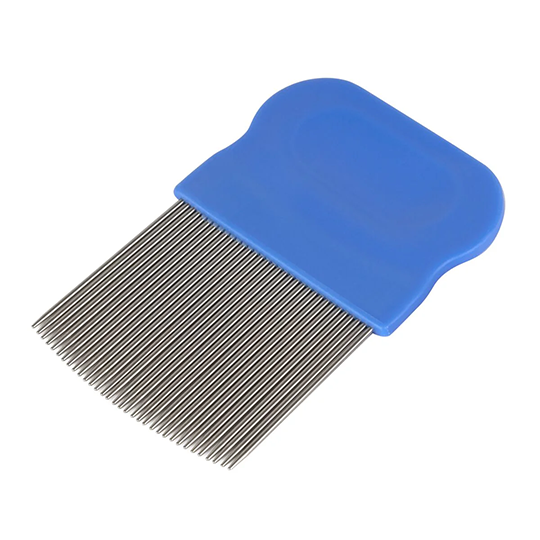
Lice comb

Optional

Cleanser

Moisturizer


The Routine

View attachment 4525196
We'll have an initial phase in which the goal is to quickly reduce scaling and inflammation and suppress Malassezia driven activity, then a maintenance phase to stop symptoms from returning. SD isn't always caused by simple fungal overgrowth. Malassezia is a normal part of everyone's skin's microbiome, and the condition is likely the result of a mix of: microbiome imbalance, barrier factors, and the individual's inflammatory response. The goal is symptom control and a more stable scalp environment, so don't consider it a permanent 'cure'.

Day 0
I strongly suggest getting a short haircut.
It helps the products reach the scalp much better and makes SD easier to manage.

First 14 days
Itraconazole:

200 mg/day for 14 days. Don't extend daily usage beyond this, as itraconazole can be hard on the liver.

MCT oil:
Apply to the most affected areas a few hours before showering, then wash it out so your hair doesn't stay greasy.

Daily shower routine:
Use lukewarm water and thoroughly soak the scalp.
Gently use the lice comb to lift/remove flakes so the shampoo can reach the scalp properly.
Apply the ketoconazole shampoo and let it sit for 5 minutes.
Rinse, then apply the shampoo one more time without letting it sit.
After the shower, pat your scalp with a towel (DON'T RUB, friction can worsen irritation).
While hair is still slightly damp, apply your variant of Nidoflor to the red + flaky areas and let it air-dry.

Nidoflor (your variant) duration:
Use it 7 days in a row only, since it contains a strong corticosteroid (and you don't want to become dependent on it)

Post 7 days
We stop using the Nidoflor (or the corticosteroid + antibiotic) but we keep showering everyday with the protocol above and keep using MCT Oil.

Post 14 days
Itraconazole:
200mg/week for 4 more weeks


At this point, we have reached the final stage. We have stopped using Nidoflor (your variant), and we will only use itraconazole once a week for a month. All that remains is to maintain our progress by following the protocol 3–4 times a week (MCT oil + ketoconazole 2% shampoo). It is highly recommended not to blow-dry your hair and instead to use a towel to remove as much moisture as possible.

Why do we keep using itraconazole?
According to the paper cited for itraconazole:
At week 2, 70% still had moderate–severe disease and only 6.7% had clearance.
At week 6, 63.4% achieved clearance.


Interactions with environment

View attachment 4525200

Winter/Cold
SD tends to be worse/more common in winter: a study shows SD showed up more often when it was colder, and it was also more common when UV/sunlight levels were lower. A simple reason is that cold weather + dry indoor heating can weaken the scalp's protective skin barrier, making it easier for irritation and inflammation to flare. Less sunlight also matters because UV light can reduce microbes (UV is used in germicidal settings to inactivate bacteria and/or fungi). This won't matter much if you're just planning on rotting indoors for the rest of your life. Anyway, the same study notes sunlight has been shown to suppress Malassezia. Lab research also found certain near-UV wavelengths can reduce Malassezia growth in a dose-dependent way (not in this specific paper). (https://pmc.ncbi.nlm.nih.gov/articles/PMC9040311/)

Solution: Shower in lukewarm water, then a apply a gentle cleanser and a moisturizer (face + hairline/scalp edges). Check if your home has dry air with a hygrometer. If it is the case then a humidifier helps, just don't overdo it. Lastly, moderate amounts of sunlight exposure can be useful.

View attachment 4525201

Air Pollution
SD can also be worse in more polluted environments: a study shows people exposed to higher levels of common air pollutants had a higher risk of developing late-onset SD. That's because pollution is basically tiny particles and irritating gases that can sit on your skin and/or scalp. While this is not a huge issue, it's part of the many things that worsen SD. If you're exposed to them for a long period of time, they just become persistent mild irritants to your scalp. That can lead to inflammation, messes up your scalp's skin barrier and also ramps up oxidative stress, so you'll be losing moisture more easily. Note that there is no direct proof that this leads to SD by itself. (https://pubmed.ncbi.nlm.nih.gov/38648509/, https://pmc.ncbi.nlm.nih.gov/articles/PMC6766865/)

Solution: Use a HEPA air purifier at home (especially in the bedroom) to reduce indoor particulate pollution, which may help lower an environmental trigger.
My personal choices for air purifiers are the Airfanta 3Pro or Levoit 300S. Keep in mind this solution is not tested in this paper specifically, it's just my reasoning, common sense and hopefully a good exposure-reduction step. Lack of evidence regarding this specific solution does not mean it won't work, especially since it carries zero risk.

View attachment 4525203

Diet
Based on available studies, SD seems to have a diet connection for some people, but it's not universal. One study shows that people who ate more fruit had less SD, while a more "Western" pattern (typical processed/fast-food style) was linked to more SD (fruit pattern ~ 25% lower odds, Western pattern ~ 47% higher odds). On the other hand, a case-control study reported that almost half of SD patients (49.2%) said foods did not affected their flares. In those who noticed triggers, the most common ones were sweets, spicy and fried foods, as well as dairy. Their data also showed daily bread, rice, pasta intake was more common in the SD group. The simple explanation is that lots of refined carbs can push hormones like IGF-1, and that may increase oil production and inflammation, while fruits/vegetables patterns may help via antioxidants and overall "less inflammatory" eating. (https://pmc.ncbi.nlm.nih.gov/articles/PMC10719884/, https://pubmed.ncbi.nlm.nih.gov/30130619/)

Solution: If you want to keep it simple, you've got two choices. Either do an elimination diet, or just straight up cut refined carbs/sugar (sodas, pastry, bread). Instead, try fruits and whole foods (red meat, organs, healthy fats, vegetables). This may be personal, but pasteurized dairy specifically seemed more likely to inflame me, so I just avoid that.


Interactions with other things

View attachment 4525204

Isotretinoin
Isotretinoin works by shrinking the sebaceous glands. That means they make much less sebum, and with less oil, the scalp is less of a lipid-rich environment for Malassezia (lipid-dependent), and inflammation can calm. Low-dose has been studied for moderate to severe SD.

Short term: It often causes dry skin/scalp and has been shown to weaken the protective layer of the skin, which leads to moisture evaporating from the surface and triggers an irritant retinoid rash. In our case for the scalp, this shows up as more dryness, redness, itching, and flaking, especially early on.

Long term: Over months, isotretinoin can control SD symptoms while you're still taking it, but dry skin/scalp irritation can persist. Once you stop using it, SD can relapse (one study reported ~11% recurrence within 3 months). Data suggests a dose effect: 20 mg/day may provide better control and less relapses than 10 mg/day over a longer period.

https://pubmed.ncbi.nlm.nih.gov/27778328/
https://www.jaad.org/article/S0190-9622(25)02114-0/
https://www.jaad.org/article/S0190-9622(23)01351-8/
Note: I can access the JAAD papers using my student credentials, not sure if they are accessible for free.


View attachment 4525206

Finasteride/Dutasteride:
Why it might help SD: My theory was that lowering DHT could reduce androgen-driven oiliness, but in practice, a human endocrine study found finasteride "did not decrease the sebum score from baseline values". That means it may not meaningfully reduce scalp oil.

Explaining type 1 and type 2
Our bodies have two main versions of 5-alpha reductase. That's the enzyme that converts testosterone to DHT, but there are better threads explaining this in detail. Simply put, type 1 is found a lot in skin/oil glands (sebaceous) and type 2 is found in tissues like hair follicles, prostate, etc. For our topic, the difference does matter, because blocking the version that's more active in oil glands is in theory more likely to affect skin/scalp oiliness.

Finasteride: mainly blocks type 2, that means, it lowers DHT in type 2 dominant tissues, but it's less likely to significantly reduce scalp sebum (as mentioned, oil glands lean more on type 1). Data currently suggests that finasteride doesn't often meaningfully lower sebum output, which makes it much less likely to improve SD via "less oil". That's the best human data I was able to find in this regard.

Dutasteride: blocks both type 1 and type 2 forms of 5-alpha reductase. It also targets the "skin/oil gland", type 1 isoenzyme. So, in theory it's a more logical option than finasteride, mechanistically, when it comes to sebaceous gland activity. That being said, do keep in mind SD isn't only an "oil problem", it's a mix of Malassezia, inflammation, as well as any person's individual sensitivity. Although dutasteride reduces scalp DHT more broadly and sounds like a better choice for us, we unfortunately still don't have strong enough evidence that it improves SD specifically, and the benefits remain theoretical/uncertain rather than proven.

https://pubmed.ncbi.nlm.nih.gov/8381804/
https://pmc.ncbi.nlm.nih.gov/articles/PMC5023004/
https://pmc.ncbi.nlm.nih.gov/articles/PMC2923939/


View attachment 4525208

Minoxidil (topical):
Topical minoxidil can make SD look worse in some people: a study shows that among 400 patients using topical minoxidil for androgenic alopecia, scalp side effects included itching, increased dandruff, redness, and they say the main causes behind those symptoms are irritant contact dermatitis, allergic contact dermatitis, or an exacerbation of seborrheic dermatitis. An important note is they mention that these reactions often come from the propylene glycol rather than minoxidil itself.
https://pmc.ncbi.nlm.nih.gov/articles/PMC10149432


Thanks for reading!
This is my first higher quality contribution to the community. I hope this will come in handy to anyone affected by this or even dandruff in the future. Open to any new ideas and/or corrections, just reply below, thank you.

If you’re dealing with SD, feel free to DM me for any questions.

Huge efforts by @Nexom for the collaboration on this thread, thanks!
Also thanks to @chadisbeingmade for checking it out as well.
I used Itraconazole for a week (my dermatologist prescribed me it and said to take them just for a week) and its been like 2 month since. How should i start to take them again? Does it matter that i used it for a week before or should i just start like from the scratch how its described in the thread? I also have SD not only on my scalp but also face. Thanks for the answer in advance.

Also, i use Skin-Cap cream right now for like a month already (prescribed by my dermatologist) and it completely cleared my SB. But yesterday I've seen a video on tik tok where a woman said that there is a hidden steroid in skincap, although its not written in ingredients. I researched and FDA actually confirmed that there is a hidden steroid in skin-cap BUT in aerosol not in cream. I'm very scared right now and i stopped using it yesterday, if it's true - its fucking over cuz i literally used a steroid cream for a whole month. It's probably true cuz it was very strange how it cleared my SD in like a week but my dumbahh did not thought about it because i was blinded by happiness that my SD is finnaly gone. Any opinions? And if in the end a withdrawal syndrome starts, how should i treat it right? Thanks
 
Last edited:
  • +1
Reactions: Elf
I used Itraconazole for a week (my dermatologist prescribed me it and said to take them just for a week) and its been like 2 month since. How should i start to take them again? Does it matter that i used it for a week before or should i just start like from the scratch how its described in the thread? I also have SD not only on my scalp but also face. Thanks for the answer in advance.

Also, i use Skin-Cap cream right now for like a month already (prescribed by my dermatologist) and it completely cleared my SB. But yesterday I've seen a video on tik tok where a woman said that there is a hidden steroid in skincap, although its not written in ingredients. I researched and FDA actually confirmed that there is a hidden steroid in skin-cap BUT in aerosol not in cream. I'm very scared right now and i stopped using it yesterday, if it's true - its fucking over cuz i literally used a steroid cream for a whole month. It's probably true cuz it was very strange how it cleared my SD in like a week but my dumbahh did not thought about it because i was blinded by happiness that my SD is finnaly gone. Any opinions? And if in the end a withdrawal syndrome starts, how should i treat it right? Thanks
Start from scratch, keep in mind THIS IS WHAT I WOULD DO and not medical advice by any means.

In regards to the cream I would stop as using steroid cream for a month straight is completely not indicated. In regards to withdrawal you can only maintain your situation and wait it out.
 
  • +1
Reactions: reignxtra and Nexom
too many words
the real answer is just eat raw meat while bacteria farming. simple af.
 
  • +1
Reactions: Elf
Started taking itraconazole since yesterday :feelsokman:
Do I need to keep taking it after the 6 weeks? :forcedsmile:
 
  • +1
Reactions: Elf
I've seen no difference(in regards to SD) in 8 months of doing raw/carnivore.
so you didn't actually try what i said. there you go. no mystery there as to why it didn't do anything
 
Start from scratch, keep in mind THIS IS WHAT I WOULD DO and not medical advice by any means.

In regards to the cream I would stop as using steroid cream for a month straight is completely not indicated. In regards to withdrawal you can only maintain your situation and wait it out.
Thanks
 
  • +1
Reactions: Elf
so freaking grateful been losing my eyebrows for the past 2 years
 
  • +1
Reactions: Elf

Similar threads

buccalfatremoval
Replies
32
Views
243
Gandy'sOrbitalVecto
Gandy'sOrbitalVecto
kingofearth
Replies
6
Views
82
kingofearth
kingofearth
skeden
Replies
6
Views
52
9ragl
9ragl
seerover
Replies
14
Views
85
seerover
seerover

Users who are viewing this thread

Back
Top