ropeicl10
Platinum
- Joined
- Mar 4, 2026
- Posts
- 1,084
- Reputation
- 1,273
Jawlines vs Hairlines: The Truth About DHT
Why DHT Is The Most Misunderstood Hormone
Everyone either worships DHT or fears it, and few truly grasp what it does. Let me clarify this.
The Thing Nobody Understands
DHT is not inherently good or bad. Its effects depend on where it acts in your body.
It is the most powerful androgen you have, much stronger than testosterone. This potency explains why it builds some parts of you while harming others. Same hormone, opposite effects in different locations. Most men completely miss this.
What It Builds
DHT contributes significantly to what gives a face a masculine look.
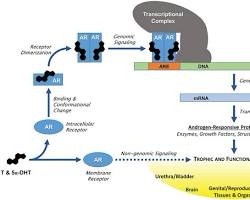
It strengthens your jaw and brow during puberty. It promotes beard and body hair growth. It boosts your libido and enhances the dominant masculine energy that testosterone alone does not provide. When people refer to it as the masculinity hormone, they aren’t wrong. It genuinely plays a key role in your development.
What It Destroys
Now, here’s the part that DHT supporters often overlook.
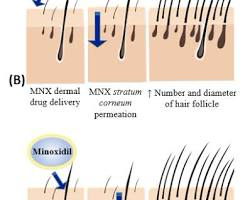
DHT is the primary cause of male pattern baldness. If you are genetically prone to it, DHT attaches to the follicles on your scalp and gradually shrinks them until they cease hair growth. The same hormone that builds your jawline is harming your hairline. It can also lead to oily skin and acne in men sensitive to androgens.
Understand This!
DHT is neither your enemy nor your savior. It is the most powerful and situational hormone in your body. It shapes your face and harms your hairline through the same mechanism.
Most of your facial development from DHT already occurred during puberty, so you won’t reshape your adult skull by altering it now. As an adult, it mainly impacts your hairline, skin, and libido. The decision boils down to one question: Is your hair thinning or not? If yes, suppress it and preserve your hair. If no, leave it alone.
The real mistake is suppressing DHT if you are not balding. If your hair is fine, there is no reason to interfere. But if your hair is thinning, this is an easy decision to make. Save it.
Why This Actually Matters For You
Here where it gets practical.
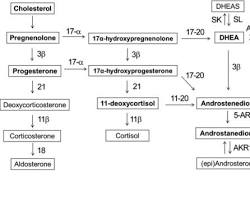
If you are experiencing hair loss, you can suppress DHT to save your hair. Finasteride blocks the conversion of testosterone to DHT by about 70 percent. Dutasteride is even more effective, blocking over 90 percent. Both really work, and they often stop or even reverse hair loss for most men. This is some of the most well researched medication available.
So, the math is simple. A full head of hair is a huge advantage. If your hairline is receding and your hair matters to you, finasteride is one of the best value and lowest risk choices you can make. Start there. If it’s not enough on its own, dutasteride is the stronger option.
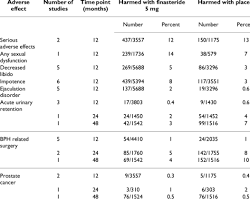
Let me ease any fears you may have. The actual rate of side effects is low. Large clinical trials show that only a small percentage of men report side effects, and in many cases, it is hardly different from a placebo. Most men take Fin/Dut for years without any problems. The horror stories you find online come from a noisy minority, not the majority.
REFERENCES AND SOURCES USED
1. Skeletal Site Expression & Jaw Growth (Evidence for "What It Builds")
Research confirms human jawbone cells have a significantly higher concentration of androgen receptors and a stronger growth response to DHT compared to other bones, explaining why it selectively builds the lower face during puberty.
* Kasperk, C., Helmboldt, A., Börcsök, I., Heuthe, S., Cloos, O., Niethard, F., & Ziegler, R. (1997). Skeletal site-dependent expression of the androgen receptor in human osteoblastic cell populations. Calcified Tissue International, 61(6), 464–473.
Link: https://link.springer.com/article/10.1007/s002239900369
***
2. Hair Follicle Miniaturization (Evidence for "What It Destroys")
Studies map out the dual nature of DHT, showing how it triggers hair growth on the face while driving the physical miniaturization (shrinking) of genetically vulnerable hair follicles on the scalp.
* Miranda, B. H., Charlesworth, M. R., Tobin, D. J., Sharpe, D. T., & Randall, V. A. (2018). Androgens trigger different growth responses in genetically identical human hair follicles in organ culture that reflect their epigenetic diversity in life. The FASEB Journal, 32(2), 795–806.
Link: https://faseb.onlinelibrary.wiley.com/doi/10.1096/fj.201700260RR
* Alwaleedi, S. A. (2015). The involvement of androgens in human hair growth. American Journal of Biomedical Sciences, 7(2), 105–124.
Link: https://nwpii.com/ajbms/papers/AJBMS_2015_2_03.pdf
***
3. Efficacy & 5-AR Inhibition Percentages (Evidence for "Why This Actually Matters For You")
Clinical trials prove that Finasteride blocks Type II 5-alpha reductase to lower serum DHT by roughly 70%, whereas Dutasteride blocks both Type I and Type II enzymes to suppress serum DHT by over 90%, leading to massive hair retention.
* Shanshanwal, S. S., & Dhurat, R. S. (2017). Superiority of dutasteride over finasteride in hair regrowth and reversal of miniaturization in men with androgenetic alopecia: A randomized controlled open-label, evaluator-blinded study. Indian Journal of Dermatology, Venereology, and Leprology, 83(1), 47–54.
Link: https://journals.lww.com/ijdv/fullt...ty_of_dutasteride_over_finasteride_in.11.aspx
***
4. Safety Profile & Placebo Contrast Data (Evidence for "Side Effects")
Large-scale data confirms that the incidence of side effects in men taking low-dose finasteride sits at a low rate (around 1-2% in major trials) and closely mirrors the statistical rates reported by the placebo control groups.
* Mysore, V. (2012). Finasteride and sexual side effects. Indian Dermatology Online Journal, 3(1), 62–65.
Link: https://journals.lww.com/idoj/fulltext/2012/03010/finasteride_and_sexual_side_effects.15.aspx
* Singh, M. K. (2014). Persistent sexual dysfunction and depression in finasteride users for male pattern hair loss: A serious concern or red herring? Journal of Clinical and Aesthetic Dermatology, 7(12), 51–55.
Link: https://www.ncbi.nlm.nih.gov/pmc/articles/PMC4285451/
TL;DR: Basic introduction to DHT overall. DHT is a powerful hormone that builds masculine features like your jawline during puberty, but it also triggers male pattern baldness if you're genetically prone to it. If your hair isn't thinning, leave it alone; if it is, highly researched blockers like Finasteride or Dutasteride are incredibly effective and low-risk options to save it.
Why DHT Is The Most Misunderstood Hormone
Everyone either worships DHT or fears it, and few truly grasp what it does. Let me clarify this.
The Thing Nobody Understands
DHT is not inherently good or bad. Its effects depend on where it acts in your body.
It is the most powerful androgen you have, much stronger than testosterone. This potency explains why it builds some parts of you while harming others. Same hormone, opposite effects in different locations. Most men completely miss this.
What It Builds
DHT contributes significantly to what gives a face a masculine look.
It strengthens your jaw and brow during puberty. It promotes beard and body hair growth. It boosts your libido and enhances the dominant masculine energy that testosterone alone does not provide. When people refer to it as the masculinity hormone, they aren’t wrong. It genuinely plays a key role in your development.
What It Destroys
Now, here’s the part that DHT supporters often overlook.
DHT is the primary cause of male pattern baldness. If you are genetically prone to it, DHT attaches to the follicles on your scalp and gradually shrinks them until they cease hair growth. The same hormone that builds your jawline is harming your hairline. It can also lead to oily skin and acne in men sensitive to androgens.
Understand This!
DHT is neither your enemy nor your savior. It is the most powerful and situational hormone in your body. It shapes your face and harms your hairline through the same mechanism.
Most of your facial development from DHT already occurred during puberty, so you won’t reshape your adult skull by altering it now. As an adult, it mainly impacts your hairline, skin, and libido. The decision boils down to one question: Is your hair thinning or not? If yes, suppress it and preserve your hair. If no, leave it alone.
The real mistake is suppressing DHT if you are not balding. If your hair is fine, there is no reason to interfere. But if your hair is thinning, this is an easy decision to make. Save it.
Why This Actually Matters For You
Here where it gets practical.
If you are experiencing hair loss, you can suppress DHT to save your hair. Finasteride blocks the conversion of testosterone to DHT by about 70 percent. Dutasteride is even more effective, blocking over 90 percent. Both really work, and they often stop or even reverse hair loss for most men. This is some of the most well researched medication available.
So, the math is simple. A full head of hair is a huge advantage. If your hairline is receding and your hair matters to you, finasteride is one of the best value and lowest risk choices you can make. Start there. If it’s not enough on its own, dutasteride is the stronger option.
Let me ease any fears you may have. The actual rate of side effects is low. Large clinical trials show that only a small percentage of men report side effects, and in many cases, it is hardly different from a placebo. Most men take Fin/Dut for years without any problems. The horror stories you find online come from a noisy minority, not the majority.
REFERENCES AND SOURCES USED
1. Skeletal Site Expression & Jaw Growth (Evidence for "What It Builds")
Research confirms human jawbone cells have a significantly higher concentration of androgen receptors and a stronger growth response to DHT compared to other bones, explaining why it selectively builds the lower face during puberty.
* Kasperk, C., Helmboldt, A., Börcsök, I., Heuthe, S., Cloos, O., Niethard, F., & Ziegler, R. (1997). Skeletal site-dependent expression of the androgen receptor in human osteoblastic cell populations. Calcified Tissue International, 61(6), 464–473.
Link: https://link.springer.com/article/10.1007/s002239900369
***
2. Hair Follicle Miniaturization (Evidence for "What It Destroys")
Studies map out the dual nature of DHT, showing how it triggers hair growth on the face while driving the physical miniaturization (shrinking) of genetically vulnerable hair follicles on the scalp.
* Miranda, B. H., Charlesworth, M. R., Tobin, D. J., Sharpe, D. T., & Randall, V. A. (2018). Androgens trigger different growth responses in genetically identical human hair follicles in organ culture that reflect their epigenetic diversity in life. The FASEB Journal, 32(2), 795–806.
Link: https://faseb.onlinelibrary.wiley.com/doi/10.1096/fj.201700260RR
* Alwaleedi, S. A. (2015). The involvement of androgens in human hair growth. American Journal of Biomedical Sciences, 7(2), 105–124.
Link: https://nwpii.com/ajbms/papers/AJBMS_2015_2_03.pdf
***
3. Efficacy & 5-AR Inhibition Percentages (Evidence for "Why This Actually Matters For You")
Clinical trials prove that Finasteride blocks Type II 5-alpha reductase to lower serum DHT by roughly 70%, whereas Dutasteride blocks both Type I and Type II enzymes to suppress serum DHT by over 90%, leading to massive hair retention.
* Shanshanwal, S. S., & Dhurat, R. S. (2017). Superiority of dutasteride over finasteride in hair regrowth and reversal of miniaturization in men with androgenetic alopecia: A randomized controlled open-label, evaluator-blinded study. Indian Journal of Dermatology, Venereology, and Leprology, 83(1), 47–54.
Link: https://journals.lww.com/ijdv/fullt...ty_of_dutasteride_over_finasteride_in.11.aspx
***
4. Safety Profile & Placebo Contrast Data (Evidence for "Side Effects")
Large-scale data confirms that the incidence of side effects in men taking low-dose finasteride sits at a low rate (around 1-2% in major trials) and closely mirrors the statistical rates reported by the placebo control groups.
* Mysore, V. (2012). Finasteride and sexual side effects. Indian Dermatology Online Journal, 3(1), 62–65.
Link: https://journals.lww.com/idoj/fulltext/2012/03010/finasteride_and_sexual_side_effects.15.aspx
* Singh, M. K. (2014). Persistent sexual dysfunction and depression in finasteride users for male pattern hair loss: A serious concern or red herring? Journal of Clinical and Aesthetic Dermatology, 7(12), 51–55.
Link: https://www.ncbi.nlm.nih.gov/pmc/articles/PMC4285451/
TL;DR: Basic introduction to DHT overall. DHT is a powerful hormone that builds masculine features like your jawline during puberty, but it also triggers male pattern baldness if you're genetically prone to it. If your hair isn't thinning, leave it alone; if it is, highly researched blockers like Finasteride or Dutasteride are incredibly effective and low-risk options to save it.