𝔻𝕠𝕨𝕟𝕨𝕒𝕣𝕕𝕘𝕣𝕠𝕨𝕥𝕙𝕔𝕖𝕝

Total Forward Growth Death
- Joined
- Sep 22, 2025
- Posts
- 4,073
- Reputation
- 7,957
INTRODUCTION
This thread will go through the major Christian denominations from most heretical to least heretical, explaining what they believe, where they diverged from the original Church, and how Christianity slowly fragmented over time into thousands of competing interpretations.
Jehovah’s Witnesses

Heresy level: 98%
Jehovah’s Witnesses deny that Jesus is truly God. Instead, they believe He is a created being, basically the highest creation rather than the eternal Son of God.
This completely destroys the core of Christianity. If Christ is not truly God incarnate, then salvation itself collapses.
They also reject ancient Church tradition and place massive authority in their organization.
Heretic analysis:
“Christianity rewritten by corporate management”
Mormons
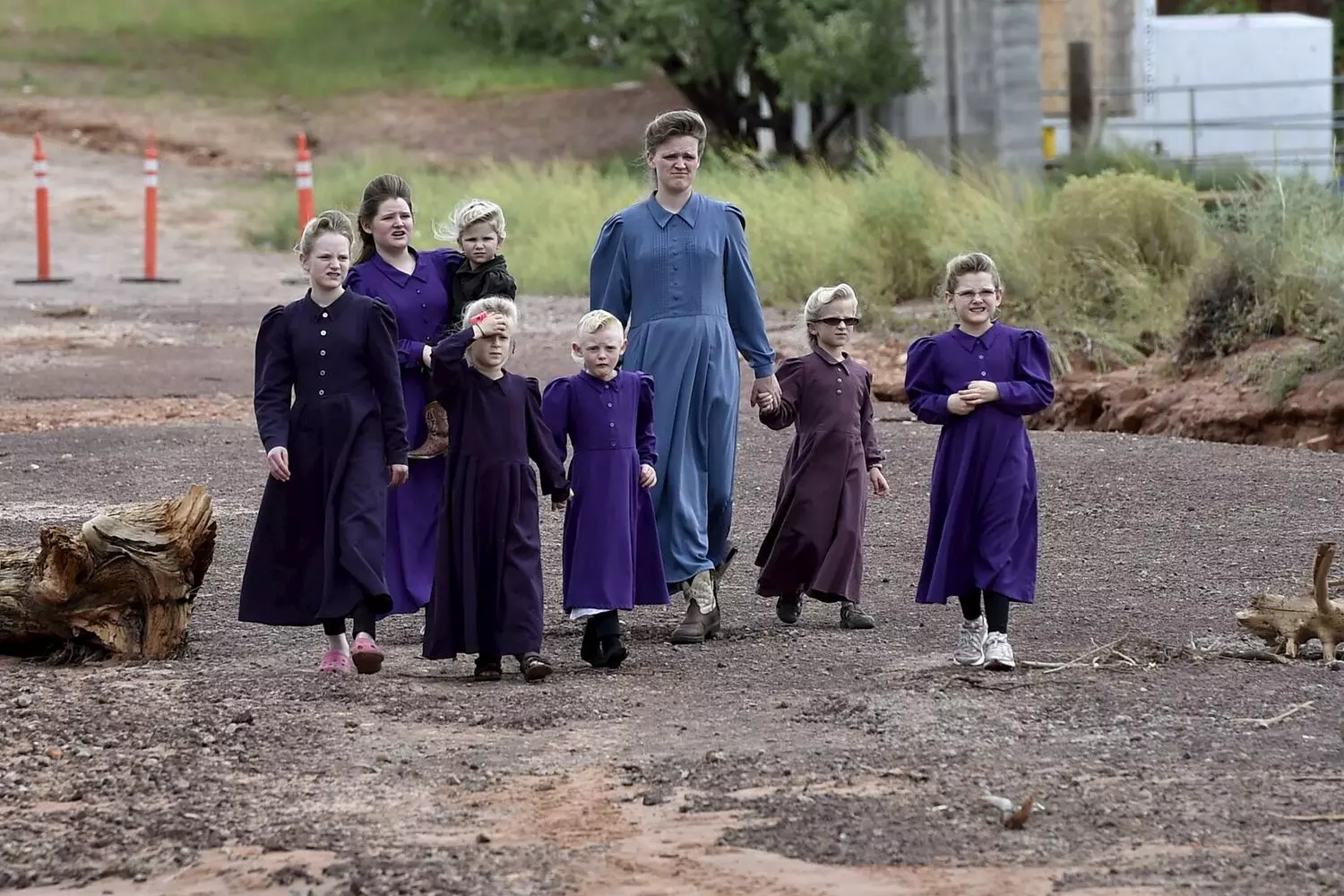
Heresy level: 95%
Mormons added entirely new scriptures, prophets, and revelations centuries after Christianity was already established.
They believe God the Father was once a man and that humans can eventually become gods themselves.
At that point the theology barely even resembles historical Christianity anymore.
Heretic analysis:
“fan fiction became canon”
Progressive Churches
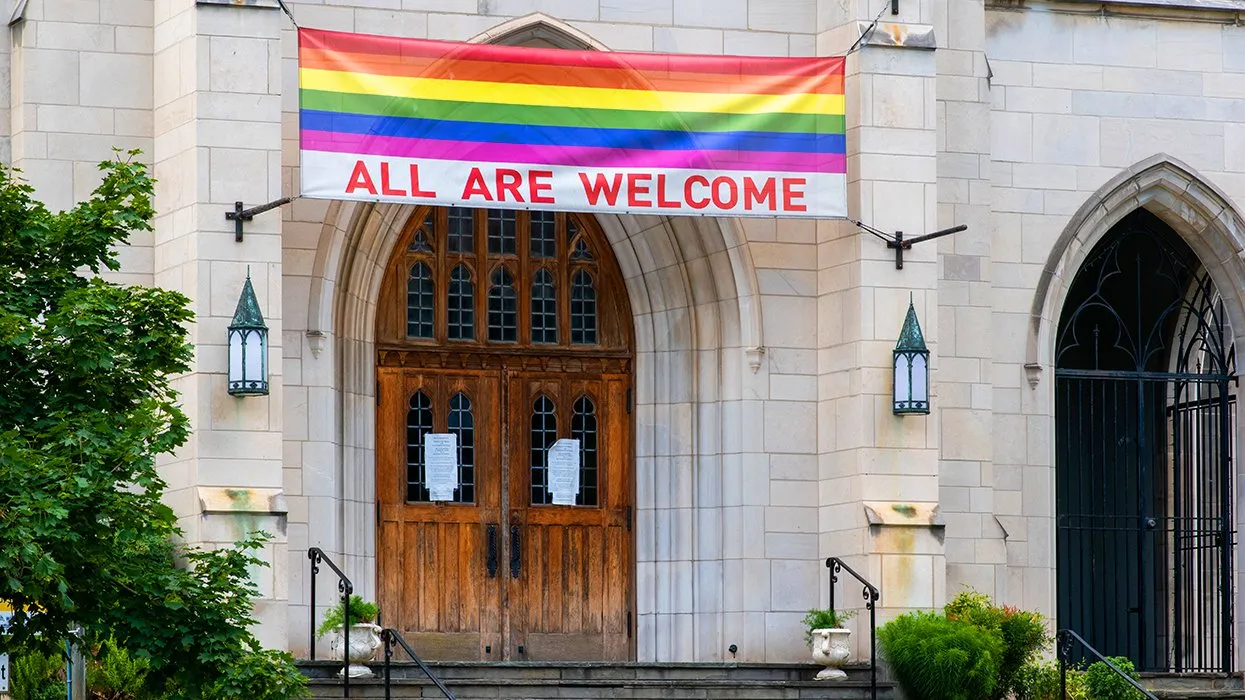
Heresy level: 90%
These churches slowly dissolve Christianity into modern social philosophy.
Miracles become metaphors.
Sin becomes “self expression”.
The resurrection becomes symbolic.
Judgment disappears completely.
Christian language remains, but the actual faith gets hollowed out until almost nothing supernatural is left.
Heretic analysis:
“Christianity after being filtered through Twitter and HR meetings”
Evangelical / Non denominational Churches
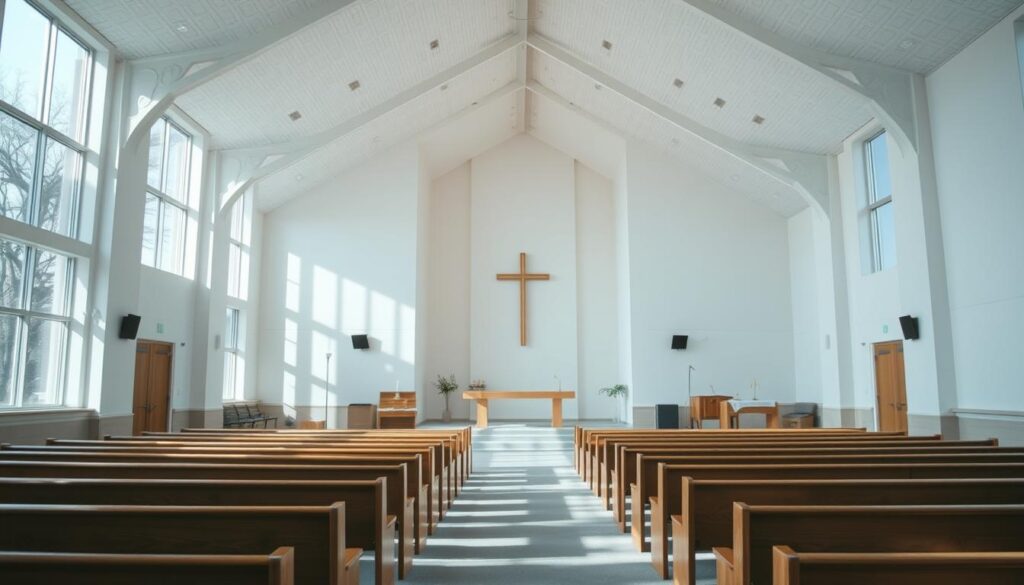
Heresy level: 75%
The main problem here is private interpretation.
One pastor reads the Bible.
Creates his own interpretation.
Starts a church.
Then another pastor disagrees and starts another church.
Repeat this process thousands of times and you get modern Protestantism.
Everyone claims the Holy Spirit personally guides their interpretation while all disagree with each other doctrinally.
Heretic analysis:
“source: trust me bro i read Romans once”
Pentecostals
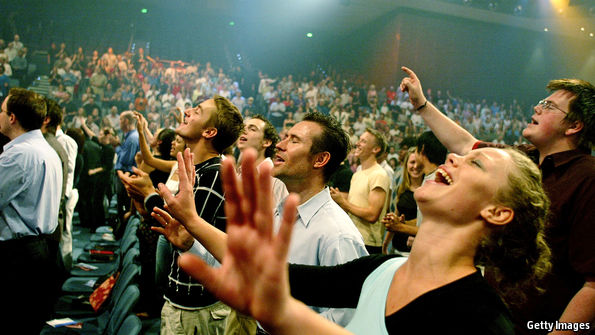
Heresy level: 72%
Pentecostalism heavily focuses on emotions, speaking in tongues, ecstatic experiences, and dramatic worship environments.
Services often become emotionally charged spectacles where feelings are treated as proof of divine presence.
The issue is that emotional intensity is not the same thing as truth.
Heretic analysis:
“holy spirit or emotional overload?”
Baptists
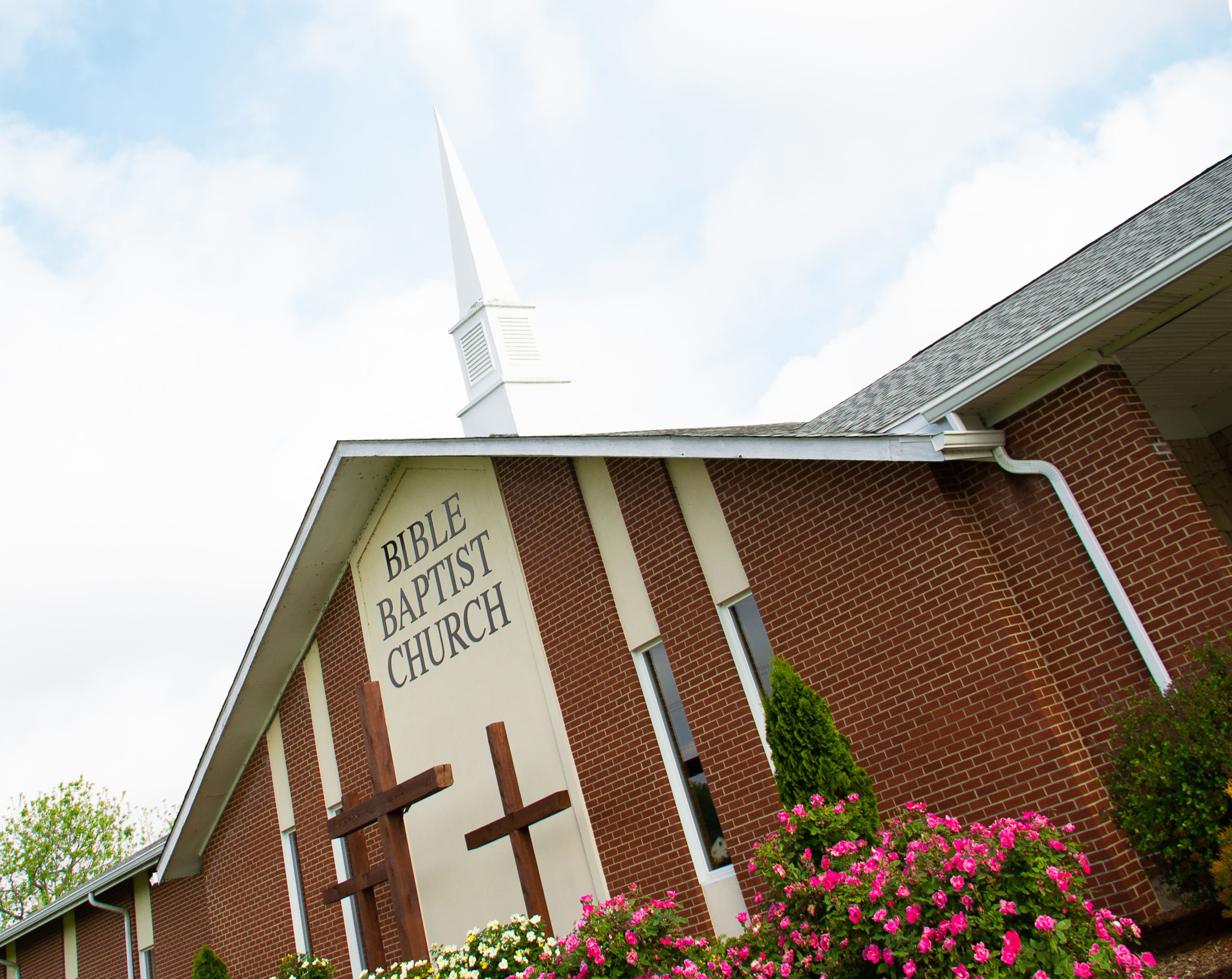
Heresy level: 68%
Baptists reduce Christianity heavily to individual belief and personal Bible reading.
The historical Church, liturgical continuity, sacramental life, and ancient tradition become secondary or disappear entirely.
Christianity becomes:
“me, my Bible, and my interpretation”.
Heretic analysis:
“400 year old denomination explaining a 2000 year old faith”
Lutherans
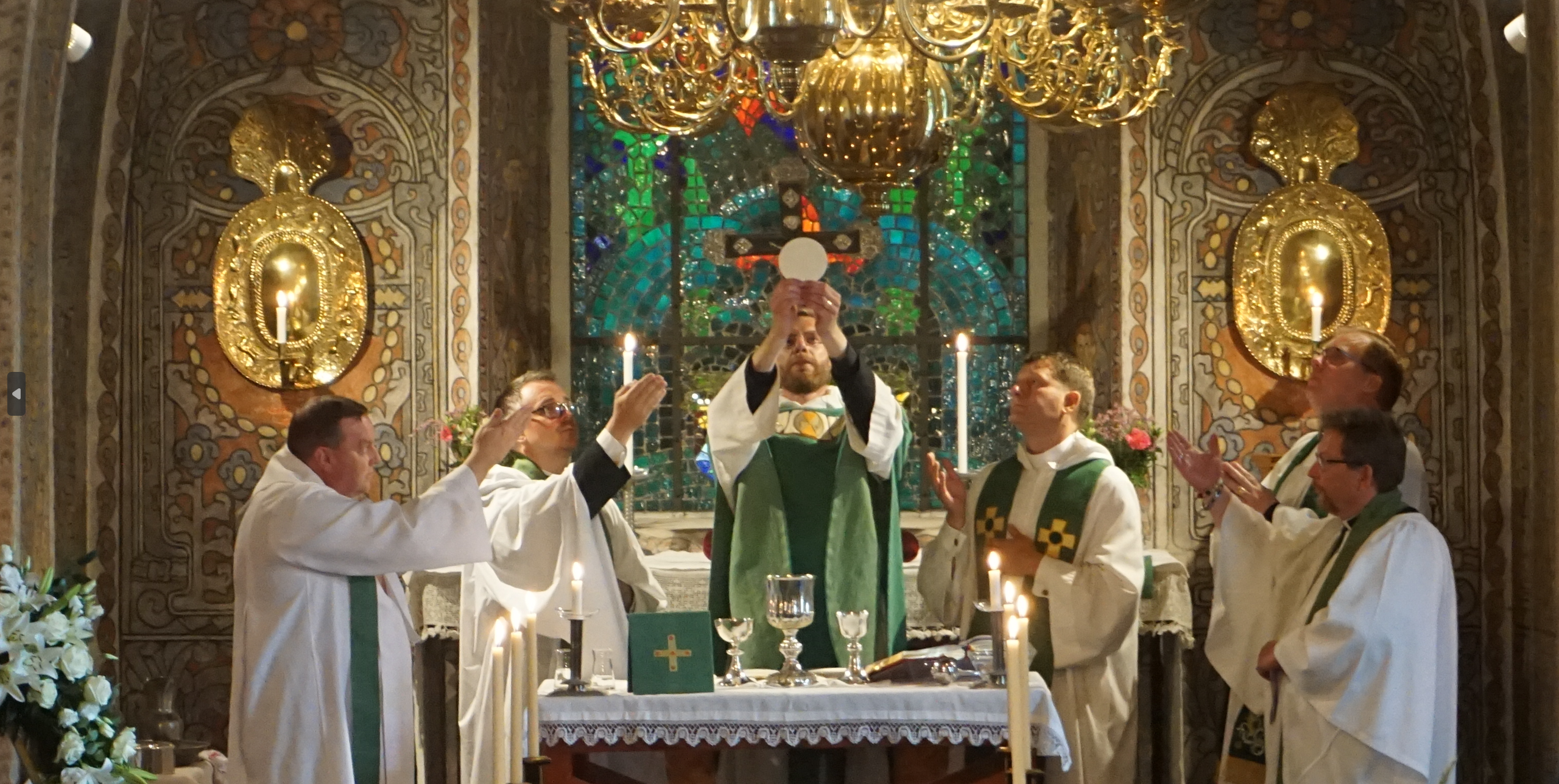
Heresy level: 55%
Lutherans preserved more structure and tradition than many other Protestant groups, but still inherited the core Protestant problem:
rejecting the authority and continuity of the ancient Church.
The doctrine of sola scriptura opened the door to endless fragmentation.
Heretic analysis:
“slightly closer to the source material”
Anglicans
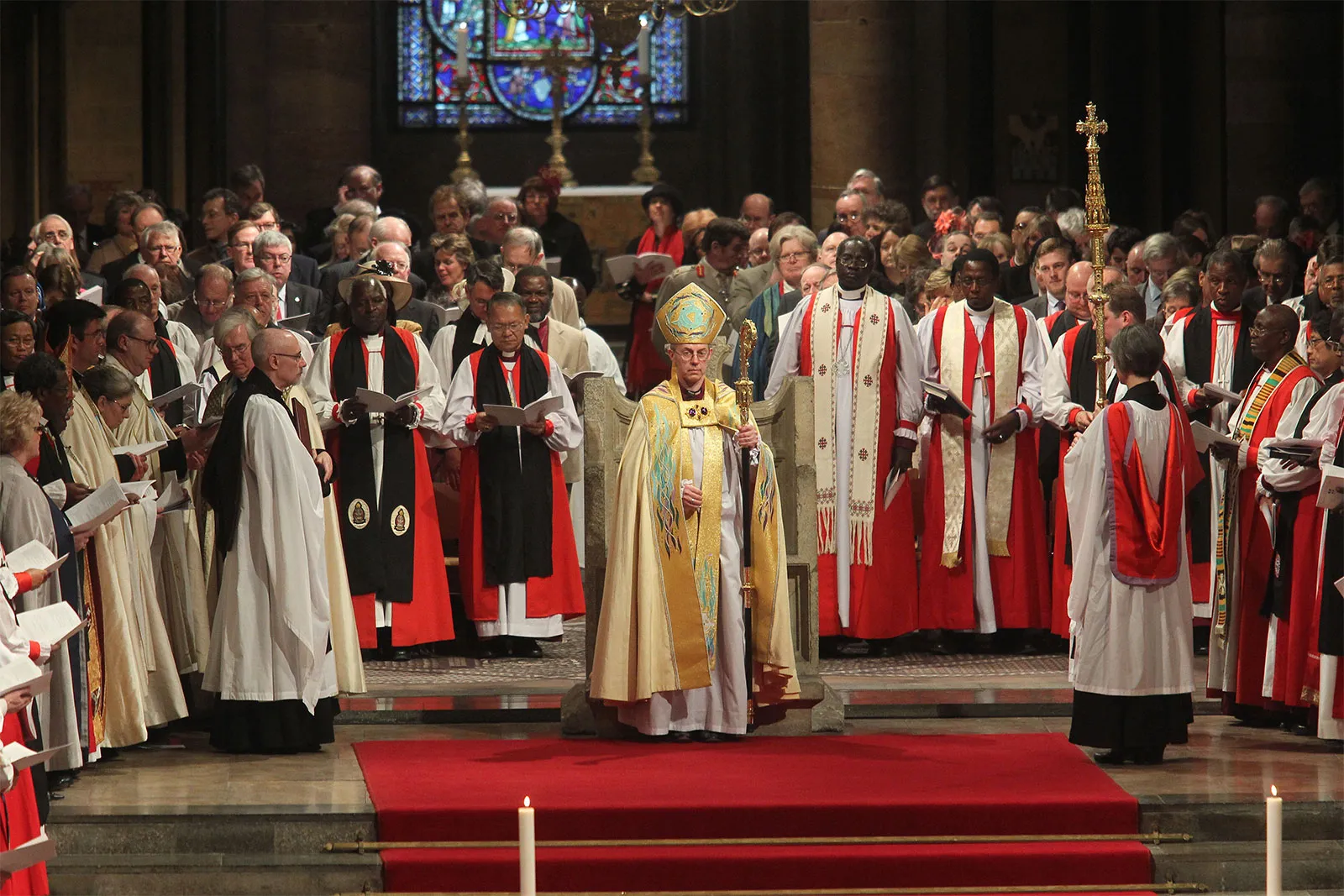
Heresy level: 50%
Anglicanism preserved much of the external appearance of historical Christianity:
robes, liturgy, hierarchy, aesthetics.
But underneath, theological instability slowly developed over time through compromise and innovation.
Heretic analysis:
“Catholicism developed in a British laboratory”
Catholicism
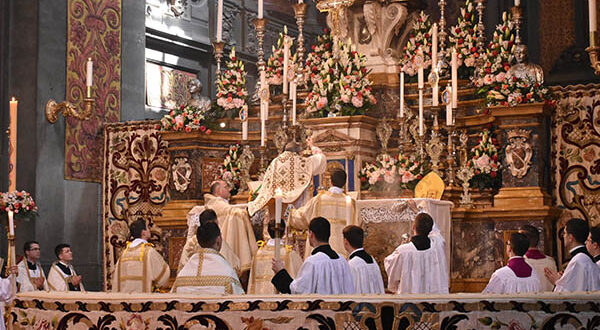
Heresy level: 25%
Catholicism preserved apostolic succession, sacraments, saints, fasting, and much of ancient Christianity.
The major issue was the gradual centralization of authority around the Pope, alongside later theological additions and dogmatic developments that appeared centuries after the early Church.
The problem was not immediate collapse, but slow institutional drift.
Heretic analysis:
“the closest branch that still patched the original game”
Orthodoxy
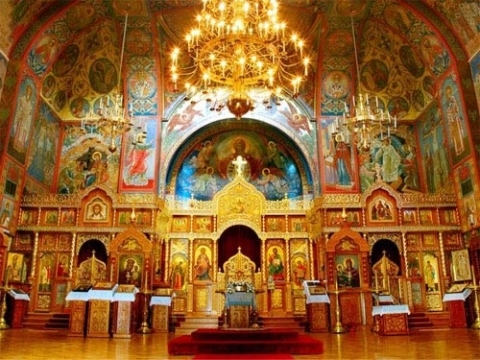
Heresy level: 0%
The Orthodox Church did not reinvent Christianity, modernize it, or restructure it around new philosophies.
It simply continued.
The liturgy remained.
The sacraments remained.
The theology remained.
The worship remained.
While the rest of Christianity fragmented, innovated, simplified, emotionalized, commercialized, politicized, and modernized itself, Orthodoxy stayed rooted in the same faith preserved since the ancient Church.
Heretic analysis:
“still running the original build after 2000 years”
Thx for reading! i hope you've leart something new today!
God bless

TAGS: @Jesus_ist_König @Cookie271 @Hernan @CloudyCuck
Last edited: