



LeastObviousSub5
Egomaxxed
- Joined
- Feb 4, 2025
- Posts
- 78
- Reputation
- 17
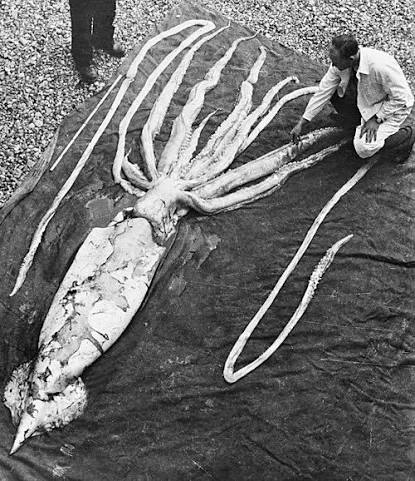
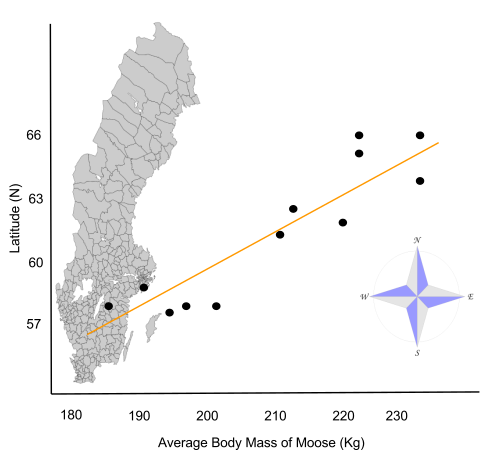
Polar gigantism is a well documented biological phenomenon in which organisms inhabiting cold environments, particularly polar and deep ocean ecosystems, exhibit significantly increased body size compared to closely related species in warmer regions. This pattern is generally attributed to a combination of reduced metabolic rates in cold temperatures, increased oxygen availability, prolonged developmental timelines, and ecological conditions that favor slow and sustained growth. In such organisms, increased size is achieved not through rapid growth but through extended periods of proportional development. ex.) Squids
————————————————————
Given that humans are biological organisms governed by the same fundamental physical and biochemical principles, it is reasonable to question why similar environmental conditions do not produce comparable increases in human body size. The primary explanation lies in intrinsic developmental constraints rather than environmental limitation. Human growth follows a determinate developmental pattern in which longitudinal skeletal growth is restricted by the programmed closure of epiphyseal growth plates during adolescence. Once these growth plates ossify, further increases in height become structurally impossible regardless of environmental conditions.
————————————————————
Furthermore the human body’s organs and skeletal structures are not sufficiently large or robust to withstand substantial increases in overall body size, as physiological demands would exceed the structural and functional capacity of these systems.
————————————————————
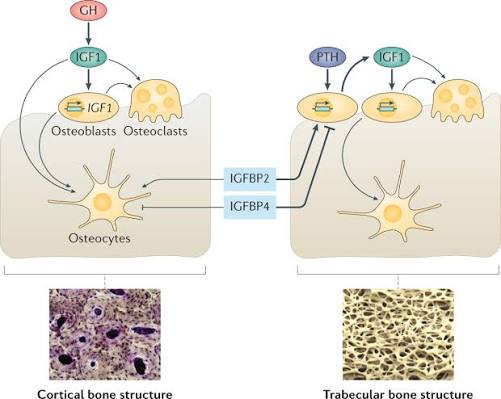
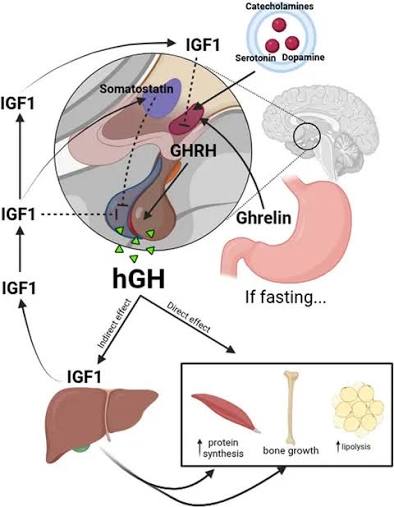
From a hypothetical standpoint, Growth hormone signaling plays a central role in cellular hypertrophy, organ enlargement, and skeletal development, suggesting that coordinated increases in systemic growth capacity could theoretically allow internal structuresto scale alongside increases in body size. Additionally, the timing of epiphyseal growth plate closure represents a critical developmental checkpoint. Extending the duration of skeletal growth using aromatase inhibitors theoretically would permit gradual increases in stature over longer developmental periods, more closely resembling the growth trajectories observed in large bodied animals.
————————————————————
Within a purely theoretical framework, the combination of prolonged growth duration, coordinated proportional scaling of organs and skeletal structures, and favorable environmental conditions could produce physiological outcomes partially analogous to polar gigantism.
ALL HYPOTHETICAL NOT A DOCTOR
————————————————————
Given that humans are biological organisms governed by the same fundamental physical and biochemical principles, it is reasonable to question why similar environmental conditions do not produce comparable increases in human body size. The primary explanation lies in intrinsic developmental constraints rather than environmental limitation. Human growth follows a determinate developmental pattern in which longitudinal skeletal growth is restricted by the programmed closure of epiphyseal growth plates during adolescence. Once these growth plates ossify, further increases in height become structurally impossible regardless of environmental conditions.
————————————————————
Furthermore the human body’s organs and skeletal structures are not sufficiently large or robust to withstand substantial increases in overall body size, as physiological demands would exceed the structural and functional capacity of these systems.
————————————————————
From a hypothetical standpoint, Growth hormone signaling plays a central role in cellular hypertrophy, organ enlargement, and skeletal development, suggesting that coordinated increases in systemic growth capacity could theoretically allow internal structuresto scale alongside increases in body size. Additionally, the timing of epiphyseal growth plate closure represents a critical developmental checkpoint. Extending the duration of skeletal growth using aromatase inhibitors theoretically would permit gradual increases in stature over longer developmental periods, more closely resembling the growth trajectories observed in large bodied animals.
————————————————————
Within a purely theoretical framework, the combination of prolonged growth duration, coordinated proportional scaling of organs and skeletal structures, and favorable environmental conditions could produce physiological outcomes partially analogous to polar gigantism.
ALL HYPOTHETICAL NOT A DOCTOR
Last edited:


