Seth Walsh

Iconoclast
Contributor
- Joined
- Jan 12, 2020
- Posts
- 11,075
- Reputation
- 22,654
Class is not mainly about money. It is about how many mistakes you can survive without your life collapsing.
The upper class buys distance from consequences. Better neighborhoods. Better schools. Better doctors. Better lawyers. Better accents. Better introductions. Better timing. Better forgiveness. Their children inherit cash, but also calm, confidence, standards, contacts, and the assumption that institutions are navigable.
The middle class lives on conditional dignity. It survives by compliance, scheduling, emotional restraint, and credentials. It calls this virtue because it has to. In reality, one illness, one layoff, one rent jump, one addiction, one divorce, one lawsuit can erase decades of “doing everything right.”
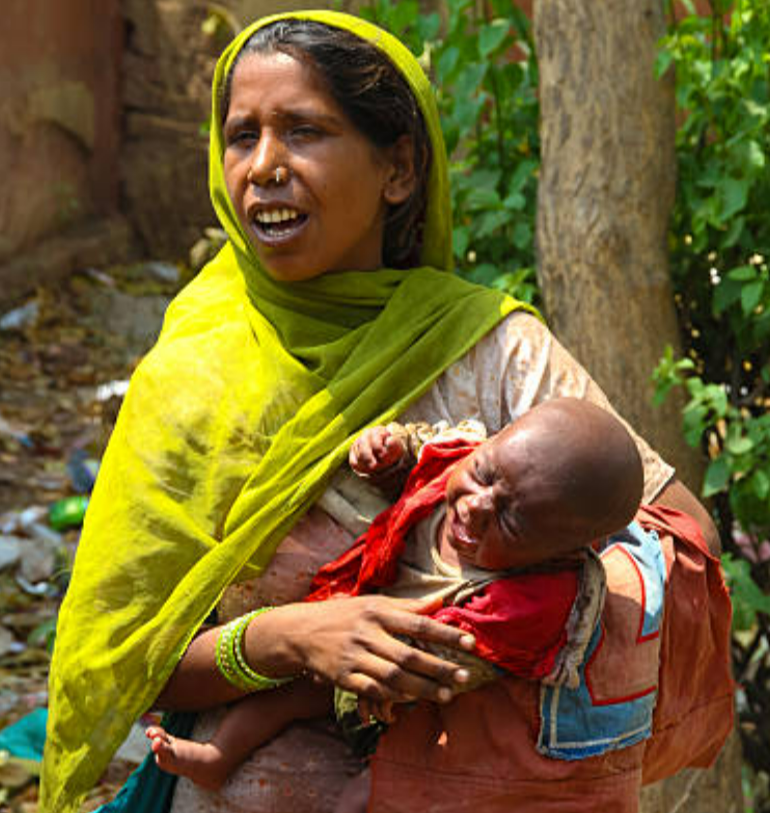
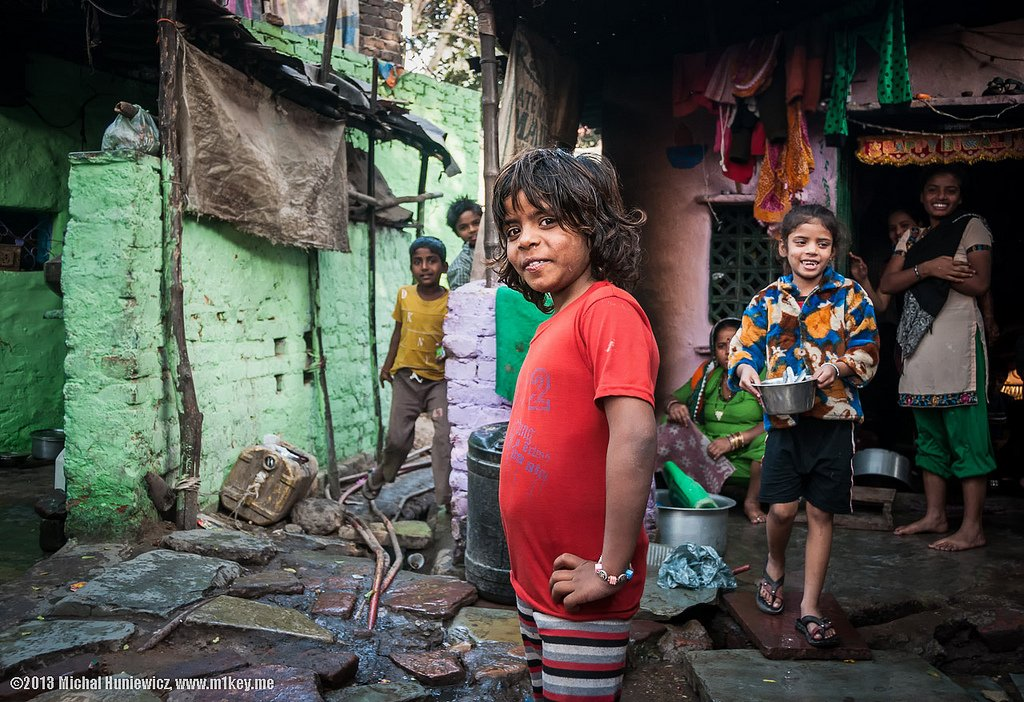
The poor do not just have less. They live closer to punishment. Bad transit makes lateness look like laziness. Bad sleep makes stress look like stupidity. Bad schools make silence look like low ability. No buffer turns every inconvenience into a cascading failure. Then comfortable people call the wreckage “personal responsibility.”
Meritocracy exists just enough to keep the myth alive. Talent matters. Hard work matters. But sponsorship matters more than people admit, and timing matters more than sponsorship. The same ability gets read differently depending on your surname, school, accent, face, clothes, address, and whether powerful people already see themselves in you.
Culture is class in disguise. Taste, posture, humor, confidence, voice, table manners, what you read, how you disagree, how much eye contact you make, how you apologize, how you ask for help—none of this is neutral. People say “professionalism” because saying “this person feels safely upper-middle-class to me” sounds too ugly.
Education is partly learning and mostly sorting. Elite schools do not just teach. They certify, filter, and network. The credential is not only proof of knowledge. It is proof that you passed through gates guarded by people who bless one another’s children.
Class reproduces through marriage, friendship, geography, and expectation. People mostly pair within band. Families transfer down payments, unpaid internships, fallback housing, childcare, social scripts, and emergency money. Even ambition is inherited. Some kids are raised to ask. Others are raised to fear being seen.
The rich are not necessarily smarter. They are more insulated. Insulation looks like intelligence because relaxed people perform better than cornered people. A person with sleep, healthcare, tutoring, silence, legal cover, and three chances will appear “high potential” next to a person solving chaos before breakfast.
The system does not need a conspiracy. It runs on millions of tiny selections. Landlords choosing “reliable.” Managers choosing “polished.” Teachers rewarding familiar behavior. Police reading danger into poverty. Banks pricing risk into people already damaged by risk. Algorithms learning yesterday’s hierarchy and calling it objectivity.
Upward mobility happens, but mostly as an exception used to market the rule. The rare winner becomes proof that the machine is fair. The millions who never got the same timing, patronage, body, geography, health, luck, or forgiveness disappear into statistics and shame.
The ugliest part: class shapes personality. Scarcity makes people vigilant, short-term, defensive, and exhausted. Security makes people future-oriented, articulate, and composed. Then society judges the psychological effects of class as if they were evidence of character.
The real social-class pill is this:
Society does not reward virtue in any clean way. It rewards proximity to stability, and then rewrites that stability as merit.
The deepest privilege is not wealth. It is being formed in conditions that make you look competent.
The deepest poverty is not lack of cash. It is living in conditions that make your errors visible, expensive, and permanent.
Class is not a total prison. It is a probability machine. For most people, that is enough to govern an entire life.
The final blackpill:
The winners think they earned more than they did.
The losers blame themselves more than they should.
And the system needs both beliefs to keep running.
The upper class buys distance from consequences. Better neighborhoods. Better schools. Better doctors. Better lawyers. Better accents. Better introductions. Better timing. Better forgiveness. Their children inherit cash, but also calm, confidence, standards, contacts, and the assumption that institutions are navigable.
The middle class lives on conditional dignity. It survives by compliance, scheduling, emotional restraint, and credentials. It calls this virtue because it has to. In reality, one illness, one layoff, one rent jump, one addiction, one divorce, one lawsuit can erase decades of “doing everything right.”
The poor do not just have less. They live closer to punishment. Bad transit makes lateness look like laziness. Bad sleep makes stress look like stupidity. Bad schools make silence look like low ability. No buffer turns every inconvenience into a cascading failure. Then comfortable people call the wreckage “personal responsibility.”
Meritocracy exists just enough to keep the myth alive. Talent matters. Hard work matters. But sponsorship matters more than people admit, and timing matters more than sponsorship. The same ability gets read differently depending on your surname, school, accent, face, clothes, address, and whether powerful people already see themselves in you.
Culture is class in disguise. Taste, posture, humor, confidence, voice, table manners, what you read, how you disagree, how much eye contact you make, how you apologize, how you ask for help—none of this is neutral. People say “professionalism” because saying “this person feels safely upper-middle-class to me” sounds too ugly.
Education is partly learning and mostly sorting. Elite schools do not just teach. They certify, filter, and network. The credential is not only proof of knowledge. It is proof that you passed through gates guarded by people who bless one another’s children.
Class reproduces through marriage, friendship, geography, and expectation. People mostly pair within band. Families transfer down payments, unpaid internships, fallback housing, childcare, social scripts, and emergency money. Even ambition is inherited. Some kids are raised to ask. Others are raised to fear being seen.
The rich are not necessarily smarter. They are more insulated. Insulation looks like intelligence because relaxed people perform better than cornered people. A person with sleep, healthcare, tutoring, silence, legal cover, and three chances will appear “high potential” next to a person solving chaos before breakfast.
The system does not need a conspiracy. It runs on millions of tiny selections. Landlords choosing “reliable.” Managers choosing “polished.” Teachers rewarding familiar behavior. Police reading danger into poverty. Banks pricing risk into people already damaged by risk. Algorithms learning yesterday’s hierarchy and calling it objectivity.
Upward mobility happens, but mostly as an exception used to market the rule. The rare winner becomes proof that the machine is fair. The millions who never got the same timing, patronage, body, geography, health, luck, or forgiveness disappear into statistics and shame.
The ugliest part: class shapes personality. Scarcity makes people vigilant, short-term, defensive, and exhausted. Security makes people future-oriented, articulate, and composed. Then society judges the psychological effects of class as if they were evidence of character.
The real social-class pill is this:
Society does not reward virtue in any clean way. It rewards proximity to stability, and then rewrites that stability as merit.
The deepest privilege is not wealth. It is being formed in conditions that make you look competent.
The deepest poverty is not lack of cash. It is living in conditions that make your errors visible, expensive, and permanent.
Class is not a total prison. It is a probability machine. For most people, that is enough to govern an entire life.
The final blackpill:
The winners think they earned more than they did.
The losers blame themselves more than they should.
And the system needs both beliefs to keep running.