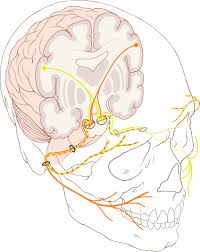
Dejean’s DIY buccal fat guide (Original/high effort)

Dejean

Dejean

I want to be a plastic surgeon
Joined
Jun 18, 2025
Posts
2,445
Reputation
5,297
DIY BUCCAL FAT REMOVAL TUTORIAL
(NOT SAFE FOR LIFE. YOU CAN DIE. DONT COPY THIS)

Invented by @Dejean
(Will be attempting once I receive employment)

[Do not attempt DIY buccal fat removal. These are medical procedures that should only be performed by qualified professionals. Attempting them yourself can result in serious and permanent harm and likely will. I am not responsible for anything you yourself decide to do. This is just a guide for me and @lrrki to follow. I’m simply broadcasting this information for educational purposes

Table of contents
  1. Rules for the procedure
  2. What is buccal fat removal and why do people want to remove their buccal fat pads?
  3. Signs you are a good candidate
  4. Understand anatomy
  5. Understanding anatomy part 2
  6. Safety precautions
  7. Everything you’ll need to preform
  8. The tutorial

Rules for the procedure
1. If you feel nautious, dizzy or like you are going to pass out immediately stop and contact medical services. Assume the absolute worse even if you don’t believe it’s that bad. I can not stress this part enough, STOP immediately you’ve failed and you could die.

2. Knowledge
Never cut what you do not fully understand. If you cannot identify every layer, every nerve, every vessel, and every structure in the area, you have no business putting a blade there. Study the anatomy until it eyes bleed

3. Sterlize everything
If you ignore this rule than you deserve what’s going to happen to you. A single lapse in sterile technique can introduce bacteria deep into your body, leading to severe infection. Sterilize until you don’t doubt your tools are bacteria free

4.
When making the opening incision, cut as little as possible and as shallow as possible.


What is buccal fat and why do people want to remove their buccal fat
Buccal fat is the fat tissue located within the hollow area of the cheek, on both sides. It’s deeper and harder to reduce than regular face fat. Size is largely determined by genetics which is why some people have naturally fuller less aesthetic faces.

The buccal fat removal procedure involves surgically opening a hole in your inner cheek to remove a percentage of the buccal fat pad

The goal is to get a more sculpted facial appearance by reducing fullness in the lower cheek. The procedure involves removing a portion of fat located within the cheek.

If you have bad genetics BFR will yield great results for you
IMG 7313

Signs you are a good candidate for this procedure
  1. Fullness/Roundness; of the lower face. This is caused by the buccal fat pads that you remove with this procedure
  2. High set cheekbones; Having high set cheekbones for the lower face to look sculpted, youthful and defined after the procedure. Without high set cheekbones your lower face can look gaunt or aged after bfr. If you have lower set cheekbones but still have the fullness you should get cheekbone fillers before the attempting this procedure.​
  3. Tight skin; Having Elastic skin means the face is more likely to look sculpted and clean after the procedure. Results tend to look more youthful and natural. If you have saggy skin I’d recommend going through a skin tighting procedure before attempting this
  4. Fatter appearance at low body fat; sign of a large buccal fat pad, procedure is recommended if you want to have a lean appearance
  5. Good Health; If you have a poor health or medical conditions you shouldn’t attempt this. Things such as heart disease or clotting disorders make you an unideal candidate for this procedure, Good health is highly needed if you want to do this procedure
Example of someone who needs it
IMG 7370

Understanding Anatomy part 1
The Buccal fat pad is an encapsulated mass of fat located deep within the cheek. It is not the same as fat under the skin, It sits deeper and helps with things like.
  • Cushioning facial structures during movement.
  • Allows cheek muscles to move smoothly.
  • Reduces friction between chewing muscles.
  • Supports chewing by helping the cheek compress food.
  • Keeps food between the teeth while chewing.
  • Protects nearby nerves, blood vessels, and ducts.
  • Helps maintain cheek stability.
  • Assists infants with sucking during feeding.
In addition to these functional roles, the buccal fat pad contributes to cheek fullness. Obviously increased cheek volume is bad for men and leads to a more softer appearance less appealing face.

————
UNDERSTANDING ANATOMY PART 2
The buccal fat is located deep within the cheek under the skin and facial muscles. It is positioned right between the cheek muscles and messanter muscles. It is located below the zygomatic arch and extends backwards to the pterygoid muscles, you should be able to easily find it.

IMG 7301


When doing buccal fat removal you will have to consider both blood vessels and nerves because it involves physically entering and removing tissue from the area. Where as with fillers you really just have to worry about arteries with nerves being less of a concern. This is what makes buccal fat removal so dangerous.

The most important principle for safety during buccal fat removal is to stay within the correct buccal pad compartment and avoid unnecessary dissection outside of it or to deep into it

Surrounding and deeper structures are what contains all the dangerous nerves and blood vessels. If you can properly stay within the correct Buccal fat area you’ll be able to do this successfully


Main problems and how to avoid
Your safety depends on understanding the anatomy around the pad and carefully navigating the procedure while staying within the correct buccal fat compartment .

You should study anatomy hard to understand these parts and how to avoid them but here’s a quick overview of the main issues you’ll be dealing with

(Obviously do your own research outside of this)


Nerve branch CN VII
This is the most important to protect and is most likely fuck you up.
IMG 7304

It runs directly over the buccal fat pad closer to the top layer of skin, and it controls movement of the face, including lip and smile muscles. Damage to this area will stop you from being able to control the muscles their and result in crazy asymmetry (Rope worthy looksmin)
IMG 7321


How to avoid:
Understand the location of this branch before beginning incision
avoid dissection on the outer cheek where these parts are more vulnerable.
Avoid dissection towards the top layer of skin as you cut inside the cheek. Your incision should be shallow
Make sure you stay in correct buccal fat area, avoid extending to surrounding tissue or going to deep towards the outer skin

Parotid Duct
IMG 7306
Largest of the three major salivary glands, it directly carries saliva into the mouth through the little tube. damage can cause Saliva leakage, swelling or infection. It sits above and behind the buccal fat pad.

How to avoid: (Simplified)
Identify the location of the Parotid duct before entering the cheek and stay away from it.
Avoid overly superficial cutting (Cutting to deep towards the outer layer of skin)
Avoid cutting too far laterally to the outside of the cheek, toward the ear/Massanter region
stay within the buccal fat compartment


ARTERIES
The main artery of concern is the Facial Artery. It ascends right through the cheek and gives off branches near the buccal fat pad. It’s spreading branches mean misplaced cutting can risk arterial injury.

How to avoid: Simplified
Understand where all the vessels are located, avoid unnecessary dissection outside the buccal fat compartment.
Avoid cutting too far towards the mouth/lip region while at the same time avoiding cutting too far towards the massanter region.

If you hit an artery my nigga your cooked wallahi.


————
safety precautions

Sterilization
Sterilize the necessary items beforehand. Unsterile tools can carry microorganisms that can cause harmful infections. Sterilize them by boiling the items in water for 45 minutes or buying them pre sterile online. handle them with sterile gloves afterwards

Sufficient lightening
Sufficent lighting is essential for Buccal fat removal. Clear visualization of the area you’ll be preforming leads to me accurate identification of the anatomy and safe navigation. Insufficient lighting can create obsecure structures and lead to misidentification, which is very bad

Antibiotics; Use Amoxicillin the day before you begin. Your mouth has a lot of bacteria. Infection is likely to happen without this

Emergency contact.
I wouldn’t recommend attempting if you live more than 10 minutes away from a hospital. Have a second person present, someone capable of assisting. Don’t lock any doors. Be ready to contact medical services

Before the procedure.
Do not eat for 8 hours beforehand. If you vomit while doing the procedure you could choke. Don’t drink alcohol or smoke 48 hours before, both can affect bleeding. Be well rested, being tired could cause shaky hands. Avoid NSAIDs before the procedure as they can increase bleeding risk.

Follow the 4 rules listed at the top of the thread

Bleeding
(Most important part)

Guaze pads: Buy the 4x4 inch packs from the pharmacy. Get at least 100, you’ll probably run through them quickly. These are used for stuffing in your mouth to soak blood and apply pressure

Hemostats: these are used to grab bleeding blood vessels and holding them closed to stop deep bleeding. You need the small curved ones called mosquito hemostats. Buy at least four. They're for grabbing bleeding blood vessels and holding them closed. Along with another use we’ll talk about later

Medical superglue. Called Dermabond, If you fail to stitch properly apply this to close the wound.

Blood pressure monitor. Check your blood pressure before, during and after the procedure. BP should remain stable during the procedure. A significant drop can indicate you’re losing to much blood, stop immediately. (Idk about this)
—————
EVERYTHING YOULL NEED BEFORE WE BEGIN.

Scalpel
Used to make a small, precise incision inside the cheek to access the buccal fat pad during the procedure.

Surgical scissors
Used to carefully cut or separate tissue and help with controlled removal of the targeted fat tissue.

Sterile tweezers
Used to grasp and hold the tissue.

Lidocaine
Used to numb the inner cheek.

Dermabon Skin Adhesive DNX12 0.7ml
Used for emergency closure if you fail to stitch the wound properly.

Mosquito Hermostat
MVP. Used for holding/spreading tissue, aids in removing connective tethers and helps to stop bleeding

Amoxicillin
Used to prevent bacterial infection.

Guaze pads
Used for soaking blood and applying pressure

BPM (optional)
Used to alert a drop in blood pressure

Cheek retractor
Used to spread the cheek

Sterile Gloves.
Used to handle the Scalpel, Tweezers, Guaze and hermostat

A strong light source.
Used to illuminate the mouth.

A mirror.
You cannot see inside your mouth by yourself, use a mirror.

Numbing gel (optional)
Used to numb the cheek before lidocaine injection.

————-
TUTORIAL
(Pm me)


the day before begin a course of Amoxicillin to prevent bacterial infections during the operation, get a lot of sleep

The day of Don’t eat any food, avoid eating entirely.

resterlize your items even if you bought them pre sterilized, boil the items you’ll be using in water for 45 minutes. (You should know what to boil)

Take your amoxicillin an hour before beginning.

Lay out all of your tools, Check that the Dermabond is within its expiration date. Prepare your space, it should be as clean as possible, position the light source so it can be directed towards the mouth, it should be powerful and light everything.

Anesthesia phase.
Thoroughly rinse your mouth with salt water to reduce bacteria and put on your bite block. If you have numbing gel apply. Now use the lidocaine on the inner mucosa region of the cheek to fully numb it.

Now we truly begin.

Use your scalpel to make a shallow 1.5cm horizontal incision in the mucosa region of your inner cheek, do not go any deeper or cut any further.

Insert the top of your closed hemostats into the middle of the incision. Spread the tissue apart slowly, this is to open a hole for the buccal fat pad. Continue until you begin to see a blob of yellowish tissue begin to protrude or pop through the incision.

Grab your tweezers and begin to slowly pull the pad out, keep going until 5 cc of the pad is exposed.

The fat pad is connected to small, thin connective tissue, you cannot remove the fat until you remove this. As you bring the pad out of the incision these tissues will follow. Use the mosquito hemostat to clamp onto the attached tissue and the scissors to cut them, Similar to how a child carefully follows the outline around a drawing while coloring you should carefully cut the connective tissue around the fat. Do this until the fat is freely removed from the lines then cut the fat off.


I feel like I should go more in depth on this because this part is important and dangerous.

You should remove all visible connective tissue that leaves the incision with the pad. do not cut ANYTHING within the incision. Never cut anything deeper than the pad itself. Everything you need to cut is on the surface of, or attached to the piece you are pulling out .

But

You shouldn’t be interacting with ANYTHING deeper than the fat pad anyways atp if you are WTF are you doing?

Watch videos of animals being skinned to get an idea of what the connective tissue looks like. Those thin white strands are exactly like the ones you’ll be cutting
.


You’ve made it this far, good. Begin to press Guaze against the wound, and this better be sterilized nigga. Do this for 5 entire minutes and there shouldn’t be any more liquid blood. If there still is do it for another 3 minutes. If there still is any bleeding you’re going to die contact emergency services. (Don’t listen to anyone telling you to use HSS and continue, you will likely fuck up and bleed even harder trying this, safety should be your number 1 priority)

make sure the incision is dried (not just the blood the entire side of your cheek should be dried). you’ll have to understand how to sew a wound to close the incision. Closing this cut is pretty similar to that. Start from the side of the incision facing your mouth. Once sewn assess if you believe it’ll hold. If not apply a VERY thin layer of Dermabond.

Home free, here’s what you do after the procedure.

Apply ice packs to the outside of your cheek as long as you can for an entire day, this will reduce swelling.

Consume only liquid foods for the next day, yogurt, protein shakes, soup (Not hot, don’t eat ANY hot food


Continue taking amoxicillin and watch for infection.

You’re done.

—————
 

Attachments

  • IMG_7304.jpeg
    IMG_7304.jpeg
    18.2 KB · Views: 0
Last edited:
  • +1
  • Love it
  • JFL
Reactions: buccalfatremoval, lrrki, Mr. Squarepants and 14 others
brutal no reply pill

@Deleted member 2520 @AgentAngularity @Stalker @inceliusndius
 
  • +1
Reactions: shedontluv-U, LameAssNga, Blasian-K and 2 others
Oh my fucking god it’s been so normified a random is making a guide for it
 
  • +1
  • JFL
Reactions: Genio, sha, idontmogYET and 3 others
Oh my fucking god it’s been so normified a random is making a guide for it
?? I started working on this like a month ago and forgot about it. I just finished it.
 
  • Hmm...
Reactions: buccalfatremoval
Good guide tbh similar to what I did
 
DIY BUCCAL FAT REMOVAL TUTORIAL
(NOT SAFE FOR LIFE. YOU CAN DIE. DONT COPY THIS)

Invented by @Dejean
(Will be attempting once I receive employment)

[Do not attempt DIY buccal fat removal. These are medical procedures that should only be performed by qualified professionals. Attempting them yourself can result in serious and permanent harm and likely will. I am not responsible for anything you yourself decide to do. This is just a guide for me and @lrrki to follow. I’m simply broadcasting this information for educational purposes

Table of contents
  1. Rules for the procedure
  2. What is buccal fat removal and why do people want to remove their buccal fat pads?
  3. Signs you are a good candidate
  4. Understand anatomy
  5. Understanding anatomy part 2
  6. Safety precautions
  7. Everything you’ll need to preform
  8. The tutorial

Rules for the procedure
1. If you feel nautious, dizzy or like you are going to pass out immediately stop and contact medical services. Assume the absolute worse even if you don’t believe it’s that bad. I can not stress this part enough, STOP immediately you’ve failed and you could die.

2. Knowledge
Never cut what you do not fully understand. If you cannot identify every layer, every nerve, every vessel, and every structure in the area, you have no business putting a blade there. Study the anatomy until it eyes bleed

3. Sterlize everything
If you ignore this rule than you deserve what’s going to happen to you. A single lapse in sterile technique can introduce bacteria deep into your body, leading to severe infection. Sterilize until you don’t doubt your tools are bacteria free

4.
When making the opening incision, cut as little as possible and as shallow as possible.


What is buccal fat and why do people want to remove their buccal fat
Buccal fat is the fat tissue located within the hollow area of the cheek, on both sides. It’s deeper and harder to reduce than regular face fat. Size is largely determined by genetics which is why some people have naturally fuller less aesthetic faces.

The buccal fat removal procedure involves surgically opening a hole in your inner cheek to remove a percentage of the buccal fat pad

The goal is to get a more sculpted facial appearance by reducing fullness in the lower cheek. The procedure involves removing a portion of fat located within the cheek.

If you have bad genetics BFR will yield great results for you

Signs you are a good candidate for this procedure
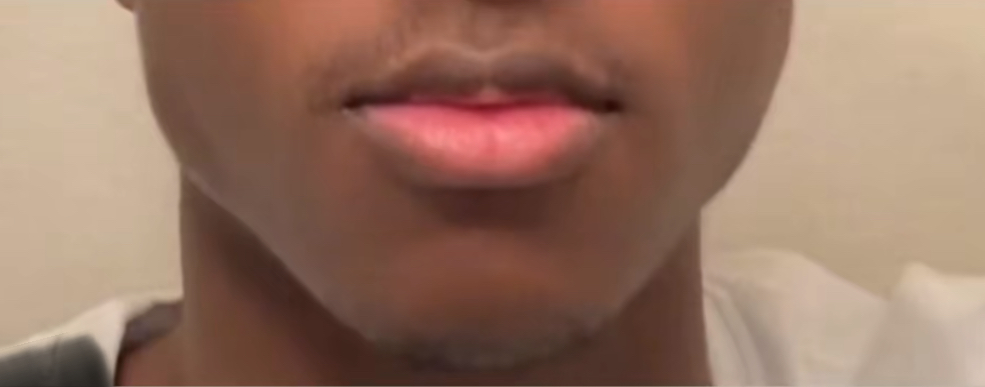
  1. Fullness/Roundness; of the lower face. This is caused by the buccal fat pads that you remove with this procedure
  2. High set cheekbones; Having high set cheekbones for the lower face to look sculpted, youthful and defined after the procedure. Without high set cheekbones your lower face can look gaunt or aged after bfr. If you have lower set cheekbones but still have the fullness you should get cheekbone fillers before the attempting this procedure.​
  3. Tight skin; Having Elastic skin means the face is more likely to look sculpted and clean after the procedure. Results tend to look more youthful and natural. If you have saggy skin I’d recommend going through a skin tighting procedure before attempting this
  4. Fatter appearance at low body fat; sign of a large buccal fat pad, procedure is recommended if you want to have a lean appearance
  5. Good Health; If you have a poor health or medical conditions you shouldn’t attempt this. Things such as heart disease or clotting disorders make you an unideal candidate for this procedure, Good health is highly needed if you want to do this procedure
Example of someone who needs it
View attachment 5461772
Understanding Anatomy part 1
The Buccal fat pad is an encapsulated mass of fat located deep within the cheek. It is not the same as fat under the skin, It sits deeper and helps with things like.
  • Cushioning facial structures during movement.
  • Allows cheek muscles to move smoothly.
  • Reduces friction between chewing muscles.
  • Supports chewing by helping the cheek compress food.
  • Keeps food between the teeth while chewing.
  • Protects nearby nerves, blood vessels, and ducts.
  • Helps maintain cheek stability.
  • Assists infants with sucking during feeding.
In addition to these functional roles, the buccal fat pad contributes to cheek fullness. Obviously increased cheek volume is bad for men and leads to a more softer appearance less appealing face.

————
UNDERSTANDING ANATOMY PART 2
The buccal fat is located deep within the cheek under the skin and facial muscles. It is positioned right between the cheek muscles and messanter muscles. It is located below the zygomatic arch and extends backwards to the pterygoid muscles, you should be able to easily find it.
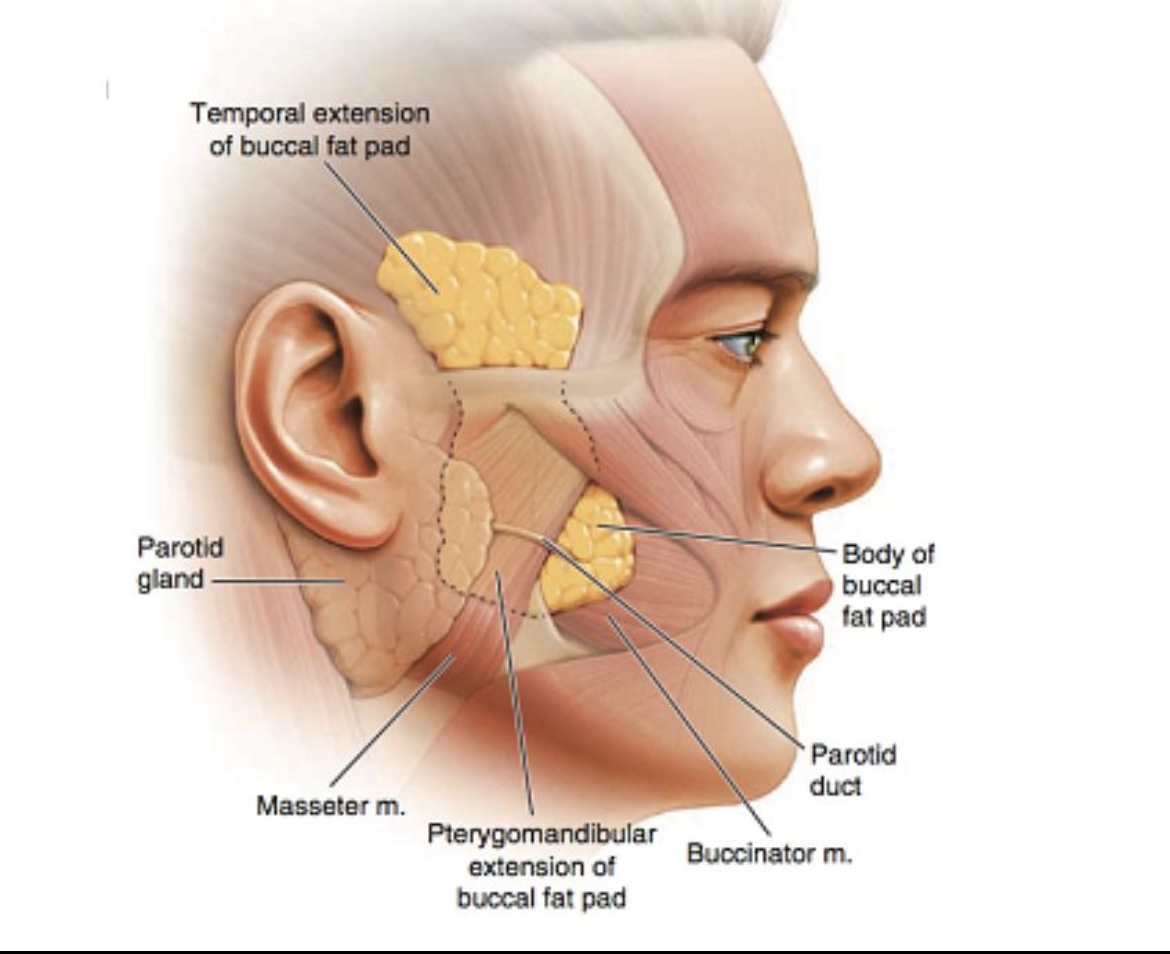
View attachment 5461775

When doing buccal fat removal you will have to consider both blood vessels and nerves because it involves physically entering and removing tissue from the area. Where as with fillers you really just have to worry about arteries with nerves being less of a concern. This is what makes buccal fat removal so dangerous.

The most important principle for safety during buccal fat removal is to stay within the correct buccal pad compartment and avoid unnecessary dissection outside of it or to deep into it

Surrounding and deeper structures are what contains all the dangerous nerves and blood vessels. If you can properly stay within the correct Buccal fat area you’ll be able to do this successfully


Main problems and how to avoid
Your safety depends on understanding the anatomy around the pad and carefully navigating the procedure while staying within the correct buccal fat compartment .

You should study anatomy hard to understand these parts and how to avoid them but here’s a quick overview of the main issues you’ll be dealing with

(Obviously do your own research outside of this)


Nerve branch CN VII
This is the most important to protect and is most likely fuck you up.
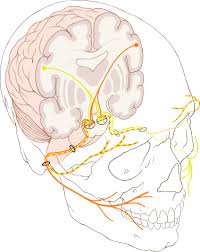
View attachment 5461777
It runs directly over the buccal fat pad closer to the top layer of skin, and it controls movement of the face, including lip and smile muscles. Damage to this area will stop you from being able to control the muscles their and result in crazy asymmetry (Rope worthy looksmin)
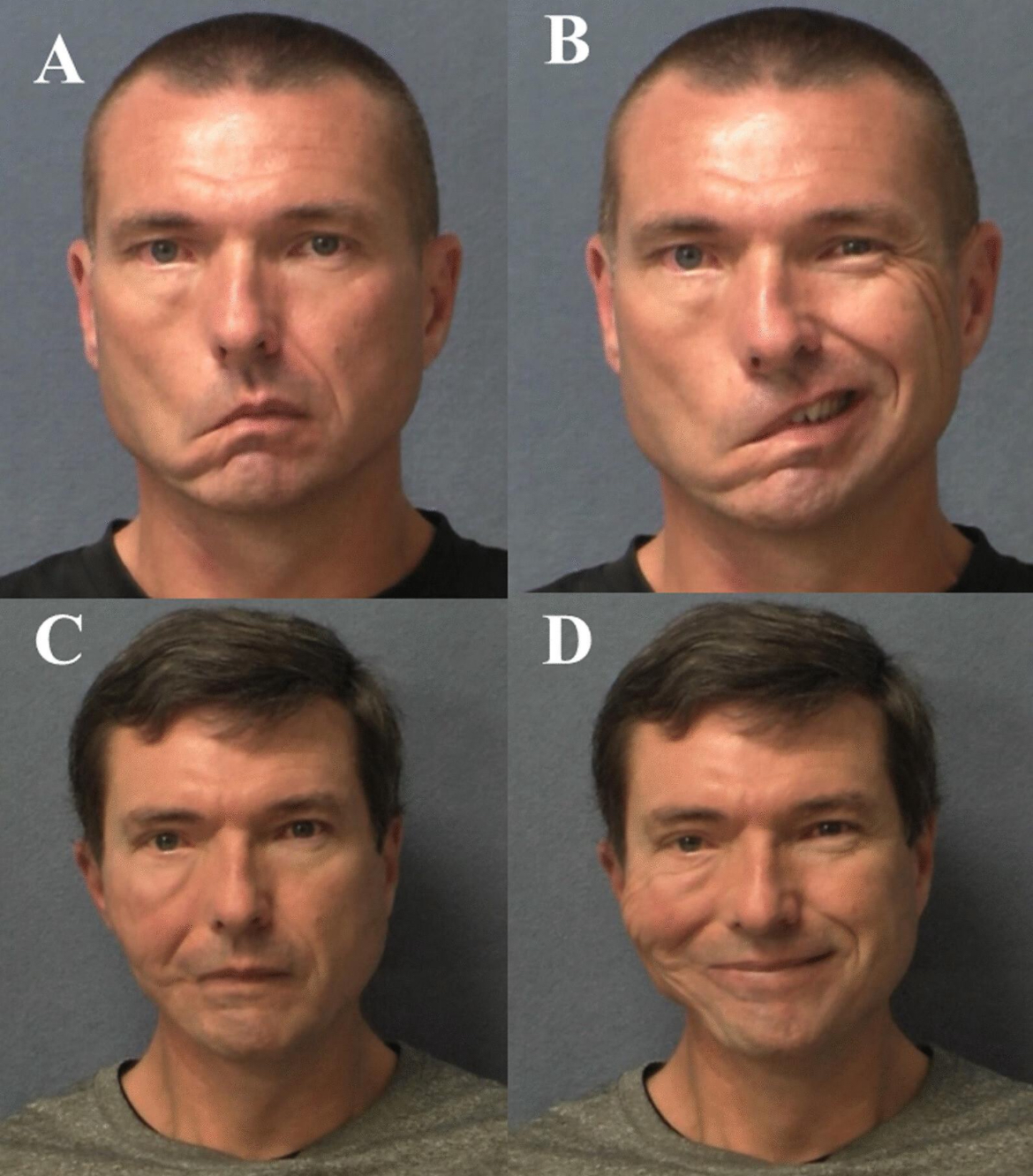
View attachment 5461782

How to avoid:
Understand the location of this branch before beginning incision
avoid dissection on the outer cheek where these parts are more vulnerable.
Avoid dissection towards the top layer of skin as you cut inside the cheek. Your incision should be shallow
Make sure you stay in correct buccal fat area, avoid extending to surrounding tissue or going to deep towards the outer skin

Parotid Duct
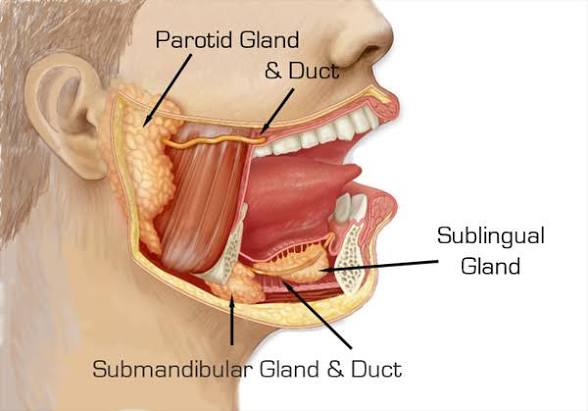
View attachment 5461784Largest of the three major salivary glands, it directly carries saliva into the mouth through the little tube. damage can cause Saliva leakage, swelling or infection. It sits above and behind the buccal fat pad.

How to avoid: (Simplified)
Identify the location of the Parotid duct before entering the cheek and stay away from it.
Avoid overly superficial cutting (Cutting to deep towards the outer layer of skin)
Avoid cutting too far laterally to the outside of the cheek, toward the ear/Massanter region
stay within the buccal fat compartment


ARTERIES
The main artery of concern is the Facial Artery. It ascends right through the cheek and gives off branches near the buccal fat pad. It’s spreading branches mean misplaced cutting can risk arterial injury.

How to avoid: Simplified
Understand where all the vessels are located, avoid unnecessary dissection outside the buccal fat compartment.
Avoid cutting too far towards the mouth/lip region while at the same time avoiding cutting too far towards the massanter region.

If you hit an artery my nigga your cooked wallahi.


————
safety precautions

Sterilization
Sterilize the necessary items beforehand. Unsterile tools can carry microorganisms that can cause harmful infections. Sterilize them by boiling the items in water for 45 minutes or buying them pre sterile online. handle them with sterile gloves afterwards

Sufficient lightening
Sufficent lighting is essential for Buccal fat removal. Clear visualization of the area you’ll be preforming leads to me accurate identification of the anatomy and safe navigation. Insufficient lighting can create obsecure structures and lead to misidentification, which is very bad

Antibiotics; Use Amoxicillin the day before you begin. Your mouth has a lot of bacteria. Infection is likely to happen without this

Emergency contact.
I wouldn’t recommend attempting if you live more than 10 minutes away from a hospital. Have a second person present, someone capable of assisting. Don’t lock any doors. Be ready to contact medical services

Before the procedure.
Do not eat for 8 hours beforehand. If you vomit while doing the procedure you could choke. Don’t drink alcohol or smoke 48 hours before, both can affect bleeding. Be well rested, being tired could cause shaky hands. Avoid NSAIDs before the procedure as they can increase bleeding risk.

Follow the 4 rules listed at the top of the thread

Bleeding
(Most important part)

Guaze pads: Buy the 4x4 inch packs from the pharmacy. Get at least 100, you’ll probably run through them quickly. These are used for stuffing in your mouth to soak blood and apply pressure

Hemostats: these are used to grab bleeding blood vessels and holding them closed to stop deep bleeding. You need the small curved ones called mosquito hemostats. Buy at least four. They're for grabbing bleeding blood vessels and holding them closed. Along with another use we’ll talk about later

Medical superglue. Called Dermabond, If you fail to stitch properly apply this to close the wound.

Blood pressure monitor. Check your blood pressure before, during and after the procedure. BP should remain stable during the procedure. A significant drop can indicate you’re losing to much blood, stop immediately. (Idk about this)
—————
EVERYTHING YOULL NEED BEFORE WE BEGIN.

Scalpel
Used to make a small, precise incision inside the cheek to access the buccal fat pad during the procedure.

Surgical scissors
Used to carefully cut or separate tissue and help with controlled removal of the targeted fat tissue.

Sterile tweezers
Used to grasp and hold the tissue.

Lidocaine
Used to numb the inner cheek.

Dermabon Skin Adhesive DNX12 0.7ml
Used for emergency closure if you fail to stitch the wound properly.

Mosquito Hermostat
MVP. Used for holding/spreading tissue, aids in removing connective tethers and helps to stop bleeding

Amoxicillin
Used to prevent bacterial infection.

Guaze pads
Used for soaking blood and applying pressure

BPM (optional)
Used to alert a drop in blood pressure

Cheek retractor
Used to spread the cheek

Sterile Gloves.
Used to handle the Scalpel, Tweezers, Guaze and hermostat

A strong light source.
Used to illuminate the mouth.

A mirror.
You cannot see inside your mouth by yourself, use a mirror.

Numbing gel (optional)
Used to numb the cheek before lidocaine injection.

————-
TUTORIAL
(Pm me)


the day before begin a course of Amoxicillin to prevent bacterial infections during the operation, get a lot of sleep

The day of Don’t eat any food, avoid eating entirely.

resterlize your items even if you bought them pre sterilized, boil the items you’ll be using in water for 45 minutes. (You should know what to boil)

Take your amoxicillin an hour before beginning.

Lay out all of your tools, Check that the Dermabond is within its expiration date. Prepare your space, it should be as clean as possible, position the light source so it can be directed towards the mouth, it should be powerful and light everything.

Anesthesia phase.
Thoroughly rinse your mouth with salt water to reduce bacteria and put on your bite block. If you have numbing gel apply. Now use the lidocaine on the inner mucosa region of the cheek to fully numb it.

Now we truly begin.

Use your scalpel to make a shallow 1.5cm horizontal incision in the mucosa region of your inner cheek, do not go any deeper or cut any further.

Insert the top of your closed hemostats into the middle of the incision. Spread the tissue apart slowly, this is to open a hole for the buccal fat pad. Continue until you begin to see a blob of yellowish tissue begin to protrude or pop through the incision.

Grab your tweezers and begin to slowly pull the pad out, keep going until 5 cc of the pad is exposed.

The fat pad is connected to small, thin connective tissue, you cannot remove the fat until you remove this. As you bring the pad out of the incision these tissues will follow. Use the mosquito hemostat to clamp onto the attached tissue and the scissors to cut them, Similar to how a child carefully follows the outline around a drawing while coloring you should carefully cut the connective tissue around the fat. Do this until the fat is freely removed from the lines then cut the fat off.


I feel like I should go more in depth on this because this part is important and dangerous.

You should remove all visible connective tissue that leaves the incision with the pad. do not cut ANYTHING within the incision. Never cut anything deeper than the pad itself. Everything you need to cut is on the surface of, or attached to the piece you are pulling out .

But

You shouldn’t be interacting with ANYTHING deeper than the fat pad anyways atp if you are WTF are you doing?

Watch videos of animals being skinned to get an idea of what the connective tissue looks like. Those thin white strands are exactly like the ones you’ll be cutting
.


You’ve made it this far, good. Begin to press Guaze against the wound, and this better be sterilized nigga. Do this for 5 entire minutes and there shouldn’t be any more liquid blood. If there still is do it for another 3 minutes. If there still is any bleeding you’re going to die contact emergency services. (Don’t listen to anyone telling you to use HSS and continue, you will likely fuck up and bleed even harder trying this, safety should be your number 1 priority)

make sure the incision is dried (not just the blood the entire side of your cheek should be dried). you’ll have to understand how to sew a wound to close the incision. Closing this cut is pretty similar to that. Start from the side of the incision facing your mouth. Once sewn assess if you believe it’ll hold. If not apply a VERY thin layer of Dermabond.

Home free, here’s what you do after the procedure.

Apply ice packs to the outside of your cheek as long as you can for an entire day, this will reduce swelling.

Consume only liquid foods for the next day, yogurt, protein shakes, soup (Not hot, don’t eat ANY hot food


Continue taking amoxicillin and watch for infection.

You’re done.

—————
can i also use voulufiline ?
 
  • +1
  • Hmm...
Reactions: sha and alexbrown8384
You made your own guide? Damn I didn’t know this was just my own approach

i thought I was the first one lolz
No I didn’t
I did a diy bfr 3 years ago lol
 
If you're doing diy bfr rather then spending 2k on professional bfr, you genuinely gotta die
 
  • +1
Reactions: sha
If you're doing diy bfr rather then spending 2k on professional bfr, you genuinely gotta die
5k+ when you could do this for around 300$

+Niggas dont want to wait until their at best 20 to get surgeries. I want to mog in my youth
 
  • Ugh..
Reactions: Ahmed88
Sureeeee

How did you do it and did you botch?
Taste of my own medicine

Not as professional as the guide but to simply put it, I made a small-ish incision on my cheek but deeper than I should’ve.
The fat kinda gushed out and I pulled it out with medical tweezers, then I sewed the incision.

Tho I did kinda botch it, didn’t hit anything major luckily but I extracted more fat from my left cheek rather than right. So there’s a noticeable asymmetry
 
  • Woah
Reactions: RandomAutist
DIY BUCCAL FAT REMOVAL TUTORIAL
i mean cool thread but what's even the point? buccal fat removal is such a cheap surgery you could get domestically with 0 risk, unlike going diy.

even just getting ridiculously lean with things like glps/dnp would offer similar results whilst being miles safer & more convenient.
 
  • +1
Reactions: Dejean
i mean cool thread but what's even the point? buccal fat removal is such a cheap surgery you could get domestically with 0 risk, unlike going diy.

even just getting ridiculously lean with things like glps/dnp would offer similar results whilst being miles safer & more convenient.
5k+ is not cheap. Along with college you’d probably only be able to raise that money at around 20. I want to mog now. Diy doesn’t seem as bad as most people think to me, I’d rather do this than orbital filler tbh in terms of safety.

This cost around 300$ dollars

And I have shit buccal fat genetics
 
Last edited:
  • +1
Reactions: Trenscension
if you aren't working fulltime maybe, 5k is like 2 paychecks for me.

this is fair, fillers are dogshit and have very few practical applications.
5k at my age is impossible. On top of that I am careerly challenged.

I like fillers a lot. I’m talking about in terms of safety I’d rather do bfr
 
  • +1
Reactions: Blasian-K and Trenscension
Not as professional as the guide but to simply put it,

Tho I did kinda botch it,
so nigga what the fuck are you talking about? Did you just take a knife to your mucosa and tear your fat pad out? Fym professional

And if you botched than why are you hating on a high iq guide prioritizing safety discussing the procedure?
 
  • Hmm...
Reactions: buccalfatremoval
5k at my age is impossible. On top of that I am careerly challenged.
try getting a chad job that keeps you during your school year that you can grind during summers, ideally something where you can't be easily replaced.

i work in sales at my current job and im hardly working during my next term at college whatsoever.

this way i wageslave for 2-4 months so i can afford all the roids & pharma ill need for the year.
 
  • +1
Reactions: Dejean
try getting a chad job that keeps you during your school year that you can grind during summers, ideally something where you can't be easily replaced.

i work in sales at my current job and im hardly working during my next term at college whatsoever.

this way i wageslave for 2-4 months so i can afford all the roids & pharma ill need for the year.
Thank you.
 
  • +1
Reactions: Trenscension
so nigga what the fuck are you talking about? Did you just take a knife to your mucosa and tear your fat pad out? Fym professional
I didn’t use as many pharmaceuticals and prep.
Only a scalpel, medical tweezers, surgical scissors and a medical sewing kit.
I briefly learned about the facial anatomy beforehand to avoid cutting anything major and I luckily didn’t.
And if you botched than why are you hating on a high iq guide prioritizing safety discussing the procedure?
Just ironic you post it after it’s been popularized.
And after I read it I did praise it. So what’s your point
 
  • +1
Reactions: sha and Dejean
I didn’t use as many pharmaceuticals and prep.
Only a scalpel, medical tweezers, surgical scissors and a medical sewing kit.
I briefly learned about the facial anatomy beforehand to avoid cutting anything major and I luckily didn’t.

Just ironic you post it after it’s been popularized.
And after I read it I did praise it. So what’s your point
lol ok so you didn’t numb a thing and with shaky hands you were somehow able to remove both fat pads without hitting any arteries or nerves?
 
  • +1
Reactions: buccalfatremoval
lol ok so you didn’t numb a thing and with shaky hands you were somehow able to remove both fat pads without hitting any arteries or nerves?
I was on a high-ish dose of tramadol, I believe that made the pain more tolerable.

I was 15, didn’t have money for numbing agents.

And I said it like 3 times now I luckily didn’t lol, looking back at it, it was stupid and I admit that before.
 
  • +1
Reactions: Blasian-K and Dejean
mirin nigga
 
  • +1
Reactions: Dejean
And I said it like 3 times now I luckily didn’t lol, looking back at it, it was stupid and I admit that before.
Do you regret the DIY in general?

Would you go the surgery route now if you could do it over again?
5k at my age is impossible. On top of that I am careerly challenged.

I like fillers a lot. I’m talking about in terms of safety I’d rather do bfr
High-effort post, so props for that, man. Also, the name change caught me off guard, but it's cool.

But if you go through good luck, money does come eventually. Obviously everyone wants results now, but time can be your friend if you let it.
 
  • +1
  • Love it
Reactions: sha, buccalfatremoval and Dejean
Do you regret the DIY in general?

Would you go the surgery route now if you could do it over again?

High-effort post, so props for that, man. Also, the name change caught me off guard, but it's cool.

But if you go through good luck, money does come eventually. Obviously everyone wants results now, but time can be your friend if you let it.
Thank you. I’m 16 and have never had a real friend/gf in my entire life. I don’t want to waste my youth so I have to do something now tbh
 
  • +1
Reactions: Blasian-K
Do you regret the DIY in general?

Would you go the surgery route now if you could do it over again?
I’d just get it done at a clinic, i extremely needed it my buccal fat pad was ridiculously huge even though i was relatively lean.
 
  • +1
Reactions: Blasian-K and Dejean
I’d just get it done at a clinic, i extremely needed it my buccal fat pad was ridiculously huge even though i was relatively lean.
Yeah, I'm to high inhib for a DIY, to be honest. Plus, I lack the knowledge and drive to actually go through with it.

But a surgery at a clinic is something I'd consider, especially since I'm in a similar space as you were.

Relatively lean, but still got a bit of those chipmunk cheeks.

Preciate the response, bro!
 
  • +1
Reactions: Dejean and buccalfatremoval
Yeah, I'm to high inhib for a DIY, to be honest. Plus, I lack the knowledge and drive to actually go through with it.

But a surgery at a clinic is something I'd consider, especially since I'm in a similar space as you were.

Relatively lean, but still got a bit of those chipmunk cheeks.

Preciate the response, bro!
Looked into fat dissolvers? You can get similar-ish results with them after multiple sessions.
 
  • +1
Reactions: Blasian-K
i mean cool thread but what's even the point? buccal fat removal is such a cheap surgery you could get domestically with 0 risk, unlike going diy.

even just getting ridiculously lean with things like glps/dnp would offer similar results whilst being miles safer & more convenient.
ROIDO PFPPPPP:feelshah::feelshah:
 
  • Love it
Reactions: Trenscension
5k+ when you could do this for around 300$

+Niggas dont want to wait until their at best 20 to get surgeries. I want to mog in my youth
300 and risking permanent injuries

In turkey it's 1k if you lower your budget a little, 700$ more for a guaranteed bfr is not alot nigger
 
300 and risking permanent injuries

In turkey it's 1k if you lower your budget a little, 700$ more for a guaranteed bfr is not alot nigger
Sure nigga and limb lengthening is 20k there.

Permanent injuries? Nigga if you read the guide you’d realize I literally explain how to avoid all types of permanent injuries.

Hating on looksmaxxing on a looksmaxxing forum is the most retard shit I’ve ever seen
 
  • Ugh..
Reactions: Ahmed88
300 and risking permanent injuries

In turkey it's 1k if you lower your budget a little, 700$ more for a guaranteed bfr is not alot nigger
besides what I just said removing the risk of permanent injury is simple. Just make a small shallow incision 1cm long on the correct region and look for the fat pads. If you don’t see it close the wound it’s impossible to get permanently injured doing this approach unless you are extremely retarded
 
Sure nigga and limb lengthening is 20k there.

Permanent injuries? Nigga if you read the guide you’d realize I literally explain how to avoid all types of permanent injuries.

Hating on looksmaxxing on a looksmaxxing forum is the most retard shit I’ve ever seen
What's your fucking point mate?

700$ is 4 weeks worth of groceries, if you can't get 700$, you have other problems to worry about than getting a bfr
 
  • +1
Reactions: Dejean
What's your fucking point mate?

700$ is 4 weeks worth of groceries, if you can't get 700$, you have other problems to worry about than getting a bfr
My point is that you aren’t going to get bfr for 1k$ unless it’s utterly terrible

It’s never smart to look for a cheap option when doing surgery.

ATP with the risk it’d be better to preform it yourself for 200-300$
 
besides what I just said removing the risk of permanent injury is simple. Just make a small shallow incision 1cm long on the correct region and look for the fat pads. If you don’t see it close the wound it’s impossible to get permanently injured doing this approach unless you are extremely retarded
You're genuinely fucking retarded if you're being serious

First of all you're fucking thread is BULLSHIT, and if anyone does it, they are GUARANTEED to die or risk permanent injuries

"You can stay inside the bf compartment"

That's the top 10 most retardedt shit i've ever heard the bf pad has extensions and relationships with nearby structures you cant reliably control where tissue separates retracts or tears


My point is that you aren’t going to get bfr for 1k$ unless it’s utterly terrible

It’s never smart to look for a cheap option when doing surgery.

ATP with the risk it’d be better to preform it yourself for 200-300$
What?

"A qualified surgeon is utterly terrible but following a guide by dejean and doing it at home is totallyyyy not terrible"

I know this is most likely satire, but you genuinely took your time making this bullshit ai thread
 
You're genuinely fucking retarded if you're being serious

First of all you're fucking thread is BULLSHIT, and if anyone does it, they are GUARANTEED to die or risk permanent injuries

"You can stay inside the bf compartment"

That's the top 10 most retardedt shit i've ever heard the bf pad has extensions and relationships with nearby structures you cant reliably control where tissue separates retracts or tears


What?

"A qualified surgeon is utterly terrible but following a guide by dejean and doing it at home is totallyyyy not terrible"

I know this is most likely satire, but you genuinely took your time making this bullshit ai thread
LOL nigga read the entire guide. I literally discuss how to separate the buccal fat pad from tethers and other structures you utter faggot.

Yes, I’m not going to turkey to get a 25 year old surgeon to preform on me when I can do it at home. Literally read parts of the thread I discuss why I’m doing this instead of surgeries.
 
bump

why does ts have so lil reps?
 
  • +1
Reactions: Short and Dejean
You're genuinely fucking retarded if you're being serious

First of all you're fucking thread is BULLSHIT, and if anyone does it, they are GUARANTEED to die or risk permanent injuries

"You can stay inside the bf compartment"

That's the top 10 most retardedt shit i've ever heard the bf pad has extensions and relationships with nearby structures you cant reliably control where tissue separates retracts or tears


What?

"A qualified surgeon is utterly terrible but following a guide by dejean and doing it at home is totallyyyy not terrible"

I know this is most likely satire, but you genuinely took your time making this bullshit ai thread
Retarded or just haven’t read the guide? “People will die following your guide” (firstly I don’t want anyone to follow them)

read my safety precautions and rules and genuinely tell me you think someone could follow those and die?
 
  • Ugh..
Reactions: Ahmed88
DIY BUCCAL FAT REMOVAL TUTORIAL
(NOT SAFE FOR LIFE. YOU CAN DIE. DONT COPY THIS)

Invented by @Dejean
(Will be attempting once I receive employment)

[Do not attempt DIY buccal fat removal. These are medical procedures that should only be performed by qualified professionals. Attempting them yourself can result in serious and permanent harm and likely will. I am not responsible for anything you yourself decide to do. This is just a guide for me and @lrrki to follow. I’m simply broadcasting this information for educational purposes

Table of contents
  1. Rules for the procedure
  2. What is buccal fat removal and why do people want to remove their buccal fat pads?
  3. Signs you are a good candidate
  4. Understand anatomy
  5. Understanding anatomy part 2
  6. Safety precautions
  7. Everything you’ll need to preform
  8. The tutorial

Rules for the procedure
1. If you feel nautious, dizzy or like you are going to pass out immediately stop and contact medical services. Assume the absolute worse even if you don’t believe it’s that bad. I can not stress this part enough, STOP immediately you’ve failed and you could die.

2. Knowledge
Never cut what you do not fully understand. If you cannot identify every layer, every nerve, every vessel, and every structure in the area, you have no business putting a blade there. Study the anatomy until it eyes bleed

3. Sterlize everything
If you ignore this rule than you deserve what’s going to happen to you. A single lapse in sterile technique can introduce bacteria deep into your body, leading to severe infection. Sterilize until you don’t doubt your tools are bacteria free

4.
When making the opening incision, cut as little as possible and as shallow as possible.


What is buccal fat and why do people want to remove their buccal fat
Buccal fat is the fat tissue located within the hollow area of the cheek, on both sides. It’s deeper and harder to reduce than regular face fat. Size is largely determined by genetics which is why some people have naturally fuller less aesthetic faces.

The buccal fat removal procedure involves surgically opening a hole in your inner cheek to remove a percentage of the buccal fat pad

The goal is to get a more sculpted facial appearance by reducing fullness in the lower cheek. The procedure involves removing a portion of fat located within the cheek.

If you have bad genetics BFR will yield great results for you
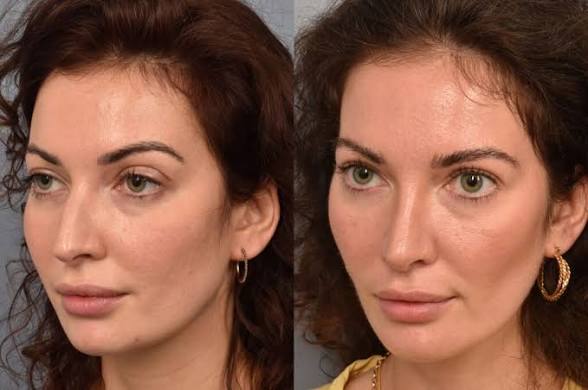
Signs you are a good candidate for this procedure
  1. Fullness/Roundness; of the lower face. This is caused by the buccal fat pads that you remove with this procedure
  2. High set cheekbones; Having high set cheekbones for the lower face to look sculpted, youthful and defined after the procedure. Without high set cheekbones your lower face can look gaunt or aged after bfr. If you have lower set cheekbones but still have the fullness you should get cheekbone fillers before the attempting this procedure.​
  3. Tight skin; Having Elastic skin means the face is more likely to look sculpted and clean after the procedure. Results tend to look more youthful and natural. If you have saggy skin I’d recommend going through a skin tighting procedure before attempting this
  4. Fatter appearance at low body fat; sign of a large buccal fat pad, procedure is recommended if you want to have a lean appearance
  5. Good Health; If you have a poor health or medical conditions you shouldn’t attempt this. Things such as heart disease or clotting disorders make you an unideal candidate for this procedure, Good health is highly needed if you want to do this procedure
Example of someone who needs it
View attachment 5461772
Understanding Anatomy part 1
The Buccal fat pad is an encapsulated mass of fat located deep within the cheek. It is not the same as fat under the skin, It sits deeper and helps with things like.
  • Cushioning facial structures during movement.
  • Allows cheek muscles to move smoothly.
  • Reduces friction between chewing muscles.
  • Supports chewing by helping the cheek compress food.
  • Keeps food between the teeth while chewing.
  • Protects nearby nerves, blood vessels, and ducts.
  • Helps maintain cheek stability.
  • Assists infants with sucking during feeding.
In addition to these functional roles, the buccal fat pad contributes to cheek fullness. Obviously increased cheek volume is bad for men and leads to a more softer appearance less appealing face.

————
UNDERSTANDING ANATOMY PART 2
The buccal fat is located deep within the cheek under the skin and facial muscles. It is positioned right between the cheek muscles and messanter muscles. It is located below the zygomatic arch and extends backwards to the pterygoid muscles, you should be able to easily find it.

View attachment 5461775

When doing buccal fat removal you will have to consider both blood vessels and nerves because it involves physically entering and removing tissue from the area. Where as with fillers you really just have to worry about arteries with nerves being less of a concern. This is what makes buccal fat removal so dangerous.

The most important principle for safety during buccal fat removal is to stay within the correct buccal pad compartment and avoid unnecessary dissection outside of it or to deep into it

Surrounding and deeper structures are what contains all the dangerous nerves and blood vessels. If you can properly stay within the correct Buccal fat area you’ll be able to do this successfully


Main problems and how to avoid
Your safety depends on understanding the anatomy around the pad and carefully navigating the procedure while staying within the correct buccal fat compartment .

You should study anatomy hard to understand these parts and how to avoid them but here’s a quick overview of the main issues you’ll be dealing with

(Obviously do your own research outside of this)


Nerve branch CN VII
This is the most important to protect and is most likely fuck you up.
View attachment 5461777
It runs directly over the buccal fat pad closer to the top layer of skin, and it controls movement of the face, including lip and smile muscles. Damage to this area will stop you from being able to control the muscles their and result in crazy asymmetry (Rope worthy looksmin)
View attachment 5461782

How to avoid:
Understand the location of this branch before beginning incision
avoid dissection on the outer cheek where these parts are more vulnerable.
Avoid dissection towards the top layer of skin as you cut inside the cheek. Your incision should be shallow
Make sure you stay in correct buccal fat area, avoid extending to surrounding tissue or going to deep towards the outer skin

Parotid Duct
View attachment 5461784Largest of the three major salivary glands, it directly carries saliva into the mouth through the little tube. damage can cause Saliva leakage, swelling or infection. It sits above and behind the buccal fat pad.

How to avoid: (Simplified)
Identify the location of the Parotid duct before entering the cheek and stay away from it.
Avoid overly superficial cutting (Cutting to deep towards the outer layer of skin)
Avoid cutting too far laterally to the outside of the cheek, toward the ear/Massanter region
stay within the buccal fat compartment


ARTERIES
The main artery of concern is the Facial Artery. It ascends right through the cheek and gives off branches near the buccal fat pad. It’s spreading branches mean misplaced cutting can risk arterial injury.

How to avoid: Simplified
Understand where all the vessels are located, avoid unnecessary dissection outside the buccal fat compartment.
Avoid cutting too far towards the mouth/lip region while at the same time avoiding cutting too far towards the massanter region.

If you hit an artery my nigga your cooked wallahi.


————
safety precautions

Sterilization
Sterilize the necessary items beforehand. Unsterile tools can carry microorganisms that can cause harmful infections. Sterilize them by boiling the items in water for 45 minutes or buying them pre sterile online. handle them with sterile gloves afterwards

Sufficient lightening
Sufficent lighting is essential for Buccal fat removal. Clear visualization of the area you’ll be preforming leads to me accurate identification of the anatomy and safe navigation. Insufficient lighting can create obsecure structures and lead to misidentification, which is very bad

Antibiotics; Use Amoxicillin the day before you begin. Your mouth has a lot of bacteria. Infection is likely to happen without this

Emergency contact.
I wouldn’t recommend attempting if you live more than 10 minutes away from a hospital. Have a second person present, someone capable of assisting. Don’t lock any doors. Be ready to contact medical services

Before the procedure.
Do not eat for 8 hours beforehand. If you vomit while doing the procedure you could choke. Don’t drink alcohol or smoke 48 hours before, both can affect bleeding. Be well rested, being tired could cause shaky hands. Avoid NSAIDs before the procedure as they can increase bleeding risk.

Follow the 4 rules listed at the top of the thread

Bleeding
(Most important part)

Guaze pads: Buy the 4x4 inch packs from the pharmacy. Get at least 100, you’ll probably run through them quickly. These are used for stuffing in your mouth to soak blood and apply pressure

Hemostats: these are used to grab bleeding blood vessels and holding them closed to stop deep bleeding. You need the small curved ones called mosquito hemostats. Buy at least four. They're for grabbing bleeding blood vessels and holding them closed. Along with another use we’ll talk about later

Medical superglue. Called Dermabond, If you fail to stitch properly apply this to close the wound.

Blood pressure monitor. Check your blood pressure before, during and after the procedure. BP should remain stable during the procedure. A significant drop can indicate you’re losing to much blood, stop immediately. (Idk about this)
—————
EVERYTHING YOULL NEED BEFORE WE BEGIN.

Scalpel
Used to make a small, precise incision inside the cheek to access the buccal fat pad during the procedure.

Surgical scissors
Used to carefully cut or separate tissue and help with controlled removal of the targeted fat tissue.

Sterile tweezers
Used to grasp and hold the tissue.

Lidocaine
Used to numb the inner cheek.

Dermabon Skin Adhesive DNX12 0.7ml
Used for emergency closure if you fail to stitch the wound properly.

Mosquito Hermostat
MVP. Used for holding/spreading tissue, aids in removing connective tethers and helps to stop bleeding

Amoxicillin
Used to prevent bacterial infection.

Guaze pads
Used for soaking blood and applying pressure

BPM (optional)
Used to alert a drop in blood pressure

Cheek retractor
Used to spread the cheek

Sterile Gloves.
Used to handle the Scalpel, Tweezers, Guaze and hermostat

A strong light source.
Used to illuminate the mouth.

A mirror.
You cannot see inside your mouth by yourself, use a mirror.

Numbing gel (optional)
Used to numb the cheek before lidocaine injection.

————-
TUTORIAL
(Pm me)


the day before begin a course of Amoxicillin to prevent bacterial infections during the operation, get a lot of sleep

The day of Don’t eat any food, avoid eating entirely.

resterlize your items even if you bought them pre sterilized, boil the items you’ll be using in water for 45 minutes. (You should know what to boil)

Take your amoxicillin an hour before beginning.

Lay out all of your tools, Check that the Dermabond is within its expiration date. Prepare your space, it should be as clean as possible, position the light source so it can be directed towards the mouth, it should be powerful and light everything.

Anesthesia phase.
Thoroughly rinse your mouth with salt water to reduce bacteria and put on your bite block. If you have numbing gel apply. Now use the lidocaine on the inner mucosa region of the cheek to fully numb it.

Now we truly begin.

Use your scalpel to make a shallow 1.5cm horizontal incision in the mucosa region of your inner cheek, do not go any deeper or cut any further.

Insert the top of your closed hemostats into the middle of the incision. Spread the tissue apart slowly, this is to open a hole for the buccal fat pad. Continue until you begin to see a blob of yellowish tissue begin to protrude or pop through the incision.

Grab your tweezers and begin to slowly pull the pad out, keep going until 5 cc of the pad is exposed.

The fat pad is connected to small, thin connective tissue, you cannot remove the fat until you remove this. As you bring the pad out of the incision these tissues will follow. Use the mosquito hemostat to clamp onto the attached tissue and the scissors to cut them, Similar to how a child carefully follows the outline around a drawing while coloring you should carefully cut the connective tissue around the fat. Do this until the fat is freely removed from the lines then cut the fat off.


I feel like I should go more in depth on this because this part is important and dangerous.

You should remove all visible connective tissue that leaves the incision with the pad. do not cut ANYTHING within the incision. Never cut anything deeper than the pad itself. Everything you need to cut is on the surface of, or attached to the piece you are pulling out .

But

You shouldn’t be interacting with ANYTHING deeper than the fat pad anyways atp if you are WTF are you doing?

Watch videos of animals being skinned to get an idea of what the connective tissue looks like. Those thin white strands are exactly like the ones you’ll be cutting
.


You’ve made it this far, good. Begin to press Guaze against the wound, and this better be sterilized nigga. Do this for 5 entire minutes and there shouldn’t be any more liquid blood. If there still is do it for another 3 minutes. If there still is any bleeding you’re going to die contact emergency services. (Don’t listen to anyone telling you to use HSS and continue, you will likely fuck up and bleed even harder trying this, safety should be your number 1 priority)

make sure the incision is dried (not just the blood the entire side of your cheek should be dried). you’ll have to understand how to sew a wound to close the incision. Closing this cut is pretty similar to that. Start from the side of the incision facing your mouth. Once sewn assess if you believe it’ll hold. If not apply a VERY thin layer of Dermabond.

Home free, here’s what you do after the procedure.

Apply ice packs to the outside of your cheek as long as you can for an entire day, this will reduce swelling.

Consume only liquid foods for the next day, yogurt, protein shakes, soup (Not hot, don’t eat ANY hot food


Continue taking amoxicillin and watch for infection.

You’re done.

—————
this was very helpful
 
DIY BUCCAL FAT REMOVAL TUTORIAL
(NOT SAFE FOR LIFE. YOU CAN DIE. DONT COPY THIS)

Invented by @Dejean
(Will be attempting once I receive employment)

[Do not attempt DIY buccal fat removal. These are medical procedures that should only be performed by qualified professionals. Attempting them yourself can result in serious and permanent harm and likely will. I am not responsible for anything you yourself decide to do. This is just a guide for me and @lrrki to follow. I’m simply broadcasting this information for educational purposes

Table of contents
  1. Rules for the procedure
  2. What is buccal fat removal and why do people want to remove their buccal fat pads?
  3. Signs you are a good candidate
  4. Understand anatomy
  5. Understanding anatomy part 2
  6. Safety precautions
  7. Everything you’ll need to preform
  8. The tutorial

Rules for the procedure
1. If you feel nautious, dizzy or like you are going to pass out immediately stop and contact medical services. Assume the absolute worse even if you don’t believe it’s that bad. I can not stress this part enough, STOP immediately you’ve failed and you could die.

2. Knowledge
Never cut what you do not fully understand. If you cannot identify every layer, every nerve, every vessel, and every structure in the area, you have no business putting a blade there. Study the anatomy until it eyes bleed

3. Sterlize everything
If you ignore this rule than you deserve what’s going to happen to you. A single lapse in sterile technique can introduce bacteria deep into your body, leading to severe infection. Sterilize until you don’t doubt your tools are bacteria free

4.
When making the opening incision, cut as little as possible and as shallow as possible.


What is buccal fat and why do people want to remove their buccal fat
Buccal fat is the fat tissue located within the hollow area of the cheek, on both sides. It’s deeper and harder to reduce than regular face fat. Size is largely determined by genetics which is why some people have naturally fuller less aesthetic faces.

The buccal fat removal procedure involves surgically opening a hole in your inner cheek to remove a percentage of the buccal fat pad

The goal is to get a more sculpted facial appearance by reducing fullness in the lower cheek. The procedure involves removing a portion of fat located within the cheek.

If you have bad genetics BFR will yield great results for you

Signs you are a good candidate for this procedure
  1. Fullness/Roundness; of the lower face. This is caused by the buccal fat pads that you remove with this procedure
  2. High set cheekbones; Having high set cheekbones for the lower face to look sculpted, youthful and defined after the procedure. Without high set cheekbones your lower face can look gaunt or aged after bfr. If you have lower set cheekbones but still have the fullness you should get cheekbone fillers before the attempting this procedure.​
  3. Tight skin; Having Elastic skin means the face is more likely to look sculpted and clean after the procedure. Results tend to look more youthful and natural. If you have saggy skin I’d recommend going through a skin tighting procedure before attempting this
  4. Fatter appearance at low body fat; sign of a large buccal fat pad, procedure is recommended if you want to have a lean appearance
  5. Good Health; If you have a poor health or medical conditions you shouldn’t attempt this. Things such as heart disease or clotting disorders make you an unideal candidate for this procedure, Good health is highly needed if you want to do this procedure
Example of someone who needs it
View attachment 5461772
Understanding Anatomy part 1
The Buccal fat pad is an encapsulated mass of fat located deep within the cheek. It is not the same as fat under the skin, It sits deeper and helps with things like.
  • Cushioning facial structures during movement.
  • Allows cheek muscles to move smoothly.
  • Reduces friction between chewing muscles.
  • Supports chewing by helping the cheek compress food.
  • Keeps food between the teeth while chewing.
  • Protects nearby nerves, blood vessels, and ducts.
  • Helps maintain cheek stability.
  • Assists infants with sucking during feeding.
In addition to these functional roles, the buccal fat pad contributes to cheek fullness. Obviously increased cheek volume is bad for men and leads to a more softer appearance less appealing face.

————
UNDERSTANDING ANATOMY PART 2
The buccal fat is located deep within the cheek under the skin and facial muscles. It is positioned right between the cheek muscles and messanter muscles. It is located below the zygomatic arch and extends backwards to the pterygoid muscles, you should be able to easily find it.

View attachment 5461775

When doing buccal fat removal you will have to consider both blood vessels and nerves because it involves physically entering and removing tissue from the area. Where as with fillers you really just have to worry about arteries with nerves being less of a concern. This is what makes buccal fat removal so dangerous.

The most important principle for safety during buccal fat removal is to stay within the correct buccal pad compartment and avoid unnecessary dissection outside of it or to deep into it

Surrounding and deeper structures are what contains all the dangerous nerves and blood vessels. If you can properly stay within the correct Buccal fat area you’ll be able to do this successfully


Main problems and how to avoid
Your safety depends on understanding the anatomy around the pad and carefully navigating the procedure while staying within the correct buccal fat compartment .

You should study anatomy hard to understand these parts and how to avoid them but here’s a quick overview of the main issues you’ll be dealing with

(Obviously do your own research outside of this)


Nerve branch CN VII
This is the most important to protect and is most likely fuck you up.
View attachment 5461777
It runs directly over the buccal fat pad closer to the top layer of skin, and it controls movement of the face, including lip and smile muscles. Damage to this area will stop you from being able to control the muscles their and result in crazy asymmetry (Rope worthy looksmin)
View attachment 5461782

How to avoid:
Understand the location of this branch before beginning incision
avoid dissection on the outer cheek where these parts are more vulnerable.
Avoid dissection towards the top layer of skin as you cut inside the cheek. Your incision should be shallow
Make sure you stay in correct buccal fat area, avoid extending to surrounding tissue or going to deep towards the outer skin

Parotid Duct
View attachment 5461784Largest of the three major salivary glands, it directly carries saliva into the mouth through the little tube. damage can cause Saliva leakage, swelling or infection. It sits above and behind the buccal fat pad.

How to avoid: (Simplified)
Identify the location of the Parotid duct before entering the cheek and stay away from it.
Avoid overly superficial cutting (Cutting to deep towards the outer layer of skin)
Avoid cutting too far laterally to the outside of the cheek, toward the ear/Massanter region
stay within the buccal fat compartment


ARTERIES
The main artery of concern is the Facial Artery. It ascends right through the cheek and gives off branches near the buccal fat pad. It’s spreading branches mean misplaced cutting can risk arterial injury.

How to avoid: Simplified
Understand where all the vessels are located, avoid unnecessary dissection outside the buccal fat compartment.
Avoid cutting too far towards the mouth/lip region while at the same time avoiding cutting too far towards the massanter region.

If you hit an artery my nigga your cooked wallahi.


————
safety precautions

Sterilization
Sterilize the necessary items beforehand. Unsterile tools can carry microorganisms that can cause harmful infections. Sterilize them by boiling the items in water for 45 minutes or buying them pre sterile online. handle them with sterile gloves afterwards

Sufficient lightening
Sufficent lighting is essential for Buccal fat removal. Clear visualization of the area you’ll be preforming leads to me accurate identification of the anatomy and safe navigation. Insufficient lighting can create obsecure structures and lead to misidentification, which is very bad

Antibiotics; Use Amoxicillin the day before you begin. Your mouth has a lot of bacteria. Infection is likely to happen without this

Emergency contact.
I wouldn’t recommend attempting if you live more than 10 minutes away from a hospital. Have a second person present, someone capable of assisting. Don’t lock any doors. Be ready to contact medical services

Before the procedure.
Do not eat for 8 hours beforehand. If you vomit while doing the procedure you could choke. Don’t drink alcohol or smoke 48 hours before, both can affect bleeding. Be well rested, being tired could cause shaky hands. Avoid NSAIDs before the procedure as they can increase bleeding risk.

Follow the 4 rules listed at the top of the thread

Bleeding
(Most important part)

Guaze pads: Buy the 4x4 inch packs from the pharmacy. Get at least 100, you’ll probably run through them quickly. These are used for stuffing in your mouth to soak blood and apply pressure

Hemostats: these are used to grab bleeding blood vessels and holding them closed to stop deep bleeding. You need the small curved ones called mosquito hemostats. Buy at least four. They're for grabbing bleeding blood vessels and holding them closed. Along with another use we’ll talk about later

Medical superglue. Called Dermabond, If you fail to stitch properly apply this to close the wound.

Blood pressure monitor. Check your blood pressure before, during and after the procedure. BP should remain stable during the procedure. A significant drop can indicate you’re losing to much blood, stop immediately. (Idk about this)
—————
EVERYTHING YOULL NEED BEFORE WE BEGIN.

Scalpel
Used to make a small, precise incision inside the cheek to access the buccal fat pad during the procedure.

Surgical scissors
Used to carefully cut or separate tissue and help with controlled removal of the targeted fat tissue.

Sterile tweezers
Used to grasp and hold the tissue.

Lidocaine
Used to numb the inner cheek.

Dermabon Skin Adhesive DNX12 0.7ml
Used for emergency closure if you fail to stitch the wound properly.

Mosquito Hermostat
MVP. Used for holding/spreading tissue, aids in removing connective tethers and helps to stop bleeding

Amoxicillin
Used to prevent bacterial infection.

Guaze pads
Used for soaking blood and applying pressure

BPM (optional)
Used to alert a drop in blood pressure

Cheek retractor
Used to spread the cheek

Sterile Gloves.
Used to handle the Scalpel, Tweezers, Guaze and hermostat

A strong light source.
Used to illuminate the mouth.

A mirror.
You cannot see inside your mouth by yourself, use a mirror.

Numbing gel (optional)
Used to numb the cheek before lidocaine injection.

————-
TUTORIAL
(Pm me)


the day before begin a course of Amoxicillin to prevent bacterial infections during the operation, get a lot of sleep

The day of Don’t eat any food, avoid eating entirely.

resterlize your items even if you bought them pre sterilized, boil the items you’ll be using in water for 45 minutes. (You should know what to boil)

Take your amoxicillin an hour before beginning.

Lay out all of your tools, Check that the Dermabond is within its expiration date. Prepare your space, it should be as clean as possible, position the light source so it can be directed towards the mouth, it should be powerful and light everything.

Anesthesia phase.
Thoroughly rinse your mouth with salt water to reduce bacteria and put on your bite block. If you have numbing gel apply. Now use the lidocaine on the inner mucosa region of the cheek to fully numb it.

Now we truly begin.

Use your scalpel to make a shallow 1.5cm horizontal incision in the mucosa region of your inner cheek, do not go any deeper or cut any further.

Insert the top of your closed hemostats into the middle of the incision. Spread the tissue apart slowly, this is to open a hole for the buccal fat pad. Continue until you begin to see a blob of yellowish tissue begin to protrude or pop through the incision.

Grab your tweezers and begin to slowly pull the pad out, keep going until 5 cc of the pad is exposed.

The fat pad is connected to small, thin connective tissue, you cannot remove the fat until you remove this. As you bring the pad out of the incision these tissues will follow. Use the mosquito hemostat to clamp onto the attached tissue and the scissors to cut them, Similar to how a child carefully follows the outline around a drawing while coloring you should carefully cut the connective tissue around the fat. Do this until the fat is freely removed from the lines then cut the fat off.


I feel like I should go more in depth on this because this part is important and dangerous.

You should remove all visible connective tissue that leaves the incision with the pad. do not cut ANYTHING within the incision. Never cut anything deeper than the pad itself. Everything you need to cut is on the surface of, or attached to the piece you are pulling out .

But

You shouldn’t be interacting with ANYTHING deeper than the fat pad anyways atp if you are WTF are you doing?

Watch videos of animals being skinned to get an idea of what the connective tissue looks like. Those thin white strands are exactly like the ones you’ll be cutting
.


You’ve made it this far, good. Begin to press Guaze against the wound, and this better be sterilized nigga. Do this for 5 entire minutes and there shouldn’t be any more liquid blood. If there still is do it for another 3 minutes. If there still is any bleeding you’re going to die contact emergency services. (Don’t listen to anyone telling you to use HSS and continue, you will likely fuck up and bleed even harder trying this, safety should be your number 1 priority)

make sure the incision is dried (not just the blood the entire side of your cheek should be dried). you’ll have to understand how to sew a wound to close the incision. Closing this cut is pretty similar to that. Start from the side of the incision facing your mouth. Once sewn assess if you believe it’ll hold. If not apply a VERY thin layer of Dermabond.

Home free, here’s what you do after the procedure.

Apply ice packs to the outside of your cheek as long as you can for an entire day, this will reduce swelling.

Consume only liquid foods for the next day, yogurt, protein shakes, soup (Not hot, don’t eat ANY hot food


Continue taking amoxicillin and watch for infection.

You’re done.

—————
another AAAD incident waiting to happen, but mirin
 
another AAAD incident waiting to happen, but mirin
I know what I’m doing, but another nigga could try to attempt and not folllow rule 1 or 2 and die.
 
  • Love it
Reactions: D02

Similar threads

lrrki
Replies
25
Views
2K
jayquan
jayquan
DominoDominus
Replies
42
Views
158
duduboy
duduboy
D
Replies
9
Views
105
arx
arx
profesional incel
Replies
8
Views
255
profesional incel
profesional incel
mrsquiggly
Replies
7
Views
615
jeremyy
jeremyy

Users who are viewing this thread

  • Lozyverse
  • hypergafoid
Back
Top
Sponsored
Stake.us
America's #1 Social Casino
Slots, Poker & More
Join Now →