Face & Body Acne/Folliculitis Bible: Identification, Protocols and Accutane Maxxing

Recessed Bateman

Recessed Bateman

Biohacking and dermatology
Joined
Dec 6, 2025
Posts
389
Reputation
412

Table of contents:
  • Intro
  • Identification/Diagnosis
  • Treatment/Protocols
  • Extra advice


Intro:

A face and body full of acne or folliculitis is a massive halo killer. It nukes your skin texture and ruins your "clean" look. There’s no need to justify why this guide is necessary, skin imperfections are a huge failo.
1773888557627


My mission here is to provide actual dermatological knowledge for those of you rotting with skin issues because your derm gave you some generic "wash your face" cope.

This guide is especially vital if you are currently on, or have finished, an Isotretinoin (Accutane) cycle.


Identification/Diagnosis


You need to know if you're fighting bacteria or a compromised skin barrier.
Treating folliculitis like regular acne will only make it worse.


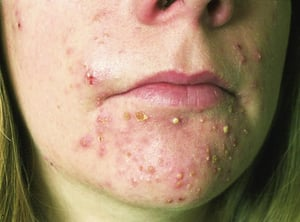
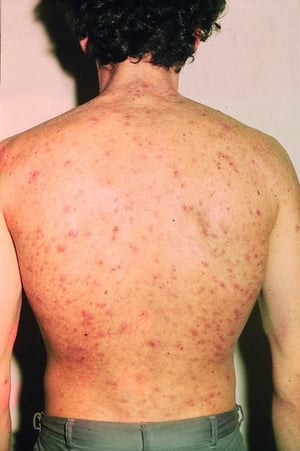
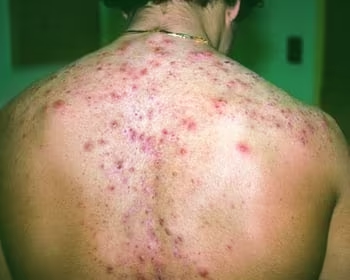
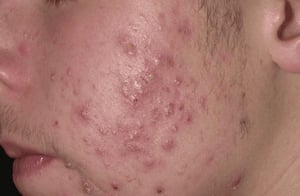
How to spot Acne (Vulgaris):

  • Location: Face and Body (random spots)
  • Pathology: Excess sebum + clogged pores + C. acnes colonization.
  • Appearance: Comedones (blackheads/whiteheads) or inflammatory papules/pustules and cysts.
  • Symptoms: Tenderness and deep, throbbing inflammation.
1773888917020
1773888932913
1773888953989
1773888975921
1773888999746

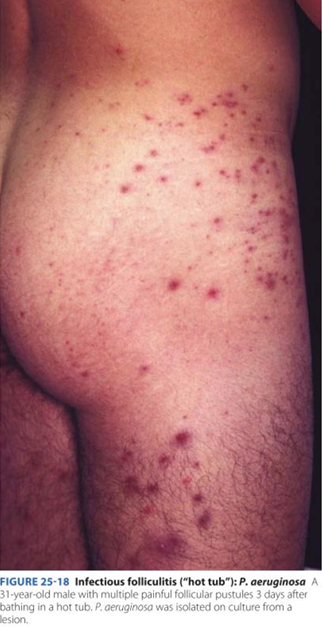
How to spot Folliculitis:

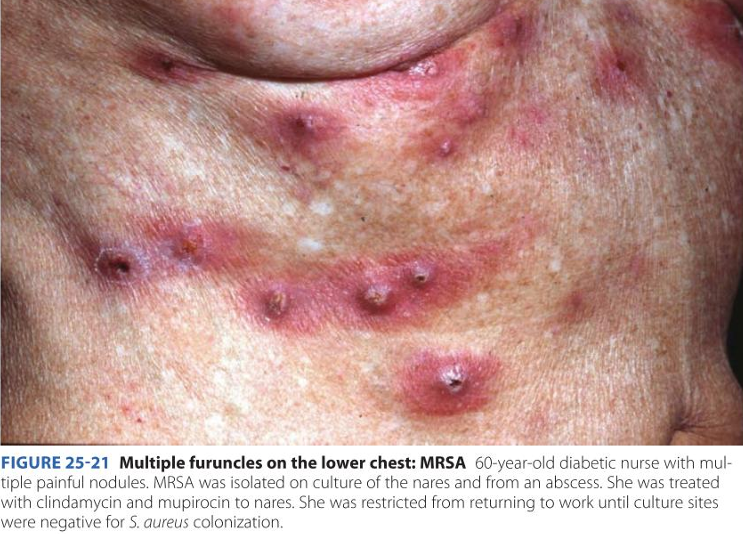
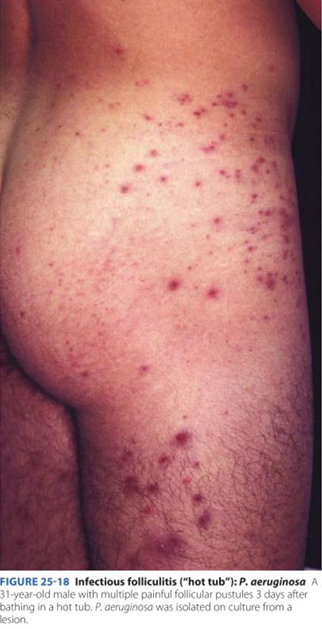
  • Location: Anywhere with hair follicles. Common on the beard area (face), neck, chest, scalp, and glutes.
  • Pathology: Infection of the hair follicle itself, usually by S. aureus (bacteria), viruses, or fungi.
  • Appearance: Small, red, itchy bumps centered around a hair. If left untreated, it progresses into a Furuncle (abscess/boil).
  • Symptoms: High itchiness (pruritus) and localized discomfort. Unlike acne, it often feels "surface-level" but stings.
1773889415372
1773889467280
1773889509747
1773889562853


6009497_1773889638373.png


Treatment/Protocols

ACNE PROTOCOL (Face & Body)

A. Non-Accutane Users:
  • Hygiene: You need to de-clog the follicle. Use a cleanser with Salicylic Acid (BHA) or Benzoyl Peroxide. The goal is to nuke the keratin plug in the epidermis so sebum can flow freely.
  • Infection Control: Use Topical Retinoids (Adapalene/Differin/Tretinoin) to normalize skin cell turnover, combined with local antibiotics like Erythromycin or Clindamycin
    CRITICAL RULE:
    DON’T TOUCH IT. JUST APPLY THE RETINOIDS.
    • Stop "picking" at your skin like an IQlet subhuman. Every time you squeeze a cyst, you’re pushing the infection deeper and guaranteeing a permanent scar.

For active cystic breakouts or stubborn spots, I highly recommend Epiduo Forte (Adapalene 0.3% + Benzoyl Peroxide 2.5%).

  • Why it works: It’s a 2-in-1 combo. The Adapalene forces cell turnover while the Benzoyl Peroxide oxygenates the pore, killing C. acnes instantly.
    Unlike topical antibiotics, bacteria can't develop resistance to BPO.
  • Protocol: Use it as a spot treatment.

    1773893041036
  • Fail-safe: If it doesn’t improve, suspect Malassezia Folliculitis (fungal acne) which feeds on lipids. If you're on a cycle (PEDs) or nothing works, stop wasting time and hop on oral Isotretinoin.

B. On-Accutane Protocol:
  • Check this guide for the basics:
    [the ultimate accutane isotretinoin guide - @pentaChad_doomer ]
  • Mechanism: Isotretinoin nukes sebum production. No sebum = no food for C. acnes.
  • Requirement: Intensive heavy-duty moisturizers to combat Xerosis (extreme dryness).

FOLLICULITIS PROTOCOL (Face & Body)

A. Non-Accutane Users:
  • Hygiene: Use an antibacterial wash (e.g., Chlorhexidine or Hibiclens).
  • Infection Control: Since S. aureus is the usual culprit, use Mupirocin or Clindamycin ointment.
  • Note: If no progress is made, it might be Pseudomonas or Fungal. Large furuncles may require surgical drainage.

B. On-Accutane Protocol (Crucial):
On Accutane, your epidermis becomes paper-thin. This creates micro-fissures. Bacteria (S. aureus) that usually live harmlessly on your skin enter these cracks and cause folliculitis. This is not "oily" folliculitis; it’s "broken barrier" folliculitis.


  • Hygiene: STOP using harsh antibacterial soaps or scrubs. Switch to a Syndet (Soap-free) cleanser (e.g., La Roche-Posay Lipikar Gel or CeraVe Hydrating).
  • Treatment: Targeted Mupirocin or Clindamycin for the S. aureus.
  • Water Control: Hot water = vasodilation = more itching and inflammation. Use lukewarm water and pat dry; never rub your face or body with a towel.
  • Barrier Restoration: Apply an emollient (e.g., Lipikar Baume AP+M) immediately post-shower. If you don't, TEWL (Transepidermal Water Loss) will happen, making it easier for bacteria to penetrate.


Extra advice
  • GHK-Cu (Sub-Q): Highly recommended if you are on Accutane. It helps thicken the skin barrier and speeds up scar healing (Accutane slows it down). It prevents that "sunken/thin skin" look, especially in the under-eye area.
    [Check these guides: how to prop
    erly use ghk-cu - @NZb6Air , you cant use ghk cu with bac use pbs - @SlayerJonas ]
  • KPV Peptide: Great for nuking systemic inflammation and has mild antimicrobial properties. Helps with persistent redness.
  • Oral supplements for Accutane users:
    • Omega-3: Essential for joint lubrication and skin lipids.
    • Vitamin B5 (Pantothenic Acid): Helps with skin repair.
    • Liver Support: NAC + ALA to keep your enzymes in check.
[Check this guide for more dermatological knowledge: skin mega guide - @Aryan Incel ]

1773895860169


Sourcing
GHK-CU and KPV sourcing guides:
A. Grey market option:
Go through this website https://glp1forum.com/
Scroll down and you will see a list of vendor sources.

Guide on how to find sources yourself:
[you need to find sources yourself and eviscerating jallrd - @aids ]

B. Search in google option:
I have bought from Kensingtonlabs, Semaxpolska, XLpeptides (Europe sources)
 

Attachments

  • 1773887383979.png
    1773887383979.png
    1.4 MB · Views: 0
  • 1773889638373.png
    1773889638373.png
    288 KB · Views: 0
Last edited:
  • +1
Reactions: Aryan Incel, ecstazy and birthdefect
dnr
 
  • Hmm...
  • +1
Reactions: Crescent ✝ and Recessed Bateman
dnr eat raw meat
 
  • So Sad
Reactions: Recessed Bateman

Table of contents:
  • Intro
  • Identification/Diagnosis
  • Treatment/Protocols
  • Extra advice


Intro:

A face and body full of acne or folliculitis is a massive halo killer. It nukes your skin texture and ruins your "clean" look. There’s no need to justify why this guide is necessary, skin imperfections are a huge failo.
View attachment 4786024


My mission here is to provide actual dermatological knowledge for those of you rotting with skin issues because your derm gave you some generic "wash your face" cope.

This guide is especially vital if you are currently on, or have finished, an Isotretinoin (Accutane) cycle.


Identification/Diagnosis


You need to know if you're fighting bacteria or a compromised skin barrier.
Treating folliculitis like regular acne will only make it worse.


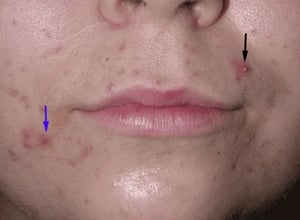
How to spot Acne (Vulgaris):

  • Location: Face and Body (random spots)
  • Pathology: Excess sebum + clogged pores + C. acnes colonization.
  • Appearance: Comedones (blackheads/whiteheads) or inflammatory papules/pustules and cysts.
  • Symptoms: Tenderness and deep, throbbing inflammation.
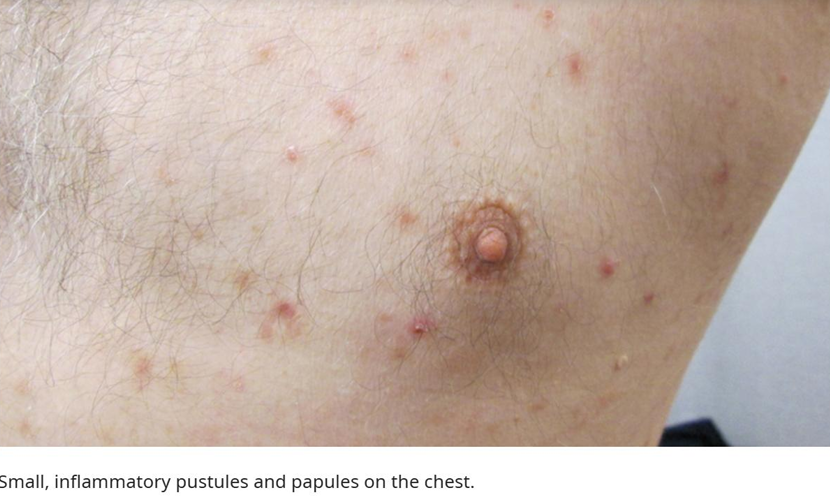
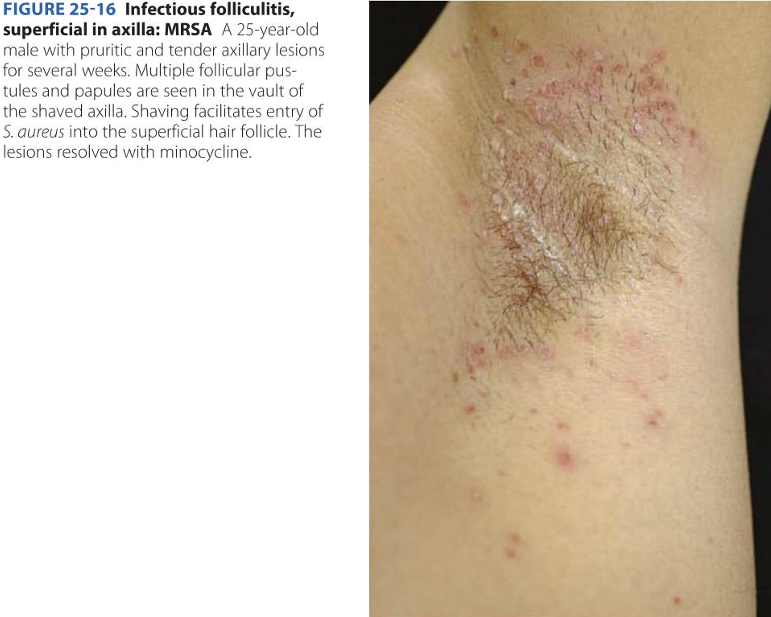
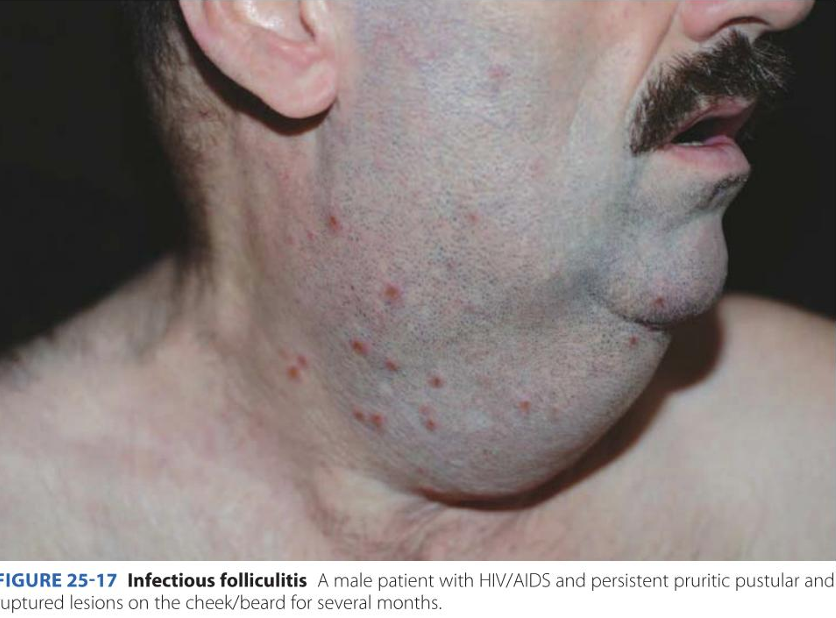
How to spot Folliculitis:

  • Location: Anywhere with hair follicles. Common on the beard area (face), neck, chest, scalp, and glutes.
  • Pathology: Infection of the hair follicle itself, usually by S. aureus (bacteria), viruses, or fungi.
  • Appearance: Small, red, itchy bumps centered around a hair. If left untreated, it progresses into a Furuncle (abscess/boil).
  • Symptoms: High itchiness (pruritus) and localized discomfort. Unlike acne, it often feels "surface-level" but stings.
Treatment/Protocols

ACNE PROTOCOL (Face & Body)

A. Non-Accutane Users:
  • Hygiene: You need to de-clog the follicle. Use a cleanser with Salicylic Acid (BHA) or Benzoyl Peroxide. The goal is to nuke the keratin plug in the epidermis so sebum can flow freely.
  • Infection Control: Use Topical Retinoids (Adapalene/Differin/Tretinoin) to normalize skin cell turnover, combined with local antibiotics like Erythromycin or Clindamycin
    CRITICAL RULE:
    DON’T TOUCH IT. JUST APPLY THE RETINOIDS.
    • Stop "picking" at your skin like an IQlet subhuman. Every time you squeeze a cyst, you’re pushing the infection deeper and guaranteeing a permanent scar.

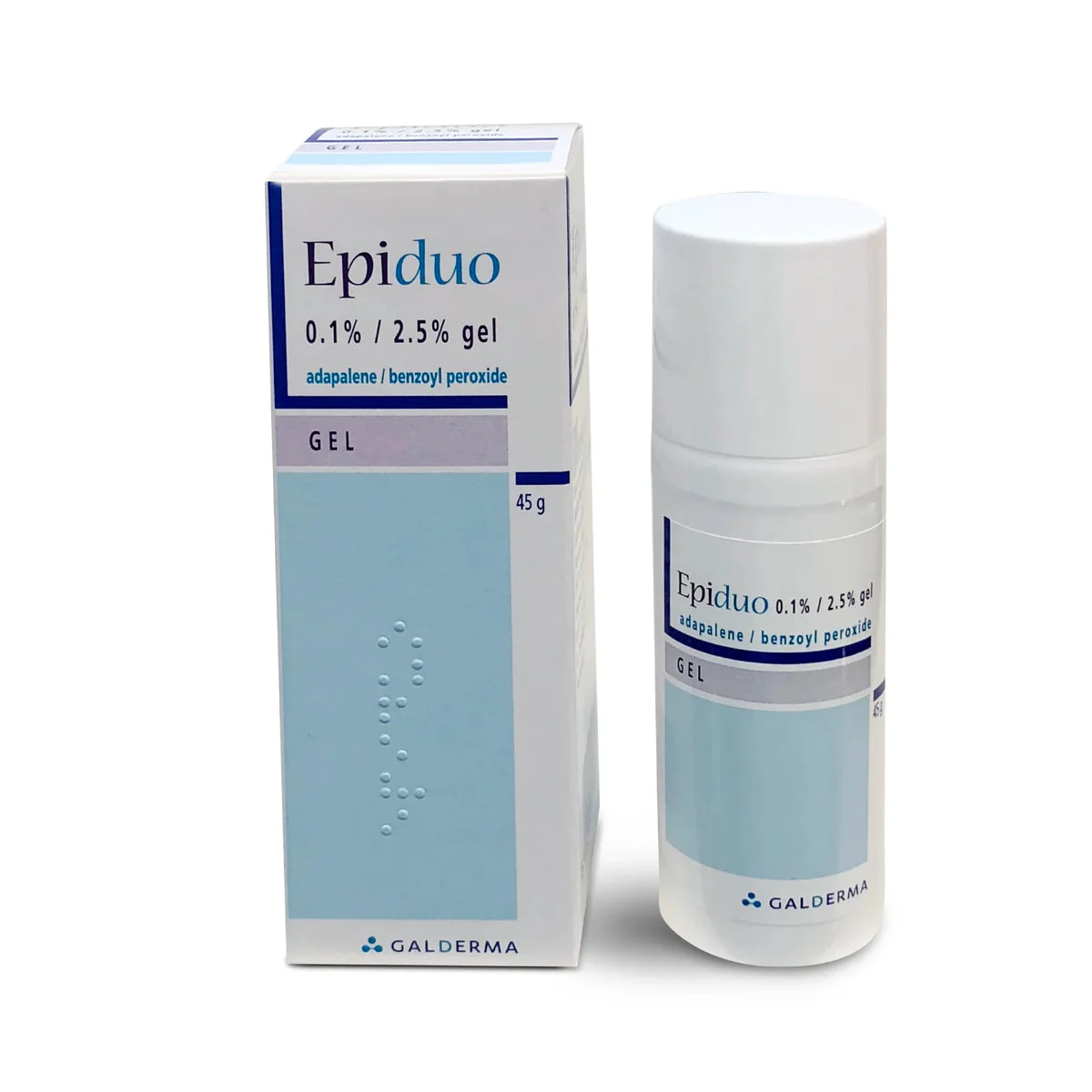
For active cystic breakouts or stubborn spots, I highly recommend Epiduo Forte (Adapalene 0.3% + Benzoyl Peroxide 2.5%).

  • Why it works: It’s a 2-in-1 combo. The Adapalene forces cell turnover while the Benzoyl Peroxide oxygenates the pore, killing C. acnes instantly.
    Unlike topical antibiotics, bacteria can't develop resistance to BPO.
  • Protocol: Use it as a spot treatment.
    View attachment 4786278
  • Fail-safe: If it doesn’t improve, suspect Malassezia Folliculitis (fungal acne) which feeds on lipids. If you're on a cycle (PEDs) or nothing works, stop wasting time and hop on oral Isotretinoin.

B. On-Accutane Protocol:
  • Check this guide for the basics:
    [the ultimate accutane isotretinoin guide - @pentaChad_doomer ]
  • Mechanism: Isotretinoin nukes sebum production. No sebum = no food for C. acnes.
  • Requirement: Intensive heavy-duty moisturizers to combat Xerosis (extreme dryness).

FOLLICULITIS PROTOCOL (Face & Body)

A. Non-Accutane Users:
  • Hygiene: Use an antibacterial wash (e.g., Chlorhexidine or Hibiclens).
  • Infection Control: Since S. aureus is the usual culprit, use Mupirocin or Clindamycin ointment.
  • Note: If no progress is made, it might be Pseudomonas or Fungal. Large furuncles may require surgical drainage.

B. On-Accutane Protocol (Crucial):
On Accutane, your epidermis becomes paper-thin. This creates micro-fissures. Bacteria (S. aureus) that usually live harmlessly on your skin enter these cracks and cause folliculitis. This is not "oily" folliculitis; it’s "broken barrier" folliculitis.


  • Hygiene: STOP using harsh antibacterial soaps or scrubs. Switch to a Syndet (Soap-free) cleanser (e.g., La Roche-Posay Lipikar Gel or CeraVe Hydrating).
  • Treatment: Targeted Mupirocin or Clindamycin for the S. aureus.
  • Water Control: Hot water = vasodilation = more itching and inflammation. Use lukewarm water and pat dry; never rub your face or body with a towel.
  • Barrier Restoration: Apply an emollient (e.g., Lipikar Baume AP+M) immediately post-shower. If you don't, TEWL (Transepidermal Water Loss) will happen, making it easier for bacteria to penetrate.


Extra advice
  • GHK-Cu (Sub-Q): Highly recommended if you are on Accutane. It helps thicken the skin barrier and speeds up scar healing (Accutane slows it down). It prevents that "sunken/thin skin" look, especially in the under-eye area.
    [Check these guides: how to prop
    erly use ghk-cu - @NZb6Air , you cant use ghk cu with bac use pbs - @SlayerJonas ]
  • KPV Peptide: Great for nuking systemic inflammation and has mild antimicrobial properties. Helps with persistent redness.
  • Oral supplements for Accutane users:
    • Omega-3: Essential for joint lubrication and skin lipids.
    • Vitamin B5 (Pantothenic Acid): Helps with skin repair.
    • Liver Support: NAC + ALA to keep your enzymes in check.

[Check this guide for more dermatological knowledge: skin mega guide - @Aryan Incel ]

View attachment 4786441

Sourcing
GHK-CU and KPV sourcing guides:
A. Grey market option:
Go through this website https://glp1forum.com/
Scroll down and you will see a list of vendor sources.

Guide on how to find sources yourself:
[you need to find sources yourself and eviscerating jallrd - @aids ]

B. Search in google option:
I have bought from Kensingtonlabs, Semaxpolska, XLpeptides (Europe sources)
did read, good shit nigga
although i barely know anything about skin so i cant really vouch if everything is accurate
 
  • +1
Reactions: Aryan Incel and Recessed Bateman
did read, good shit nigga
although i barely know anything about skin so i cant really vouch if everything is accurate
Appreciate it. I'm a med student, so about 30% of this is straight from my lecture notes, 20% from the forum, and the other 50% comes from deep-diving into derm research to fix my own skin and testing different protocols on myself. It’s legit.
 
  • +1
  • Love it
Reactions: ecstazy and birthdefect
Appreciate it. I'm a med student, so about 30% of this is straight from my lecture notes, 20% from the forum, and the other 50% comes from deep-diving into derm research to fix my own skin and testing different protocols on myself. It’s legit.
mirin
you getting into dermatology?
how would you mitigate skin aging aside from the standard topical retinoids + managing sun exposure?
is anything else even out there?
 
  • +1
Reactions: ecstazy
mirin
you getting into dermatology?
how would you mitigate skin aging aside from the standard topical retinoids + managing sun exposure?
is anything else even out there?
I’m in med school in Spain, so I have to grind for the MIR (the residency exam here) to get into Dermatology. It’s definitely my main area of interest.

Topical retinoids and SPF are just the baseline. To actually mitigate aging, you need a multi-layered approach.
I linked the Skin Mega Guide in my post https://looksmax.org/threads/skin-mega-guide.1693235/, which covers the standard stuff like CO2 lasers, dermastamping, and peels, but I take it a step further:
I use targeted serums but also prioritize oral supplementation (Collagen peptides, NAC, Astaxanthin, etc) to fight oxidative stress from the inside out.
Also no amount of Tretinoin can fix the damage from glycation (AGEs). I keep a strict lifestyle: heavy lifting, optimized sleep cycles, etc.
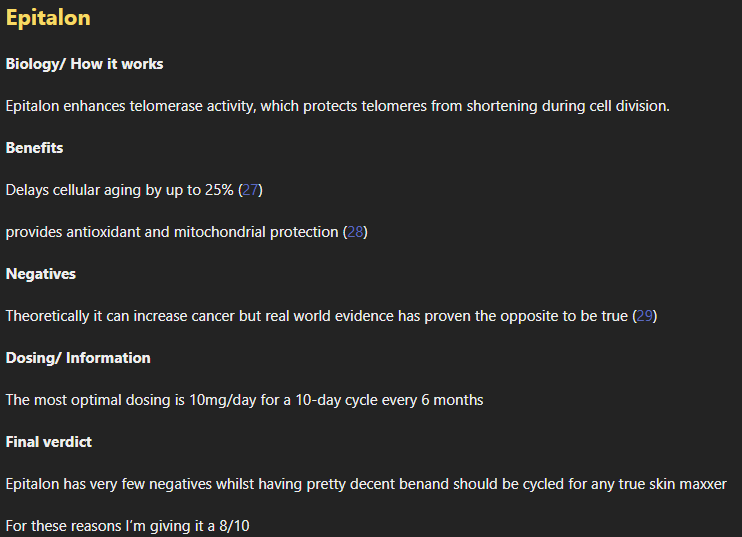
Also things like peptides can help with mitigating aging, there is one very interesting called Epitalon
1773898642527
 
  • +1
Reactions: ecstazy and birthdefect
I’m in med school in Spain, so I have to grind for the MIR (the residency exam here) to get into Dermatology. It’s definitely my main area of interest.

Topical retinoids and SPF are just the baseline. To actually mitigate aging, you need a multi-layered approach.
I linked the Skin Mega Guide in my post https://looksmax.org/threads/skin-mega-guide.1693235/, which covers the standard stuff like CO2 lasers, dermastamping, and peels, but I take it a step further:
I use targeted serums but also prioritize oral supplementation (Collagen peptides, NAC, Astaxanthin, etc) to fight oxidative stress from the inside out.
Also no amount of Tretinoin can fix the damage from glycation (AGEs). I keep a strict lifestyle: heavy lifting, optimized sleep cycles, etc.
Also things like peptides can help with mitigating aging, there is one very interesting called Epitalon
View attachment 4786611
yea basically previous but combined with epitalon, rapamycin, alfatradiol, and dutasteride is what i was thinking
i didnt really look into managing antioxidants which was pretty silly, i imagine glutathione and nac alone are enough right? or do you need varied antioxidant intake?
is glycation damage reversible? and can you elaborate on collagen peptides? btw i have already read the skin mega guide
 
  • +1
Reactions: Recessed Bateman
All you need is a retinoid & laser.
 
  • +1
Reactions: Aryan Incel, ecstazy and Micrognathic
Nice thread!
 
  • +1
Reactions: Recessed Bateman
All you need is a retinoid & laser.
That is for face acne but this guide includes body too (and folliculitis).

Its a guide for accutane users with acne or folliculitis in the body mostly (this happened to me)
 
  • +1
Reactions: ecstazy
yea basically previous but combined with epitalon, rapamycin, alfatradiol, and dutasteride is what i was thinking
i didnt really look into managing antioxidants which was pretty silly, i imagine glutathione and nac alone are enough right? or do you need varied antioxidant intake?
is glycation damage reversible? and can you elaborate on collagen peptides? btw i have already read the skin mega guide
That’s a good stack, definitely ahead of the curve with Rapamycin and Epitalon.

Regarding your questions:
I haven't deep-dived into Glutathione specifically yet, but it’s the body’s master antioxidant. Using it alongside NAC is a solid synergy since NAC is a precursor. However, I’d still suggest a varied intake (Vitamin C, E, and maybe Astaxanthin) to cover different pathways of oxidative stress.
I need to study the reversibility of glycation damage further. From what I’ve seen, once the AGEs are formed in the collagen of the skin, they are notoriously hard to break. It’s more about prevention and slowing down the rate of new ones forming.
Hydrolyzed collagen + Vitaminc C for better absortion can help you produce more of our own collagen, with dermastamping/laser and maybe GHKCU you are in a very good place.
 
  • +1
Reactions: birthdefect

Similar threads

onzze
Replies
15
Views
392
Mazilias
Mazilias
pentaChad_doomer
Replies
33
Views
795
Shanny
S
11st.dom11
Replies
61
Views
1K
Mazilias
Mazilias
cemkii
Replies
48
Views
1K
cometohaunted
cometohaunted
Jimcel
Replies
9
Views
209
Jimcel
Jimcel

Users who are viewing this thread

Back
Top