TheImmortalBeauty
Silver
- Joined
- May 13, 2025
- Posts
- 637
- Reputation
- 660
Three-Day Monthly Fasting for Weight Loss and Cellular Regeneration
When you are trying to lose weight, fasting for three days at the start of every month can be a simple but effective way to speed up your progress. It creates a large calorie deficit in a short amount of time and helps your body get into a better routine overall. Doing this consistently each month gives you a natural reset point, making it easier to stay focused and disciplined with your eating for the rest of the month. It also helps you become more aware of your hunger levels and eating habits in general.

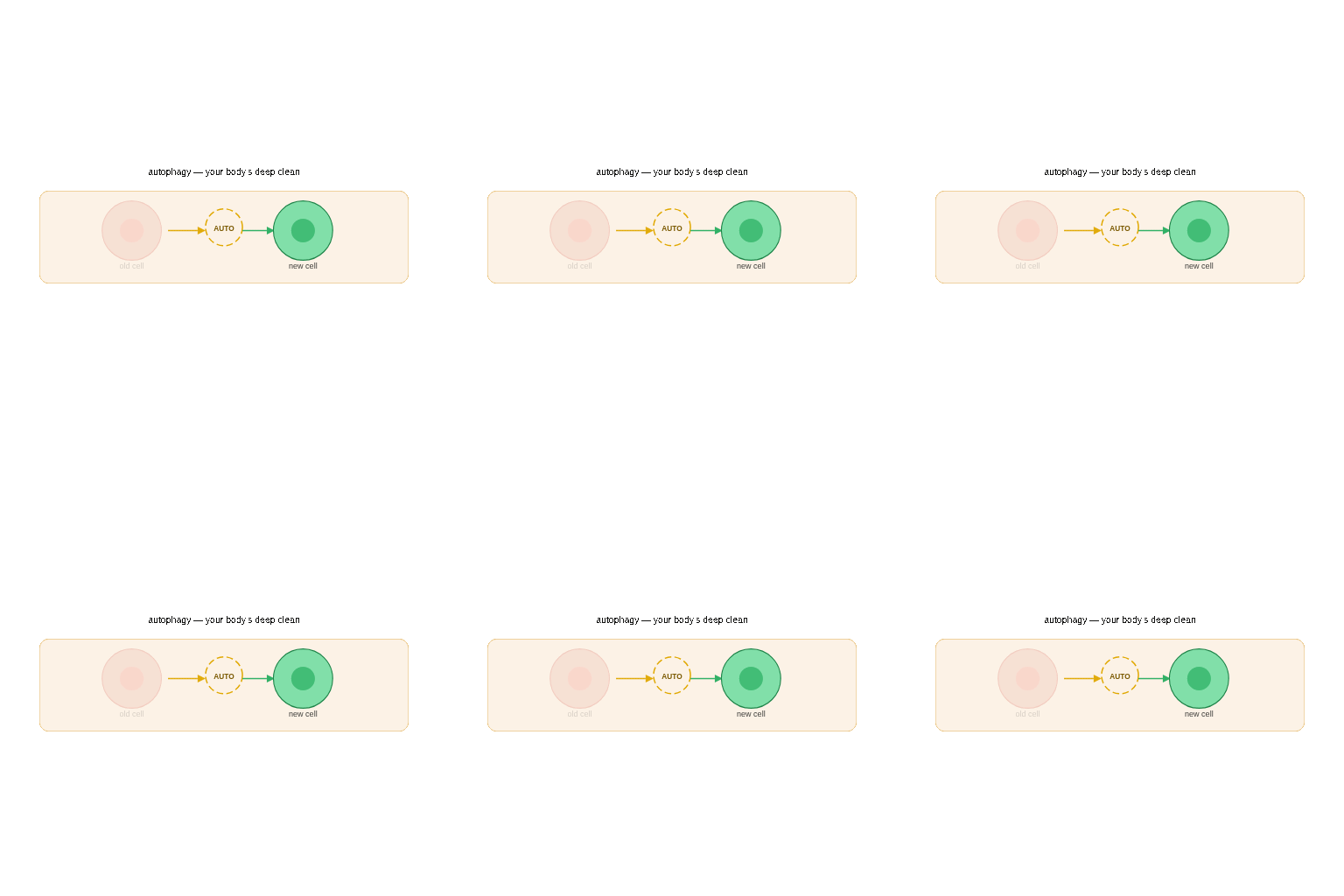
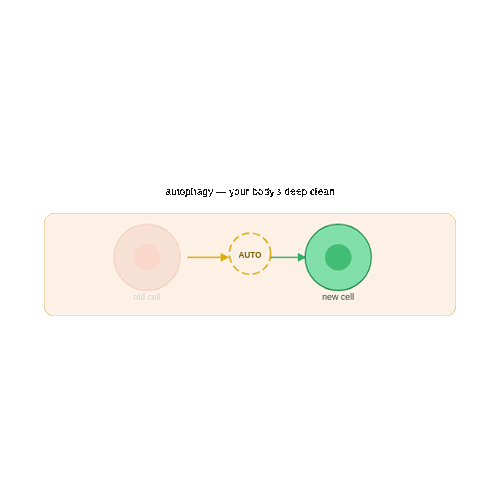
One of the biggest things that happens during a three-day fast is that your body activates a process called autophagy. In simple terms, autophagy is your body's way of cleaning itself out. When you stop eating for an extended period, your body starts breaking down old, damaged, or worn-out cells and replacing them with newer, healthier ones. Think of it like your body doing a deep clean from the inside. This is a natural survival process that the body switches on when it is not receiving food from outside sources.
The health benefits that come from triggering autophagy are significant. Studies have shown that it can lower the risk of serious diseases like Alzheimer's, Parkinson's, and even some forms of cancer. It can also help reduce inflammation, strengthen the immune system, improve the way your body processes energy, and even slow down certain effects of aging at a cellular level. Not to mention, your skin stays tight. This is how I managed to have zero lose skin despite losing 65 pounds, despite having stretchmarks several places in my body, from height growth.
References
Levine, B., & Kroemer, G. (2008). Autophagy in the Pathogenesis of Disease. Cell, 132(1), 27–42.
Mattson, M. P., Longo, V. D., & Harvie, M. (2017). Impact of Intermittent Fasting on Health and Disease Processes. Ageing Research Reviews, 39, 46–58.
Mizushima, N., & Komatsu, M. (2011). Autophagy: Renovation of Cells and Tissues. Cell, 147(4), 728–741.
Longo, V. D., & Mattson, M. P. (2014). Fasting: Molecular Mechanisms and Clinical Applications. Cell Metabolism, 19(2), 181–192.
Klionsky, D. J. (2007). Autophagy: From Phenomenology to Molecular Understanding in Less Than a Decade. Nature Reviews Molecular Cell Biology, 8(11), 931–937.
When you are trying to lose weight, fasting for three days at the start of every month can be a simple but effective way to speed up your progress. It creates a large calorie deficit in a short amount of time and helps your body get into a better routine overall. Doing this consistently each month gives you a natural reset point, making it easier to stay focused and disciplined with your eating for the rest of the month. It also helps you become more aware of your hunger levels and eating habits in general.

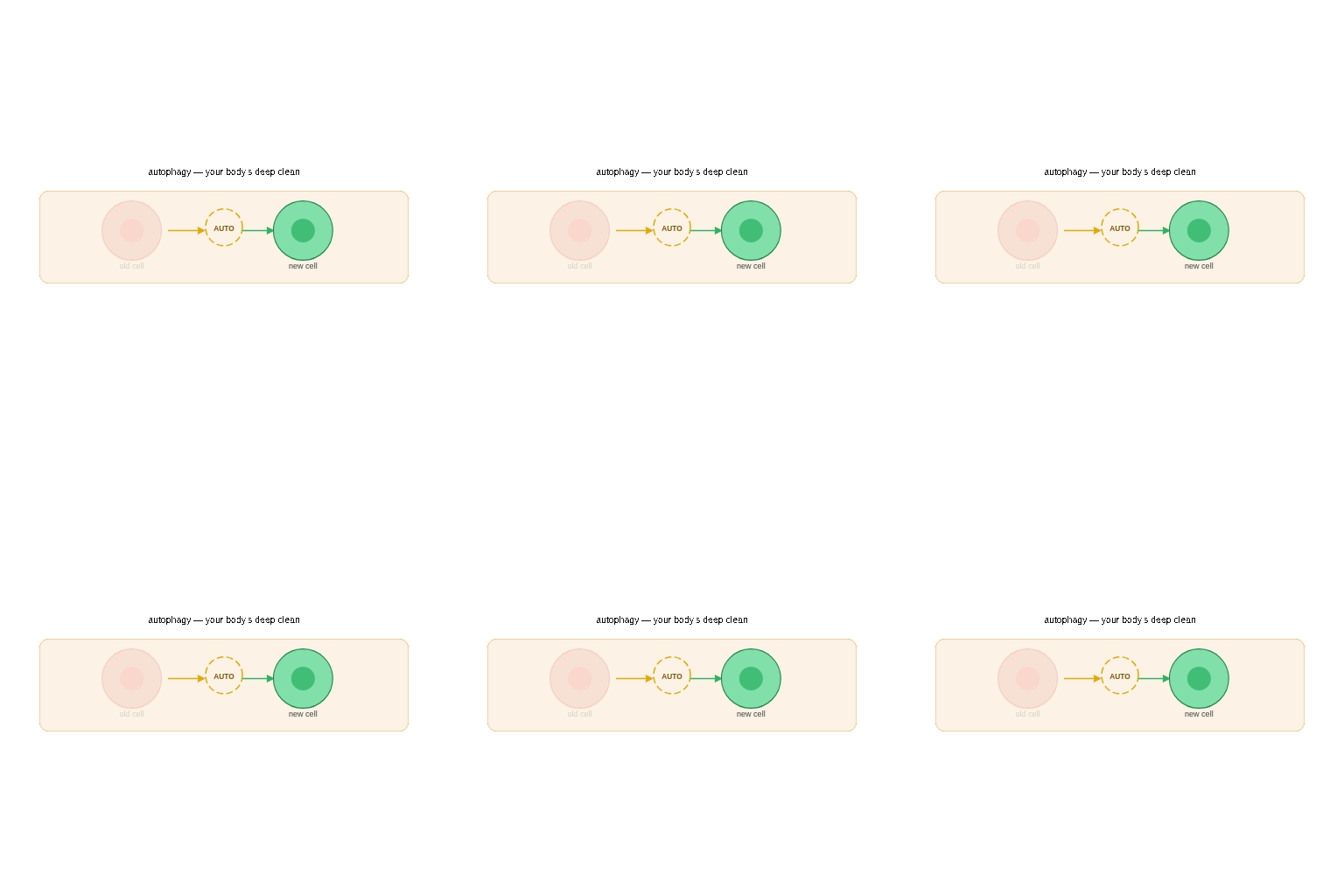
One of the biggest things that happens during a three-day fast is that your body activates a process called autophagy. In simple terms, autophagy is your body's way of cleaning itself out. When you stop eating for an extended period, your body starts breaking down old, damaged, or worn-out cells and replacing them with newer, healthier ones. Think of it like your body doing a deep clean from the inside. This is a natural survival process that the body switches on when it is not receiving food from outside sources.
The health benefits that come from triggering autophagy are significant. Studies have shown that it can lower the risk of serious diseases like Alzheimer's, Parkinson's, and even some forms of cancer. It can also help reduce inflammation, strengthen the immune system, improve the way your body processes energy, and even slow down certain effects of aging at a cellular level. Not to mention, your skin stays tight. This is how I managed to have zero lose skin despite losing 65 pounds, despite having stretchmarks several places in my body, from height growth.
References
Levine, B., & Kroemer, G. (2008). Autophagy in the Pathogenesis of Disease. Cell, 132(1), 27–42.
Mattson, M. P., Longo, V. D., & Harvie, M. (2017). Impact of Intermittent Fasting on Health and Disease Processes. Ageing Research Reviews, 39, 46–58.
Mizushima, N., & Komatsu, M. (2011). Autophagy: Renovation of Cells and Tissues. Cell, 147(4), 728–741.
Longo, V. D., & Mattson, M. P. (2014). Fasting: Molecular Mechanisms and Clinical Applications. Cell Metabolism, 19(2), 181–192.
Klionsky, D. J. (2007). Autophagy: From Phenomenology to Molecular Understanding in Less Than a Decade. Nature Reviews Molecular Cell Biology, 8(11), 931–937.