



How to boost IGF-1 Levels both Naturally and or with Peptides

HtnGymcel

HtnGymcel

Ascend and leave
Joined
Sep 4, 2025
Posts
1,956
Reputation
2,645
Introduction
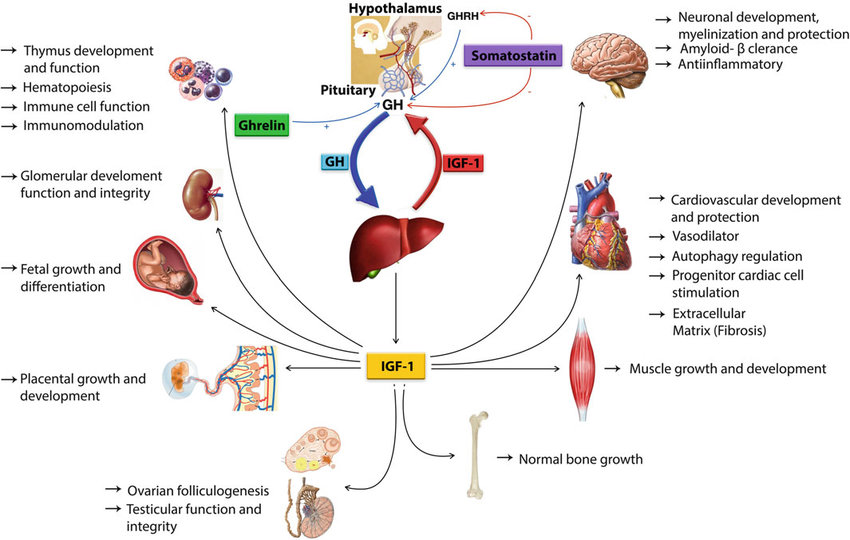
GF-1 is mainly produced in the liver as a response to growth hormone. Together, they form the GH–IGF-1 axis, which drives muscle growth, recovery, and tissue repair. In recent years, some have looked toward peptides as a way to raise IGF-1. The focus should be on maximizing the body’s natural GH and IGF-1 output.
How it works:
1760180963781


How IGF-1 Is Regulated
IGF-1 production depends on how much GH your body releases and how well your liver converts that GH into IGF-1. Several factors affect this process:

Sleep: Most growth hormone is released at night during deep sleep.
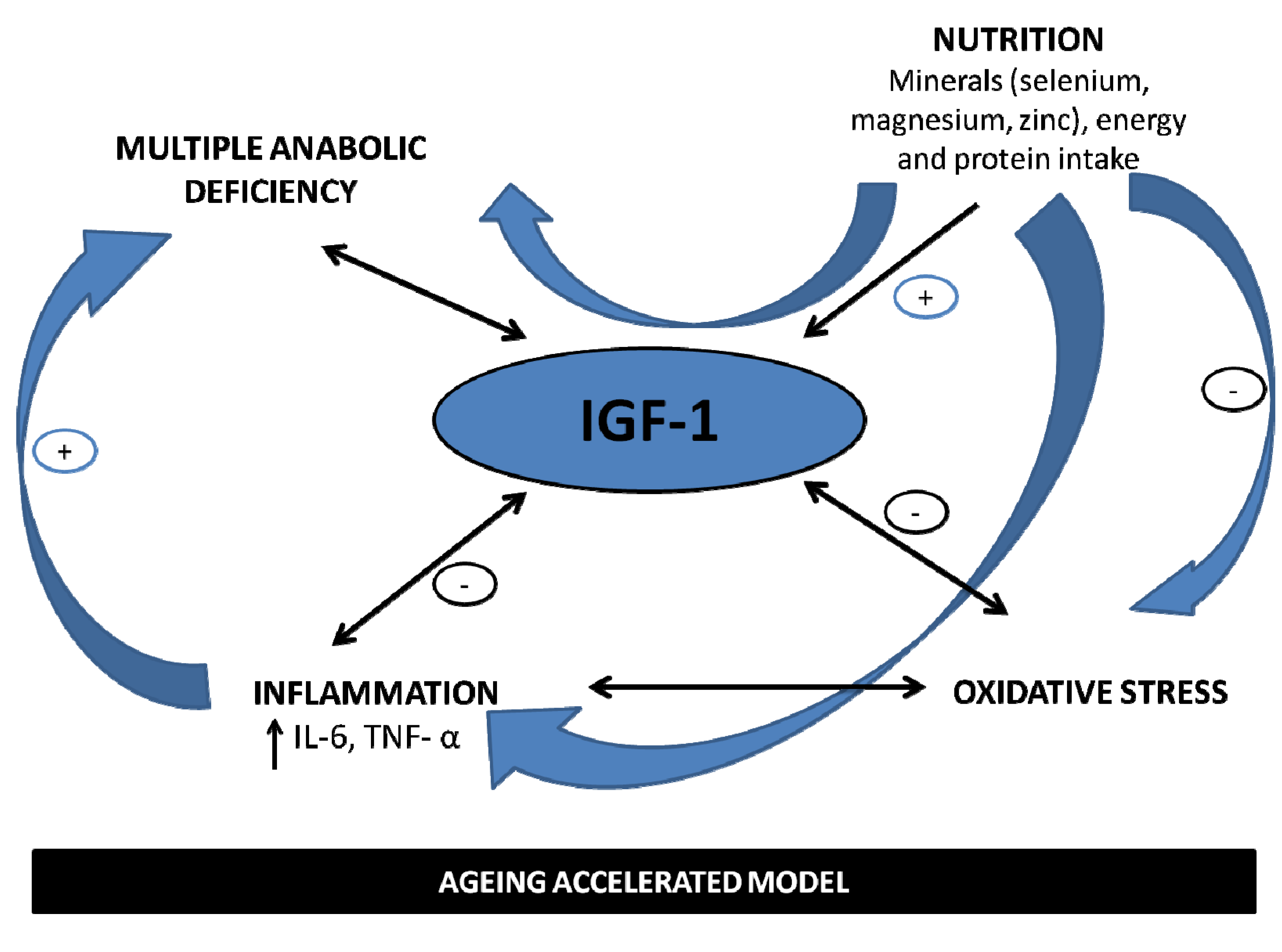
Nutrition: Adequate calories, protein, and certain micronutrients help the liver make more IGF-1
Training: Resistance and high-intensity training stimulate short bursts of GH and IGF-1.
Hormones: Testosterone and thyroid hormones support healthy GH and IGF-1 levels.
Stress: High cortisol levels from chronic stress can block GH and reduce IGF-1

Study: https://pmc.ncbi.nlm.nih.gov/articles/PMC8534318/

Natural Ways to Improve IGF-1

Sleep: Getting enough sleep, around 8–9 hours per night, is one of the most powerful and overlooked ways to improve hormone function. Deep sleep drives GH pulses, which in turn stimulate IGF-1 release.

Nutrition: Diet has a direct effect on the GH–IGF-1 axis:
Protein: Aim for about 1.8–2.2 grams per kg of body weight daily.
Carbs: Needed to maintain insulin levels, which help the liver convert GH to IGF-1.
Micronutrients: Zinc, magnesium, vitamin D, and omega-3 fats improve endocrine balance.
Being in a long calorie deficit or under-eating protein can quickly lower IGF-1 levels.

Exercise: Exercise can also raise igf-1 because it creates a strong hormonal response. Over time, this helps maintain higher natural GH and IGF-1 levels and supports muscle growth.
1760180995263

Study: https://pmc.ncbi.nlm.nih.gov/articles/PMC7869853/

Peptides to improve IGF-1
Some peptides can stimulate your body to release more growth hormone naturally, rather than injecting GH directly. They fall into two main groups:

GHRH analogues (like CJC-1295 or Sermorelin): copy the natural hormone that tells the pituitary to release GH.
Ghrelin mimetics (like GHRP-2, GHRP-6, or Ipamorelin): act on ghrelin receptors to trigger GH release.

Using both types together can have a stronger effect on GH release, and therefore on IGF-1 levels.
1760181038768
 
  • +1
  • Love it
  • JFL
Reactions: Deleted member 272842, LTNUser, l1ghtsz and 4 others
good thread
 
  • +1
  • JFL
  • So Sad
Reactions: LTNUser, KKamikaze, Insomnia and 2 others
Introduction
GF-1 is mainly produced in the liver as a response to growth hormone. Together, they form the GH–IGF-1 axis, which drives muscle growth, recovery, and tissue repair. In recent years, some have looked toward peptides as a way to raise IGF-1. The focus should be on maximizing the body’s natural GH and IGF-1 output.
How it works:
View attachment 4197477


How IGF-1 Is Regulated
IGF-1 production depends on how much GH your body releases and how well your liver converts that GH into IGF-1. Several factors affect this process:

Sleep: Most growth hormone is released at night during deep sleep.
Nutrition: Adequate calories, protein, and certain micronutrients help the liver make more IGF-1
Training: Resistance and high-intensity training stimulate short bursts of GH and IGF-1.
Hormones: Testosterone and thyroid hormones support healthy GH and IGF-1 levels.
Stress: High cortisol levels from chronic stress can block GH and reduce IGF-1

Study: https://pmc.ncbi.nlm.nih.gov/articles/PMC8534318/

Natural Ways to Improve IGF-1

Sleep: Getting enough sleep, around 8–9 hours per night, is one of the most powerful and overlooked ways to improve hormone function. Deep sleep drives GH pulses, which in turn stimulate IGF-1 release.

Nutrition: Diet has a direct effect on the GH–IGF-1 axis:
Protein: Aim for about 1.8–2.2 grams per kg of body weight daily.
Carbs: Needed to maintain insulin levels, which help the liver convert GH to IGF-1.
Micronutrients: Zinc, magnesium, vitamin D, and omega-3 fats improve endocrine balance.
Being in a long calorie deficit or under-eating protein can quickly lower IGF-1 levels.

Exercise: Exercise can also raise igf-1 because it creates a strong hormonal response. Over time, this helps maintain higher natural GH and IGF-1 levels and supports muscle growth.

View attachment 4197478
Study: https://pmc.ncbi.nlm.nih.gov/articles/PMC7869853/

Peptides to improve IGF-1
Some peptides can stimulate your body to release more growth hormone naturally, rather than injecting GH directly. They fall into two main groups:

GHRH analogues (like CJC-1295 or Sermorelin): copy the natural hormone that tells the pituitary to release GH.
Ghrelin mimetics (like GHRP-2, GHRP-6, or Ipamorelin): act on ghrelin receptors to trigger GH release.

Using both types together can have a stronger effect on GH release, and therefore on IGF-1 levels.

View attachment 4197481
2025 and a thread on igf-1.

anyways water ass thread but good formatting.

btw jumping mogs all exercises. jump a lot.
 
  • +1
Reactions: dookieman86, iblamxeverything, LTNUser and 2 others
2025 and a thread on igf-1.

anyways water ass thread but good formatting.

btw jumping mogs all exercises. jump a lot.
why are you a hgh hater
 
why are you a hgh hater

good thread explaining why, but some points are mentioned as a little misinformed
 
  • +1
Reactions: LTNUser, HtnGymcel, heinz_guderian and 1 other person

good thread explaining why, but some points are mentioned as a little misinformed
that thread is abt hgh and not peptides
this thread is
 
  • +1
Reactions: HtnGymcel
ghrp fucks up other hormones like cortisol which in turn makes you have high insulin and lower gh production so please just stick to ipa as it doesnt fuck anything else up:p
 
High iq thread

Tag me in future
 
  • Love it
Reactions: HtnGymcel
Introduction
GF-1 is mainly produced in the liver as a response to growth hormone. Together, they form the GH–IGF-1 axis, which drives muscle growth, recovery, and tissue repair. In recent years, some have looked toward peptides as a way to raise IGF-1. The focus should be on maximizing the body’s natural GH and IGF-1 output.
How it works:
View attachment 4197477


How IGF-1 Is Regulated
IGF-1 production depends on how much GH your body releases and how well your liver converts that GH into IGF-1. Several factors affect this process:

Sleep: Most growth hormone is released at night during deep sleep.
Nutrition: Adequate calories, protein, and certain micronutrients help the liver make more IGF-1
Training: Resistance and high-intensity training stimulate short bursts of GH and IGF-1.
Hormones: Testosterone and thyroid hormones support healthy GH and IGF-1 levels.
Stress: High cortisol levels from chronic stress can block GH and reduce IGF-1

Study: https://pmc.ncbi.nlm.nih.gov/articles/PMC8534318/

Natural Ways to Improve IGF-1

Sleep: Getting enough sleep, around 8–9 hours per night, is one of the most powerful and overlooked ways to improve hormone function. Deep sleep drives GH pulses, which in turn stimulate IGF-1 release.

Nutrition: Diet has a direct effect on the GH–IGF-1 axis:
Protein: Aim for about 1.8–2.2 grams per kg of body weight daily.
Carbs: Needed to maintain insulin levels, which help the liver convert GH to IGF-1.
Micronutrients: Zinc, magnesium, vitamin D, and omega-3 fats improve endocrine balance.
Being in a long calorie deficit or under-eating protein can quickly lower IGF-1 levels.

Exercise: Exercise can also raise igf-1 because it creates a strong hormonal response. Over time, this helps maintain higher natural GH and IGF-1 levels and supports muscle growth.

View attachment 4197478
Study: https://pmc.ncbi.nlm.nih.gov/articles/PMC7869853/

Peptides to improve IGF-1
Some peptides can stimulate your body to release more growth hormone naturally, rather than injecting GH directly. They fall into two main groups:

GHRH analogues (like CJC-1295 or Sermorelin): copy the natural hormone that tells the pituitary to release GH.
Ghrelin mimetics (like GHRP-2, GHRP-6, or Ipamorelin): act on ghrelin receptors to trigger GH release.

Using both types together can have a stronger effect on GH release, and therefore on IGF-1 levels.

View attachment 4197481
mirin thread
 
Introduction
GF-1 is mainly produced in the liver as a response to growth hormone. Together, they form the GH–IGF-1 axis, which drives muscle growth, recovery, and tissue repair. In recent years, some have looked toward peptides as a way to raise IGF-1. The focus should be on maximizing the body’s natural GH and IGF-1 output.
How it works:
View attachment 4197477


How IGF-1 Is Regulated
IGF-1 production depends on how much GH your body releases and how well your liver converts that GH into IGF-1. Several factors affect this process:

Sleep: Most growth hormone is released at night during deep sleep.
Nutrition: Adequate calories, protein, and certain micronutrients help the liver make more IGF-1
Training: Resistance and high-intensity training stimulate short bursts of GH and IGF-1.
Hormones: Testosterone and thyroid hormones support healthy GH and IGF-1 levels.
Stress: High cortisol levels from chronic stress can block GH and reduce IGF-1

Study: https://pmc.ncbi.nlm.nih.gov/articles/PMC8534318/

Natural Ways to Improve IGF-1

Sleep: Getting enough sleep, around 8–9 hours per night, is one of the most powerful and overlooked ways to improve hormone function. Deep sleep drives GH pulses, which in turn stimulate IGF-1 release.

Nutrition: Diet has a direct effect on the GH–IGF-1 axis:
Protein: Aim for about 1.8–2.2 grams per kg of body weight daily.
Carbs: Needed to maintain insulin levels, which help the liver convert GH to IGF-1.
Micronutrients: Zinc, magnesium, vitamin D, and omega-3 fats improve endocrine balance.
Being in a long calorie deficit or under-eating protein can quickly lower IGF-1 levels.

Exercise: Exercise can also raise igf-1 because it creates a strong hormonal response. Over time, this helps maintain higher natural GH and IGF-1 levels and supports muscle growth.

View attachment 4197478
Study: https://pmc.ncbi.nlm.nih.gov/articles/PMC7869853/

Peptides to improve IGF-1
Some peptides can stimulate your body to release more growth hormone naturally, rather than injecting GH directly. They fall into two main groups:

GHRH analogues (like CJC-1295 or Sermorelin): copy the natural hormone that tells the pituitary to release GH.
Ghrelin mimetics (like GHRP-2, GHRP-6, or Ipamorelin): act on ghrelin receptors to trigger GH release.

Using both types together can have a stronger effect on GH release, and therefore on IGF-1 levels.

View attachment 4197481
good thread W formatting
 

Similar threads

Andre10
Replies
3
Views
44
Andre10
Andre10
L
Replies
4
Views
62
smegor
smegor
N8Ascendz
Replies
3
Views
72
ntstephn
ntstephn
AlexoJeLTN
Replies
4
Views
55
vampi
vampi

Users who are viewing this thread

Back
Top