Ideal facial ratios and proportions

this is an updated version of my previous ideal facial ratios & proportions thread which can be found here

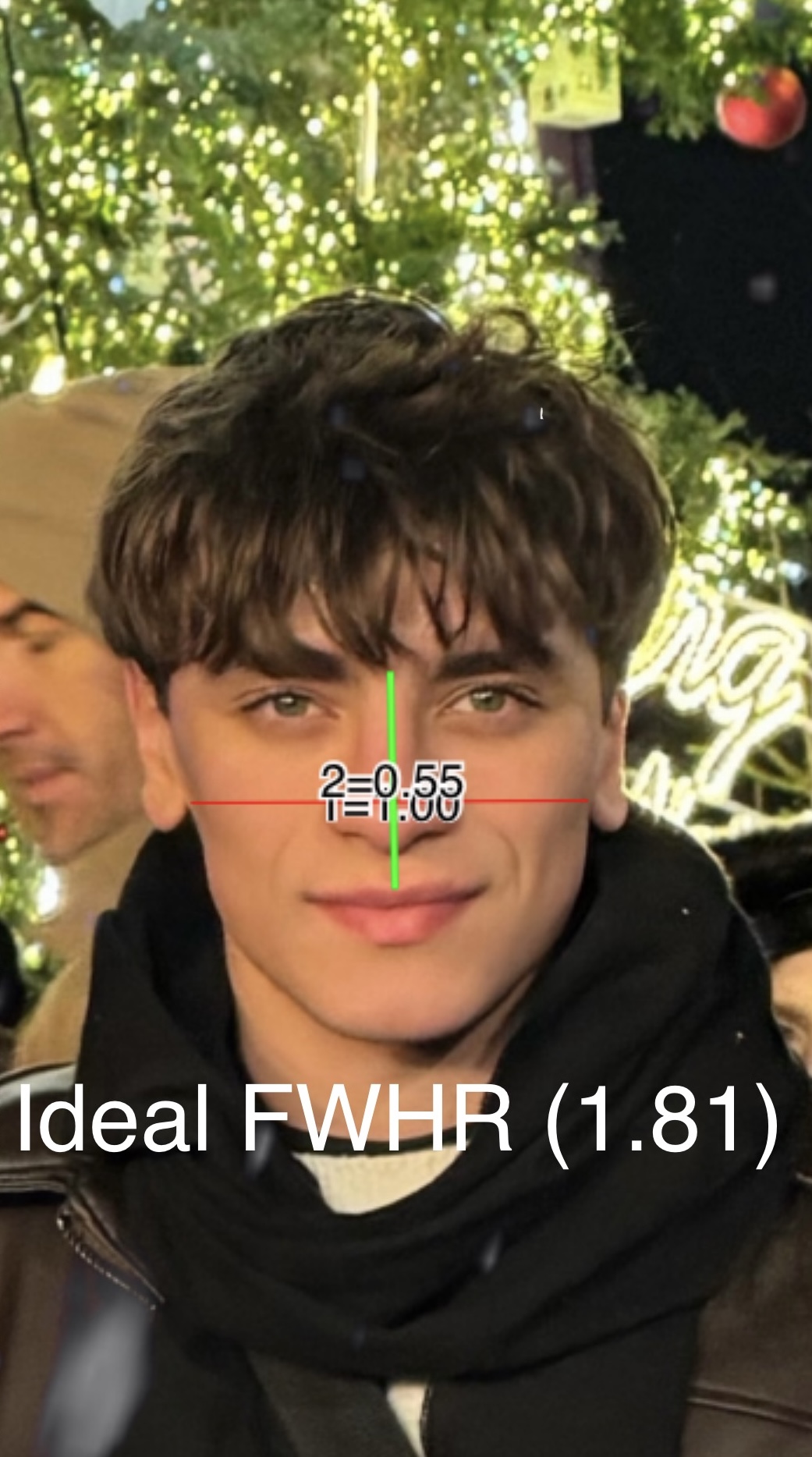
facial width to height ratio (FWHR): 1.8+
measured by dividing the bizygomatic width (distance from cheekbone to cheekbone) by the height of the middle part of the eyebrow to the upper lip.

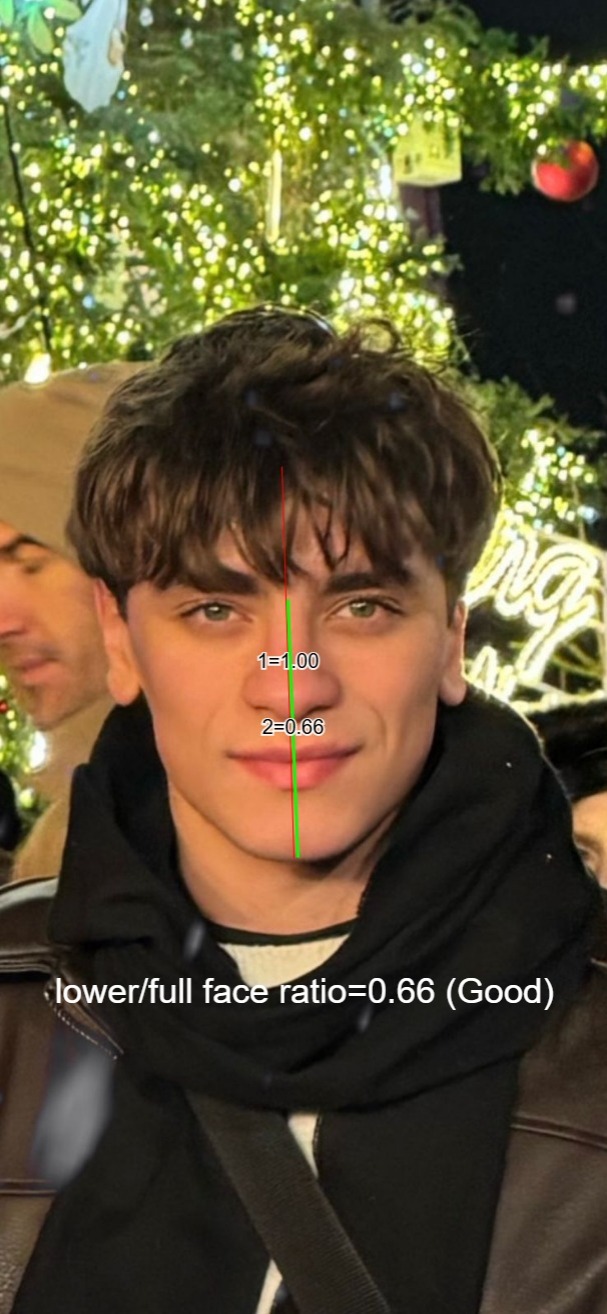
lower/full face ratio: 0.62+
measured by dividing the height between the nasion to the bottom of the chin by the face height (distance from hairline to bottom of the chin)

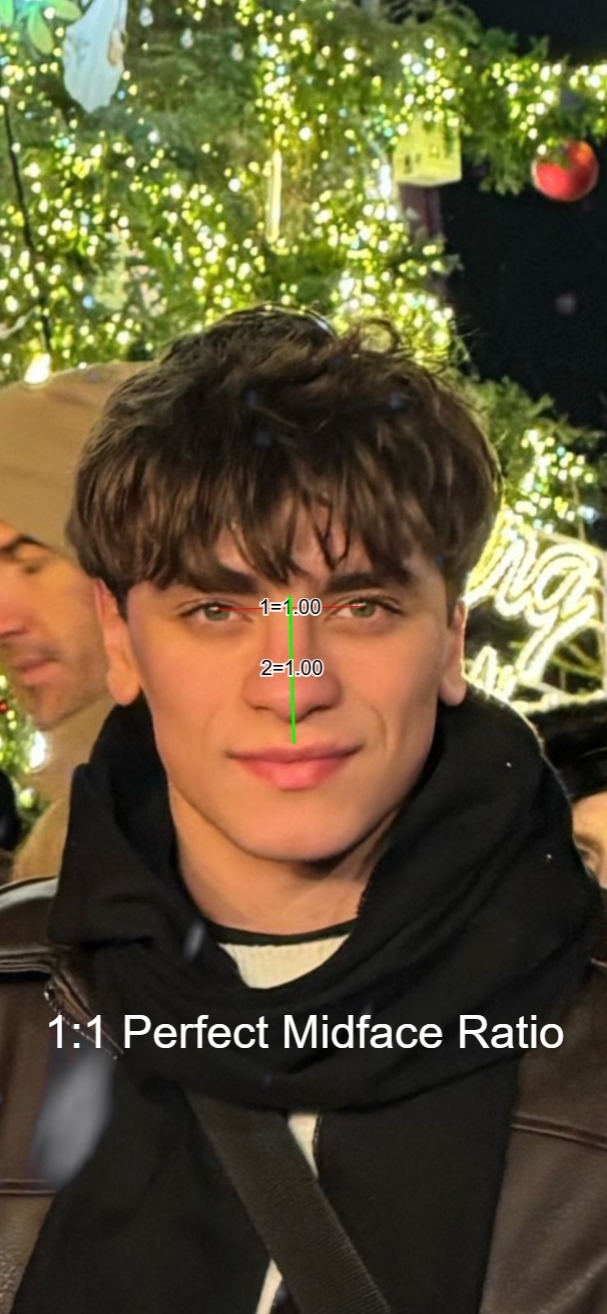
midface ratio: 1.0-1.1
measured by dividing the interpupillary distance (distance between the centers of the pupils) by the height of the nasion to the upper lip. the closer to 1:1 this is, the better.

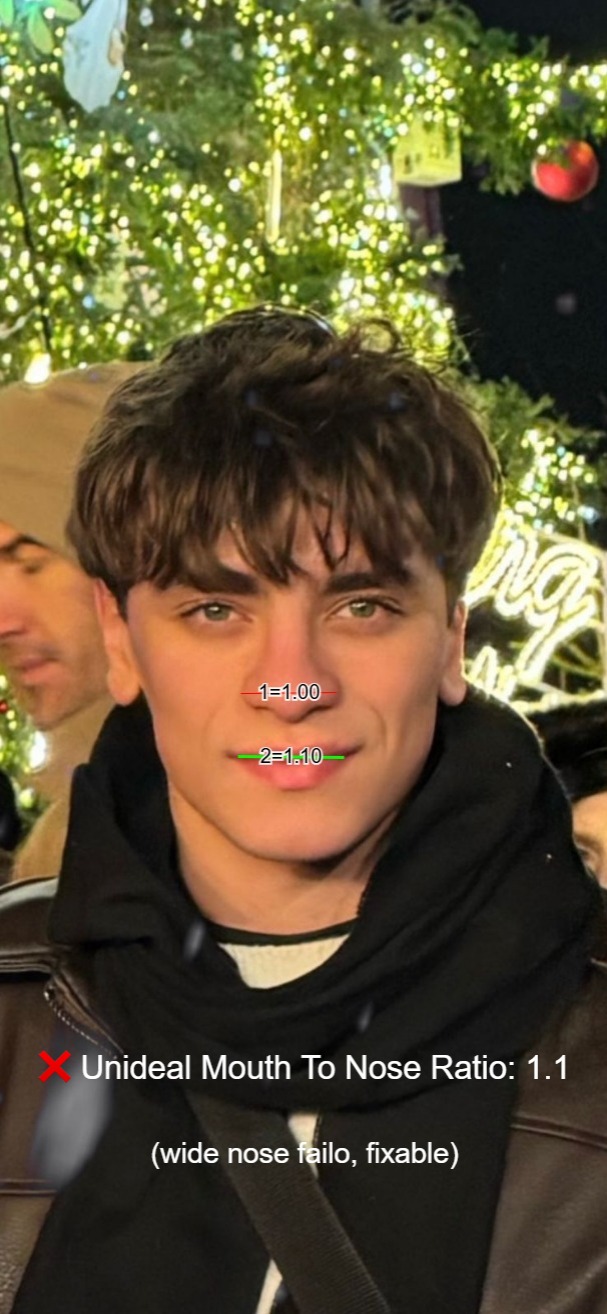
mouth to nose ratio: 1.5-1.62
measured by dividing the width of the mouth by the width of the nose.

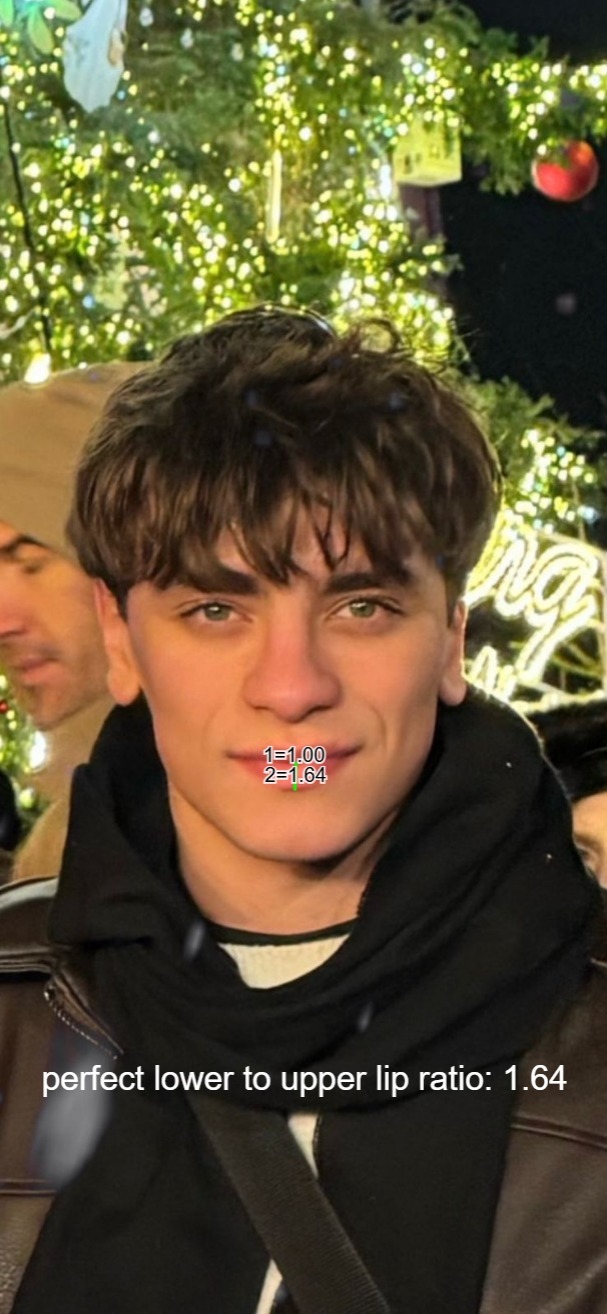
lower to upper lip ratio: 1.62
measured by dividing the height of the lower lip to the upper lip.

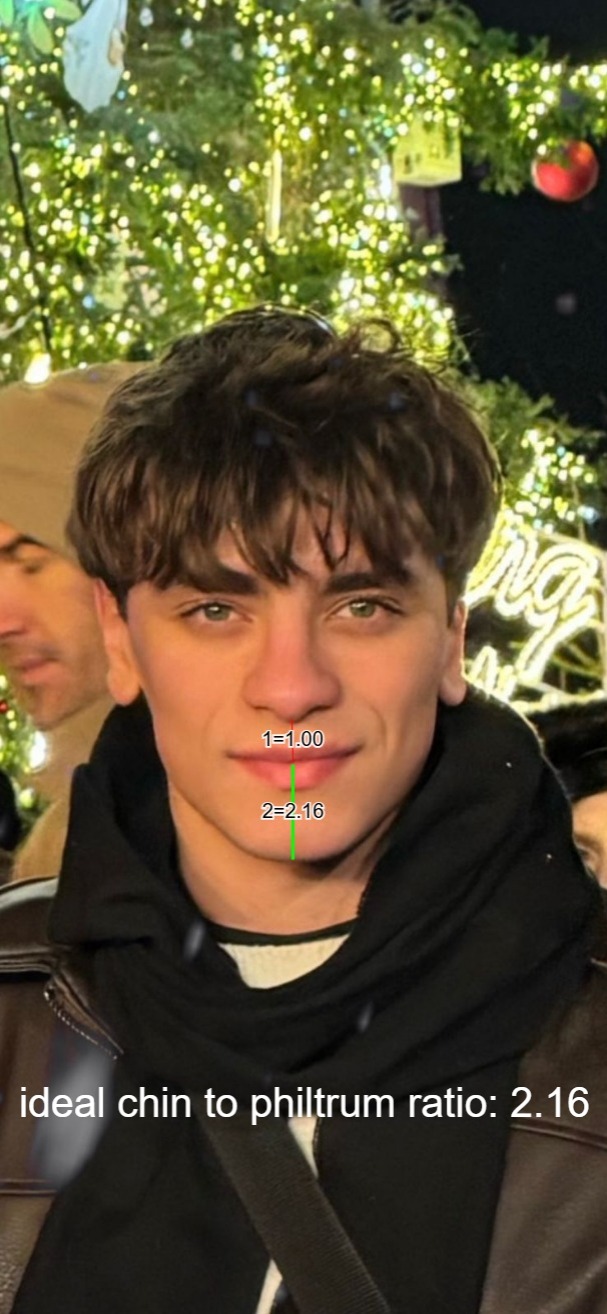
chin to philtrum ratio: 2.0-2.25
measured by dividing the height of the middle part of the lips to the bottom of the chin by the height of the bottom of the nose to the middle part of the lips.

bizygomatic to bigonial width: 1.35
measured by dividing the bizygomatic width (distance from cheekbone to cheekbone) by the bigonial width (distance from gonion to gonion).

ESR (eye separation ratio): 0.45-0.47
measured by dividing the interpupillary distance (distance between the centers of the pupils) by the the bizygomatic width (distance from cheekbone to cheekbone). the "third eyeball method" - a theory in which the distance between your eyes should be another eye apart - is widely accepted in determining whether or not your eyes are an appropriate distance away from eachother, however this is flawed and incorrect. here is a thread explaining why, along with some more useful information about this measurement.

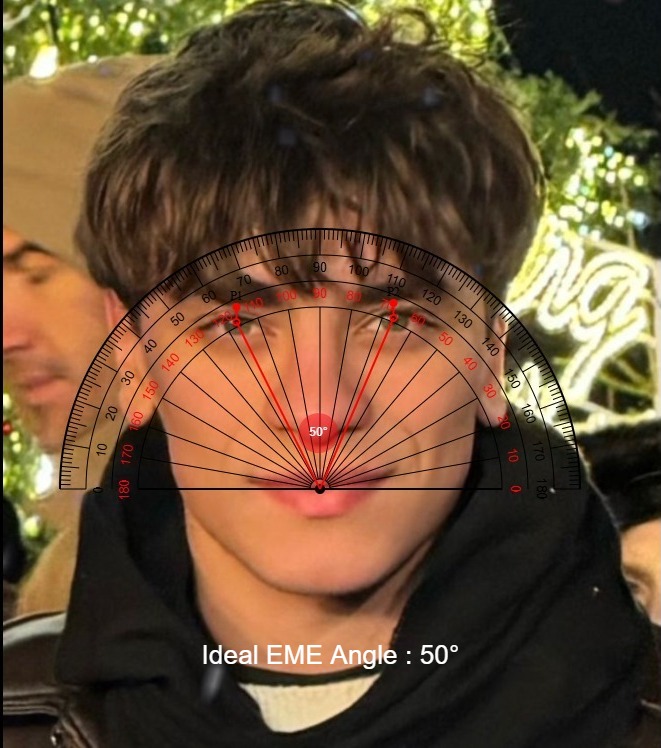
EME (eye mouth eye) angle: 47°-50°
measured by calculating the angle formed upon setting the vertex at the center of the lips with the arms crossing the eye pupils. the EME angle is a good indicator of masculinity and symmetry. here is a thread with more information about this measurement.

cervicomental angle: 105°-120°
measured by calculating the angle formed upon setting the vertex at the hyoid with the arms set along the bottom of the chin and the neck. anything above 120° is said to give the impression of a double chin.

gonial angle: 115°-130°
measured by calculating the angle formed upon setting the vertex at the gonion with the arms set along the mandible and the ramus.

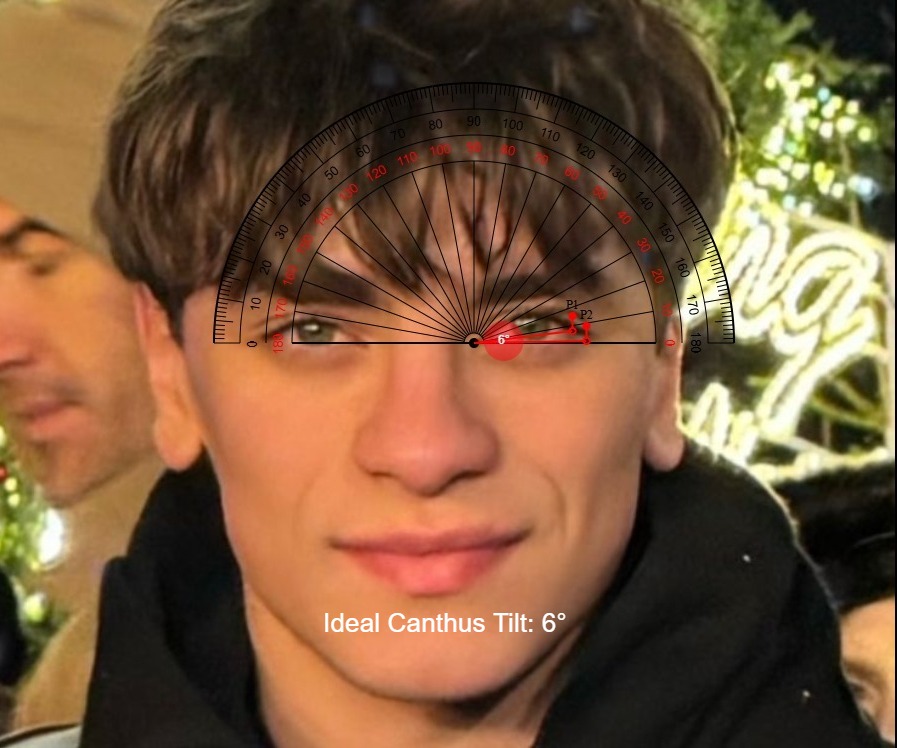
canthal tilt: 4°-6°
measured by calculating the angle formed upon setting the vertex at the medial canthus with the arms set parallel to the floor and the lateral canthus.

palpebral fissure length to height ratio: 3.0-3.5
measured by dividing the palpebral fissure length (distance between the medial to the lateral canthus) by the height of the upper and lower eyelid.

forehead height: 3 fingers
measured by clenching your fingers together and seeing how many you can fit on your forehead horizontally before reaching your hairline.

facial thirds: 1/3 of face length
the upper third (height between the hairline to the middle part of the eyebrows), middle third (height between the middle part of the eyebrows to the bottom of the nose) and lower third (height between the bottom of the nose to bottom of the chin) of the face should be approximately 1/3rd of your entire face length (height between the hairline to bottom of the chin). these facial thirds should all be approximately equal to eachother and dividable smoothly into 3 parts as you transition down the face.

facial fifths: 1/5 of ear to ear width
the nose width, palpebral fissure length and length between the lateral canthus to the ear should be approximately 1/5th of the width between your ears. these facial fifths should all be approximately equal to eachother and dividable smoothly into 5 parts as you transition from left to right of the face.
Ropemaxx my only hope
 
  • +1
Reactions: talha_
What app or software to use to calculate, measure distances on face and angles?
 
this is an updated version of my previous ideal facial ratios & proportions thread which can be found here

facial width to height ratio (FWHR): 1.8+
measured by dividing the bizygomatic width (distance from cheekbone to cheekbone) by the height of the middle part of the eyebrow to the upper lip.

lower/full face ratio: 0.62+
measured by dividing the height between the nasion to the bottom of the chin by the face height (distance from hairline to bottom of the chin)

midface ratio: 1.0-1.1
measured by dividing the interpupillary distance (distance between the centers of the pupils) by the height of the nasion to the upper lip. the closer to 1:1 this is, the better.

mouth to nose ratio: 1.5-1.62
measured by dividing the width of the mouth by the width of the nose.

lower to upper lip ratio: 1.62
measured by dividing the height of the lower lip to the upper lip.

chin to philtrum ratio: 2.0-2.25
measured by dividing the height of the middle part of the lips to the bottom of the chin by the height of the bottom of the nose to the middle part of the lips.

bizygomatic to bigonial width: 1.35
measured by dividing the bizygomatic width (distance from cheekbone to cheekbone) by the bigonial width (distance from gonion to gonion).

ESR (eye separation ratio): 0.45-0.47
measured by dividing the interpupillary distance (distance between the centers of the pupils) by the the bizygomatic width (distance from cheekbone to cheekbone). the "third eyeball method" - a theory in which the distance between your eyes should be another eye apart - is widely accepted in determining whether or not your eyes are an appropriate distance away from eachother, however this is flawed and incorrect. here is a thread explaining why, along with some more useful information about this measurement.

EME (eye mouth eye) angle: 47°-50°
measured by calculating the angle formed upon setting the vertex at the center of the lips with the arms crossing the eye pupils. the EME angle is a good indicator of masculinity and symmetry. here is a thread with more information about this measurement.

cervicomental angle: 105°-120°
measured by calculating the angle formed upon setting the vertex at the hyoid with the arms set along the bottom of the chin and the neck. anything above 120° is said to give the impression of a double chin.

gonial angle: 115°-130°
measured by calculating the angle formed upon setting the vertex at the gonion with the arms set along the mandible and the ramus.

canthal tilt: 4°-6°
measured by calculating the angle formed upon setting the vertex at the medial canthus with the arms set parallel to the floor and the lateral canthus.

palpebral fissure length to height ratio: 3.0-3.5
measured by dividing the palpebral fissure length (distance between the medial to the lateral canthus) by the height of the upper and lower eyelid.

forehead height: 3 fingers
measured by clenching your fingers together and seeing how many you can fit on your forehead horizontally before reaching your hairline.

facial thirds: 1/3 of face length
the upper third (height between the hairline to the middle part of the eyebrows), middle third (height between the middle part of the eyebrows to the bottom of the nose) and lower third (height between the bottom of the nose to bottom of the chin) of the face should be approximately 1/3rd of your entire face length (height between the hairline to bottom of the chin). these facial thirds should all be approximately equal to eachother and dividable smoothly into 3 parts as you transition down the face.

facial fifths: 1/5 of ear to ear width
the nose width, palpebral fissure length and length between the lateral canthus to the ear should be approximately 1/5th of the width between your ears. these facial fifths should all be approximately equal to eachother and dividable smoothly into 5 parts as you transition from left to right of the face.
Outdated piece of slop, why is this shit even in botb, might as well post ca's formula atp
 
  • +1
Reactions: VampyrMaxx
@clearness. This is the thread that convinced people compact midface is ideal, because on what planet is 1.1 mfr attractive.

For example JB has 1.07 mfr, he is attractive despite it, not because of it
 
  • +1
Reactions: MouthBreathingElite, try2beme and clearness.
@clearness. This is the thread that convinced people compact midface is ideal, because on what planet is 1.1 mfr attractive.

For example JB has 1.07 mfr, he is attractive despite it, not because of it
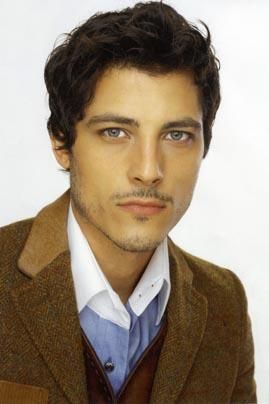
They don't know shit their argument fall apart when you analysis the best looking faces, this Example is more than enough both have good bones, coloring, features, but surprise surprise one looks like a Chad and the other looks like a twink duo to two things lol.

@thecel played huge role as well advocating for this nonsense he let his personal experience affects his research, we don't say comically long midface with narrow ipd ( like his face) but a masculine longish ( in the ideal range) with a masculine nose length is what makes a man attractive.
 

Attachments

  • 5755584_1000074871.png
    5755584_1000074871.png
    9 MB · Views: 0
  • orca-image--1999011969.jpeg.jpeg
    orca-image--1999011969.jpeg.jpeg
    126.4 KB · Views: 0
  • e399ef936f259e42c6fe8c061bb643b3.jpg
    e399ef936f259e42c6fe8c061bb643b3.jpg
    44.9 KB · Views: 0
  • Julian of Macedonia.jpeg
    Julian of Macedonia.jpeg
    17.6 KB · Views: 0
  • Hair Styles _ A Whole New World, A Whole New Look.jpeg
    Hair Styles _ A Whole New World, A Whole New Look.jpeg
    44.2 KB · Views: 0
  • tk-062322-01-0547-final-1657042633.jpg
    tk-062322-01-0547-final-1657042633.jpg
    544.7 KB · Views: 0
  • 7200812cbad103edd5d6aab8eb59df8d.jpg
    7200812cbad103edd5d6aab8eb59df8d.jpg
    58.9 KB · Views: 0
  • +1
Reactions: inthebone and thecel
They don't know shit their argument fall apart when you analysis the best looking faces, this Example is more than enough both have good bones, coloring, features, but surprise surprise one looks like a Chad and the other looks like a twink duo to two things lol.

@thecel played huge role as well advocating for this nonsense he let his personal experience affects his research, we don't say comically long midface with narrow ipd ( like his face) but a masculine longish ( in the ideal range) with a masculine nose length is what makes a man attractive.
Clav looks Mtn next to that snowbunny dude
 
this is an updated version of my previous ideal facial ratios & proportions thread which can be found here

facial width to height ratio (FWHR): 1.8+
measured by dividing the bizygomatic width (distance from cheekbone to cheekbone) by the height of the middle part of the eyebrow to the upper lip.

lower/full face ratio: 0.62+
measured by dividing the height between the nasion to the bottom of the chin by the face height (distance from hairline to bottom of the chin)

midface ratio: 1.0-1.1
measured by dividing the interpupillary distance (distance between the centers of the pupils) by the height of the nasion to the upper lip. the closer to 1:1 this is, the better.

mouth to nose ratio: 1.5-1.62
measured by dividing the width of the mouth by the width of the nose.

lower to upper lip ratio: 1.62
measured by dividing the height of the lower lip to the upper lip.

chin to philtrum ratio: 2.0-2.25
measured by dividing the height of the middle part of the lips to the bottom of the chin by the height of the bottom of the nose to the middle part of the lips.

bizygomatic to bigonial width: 1.35
measured by dividing the bizygomatic width (distance from cheekbone to cheekbone) by the bigonial width (distance from gonion to gonion).

ESR (eye separation ratio): 0.45-0.47
measured by dividing the interpupillary distance (distance between the centers of the pupils) by the the bizygomatic width (distance from cheekbone to cheekbone). the "third eyeball method" - a theory in which the distance between your eyes should be another eye apart - is widely accepted in determining whether or not your eyes are an appropriate distance away from eachother, however this is flawed and incorrect. here is a thread explaining why, along with some more useful information about this measurement.

EME (eye mouth eye) angle: 47°-50°
measured by calculating the angle formed upon setting the vertex at the center of the lips with the arms crossing the eye pupils. the EME angle is a good indicator of masculinity and symmetry. here is a thread with more information about this measurement.

cervicomental angle: 105°-120°
measured by calculating the angle formed upon setting the vertex at the hyoid with the arms set along the bottom of the chin and the neck. anything above 120° is said to give the impression of a double chin.

gonial angle: 115°-130°
measured by calculating the angle formed upon setting the vertex at the gonion with the arms set along the mandible and the ramus.

canthal tilt: 4°-6°
measured by calculating the angle formed upon setting the vertex at the medial canthus with the arms set parallel to the floor and the lateral canthus.

palpebral fissure length to height ratio: 3.0-3.5
measured by dividing the palpebral fissure length (distance between the medial to the lateral canthus) by the height of the upper and lower eyelid.

forehead height: 3 fingers
measured by clenching your fingers together and seeing how many you can fit on your forehead horizontally before reaching your hairline.

facial thirds: 1/3 of face length
the upper third (height between the hairline to the middle part of the eyebrows), middle third (height between the middle part of the eyebrows to the bottom of the nose) and lower third (height between the bottom of the nose to bottom of the chin) of the face should be approximately 1/3rd of your entire face length (height between the hairline to bottom of the chin). these facial thirds should all be approximately equal to eachother and dividable smoothly into 3 parts as you transition down the face.

facial fifths: 1/5 of ear to ear width
the nose width, palpebral fissure length and length between the lateral canthus to the ear should be approximately 1/5th of the width between your ears. these facial fifths should all be approximately equal to eachother and dividable smoothly into 5 parts as you transition from left to right of the face.

good to know i dont have any ideal ratios
 
this is an updated version of my previous ideal facial ratios & proportions thread which can be found here

facial width to height ratio (FWHR): 1.8+
measured by dividing the bizygomatic width (distance from cheekbone to cheekbone) by the height of the middle part of the eyebrow to the upper lip.

lower/full face ratio: 0.62+
measured by dividing the height between the nasion to the bottom of the chin by the face height (distance from hairline to bottom of the chin)

midface ratio: 1.0-1.1
measured by dividing the interpupillary distance (distance between the centers of the pupils) by the height of the nasion to the upper lip. the closer to 1:1 this is, the better.

mouth to nose ratio: 1.5-1.62
measured by dividing the width of the mouth by the width of the nose.

lower to upper lip ratio: 1.62
measured by dividing the height of the lower lip to the upper lip.

chin to philtrum ratio: 2.0-2.25
measured by dividing the height of the middle part of the lips to the bottom of the chin by the height of the bottom of the nose to the middle part of the lips.

bizygomatic to bigonial width: 1.35
measured by dividing the bizygomatic width (distance from cheekbone to cheekbone) by the bigonial width (distance from gonion to gonion).

ESR (eye separation ratio): 0.45-0.47
measured by dividing the interpupillary distance (distance between the centers of the pupils) by the the bizygomatic width (distance from cheekbone to cheekbone). the "third eyeball method" - a theory in which the distance between your eyes should be another eye apart - is widely accepted in determining whether or not your eyes are an appropriate distance away from eachother, however this is flawed and incorrect. here is a thread explaining why, along with some more useful information about this measurement.

EME (eye mouth eye) angle: 47°-50°
measured by calculating the angle formed upon setting the vertex at the center of the lips with the arms crossing the eye pupils. the EME angle is a good indicator of masculinity and symmetry. here is a thread with more information about this measurement.

cervicomental angle: 105°-120°
measured by calculating the angle formed upon setting the vertex at the hyoid with the arms set along the bottom of the chin and the neck. anything above 120° is said to give the impression of a double chin.

gonial angle: 115°-130°
measured by calculating the angle formed upon setting the vertex at the gonion with the arms set along the mandible and the ramus.

canthal tilt: 4°-6°
measured by calculating the angle formed upon setting the vertex at the medial canthus with the arms set parallel to the floor and the lateral canthus.

palpebral fissure length to height ratio: 3.0-3.5
measured by dividing the palpebral fissure length (distance between the medial to the lateral canthus) by the height of the upper and lower eyelid.

forehead height: 3 fingers
measured by clenching your fingers together and seeing how many you can fit on your forehead horizontally before reaching your hairline.

facial thirds: 1/3 of face length
the upper third (height between the hairline to the middle part of the eyebrows), middle third (height between the middle part of the eyebrows to the bottom of the nose) and lower third (height between the bottom of the nose to bottom of the chin) of the face should be approximately 1/3rd of your entire face length (height between the hairline to bottom of the chin). these facial thirds should all be approximately equal to eachother and dividable smoothly into 3 parts as you transition down the face.

facial fifths: 1/5 of ear to ear width
the nose width, palpebral fissure length and length between the lateral canthus to the ear should be approximately 1/5th of the width between your ears. these facial fifths should all be approximately equal to eachother and dividable smoothly into 5 parts as you transition from left to right of the face.
Add ear potrusion
 
@clearness. This is the thread that convinced people compact midface is ideal, because on what planet is 1.1 mfr attractive.

For example JB has 1.07 mfr, he is attractive despite it, not because of it

men and women I saw in real life convinced me compact midface is ideal
 
  • Hmm...
  • JFL
Reactions: VampyrMaxx and clearness.
men and women I saw in real life convinced me compact midface is ideal
Ocd duo to personal trauma is truly a bitch
 
  • So Sad
  • +1
Reactions: VampyrMaxx and thecel
@clearness. This is the thread that convinced people compact midface is ideal, because on what planet is 1.1 mfr attractive.

For example JB has 1.07 mfr, he is attractive despite it, not because of it
Barrett is mtn
 
Barrett is mtn
Look at this low IQ useless retard we are here having a fruitful discussion and he's thinking about ogga bogga mtn ogga , Joined Dec 17, 2023 btw @AscendingHero
 

Attachments

  • Messenger_creation_4CE18159-6E9C-4DD2-B71A-5A8F3D1772D7.jpeg
    Messenger_creation_4CE18159-6E9C-4DD2-B71A-5A8F3D1772D7.jpeg
    59.2 KB · Views: 0
Look at this low IQ useless retard we are here having a fruitful discussion and he's thinking about ogga bogga mtn ogga , Joined Dec 17, 2023 btw @AscendingHero
JoinedJul 12, 2025Posts281Reputation222
 
men and women I saw in real life convinced me compact midface is ideal
Can you give an example?

Omniman looks better without short midface assuming we keep alveolar process conpact and mpa at 12.5 degrees.

Screenshot 20260113 134535 Gallery
Retouch 2026011313493862
 
  • +1
  • JFL
Reactions: supersaiyancarp27, thecel, clearness. and 2 others
men and women I saw in real life convinced me compact midface is ideal
My brother also has compact midface i notice it everytime i talk to him. Its more of a striking feature, and striking features are not koiniphilic, therefore they are unideal.

Also this morph has a compact midface, it would be
 
  • +1
  • Woah
Reactions: supersaiyancarp27, thecel, clearness. and 1 other person
men and women I saw in real life convinced me compact midface is ideal
My brother also has compact midface i notice it everytime i talk to him. Its more of a striking feature, and striking features are not koiniphilic, therefore they are unideal.

Also this morph has a compact midface, it would be much better if it was slightly elongated. Its noticably short.

4961164 1747436422889


The short midface height could be due to ramus length or perhaps low set orbitals+ radix, because the alveolar process and MPA are already compact.

Orbital set height is never talked about on this forum, even though its one of the most crucial measurements.

This could make a very important distinction in your short midface theory, because orbital and radix set height will play the most important role considering we keep the ramus length, mpa, and aveolar process all compact and ideal.

I think this is why Cameron Alborzian has a "horse" midface. We can see that his ramus, mpa, forward growth, and alveolar process/philtrum are well developed so it might be a problem of his orbitals and radix being too high set.

0aceb3859c7b13dfba6699090abdbd85 1


I really disagree with you on short midface. I think this might be clear cut case of BDD because everyone with a short midface and nasal height looks kind of piggish imo.

(Wrote 2 times; bad internet)
 
Last edited:
  • +1
Reactions: thecel
thank god u didn’t say ideal ESR is up to 0.51 like these other retards
 
  • +1
Reactions: supersaiyancarp27
Thoughts on Stephen Amell nasal height? @thecel @clearness.

If you watch Arrow, I think his midface makes him look more masculine than Roy Harper (dont know actors name), despite Roy having better bigonial width than Oliver Queen. Just figured it out, his name is Colton Haynes.

Stephen Amell
95a86a17a80c183ecc6fb3cbdf25c52f
86da49ab143d6ebd5a10eb866ff48fcd
41Rv3kORgML AC UF10001000 QL80


Dda85f6e1d2822ed131cb72dc2b984a4
Colton haynes


Other than his alar base, I like his nose a lot, reminds me of Omni Man midface.
 
  • +1
Reactions: thecel and clearness.
@clearness. Very nice nose and nasal height

5642544 Picsart 25 12 11 14 05 37 971
Elias de poot posture v0 u6oqu3zfmbtf1
 
  • Love it
Reactions: clearness.
this is an updated version of my previous ideal facial ratios & proportions thread which can be found here

facial width to height ratio (FWHR): 1.8+
measured by dividing the bizygomatic width (distance from cheekbone to cheekbone) by the height of the middle part of the eyebrow to the upper lip.

lower/full face ratio: 0.62+
measured by dividing the height between the nasion to the bottom of the chin by the face height (distance from hairline to bottom of the chin)

midface ratio: 1.0-1.1
measured by dividing the interpupillary distance (distance between the centers of the pupils) by the height of the nasion to the upper lip. the closer to 1:1 this is, the better.

mouth to nose ratio: 1.5-1.62
measured by dividing the width of the mouth by the width of the nose.

lower to upper lip ratio: 1.62
measured by dividing the height of the lower lip to the upper lip.

chin to philtrum ratio: 2.0-2.25
measured by dividing the height of the middle part of the lips to the bottom of the chin by the height of the bottom of the nose to the middle part of the lips.

bizygomatic to bigonial width: 1.35
measured by dividing the bizygomatic width (distance from cheekbone to cheekbone) by the bigonial width (distance from gonion to gonion).

ESR (eye separation ratio): 0.45-0.47
measured by dividing the interpupillary distance (distance between the centers of the pupils) by the the bizygomatic width (distance from cheekbone to cheekbone). the "third eyeball method" - a theory in which the distance between your eyes should be another eye apart - is widely accepted in determining whether or not your eyes are an appropriate distance away from eachother, however this is flawed and incorrect. here is a thread explaining why, along with some more useful information about this measurement.

EME (eye mouth eye) angle: 47°-50°
measured by calculating the angle formed upon setting the vertex at the center of the lips with the arms crossing the eye pupils. the EME angle is a good indicator of masculinity and symmetry. here is a thread with more information about this measurement.

cervicomental angle: 105°-120°
measured by calculating the angle formed upon setting the vertex at the hyoid with the arms set along the bottom of the chin and the neck. anything above 120° is said to give the impression of a double chin.

gonial angle: 115°-130°
measured by calculating the angle formed upon setting the vertex at the gonion with the arms set along the mandible and the ramus.

canthal tilt: 4°-6°
measured by calculating the angle formed upon setting the vertex at the medial canthus with the arms set parallel to the floor and the lateral canthus.

palpebral fissure length to height ratio: 3.0-3.5
measured by dividing the palpebral fissure length (distance between the medial to the lateral canthus) by the height of the upper and lower eyelid.

forehead height: 3 fingers
measured by clenching your fingers together and seeing how many you can fit on your forehead horizontally before reaching your hairline.

facial thirds: 1/3 of face length
the upper third (height between the hairline to the middle part of the eyebrows), middle third (height between the middle part of the eyebrows to the bottom of the nose) and lower third (height between the bottom of the nose to bottom of the chin) of the face should be approximately 1/3rd of your entire face length (height between the hairline to bottom of the chin). these facial thirds should all be approximately equal to eachother and dividable smoothly into 3 parts as you transition down the face.

facial fifths: 1/5 of ear to ear width
the nose width, palpebral fissure length and length between the lateral canthus to the ear should be approximately 1/5th of the width between your ears. these facial fifths should all be approximately equal to eachother and dividable smoothly into 5 parts as you transition from left to right of the face.

im cooked
 
1768428055594
1768428072235
Similar midface.
 
Thoughts on Stephen Amell nasal height? @thecel @clearness.

If you watch Arrow, I think his midface makes him look more masculine than Roy Harper (dont know actors name), despite Roy having better bigonial width than Oliver Queen. Just figured it out, his name is Colton Haynes.

View attachment 4540040View attachment 4540039View attachment 4540038View attachment 4540037

View attachment 4540052View attachment 4540053

Other than his alar base, I like his nose a lot, reminds me of Omni Man midface.
I wouldn't say he looks more masculine duo to that he just has a very masculine features all together, Colton skull and midface, nasal height are more dimorphic though, makes him more attractive.


Mogs both:
 

Attachments

  • MV5BMTkzMzY5MTk0M15BMl5BanBnXkFtZTcwODcwMzQ1NQ@@._V1_FMjpg_UX1000_.jpg
    MV5BMTkzMzY5MTk0M15BMl5BanBnXkFtZTcwODcwMzQ1NQ@@._V1_FMjpg_UX1000_.jpg
    263.8 KB · Views: 0
  • Hmm...
  • +1
Reactions: Firstname.Lastname and VampyrMaxx
I wouldn't say he looks more masculine duo to that he just has a very masculine features all together, Colton skull and midface, nasal height are more dimorphic though, makes him more attractive.


Mogs both:
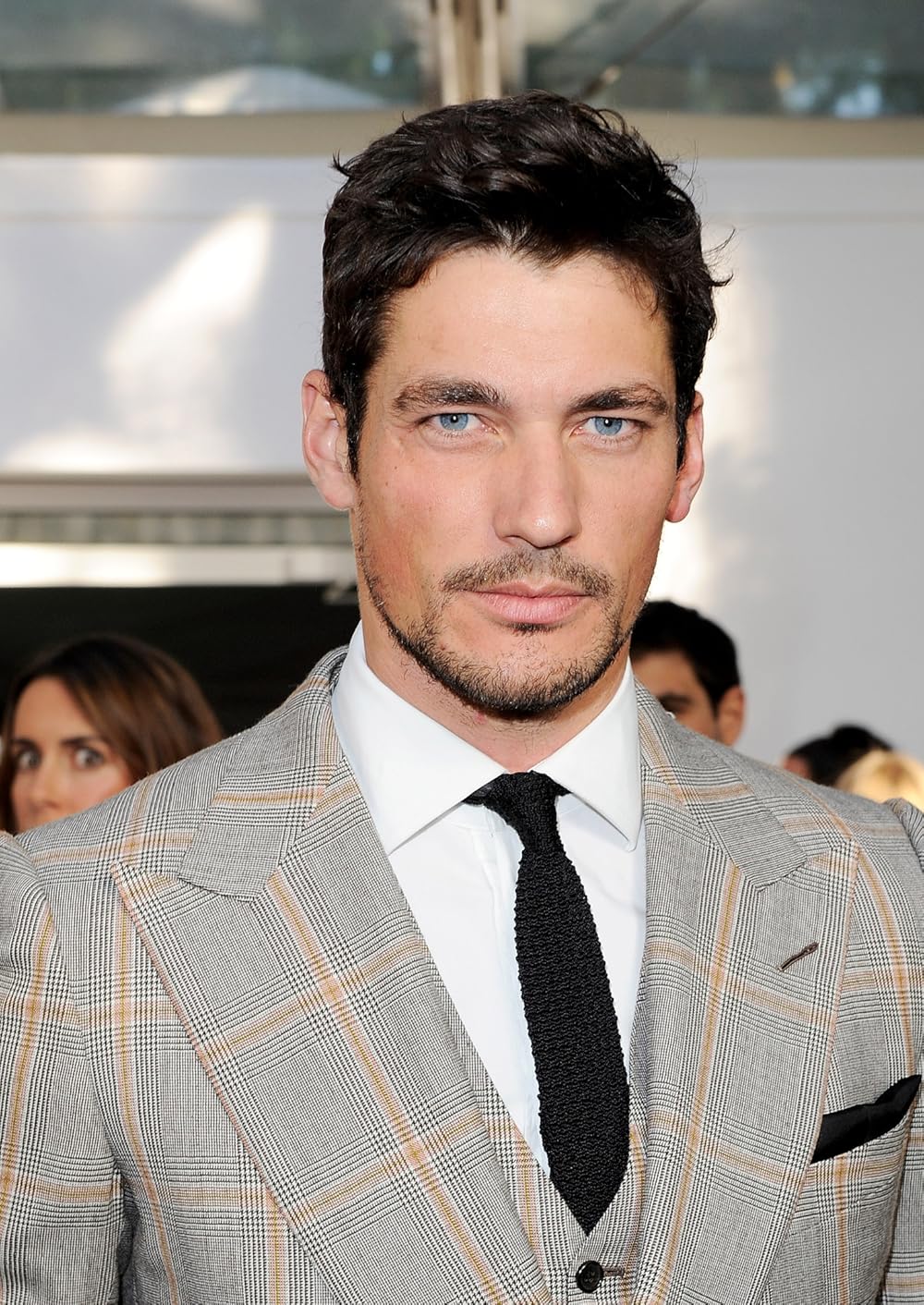
What stephen amell is very masculine and David Gandy midface is more compact 🤔
 
this is an updated version of my previous ideal facial ratios & proportions thread which can be found here

facial width to height ratio (FWHR): 1.8+
measured by dividing the bizygomatic width (distance from cheekbone to cheekbone) by the height of the middle part of the eyebrow to the upper lip.

lower/full face ratio: 0.62+
measured by dividing the height between the nasion to the bottom of the chin by the face height (distance from hairline to bottom of the chin)

midface ratio: 1.0-1.1
measured by dividing the interpupillary distance (distance between the centers of the pupils) by the height of the nasion to the upper lip. the closer to 1:1 this is, the better.

mouth to nose ratio: 1.5-1.62
measured by dividing the width of the mouth by the width of the nose.

lower to upper lip ratio: 1.62
measured by dividing the height of the lower lip to the upper lip.

chin to philtrum ratio: 2.0-2.25
measured by dividing the height of the middle part of the lips to the bottom of the chin by the height of the bottom of the nose to the middle part of the lips.

bizygomatic to bigonial width: 1.35
measured by dividing the bizygomatic width (distance from cheekbone to cheekbone) by the bigonial width (distance from gonion to gonion).

ESR (eye separation ratio): 0.45-0.47
measured by dividing the interpupillary distance (distance between the centers of the pupils) by the the bizygomatic width (distance from cheekbone to cheekbone). the "third eyeball method" - a theory in which the distance between your eyes should be another eye apart - is widely accepted in determining whether or not your eyes are an appropriate distance away from eachother, however this is flawed and incorrect. here is a thread explaining why, along with some more useful information about this measurement.

EME (eye mouth eye) angle: 47°-50°
measured by calculating the angle formed upon setting the vertex at the center of the lips with the arms crossing the eye pupils. the EME angle is a good indicator of masculinity and symmetry. here is a thread with more information about this measurement.

cervicomental angle: 105°-120°
measured by calculating the angle formed upon setting the vertex at the hyoid with the arms set along the bottom of the chin and the neck. anything above 120° is said to give the impression of a double chin.

gonial angle: 115°-130°
measured by calculating the angle formed upon setting the vertex at the gonion with the arms set along the mandible and the ramus.

canthal tilt: 4°-6°
measured by calculating the angle formed upon setting the vertex at the medial canthus with the arms set parallel to the floor and the lateral canthus.

palpebral fissure length to height ratio: 3.0-3.5
measured by dividing the palpebral fissure length (distance between the medial to the lateral canthus) by the height of the upper and lower eyelid.

forehead height: 3 fingers
measured by clenching your fingers together and seeing how many you can fit on your forehead horizontally before reaching your hairline.

facial thirds: 1/3 of face length
the upper third (height between the hairline to the middle part of the eyebrows), middle third (height between the middle part of the eyebrows to the bottom of the nose) and lower third (height between the bottom of the nose to bottom of the chin) of the face should be approximately 1/3rd of your entire face length (height between the hairline to bottom of the chin). these facial thirds should all be approximately equal to eachother and dividable smoothly into 3 parts as you transition down the face.

facial fifths: 1/5 of ear to ear width
the nose width, palpebral fissure length and length between the lateral canthus to the ear should be approximately 1/5th of the width between your ears. these facial fifths should all be approximately equal to eachother and dividable smoothly into 5 parts as you transition from left to right of the face.

Bump ,high iq
 
  • JFL
Reactions: pfl
this is an updated version of my previous ideal facial ratios & proportions thread which can be found here

facial width to height ratio (FWHR): 1.8+
measured by dividing the bizygomatic width (distance from cheekbone to cheekbone) by the height of the middle part of the eyebrow to the upper lip.

lower/full face ratio: 0.62+
measured by dividing the height between the nasion to the bottom of the chin by the face height (distance from hairline to bottom of the chin)

midface ratio: 1.0-1.1
measured by dividing the interpupillary distance (distance between the centers of the pupils) by the height of the nasion to the upper lip. the closer to 1:1 this is, the better.

mouth to nose ratio: 1.5-1.62
measured by dividing the width of the mouth by the width of the nose.

lower to upper lip ratio: 1.62
measured by dividing the height of the lower lip to the upper lip.

chin to philtrum ratio: 2.0-2.25
measured by dividing the height of the middle part of the lips to the bottom of the chin by the height of the bottom of the nose to the middle part of the lips.

bizygomatic to bigonial width: 1.35
measured by dividing the bizygomatic width (distance from cheekbone to cheekbone) by the bigonial width (distance from gonion to gonion).

ESR (eye separation ratio): 0.45-0.47
measured by dividing the interpupillary distance (distance between the centers of the pupils) by the the bizygomatic width (distance from cheekbone to cheekbone). the "third eyeball method" - a theory in which the distance between your eyes should be another eye apart - is widely accepted in determining whether or not your eyes are an appropriate distance away from eachother, however this is flawed and incorrect. here is a thread explaining why, along with some more useful information about this measurement.

EME (eye mouth eye) angle: 47°-50°
measured by calculating the angle formed upon setting the vertex at the center of the lips with the arms crossing the eye pupils. the EME angle is a good indicator of masculinity and symmetry. here is a thread with more information about this measurement.

cervicomental angle: 105°-120°
measured by calculating the angle formed upon setting the vertex at the hyoid with the arms set along the bottom of the chin and the neck. anything above 120° is said to give the impression of a double chin.

gonial angle: 115°-130°
measured by calculating the angle formed upon setting the vertex at the gonion with the arms set along the mandible and the ramus.

canthal tilt: 4°-6°
measured by calculating the angle formed upon setting the vertex at the medial canthus with the arms set parallel to the floor and the lateral canthus.

palpebral fissure length to height ratio: 3.0-3.5
measured by dividing the palpebral fissure length (distance between the medial to the lateral canthus) by the height of the upper and lower eyelid.

forehead height: 3 fingers
measured by clenching your fingers together and seeing how many you can fit on your forehead horizontally before reaching your hairline.

facial thirds: 1/3 of face length
the upper third (height between the hairline to the middle part of the eyebrows), middle third (height between the middle part of the eyebrows to the bottom of the nose) and lower third (height between the bottom of the nose to bottom of the chin) of the face should be approximately 1/3rd of your entire face length (height between the hairline to bottom of the chin). these facial thirds should all be approximately equal to eachother and dividable smoothly into 3 parts as you transition down the face.

facial fifths: 1/5 of ear to ear width
the nose width, palpebral fissure length and length between the lateral canthus to the ear should be approximately 1/5th of the width between your ears. these facial fifths should all be approximately equal to eachother and dividable smoothly into 5 parts as you transition from left to right of the face.
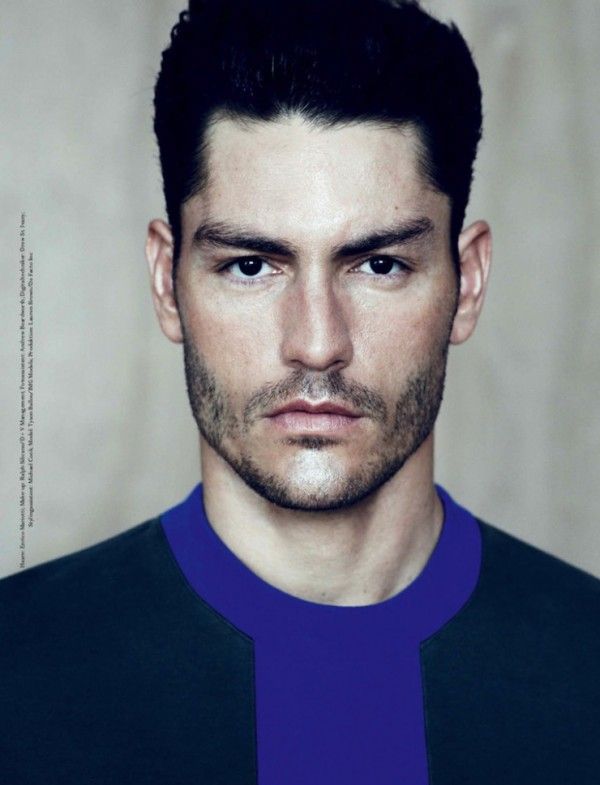
good to know i’m not fried out the ahh
 
w
this is an updated version of my previous ideal facial ratios & proportions thread which can be found here

facial width to height ratio (FWHR): 1.8+
measured by dividing the bizygomatic width (distance from cheekbone to cheekbone) by the height of the middle part of the eyebrow to the upper lip.

lower/full face ratio: 0.62+
measured by dividing the height between the nasion to the bottom of the chin by the face height (distance from hairline to bottom of the chin)

midface ratio: 1.0-1.1
measured by dividing the interpupillary distance (distance between the centers of the pupils) by the height of the nasion to the upper lip. the closer to 1:1 this is, the better.

mouth to nose ratio: 1.5-1.62
measured by dividing the width of the mouth by the width of the nose.

lower to upper lip ratio: 1.62
measured by dividing the height of the lower lip to the upper lip.

chin to philtrum ratio: 2.0-2.25
measured by dividing the height of the middle part of the lips to the bottom of the chin by the height of the bottom of the nose to the middle part of the lips.

bizygomatic to bigonial width: 1.35
measured by dividing the bizygomatic width (distance from cheekbone to cheekbone) by the bigonial width (distance from gonion to gonion).

ESR (eye separation ratio): 0.45-0.47
measured by dividing the interpupillary distance (distance between the centers of the pupils) by the the bizygomatic width (distance from cheekbone to cheekbone). the "third eyeball method" - a theory in which the distance between your eyes should be another eye apart - is widely accepted in determining whether or not your eyes are an appropriate distance away from eachother, however this is flawed and incorrect. here is a thread explaining why, along with some more useful information about this measurement.

EME (eye mouth eye) angle: 47°-50°
measured by calculating the angle formed upon setting the vertex at the center of the lips with the arms crossing the eye pupils. the EME angle is a good indicator of masculinity and symmetry. here is a thread with more information about this measurement.

cervicomental angle: 105°-120°
measured by calculating the angle formed upon setting the vertex at the hyoid with the arms set along the bottom of the chin and the neck. anything above 120° is said to give the impression of a double chin.

gonial angle: 115°-130°
measured by calculating the angle formed upon setting the vertex at the gonion with the arms set along the mandible and the ramus.

canthal tilt: 4°-6°
measured by calculating the angle formed upon setting the vertex at the medial canthus with the arms set parallel to the floor and the lateral canthus.

palpebral fissure length to height ratio: 3.0-3.5
measured by dividing the palpebral fissure length (distance between the medial to the lateral canthus) by the height of the upper and lower eyelid.

forehead height: 3 fingers
measured by clenching your fingers together and seeing how many you can fit on your forehead horizontally before reaching your hairline.

facial thirds: 1/3 of face length
the upper third (height between the hairline to the middle part of the eyebrows), middle third (height between the middle part of the eyebrows to the bottom of the nose) and lower third (height between the bottom of the nose to bottom of the chin) of the face should be approximately 1/3rd of your entire face length (height between the hairline to bottom of the chin). these facial thirds should all be approximately equal to eachother and dividable smoothly into 3 parts as you transition down the face.

facial fifths: 1/5 of ear to ear width
the nose width, palpebral fissure length and length between the lateral canthus to the ear should be approximately 1/5th of the width between your ears. these facial fifths should all be approximately equal to eachother and dividable smoothly into 5 parts as you transition from left to right of the face.

what do u use to mesure this?
 
this is an updated version of my previous ideal facial ratios & proportions thread which can be found here

facial width to height ratio (FWHR): 1.8+
measured by dividing the bizygomatic width (distance from cheekbone to cheekbone) by the height of the middle part of the eyebrow to the upper lip.

lower/full face ratio: 0.62+
measured by dividing the height between the nasion to the bottom of the chin by the face height (distance from hairline to bottom of the chin)

midface ratio: 1.0-1.1
measured by dividing the interpupillary distance (distance between the centers of the pupils) by the height of the nasion to the upper lip. the closer to 1:1 this is, the better.

mouth to nose ratio: 1.5-1.62
measured by dividing the width of the mouth by the width of the nose.

lower to upper lip ratio: 1.62
measured by dividing the height of the lower lip to the upper lip.

chin to philtrum ratio: 2.0-2.25
measured by dividing the height of the middle part of the lips to the bottom of the chin by the height of the bottom of the nose to the middle part of the lips.

bizygomatic to bigonial width: 1.35
measured by dividing the bizygomatic width (distance from cheekbone to cheekbone) by the bigonial width (distance from gonion to gonion).

ESR (eye separation ratio): 0.45-0.47
measured by dividing the interpupillary distance (distance between the centers of the pupils) by the the bizygomatic width (distance from cheekbone to cheekbone). the "third eyeball method" - a theory in which the distance between your eyes should be another eye apart - is widely accepted in determining whether or not your eyes are an appropriate distance away from eachother, however this is flawed and incorrect. here is a thread explaining why, along with some more useful information about this measurement.

EME (eye mouth eye) angle: 47°-50°
measured by calculating the angle formed upon setting the vertex at the center of the lips with the arms crossing the eye pupils. the EME angle is a good indicator of masculinity and symmetry. here is a thread with more information about this measurement.

cervicomental angle: 105°-120°
measured by calculating the angle formed upon setting the vertex at the hyoid with the arms set along the bottom of the chin and the neck. anything above 120° is said to give the impression of a double chin.

gonial angle: 115°-130°
measured by calculating the angle formed upon setting the vertex at the gonion with the arms set along the mandible and the ramus.

canthal tilt: 4°-6°
measured by calculating the angle formed upon setting the vertex at the medial canthus with the arms set parallel to the floor and the lateral canthus.

palpebral fissure length to height ratio: 3.0-3.5
measured by dividing the palpebral fissure length (distance between the medial to the lateral canthus) by the height of the upper and lower eyelid.

forehead height: 3 fingers
measured by clenching your fingers together and seeing how many you can fit on your forehead horizontally before reaching your hairline.

facial thirds: 1/3 of face length
the upper third (height between the hairline to the middle part of the eyebrows), middle third (height between the middle part of the eyebrows to the bottom of the nose) and lower third (height between the bottom of the nose to bottom of the chin) of the face should be approximately 1/3rd of your entire face length (height between the hairline to bottom of the chin). these facial thirds should all be approximately equal to eachother and dividable smoothly into 3 parts as you transition down the face.

facial fifths: 1/5 of ear to ear width
the nose width, palpebral fissure length and length between the lateral canthus to the ear should be approximately 1/5th of the width between your ears. these facial fifths should all be approximately equal to eachother and dividable smoothly into 5 parts as you transition from left to right of the face.
Seems my only major flaw is my wide ass fucking nose. Would hydrocortisone fix this? Or am I gonna need a rhinoplasty? (pic is taken several meters away)
 

Attachments

  • IMG_5763.jpeg
    IMG_5763.jpeg
    140.1 KB · Views: 0
  • IMG_5762.jpeg
    IMG_5762.jpeg
    136.9 KB · Views: 0
  • IMG_5759.jpeg
    IMG_5759.jpeg
    169.9 KB · Views: 0
  • IMG_5760.jpeg
    IMG_5760.jpeg
    171.8 KB · Views: 0
  • IMG_5761.jpeg
    IMG_5761.jpeg
    190.6 KB · Views: 0
  • IMG_5758.jpeg
    IMG_5758.jpeg
    174.3 KB · Views: 0
  • IMG_5757.jpeg
    IMG_5757.jpeg
    170.3 KB · Views: 0
  • IMG_5756.jpeg
    IMG_5756.jpeg
    171.2 KB · Views: 0
  • IMG_5754.jpeg
    IMG_5754.jpeg
    367.8 KB · Views: 0
I’m trying to take a measurement from the lips to the chin, but my chin is recessed.

Should the measurement be taken straight down from the lips (vertical drop) until it reaches the same horizontal level as the chin or should the measuring tool be angled backward so it directly touches the most forward point of the chin?
 
theres a free website called faceratios.com that lets you upload a picture and then it tells you youre ratios its pretty good u guys should try it if you dont want to spend a lot of time on photoshop
 
  • WTF
Reactions: supersaiyancarp27
this is an updated version of my previous ideal facial ratios & proportions thread which can be found here

facial width to height ratio (FWHR): 1.8+
measured by dividing the bizygomatic width (distance from cheekbone to cheekbone) by the height of the middle part of the eyebrow to the upper lip.

lower/full face ratio: 0.62+
measured by dividing the height between the nasion to the bottom of the chin by the face height (distance from hairline to bottom of the chin)

midface ratio: 1.0-1.1
measured by dividing the interpupillary distance (distance between the centers of the pupils) by the height of the nasion to the upper lip. the closer to 1:1 this is, the better.

mouth to nose ratio: 1.5-1.62
measured by dividing the width of the mouth by the width of the nose.

lower to upper lip ratio: 1.62
measured by dividing the height of the lower lip to the upper lip.

chin to philtrum ratio: 2.0-2.25
measured by dividing the height of the middle part of the lips to the bottom of the chin by the height of the bottom of the nose to the middle part of the lips.

bizygomatic to bigonial width: 1.35
measured by dividing the bizygomatic width (distance from cheekbone to cheekbone) by the bigonial width (distance from gonion to gonion).

ESR (eye separation ratio): 0.45-0.47
measured by dividing the interpupillary distance (distance between the centers of the pupils) by the the bizygomatic width (distance from cheekbone to cheekbone). the "third eyeball method" - a theory in which the distance between your eyes should be another eye apart - is widely accepted in determining whether or not your eyes are an appropriate distance away from eachother, however this is flawed and incorrect. here is a thread explaining why, along with some more useful information about this measurement.

EME (eye mouth eye) angle: 47°-50°
measured by calculating the angle formed upon setting the vertex at the center of the lips with the arms crossing the eye pupils. the EME angle is a good indicator of masculinity and symmetry. here is a thread with more information about this measurement.

cervicomental angle: 105°-120°
measured by calculating the angle formed upon setting the vertex at the hyoid with the arms set along the bottom of the chin and the neck. anything above 120° is said to give the impression of a double chin.

gonial angle: 115°-130°
measured by calculating the angle formed upon setting the vertex at the gonion with the arms set along the mandible and the ramus.

canthal tilt: 4°-6°
measured by calculating the angle formed upon setting the vertex at the medial canthus with the arms set parallel to the floor and the lateral canthus.

palpebral fissure length to height ratio: 3.0-3.5
measured by dividing the palpebral fissure length (distance between the medial to the lateral canthus) by the height of the upper and lower eyelid.

forehead height: 3 fingers
measured by clenching your fingers together and seeing how many you can fit on your forehead horizontally before reaching your hairline.

facial thirds: 1/3 of face length
the upper third (height between the hairline to the middle part of the eyebrows), middle third (height between the middle part of the eyebrows to the bottom of the nose) and lower third (height between the bottom of the nose to bottom of the chin) of the face should be approximately 1/3rd of your entire face length (height between the hairline to bottom of the chin). these facial thirds should all be approximately equal to eachother and dividable smoothly into 3 parts as you transition down the face.

facial fifths: 1/5 of ear to ear width
the nose width, palpebral fissure length and length between the lateral canthus to the ear should be approximately 1/5th of the width between your ears. these facial fifths should all be approximately equal to eachother and dividable smoothly into 5 parts as you transition from left to right of the face.

how is this gonna help me
 
What about for other racial groups such as Indians
 
  • +1
Reactions: VampyrMaxx
bookmarked
 
  • Love it
Reactions: VampyrMaxx
My brother also has compact midface i notice it everytime i talk to him. Its more of a striking feature, and striking features are not koiniphilic, therefore they are unideal.

Also this morph has a compact midface, it would be
so blue eyes are unideal?
 
  • +1
  • JFL
Reactions: VampyrMaxx and iblamexyz

Similar threads

MediterraneanMoid
Replies
9
Views
78
MediterraneanMoid
MediterraneanMoid
Chadlite bhai
Replies
17
Views
161
britadeirajunior999
britadeirajunior999
iamnotaracist
Replies
23
Views
533
kisslessvirgin
K
Jesus_ist_König
  • Question
Discussion Fillers/implants?
Replies
2
Views
33
Jesus_ist_König
Jesus_ist_König

Users who are viewing this thread

  • txskara117
  • tonym.F305s
  • HexumPillSeller
Back
Top