atomstetic
Suffering from intrapersonal perfectionism
- Joined
- Apr 28, 2026
- Posts
- 601
- Reputation
- 376
Song:
Introduction
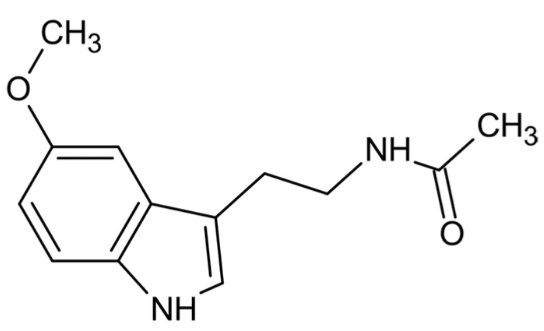
Hello everyone, this is my first guide on the forum. It is on something which I have recently started implementing and I feel many users will find useful, especially those who use extremely neurotoxic compounds such as trenbolone and use melatonin as a neuroprotectant and for its antioxidant benefits. Of course this is also for those who use melatonin for optimising sleep/health.
I will cover as much as I can, including:
-How Melatonin Works and why we use it
-Why Intranasal over Oral
-How to assure maximum bioavailability, reconstitute and administer
-My personal experience
-Studies and dosing
How Melatonin Works And Why We Use It:
Melatonin is essentially the master sleep hormone which is secreted from the pineal gland. It regulates our circadian rhythm by binding to the MT1/MT2 receptors in the SCN (Suprachiasmatic Nucleus). It promotes sleep by lowering our core body temperature and promoting GABAergic sleep onset.
Melatonin is also an excellent antioxidant, it scavenges free radicals much better than many other antioxidants. (A free radical is a molecule which lacks an electron. This essentially makes it steal electrons from healthy molecules/cells, which causes oxidative stress.) It also has anti-inflammatory and neuroprotective benefits. It modulates immune function, mitochondrial function, and has anti-apoptotic (inhibiting apoptosis, which is programmed cell death) effects in brain tissue.
All of these benefits are extremely useful. Melatonin's mitochondrial protection and neuroprotection is particularly relevant for AAS users. Melatonin accumulates in the mitochondria at high concentrations and acts as a very potent antioxidant there, neutralizing reactive oxygen species (ROS) such as hydroxyl radicals and peroxynitrite that trenbolone and other compounds generate during oxidative bursts. It boosts mitochondrial membrane potential, enhances Complex I and IV activity in the electron transport chain, increases ATP production, and inhibits opening of the mitochondrial permeability transition pore (mPTP), preventing cytochrome c release and apoptosis. Studies show it preserves mitochondrial structure and function under stress, reduces mtDNA damage, and upregulates antioxidant enzymes like superoxide dismutase and glutathione peroxidase inside the mitochondria. These mechanisms suggest melatonin can be used to mitigate many of the side effects often associated with AASs such as oxidative stress and mitochondrial dysfunction.
Melatonin is specifically neuroprotective as it scavenges free radicals in brain tissue, downregulates pro-inflammatory cytokines (such as TNF-α and IL-6) while upregulating anti-inflammatory pathways, inhibits caspase activation and Bax/Bcl-2 imbalance (blocking programmed neuronal death), and activates MT1/MT2 receptors in the hippocampus and cerebral cortex to promote neurogenesis and synaptic plasticity.
Why Intranasal Over Oral:
Oral melatonin is suboptimal. First pass metabolism destroys most of it (BA: 2-15%), so tabs mean you waste money on something that barely works (yes, even the dirt cheap ones from IndiaMart). Onset is also delayed by up to 60 minutes or more. Liposomal tablets have great bioavailability but are expensive, very hard to find, and still have a longer onset.
Intranasal melatonin with PEG300 (or 400)/Saline (and preferably with GC - Sodium Glycocholate) delivers a BA of 55-94% (55% without GC, 94% with per the 1999 Bechgaard: ). It shows an extremely impressive T_Max of ~5 minutes. Note that while the serum half-life is short and similar to oral (~13 min in the rabbit study, 44-60+ min in human nasal data), the key advantage of intranasal is still there, that being extremely fast absorption and superior bioavailability.
Melatonin raw powder is DIRT CHEAP. Here are the prices from my source:

Comparing this to my IndiaMart vendor who sells 10mg melatonin tabs for $0.10 per tab, if you wanted to actually have 10mg in your body, you would need to take roughly 50-100mg or more, this would cost $0.50-1 every day. Here is a table I made comparing the two methods and the monthly costs.
Introduction
Hello everyone, this is my first guide on the forum. It is on something which I have recently started implementing and I feel many users will find useful, especially those who use extremely neurotoxic compounds such as trenbolone and use melatonin as a neuroprotectant and for its antioxidant benefits. Of course this is also for those who use melatonin for optimising sleep/health.
I will cover as much as I can, including:
-How Melatonin Works and why we use it
-Why Intranasal over Oral
-How to assure maximum bioavailability, reconstitute and administer
-My personal experience
-Studies and dosing
How Melatonin Works And Why We Use It:
Melatonin is essentially the master sleep hormone which is secreted from the pineal gland. It regulates our circadian rhythm by binding to the MT1/MT2 receptors in the SCN (Suprachiasmatic Nucleus). It promotes sleep by lowering our core body temperature and promoting GABAergic sleep onset.
Melatonin is also an excellent antioxidant, it scavenges free radicals much better than many other antioxidants. (A free radical is a molecule which lacks an electron. This essentially makes it steal electrons from healthy molecules/cells, which causes oxidative stress.) It also has anti-inflammatory and neuroprotective benefits. It modulates immune function, mitochondrial function, and has anti-apoptotic (inhibiting apoptosis, which is programmed cell death) effects in brain tissue.
All of these benefits are extremely useful. Melatonin's mitochondrial protection and neuroprotection is particularly relevant for AAS users. Melatonin accumulates in the mitochondria at high concentrations and acts as a very potent antioxidant there, neutralizing reactive oxygen species (ROS) such as hydroxyl radicals and peroxynitrite that trenbolone and other compounds generate during oxidative bursts. It boosts mitochondrial membrane potential, enhances Complex I and IV activity in the electron transport chain, increases ATP production, and inhibits opening of the mitochondrial permeability transition pore (mPTP), preventing cytochrome c release and apoptosis. Studies show it preserves mitochondrial structure and function under stress, reduces mtDNA damage, and upregulates antioxidant enzymes like superoxide dismutase and glutathione peroxidase inside the mitochondria. These mechanisms suggest melatonin can be used to mitigate many of the side effects often associated with AASs such as oxidative stress and mitochondrial dysfunction.
Melatonin is specifically neuroprotective as it scavenges free radicals in brain tissue, downregulates pro-inflammatory cytokines (such as TNF-α and IL-6) while upregulating anti-inflammatory pathways, inhibits caspase activation and Bax/Bcl-2 imbalance (blocking programmed neuronal death), and activates MT1/MT2 receptors in the hippocampus and cerebral cortex to promote neurogenesis and synaptic plasticity.
Why Intranasal Over Oral:
Oral melatonin is suboptimal. First pass metabolism destroys most of it (BA: 2-15%), so tabs mean you waste money on something that barely works (yes, even the dirt cheap ones from IndiaMart). Onset is also delayed by up to 60 minutes or more. Liposomal tablets have great bioavailability but are expensive, very hard to find, and still have a longer onset.
Intranasal melatonin with PEG300 (or 400)/Saline (and preferably with GC - Sodium Glycocholate) delivers a BA of 55-94% (55% without GC, 94% with per the 1999 Bechgaard: ). It shows an extremely impressive T_Max of ~5 minutes. Note that while the serum half-life is short and similar to oral (~13 min in the rabbit study, 44-60+ min in human nasal data), the key advantage of intranasal is still there, that being extremely fast absorption and superior bioavailability.
Melatonin raw powder is DIRT CHEAP. Here are the prices from my source:
Comparing this to my IndiaMart vendor who sells 10mg melatonin tabs for $0.10 per tab, if you wanted to actually have 10mg in your body, you would need to take roughly 50-100mg or more, this would cost $0.50-1 every day. Here is a table I made comparing the two methods and the monthly costs.
Method | Daily Effective 10mg Cost | Monthly Effective 10mg Cost |
| Oral Tabs | ~$1.00 | ~$30+ |
| Intranasal (No GC) | ~$0.05–0.10 | ~$1.50-3 |
| Intranasal (With GC) | ~$0.15–0.25 | ~$4.50-8 |
You can get a litre of PEG300 (or 400 which is cheaper) for ~$50-60 (~$20 for PEG400) which will last you around a year, the shelf life is only about a year.
You can also get 100mg of Sodium Glycocholate for ~$60. Though this is optional.
You can also get 100mg of Sodium Glycocholate for ~$60. Though this is optional.
So not only is it cheaper, the bioavailability is vastly superior, as well as the T_Max.
Reconstitution, Administration etc:
Reconstitution:
You will need:
Melatonin Raw Powder
Saline Solution 0.9%
PEG300 (or PEG400)
Sodium Glycocholate
10ml Intranasal Spray Bottle
Studies suggest 40% PEG300 (or PEG400) and 1% GC offers up to 94% bioavailability, so here are the amounts for a 1000mg melatonin solution in 10ml (100mg/ml).
(I almost forgot to mention, GC is somewhat expensive. You don't need to use it as the bioavailability is still massively superior - 3.6-27.5x better than oral melatonin depending on the study, how your body metabolises it etc. GC is simply an absorption enhancer.) Here is what I did to ensure most if not all of it dissolved and accurate dosing.
This should all be done under sterile conditions as the risk of a nasal infection may occur, I also recommend using a 0.22µm sterile filter, though this is an optional precaution.
With GC 1%:
Step 1: In a separate container, add your desired melatonin dose (in our case 1000mg).
Step 2: Add 4ml PEG300 (or PEG400) to the melatonin container and stir in a warm bath until fully dissolved.
Step 3: Add 100mg GC into a separate container.
Step 4: Add 5.9ml Saline and stir in a warm bath until fully dissolved.
Extra Step: Filter the final solution through a 0.22µm sterile filter if possible for safety.
Step 5: Combine the two in the 10ml nasal spray bottle and mix/shake well.
With NO GC:
Step 1: In a separate container, add 1000mg melatonin.
Step 2: Add 4ml PEG300 (or PEG400) and stir in a warm bath until fully dissolved.
Step 3: Add 6ml Saline and stir.
Extra Step: Filter the final solution through a 0.22µm sterile filter if possible for safety.
Step 4: Move the solution into the 10ml nasal spray bottle and mix/shake well.
Administration:
Step 1: Lay down on your bed and tilt your head off the side backwards.
Step 2: Spray your desired dose into each nostril (in our example for 10mg, do 1 full spray per nostril or adjust based on your spray output/dose).
Step 3: Keep your head tilted back and gently snort the solution.
Dosing:
Keep in mind that the bioavailability for this is much higher, so the solution is overall much stronger than oral as discussed before. If you are currently "megadosing" oral melatonin, adjust your intranasal dose based on your current oral dose.
For example:
If you currently take 100mg oral melatonin, its bioavailability is anywhere from 2-15%. Using an average of 8.5%, that means only ~8.5mg is actually absorbed. Hence I adjusted my intranasal dose based on that. Remember intranasal melatonin feels stronger than oral, I settled for 10mg every night.
My Personal Experience (Anecdotal Evidence):
I switched to intranasal melatonin because oral melatonin had almost no effect on my sleep. When I mega-dosed it, it did knock me out after a while but left me somewhat groggy the next day (which improved over time). It took way too long to fall asleep and overall felt suboptimal, especially spending that much money on oral tabs (spent almost 100 bucks on melatonin from a reputable IndiaMart source) when I could get better results with intranasal.
When I started using the intranasal solution, it was insane. I fell asleep in just a few minutes after my initial 10mg dose. The next day I did feel a bit groggy at first, but that passed quickly as my body adjusted. I experienced pretty much no nasal irritation since I have started. I'm not currently on any extremely neurotoxic compounds like trenbolone, I'm using it purely for sleep and general health right now, but I definitely plan on using it for neuroprotection in the near future when I use more toxic compounds.
TL;DR:
Oral melatonin has low bioavailability (2-15%), is slow and expensive
Intranasal solution has a bioavailability of 55-94%, 5 minute onset and is cheaper
Much stronger
Studies and Dosing:
https://www.sciencedirect.com/science/article/abs/pii/S0378517399000198 (Solution I implemented)
https://www.tandfonline.com/doi/full/10.4155/tde-2017-0005
Pharmacokinetics of Alternative Administration Routes of Melatonin: A Systematic Review - PubMed
Intranasal administration of melatonin has a large potential, and more research in humans is warranted. Transdermal application of melatonin has a possible use in a local application, due to slow absorption and deposition in the skin. Oral transmucosal administration may potentially be a...
 pubmed.ncbi.nlm.nih.gov
Population pharmacokinetics of intranasally administered low dose melatonin - PMC
 pmc.ncbi.nlm.nih.gov