Axix
Iron
- Joined
- May 11, 2026
- Posts
- 9
- Reputation
- 13
This is the skincare routine you actually need to be doing to maximize the quality of your skin without wasting time on pointless methods. This guide covers getting rid of acne, maximizing collagen and elastin production, removing hyperpigmentation, and general skincare essentials.
Combine a very low dose of Accutane (Isotretinoin) with a topical retinoid. These are the most effective, research-backed methods for controlling sebum production and skin cell turnover. Combining them leverages Accutane's sebaceous gland reduction with a topical retinoid's skin cell turnover and collagen benefits.
Amounts - 0>1% Tazarotene and 5mg of Isotret dailly
Isotretinoin also contributes to fuller lips and nose reduction through sebaceous gland atrophy. For hormonal acne, DHT inhibition is helpful, though the benefits of DHT generally outweigh the downsides during adolescence.
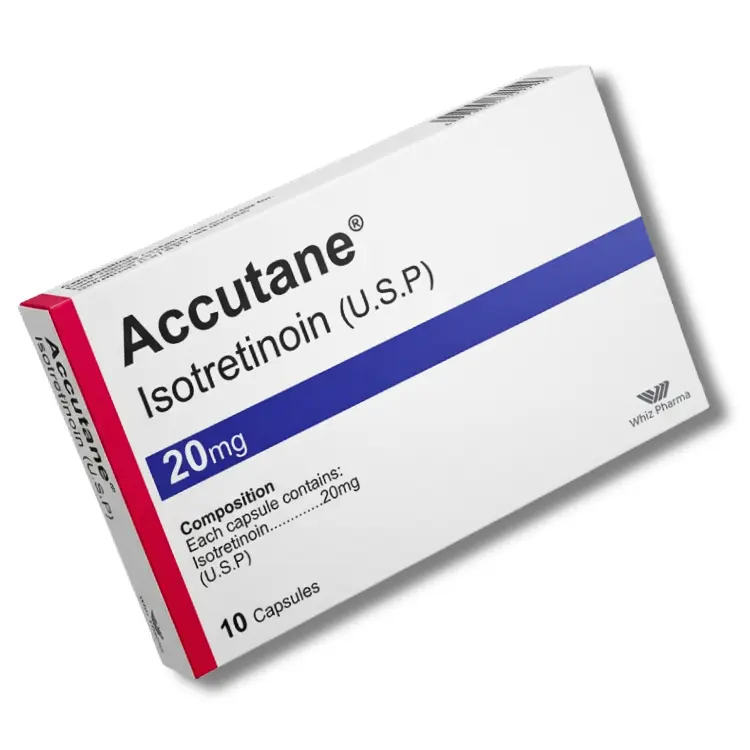
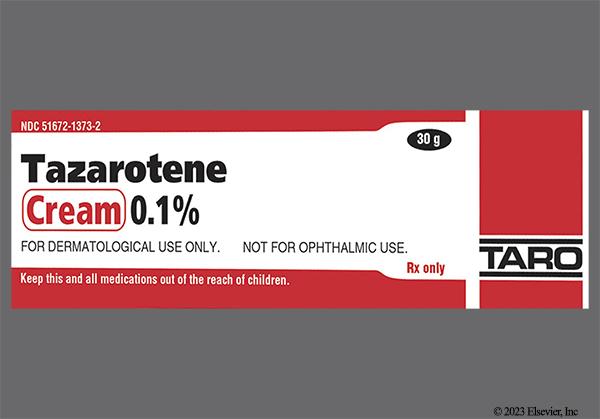
Hormonal factors also matter. DHT suppression can reduce hormonal acne for some people, although altering hormones during adolescence comes with tradeoffs that people usually underestimate.
To improve skin turgor and overall quality, you need to maximize collagen and elastin production. A topical retinoid is the primary step. Tazarotene is superior to tretinoin in minimizing irritation while maximizing collagen synthesis. (I myself though use tretnoin)
Apply topical estriol cream. This synthetic, bioidentical form of estradiol impacts the systemic HPT axis but provides local estrogen benefits to the skin, maximizing collagen and elastin and minimizing trans-epidermal water loss.
Squish out a pea size amount of Tretnoin or Tazarotene and then dot it all around your face.

Procedures also matter. Microneedling is commonly used to trigger wound-healing pathways and collagen remodeling, while radiofrequency treatments heat deeper layers of the dermis to stimulate tightening and structural repair over time. These tend to have significantly more evidence behind them than many expensive topical peptide products.
Microneedling - Every 6-8 Weeks (Pair alongside with hyaluronic acid)
Radio Frequency - Every 6-8 Weeks (Heat the dermis to 40-42 degrees to induce local collagen remodeling and skin tightening.)

For pigmentation and uneven skin tone, tyrosinase inhibitors are commonly used to suppress melanin production. Hydroquinone is one of the strongest options, while azelaic acid offers a milder alternative with additional anti-acne and anti-inflammatory benefits. Hydroquinone can be used to lighten under-eye areas, balancing shadowing caused by tear troughs. This offers a permanent illusion similar to concealer by lightening the skin.
Outside of advanced treatments, the fundamentals still matter most. Daily sunscreen is essential if you care about preserving collagen and preventing pigmentation issues long term. A moisturizer that supports the skin barrier is equally important, especially when using strong actives like retinoids. To induce systemic melanogensis and reduce UV exposure necessity, consider using MT2 (Melanotan II) Hyaluronic acid can also help improve hydration and reduce trans-epidermal water loss when applied properly to damp skin. (You can use it on lips if you suffer from dryness)

Also, if there's anything I should add. Please inform me, and I'll add it to thread (only if its useful though.)
Last importantly, what I cannot be asked to go over in this thread. Your diet, your diet plays such a huge part and some people don't even understand this. You, yourself are fucking up your skin. (I might go over diet in a future thread, but who knows. Forum already has good threads about it, so you should go read them.)
Combine a very low dose of Accutane (Isotretinoin) with a topical retinoid. These are the most effective, research-backed methods for controlling sebum production and skin cell turnover. Combining them leverages Accutane's sebaceous gland reduction with a topical retinoid's skin cell turnover and collagen benefits.
Amounts - 0>1% Tazarotene and 5mg of Isotret dailly
Isotretinoin also contributes to fuller lips and nose reduction through sebaceous gland atrophy. For hormonal acne, DHT inhibition is helpful, though the benefits of DHT generally outweigh the downsides during adolescence.
Hormonal factors also matter. DHT suppression can reduce hormonal acne for some people, although altering hormones during adolescence comes with tradeoffs that people usually underestimate.
To improve skin turgor and overall quality, you need to maximize collagen and elastin production. A topical retinoid is the primary step. Tazarotene is superior to tretinoin in minimizing irritation while maximizing collagen synthesis. (I myself though use tretnoin)
Apply topical estriol cream. This synthetic, bioidentical form of estradiol impacts the systemic HPT axis but provides local estrogen benefits to the skin, maximizing collagen and elastin and minimizing trans-epidermal water loss.
Squish out a pea size amount of Tretnoin or Tazarotene and then dot it all around your face.
Procedures also matter. Microneedling is commonly used to trigger wound-healing pathways and collagen remodeling, while radiofrequency treatments heat deeper layers of the dermis to stimulate tightening and structural repair over time. These tend to have significantly more evidence behind them than many expensive topical peptide products.
Microneedling - Every 6-8 Weeks (Pair alongside with hyaluronic acid)
Radio Frequency - Every 6-8 Weeks (Heat the dermis to 40-42 degrees to induce local collagen remodeling and skin tightening.)
For pigmentation and uneven skin tone, tyrosinase inhibitors are commonly used to suppress melanin production. Hydroquinone is one of the strongest options, while azelaic acid offers a milder alternative with additional anti-acne and anti-inflammatory benefits. Hydroquinone can be used to lighten under-eye areas, balancing shadowing caused by tear troughs. This offers a permanent illusion similar to concealer by lightening the skin.
Outside of advanced treatments, the fundamentals still matter most. Daily sunscreen is essential if you care about preserving collagen and preventing pigmentation issues long term. A moisturizer that supports the skin barrier is equally important, especially when using strong actives like retinoids. To induce systemic melanogensis and reduce UV exposure necessity, consider using MT2 (Melanotan II) Hyaluronic acid can also help improve hydration and reduce trans-epidermal water loss when applied properly to damp skin. (You can use it on lips if you suffer from dryness)
Also, if there's anything I should add. Please inform me, and I'll add it to thread (only if its useful though.)
Last importantly, what I cannot be asked to go over in this thread. Your diet, your diet plays such a huge part and some people don't even understand this. You, yourself are fucking up your skin. (I might go over diet in a future thread, but who knows. Forum already has good threads about it, so you should go read them.)
Last edited: