Seth Walsh

Iconoclast
Contributor
- Joined
- Jan 12, 2020
- Posts
- 11,075
- Reputation
- 22,654



Most people think social class is what you have.
Wrong.
Social class is what happens after you make a mistake.
That is the real hierarchy.
Same IQ.
Same looks.
Same ambition.
Same bad decision.
One kid gets corrected.
The other gets punished.
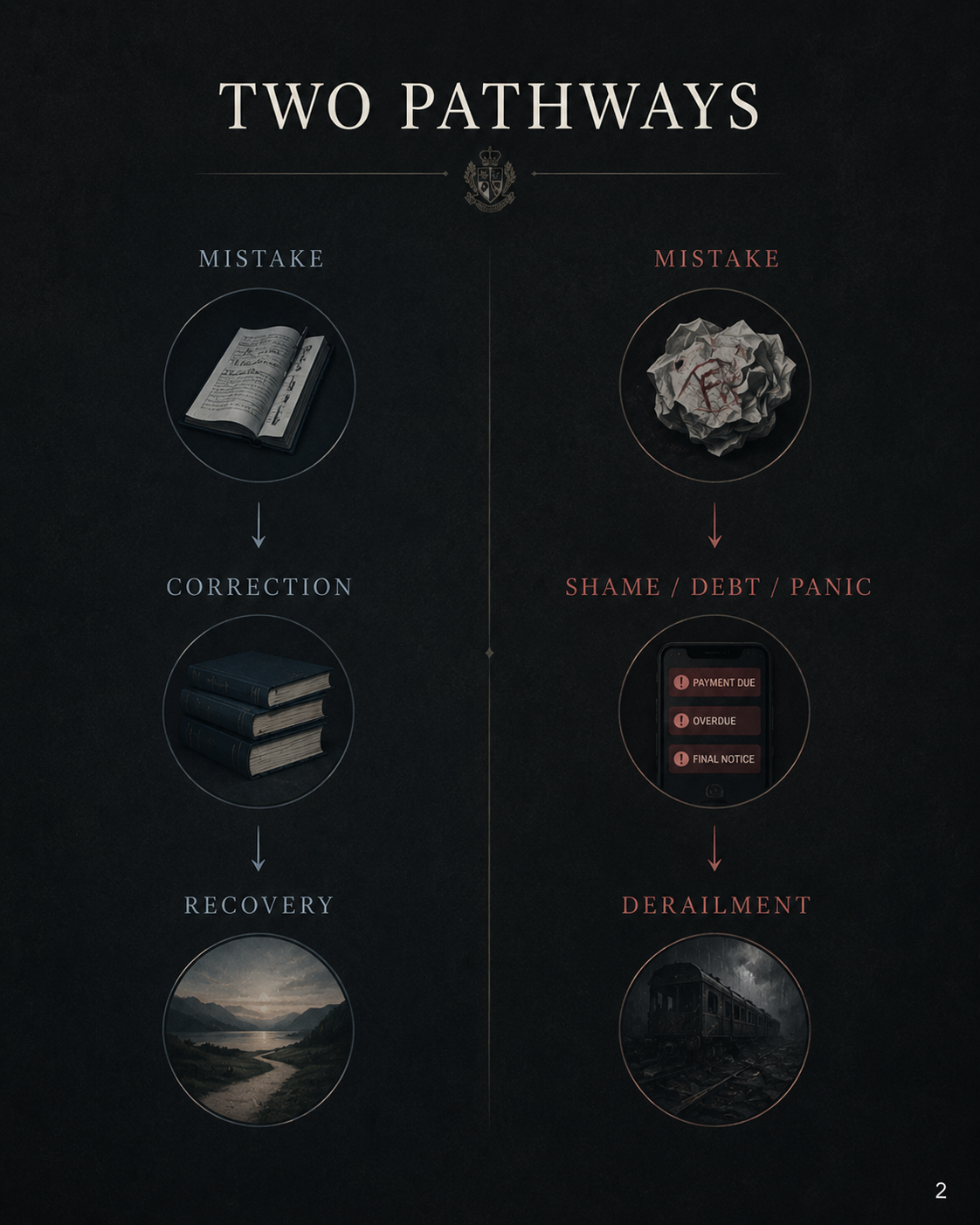
A rich kid fails a module.
Tutor appears.
Schedule changes.
Parent calls someone.
Internship gets delayed.
Narrative becomes: “he was figuring himself out.”
A poor/middle kid fails a module.
Debt.
Commute.
Shame.
Boss pressure.
Parents panic.
No one knows who to call.
Same mistake.
Different consequence engine.
That is class.

Class is not the absence of mistakes.
Class is cheap mistakes.
High-functioning upper-class families are private error-correction machines.
Speech slightly off? Corrected at dinner.
Bad posture? Sport.
Wrong friends? New school.
Low confidence? Coach.
Weak grades? Tutor.
Career confusion? Family friend.
Legal issue? Lawyer.
Mental collapse? Private therapist + runway.
The mistake gets detected while it is still small.

Lower-status correction arrives late.
Landlord.
Debt collector.
HR.
Police.
Algorithm.
Exam board.
Hiring manager.
Chronic stress.
No one corrects the drift until the damage is already expensive.
This is why “resilience” is such a brutal word.
Rich kids get prevention.
Poor kids get character arcs.

People call upper-class calm “confidence.”
Often it is not confidence.
It is a nervous system trained by repeated rescue.
Once you have fallen ten times and been caught ten times, you stop flinching.
That relaxed entitlement is not mystical.
It is the body remembering:
“I can recover.”
That is why class shows up in eye contact, speech rhythm, posture, risk tolerance, and social timing.
The body knows whether mistakes are survivable.

Old money manners are not just manners.
They are cached error correction from dead relatives.
“We don’t do that” usually means:
Someone did that 80 years ago and it almost ruined the family.
No flashy debt.
No public desperation.
No chaotic friends.
No drunk oversharing.
No obvious neediness.
No all-in bets.
No lifestyle dependent on one salary.
No marrying into instability.
A striver sees snobbery.
Often it is just risk management encoded as taste.

The middle class tragedy is worse.
They copy elite surfaces without the elite correction layer.
Nice accent.
Nice coat.
Nice LinkedIn.
Nice degree.
Nice flat.
Nice holidays.
But when the shock comes:
No liquidity.
No ownership.
No family office.
No serious network.
No one who can absorb downside.
So they are forced to be “responsible.”
This usually means obedient to visible rules.
The upper class is not obedient to rules.
It reads the field.
Different skillset.
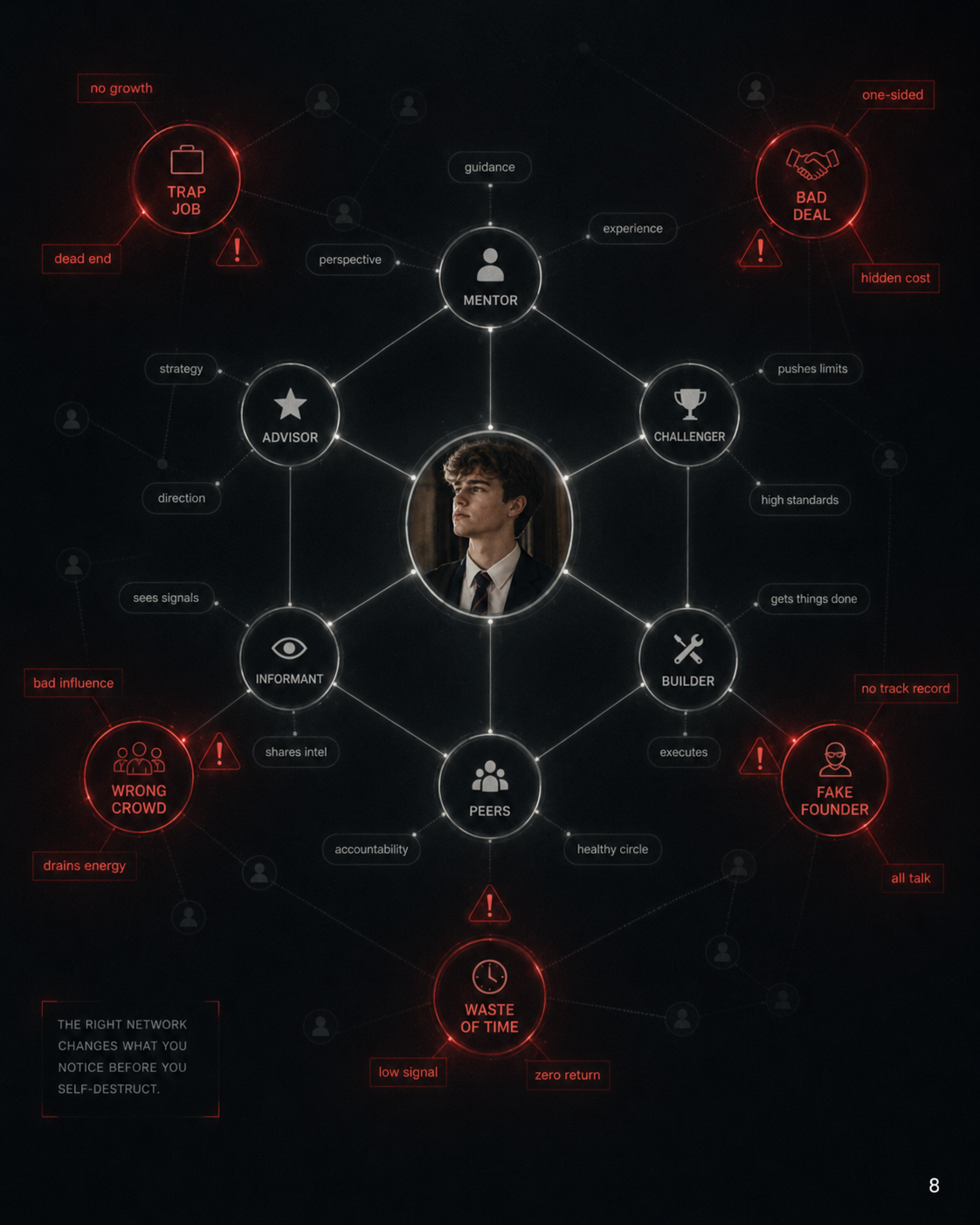
Your network is not just “people who give opportunities.”
That is low-IQ networking.
A real network is distributed error correction.
The right person tells you:
That email sounds desperate.
That deal is fake.
That job title is a trap.
That founder is lying.
That neighborhood is declining.
That credential is dead.
That relationship will destabilize you.
That boss will waste five years of your life.
Early information prevents irreversible moves.
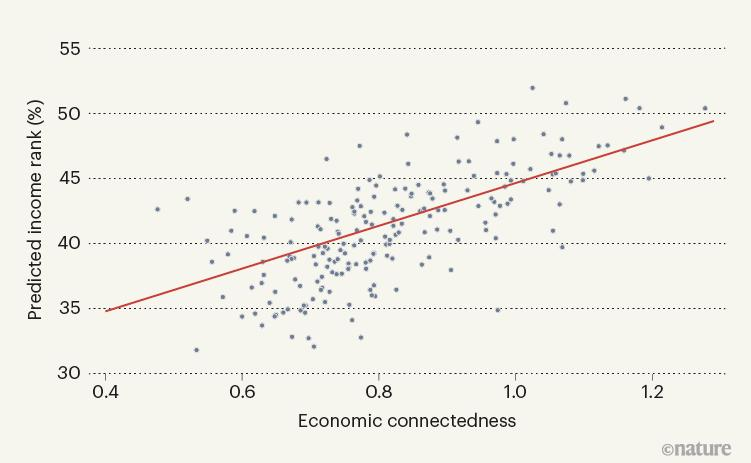
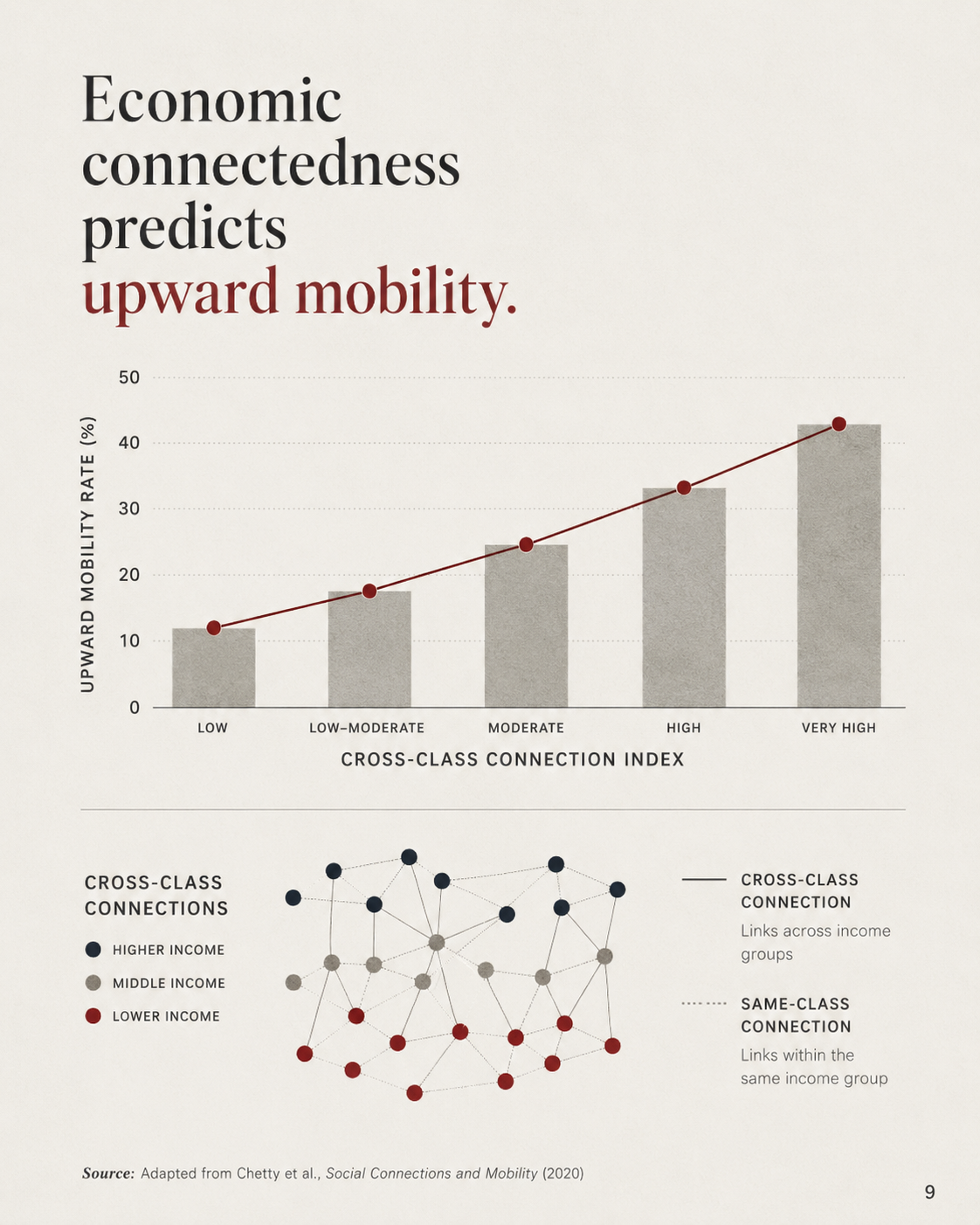
This is why economic connectedness matters.
Not because rich friends magically hand you money.
Because they change what you notice before you destroy your trajectory.
The escape route is not “fake being upper class.”
That is cosplay.
The escape route is building your own correction layer.
Low burn.
Cash buffer.
Technical skill.
One older mentor.
One operator friend.
One finance/accounting/legal contact.
One high-signal room entered every week.
One social circle that notices when you drift.
Zero friends who turn small problems into emergencies.
A man without inherited class must manufacture institutions around himself.
That is the actual grind.
Not motivation.
Not vibes.
Not “networking.”
Institution-building.
Your goal is not to look rich.
Your goal is to make your mistakes survivable.
Then risk becomes real.
You can move city.
Leave a bad boss.
Take a pay cut for upside.
Start something.
Wait for a better opening.
Reject panic choices.
Avoid desperate relationships.
Hold through volatility.
Recover without identity collapse.
Final blackpill:
Talent does not compound in chaos.
Talent compounds inside correction systems.
The rich do not just inherit money.
They inherit an undo button.
Build yours or every mistake becomes permanent.
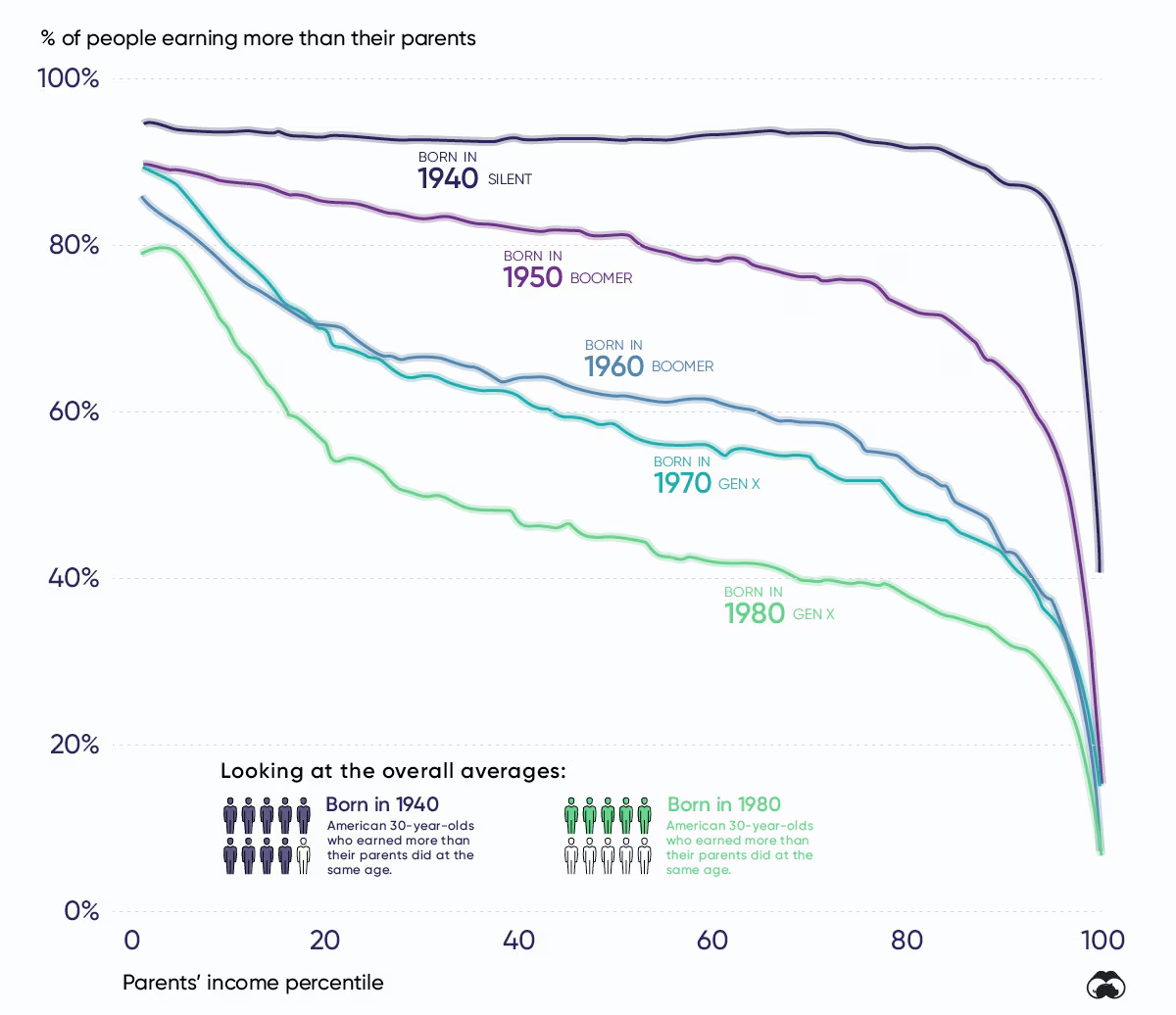
Research spine: Chetty’s work finds economic connectedness is strongly associated with upward mobility, and Opportunity Insights reports that low-SES children growing up with high-SES-level connectedness would have about 20% higher adult incomes on average. Lareau’s work frames classed childrearing as “concerted cultivation” versus “natural growth.” LSE research on the class ceiling found working-class-origin people in elite occupations earn about 16% less than privileged-origin peers even after controls.