Quick Guide: How to Actually Play Chess (And Stop Blundering)

averagetotaluser

averagetotaluser

Tyger Tyger, burning bright
Joined
Jun 27, 2026
Posts
782
Reputation
945
Chess isn’t about memorizing 20 moves of deep computer theory, it’s about board control, piece activity, and not giving away free material.

WATCH THIS IN DARKMODE+80% ZOOM

Here is a straightforward rundown on how the game actually works, how to move your pieces, and the core habits to start winning right away.

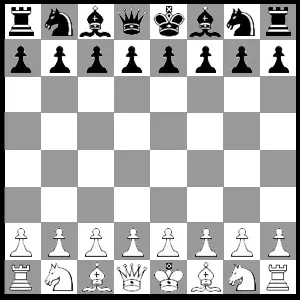
1. Board Setup & Piece Values

Set the board up so each player has a white square in their bottom-right corner "white on the right".

White always moves first.

1784541070241


+-----------------------------------------------------------------+
| --------------PIECE MOVEMENT & VALUE --------------------- |
+-------------+-------+------------------------------------------+
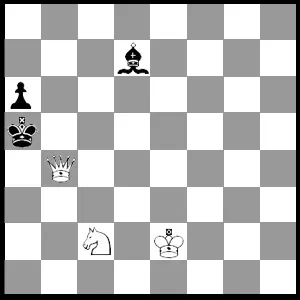
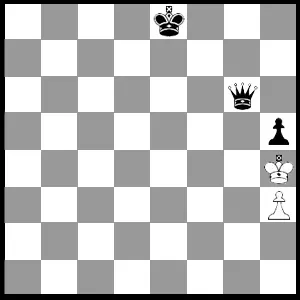
| PIECE.......| VALUE | HOW IT MOVES................................................ |
+-------------+-------+------------------------------------------+
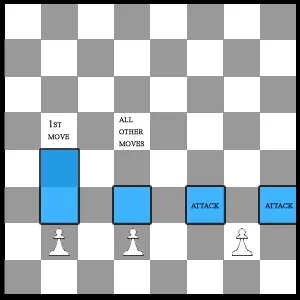
| Pawn (♙)......|.1 pt..| Moves forward 1 square (optionally 2 on....|
|........................|..........|.first move). Captures 1 square diagonally...|
| Knight (♘)....| 3 pts |.Moves in an "L-shape". Can jump over .....|
|........................|...........|.other pieces....................................................|
| Bishop (♗)...|.3 pts..|.Moves diagonally any distance...................|
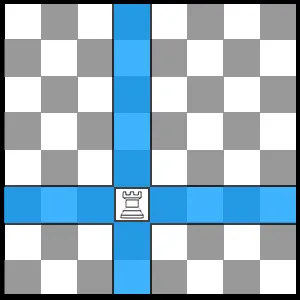
| Rook (♖)......|.5 pts..|.Moves straight vertically or horizontally....|
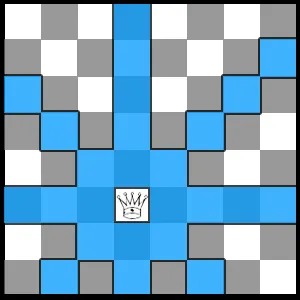
| Queen (♕)...| 9 pts..|.Moves in any straight or diagonal...............|
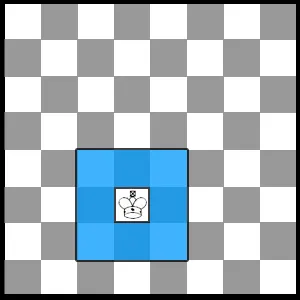
| King (♔).......| Inf.....|.Moves 1 square in any direction..................|
+-----------------------------------------------------------------+
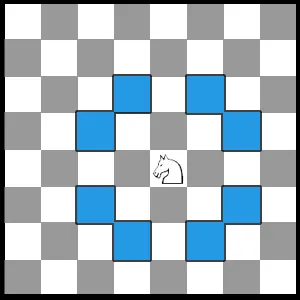
1784541054071
1784541080074
1784541093055
1784541104469
1784541131850
1784541148102
1784541164364


2. The 3 Rules Beginners Always Forget

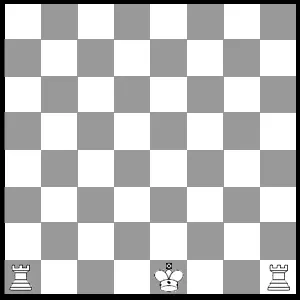
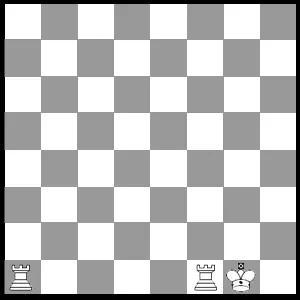
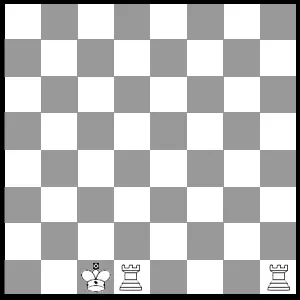
  1. Castling: Moves your King to safety and activates your Rook in one turn. Move your King 2 squares toward a Rook, and the Rook hops over to sit right beside him. (Can’t do this if either piece has already moved, if there are pieces in the way, or if you are currently in check).
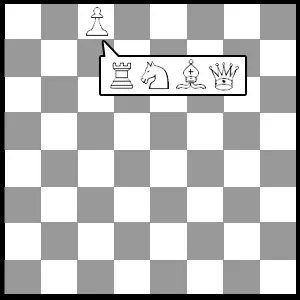
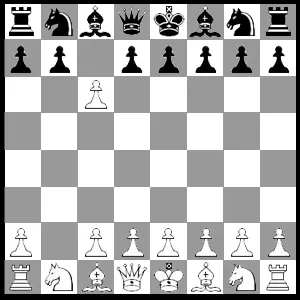
  2. Pawn Promotion: If your pawn marches all the way to the other side of the board, it immediately turns into a Queen (or any other piece you choose).
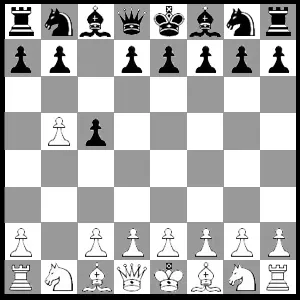
  3. En Passant: If an enemy pawn double-steps past your pawn on its first move, you can capture it diagonally behind as if it only moved 1 square. You must make this capture immediately on your next turn.

Castling
1784541266375
1784541274086
1784541277291


Pawn Promotion
1784541318953


En Passant
1784541357233
1784541364180
1784541367307


3. How to Win (Checkmate vs. Stalemate)

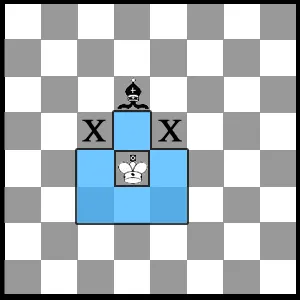
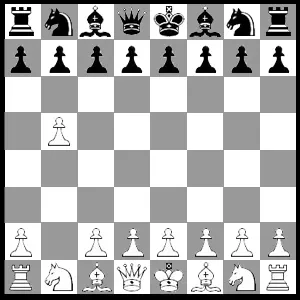
  1. Check: The King is under direct attack. You must get out of check immediately (Move the King, Block the path, or Capture the attacker).
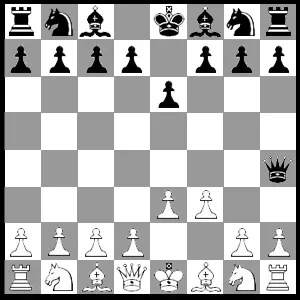
  2. Checkmate: The King is under attack and has no legal moves to escape. Game over, you win.
  3. Stalemate: It’s your opponent’s turn, they are NOT in check, but they have zero legal moves anywhere on the board. This results in a draw (tie). Watch out for this when you are up a lot of material!
Check
1784541445890


Checkmate
1784541522655


Stalemate
1784541541871


4. The 3 Golden Rules for the Opening

Do not overthink your first 8 moves. Stick to this basic blueprint:
  1. Control the Center: Take space in the middle four squares (e4, e5, d4, d5).
  2. Develop Minor Pieces: Get your Knights and Bishops out into active squares early.
  3. Castle Early: Get your King tucked into safety before starting an attack.


5. The Blunder Check

Before you physically drop a piece onto a square, ask yourself two quick questions:
  1. Is my piece moving onto an unprotected square?
  2. Did my move stop defending something else?

Tags: @Notcel @Scarlet @iblamexyz @GandysOrbitals

 
Last edited:
  • +1
  • Woah
  • Love it
Reactions: BeanletMogger, ethnicwarrior, DarkAscender and 5 others
Chess isn’t about memorizing 20 moves of deep computer theory, it’s about board control, piece activity, and not giving away free material.

WATCH THIS IN DARKMODE+80% ZOOM

Here is a straightforward rundown on how the game actually works, how to move your pieces, and the core habits to start winning right away.

1. Board Setup & Piece Values

Set the board up so each player has a white square in their bottom-right corner "white on the right".

White always moves first.

View attachment 5389458


+-----------------------------------------------------------------+
| PIECE MOVEMENT & VALUE |
+-------------+-------+------------------------------------------+
| PIECE | VALUE | HOW IT MOVES |
+-------------+-------+------------------------------------------+
| Pawn (♙) | 1 pt | Moves forward 1 square (optionally 2 on |
| | | first move). Captures 1 square diagonally. |
| Knight (♘) | 3 pts | Moves in an "L-shape". Can jump over |
| | | other pieces. |
| Bishop (♗) | 3 pts | Moves diagonally any distance. |
| Rook (♖) | 5 pts | Moves straight vertically or horizontally. |
| Queen (♕) | 9 pts | Moves in any straight or diagonal. |
| King (♔) | Inf. | Moves 1 square in any direction. |
+-----------------------------------------------------------------+


View attachment 5389457View attachment 5389459View attachment 5389460View attachment 5389461 View attachment 5389463View attachment 5389467View attachment 5389470


2. The 3 Rules Beginners Always Forget

  1. Castling: Moves your King to safety and activates your Rook in one turn. Move your King 2 squares toward a Rook, and the Rook hops over to sit right beside him. (Can’t do this if either piece has already moved, if there are pieces in the way, or if you are currently in check).
  2. Pawn Promotion: If your pawn marches all the way to the other side of the board, it immediately turns into a Queen (or any other piece you choose).
  3. En Passant: If an enemy pawn double-steps past your pawn on its first move, you can capture it diagonally behind as if it only moved 1 square. You must make this capture immediately on your next turn.

Castling
View attachment 5389482View attachment 5389484View attachment 5389485

Pawn Promotion
View attachment 5389489

En Passant
View attachment 5389494View attachment 5389498View attachment 5389500


3. How to Win (Checkmate vs. Stalemate)

  1. Check: The King is under direct attack. You must get out of check immediately (Move the King, Block the path, or Capture the attacker).
  2. Checkmate: The King is under attack and has no legal moves to escape. Game over, you win.
  3. Stalemate: It’s your opponent’s turn, they are NOT in check, but they have zero legal moves anywhere on the board. This results in a draw (tie). Watch out for this when you are up a lot of material!
Check
View attachment 5389503


Checkmate
View attachment 5389508

Stalemate
View attachment 5389509

4. The 3 Golden Rules for the Opening

Do not overthink your first 8 moves. Stick to this basic blueprint:
  1. Control the Center: Take space in the middle four squares (e4, e5, d4, d5).
  2. Develop Minor Pieces: Get your Knights and Bishops out into active squares early.
  3. Castle Early: Get your King tucked into safety before starting an attack.


5. The Blunder Check

Before you physically drop a piece onto a square, ask yourself two quick questions:
  1. Is my piece moving onto an unprotected square?
  2. Did my move stop defending something else?

Tags: @Notcel @Scarlet @iblamexyz @GandysOrbitals

Hymen
 
  • +1
Reactions: Evolux and averagetotaluser
Chess isn’t about memorizing 20 moves of deep computer theory, it’s about board control, piece activity, and not giving away free material.

WATCH THIS IN DARKMODE+80% ZOOM

Here is a straightforward rundown on how the game actually works, how to move your pieces, and the core habits to start winning right away.

1. Board Setup & Piece Values

Set the board up so each player has a white square in their bottom-right corner "white on the right".

White always moves first.

View attachment 5389458


+-----------------------------------------------------------------+
| PIECE MOVEMENT & VALUE |
+-------------+-------+------------------------------------------+
| PIECE | VALUE | HOW IT MOVES |
+-------------+-------+------------------------------------------+
| Pawn (♙) | 1 pt | Moves forward 1 square (optionally 2 on |
| | | first move). Captures 1 square diagonally. |
| Knight (♘) | 3 pts | Moves in an "L-shape". Can jump over |
| | | other pieces. |
| Bishop (♗) | 3 pts | Moves diagonally any distance. |
| Rook (♖) | 5 pts | Moves straight vertically or horizontally. |
| Queen (♕) | 9 pts | Moves in any straight or diagonal. |
| King (♔) | Inf. | Moves 1 square in any direction. |
+-----------------------------------------------------------------+


View attachment 5389457View attachment 5389459View attachment 5389460View attachment 5389461 View attachment 5389463View attachment 5389467View attachment 5389470


2. The 3 Rules Beginners Always Forget

  1. Castling: Moves your King to safety and activates your Rook in one turn. Move your King 2 squares toward a Rook, and the Rook hops over to sit right beside him. (Can’t do this if either piece has already moved, if there are pieces in the way, or if you are currently in check).
  2. Pawn Promotion: If your pawn marches all the way to the other side of the board, it immediately turns into a Queen (or any other piece you choose).
  3. En Passant: If an enemy pawn double-steps past your pawn on its first move, you can capture it diagonally behind as if it only moved 1 square. You must make this capture immediately on your next turn.

Castling
View attachment 5389482View attachment 5389484View attachment 5389485

Pawn Promotion
View attachment 5389489

En Passant
View attachment 5389494View attachment 5389498View attachment 5389500


3. How to Win (Checkmate vs. Stalemate)

  1. Check: The King is under direct attack. You must get out of check immediately (Move the King, Block the path, or Capture the attacker).
  2. Checkmate: The King is under attack and has no legal moves to escape. Game over, you win.
  3. Stalemate: It’s your opponent’s turn, they are NOT in check, but they have zero legal moves anywhere on the board. This results in a draw (tie). Watch out for this when you are up a lot of material!
Check
View attachment 5389503


Checkmate
View attachment 5389508

Stalemate
View attachment 5389509

4. The 3 Golden Rules for the Opening

Do not overthink your first 8 moves. Stick to this basic blueprint:
  1. Control the Center: Take space in the middle four squares (e4, e5, d4, d5).
  2. Develop Minor Pieces: Get your Knights and Bishops out into active squares early.
  3. Castle Early: Get your King tucked into safety before starting an attack.


5. The Blunder Check

Before you physically drop a piece onto a square, ask yourself two quick questions:
  1. Is my piece moving onto an unprotected square?
  2. Did my move stop defending something else?

Tags: @Notcel @Scarlet @iblamexyz @GandysOrbitals

Nigga be making some crazy guids mirin man!
 
  • +1
  • Love it
Reactions: ethnicwarrior, iblamexyz and averagetotaluser
Awesome brother I love that you actively putting effort into this forum mwah <3
 
  • Love it
Reactions: Scarlet and averagetotaluser
Awesome brother I love that you actively putting effort into this forum mwah <3
i just want to help people in things i can't find here and i know a lot about
 
idk can you make a gudie on how to make a million dollars
 
  • +1
Reactions: averagetotaluser
Good stuff, bookmarked
 
  • Love it
Reactions: averagetotaluser
Write a guide on writing guides jfl
 
Write a guide on writing guides jfl
easy asf to do, but almost nobody can put effort to them, later i will buy vip and stuff to make them more cool
 
  • Love it
Reactions: GandysOrbitals
Chess isn’t about memorizing 20 moves of deep computer theory, it’s about board control, piece activity, and not giving away free material.

WATCH THIS IN DARKMODE+80% ZOOM

Here is a straightforward rundown on how the game actually works, how to move your pieces, and the core habits to start winning right away.

1. Board Setup & Piece Values

Set the board up so each player has a white square in their bottom-right corner "white on the right".

White always moves first.

View attachment 5389458


+-----------------------------------------------------------------+
| --------------PIECE MOVEMENT & VALUE --------------------- |
+-------------+-------+------------------------------------------+
| PIECE.......| VALUE | HOW IT MOVES................................................ |
+-------------+-------+------------------------------------------+
| Pawn (♙)......|.1 pt..| Moves forward 1 square (optionally 2 on....|
|........................|..........|.first move). Captures 1 square diagonally...|
| Knight (♘)....| 3 pts |.Moves in an "L-shape". Can jump over .....|
|........................|...........|.other pieces....................................................|
| Bishop (♗)...|.3 pts..|.Moves diagonally any distance...................|
| Rook (♖)......|.5 pts..|.Moves straight vertically or horizontally....|
| Queen (♕)...| 9 pts..|.Moves in any straight or diagonal...............|
| King (♔).......| Inf.....|.Moves 1 square in any direction..................|
+-----------------------------------------------------------------+
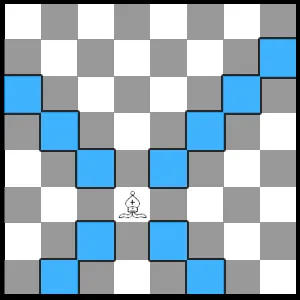

View attachment 5389457View attachment 5389459View attachment 5389460View attachment 5389461 View attachment 5389463View attachment 5389467View attachment 5389470


2. The 3 Rules Beginners Always Forget

  1. Castling: Moves your King to safety and activates your Rook in one turn. Move your King 2 squares toward a Rook, and the Rook hops over to sit right beside him. (Can’t do this if either piece has already moved, if there are pieces in the way, or if you are currently in check).
  2. Pawn Promotion: If your pawn marches all the way to the other side of the board, it immediately turns into a Queen (or any other piece you choose).
  3. En Passant: If an enemy pawn double-steps past your pawn on its first move, you can capture it diagonally behind as if it only moved 1 square. You must make this capture immediately on your next turn.

Castling
View attachment 5389482View attachment 5389484View attachment 5389485

Pawn Promotion
View attachment 5389489

En Passant
View attachment 5389494View attachment 5389498View attachment 5389500


3. How to Win (Checkmate vs. Stalemate)

  1. Check: The King is under direct attack. You must get out of check immediately (Move the King, Block the path, or Capture the attacker).
  2. Checkmate: The King is under attack and has no legal moves to escape. Game over, you win.
  3. Stalemate: It’s your opponent’s turn, they are NOT in check, but they have zero legal moves anywhere on the board. This results in a draw (tie). Watch out for this when you are up a lot of material!
Check
View attachment 5389503


Checkmate
View attachment 5389508

Stalemate
View attachment 5389509

4. The 3 Golden Rules for the Opening

Do not overthink your first 8 moves. Stick to this basic blueprint:
  1. Control the Center: Take space in the middle four squares (e4, e5, d4, d5).
  2. Develop Minor Pieces: Get your Knights and Bishops out into active squares early.
  3. Castle Early: Get your King tucked into safety before starting an attack.


5. The Blunder Check

Before you physically drop a piece onto a square, ask yourself two quick questions:
  1. Is my piece moving onto an unprotected square?
  2. Did my move stop defending something else?

Tags: @Notcel @Scarlet @iblamexyz @GandysOrbitals

bump
 
This is a really basic guide, bump nonetheless
 
good post, thanks, i wanna start playing lowkey :Comfy:
 
  • +1
Reactions: averagetotaluser
What's ur elo on chess com
 
  • +1
Reactions: averagetotaluser
water for anyone above 700 lol, but helpful for new player
 
  • +1
Reactions: averagetotaluser

Similar threads

averagetotaluser
Replies
29
Views
196
AverageCurryEnjoyer
AverageCurryEnjoyer
croasbow
Replies
10
Views
74
dancingabss
dancingabss
fearoffoids2.0
Replies
7
Views
38
fearoffoids2.0
fearoffoids2.0
Scandi.
Replies
33
Views
159
diarrhetic
diarrhetic
slaviccartfiend
Replies
2
Views
27
mangotimer
mangotimer

Users who are viewing this thread

Back
Top
Sponsored
Stake.us
America's #1 Social Casino
Slots, Poker & More
Join Now →