enchanted_elixir

𝕸𝖊𝖗𝖈𝖊𝖓𝖆𝖗𝖞 𝕮𝖔𝖗𝖕 • 𝟐𝟎𝟐𝟐🥉• Inactive
Contributor
- Joined
- Apr 15, 2022
- Posts
- 24,663
- Reputation
- 44,124
THE COMPLETE NOOTROPICS MASTERCLASS
VOLUME 2 — HEALTH FOUNDATIONS BEFORE NOOTROPICS
Sleep • Exercise • Nutrition • Recovery • Environmental Bottlenecks
VOLUME 2 — HEALTH FOUNDATIONS BEFORE NOOTROPICS
Sleep • Exercise • Nutrition • Recovery • Environmental Bottlenecks
Part II — Foundations Before Nootropics
The most powerful nootropic for a lot of you folks is often the removal of whatever is making the brain perform badly. Sleep, movement, food, micronutrients, stress, circulation, hormones, and disease determine the operating range inside which every compound has to work. If that range is compressed, adding another receptor-active substance may change how impairment feels without correcting why it exists. Part II is therefore not lifestyle filler placed before the interesting pharmacology. It is the biological infrastructure that decides whether the pharmacology has anything functional to amplify.
Chapter 12 — Sleep as the Primary Cognitive Foundation

Sleep is an active biological program, not simply the absence of consciousness. During sleep, the brain changes its electrical activity, regulates synapses, consolidates memory, coordinates hormones and immunity, and restores the conditions required for another day of controlled cognition. A stimulant can temporarily oppose sleepiness. It cannot reproduce the operations that occur during sleep.
Every waking hour leaves unfinished work behind: synapses have changed, metabolites have accumulated, emotional experiences remain incompletely processed, and new memories have not been organized. Sleep is the maintenance shift entering after the factory closes. Deep NREM performs much of the heavy physical and synaptic maintenance; REM integrates emotional and procedural information; circadian timing tells every department when the shift begins. Repeatedly shortening sleep is like firing the maintenance crew while demanding more production. Caffeine can dim the warning lights. It cannot repair the machinery.
12.1 Sleep Architecture
Normal sleep alternates between non-rapid-eye-movement (NREM) sleep and rapid-eye-movement (REM) sleep in cycles lasting roughly ninety minutes, although the length varies. NREM progresses from light N1 and N2 sleep into deeper N3 sleep. Deep NREM is concentrated earlier in the night; REM periods generally become longer toward morning. This architecture explains why five hours is not simply five-eighths of eight hours: cutting off the beginning or end can remove different proportions of deep sleep and REM.
12.2 Slow-Wave Sleep
Slow-wave sleep, or N3, is the deepest NREM stage. Large populations of cortical neurons enter slow, synchronized rhythms while heart rate and sympathetic activity generally fall. This stage contributes to stabilizing declarative memories, regulating immune and metabolic function, and restoring performance. Cerebrospinal-fluid movement and waste clearance also change during sleep, but the popular claim that deep sleep literally “washes toxins out” should remain proportional to the evidence: glymphatic activity is biologically plausible and well demonstrated in animals, while its exact, precise importance in living humans is still being resolved.
12.3 REM Sleep
REM sleep combines an active brain with an inhibited body. It participates in emotional-memory processing, procedural learning, and the integration of information into existing networks. Dreams are common, although dreaming also occurs outside REM. REM is not a guaranteed creativity machine; the more defensible point is that sleep permits memories to be reactivated and reorganized without the same stream of external input competing for attention.
12.4 Circadian Rhythms
The circadian system is the body’s approximately twenty-four-hour timing network. Its central clock, the suprachiasmatic nucleus, uses light—especially morning light reaching the eyes—to synchronize sleepiness, alertness, temperature, cortisol, melatonin, appetite, and peripheral clocks throughout the body. Melatonin signals biological night; it is not a general-purpose knockout drug. Bright light late at night can delay the clock, while consistent morning light and wake time usually pull it earlier and stabilize it. Stable circadian rhythms require regular sleep and wake times, and 10-30 minutes of sunlight or a 10,000+ lux lamp 0-60 minutes after waking.
12.5 Sleep Pressure
Sleep is also controlled by homeostatic sleep pressure, which rises the longer a person remains awake. Adenosine contributes to this pressure as cellular activity continues. Caffeine blocks adenosine receptors, so the pressure is perceived less strongly, but the underlying time awake has not disappeared. After caffeine clears, the accumulated pressure can become obvious again. Circadian alerting can likewise create a late-night second wind without erasing the biological debt.
12.6 Sleep Fragmentation
Sleep can be long enough on paper and still be poor. Repeated awakenings prevent stable progression through deeper stages. Noise, temperature, alcohol, reflux, pain, restless legs, medications, an unsuitable mattress or pillow, muscular imbalances, muscle weakness, skeletal misalignment, and uncomfortable positioning can fragment sleep. Pillows and posture matter when they reduce pain or keep the airway in a better position, not because one universal “perfect posture” exists. Sleep apnea is especially important: repeated airway obstruction can produce oxygen fluctuations and brief arousals hundreds of times without the person remembering them.
12.7 Sleep and Cognitive Performance
Insufficient or fragmented sleep weakens sustained attention, working memory, reaction time, inhibition, learning, and emotional regulation. The dangerous feature is that subjective adaptation can exceed objective adaptation: a chronically restricted person may stop feeling dramatically worse while performance remains impaired. Large evidence syntheses also associate sleep-disordered breathing with poorer executive function and a higher later risk of cognitive impairment. Feeling awake is therefore not the same measurement as being cognitively restored.
Two interventions deserve special attention later in this book because they can partially or largely attenuate the cognitive effects of acute sleep deprivation through different mechanisms.
Modafinil can sustain wakefulness and preserve parts of vigilance, reaction time, and executive performance during extended wakefulness. Its pharmacology involves wake-promoting networks rather than replacing sleep or directly refilling the brain's energy stores. It does not perform the maintenance operations of sleep, and the user may feel much more capable than the remaining impairment warrants.
Creatine supports the phosphocreatine system—the rapidly accessible energy buffer used to regenerate ATP—and controlled studies suggest that it can preserve aspects of memory, processing speed, and mood when sleep deprivation places the brain under unusually high energetic stress. Neither intervention cancels sleep debt, restores every cognitive domain, or makes driving and other safety-critical activity reliably safe. Modafinil will be examined with wakefulness-promoting agents later chapters; creatine and brain-energy buffering will be examined with metabolic cognitive enhancers in later chapters.
12.8 Improving Sleep
Begin with timing and environment: keep wake time reasonably consistent, obtain outdoor light early, reduce bright and blue-enriched light near bedtime, make the room dark, quiet, and comfortably cool, and allow enough time in bed. Exercise regularly, but move intense sessions earlier if late training delays sleep. Large meals, alcohol, nicotine, and late caffeine can disrupt sleep even when falling asleep remains possible. Address pain with appropriate rehabilitation, positioning, mobility, and medical evaluation; electrolyte supplements, hydration, stretching, massage, or foam rolling may help specific muscular tension but are not universal sleep treatments. Persistent insomnia, loud snoring, gasping, morning headaches, or excessive daytime sleepiness deserve clinical assessment rather than another sedative stack.
Chapter 13 — Exercise and Cognitive Function
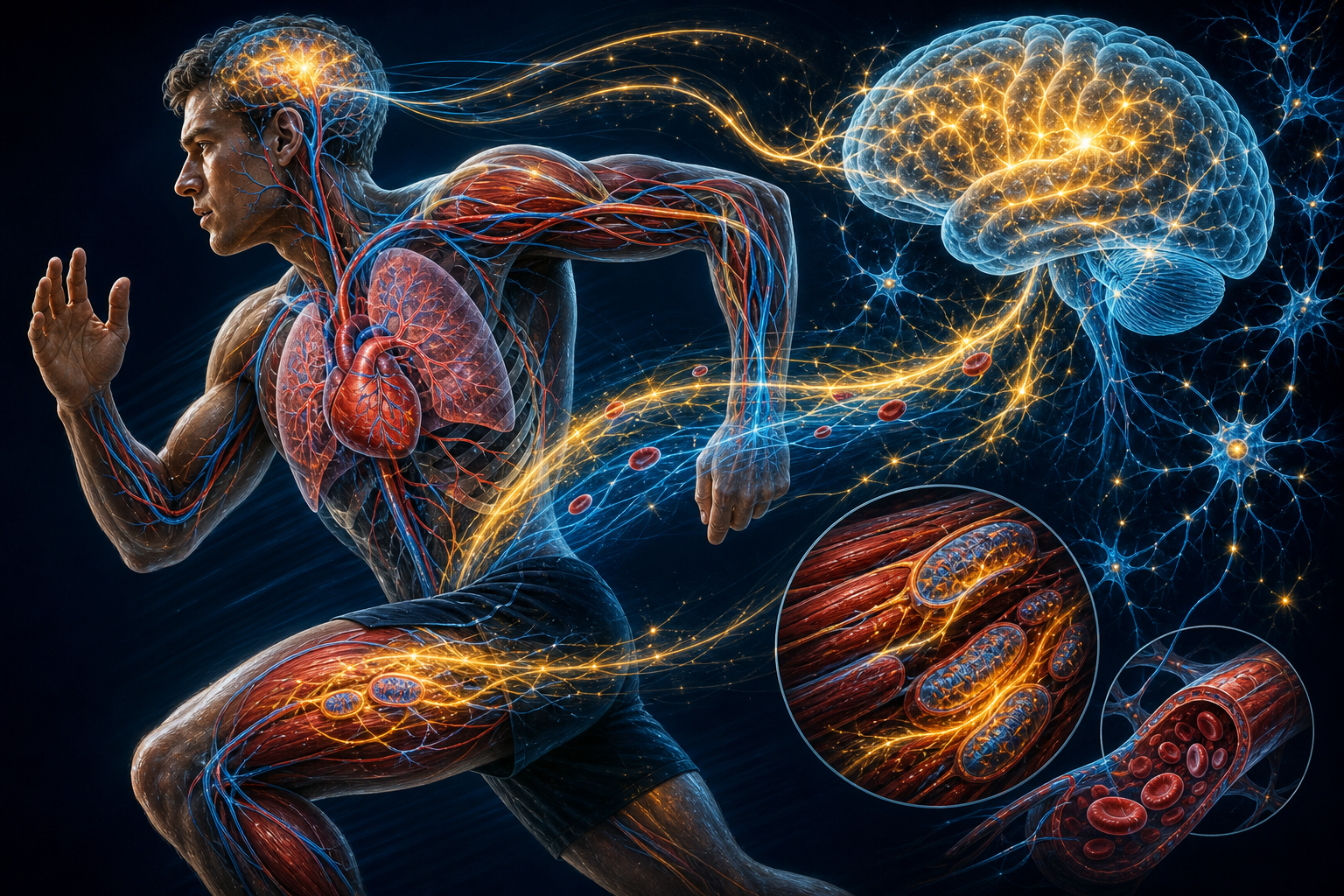
Exercise is a whole-body signal that the organism must become more capable. Contracting muscle consumes fuel, releases signaling molecules, changes lactate and catecholamines, increases cardiovascular demand, and forces adaptation in vessels, mitochondria, insulin sensitivity, and the nervous system. No single mechanism explains why movement supports cognition; the advantage is that it improves several bottlenecks at once.
13.1 Aerobic Exercise
Aerobic work repeatedly challenges the systems that deliver and use oxygen. Over time it can increase cardiorespiratory fitness, vascular function, mitochondrial capacity, and metabolic control. Acute exercise temporarily changes cerebral blood flow and arousal; training may support hippocampal function and cognition, particularly in sedentary or older populations. Exercise can also raise circulating BDNF, although a blood measurement is an imperfect proxy for what occurs at a particular human synapse.
13.2 Resistance Training
Resistance training preserves muscle, strength, bone loading, and the ability to produce force. Muscle is also a major site of glucose disposal, so adding and using it improves metabolic resilience. Exercise-induced myokines, lactate, IGF-1 signaling, inflammation control, and improved sleep may connect resistance work to the brain. The cognitive case does not require pretending a squat directly raises intelligence; maintaining a metabolically capable body protects the conditions intelligence depends on.
13.3 High-Intensity Interval Training
HIIT alternates hard work with recovery. REHIT uses very brief, near-maximal sprints with long recovery and can improve fitness with little total training time. High intensity creates exceptional metabolic demand and can strongly affect catecholamines, lactate, insulin sensitivity, and acute BDNF, but the response varies by protocol. Its value is leverage: for an appropriate, prepared person, a small time investment can create a large fitness stimulus. High intensity cardiovascular exercise is a powerful way to improve cellular metabolism in every cell.
Picture a maximal sprint as an emergency demand placed on every link in the energy chain. Muscle consumes ATP faster than comfortable metabolism can replace it; glycolysis accelerates, lactate rises, the heart moves more blood, vessels distribute it, and mitochondria are shown exactly where capacity is insufficient. Recovery converts that temporary crisis into adaptation: metabolic enzymes are regulated, mitochondria and capillaries can increase, and glucose handling improves. This is hormesis—a limited, recoverable stress provoking an adaptation that leaves the organism stronger and better prepared. An overwhelming or endlessly repeated stressor produces damage instead.
13.4 Coordination and Skill Training
Not all exercise is merely metabolic. Martial arts, dance, ball sports, gymnastics, and unfamiliar movement force the brain to predict, detect errors, update timing, and coordinate perception with action. The cerebellum calibrates movement; cortical and basal-ganglia circuits build increasingly efficient programs. A stationary bike can train energy systems, while learning a difficult footwork sequence trains energy systems and a model of the body in space. These forms of exercise train specific parts of the brain more specifically.
13.5 Exercise Dose
Training dose is intensity × duration × frequency, modified by recovery and current fitness. Maximum intensity is not automatically the best dose. Low- and moderate-intensity work permits more volume and lower fatigue; vigorous intervals create a large stimulus quickly; resistance training supplies adaptations endurance work cannot. A practical program uses all three. Progress gradually, keep hard sessions hard enough to matter, keep easy sessions easy enough to recover from, and judge the plan by adaptation rather than exhaustion.
13.6 Overtraining
Training is the stimulus; recovery is when adaptation is constructed. Persistently exceeding recovery capacity can produce declining performance, unusual fatigue, irritability, elevated or suppressed resting heart rate, poor sleep, soreness, and reduced motivation. These signs are not specific, so infection, underfeeding, iron deficiency, endocrine problems, and life stress must also be considered. More exercise becomes anti-nootropic when it removes the sleep, energy, and attentional capacity it was supposed to create.
Chapter 14 — Diet and Brain Function
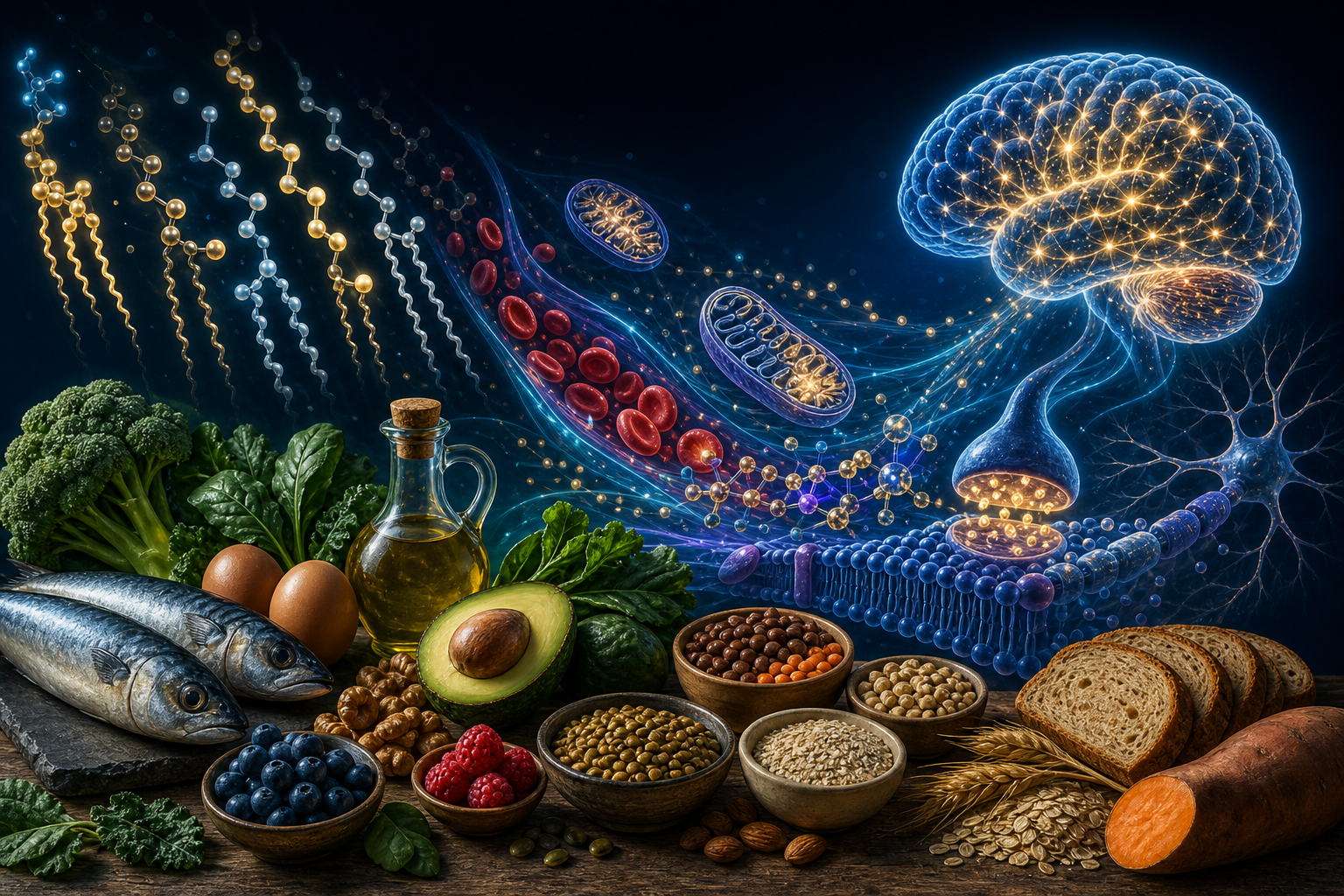
Food supplies energy, amino acids, fatty acids, vitamins, minerals, fiber, and thousands of signaling molecules. The correct diet is therefore not one magical ingredient; it is a system that reliably supplies required materials without repeatedly damaging metabolic control.
14.1 Energy Balance
Chronic underfeeding can reduce thyroid signaling, sex hormones, training recovery, mood, and concentration. Chronic overfeeding can promote excess fat gain, insulin resistance, sleep apnea, metabolic dysfunction, and inflammation. Short-term hunger does not instantly disable the brain, and fasting can be tolerated well by some people, but a persistent mismatch between caloric intake and energy demand eventually constrains performance. Energy availability matters more than ideological allegiance to eating more or less.
14.2 Macronutrients
Protein supplies amino acids for enzymes, receptors, transporters, muscle, and neurotransmitter synthesis. Dietary fat supplies essential fatty acids, supports membranes, and helps absorb vitamins A, D, E, and K. Carbohydrates range from fiber-rich intact foods and starches to rapidly absorbed sugars; their effects depend on processing, dose, meal composition, activity, and insulin sensitivity. “Carbohydrate” is not one food, just as “fat” is not one molecule.
Macronutrients are both building materials and control signals. Protein is the crate of replacement parts and generally produces strong satiety. Carbohydrate is the most rapidly adjustable fuel supply, ranging from slowly released glucose inside intact, fibrous food to a large rapidly absorbed dose in refined sugar. Fat is compact stored energy, membrane material, and the carrier needed to absorb fat-soluble vitamins. A meal does not merely add calories; it tells the body whether materials are abundant, whether energy should be stored or released, and whether the next several hours will be stable or spent correcting a metabolic surge.
14.3 Amino Acids
The brain uses amino acids to build transmitters: tyrosine contributes to catecholamines, tryptophan to serotonin, choline-related substrates to acetylcholine, and glutamine/glutamate participate in excitatory and inhibitory metabolism. Glycine helps with collagen production and thermoregulation. Precursors compete for transport across the blood-brain barrier, so eating more of one does not linearly force more transmitter production. Adequate total protein and digestibility usually matter before isolated amino-acid manipulation.
Imagine neurotransmitter synthesis as an assembly line. Tyrosine can proceed through L-DOPA into dopamine, norepinephrine, and epinephrine; tryptophan enters another line leading toward serotonin and melatonin. Raw material matters, but so do enzymes, vitamin and mineral cofactors, feedback brakes, and transport gates. Dumping more tyrosine at the factory door does not guarantee more dopamine at the exact synapse where motivation is needed. Your body may say "we have enough right now given current demands" so it stores it for later or sends it to assist in thyroid hormone production. When protein is inadequate, however, the factory must maintain muscle, enzymes, immune proteins, and neural chemistry while replacement parts are scarce.
14.4 Dietary Fats
DHA and EPA omega-3 fatty acids participate in neuronal membranes and inflammatory regulation. Low intake can be corrected through seafood or appropriately tested supplements; product quality, oxidation, dose, medications, and bleeding risk still matter.
Saturated, monounsaturated, and polyunsaturated fats differ chemically, but health effects depend on what replaces what. Seed oils are not automatically toxic merely because they contain omega-6 fats, and omega-6 fats do not inherently oxidize faster than the more highly unsaturated long-chain omega-3 fats. Oxidation depends on the particular fatty acid, heat, light, oxygen, storage, antioxidants, and repeated reuse. The stronger practical objection is to diets dominated by repeatedly heated oils and energy-dense ultra-processed foods, where degraded cooking fats, low satiety, and displacement of nutrient-dense food may occur together.
Saturated fats have no carbon–carbon double bonds, pack tightly, and resist oxidation relatively well; excessive intake from some sources raises LDL cholesterol in many people and can increase long-term vascular risk. Monounsaturated fats, abundant in olive oil and avocado, have one double bond and support flexible membranes while remaining comparatively stable. Polyunsaturated fats have several double bonds. Omega-3 and omega-6 fats are essential, but those additional double bonds also make them easier to oxidize during bad storage or repeated high heat. The brain needs membranes that are neither concrete nor tissue paper: structured enough to hold channels and receptors, fluid enough for them to move and signal, and protected from uncontrolled oxidation.
14.5 Glucose Regulation
The brain requires a continuous energy supply, but stable delivery is not achieved by constantly eating sugar. Mixed meals containing protein, fiber, and minimally processed foods generally slow absorption. Large meals can produce post-meal fatigue through several mechanisms; a glucose spike alone should not be assumed without measurement. Persistent hyperglycemia and insulin resistance damage vessels and metabolism and make you fatigued, while true hypoglycemia can acutely impair cognition and become dangerous.
Insulin resistance does not mean most neurons instantly lose glucose: the brain primarily uses insulin-independent GLUT1 and GLUT3 transporters. The failure is slower and more systemic. Poor glucose regulation repeatedly exposes vessels to high glucose, disrupts endothelial function and brain insulin signaling, promotes inflammation, and often travels with sleep apnea and cardiovascular disease. Picture fuel still entering through the gate while the roads, traffic signals, storage system, and quality-control department deteriorate. The neuron receives glucose today, but the infrastructure required to deliver and use energy reliably is losing reserve.
14.6 Ketogenic Metabolism
During carbohydrate restriction or fasting, the liver converts fat-derived material into ketone bodies, which the brain can use alongside glucose. Ketogenic diets have established therapeutic use in drug-resistant epilepsy and are being studied elsewhere. They may help selected people, but ketosis is not proof of cognitive enhancement. Restriction can create micronutrient, fiber, lipid, adherence, or athletic-performance problems if poorly designed.
14.7 Gut-Brain Axis
Gut microbes transform food into metabolites such as short-chain fatty acids; the gut also communicates through immune, endocrine, and vagal pathways. This does not mean a commercial microbiome score can prescribe a precise mood diet. The field is real but young, highly individualized, and filled with reverse causation. A diverse, tolerated diet rich in appropriate fibers and fermented foods is a stronger default than attempting to micromanage individual species from one stool sample.
14.8 Dietary Patterns
Mediterranean-style and minimally processed dietary patterns have the strongest general evidence because they combine vegetables, fruit, legumes, nuts, seafood, adequate protein, unsaturated fats, and limited ultra-processed food. Elimination diets can identify genuine intolerances but should remove one suspected cause at a time and reintroduce foods systematically; permanent broad restriction without evidence creates its own deficiencies.
Consume a diverse range of whole foods, not contaminated by toxic industrial products, when the sun is up.
A purchasing guide should distinguish category from quality. Buy oils in dark, well-sealed containers from transparent producers; avoid rancid odors and repeated high-temperature reuse. Wash produce, vary sources, and use targeted pesticide guidance without becoming afraid of plants. Plants contain defensive compounds and antinutrients, but cooking, soaking, fermentation, dose, and individual tolerance change exposure; the same plants also supply fiber, polyphenols, vitamins, minerals, and hormetic signals. Yuka or another app can flag additives, but an algorithm is not toxicology. The durable rule is simpler: build most meals from recognizable foods, use cooking methods that do not burn them, meet nutrient needs, and treat “avoid lists” as hypotheses requiring a dose and a reason.
Chapter 15 — Essential Nutrients, Vitamins, Minerals, and Electrolytes
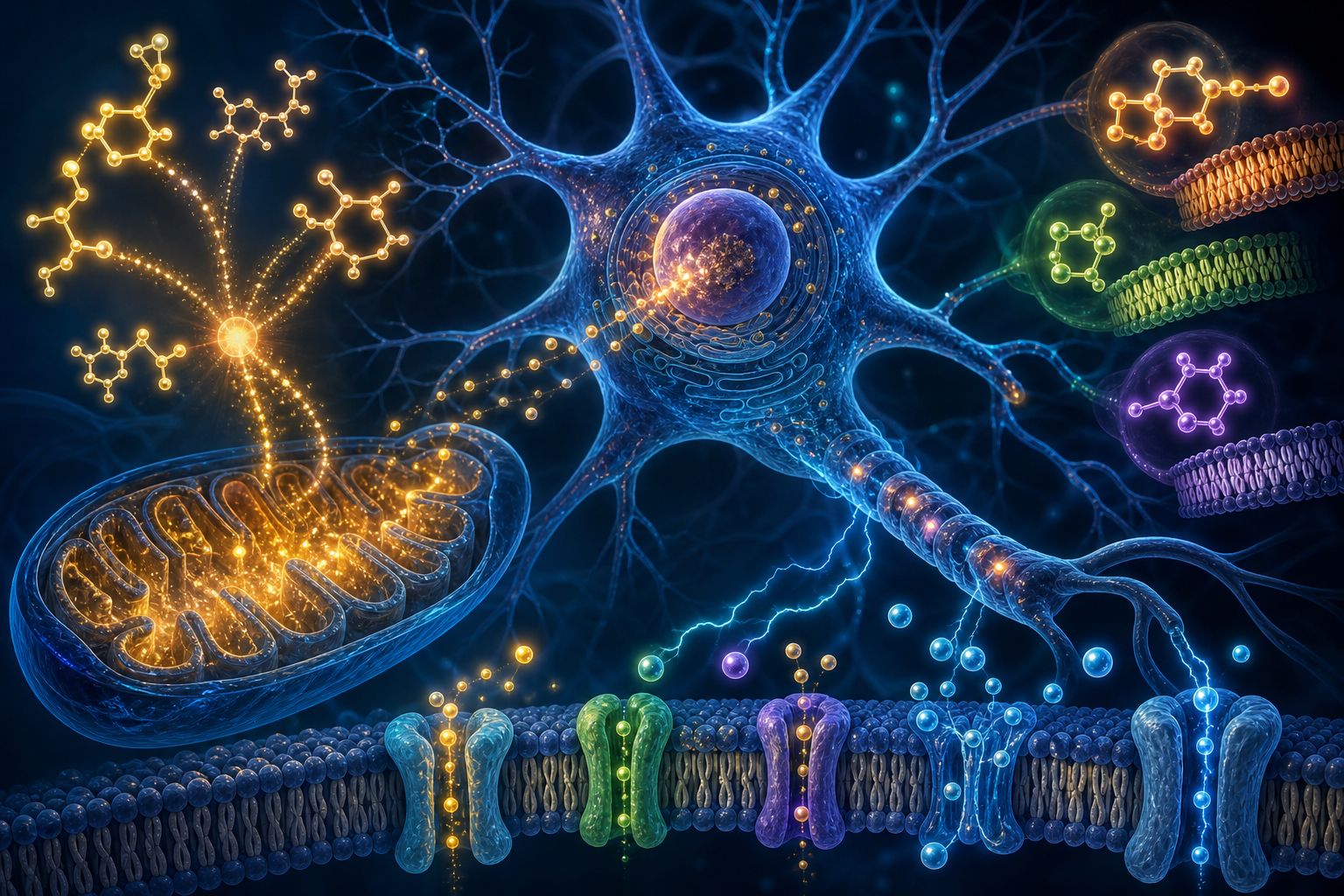
Micronutrients are cofactors: small materials without which larger biochemical machines cannot run. Magnesium participates in hundreds of enzymatic reactions; iron carries oxygen; iodine permits thyroid-hormone synthesis; B vitamins transfer chemical groups and electrons. Exotic compounds cannot compensate for a missing required part.
Vitamins A, D, E, and K are fat-soluble tools with different jobs. Vitamin A regulates gene expression and supplies retinal chemistry that converts light into neural signals. Vitamin D acts like a hormonal instruction regulating calcium, immunity, muscle, and gene expression. Vitamin E sits in lipid-rich membranes and helps interrupt oxidative chain reactions before one damaged fat molecule destabilizes its neighbors. Vitamin K activates proteins needed for clotting and bone biology. None is simply “brain energy,” but each protects or regulates systems the brain depends on; deficiency removes a required tool, while excess can create toxicity.
15.1 Fat-Soluble Vitamins
Vitamin D acts partly like a hormone and influences calcium regulation, immunity, muscle, and many tissues. Vitamins A, E, and K support vision and gene regulation, antioxidant protection, and clotting/bone biology respectively. Because these vitamins can accumulate, “more” can become toxic. Vitamin K also interacts with warfarin. Test and correct credible deficits rather than treating fat-soluble vitamins like harmless cognitive stimulants.
15.2 B Vitamins
B vitamins support energy metabolism, methyl-group transfer, DNA synthesis, and neurotransmitter-related chemistry. Folate or B12 deficiency can produce anemia and neurological symptoms; B12 deficiency may occur with vegan diets, malabsorption, metformin, or acid-suppressing drugs. High-dose B6 can itself injure sensory nerves. Correcting deficiency can be transformative; exceeding adequacy does not continuously increase energy.
The phrase “supports energy” becomes concrete inside mitochondria. B1 helps process pyruvate after glycolysis; B2 becomes FAD and FMN; B3 becomes NAD, a principal electron carrier feeding energy reactions; B5 helps form coenzyme A; B6 supports amino-acid and transmitter chemistry; biotin carries carbon groups; and folate with B12 supports one-carbon metabolism and blood-cell production. These vitamins are not fuel. They are handles, carriers, and tools that let enzymes extract energy from fuel. Food can be present while a missing coenzyme slows the machinery.
15.3 Magnesium
Magnesium stabilizes ATP, influences ion channels and NMDA-receptor function, and supports muscle and nerve activity. Deficiency can produce weakness, cramps, or abnormal rhythms, but ordinary tension does not prove deficiency. Supplemental forms differ in elemental magnesium and gastrointestinal effect. Kidney impairment makes accumulation more dangerous.
15.4 Zinc
Zinc supports enzymes, immunity, gene regulation, and synaptic biology. Deficiency can impair taste, healing, synaptic function, and immunity. Chronic high-dose zinc can induce copper deficiency and neurological problems. A mineral intended to correct one bottleneck can therefore create another.
15.5 Iron
Iron permits hemoglobin to carry oxygen and supports mitochondrial and dopamine-related enzymes. Deficiency can cause fatigue, restless legs, and impaired attention even before severe anemia develops. Excess iron promotes oxidative damage and may signal genetic or medical disease. Ferritin must be interpreted with blood counts, transferrin saturation, inflammation, symptoms, and context rather than used alone.
15.6 Iodine and Selenium
Iodine is required to make thyroid hormones, which guide brain development and regulate metabolic pace (and thus energy production). Selenium supports enzymes that activate and deactivate those hormones and control oxidative chemistry. Both deficiency and excess can disrupt thyroid function. This is a particularly bad system for blind megadosing because the desired range is bounded on both sides.
15.7 Fulvic and Humic Substances: Claims and Limitations
Fulvic and humic substances are not essential nutrients, but their charged molecular structures can bind ions and alter mineral solubility. A properly characterized fulvic preparation may therefore behave like a fleet of microscopic mineral taxis: holding certain minerals in a mobile form and improving their opportunity to be absorbed by the body for use in energy production, collagen production, and a whole load of other things.
Potential benefits:
- Greater mineral solubility and bioavailability
- Support for intestinal and microbial function
- Redox and antioxidant-system support
- Healthier inflammatory regulation
- Indirect support for mitochondria, thyroid function, oxygen transport, and neuronal signaling, among others.
These benefits remain preliminary and product-dependent rather than established nootropic effects. The same material can arrive carrying lead, arsenic, cadmium, or mercury, so use only products with batch-specific identity, microbial testing, and independent heavy-metal results.
15.8 Omega-3 Fatty Acids
The essential omega-3 nutrient alpha-linolenic acid (ALA) occurs in foods such as flax, chia, and walnuts, but conversion into the long-chain forms EPA and DHA is limited. DHA becomes structural material in neuronal and retinal membranes, helping create the fluid physical environment in which receptors, transporters, and ion channels move and signal. EPA is less abundant in brain structure but contributes to lipid signaling and inflammatory regulation. The vivid picture is not “fish oil creates intelligence.” It is that the brain is an electrical organ built largely from fat, and omega-3 availability helps determine the quality of some of that construction material. Seafood is the most direct dietary source; supplements require attention to oxidation, purity, anticoagulant use, and whether intake was insufficient in the first place.
15.9 Electrolytes
Sodium, potassium, calcium, magnesium, chloride, and related ions create electrical gradients across cell membranes. Every action potential depends on them. Healthy kidneys regulate these concentrations tightly, so routine megadosing is unnecessary and can be dangerous. Replacement becomes important with prolonged sweating, vomiting, diarrhea, certain diets, heat exposure, or medication effects.
15.10 Hydration
Water supports blood volume, temperature control, digestion, and cellular chemistry. Roughly 2.5–3.5 liters of total daily water can be a useful orientation for many adults, but food contributes water and need changes with body size, heat, altitude, exercise, pregnancy, and illness. Thirst and pale-yellow urine are practical signals for most healthy people. Excessive water without electrolytes can dilute sodium and become medically dangerous.
15.11 Deficiency Testing
Testing should answer a question rather than produce a wall of numbers without context. Useful examples include a complete blood count, ferritin with iron studies, B12 with confirmatory markers when needed, folate, vitamin D in appropriate contexts, thyroid tests, metabolic panels, and magnesium interpreted with its limitations. Choose tests with a clinician according to symptoms, diet, medications, medical history, and the decision that a result would actually change. A broad commercial panel can reveal incidental abnormalities, but more data is not automatically more understanding.
Chapter 16 — Stress Regulation and Recovery
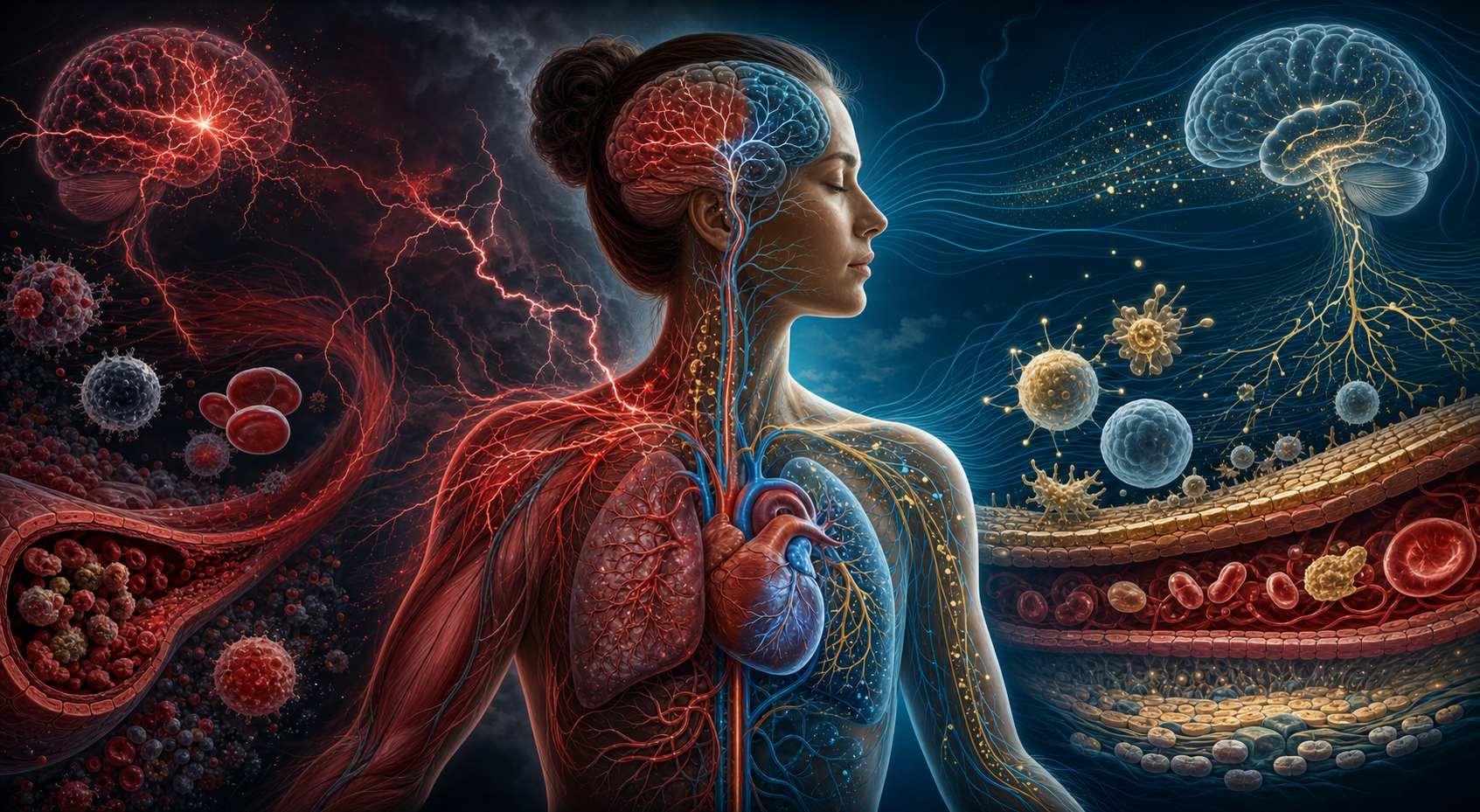
Stress is what happens when the brain predicts that demands may exceed resources or control. The response is designed to steal priority from everything that can wait. That is why chronic stress attacks cognition so effectively: it forces attention, working memory, and behavioral energy away from what you care about and toward monitoring a threat that the system considers more urgent.
16.1 The Stress Response
The sympathetic nervous system acts quickly, increasing heart rate, blood pressure, glucose availability, and vigilance. The HPA axis acts more slowly: the hypothalamus signals the pituitary, which signals the adrenal glands to release cortisol. Cortisol is not poison. It mobilizes resources and helps terminate inflammation. The problem is a response whose intensity, duration, or timing no longer matches the situation.
16.2 Acute Versus Chronic Stress
Acute stress can improve performance on simple, urgent tasks while impairing flexible reasoning when arousal becomes excessive. Chronic activation creates allostatic load: cumulative wear produced by repeatedly changing the body to maintain function. Sleep deteriorates, blood pressure and glucose regulation can shift, muscle remains guarded, and recovery stops returning the system fully to baseline.
16.3 Stress and Cognition
Working memory has limited capacity. If half of your cognitive energy is occupied in monitoring facial expressions, replaying an argument, predicting humiliation, or scanning bodily sensations, less remains for mathematics, writing, or self-control. Stress also biases attention toward threat, strengthens some emotional memories, weakens retrieval of unrelated information, and encourages habitual rather than flexible action. This is the bread and butter of the chapter: stress does not merely make you “feel bad.” It reallocates computation away from chosen goals.
16.4 Relaxation Physiology
Slow breathing, longer exhalation, safety cues, and supported social contact can reduce arousal through autonomic pathways. “Vagal tone” is a useful physiological concept but an overused marketing label; no single hack manually controls the vagus nerve. Most importantly, regulation cannot replace problem-solving. Remove the stressor when possible, detach from unnecessary exposure, change the environment, build the skill or resource the demand requires, or reinterpret what the event means. Calming down while leaving a preventable threat permanently active is incomplete recovery.
16.5 Recovery Practices
Meditation trains attention and changes the relationship to thoughts; breathing can alter arousal quickly; yoga combines movement, attention, and breathing; massage may reduce pain and guarding; nature and social connection provide safety, movement, and attentional restoration. None is mandatory. The best practice is the one that reliably changes state without creating another obligation. Recovery also includes ordinary sleep, food, time without performance demands, and honest resolution of conflicts.
Chapter 17 — Removing Biological and Environmental Bottlenecks
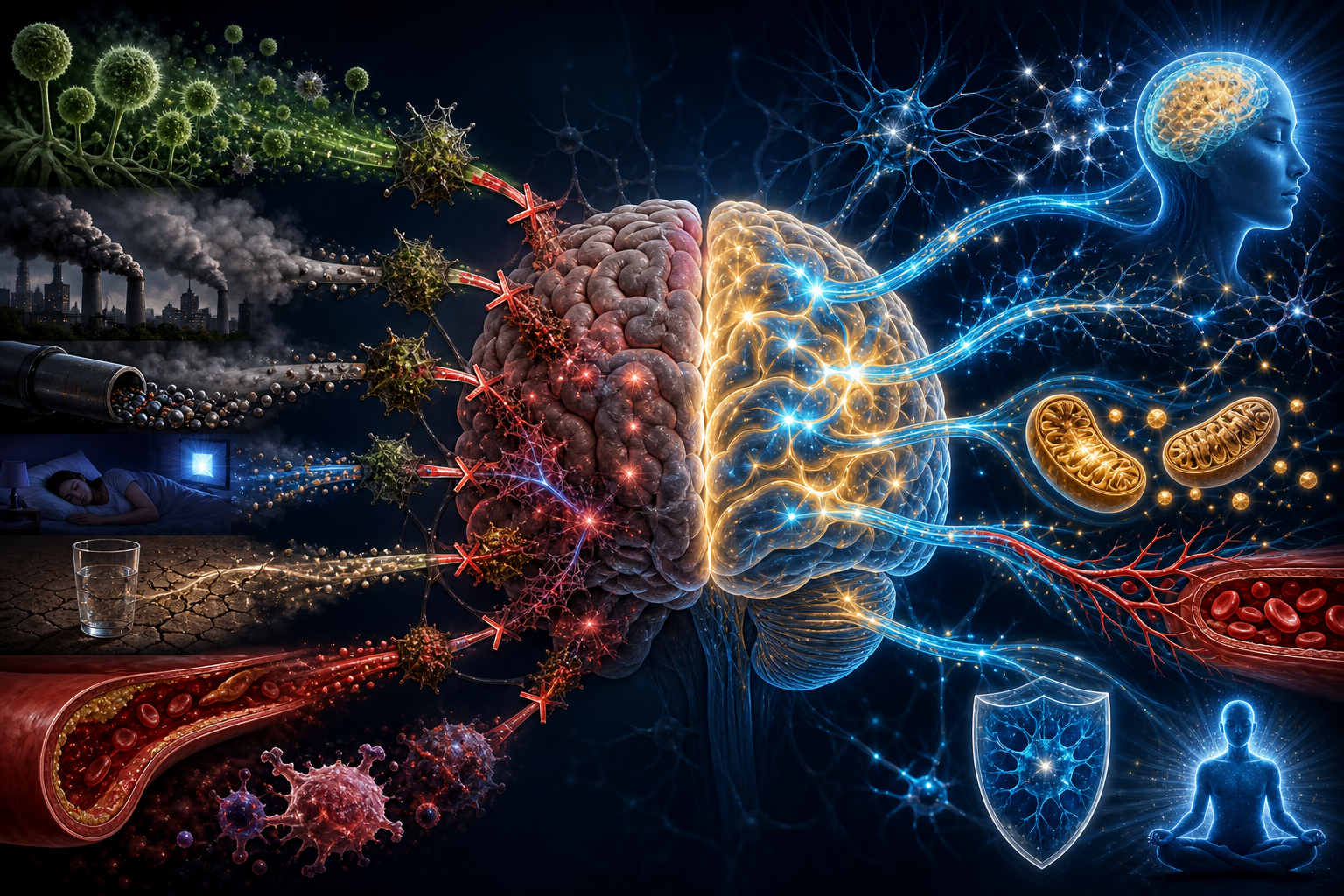
These bottlenecks can be catastrophic because cognition is an expensive biological achievement. If blood cannot reach the brain, oxygen cannot be carried, glucose cannot be regulated, mitochondria cannot use fuel, or sleep is repeatedly interrupted, intelligence has not vanished—but access to it collapses. The resulting decline in attention, memory, processing speed, emotional regulation, and inhibition can be larger than the gain promised by most nootropics.
This provides a serious biological basis for the hypothesis that expressed fluid intelligence is in large part a function of metabolic performance. Fluid intelligence is the ability to reason through a novel problem rather than retrieve a memorized answer. That operation requires sustained firing, working-memory stability, rapid communication between distant networks, error correction, and the energetic freedom to keep several possibilities active before selecting one. VO₂max estimates the maximum rate at which the body can take in, transport, and use oxygen during intense cardiovascular work; grip strength is an inexpensive marker integrating muscle quantity, neuromuscular function, nutrition, activity, and general physiological reserve. Scientific studies consistently find that higher cardiorespiratory fitness and grip strength are repeatedly associated with better attention, memory, executive function, and fluid-intelligence measures.
The association is revealing but not a clean equation. VO₂max is not IQ, squeezing a dynamometer does not directly train abstract reasoning, and muscle is not storing answers to matrices. Age, genetics, education, illness, socioeconomic conditions, sleep, and physical activity can influence both sides. The stronger interpretation is that these measurements act like gauges on the organism supporting the brain. A high-capacity cardiovascular system can deliver oxygen and remove heat and metabolites; healthy muscle improves glucose disposal and releases exercise signals; strong vascular and mitochondrial systems provide reserve when reasoning becomes demanding. These capabilities pull on the same metabolic operating system, thus why these things are non-trivially correlated. Metabolism does not contain the entire explanation of intelligence, but it sets the energetic ceiling beneath which intelligence must express itself.
17.1 Sleep Disorders
Insomnia prevents sleep despite adequate opportunity; circadian disorders place sleep at the wrong biological time; sleep apnea repeatedly obstructs breathing. They can converge on the same daytime output through different mechanisms. A meta-analysis involving more than four million participants found sleep-disordered breathing associated with a 26% higher prospective risk of cognitive impairment, although effect sizes and affected domains varied. Treat the disorder, not only the sleepiness.
17.2 Metabolic Disease
Insulin resistance and diabetes expose vessels and tissues to abnormal glucose regulation; obesity can amplify inflammation and sleep-apnea risk; undernutrition removes energy and required substrates. They are system states that change perfusion, mitochondria, hormones, and fatigue. Correcting the metabolic bottleneck can improve cognition even without a substance marketed as cognitive enhancement.
Metabolic dysfunction is a supply-chain failure. The brain may have oxygen in the lungs, glucose in the blood, and fat stored on the body, yet still be unable to convert those resources into stable ATP at the place and time computation demands it. With less energetic reserve, neurons have less margin for maintaining ion gradients, recycling neurotransmitters, firing repeatedly, and remodeling synapses. The failure can feel like brain fog, slow processing, low drive, weak memory formation, or the sense that difficult thought has become physically expensive.
17.3 Cardiovascular Dysfunction
The brain receives a disproportionate share of cardiac output because neurons have little tolerance for interrupted delivery. Hypertension slowly damages small vessels; severe low blood pressure can reduce perfusion; endothelial dysfunction impairs the ability to increase flow where neurons become active. Stroke makes the principle visible in minutes, but chronic vascular damage can reduce reserve gradually. Blood pressure, lipids, smoking, fitness, sleep apnea, and glucose control are therefore brain variables.
17.4 Hormonal Dysfunction
Too little thyroid hormone can produce slowed thinking, fatigue, depression, and cold intolerance; too much can produce agitation, insomnia, and poor concentration. Cortisol disorders, diabetes, menopause-related changes, hypogonadism, and other endocrine conditions can alter cognition indirectly through sleep, metabolism, mood, and circulation. Hormone treatment should follow a demonstrated disorder and clinical supervision, because pushing a normal system outside range creates new dysfunction.
17.5 Chronic Pain
Pain repeatedly wins the competition for attention because ignoring tissue danger could be costly. Chronic pain therefore consumes working memory, disrupts sleep, increases threat monitoring, and can slow performance. A systematic review found the relationship with cognition varied across conditions and was influenced by pain severity, mood, medications, and cognitive load. Treatment requires identifying pain generators and nervous-system sensitization, not dismissing the cognitive effect as imaginary.
17.6 Environmental Exposures
Lead, mercury, carbon monoxide, solvents, pesticides, and air pollution can damage cognition through different dose-dependent mechanisms. Fine particulates are associated with vascular, inflammatory, and neurological harm. Mold is more complicated: damp buildings can worsen respiratory disease, metabolism, and allergy, while broad claims that any detected mold explains every neurological symptom often exceed evidence. Exposure claims require identification, dose, route, timing, and objective environmental or medical assessment.
Inflammation can be pictured as cells yelling for help. Threatened cells release cytokines and other alarm signals; immune cells respond, circulation and metabolism change, and the brain can produce sickness behavior—fatigue, withdrawal, altered sleep, and reduced motivation. Literally, a cell is not deciding to steal intelligence. The organism is reallocating behavior and resources toward defense, containment, and repair. That is useful during infection. When the alarm persists, the same survival program occupies energy, attention, and signaling bandwidth the person wants available for learning and self-control.
Oxidative stress is the molecular version of damage spreading faster than maintenance can contain it. Reactive molecules can damage membrane fats, proteins, DNA, and mitochondria; damaged mitochondria may then handle electrons less cleanly and generate further reactive products. Think of reactive oxygen and nitrogen species as sparks landing throughout a machine: a controlled spark can signal adaptation, but too many begin damaging wires, walls, and power stations faster than the repair crews can respond. Antioxidant systems normally control this chemistry, and some oxidation is a useful hormetic exercise signal. The problem is not every spark. It is sparks appearing faster than they can be quenched and repaired.
For mold, separate three pictures. Airborne spores and fragments can irritate airways or trigger allergy, worsening breathing and sleep while activating immune alarms. Damp buildings may also contain bacteria, dust-mite material, and volatile compounds, so “mold exposure” can represent a mixture. Certain molds produce mycotoxins, a concern best established in contaminated food; ordinary indoor exposure does not automatically establish systemic mycotoxin poisoning or impaired neuronal metabolism. The operational response remains serious: locate moisture, stop the leak, remediate growth, restore clean air, and medically evaluate persistent symptoms instead of constructing an unsupported toxin narrative from nonspecific brain fog.
17.7 Medication Effects
Sedatives, some antihistamines, anticholinergic drugs, opioids, and combinations of medications can impair alertness, memory, balance, or breathing. Anticholinergic burden means the combined acetylcholine-blocking effect of several drugs, which becomes especially important in older adults. Polypharmacy increases interaction risk even when each prescription is reasonable alone. Review medication timing and necessity with the prescriber; abruptly discontinuing certain drugs can be more dangerous than the side effect.
17.8 Psychiatric and Neurological Conditions
ADHD, depression, anxiety, traumatic brain injury, epilepsy, neurodegeneration, infection, and other disorders can directly alter cognitive performance. The same symptom does not imply the same disease: distractibility can arise from ADHD, sleep apnea, anxiety, pain, mania, undertrained or weakened attention skill, medication, or sleep loss. Sudden confusion, new weakness, severe headache, seizure, loss of consciousness, or rapidly worsening cognition requires urgent medical evaluation. Optimization begins only after emergencies and treatable pathology are not being mistaken for a supplement problem.
The order of operations is now clear: establish sleep, movement, nutrition, hydration, and recovery; investigate credible symptoms and measurable deficits; remove dangerous exposures and medication conflicts; treat disease; then ask what performance remains available to improve. This order is less exciting than shopping from a compound list. It is also how the largest recoverable gains are usually found.
CONTINUED IN VOLUME 3: MAJOR NOOTROPIC CLASSES & THE NOOTROPIC INVENTORY
@Volpa
#Volpamogs
@Volpa
#Volpamogs
Last edited:

 so much info to add. Over 100 compounds, most of them you never heard of, or heard of their use in that context, so bare with me.