






resting
its never going to be enough
- Joined
- Mar 24, 2026
- Posts
- 2,118
- Reputation
- 3,593
•─────────────────•
✦ Welcome to the Lower Third Bible [BOTB] ✦
•─────────────────•
welcome to the lower third bible by resting
My LAST Attempt at BOTB (despite numerous attempts)
 Seriously, how was my last post not BOTB worthy
 ?(if you havent read it, check it out its pretty dope) https://looksmax.org/threads/the-ultimate-eye-area-guide-botb.2305468/
Let's beat the reps that I got on the last post lets see if we can get more. anyways lets get into it
•──────────────•
gonial angle
•──────────────•
the angle formed at the corner of the mandible, where the body meets the ramus.

this is one of the most skeletal traits in this entire guide. it's set by bone growth and doesn't move without surgery. masseter size, covered in section 2, can visually soften or sharpen the appearance of this angle without changing the actual bone angle underneath, which is exactly why two guys with the same gonial angle can look different depending on masseter development.
•──────────────•
mandibular plane angle
•──────────────•
the angle between the mandibular body and a horizontal reference line (usually the Frankfort horizontal plane, the same reference you already know from the eye guide).

this is a genuinely important trait because it affects nearly everything else in this list. a steep mandibular plane tends to correlate with a weaker looking chin and a less defined gonial angle, even when the actual bone at each individual point isn't necessarily bad in isolation. it's proportion and orientation doing the damage, not any single measurement.
this is skeletal, set by vertical growth pattern, and it's another hard limit for anything short of orthognathic surgery.
•──────────────•
ramus height and body length ratio
•──────────────•
a taller ramus relative to body length generally supports a more compact, favorable lower third, since it's part of what determines a lower mandibular plane angle in the first place. a short ramus relative to body length tends to push the jaw into that steeper, longer-face pattern.

this isn't something most guys check on their own, but it's worth understanding as the actual mechanical reason behind mandibular plane angle rather than treating that angle as some floating unexplained number.
•──────────────•
chin projection vs retrusion
•──────────────•
how far forward the pogonion, the bony chin point from section 2, sits relative to the rest of the face, most commonly assessed against a vertical reference line dropped from the lower lip or nose in profile.
worth flagging directly since it connects back to your eye guide: this is genuinely the same logic as orbital vector. it's a skeletal projection question, bone position relative to a reference point, and it's one of the most consequential traits in this entire guide because a retrusive chin affects how the whole lower third and neck read, not just the chin itself.

chin projection is also frequently confused with chin height and width, which are separate measurements entirely. a chin can be well projected but still look off if it's too tall, too short, or too narrow relative to the rest of the jaw. we'll get into that distinction properly in section 5.
•──────────────•
cervicomental angle
•──────────────•
the angle formed between the underside of the chin and the front of the neck, viewed in profile.

this angle is genuinely multifactorial in a way that mirrors the UEE breakdown from the eye guide. it's affected by submental fat volume, platysma tone and position, chin projection itself, since a retrusive chin mechanically worsens this angle even with zero excess fat, and hyoid bone position, which most guides never even mention.
•──────────────•
hyoid bone position
•──────────────•
worth its own callout since it's the one variable in this entire section almost nobody on this site knows about. the hyoid is a small, free-floating bone in the neck that doesn't articulate directly with any other bone, and its position, specifically how high and how far back it sits, has a real effect on cervicomental angle and overall neck definition. a low or forward-positioned hyoid tends to work against a sharp cervicomental angle regardless of how lean you are or how good your chin projection is.

this is almost entirely anatomical and outside your control, and it's exactly the kind of trait that explains why some genuinely lean guys with decent chins still don't get a fully sharp neck angle.
•──────────────•
bigonial width vs bizygomatic width
•──────────────•
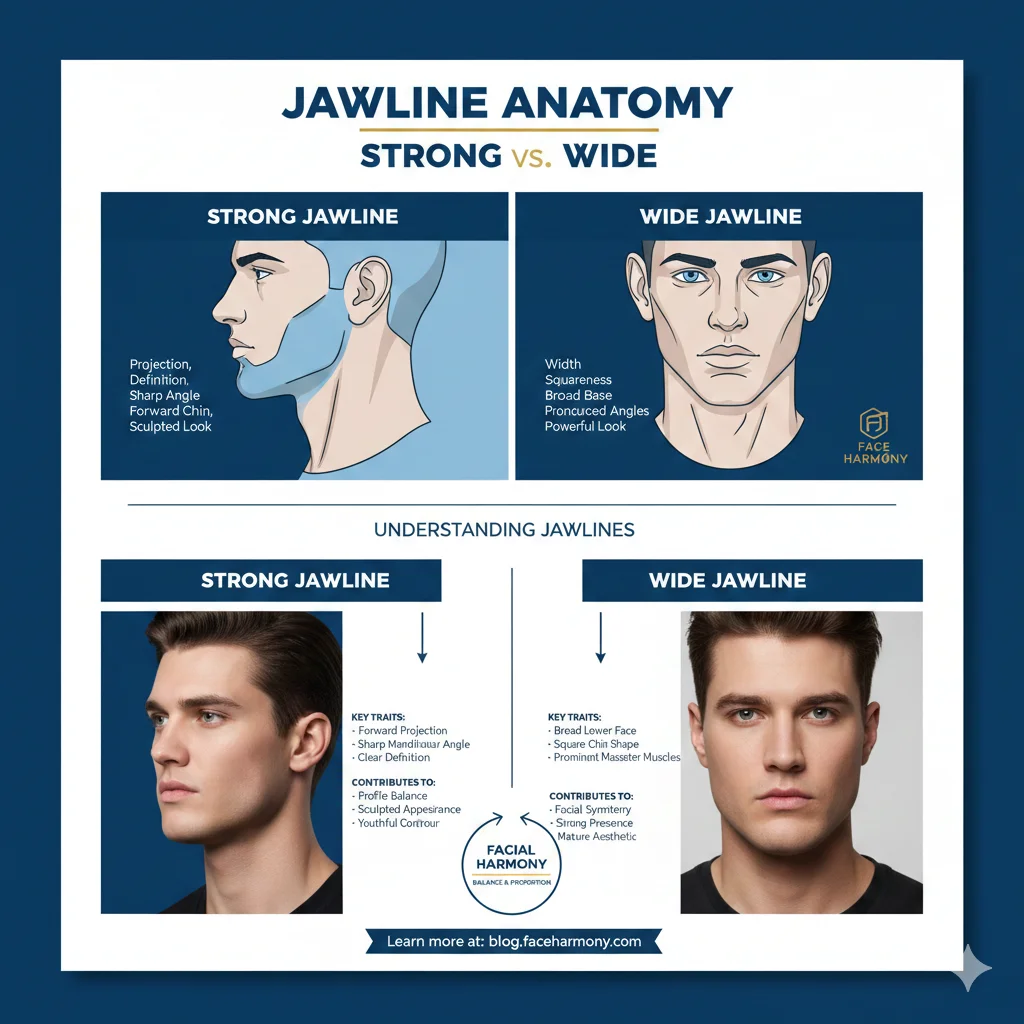
bigonial width is the distance between the two gonial angles, essentially your jaw width at its widest point. bizygomatic width is the distance between your cheekbones. the ratio between these two numbers is what actually determines whether a face reads as a tapered "V-shape" or a more uniformly wide, block-like shape.

a jaw can be wide in absolute terms and still look proportionate if the cheekbones are proportionally wide too. the same jaw width on a narrower midface reads as disproportionately heavy. this is why "how wide is your jaw" is often the wrong question in isolation, same pattern as tilt needing vector context in the eye guide.
•──────────────•
lower third facial height as a proportion
•──────────────•
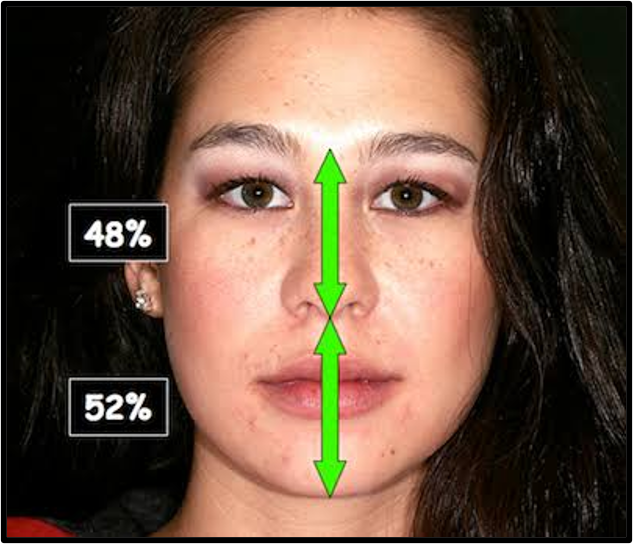
classically, the face gets divided into thirds, upper (hairline to brow), middle (brow to subnasale), and lower (subnasale to chin). the lower third being meaningfully longer or shorter than the other two, rather than roughly balanced, is what reads as a disproportionate lower face regardless of how well individual features within it are shaped.

this proportion is set by a combination of maxillary height, mandibular plane angle, and chin height all stacking together, which is exactly why fixing one piece of this list in isolation sometimes doesn't change the overall read as much as expected. the proportion across the whole lower third matters as much as any single trait within it.
•──────────────•
strong jaw — the full trait cluster
•──────────────•
sharper, more acute gonial angle — clean, defined corner where body meets ramus

the visual effect of all of this together is a jaw that reads as structurally load-bearing, like it's actually holding the face up rather than just trailing off underneath it. this is why "strong jaw" correlates so heavily with perceived masculinity and dominance in basically every study on facial perception that's ever looked at this, it's not just a forum opinion, there's real signal behind why this cluster reads the way it does.
•──────────────•
weak jaw — the full trait cluster
•──────────────•
obtuse, more open gonial angle — soft, sloped transition rather than a defined corner

the visual effect here is a face that reads as front heavy, like the structure just stops supporting itself past the midface. this is the cluster most associated with what gets called a "weak" or "recessed" profile on this site.
•──────────────•
why "just get a bigger chin" is bad advice, (same as tilt in the eye guide)
•──────────────•
you can have genuinely good chin projection and still read as weak jaw overall if your mandibular plane is steep and your gonial angle is obtuse, because the chin is one point on a much longer structural line, not the whole line. I see this constantly, guy gets chin filler, chin now projects fine on its own, but the jaw still reads soft because the angle running from ear to chin never actually changed, only the single endpoint did.

same logic in reverse, a guy with a slightly retrusive chin can still read as reasonably strong jawed if his gonial angle is sharp, his mandibular plane is low, and his cervicomental angle is clean, because those traits are doing more of the visual work than the chin point alone.
chin projection gets fixated on because it's the easiest single trait to point at and the easiest to intervene on with filler or a implant, not because it's the most important trait in isolation. it's one of six stacking traits, same as tilt was one of five in the eye guide.
•──────────────•
most guys are not a clean cluster
•──────────────•
exactly the same conclusion as the eye guide reached, and for the same underlying reason. these traits aren't correlated with each other, gonial angle and chin projection are independent variables that happen to land on the same face, so there's no biological mechanism forcing them to sort into two clean opposing packages for most people.
a guy with a great gonial angle and a genuinely retrusive chin is extremely common. so is the reverse, decent chin projection sitting on top of a soft, undefined gonial angle. the "pure strong jaw" reference guys posted around this site are rare specifically because it requires several independent skeletal traits to land favorably at once, not because everyone else did something wrong.
•──────────────•
a note on the maxilla's role here specifically
•──────────────•
worth restating from section 2 because it matters more here than people expect. a mandible that's actually structurally fine can still read as weak if the maxilla above it is retrusive or short, since the whole lower third gets judged in relation to the midface sitting above it, not in isolation. guys chasing jaw surgery or chin filler sometimes have a maxillary issue driving the actual perception problem, which is exactly why section 5's assessment process needs to check the whole lower third relationship, not just the mandible on its own.
•──────────────•
threshold effects, same as vector in the eye guide
•──────────────•
these traits exist on a spectrum, not a hard switch. mild mandibular plane steepness with otherwise strong traits everywhere else can still look solid overall. severe steepness will actively drag down an otherwise decent cluster, because a steep mandibular plane compounds into worse-looking versions of nearly every other trait on this list, weaker looking chin by comparison, worse cervicomental angle, longer looking lower third. severity and stacking matter as much as the raw checklist of which individual traits are positive versus negative.
step 1: photo conditions, same non-negotiable standard as the eye guide

step 2: assess gonial angle
using your profile shot, look at the actual corner where your jaw body meets the ramus. is it a relatively sharp, defined turn, or a long, gradual slope. separate this from masseter bulk while you're looking, a developed masseter can make a soft angle look more defined than it structurally is. press along the angle while lightly clenching to feel where the muscle sits versus where the bone underneath actually turns.

step 3: assess mandibular plane angle
using the same level profile shot, look at the general slope of your jawline from ear to chin relative to the ground. is it running relatively horizontal, or sloping downward noticeably before it reaches the chin. this one's hard to get a precise degree reading on yourself without an actual cephalometric x-ray, so treat this as a rough visual read, not a clinical measurement.

step 4: assess chin projection
drop a mental vertical line down from your lower lip in your profile shot. does your chin sit at or in front of that line, or noticeably behind it. separate projection from chin height and width while you're at it, as covered in section 3, these are different measurements and a chin can be well-projected but still read as off if it's disproportionately short, tall, or narrow relative to the rest of your jaw.

step 5: assess cervicomental angle
look at the angle formed between the underside of your chin and the front of your neck in profile. is it a relatively clean, sharp turn, or a soft, gradual slope with no clear definition. remember this is downstream of multiple causes, submental fat, platysma tone, chin projection itself, and hyoid position, so don't jump to "I need to lose fat" without checking the other contributors first.

press gently under your chin and along your neck while assessing, if you feel meaningful fat volume, that's a contributing factor. if the area feels lean but the angle is still soft, look toward chin projection or hyoid position as the more likely driver.
step 6: assess bigonial to bizygomatic ratio and lower third proportion
using your straight-on shot, compare your jaw width at its widest point to your cheekbone width. does the jaw look proportionate, too narrow, or disproportionately wide relative to the midface above it. then check overall lower third length against the upper and middle thirds of your face, roughly equal thirds is the general reference point, though individual variation is normal and this is more diagnostic information than a strict target.
RAN OUT OF IMAGES (ONLY ALLOWED 25)
step 7: put it together into an honest cluster READ
same as the eye guide, go back to section 4 and lay out your results as separate data points, gonial angle, mandibular plane, chin projection, cervicomental angle, width ratio, lower third proportion. don't average into a vague overall impression, keep them separate, since section 6 addresses each of them individually.
most guys assessing honestly will land somewhere mixed rather than a clean strong or weak cluster, same conclusion as section 4 reached. the point of this exercise is walking away with a specific list of which traits are actually working against you, not a final verdict.
a note on honesty here
don't photograph yourself with your chin subtly tilted up to fake a sharper cervicomental angle and better chin projection, then conclude your lower third is fine. the whole point of section 6 is matching real interventions to real problems. if you lie to the assessment, you're just going to apply random techniques without knowing if any of them actually address what you're dealing with.
same consolidation purpose as the eye guide's version, pulling the "doesn't work" points from section 6 into one reference plus adding the community-specific myths that didn't fit anywhere else.
mewing gets the real breakdown here, since it was promised back in the intro. the claim is that sustained proper tongue posture against the palate can reshape the maxilla and mandible, improving jaw definition and even facial symmetry over time. the actual evidence for this in adults is essentially nonexistent. orthodontic literature does support that sustained, low grade pressure can influence bone in growing children, this is the actual mechanism behind palate expanders and similar orthodontic devices, but that window closes with skeletal maturity. once your growth plates have fused, tongue pressure from mewing is nowhere near the magnitude or duration required to move adult facial bone. any reported result is either postural (a temporarily tighter looking neck from sustained tongue and jaw engagement, gone as soon as you stop) or unrelated changes people are misattributing to the practice. treat any adult "mewing transformation" claims with real skepticism.
jaw exercises and jawline "toning" devices, similar story to facial exercises in the eye guide, no credible mechanism for changing bone structure, and the muscle engagement effect is temporary and limited mostly to masseter, covered properly as a real but narrow lever in 6.2. these devices market themselves as doing far more than the actual muscle response supports.
general skincare and topical products claiming to change jaw definition through the skin alone, skin quality genuinely helps at the margins, covered in 6.4, but no topical changes bone position, fat distribution, or muscle bulk, and marketing that implies otherwise is selling the same false promise as the eye area's trend ingredient claims.
sleeping position specifically for jaw shape, gets thrown around on this site sometimes, no credible mechanism for adult bone remodeling from sleep position, same logic as mewing above.
things that can backfire if misapplied, aggressive fat loss when your actual issue is chin projection or mandibular plane rather than fat, same mistake as the eye guide's negative vector warning, cutting further won't fix a structural cause and can leave you looking gaunt without addressing the actual problem. overdone masseter training when your goal was actually a slimmer jaw, working directly against your own stated goal. overfilled chin, same overcorrection risk covered with tear trough filler in the eye guide, a chin pushed too far forward relative to the rest of the profile looks as off as one that's retrusive.
the pattern is identical to the eye guide's version of this section, most of what doesn't work either targets a genuinely skeletal trait that only responds to surgery, or it's a real tool applied without understanding which specific cause from your section 5 assessment it's supposed to be addressing.
same honest zoom-out. everything covered across section 6 falls into one of two categories, and knowing which category your specific traits from section 5 belong to determines your actual ceiling.
hard skeletal limits, gonial angle, mandibular plane angle, chin bone projection, hyoid position, maxillary position. all set by bone growth and, in chin projection's case, correctable only through genioplasty, everything else in this category requiring even more invasive correction. if your section 5 assessment showed a genuinely steep mandibular plane or significantly retrusive chin, your non-surgical ceiling is capped, same as negative vector was capped in the eye guide.
modifiable soft tissue traits, submental fat, masseter size, skin quality, jowl formation to a degree, posture. these genuinely respond to section 6's tools with real, visible results for guys who commit to the actual timelines involved.
most guys land somewhere mixed, same conclusion as every clustering section in both guides. a soft tissue dominant guy, decent bone structure but carrying submental fat and underdeveloped masseter, has a genuinely high non-surgical ceiling. a hard-limit dominant guy, steep mandibular plane and retrusive chin, has a lower one, and the honest path forward for him runs through 6.8 if it matters enough to pursue.
timelines worth setting expectations around, masseter hypertrophy from consistent chewing takes months of regular effort, not weeks. kybella results build over a series of treatments spaced weeks apart, not a single session. skin quality improvement from retinoid use follows the same multi month timeline covered in the eye guide. body fat changes are tied to your actual fat loss timeline, which for most guys is itself a multi month process done properly.
the same psychological note as the eye guide, said once and plainly. cataloguing your lower third against a rigid structural checklist is useful information, but same risk applies here as it did there, know the difference between targeted, achievable improvement and an obsessive audit that never actually resolves even with genuine progress. step back if you notice that happening.
the ranked list
the two questions that actually matter. your main issue hard-limit or soft-tissue driven, and are you actually willing to commit to the real timelines involved rather than quitting after two weeks.
what this guide was trying to do. same as the intro promised, no glossary, no mewing cope, no surgery-first pitch. the lower third is read constantly and instantly the same way the eye area is, and it's just as misunderstood, chin projection gets treated as the whole story when it's one point on a longer structural line, mandibular plane gets ignored constantly despite driving half the traits above it, and most of what gets recommended in replies across this site doesn't survive scrutiny once you understand the actual mechanism underneath it.
use section 5 to find out where you actually stand. use this hierarchy to prioritize your next move. don't skip to 6.8
Fuckkkk me, second guide like this in a row
JFL if this doesnt get botb i think i give up, these take wayyy too long
@Mods BOTB?
@foidslayer5000 @Stalker @tansel @cowmuncher26
Resting out.
✦ Welcome to the Lower Third Bible [BOTB] ✦
•─────────────────•
welcome to the lower third bible by resting
My LAST Attempt at BOTB (despite numerous attempts)
?(if you havent read it, check it out its pretty dope) https://looksmax.org/threads/the-ultimate-eye-area-guide-botb.2305468/Let's beat the reps that I got on the last post
lets see if we can get more. anyways lets get into it▸ 1.0 Introduction
if you've read my eye area deep dive, you already know how this goes. if you haven't, here's the deal: most jaw threads on this site are dogshit for one of three reasons.
either it's a glossary post that just names terms with zero breakdown of what actually creates them. or it's the usual mewing cope, guys convinced tongue posture is going to reshape their mandible. or it's some guy jumping straight to jaw surgery like that's step one instead of the actual last resort it is.
There are NO botb lower third guide or really jaw optimisation threads, so I thought why not make one?
this is so much more, and so much different.
the jaw and neck are doing more work for your overall face than most people give them credit for. gonial angle, chin projection, mandibular plane, cervicomental angle, they all stack together the same way tilt, vector, and UEE stacked in the eye guide. get one of them wrong in isolation and you'll misdiagnose your whole lower third off it.
so we're doing this properly. anatomy first, so you actually know what you're looking at. then the real concepts. then a proper strong jaw vs weak jaw breakdown, not just "get a bigger chin bro." then how to actually assess yourself instead of guessing off a bad angle selfie. only then do we get into what actually moves the needle, ranked, cope filtered out, surgery at the very end where it belongs.
last time some of you said the eye guide was dense and hard to read even though the info was solid. fair. i'm keeping the same depth this time but breaking it up properly.
if you've read my eye area deep dive, you already know how this goes. if you haven't, here's the deal: most jaw threads on this site are dogshit for one of three reasons.
either it's a glossary post that just names terms with zero breakdown of what actually creates them. or it's the usual mewing cope, guys convinced tongue posture is going to reshape their mandible. or it's some guy jumping straight to jaw surgery like that's step one instead of the actual last resort it is.
There are NO botb lower third guide or really jaw optimisation threads, so I thought why not make one?
this is so much more, and so much different.
the jaw and neck are doing more work for your overall face than most people give them credit for. gonial angle, chin projection, mandibular plane, cervicomental angle, they all stack together the same way tilt, vector, and UEE stacked in the eye guide. get one of them wrong in isolation and you'll misdiagnose your whole lower third off it.
so we're doing this properly. anatomy first, so you actually know what you're looking at. then the real concepts. then a proper strong jaw vs weak jaw breakdown, not just "get a bigger chin bro." then how to actually assess yourself instead of guessing off a bad angle selfie. only then do we get into what actually moves the needle, ranked, cope filtered out, surgery at the very end where it belongs.
last time some of you said the eye guide was dense and hard to read even though the info was solid. fair. i'm keeping the same depth this time but breaking it up properly.
▸ 2. Core Anatomy
before any of the concepts in section 3 make sense, you need the actual structures under the skin. same rule as the eye guide, no skipping this part.
•─────────────────────────────•
the mandible
•─────────────────────────────•
your jawbone. it's not one uniform shape, it's got distinct regions that all contribute differently to how the lower third reads:

how these pieces are proportioned to each other, not just their individual size, is what actually determines jaw shape.
•─────────────────────────────•
masseter muscle
•─────────────────────────────•
the primary chewing muscle, running from the zygomatic arch down to the angle of the mandible. this is one of the most misunderstood structures on this entire site.

masseter size directly affects perceived jaw width, specifically at the angle, because the muscle sits right over the gonial region. a large masseter can make a modest bone structure look wider and more squared off. a small one can make a genuinely good bone structure look underwhelming.
this matters a lot for section 6, because masseter size is one of the only lower third traits that's genuinely bidirectional, meaning you can train it up or reduce it depending on what you're actually trying to achieve, unlike almost everything else in this guide which only moves in one direction if it moves at all.
•─────────────────────────────•
maxilla's role in the lower third
•─────────────────────────────•
the maxilla is the upper jaw, most guides skip it entirely when talking about the lower third since it's technically part of the midface. that's a mistake.
maxillary length and projection directly set how the mandible sits relative to the rest of the face. a short or retrusive maxilla can make an otherwise decent mandible look weak by comparison, simply because the two aren't proportioned well together. this is exactly why guys sometimes fixate on their chin or jaw angle when the actual issue one level up is maxillary position.

we'll come back to this constantly through the guide, because a lot of "lower third" problems aren't actually mandible problems at all.
•─────────────────────────────•
soft tissue layer
•─────────────────────────────•
submental fat — sits under the chin, directly above the platysma, this is your classic "double chin" fat pad

none of these are the same tissue doing the same job, and they respond to completely different interventions.
•──────────────•
chin bone (pogonion) vs soft tissue chin pad
•──────────────•
worth separating these explicitly since guys constantly conflate them. pogonion is the most forward-projecting point of the bony chin itself. sitting over that bone is a soft tissue chin pad, which has its own thickness and shape independent of the bone underneath.

two guys can have identical chin bone projection and look completely different because one has a thin, tight chin pad and the other has a thicker, more padded one. this is the same logic as the globe-to-rim relationship from the eye guide, bone position and soft tissue volume are separate variables that just happen to sit on top of each other.
•──────────────•
dental occlusion's structural role
•──────────────•
this one almost never gets mentioned on this site and it should. your bite, meaning how your upper and lower teeth meet, has a direct relationship with mandibular position.
this matters because bite classification is often a visible, physical symptom of an underlying skeletal relationship between the maxilla and mandible, not just a dental issue. it's also why orthodontic and orthognathic treatment, covered properly in section 6, can sometimes change perceived jaw projection as a side effect of correcting the bite itself.
before any of the concepts in section 3 make sense, you need the actual structures under the skin. same rule as the eye guide, no skipping this part.
•─────────────────────────────•
the mandible
•─────────────────────────────•
your jawbone. it's not one uniform shape, it's got distinct regions that all contribute differently to how the lower third reads:
- body — the horizontal part running along the bottom, from chin to angle
- ramus — the vertical part running up toward your ear
- gonial angle — the corner where body meets ramus, this is one of the most important landmarks in this entire guide
- symphysis — the front-center point where the two sides of the mandible fuse, this is your chin bone
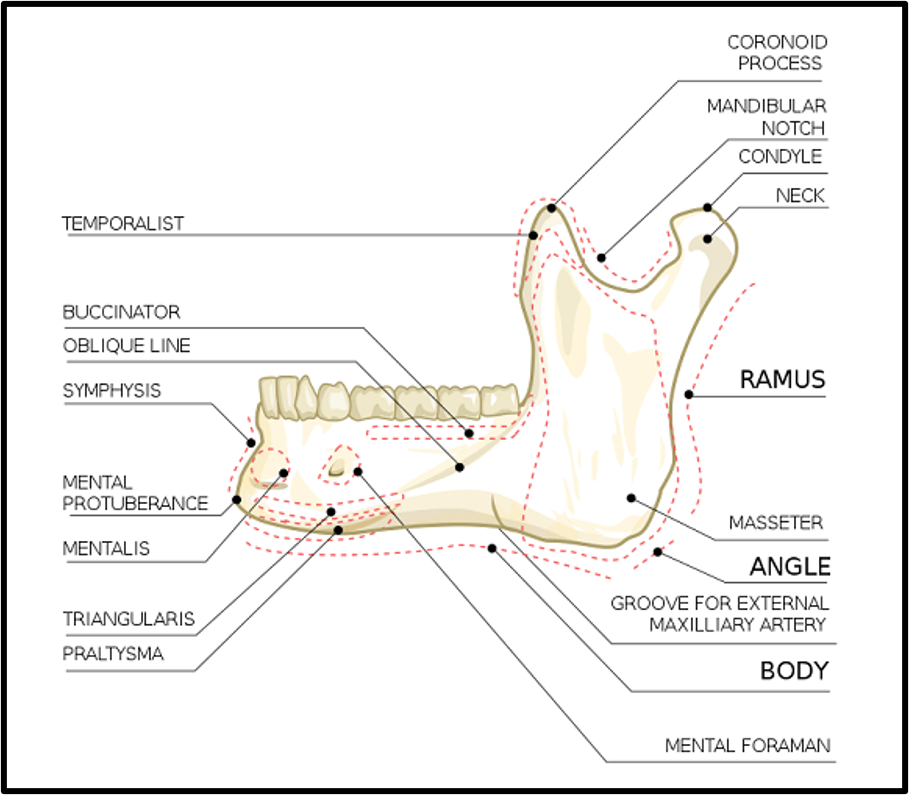
how these pieces are proportioned to each other, not just their individual size, is what actually determines jaw shape.
•─────────────────────────────•
masseter muscle
•─────────────────────────────•
the primary chewing muscle, running from the zygomatic arch down to the angle of the mandible. this is one of the most misunderstood structures on this entire site.
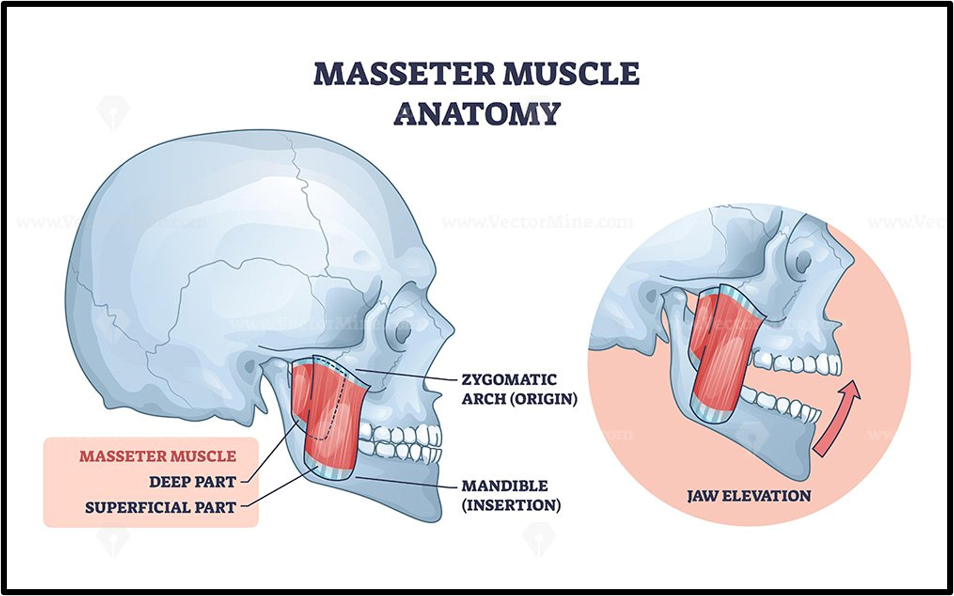
masseter size directly affects perceived jaw width, specifically at the angle, because the muscle sits right over the gonial region. a large masseter can make a modest bone structure look wider and more squared off. a small one can make a genuinely good bone structure look underwhelming.
this matters a lot for section 6, because masseter size is one of the only lower third traits that's genuinely bidirectional, meaning you can train it up or reduce it depending on what you're actually trying to achieve, unlike almost everything else in this guide which only moves in one direction if it moves at all.
•─────────────────────────────•
maxilla's role in the lower third
•─────────────────────────────•
the maxilla is the upper jaw, most guides skip it entirely when talking about the lower third since it's technically part of the midface. that's a mistake.
maxillary length and projection directly set how the mandible sits relative to the rest of the face. a short or retrusive maxilla can make an otherwise decent mandible look weak by comparison, simply because the two aren't proportioned well together. this is exactly why guys sometimes fixate on their chin or jaw angle when the actual issue one level up is maxillary position.
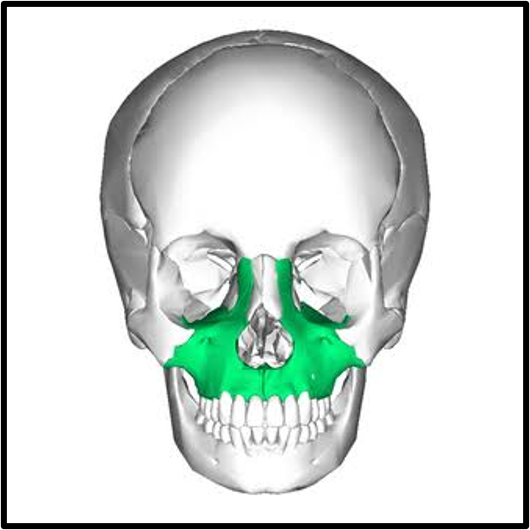
we'll come back to this constantly through the guide, because a lot of "lower third" problems aren't actually mandible problems at all.
•─────────────────────────────•
soft tissue layer
•─────────────────────────────•
submental fat — sits under the chin, directly above the platysma, this is your classic "double chin" fat pad
- platysma — a thin, sheet-like muscle running from the jaw down into the neck and chest, its tone and position directly affect how sharp or soft the jawline-to-neck transition looks
- jowl fat and jowl formation — distinct fat compartments along the jawline that, combined with skin laxity, create the sagging "jowl" appearance associated with aging specifically along the mandibular border
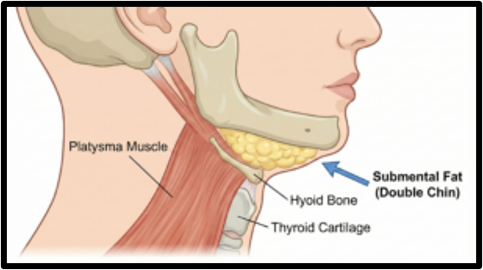
same three-way split as the fat pad breakdown in the eye guide.
none of these are the same tissue doing the same job, and they respond to completely different interventions.
•──────────────•
chin bone (pogonion) vs soft tissue chin pad
•──────────────•
worth separating these explicitly since guys constantly conflate them. pogonion is the most forward-projecting point of the bony chin itself. sitting over that bone is a soft tissue chin pad, which has its own thickness and shape independent of the bone underneath.
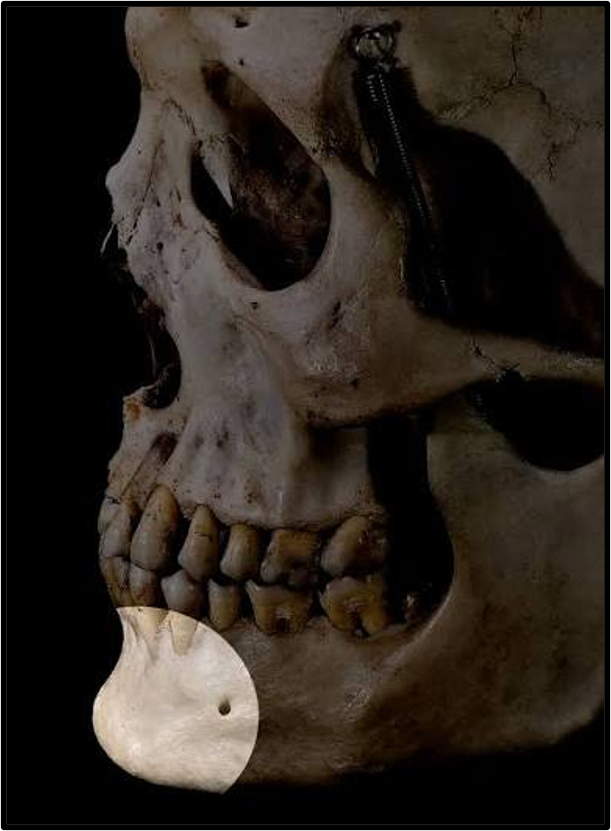
two guys can have identical chin bone projection and look completely different because one has a thin, tight chin pad and the other has a thicker, more padded one. this is the same logic as the globe-to-rim relationship from the eye guide, bone position and soft tissue volume are separate variables that just happen to sit on top of each other.
•──────────────•
dental occlusion's structural role
•──────────────•
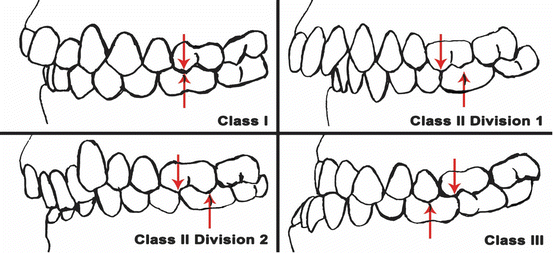
this one almost never gets mentioned on this site and it should. your bite, meaning how your upper and lower teeth meet, has a direct relationship with mandibular position.
- class I occlusion — normal, upper and lower teeth align as expected
- class II — lower jaw sits further back relative to the upper, associated with a more retrusive chin and jaw appearance
- class III — lower jaw sits further forward, associated with a more prominent, sometimes underbite-associated jaw
this matters because bite classification is often a visible, physical symptom of an underlying skeletal relationship between the maxilla and mandible, not just a dental issue. it's also why orthodontic and orthognathic treatment, covered properly in section 6, can sometimes change perceived jaw projection as a side effect of correcting the bite itself.
▸ 3. Key Aesthetic Concepts
these are your working terms for the rest of the guide, same rule as the eye guide applies here. every concept below is a relationship between structures from section 2, not a standalone trait.•──────────────•
gonial angle
•──────────────•
the angle formed at the corner of the mandible, where the body meets the ramus.
- acute/sharper angle (closer to 90 degrees) reads as a more squared, defined jaw corner
- obtuse/more open angle (closer to 140 degrees or higher) reads as a softer, more sloped transition from jaw to neck
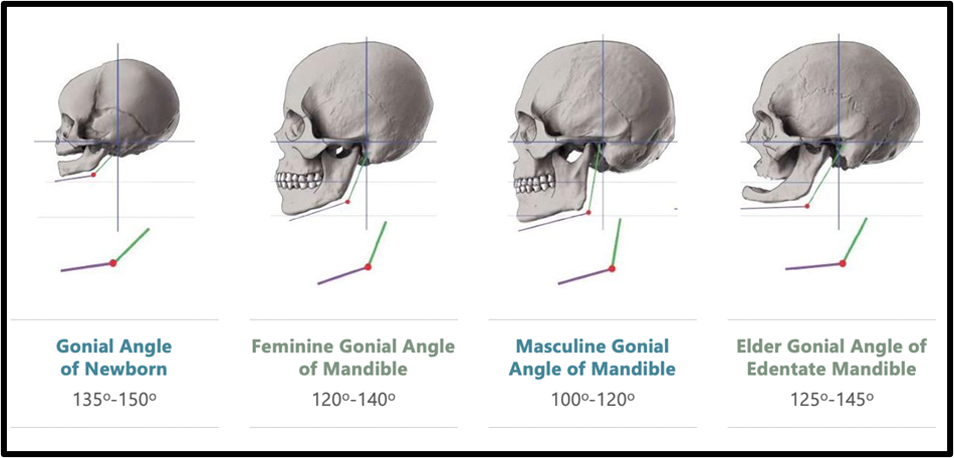
this is one of the most skeletal traits in this entire guide. it's set by bone growth and doesn't move without surgery. masseter size, covered in section 2, can visually soften or sharpen the appearance of this angle without changing the actual bone angle underneath, which is exactly why two guys with the same gonial angle can look different depending on masseter development.
•──────────────•
mandibular plane angle
•──────────────•
the angle between the mandibular body and a horizontal reference line (usually the Frankfort horizontal plane, the same reference you already know from the eye guide).
- low/flat mandibular plane angle associated with a shorter, more compact lower face and a jaw that sits more horizontally, generally read as more favorable in this community
- steep/high mandibular plane angle associated with a longer, more vertically oriented lower face, sometimes called a "long face" pattern, jaw sits at more of a downward angle
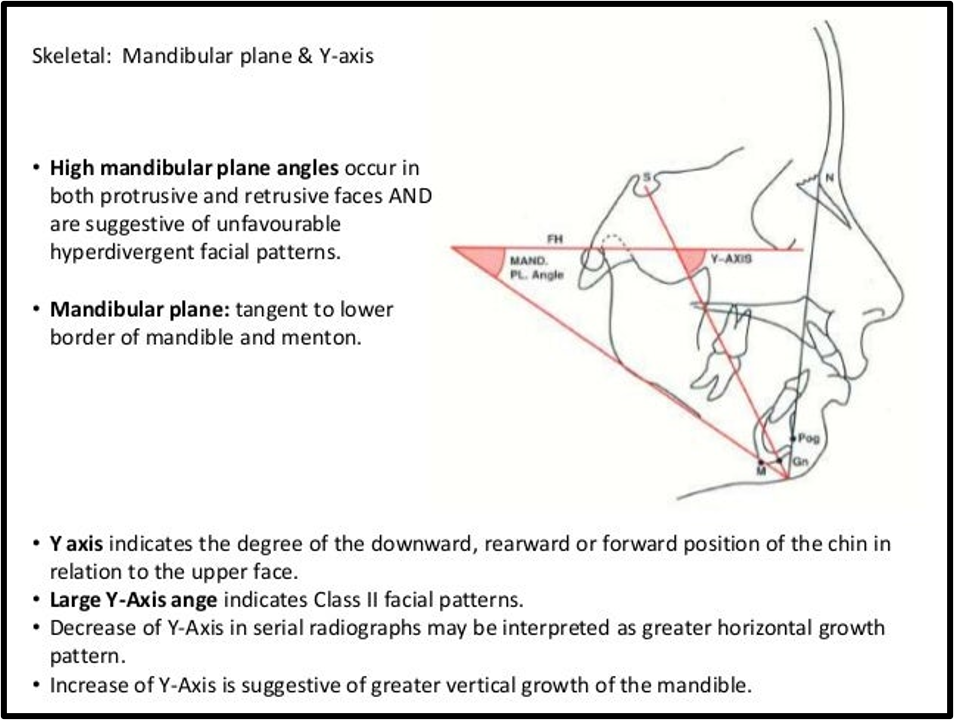
this is a genuinely important trait because it affects nearly everything else in this list. a steep mandibular plane tends to correlate with a weaker looking chin and a less defined gonial angle, even when the actual bone at each individual point isn't necessarily bad in isolation. it's proportion and orientation doing the damage, not any single measurement.
this is skeletal, set by vertical growth pattern, and it's another hard limit for anything short of orthognathic surgery.
•──────────────•
ramus height and body length ratio
•──────────────•
a taller ramus relative to body length generally supports a more compact, favorable lower third, since it's part of what determines a lower mandibular plane angle in the first place. a short ramus relative to body length tends to push the jaw into that steeper, longer-face pattern.
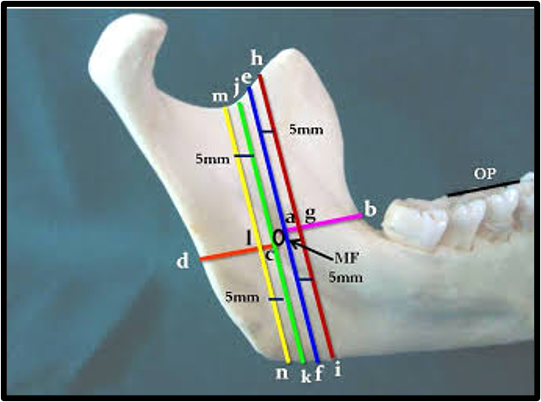
this isn't something most guys check on their own, but it's worth understanding as the actual mechanical reason behind mandibular plane angle rather than treating that angle as some floating unexplained number.
•──────────────•
chin projection vs retrusion
•──────────────•
how far forward the pogonion, the bony chin point from section 2, sits relative to the rest of the face, most commonly assessed against a vertical reference line dropped from the lower lip or nose in profile.
- projected/positive chin sits at or in front of that reference line
- retrusive/negative chin sits behind it
worth flagging directly since it connects back to your eye guide: this is genuinely the same logic as orbital vector. it's a skeletal projection question, bone position relative to a reference point, and it's one of the most consequential traits in this entire guide because a retrusive chin affects how the whole lower third and neck read, not just the chin itself.
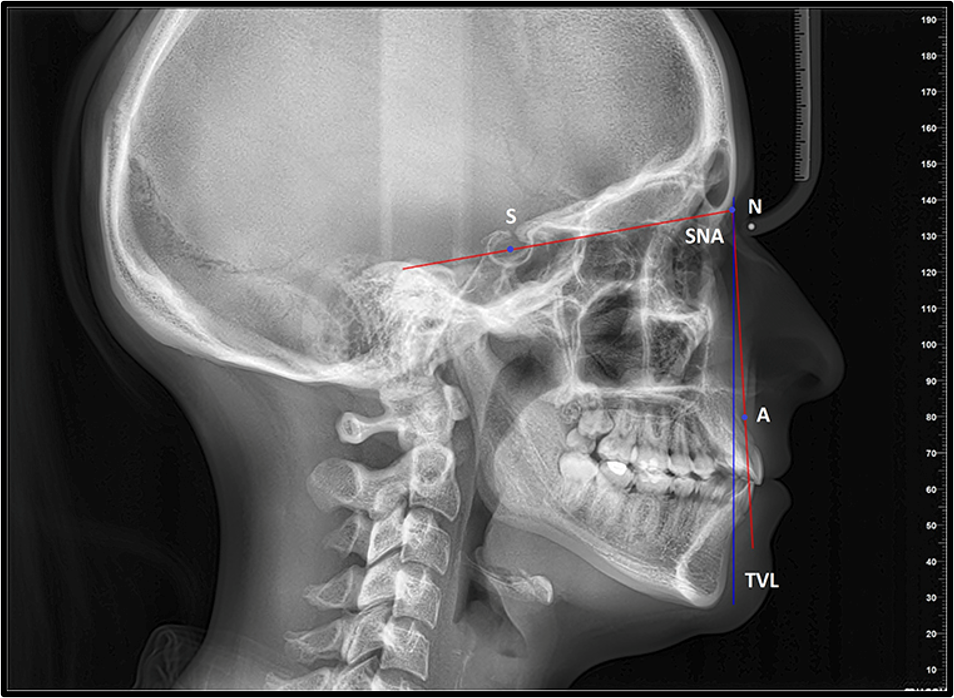
chin projection is also frequently confused with chin height and width, which are separate measurements entirely. a chin can be well projected but still look off if it's too tall, too short, or too narrow relative to the rest of the jaw. we'll get into that distinction properly in section 5.
•──────────────•
cervicomental angle
•──────────────•
the angle formed between the underside of the chin and the front of the neck, viewed in profile.
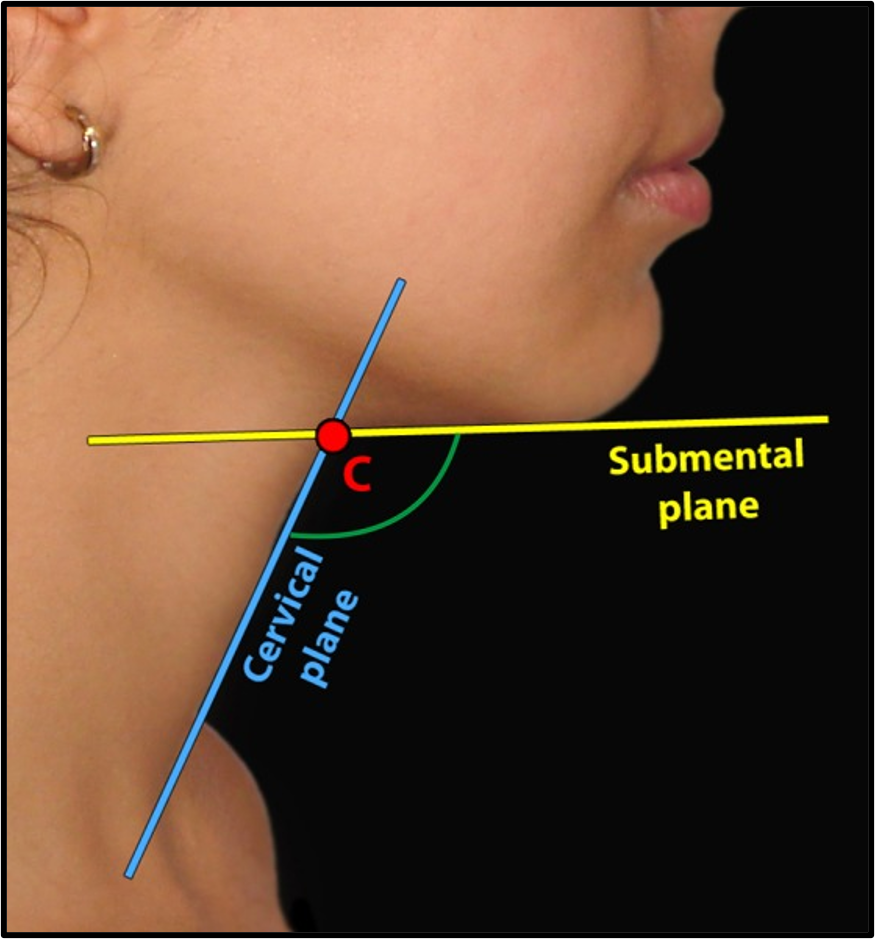
- sharp/acute cervicomental angle (roughly 90 to 105 degrees is generally cited as favorable) reads as a clean, defined jaw to neck transition
- obtuse/soft cervicomental angle reads as a poorly defined transition, commonly described as a "weak neck" appearance
this angle is genuinely multifactorial in a way that mirrors the UEE breakdown from the eye guide. it's affected by submental fat volume, platysma tone and position, chin projection itself, since a retrusive chin mechanically worsens this angle even with zero excess fat, and hyoid bone position, which most guides never even mention.
•──────────────•
hyoid bone position
•──────────────•
worth its own callout since it's the one variable in this entire section almost nobody on this site knows about. the hyoid is a small, free-floating bone in the neck that doesn't articulate directly with any other bone, and its position, specifically how high and how far back it sits, has a real effect on cervicomental angle and overall neck definition. a low or forward-positioned hyoid tends to work against a sharp cervicomental angle regardless of how lean you are or how good your chin projection is.
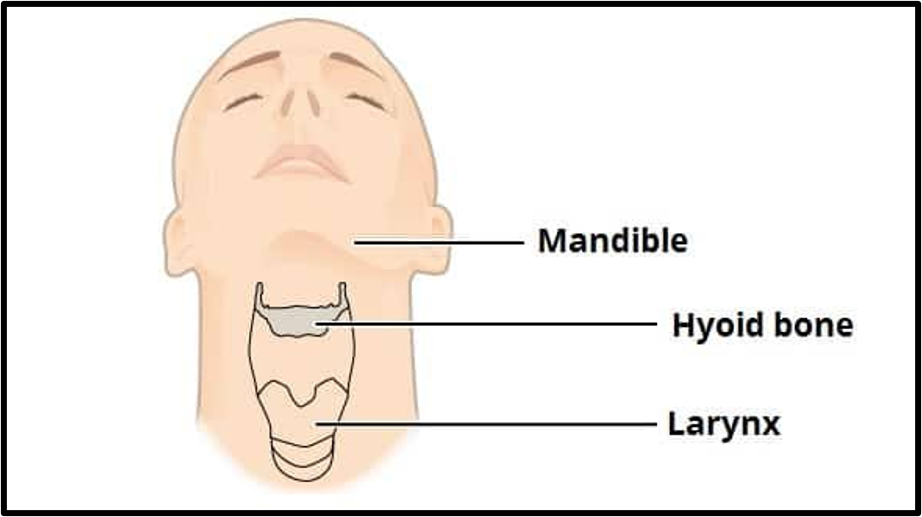
this is almost entirely anatomical and outside your control, and it's exactly the kind of trait that explains why some genuinely lean guys with decent chins still don't get a fully sharp neck angle.
•──────────────•
bigonial width vs bizygomatic width
•──────────────•
bigonial width is the distance between the two gonial angles, essentially your jaw width at its widest point. bizygomatic width is the distance between your cheekbones. the ratio between these two numbers is what actually determines whether a face reads as a tapered "V-shape" or a more uniformly wide, block-like shape.
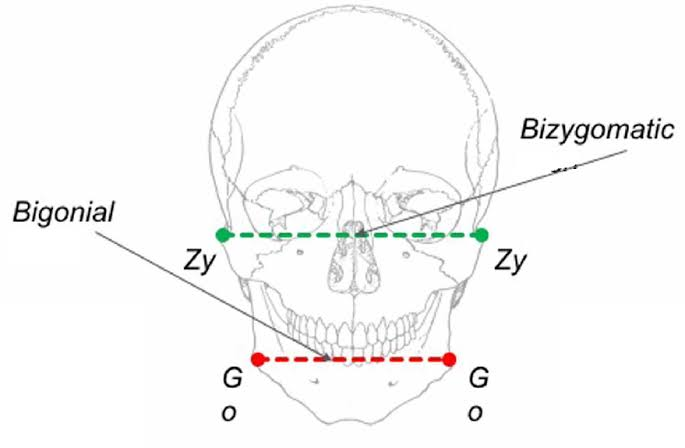
a jaw can be wide in absolute terms and still look proportionate if the cheekbones are proportionally wide too. the same jaw width on a narrower midface reads as disproportionately heavy. this is why "how wide is your jaw" is often the wrong question in isolation, same pattern as tilt needing vector context in the eye guide.
•──────────────•
lower third facial height as a proportion
•──────────────•
classically, the face gets divided into thirds, upper (hairline to brow), middle (brow to subnasale), and lower (subnasale to chin). the lower third being meaningfully longer or shorter than the other two, rather than roughly balanced, is what reads as a disproportionate lower face regardless of how well individual features within it are shaped.
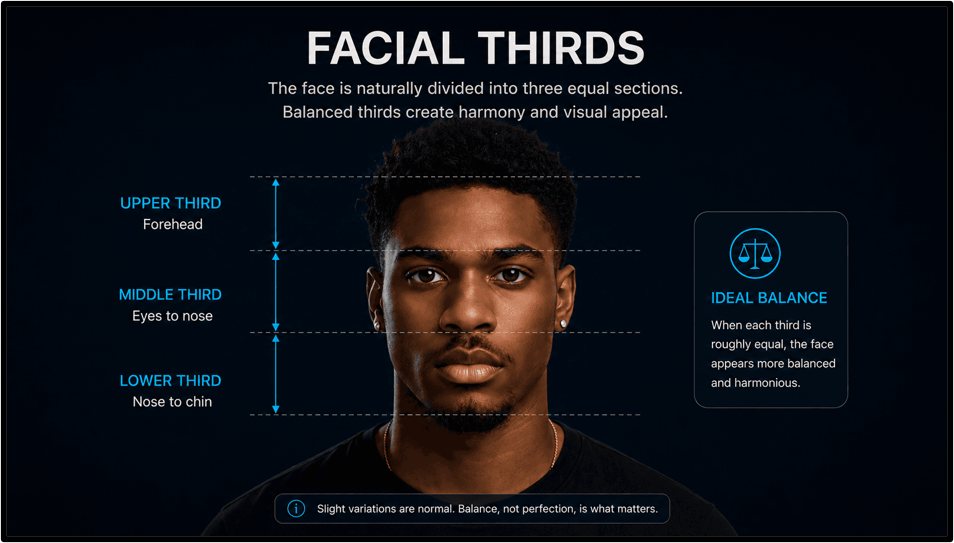
this proportion is set by a combination of maxillary height, mandibular plane angle, and chin height all stacking together, which is exactly why fixing one piece of this list in isolation sometimes doesn't change the overall read as much as expected. the proportion across the whole lower third matters as much as any single trait within it.
▸ 4. Strong Jaw vs Weak Jaw
same disclaimer as the hunter/prey section in the eye guide. these aren't clinical terms, you won't find "strong jaw" in a cephalometrics textbook. they're community shorthand for two trait clusters built entirely from section 3. the problem with most threads on here is they reduce this to one trait, usually just chin projection or jaw width, when it's actually five or six things stacking together.•──────────────•
strong jaw — the full trait cluster
•──────────────•
sharper, more acute gonial angle — clean, defined corner where body meets ramus
- low/flat mandibular plane angle — compact lower face, jaw sitting more horizontally rather than sloping down
- projected chin (positive pogonion position) — sitting at or ahead of the profile reference line covered in section 3
- sharp cervicomental angle — clean jaw to neck transition, no soft blending between the two
- favorable bigonial to bizygomatic ratio — jaw width that reads as proportionate to the midface rather than either too narrow or disproportionately wide
- balanced lower third height — not stretched or compressed relative to the upper and middle thirds
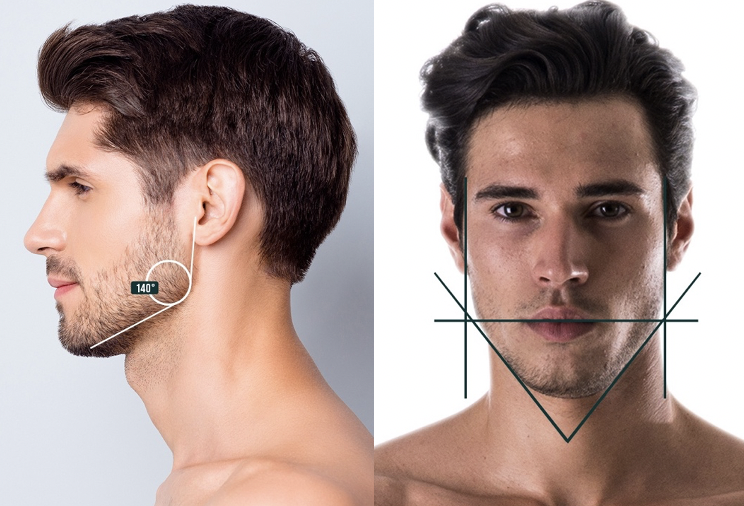
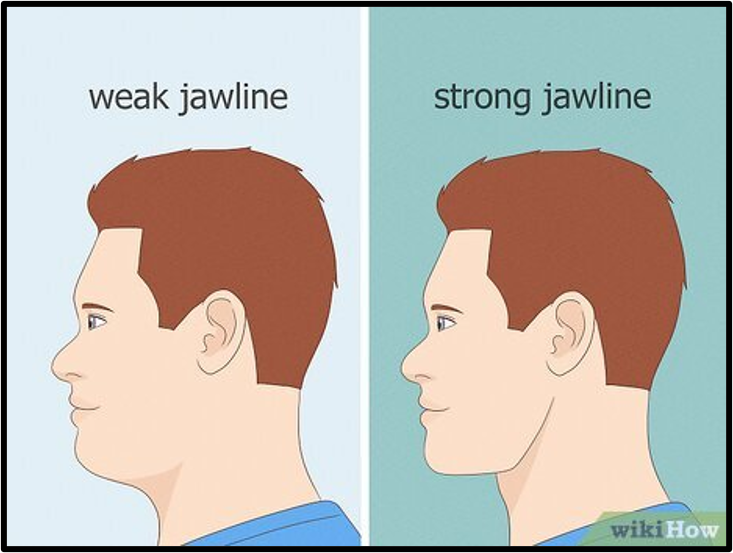
the visual effect of all of this together is a jaw that reads as structurally load-bearing, like it's actually holding the face up rather than just trailing off underneath it. this is why "strong jaw" correlates so heavily with perceived masculinity and dominance in basically every study on facial perception that's ever looked at this, it's not just a forum opinion, there's real signal behind why this cluster reads the way it does.
•──────────────•
weak jaw — the full trait cluster
•──────────────•
obtuse, more open gonial angle — soft, sloped transition rather than a defined corner
- steep mandibular plane angle — longer, more vertically stretched lower face
- retrusive chin — sitting behind the profile reference line
- soft, obtuse cervicomental angle — poor jaw to neck definition, sometimes called "no neck" even in genuinely lean guys when the cause is chin retrusion or hyoid position rather than fat
- unfavorable width ratio — jaw reading either too narrow relative to the midface, or occasionally too wide in a way that doesn't taper, both read as off depending on the rest of the face
- imbalanced lower third height, most commonly overly long due to a steep mandibular plane and maxillary excess stacking together
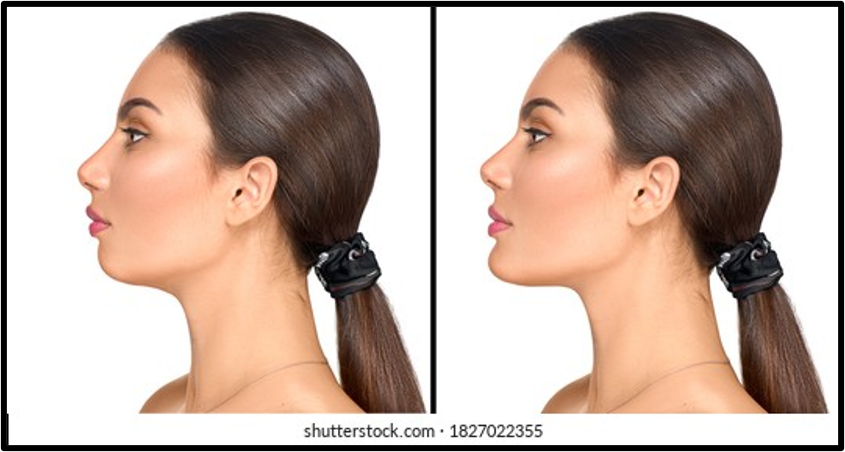
the visual effect here is a face that reads as front heavy, like the structure just stops supporting itself past the midface. this is the cluster most associated with what gets called a "weak" or "recessed" profile on this site.
•──────────────•
why "just get a bigger chin" is bad advice, (same as tilt in the eye guide)
•──────────────•
you can have genuinely good chin projection and still read as weak jaw overall if your mandibular plane is steep and your gonial angle is obtuse, because the chin is one point on a much longer structural line, not the whole line. I see this constantly, guy gets chin filler, chin now projects fine on its own, but the jaw still reads soft because the angle running from ear to chin never actually changed, only the single endpoint did.
same logic in reverse, a guy with a slightly retrusive chin can still read as reasonably strong jawed if his gonial angle is sharp, his mandibular plane is low, and his cervicomental angle is clean, because those traits are doing more of the visual work than the chin point alone.
chin projection gets fixated on because it's the easiest single trait to point at and the easiest to intervene on with filler or a implant, not because it's the most important trait in isolation. it's one of six stacking traits, same as tilt was one of five in the eye guide.
•──────────────•
most guys are not a clean cluster
•──────────────•
exactly the same conclusion as the eye guide reached, and for the same underlying reason. these traits aren't correlated with each other, gonial angle and chin projection are independent variables that happen to land on the same face, so there's no biological mechanism forcing them to sort into two clean opposing packages for most people.
a guy with a great gonial angle and a genuinely retrusive chin is extremely common. so is the reverse, decent chin projection sitting on top of a soft, undefined gonial angle. the "pure strong jaw" reference guys posted around this site are rare specifically because it requires several independent skeletal traits to land favorably at once, not because everyone else did something wrong.
•──────────────•
a note on the maxilla's role here specifically
•──────────────•
worth restating from section 2 because it matters more here than people expect. a mandible that's actually structurally fine can still read as weak if the maxilla above it is retrusive or short, since the whole lower third gets judged in relation to the midface sitting above it, not in isolation. guys chasing jaw surgery or chin filler sometimes have a maxillary issue driving the actual perception problem, which is exactly why section 5's assessment process needs to check the whole lower third relationship, not just the mandible on its own.
•──────────────•
threshold effects, same as vector in the eye guide
•──────────────•
these traits exist on a spectrum, not a hard switch. mild mandibular plane steepness with otherwise strong traits everywhere else can still look solid overall. severe steepness will actively drag down an otherwise decent cluster, because a steep mandibular plane compounds into worse-looking versions of nearly every other trait on this list, weaker looking chin by comparison, worse cervicomental angle, longer looking lower third. severity and stacking matter as much as the raw checklist of which individual traits are positive versus negative.
▸ 5. How to Assess Your Own Lower Third
same rule as the eye guide, get this step wrong and everything in section 6 gets aimed at the wrong problem. profile assessment matters even more here than it did for eyes, since gonial angle, mandibular plane, chin projection, and cervicomental angle are all fundamentally profile measurements. a straight on photo alone will not get you through this section.step 1: photo conditions, same non-negotiable standard as the eye guide
- lighting: flat, even, front-facing light. harsh overhead lighting will exaggerate submental shadow and make your neck angle look worse than it actually is. avoid it specifically for this assessment.
- head position: Frankfort horizontal plane level, same reference from the eye guide, that line from the bottom of your eye socket to the top of your ear canal needs to be parallel to the ground. this matters enormously here. chin up even slightly and you fake a sharper cervicomental angle and better chin projection. chin down and you fake the opposite, plus you'll compress your neck skin and make your angle look artificially worse. get this level before anything else.
- expression and jaw position: relaxed, teeth in a natural resting bite, not clenched. clenching engages the masseter and can visually alter jaw width and gonial definition compared to your actual resting state.
- angle set: you need straight-on and full profile at minimum, ideally both left and right profile since jaw asymmetry is common and worth knowing about.
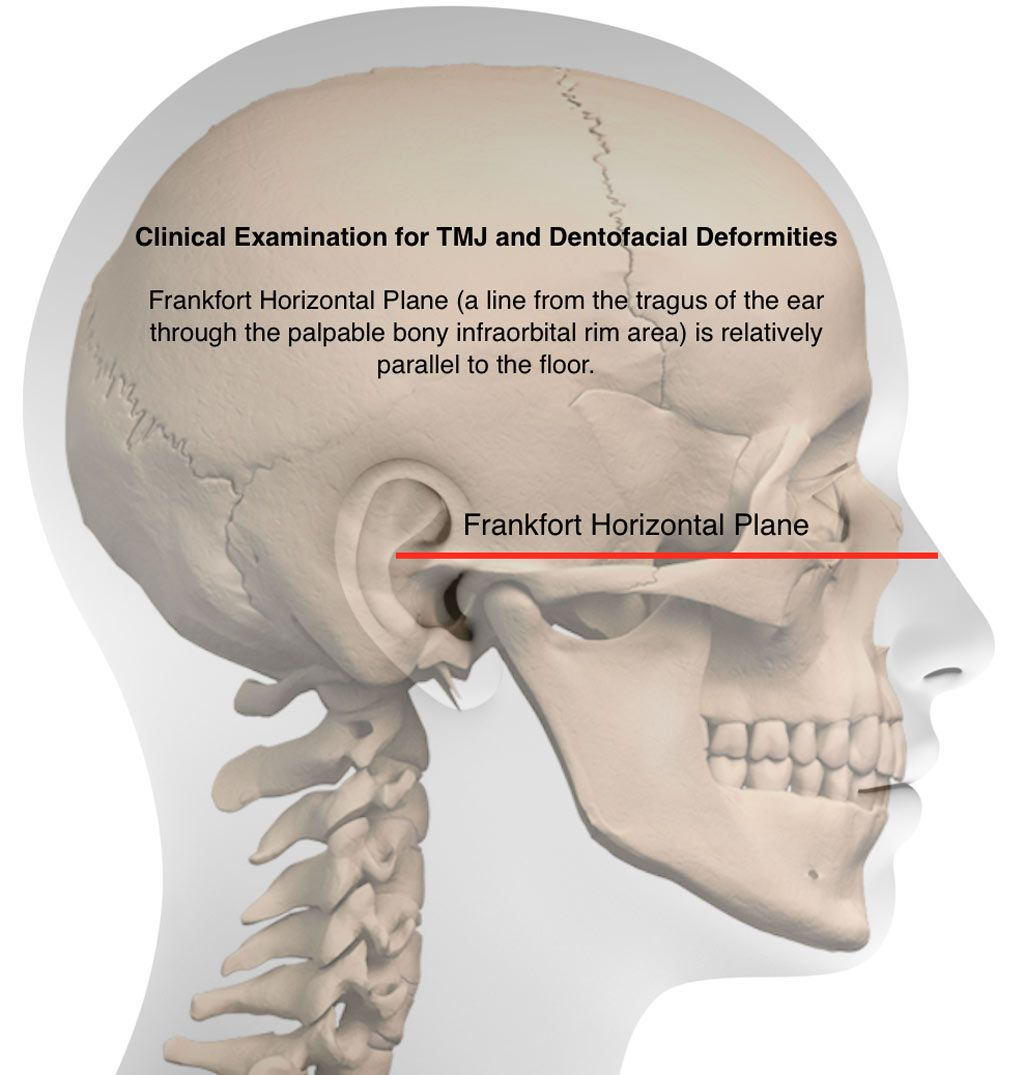
step 2: assess gonial angle
using your profile shot, look at the actual corner where your jaw body meets the ramus. is it a relatively sharp, defined turn, or a long, gradual slope. separate this from masseter bulk while you're looking, a developed masseter can make a soft angle look more defined than it structurally is. press along the angle while lightly clenching to feel where the muscle sits versus where the bone underneath actually turns.
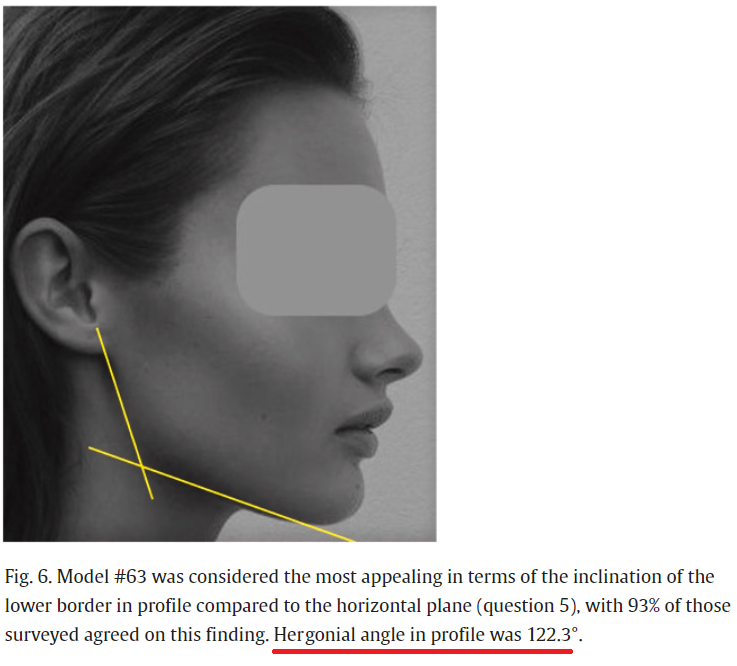
step 3: assess mandibular plane angle
using the same level profile shot, look at the general slope of your jawline from ear to chin relative to the ground. is it running relatively horizontal, or sloping downward noticeably before it reaches the chin. this one's hard to get a precise degree reading on yourself without an actual cephalometric x-ray, so treat this as a rough visual read, not a clinical measurement.
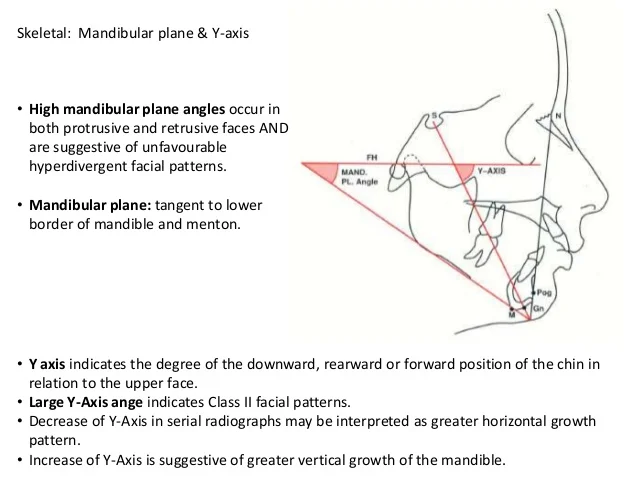
step 4: assess chin projection
drop a mental vertical line down from your lower lip in your profile shot. does your chin sit at or in front of that line, or noticeably behind it. separate projection from chin height and width while you're at it, as covered in section 3, these are different measurements and a chin can be well-projected but still read as off if it's disproportionately short, tall, or narrow relative to the rest of your jaw.
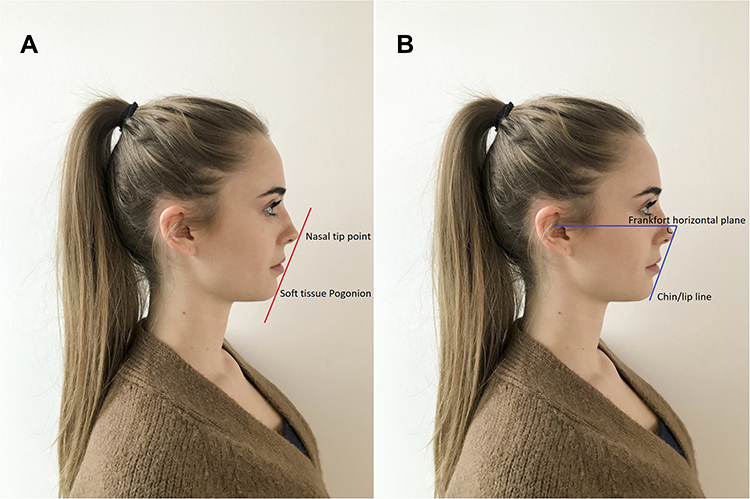
step 5: assess cervicomental angle
look at the angle formed between the underside of your chin and the front of your neck in profile. is it a relatively clean, sharp turn, or a soft, gradual slope with no clear definition. remember this is downstream of multiple causes, submental fat, platysma tone, chin projection itself, and hyoid position, so don't jump to "I need to lose fat" without checking the other contributors first.
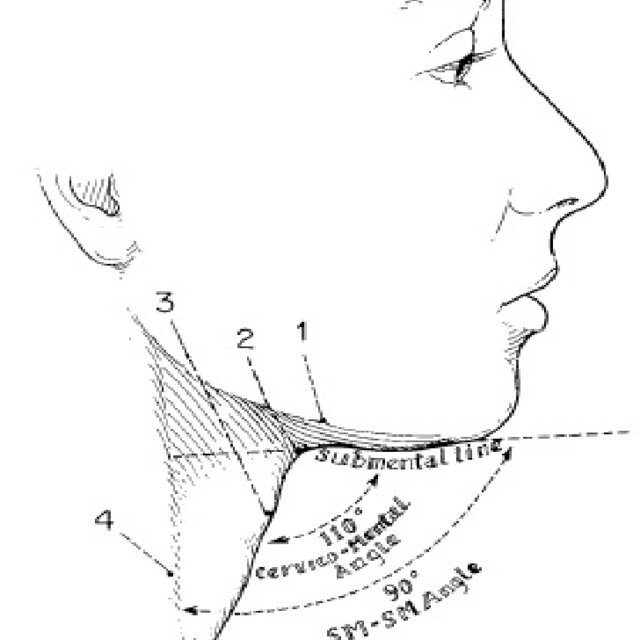
press gently under your chin and along your neck while assessing, if you feel meaningful fat volume, that's a contributing factor. if the area feels lean but the angle is still soft, look toward chin projection or hyoid position as the more likely driver.
step 6: assess bigonial to bizygomatic ratio and lower third proportion
using your straight-on shot, compare your jaw width at its widest point to your cheekbone width. does the jaw look proportionate, too narrow, or disproportionately wide relative to the midface above it. then check overall lower third length against the upper and middle thirds of your face, roughly equal thirds is the general reference point, though individual variation is normal and this is more diagnostic information than a strict target.
RAN OUT OF IMAGES (ONLY ALLOWED 25)
step 7: put it together into an honest cluster READ
same as the eye guide, go back to section 4 and lay out your results as separate data points, gonial angle, mandibular plane, chin projection, cervicomental angle, width ratio, lower third proportion. don't average into a vague overall impression, keep them separate, since section 6 addresses each of them individually.
most guys assessing honestly will land somewhere mixed rather than a clean strong or weak cluster, same conclusion as section 4 reached. the point of this exercise is walking away with a specific list of which traits are actually working against you, not a final verdict.
a note on honesty here
don't photograph yourself with your chin subtly tilted up to fake a sharper cervicomental angle and better chin projection, then conclude your lower third is fine. the whole point of section 6 is matching real interventions to real problems. if you lie to the assessment, you're just going to apply random techniques without knowing if any of them actually address what you're dealing with.
6. Fixes
same lever, same overapplication problem as section 6.1 in the eye guide. general body fat reduction does genuinely reduce submental fat volume for most guys, since that's one of the areas fat tends to drop from as overall leanness increases, and it directly improves cervicomental angle when submental fat was actually the contributing factor.
what it doesn't do: change gonial angle, mandibular plane, chin projection, or hyoid position. all skeletal or structural, none of them respond to a caloric deficit. a lean guy with a retrusive chin or high mandibular plane will still have a soft cervicomental angle, because the actual cause was never fat in the first place.
jowl fat responds less reliably to general fat loss than submental fat does, since jowl formation is tied more to skin laxity and specific fat compartment behavior with age than pure volume. don't expect the same clean response here that you'd get from submental fat.
practical read: if you're carrying meaningful body fat and haven't leaned out the face specifically, this is a legitimate first move. if you're already lean and your cervicomental angle is still soft, the cause is very likely chin projection, mandibular plane, or hyoid position, not fat, and further cutting won't meaningfully change your specific problem.
genuinely bidirectional, and genuinely contested depending on what you want.
training up, chewing gum, mastic gum, or harder foods consistently, does produce real masseter hypertrophy over months of consistent use, same basic principle as training any other muscle. this widens the visible jaw at the gonial angle and can make a soft angle look more defined. downside: this only affects the angle region, it does not change the underlying bone, and overdeveloped masseter can look bulky or square in a way that isn't universally desired, some guys specifically want a leaner jaw rather than a wider one.
reducing, masseter botox, covered properly in 6.7, is the primary non-surgical route for guys who want a slimmer jaw specifically at the angle rather than a wider one. this is the direct opposite goal from training, so figure out which direction you actually want before picking either approach.
neither of these changes gonial angle, mandibular plane, or chin projection. this is purely a soft tissue lever layered over the bone underneath, same relationship masseter had to gonial angle back in section 3.
same principle as the eye guide's posture section. forward head posture, chin pushed forward and down relative to the shoulders, worsens cervicomental angle appearance and can make a decent chin look weaker than it structurally is, purely through habitual positioning rather than any actual change to bone or fat.
correcting chronic forward head posture, generally through conscious awareness and deep neck flexor strengthening, is free, has no downside, and genuinely improves how your existing structure presents day to day. it does not change your underlying skeletal traits, and won't fix a genuinely retrusive chin or steep mandibular plane on its own.
lighting and camera angle apply the same way they did for the eye area. a camera positioned level with or slightly above your face, rather than shooting up from below, presents your neck and chin far more accurately than a low angle shot, which exaggerates submental shadow and can make a fine cervicomental angle look much worse than it actually is.
connects to jowl formation from section 2. skin laxity along the jawline, driven by collagen loss over time, contributes directly to jowl visibility and a less crisp jaw border independent of fat or bone.
retinoids and sunscreen, same evidence base as the eye guide's skin section, support collagen density and slow this process over consistent months long use. genuinely real, genuinely modest, not a fix for already significant jowl formation, which is a surgical or device based correction at that point, covered briefly in 6.7 and 6.8.
the most slept on lever in this entire guide. as covered in section 2, bite classification reflects an underlying skeletal relationship between maxilla and mandible, not just tooth alignment.
orthodontic treatment, and in more significant cases orthognathic surgery working alongside it, can genuinely shift perceived jaw and chin position as a side effect of correcting the underlying bite relationship, not just straightening teeth cosmetically. this is a legitimate structural lever that most guys on this site never even consider because it's filed under dental work rather than looksmaxxing.
worth a real evaluation from an orthodontist if your bite is genuinely off, both for the functional reasons that matter regardless of aesthetics and for the structural side effect relevant to this guide.
pure camouflage, same tier as softmax in the eye guide. strategic beard styling can visually reinforce a soft gonial angle or disguise a retrusive chin by adding perceived width and projection through hair volume and shape rather than changing anything underneath.
works well at a glance and in photos, falls apart under close inspection or in profile specifically, since a strong profile silhouette is much harder to fake with hair than a straight on view is. genuinely useful as a finishing layer, not a substitute for anything above it on this list.
masseter botox, covered in 6.2, reduces muscle bulk at the jaw angle for guys wanting a slimmer rather than wider jaw, temporary, requires maintenance every few months.
kybella and similar fat dissolving injections, targets submental fat specifically, genuinely reduces fat volume in that area over a series of treatments, does nothing for skin laxity, platysma tone, or any skeletal trait.
chin filler, adds volume to project a retrusive chin without surgery, real and immediate, but limited in how much correction it can provide before looking overdone, and does nothing for gonial angle or mandibular plane, the same "one point on a longer line" limitation covered in section 4.
thread lifts and skin tightening devices, marketed heavily for jowls and jawline definition, evidence is genuinely weaker and results more modest than either kybella or filler, worth real skepticism against the marketing claims here specifically.
last resort, same as the eye guide's framing, not the starting point.
genioplasty, either sliding genioplasty or implant based, directly changes chin projection, height, and width, the actual structural fix for retrusion that filler can only approximate.
jaw angle implants or shaving, implants add width and definition at the gonial angle, shaving reduces an overly wide or squared angle, both genuinely change the bone itself rather than layering over it.
orthognathic surgery, repositions the maxilla and mandible directly, the only real fix for mandibular plane angle and genuine skeletal bite discrepancies, more invasive than anything else on this list, generally pursued for functional bite reasons with aesthetic change as a substantial side effect rather than pursued for aesthetics alone.
all three carry real cost, real recovery, and require an actual qualified surgeon evaluation, not a forum decision.
6.1 Body Fat Reduction (Submental Fat and Jowls)
same lever, same overapplication problem as section 6.1 in the eye guide. general body fat reduction does genuinely reduce submental fat volume for most guys, since that's one of the areas fat tends to drop from as overall leanness increases, and it directly improves cervicomental angle when submental fat was actually the contributing factor.
what it doesn't do: change gonial angle, mandibular plane, chin projection, or hyoid position. all skeletal or structural, none of them respond to a caloric deficit. a lean guy with a retrusive chin or high mandibular plane will still have a soft cervicomental angle, because the actual cause was never fat in the first place.
jowl fat responds less reliably to general fat loss than submental fat does, since jowl formation is tied more to skin laxity and specific fat compartment behavior with age than pure volume. don't expect the same clean response here that you'd get from submental fat.
practical read: if you're carrying meaningful body fat and haven't leaned out the face specifically, this is a legitimate first move. if you're already lean and your cervicomental angle is still soft, the cause is very likely chin projection, mandibular plane, or hyoid position, not fat, and further cutting won't meaningfully change your specific problem.
6.2 Masseter Training vs Masseter Reduction
genuinely bidirectional, and genuinely contested depending on what you want.
training up, chewing gum, mastic gum, or harder foods consistently, does produce real masseter hypertrophy over months of consistent use, same basic principle as training any other muscle. this widens the visible jaw at the gonial angle and can make a soft angle look more defined. downside: this only affects the angle region, it does not change the underlying bone, and overdeveloped masseter can look bulky or square in a way that isn't universally desired, some guys specifically want a leaner jaw rather than a wider one.
reducing, masseter botox, covered properly in 6.7, is the primary non-surgical route for guys who want a slimmer jaw specifically at the angle rather than a wider one. this is the direct opposite goal from training, so figure out which direction you actually want before picking either approach.
neither of these changes gonial angle, mandibular plane, or chin projection. this is purely a soft tissue lever layered over the bone underneath, same relationship masseter had to gonial angle back in section 3.
6.3 Posture and Head Position
same principle as the eye guide's posture section. forward head posture, chin pushed forward and down relative to the shoulders, worsens cervicomental angle appearance and can make a decent chin look weaker than it structurally is, purely through habitual positioning rather than any actual change to bone or fat.
correcting chronic forward head posture, generally through conscious awareness and deep neck flexor strengthening, is free, has no downside, and genuinely improves how your existing structure presents day to day. it does not change your underlying skeletal traits, and won't fix a genuinely retrusive chin or steep mandibular plane on its own.
lighting and camera angle apply the same way they did for the eye area. a camera positioned level with or slightly above your face, rather than shooting up from below, presents your neck and chin far more accurately than a low angle shot, which exaggerates submental shadow and can make a fine cervicomental angle look much worse than it actually is.
6.4 Skin Quality and Jawline Definition
connects to jowl formation from section 2. skin laxity along the jawline, driven by collagen loss over time, contributes directly to jowl visibility and a less crisp jaw border independent of fat or bone.
retinoids and sunscreen, same evidence base as the eye guide's skin section, support collagen density and slow this process over consistent months long use. genuinely real, genuinely modest, not a fix for already significant jowl formation, which is a surgical or device based correction at that point, covered briefly in 6.7 and 6.8.
6.5 Teeth and Bite Correction
the most slept on lever in this entire guide. as covered in section 2, bite classification reflects an underlying skeletal relationship between maxilla and mandible, not just tooth alignment.
orthodontic treatment, and in more significant cases orthognathic surgery working alongside it, can genuinely shift perceived jaw and chin position as a side effect of correcting the underlying bite relationship, not just straightening teeth cosmetically. this is a legitimate structural lever that most guys on this site never even consider because it's filed under dental work rather than looksmaxxing.
worth a real evaluation from an orthodontist if your bite is genuinely off, both for the functional reasons that matter regardless of aesthetics and for the structural side effect relevant to this guide.
6.6 Facial Hair Strategy
pure camouflage, same tier as softmax in the eye guide. strategic beard styling can visually reinforce a soft gonial angle or disguise a retrusive chin by adding perceived width and projection through hair volume and shape rather than changing anything underneath.
works well at a glance and in photos, falls apart under close inspection or in profile specifically, since a strong profile silhouette is much harder to fake with hair than a straight on view is. genuinely useful as a finishing layer, not a substitute for anything above it on this list.
6.7 Non-Surgical Treatments
masseter botox, covered in 6.2, reduces muscle bulk at the jaw angle for guys wanting a slimmer rather than wider jaw, temporary, requires maintenance every few months.
kybella and similar fat dissolving injections, targets submental fat specifically, genuinely reduces fat volume in that area over a series of treatments, does nothing for skin laxity, platysma tone, or any skeletal trait.
chin filler, adds volume to project a retrusive chin without surgery, real and immediate, but limited in how much correction it can provide before looking overdone, and does nothing for gonial angle or mandibular plane, the same "one point on a longer line" limitation covered in section 4.
thread lifts and skin tightening devices, marketed heavily for jowls and jawline definition, evidence is genuinely weaker and results more modest than either kybella or filler, worth real skepticism against the marketing claims here specifically.
6.8 Surgical Options (High-Level Overview Only)
last resort, same as the eye guide's framing, not the starting point.
genioplasty, either sliding genioplasty or implant based, directly changes chin projection, height, and width, the actual structural fix for retrusion that filler can only approximate.
jaw angle implants or shaving, implants add width and definition at the gonial angle, shaving reduces an overly wide or squared angle, both genuinely change the bone itself rather than layering over it.
orthognathic surgery, repositions the maxilla and mandible directly, the only real fix for mandibular plane angle and genuine skeletal bite discrepancies, more invasive than anything else on this list, generally pursued for functional bite reasons with aesthetic change as a substantial side effect rather than pursued for aesthetics alone.
all three carry real cost, real recovery, and require an actual qualified surgeon evaluation, not a forum decision.
7. What Does Not Meaningfully Change It
same consolidation purpose as the eye guide's version, pulling the "doesn't work" points from section 6 into one reference plus adding the community-specific myths that didn't fit anywhere else.
mewing gets the real breakdown here, since it was promised back in the intro. the claim is that sustained proper tongue posture against the palate can reshape the maxilla and mandible, improving jaw definition and even facial symmetry over time. the actual evidence for this in adults is essentially nonexistent. orthodontic literature does support that sustained, low grade pressure can influence bone in growing children, this is the actual mechanism behind palate expanders and similar orthodontic devices, but that window closes with skeletal maturity. once your growth plates have fused, tongue pressure from mewing is nowhere near the magnitude or duration required to move adult facial bone. any reported result is either postural (a temporarily tighter looking neck from sustained tongue and jaw engagement, gone as soon as you stop) or unrelated changes people are misattributing to the practice. treat any adult "mewing transformation" claims with real skepticism.
jaw exercises and jawline "toning" devices, similar story to facial exercises in the eye guide, no credible mechanism for changing bone structure, and the muscle engagement effect is temporary and limited mostly to masseter, covered properly as a real but narrow lever in 6.2. these devices market themselves as doing far more than the actual muscle response supports.
general skincare and topical products claiming to change jaw definition through the skin alone, skin quality genuinely helps at the margins, covered in 6.4, but no topical changes bone position, fat distribution, or muscle bulk, and marketing that implies otherwise is selling the same false promise as the eye area's trend ingredient claims.
sleeping position specifically for jaw shape, gets thrown around on this site sometimes, no credible mechanism for adult bone remodeling from sleep position, same logic as mewing above.
things that can backfire if misapplied, aggressive fat loss when your actual issue is chin projection or mandibular plane rather than fat, same mistake as the eye guide's negative vector warning, cutting further won't fix a structural cause and can leave you looking gaunt without addressing the actual problem. overdone masseter training when your goal was actually a slimmer jaw, working directly against your own stated goal. overfilled chin, same overcorrection risk covered with tear trough filler in the eye guide, a chin pushed too far forward relative to the rest of the profile looks as off as one that's retrusive.
the pattern is identical to the eye guide's version of this section, most of what doesn't work either targets a genuinely skeletal trait that only responds to surgery, or it's a real tool applied without understanding which specific cause from your section 5 assessment it's supposed to be addressing.
▸8. Realistic Expectations & Limits
same honest zoom-out. everything covered across section 6 falls into one of two categories, and knowing which category your specific traits from section 5 belong to determines your actual ceiling.
hard skeletal limits, gonial angle, mandibular plane angle, chin bone projection, hyoid position, maxillary position. all set by bone growth and, in chin projection's case, correctable only through genioplasty, everything else in this category requiring even more invasive correction. if your section 5 assessment showed a genuinely steep mandibular plane or significantly retrusive chin, your non-surgical ceiling is capped, same as negative vector was capped in the eye guide.
modifiable soft tissue traits, submental fat, masseter size, skin quality, jowl formation to a degree, posture. these genuinely respond to section 6's tools with real, visible results for guys who commit to the actual timelines involved.
most guys land somewhere mixed, same conclusion as every clustering section in both guides. a soft tissue dominant guy, decent bone structure but carrying submental fat and underdeveloped masseter, has a genuinely high non-surgical ceiling. a hard-limit dominant guy, steep mandibular plane and retrusive chin, has a lower one, and the honest path forward for him runs through 6.8 if it matters enough to pursue.
timelines worth setting expectations around, masseter hypertrophy from consistent chewing takes months of regular effort, not weeks. kybella results build over a series of treatments spaced weeks apart, not a single session. skin quality improvement from retinoid use follows the same multi month timeline covered in the eye guide. body fat changes are tied to your actual fat loss timeline, which for most guys is itself a multi month process done properly.
the same psychological note as the eye guide, said once and plainly. cataloguing your lower third against a rigid structural checklist is useful information, but same risk applies here as it did there, know the difference between targeted, achievable improvement and an obsessive audit that never actually resolves even with genuine progress. step back if you notice that happening.
▸ 9. Summary / Final Hierarchy
the ranked list
- diagnose first, section 5 isn't optional, it determines whether anything after it applies to you specifically
- body fat, if you're actually carrying it, covered in 6.1, near irrelevant if you're already lean and the issue persists
- free, zero risk basics, posture from 6.3, skin habits from 6.4
- masseter training or reduction depending on your actual goal, covered in 6.2, real but narrow, months long timeline
- teeth and bite evaluation, covered in 6.5, the most overlooked real lever on this entire list
- facial hair as a finishing layer, covered in 6.6, not a foundation
- non-surgical injectables for guys who need them, covered in 6.7, real middle tier option with real limits
- surgery last, covered in 6.8, only after everything above is honestly exhausted
the two questions that actually matter. your main issue hard-limit or soft-tissue driven, and are you actually willing to commit to the real timelines involved rather than quitting after two weeks.
what this guide was trying to do. same as the intro promised, no glossary, no mewing cope, no surgery-first pitch. the lower third is read constantly and instantly the same way the eye area is, and it's just as misunderstood, chin projection gets treated as the whole story when it's one point on a longer structural line, mandibular plane gets ignored constantly despite driving half the traits above it, and most of what gets recommended in replies across this site doesn't survive scrutiny once you understand the actual mechanism underneath it.
use section 5 to find out where you actually stand. use this hierarchy to prioritize your next move. don't skip to 6.8
Fuckkkk me, second guide like this in a row
JFL if this doesnt get botb i think i give up, these take wayyy too long
@Mods BOTB?
@foidslayer5000 @Stalker @tansel @cowmuncher26
Resting out.
References
- Ricketts RM. "Cephalometric Analysis and Synthesis." Angle Orthodontist.
- Legan HL, Burstone CJ. "Soft Tissue Cephalometric Analysis for Orthognathic Surgery." Journal of Oral Surgery.
- Ellenbogen R, Karlin JV. "Visual Criteria for Success in Restoring the Youthful Neck." Plastic and Reconstructive Surgery.
- Gonzalez-Ulloa M, Flores ES. "Senility of the Face: Basic Study to Understand Its Causes and Effects." Plastic and Reconstructive Surgery.
- Guyuron B et al. "The Subplatysmal Fat Pad and Its Surgical Significance." Plastic and Reconstructive Surgery.
- Feldman JJ. "Neck Lift." Quality Medical Publishing.
- Zide BM, Jelks GW. "Surgical Anatomy of the Orbit." Raven Press (chapter reference for hyoid and midface structural context).
- Raustia AM, Pyhtinen J. "Morphology of the Mandible in Relation to Hyoid Bone Position." Journal of Oral Rehabilitation.
- Proffit WR, Fields HW, Sarver DM. Contemporary Orthodontics.
- Angle EH. "Classification of Malocclusion." Dental Cosmos.
- Klein AW. "Botulinum Toxin for the Masseter Muscle: Aesthetic Applications." Dermatologic Surgery.
- Rho NK et al. "Botulinum Toxin Type A for the Treatment of Hypertrophic Masseter Muscle." Aesthetic Plastic Surgery.
- Humphrey S et al. "ATX-101 (Deoxycholic Acid Injection) for Submental Fat Reduction." Dermatologic Surgery.
- Ascher B et al. "Efficacy and Safety of Deoxycholic Acid Injection for Submental Fat." Journal of the American Academy of Dermatology.
- Reyneke JP. Essentials of Orthognathic Surgery.
- Naini FB. Facial Aesthetics: Concepts and Clinical Diagnosis.
- Sarver DM, Proffit WR. "Facial Esthetics in Orthodontic Treatment Planning." American Journal of Orthodontics and Dentofacial Orthopedics.
- Farkas LG. Anthropometry of the Head and Face (referenced again here for facial thirds proportion).
- Kau CH et al. "Three-Dimensional Analysis of Facial Morphology." American Journal of Orthodontics and Dentofacial Orthopedics.
- Auger TA, Turley PK. "The Female Soft Tissue Profile as Presented in Fashion Magazines." International Journal of Adult Orthodontics and Orthognathic Surgery.
Attachments
Last edited:


