The Quiet Room Pill: high social class is owning the right to recover

Seth Walsh

Seth Walsh

Iconoclast
Contributor
Joined
Jan 12, 2020
Posts
11,075
Reputation
22,654
The Quiet Room Pill: high social class is owning the right to recover

Social class is not just money, accent, school, looks, job title, or parents.

It is whether the world lets your nervous system switch off.

Library%27s_Main_reading_room.jpg


Most people talk about class as if it is a visible costume.

Watch.
Accent.
Shoes.
University.
Holiday photos.
Who your dad knows.
How clean your LinkedIn looks.

All real.

But there is a deeper class marker almost nobody talks about:

silence.

Not metaphorical silence.

Literal silence.

The ability to sleep without traffic.
The ability to study without screaming through the wall.
The ability to work without a TV blasting in the next room.
The ability to have one private bedroom.
The ability to recover after stress instead of being thrown into more stress.

High class people do not merely have nicer objects.

They have lower background noise.

Low class is not just having less money.

Low class is having your brain taxed by the environment before the day even starts.

1. The hidden class asset: acoustic control

There are two men.

Both are 22.
Both are smart.
Both want money.
Both are looksmaxxing.
Both tell themselves they will work hard.

Man A lives in a quiet house.

He has his own room.
He can sleep at 11.
He can read at 7.
His parents do not fight outside his door.
No one needs his room.
The walls are thick.
The street is calm.
His desk is always there.

Man B lives in a noisy flat.

Shared walls.
Shared bedroom.
TV on all night.
Road outside.
Upstairs footsteps.
Sibling chaos.
Family arguments.
No stable desk.
No real privacy.
Sleep gets cut into fragments.

On paper, both have the same day.

In reality, Man A begins with a full battery.

Man B begins in battery saver mode.

That is class.
zf-079e7139-8c1b-4068-bcaf-9cd80bf8e16d


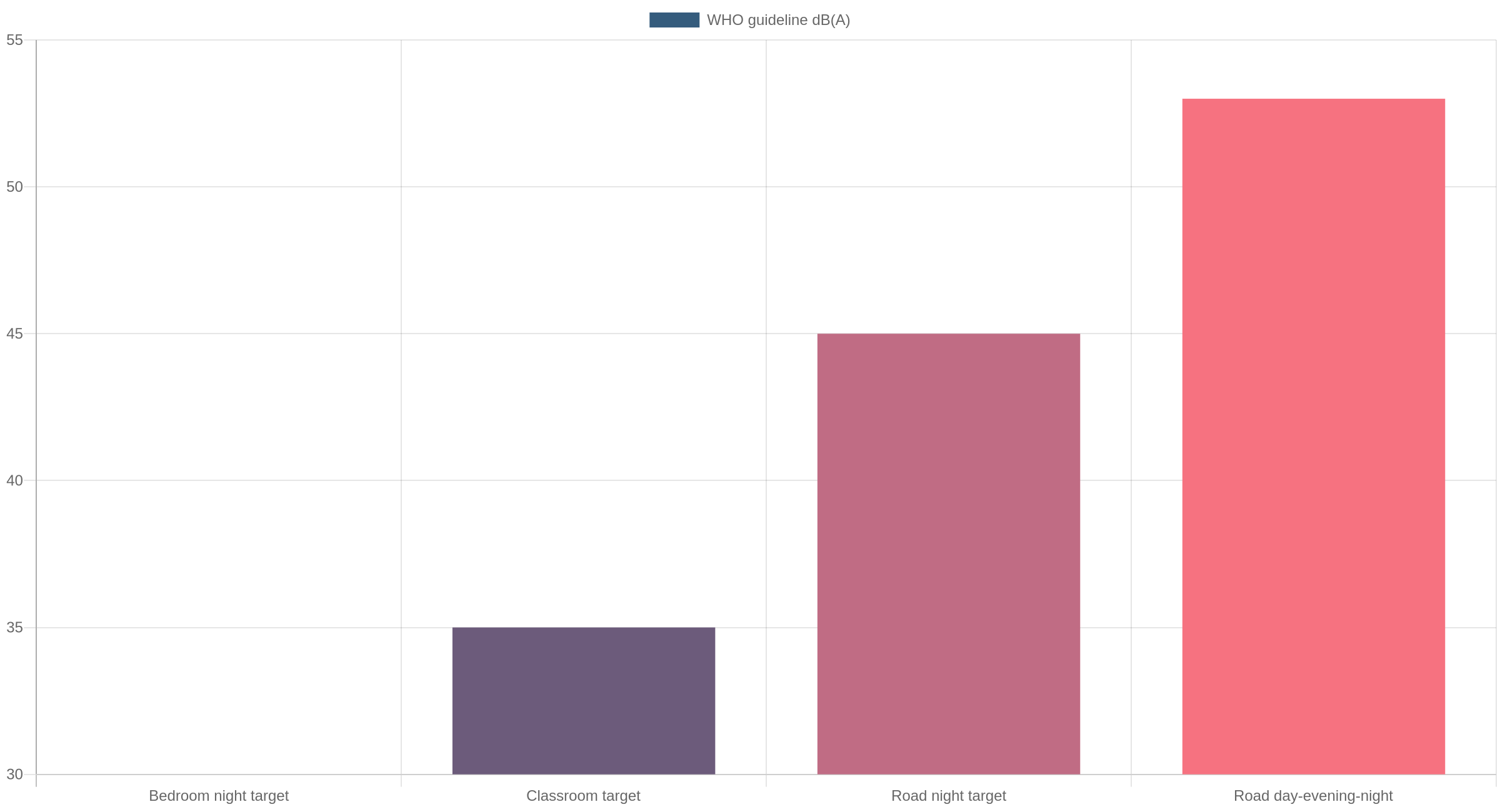
WHO does not treat quiet as vibes.

It gives numbers.

- less than 30 dB(A) in bedrooms at night for good quality sleep
- less than 35 dB(A) in classrooms for good teaching and learning
- below 45 dB Lnight for road traffic at night to avoid adverse sleep effects

So when I say class is acoustic control, I am not being poetic.

I mean: some people are born inside a cognitive-performance environment, and other people are born inside a stress machine.

2. The poor do not only lack capital. They lack recovery surface area.

The standard moneymaking advice is:

"Just work harder."

But hard work assumes recovery.

No sleep = lower testosterone, worse impulse control, worse memory, worse hunger signals, worse mood, worse risk assessment.

Bad recovery makes every self-improvement path more expensive:

- gym consistency gets harder
- studying gets harder
- sales calls get harder
- emotional regulation gets harder
- dating frame gets harder
- long-term planning gets harder
- avoiding cheap dopamine gets harder

The upper-middle-class kid is not magically more disciplined.

He is often less environmentally attacked.

His discipline is cheaper.

He is not constantly paying a noise tax.
zf-6e47278e-e78c-4e02-b567-4c931d0e2c19


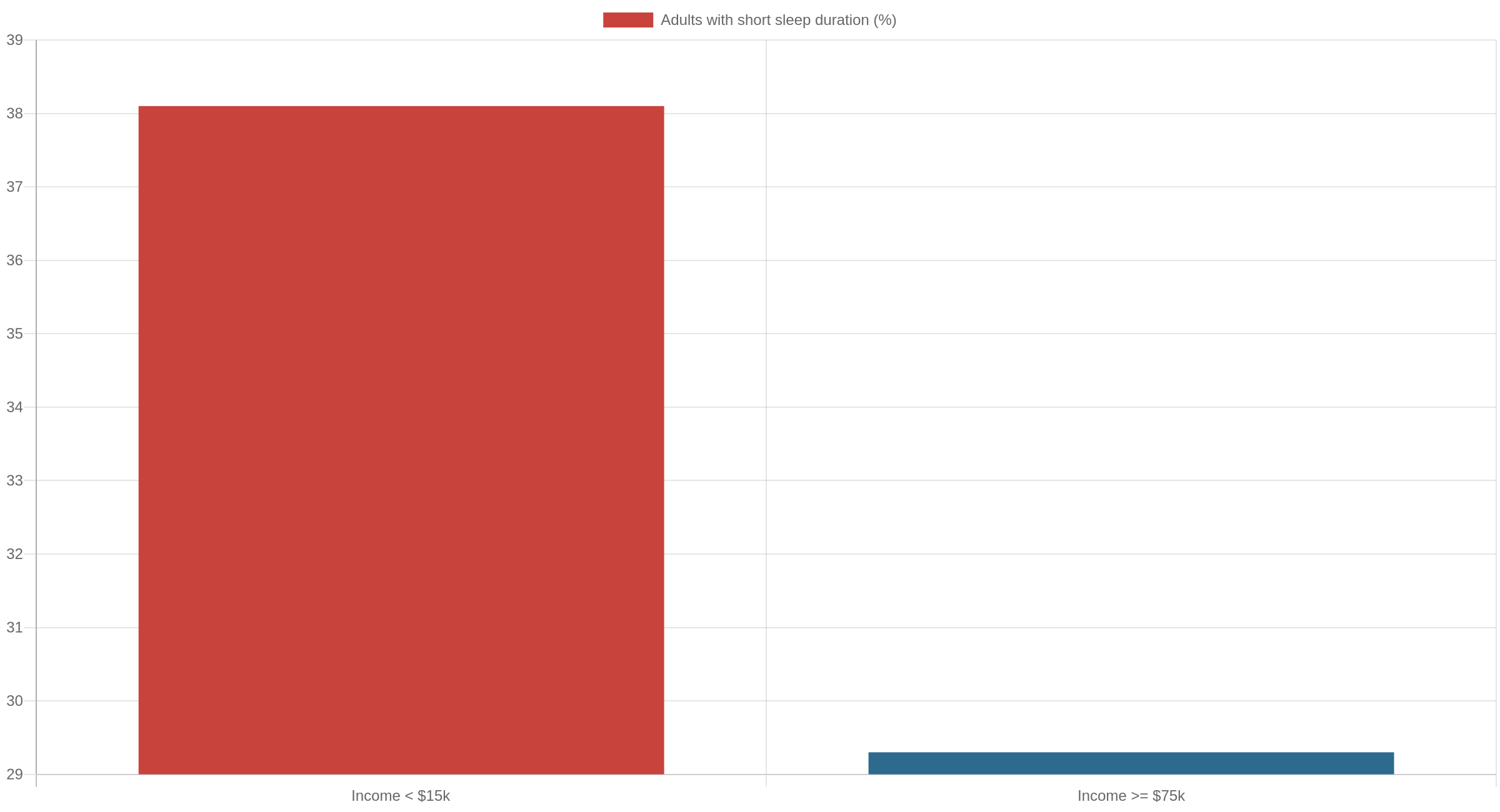
CDC data from 2020 showed short sleep duration rising as income fell:

- 38.1% of adults with household income under $15k reported short sleep
- 29.3% of adults with household income $75k+ reported short sleep

This is not a small thing.

That gap is a compounding gap.

Sleep is the platform every other form of self-improvement runs on.

If the platform is unstable, the apps crash.

3. Class is private space per nervous system

The real class formula is not:

income / person

It is closer to:

private recovery space / number of nervous systems competing for it

This is why a small flat can feel lower class even when it is clean.

It is not only square footage.

It is collision frequency.

How often do you collide with another person's schedule, emotions, noise, cooking, sleep, phone calls, drinking, music, arguments, guests, crisis?

The lower the class position, the more your time and attention are exposed to other people's chaos.

That is the brutal part.

Low class people do not merely have fewer rooms.

They have fewer protected states.
Empty_room_in_apartment.jpg


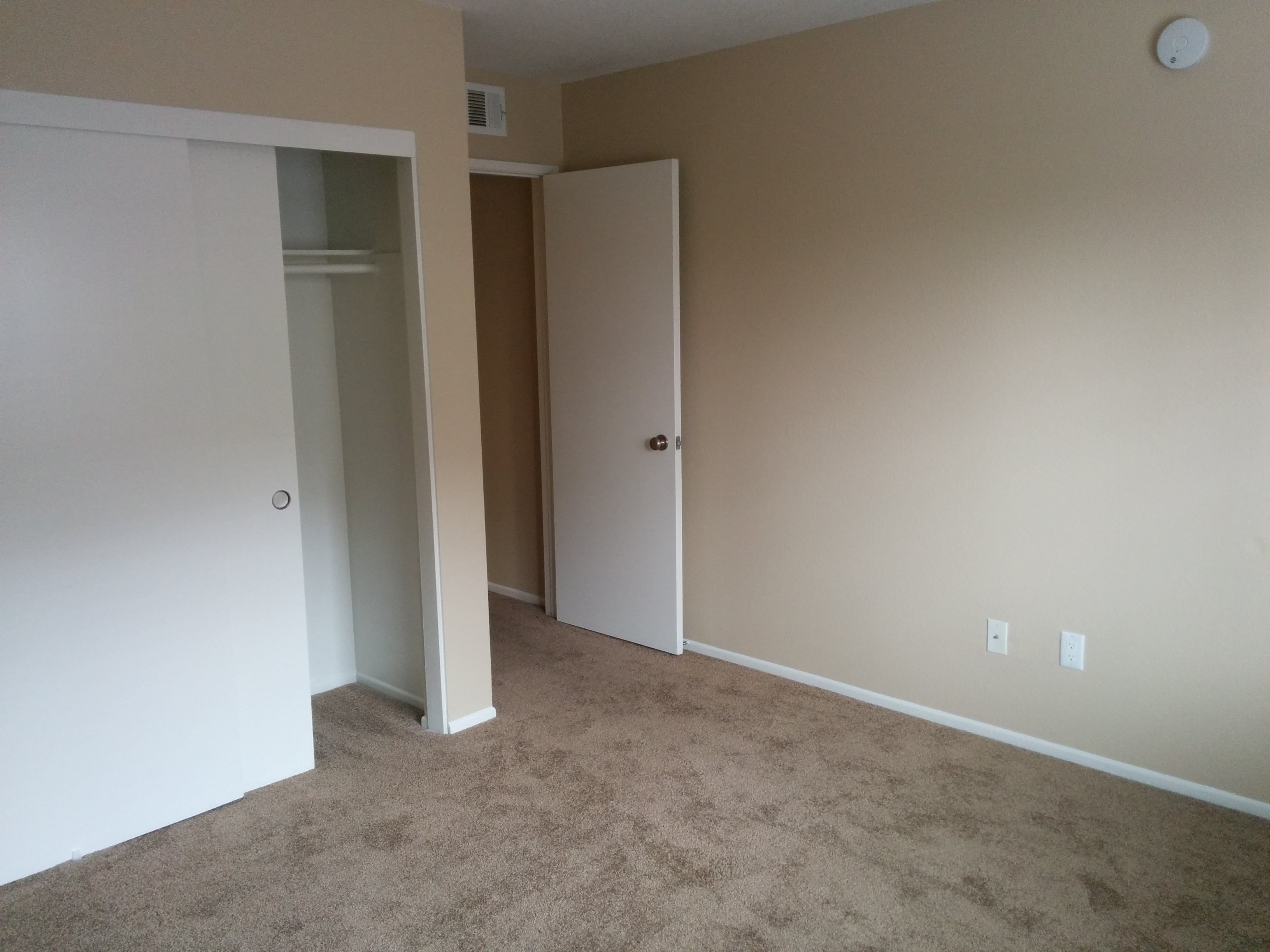
An empty room is not empty.

It is optionality.

It is a stable desk.
It is a private call.
It is uninterrupted sleep.
It is a place to read.
It is the ability to have a bad day without infecting the whole household.
It is a buffer between your ambition and everyone else's noise.

This is why "just move out" is class-blind advice.

Moving out to a worse noise environment is not independence.

It can be a downgrade in cognitive infrastructure.

4. The three noise channels of low class

1. External noise

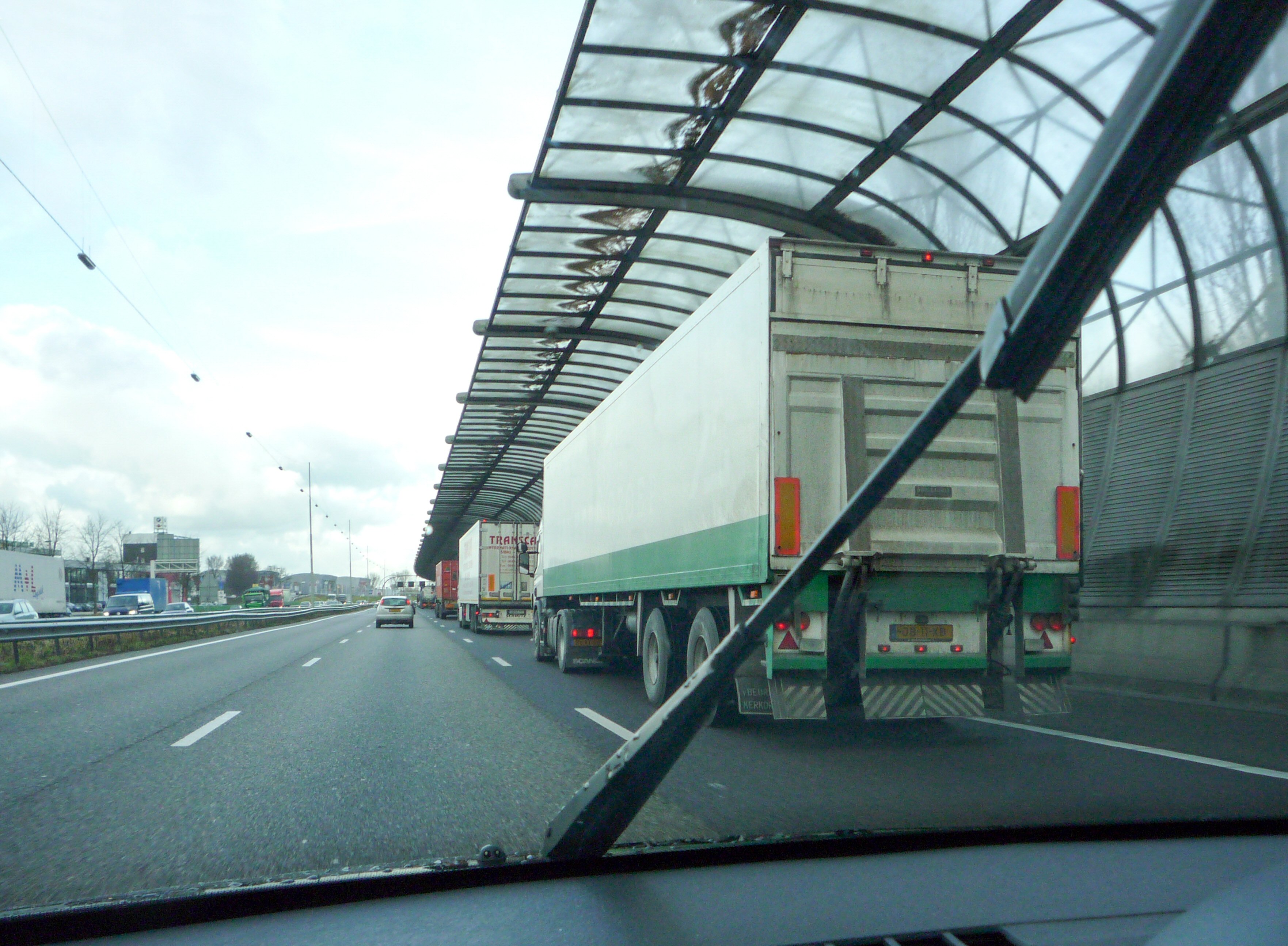
Traffic, trains, sirens, bars, cheap windows, bad insulation, airports, highways.
Road_noise_barrier_on_the_A16.jpg


2. Internal household noise

Crowding, shared bedrooms, family conflict, TV, thin walls, different sleep schedules, no study room.

3. Occupational noise

Warehouse, construction, factory, kitchen, driving, cleaning, night shift, service work, call centres, constant monitoring, alarms, machines, customers.

This is the part people miss.

The lower-class man often has noise at home AND noise at work.

He does not get a clean transition from effort to recovery.

He gets:

noise -> work -> noise -> sleep debt -> bad decisions -> more noise
zf-0282e048-4b82-40e9-aed0-685428ac94fa


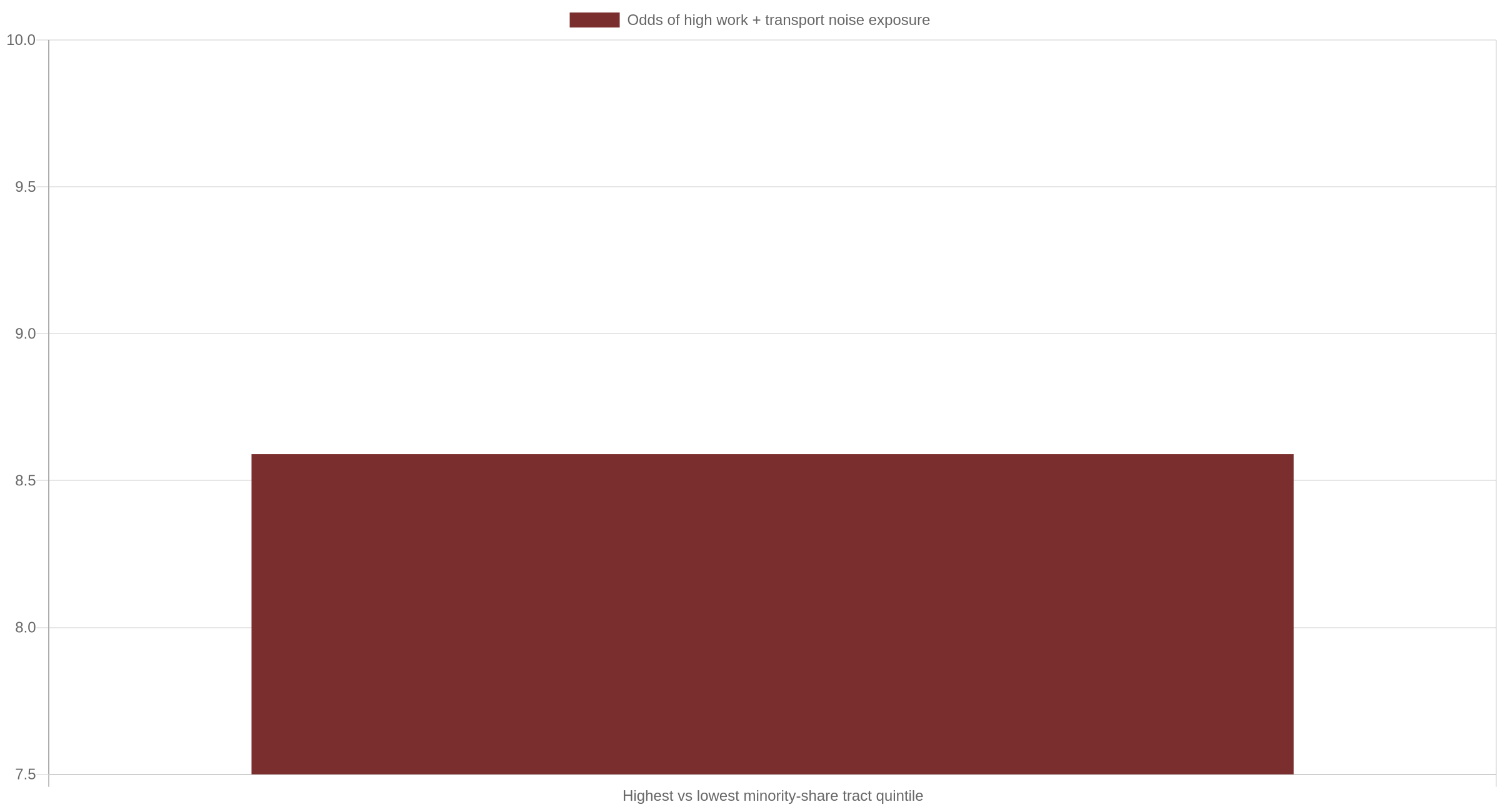
A 2026 paper in the Journal of Exposure Science & Environmental Epidemiology looked at cumulative exposure to workplace and transportation noise in the US.

One result was brutal:

census tracts with the highest proportion of racial and ethnic minority residents had 8.59x higher odds of being high in BOTH workplace and transportation noise exposure versus the lowest-proportion tracts, within metro/nonmetro comparisons.

Even if you do not care about the racial angle, understand the class angle:

noise is not randomly distributed.

It clusters around the people with the least power to buy their way out.

5. Housing problems are not just "housing problems". They are cognition problems.

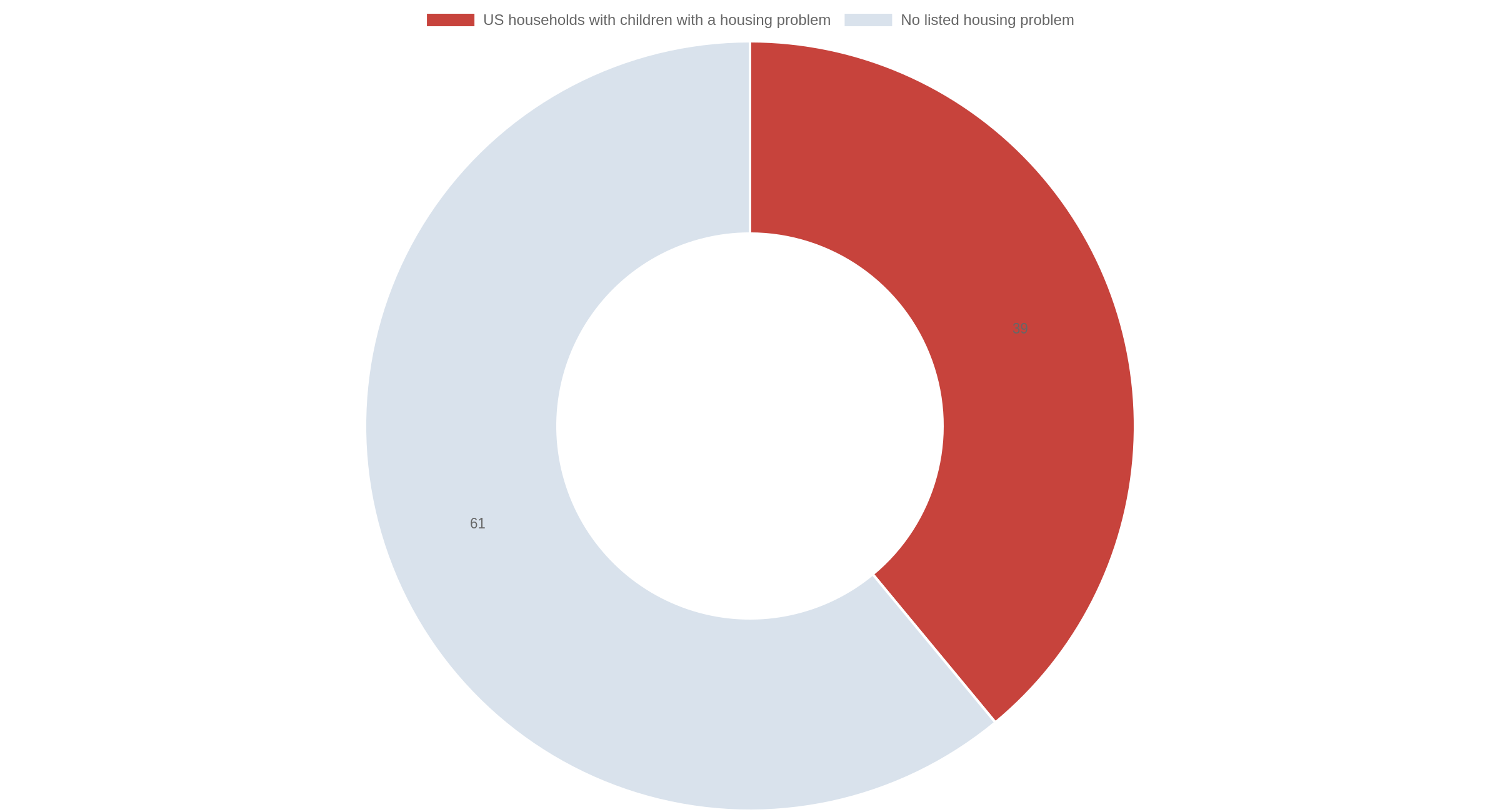
ChildStats reports that in 2021:

39% of US households with children had at least one of three housing problems:

- physically inadequate housing
- crowded housing
- housing cost burden over 30% of income
zf-046b9067-427b-4948-939d-32e039577731


People read that and think:

"Damn, housing is expensive."

Wrong level of analysis.

Housing problems are not only financial.

They are behavioural.

They decide whether a child can sleep.
Whether a teenager can study.
Whether a parent can calm down.
Whether a young man can build a business.
Whether a couple can stay sane.
Whether one person's crisis becomes everyone's crisis.

This is why class compounds.

The rich buy distance from other people's nervous systems.

The poor are forced into nervous-system communism.

Everyone's stress leaks into everyone else.

6. The "quiet luxury" meme is accidentally correct

People think quiet luxury means:

- no logos
- beige cashmere
- old money brands
- subtle watches

That is the superficial version.

Real quiet luxury is:

- a room nobody enters
- a street that sleeps
- a door that closes properly
- a house where no one screams
- neighbours you never hear
- parents who do not create emergencies
- enough money to say no to loud work
- enough space to have one thought from beginning to end

The highest class flex is not a Rolex.

It is waking up without being attacked by your environment.

7. Looksmaxxing cannot solve a noisy nervous system

This is where the forum will cope.

"Just looksmax."

Looks matter.

But a good face does not give you deep sleep.

A sharp jaw does not make your walls thicker.

A hair transplant does not stop your parents fighting.

A PSL upgrade does not make your shift schedule predictable.

Looksmaxxing can increase your social market value.

But class decides whether your body can actually recover enough to use that value intelligently.

There are good-looking low-class people who still move through life with the rhythm of a hunted animal:

fast speech,
hypervigilance,
poor sleep,
reactive decisions,
cheap dopamine,
bad partners,
bad money timing,
constant environmental friction.

Then people call it "personality."

No.

Often it is acoustic poverty plus sleep debt plus zero private space.

8. The practical pill

If you are trying to classmax, stop only thinking in terms of status symbols.

Think like an engineer.

Ask:

What inputs are poisoning my recovery loop?

Your first class upgrade may not be a watch, car, coat, restaurant, or haircut.

It may be:

- moving to a quieter room
- paying extra for top-floor or end-unit housing
- getting blackout curtains
- sealing door gaps
- using earplugs + white noise
- refusing chaotic housemates
- not living beside nightlife
- building a dedicated desk
- scheduling deep work before household noise starts
- reducing exposure to loud low-status jobs
- choosing boring stability over exciting chaos

This is not glamorous.

That is why it works.

Most people buy visible class first.

High-IQ people buy invisible class first.

Silence.
Sleep.
Space.
Predictability.
Recovery.

Final pill

The lower class man is not just poorer.

He is often running his entire life on a damaged recovery loop.

The upper class man is not just richer.

He is often protected by invisible environmental design:

quiet house,
private room,
safe street,
stable schedule,
low-conflict parents,
low-noise work,
space to think.

This is why "same IQ, same looks, same income" still does not mean same outcome.

One man gets to become himself in silence.

The other has to build himself while being interrupted.

That is a social class pill almost nobody wants to admit.

Sources / image credits

- CDC: Prevalence and Geographic Patterns of Self-Reported Short Sleep Duration Among US Adults, 2020
- WHO/NCBI Bookshelf: Environmental noise guideline recommendations
- WHO Europe: Noise fact sheet
- ChildStats: Housing problems among households with children
- NLIHC: The Gap: shortage of affordable homes for extremely low-income renters
- Nature / Journal of Exposure Science & Environmental Epidemiology: Racial and ethnic inequities to noise pollution from transportation- and work-related sources in the United States
- Wikimedia Commons images: Library's Main reading room by A.Uzieblo (CC BY-SA 4.0), Road noise barrier on the A16 by DeFacto (CC BY-SA 4.0), Empty room in apartment by aismallard (CC BY-SA 3.0)
 
  • +1
  • JFL
Reactions: R@m@, [G], PSL_Ascend and 11 others
w post
 
  • Love it
  • +1
Reactions: Seth Walsh and Navity
The Quiet Room Pill: high social class is owning the right to recover

Social class is not just money, accent, school, looks, job title, or parents.

It is whether the world lets your nervous system switch off.


Library%27s_Main_reading_room.jpg


Most people talk about class as if it is a visible costume.

Watch.
Accent.
Shoes.
University.
Holiday photos.
Who your dad knows.
How clean your LinkedIn looks.

All real.

But there is a deeper class marker almost nobody talks about:

silence.

Not metaphorical silence.

Literal silence.

The ability to sleep without traffic.
The ability to study without screaming through the wall.
The ability to work without a TV blasting in the next room.
The ability to have one private bedroom.
The ability to recover after stress instead of being thrown into more stress.

High class people do not merely have nicer objects.

They have lower background noise.

Low class is not just having less money.

Low class is having your brain taxed by the environment before the day even starts.

1. The hidden class asset: acoustic control

There are two men.

Both are 22.
Both are smart.
Both want money.
Both are looksmaxxing.
Both tell themselves they will work hard.

Man A lives in a quiet house.

He has his own room.
He can sleep at 11.
He can read at 7.
His parents do not fight outside his door.
No one needs his room.
The walls are thick.
The street is calm.
His desk is always there.

Man B lives in a noisy flat.

Shared walls.
Shared bedroom.
TV on all night.
Road outside.
Upstairs footsteps.
Sibling chaos.
Family arguments.
No stable desk.
No real privacy.
Sleep gets cut into fragments.

On paper, both have the same day.

In reality, Man A begins with a full battery.

Man B begins in battery saver mode.

That is class.

zf-079e7139-8c1b-4068-bcaf-9cd80bf8e16d


WHO does not treat quiet as vibes.

It gives numbers.

- less than 30 dB(A) in bedrooms at night for good quality sleep
- less than 35 dB(A) in classrooms for good teaching and learning
- below 45 dB Lnight for road traffic at night to avoid adverse sleep effects

So when I say class is acoustic control, I am not being poetic.

I mean: some people are born inside a cognitive-performance environment, and other people are born inside a stress machine.

2. The poor do not only lack capital. They lack recovery surface area.

The standard moneymaking advice is:

"Just work harder."

But hard work assumes recovery.

No sleep = lower testosterone, worse impulse control, worse memory, worse hunger signals, worse mood, worse risk assessment.

Bad recovery makes every self-improvement path more expensive:

- gym consistency gets harder
- studying gets harder
- sales calls get harder
- emotional regulation gets harder
- dating frame gets harder
- long-term planning gets harder
- avoiding cheap dopamine gets harder

The upper-middle-class kid is not magically more disciplined.

He is often less environmentally attacked.

His discipline is cheaper.

He is not constantly paying a noise tax.

zf-6e47278e-e78c-4e02-b567-4c931d0e2c19


CDC data from 2020 showed short sleep duration rising as income fell:

- 38.1% of adults with household income under $15k reported short sleep
- 29.3% of adults with household income $75k+ reported short sleep

This is not a small thing.

That gap is a compounding gap.

Sleep is the platform every other form of self-improvement runs on.

If the platform is unstable, the apps crash.

3. Class is private space per nervous system

The real class formula is not:

income / person

It is closer to:

private recovery space / number of nervous systems competing for it

This is why a small flat can feel lower class even when it is clean.

It is not only square footage.

It is collision frequency.

How often do you collide with another person's schedule, emotions, noise, cooking, sleep, phone calls, drinking, music, arguments, guests, crisis?

The lower the class position, the more your time and attention are exposed to other people's chaos.

That is the brutal part.

Low class people do not merely have fewer rooms.

They have fewer protected states.

Empty_room_in_apartment.jpg


An empty room is not empty.

It is optionality.

It is a stable desk.
It is a private call.
It is uninterrupted sleep.
It is a place to read.
It is the ability to have a bad day without infecting the whole household.
It is a buffer between your ambition and everyone else's noise.

This is why "just move out" is class-blind advice.

Moving out to a worse noise environment is not independence.

It can be a downgrade in cognitive infrastructure.

4. The three noise channels of low class

1. External noise

Traffic, trains, sirens, bars, cheap windows, bad insulation, airports, highways.

Road_noise_barrier_on_the_A16.jpg


2. Internal household noise

Crowding, shared bedrooms, family conflict, TV, thin walls, different sleep schedules, no study room.

3. Occupational noise

Warehouse, construction, factory, kitchen, driving, cleaning, night shift, service work, call centres, constant monitoring, alarms, machines, customers.

This is the part people miss.

The lower-class man often has noise at home AND noise at work.

He does not get a clean transition from effort to recovery.

He gets:

noise -> work -> noise -> sleep debt -> bad decisions -> more noise

zf-0282e048-4b82-40e9-aed0-685428ac94fa


A 2026 paper in the Journal of Exposure Science & Environmental Epidemiology looked at cumulative exposure to workplace and transportation noise in the US.

One result was brutal:

census tracts with the highest proportion of racial and ethnic minority residents had 8.59x higher odds of being high in BOTH workplace and transportation noise exposure versus the lowest-proportion tracts, within metro/nonmetro comparisons.

Even if you do not care about the racial angle, understand the class angle:

noise is not randomly distributed.

It clusters around the people with the least power to buy their way out.

5. Housing problems are not just "housing problems". They are cognition problems.

ChildStats reports that in 2021:

39% of US households with children had at least one of three housing problems:

- physically inadequate housing
- crowded housing
- housing cost burden over 30% of income

zf-046b9067-427b-4948-939d-32e039577731


People read that and think:

"Damn, housing is expensive."

Wrong level of analysis.

Housing problems are not only financial.

They are behavioural.

They decide whether a child can sleep.
Whether a teenager can study.
Whether a parent can calm down.
Whether a young man can build a business.
Whether a couple can stay sane.
Whether one person's crisis becomes everyone's crisis.

This is why class compounds.

The rich buy distance from other people's nervous systems.

The poor are forced into nervous-system communism.

Everyone's stress leaks into everyone else.

6. The "quiet luxury" meme is accidentally correct

People think quiet luxury means:

- no logos
- beige cashmere
- old money brands
- subtle watches

That is the superficial version.

Real quiet luxury is:

- a room nobody enters
- a street that sleeps
- a door that closes properly
- a house where no one screams
- neighbours you never hear
- parents who do not create emergencies
- enough money to say no to loud work
- enough space to have one thought from beginning to end

The highest class flex is not a Rolex.

It is waking up without being attacked by your environment.

7. Looksmaxxing cannot solve a noisy nervous system

This is where the forum will cope.

"Just looksmax."

Looks matter.

But a good face does not give you deep sleep.

A sharp jaw does not make your walls thicker.

A hair transplant does not stop your parents fighting.

A PSL upgrade does not make your shift schedule predictable.

Looksmaxxing can increase your social market value.

But class decides whether your body can actually recover enough to use that value intelligently.

There are good-looking low-class people who still move through life with the rhythm of a hunted animal:

fast speech,
hypervigilance,
poor sleep,
reactive decisions,
cheap dopamine,
bad partners,
bad money timing,
constant environmental friction.

Then people call it "personality."

No.

Often it is acoustic poverty plus sleep debt plus zero private space.

8. The practical pill

If you are trying to classmax, stop only thinking in terms of status symbols.

Think like an engineer.

Ask:

What inputs are poisoning my recovery loop?

Your first class upgrade may not be a watch, car, coat, restaurant, or haircut.

It may be:

- moving to a quieter room
- paying extra for top-floor or end-unit housing
- getting blackout curtains
- sealing door gaps
- using earplugs + white noise
- refusing chaotic housemates
- not living beside nightlife
- building a dedicated desk
- scheduling deep work before household noise starts
- reducing exposure to loud low-status jobs
- choosing boring stability over exciting chaos

This is not glamorous.

That is why it works.

Most people buy visible class first.

High-IQ people buy invisible class first.

Silence.
Sleep.
Space.
Predictability.
Recovery.

Final pill

The lower class man is not just poorer.

He is often running his entire life on a damaged recovery loop.

The upper class man is not just richer.

He is often protected by invisible environmental design:

quiet house,
private room,
safe street,
stable schedule,
low-conflict parents,
low-noise work,
space to think.

This is why "same IQ, same looks, same income" still does not mean same outcome.

One man gets to become himself in silence.

The other has to build himself while being interrupted.

That is a social class pill almost nobody wants to admit.

Sources / image credits

- CDC: Prevalence and Geographic Patterns of Self-Reported Short Sleep Duration Among US Adults, 2020
- WHO/NCBI Bookshelf: Environmental noise guideline recommendations
- WHO Europe: Noise fact sheet
- ChildStats: Housing problems among households with children
- NLIHC: The Gap: shortage of affordable homes for extremely low-income renters
- Nature / Journal of Exposure Science & Environmental Epidemiology: Racial and ethnic inequities to noise pollution from transportation- and work-related sources in the United States
- Wikimedia Commons images: Library's Main reading room by A.Uzieblo (CC BY-SA 4.0), Road noise barrier on the A16 by DeFacto (CC BY-SA 4.0), Empty room in apartment by aismallard (CC BY-SA 3.0)
Read all
Agree 100%


It's hard for me to live like this in an Indian household, but I try my best
 
  • Love it
  • +1
Reactions: Brava and Seth Walsh
Yeah completely agree. Being lower class means you have to worry about more and have less peace which keeps you drained.
 
  • +1
Reactions: R@m@ and filthycurrycel
then you realize person b was born with terra genetics of none of that mattered at all so he won in life while person a struggled as a beta buck for eternity
 
then you realize person b was born with terra genetics of none of that mattered at all so he won in life while person a struggled as a beta buck for eternity
Greyscale cope .. age pill will get you and you will be forced to understand these threads…

Your chad fantasies are on borrowed time
 
  • +1
Reactions: egyptianslayr, Brava and Navity
Greyscale cope .. age pill will get you and you will be forced to understand these threads…

Your chad fantasies are on borrowed time
"age pill" but by then ive made a succesful career, have a beautiful family and a stable income for the rest of my life so i just piss on person a (beta buck) and ropefuel him with my elegant natural success
 
"age pill" but by then ive made a succesful career, have a beautiful family and a stable income for the rest of my life so i just piss on person a (beta buck) and ropefuel him with my elegant natural success
Best of luck
 
  • +1
Reactions: Brava
Geniunley an amazing thread , I have a lot to say , let me get on my computer
 
  • Love it
  • +1
Reactions: enchanted_elixir and Seth Walsh
This is why "just move out" is class-blind advice.

Moving out to a worse noise environment is not independence.

It can be a downgrade in cognitive infrastructure.
kind of scared for myself, i am considering moving out for university, idk where, but the point is that reading this thread i am starting to understand how shit my environment is and how i dont want that to continue on when i move out, definetly wont be moving into a dorm, and definetly will try to move in into a safe/quieter neighborhood, FUCK ill need money for that, F
 
kind of scared for myself, i am considering moving out for university, idk where, but the point is that reading this thread i am starting to understand how shit my environment is and how i dont want that to continue on when i move out, definetly wont be moving into a dorm, and definetly will try to move in into a safe/quieter neighborhood, FUCK ill need money for that, F
Invisible family balance sheet pays for a lot.

Don't roleplay fake independence in exchange for harsh exposure. Stay rational.

A dorm is fine when you're in university. But renting and entering a hostile labour market is fragile.
 
  • +1
Reactions: enchanted_elixir and Brava
The upper-middle-class kid is not magically more disciplined.

He is often less environmentally attacked.

His discipline is cheaper.

He is not constantly paying a noise tax.
this is one of those things where you think its water, but cant remeber anyone or even yourself talk about this, this is truly one of the most overlooked things that plays such a major role, makes me question, what would life be if was stress free, good environment, no worries about the future
The real class formula is not:

income / person

It is closer to:

private recovery space / number of nervous systems competing for it

This is why a small flat can feel lower class even when it is clean.
come to think about it high status people are more calmer,
 
  • +1
Reactions: enchanted_elixir
Invisible family balance sheet pays for a lot.

Don't roleplay fake independence in exchange for harsh exposure. Stay rational.

A dorm is fine when you're in university. But renting and entering a hostile labour market is fragile.
yea i get what you mean, i will definetly have to look into my accomodation for university more. really worried tho
 
  • +1
Reactions: Seth Walsh
how is this not ai? wow
 
  • Love it
Reactions: Seth Walsh
  • +1
Reactions: Orka
How did you learn all of this? If you were to compress all of this advice to first principles, what would it be?
 
  • +1
Reactions: Orka
How did you learn all of this? If you were to compress all of this advice to first principles, what would it be?
Well it came from me just living through life and seeing obvious inequalities compound that clearly weren't related to "raw looks". I think it sparked from me getting hyperconscious about how some Love Island contestants a few years back would be looksmaxxed, statusmaxxed etc with millions tuning into watch them each week; then seeing how fragile their lives were behind the scenes.

Like, you know the part where their parents come on the show, and you can almost sense the social class of the family just through the parents faces and their mannerisms.

So I started thinking to myself "what is continuously saving someone from having a bad long-term life outcome".. Clearly not these Love Island contestant's looks; when they have to roid up, go on a diet, take MT2 etc and maxx out a certain niche, just to win 50k GBP.

I realised that the 50k meant more to them than anything, (and the potential fame that they could get from being a star on the show). So that solidified my belief that class is a reproducing system, whereby, to have a chance in the first place, you must capture surplus, whether that's money, attention, professional identity etc... and convert that into a durable productive asset. Many game show winners or viral personas never convert their winnings into something durable for the long run, and eventually spend all their money, gamble it etc... and they hit 0 again, and that's an absorbing barrier.

It's true that wealth and class follow a "non-ergodic" distribution. Meaning the ensemble average looks normally distributed when you look at it from a mean-variance perspective across all the lives of everyone in the sample. But in reality, the sample is dominated by extreme outliers who pull the mean up from the median. Those who take excessive risks without downside insurance (i.e., non existant family balance sheet, renting housing high burn/fixed costs, dependent on stipends, etc) will hit 0, or near zero if they take too many risks over time. When you hit an absorbing barrier, you hit 0, and you no longer can participate in the game, and never catch up to the average again; because you just don't have the means.

A good example of ergodicity versus non-ergodicity is:

Ergodic = Stadium full of people... Robert Wadlow walks in at 8'11. The stadium's average height stays at 5'9 among all men. So the TALLEST MAN IN HISTORY DID NOT CHANGE THE AVERAGE ONE BIT. 100,000 people keep the mean safe from outliers because the GAME IS ERGODIC

Non-ergodic = Elon Musk walks into that stadium.... Suddenly the average wealth of the sample shot up by $600billion. Why? Because the GAME OF CLASS AND WEALTH is Non-ergodic. I think this is the fundamental thing to understand.

This fundamental made it make sense why more and more people are drifting towards the lower class, while fewer people are entering the upper class, but those who stay upper class, are getting far more rich than could be modelled in a simple gaussian/normal distribution. This is because the class and wealth game is non-ergodic.

That's why in my practical guides, I emphasise risk-taking and capital allocation over time as the only things that can really move your class. Sometimes it takes generations, but sometimes it doesn't. Sometimes you can actually move up a class within a generation. But you can only do that if you 1) Did not start at an absorbing barrier; or 2) Did not hit an absorbing barrier at any time throughout your journey.

Entire families can lose their multi century fortunes and never recover, because they hit an absorbing barrier at one stage (i.e., Vanderbilts).

So class conscious people see the middle class as a transient zone, where incredibly astute capital allocation acts as the engine that progresses you upwards wealth-wise over time. This is why say, in trading, a stop-loss is so important. Because ruin-risk or liquidation is an absorbing barrier. You hit 0, you can't re enter the game.

This is why most of my threads are about "family balance sheet" "family backstop" "living at home while saving as a privilege". Because these backstops drastically lessen your risk of hitting an absorbing barrier, while letting you take risks and exposing yourself to convex upside.

Here's one that'll shock you. Do you think if Clavicular was as reckless as he was, but did not have a father who is a rich business owner of 25+ years, he'd be able to take the risks that got him famous, rich and popular?

People without backstops cannot take on huge amounts of risk, because if they fail hard once, they hit a permanent absorbing barrier and force themselves to live the rest of their lives from a position they cannot compound from.

Clav got kicked out of Uni in the first few weeks for having roids which he was injecting since 14...


You think if anyone else did that, they'd still be going? Or would they be forced into some minimum wage job fast or onto benefits just so they can not die...

I guess this braindump is how I know for a fact that social class is the real blackpill.


TLDR (but real, do read)

- The game of life is non-ergodic
- Backstops are what allow you to take risk in the first place
- Being average with a backstop is different than being the exact same type of average without a backstop
- Taking risk makes it more likely for you to experience a positive black-swan event that reprices your entire life in a sort of step-up effect. This happened with Clav, now he can invest his earnings and create his own security.
 
Last edited:
  • +1
Reactions: Orka, enchanted_elixir and PSL_Ascend
Well it came from me just living through life and seeing obvious inequalities compound that clearly weren't related to "raw looks". I think it sparked from me getting hyperconscious about how some Love Island contestants a few years back would be looksmaxxed, statusmaxxed etc with millions tuning into watch them each week; then seeing how fragile their lives were behind the scenes.

Like, you know the part where their parents come on the show, and you can almost sense the social class of the family just through the parents faces and their mannerisms.

So I started thinking to myself "what is continuously saving someone from having a bad long-term life outcome".. Clearly not these Love Island contestant's looks; when they have to roid up, go on a diet, take MT2 etc and maxx out a certain niche, just to win 50k GBP.

I realised that the 50k meant more to them than anything, (and the potential fame that they could get from being a star on the show). So that solidified my belief that class is a reproducing system, whereby, to have a chance in the first place, you must capture surplus, whether that's money, attention, professional identity etc... and convert that into a durable productive asset. Many game show winners or viral personas never convert their winnings into something durable for the long run, and eventually spend all their money, gamble it etc... and they hit 0 again, and that's an absorbing barrier.

It's true that wealth and class follow a "non-ergodic" distribution. Meaning the ensemble average looks normally distributed when you look at it from a mean-variance perspective across all the lives of everyone in the sample. But in reality, the sample is dominated by extreme outliers who pull the mean up from the median. Those who take excessive risks without downside insurance (i.e., family balance sheet, housing low burn, etc) will hit 0, or near zero if they take too many risks over time. When you hit an absorbing barrier, you hit 0, and you no longer can participate in the game, and never catch up to the average again; because you just don't have the means.

A good example of ergodicity versus non-ergodicity is:

Ergodic = Stadium full of people... Robert Wadlow walks in at 8'11. The stadium's average height stays at 5'9 among all men. So the TALLEST MAN IN HISTORY DID NOT CHANGE THE AVERAGE ONE BIT. 100,000 people keep the mean safe from outliers because the GAME IS ERGODIC

Non-ergodic = Elon Musk walks into that stadium.... Suddenly the average wealth of the sample shot up by $600billion. Why? Because the GAME OF CLASS AND WEALTH is Non-ergodic. I think this is the fundamental thing to understand.

This fundamental made it make sense why more and more people are drifting towards the lower class, while fewer people are entering the upper class, but those who stay upper class, are getting far more rich than could be modelled in a simple gaussian/normal distribution. This is because the class and wealth game is non-ergodic.

That's why in my practical guides, I emphasis risk-taking and capital allocation over time as the only things that can really move your class. Sometimes it takes generations, but sometimes it doesn't. Sometimes you can actually move up a class within a generation. But you can only do that if you 1) Did not start at an absorbing barrier; or 2) Did not hit an absorbing barrier at any time throughout your journey.

Entire families can lose their multi century fortunes and never recover, because they hit an absorbing barrier at one stage (i.e., Vanderbilts).

So class conscious people see the middle class as a transient zone, where incredibly astute capital allocation acts as the engine that progresses you upwards wealth-wise over time. This is why say, in trading, a stop-loss is so important. Because ruin-risk or liquidation is an absorbing barrier. You hit 0, you can't re enter the game.

This is why most of my threads are about "family balance sheet" "family backstop" "living at home while saving as a privilege". Because these backstops drastically lessen your risk of hitting an absorbing barrier, while letting you take risks and exposing yourself to convex upside.

Here's one that'll shock you. Do you think if Clavicular was as reckless as he was, but did not have a father who is a rich business owner of 25+ years, he'd be able to take the risks that got him famous, rich and popular?

People without backstops cannot take on huge amounts of risk, because if they fail hard once, they hit a permanent absorbing barrier and force themselves to live the rest of their lives from a position they cannot compound from.

Clav got kicked out of Uni in the first few weeks for having roids which he was injecting since 14...


You think if anyone else did that, they'd still be going? Or would they be forced into some minimum wage job fast or onto benefits just so they can not die...

I guess this braindump is how I know for a fact that social class is the real blackpill.


TLDR (but real, do read)

- The game of life is non-ergodic
- Backstops are what allow you to take risk in the first place
- Being average with a backstop is different than being the exact same type of average without a backstop
- Taking risk makes it more likely for you to experience a positive black-swan event that reprices your entire life in a sort of step-up effect. This happened with Clav, now he can invest his earnings and create his own security.
Well said.
 
  • Love it
  • +1
Reactions: enchanted_elixir and Seth Walsh
Well it came from me just living through life and seeing obvious inequalities compound that clearly weren't related to "raw looks". I think it sparked from me getting hyperconscious about how some Love Island contestants a few years back would be looksmaxxed, statusmaxxed etc with millions tuning into watch them each week; then seeing how fragile their lives were behind the scenes.

Like, you know the part where their parents come on the show, and you can almost sense the social class of the family just through the parents faces and their mannerisms.

So I started thinking to myself "what is continuously saving someone from having a bad long-term life outcome".. Clearly not these Love Island contestant's looks; when they have to roid up, go on a diet, take MT2 etc and maxx out a certain niche, just to win 50k GBP.

I realised that the 50k meant more to them than anything, (and the potential fame that they could get from being a star on the show). So that solidified my belief that class is a reproducing system, whereby, to have a chance in the first place, you must capture surplus, whether that's money, attention, professional identity etc... and convert that into a durable productive asset. Many game show winners or viral personas never convert their winnings into something durable for the long run, and eventually spend all their money, gamble it etc... and they hit 0 again, and that's an absorbing barrier.

It's true that wealth and class follow a "non-ergodic" distribution. Meaning the ensemble average looks normally distributed when you look at it from a mean-variance perspective across all the lives of everyone in the sample. But in reality, the sample is dominated by extreme outliers who pull the mean up from the median. Those who take excessive risks without downside insurance (i.e., non existant family balance sheet, renting housing high burn/fixed costs, dependent on stipends, etc) will hit 0, or near zero if they take too many risks over time. When you hit an absorbing barrier, you hit 0, and you no longer can participate in the game, and never catch up to the average again; because you just don't have the means.

A good example of ergodicity versus non-ergodicity is:

Ergodic = Stadium full of people... Robert Wadlow walks in at 8'11. The stadium's average height stays at 5'9 among all men. So the TALLEST MAN IN HISTORY DID NOT CHANGE THE AVERAGE ONE BIT. 100,000 people keep the mean safe from outliers because the GAME IS ERGODIC

Non-ergodic = Elon Musk walks into that stadium.... Suddenly the average wealth of the sample shot up by $600billion. Why? Because the GAME OF CLASS AND WEALTH is Non-ergodic. I think this is the fundamental thing to understand.

This fundamental made it make sense why more and more people are drifting towards the lower class, while fewer people are entering the upper class, but those who stay upper class, are getting far more rich than could be modelled in a simple gaussian/normal distribution. This is because the class and wealth game is non-ergodic.

That's why in my practical guides, I emphasise risk-taking and capital allocation over time as the only things that can really move your class. Sometimes it takes generations, but sometimes it doesn't. Sometimes you can actually move up a class within a generation. But you can only do that if you 1) Did not start at an absorbing barrier; or 2) Did not hit an absorbing barrier at any time throughout your journey.

Entire families can lose their multi century fortunes and never recover, because they hit an absorbing barrier at one stage (i.e., Vanderbilts).

So class conscious people see the middle class as a transient zone, where incredibly astute capital allocation acts as the engine that progresses you upwards wealth-wise over time. This is why say, in trading, a stop-loss is so important. Because ruin-risk or liquidation is an absorbing barrier. You hit 0, you can't re enter the game.

This is why most of my threads are about "family balance sheet" "family backstop" "living at home while saving as a privilege". Because these backstops drastically lessen your risk of hitting an absorbing barrier, while letting you take risks and exposing yourself to convex upside.

Here's one that'll shock you. Do you think if Clavicular was as reckless as he was, but did not have a father who is a rich business owner of 25+ years, he'd be able to take the risks that got him famous, rich and popular?

People without backstops cannot take on huge amounts of risk, because if they fail hard once, they hit a permanent absorbing barrier and force themselves to live the rest of their lives from a position they cannot compound from.

Clav got kicked out of Uni in the first few weeks for having roids which he was injecting since 14...


You think if anyone else did that, they'd still be going? Or would they be forced into some minimum wage job fast or onto benefits just so they can not die...

I guess this braindump is how I know for a fact that social class is the real blackpill.


TLDR (but real, do read)

- The game of life is non-ergodic
- Backstops are what allow you to take risk in the first place
- Being average with a backstop is different than being the exact same type of average without a backstop
- Taking risk makes it more likely for you to experience a positive black-swan event that reprices your entire life in a sort of step-up effect. This happened with Clav, now he can invest his earnings and create his own security.
Thank you so much for your response.

I got interested in this because I had the latent potential to have long term thinking (i made $3k investing in cryptocurrency) but lost it all due to poor spending (on food mostly instead of eating at home), making me feel like I have this split personality and the extractive one was wasting my time, so I decided that I would be wary of how I made decision and the full costs and benefits of that actions -- essentially decision theory, systems theory, economics, game theory, and evolution among others; what it costs, what benefits it gives along a given time horizon, total lifetime value, how that increases and decreases optionality, efficiency of resources (especially time but also attention, etc.) and full accounting of all capital and resources humans have (time, attention, biological energy, knowledge, connections, etc.) and compounding, and how these factors interact and co-evolve with my environment, and so much more.

I had to shoot down the extractor sapping my money and mostly... attention (social media) and never allow me to waste my time again and help me recover the lost years, although i learned a lot of skills during those years but have nothing to show for it in actual capital.

This, again, for me was a necessity to not let my attention stolen from me like that, because I could have been a millionaire from online business by age 20, but I didn't. I'm a little over 20 now but I regret letting my attention get stolen from me and not doing it earlier.

I already had a lot of these thoughts in my head (the class and time preference stuff among others) but to see you articulate latent thoughts I've been subconsciously processing is cool so I had to read, compliment and ask.

TLDR; I let social media waste years of my life with nothing to show for it, got frustrated, and learned a bunch of intellectual frameworks like decision theory, evolutionary systems theory, full accounting, to optimize decision making, optionality, resilience, and output with current resources across relevant time horizons to achieve my goals and buy more time so I can make up for the lost years.
 
Last edited:
  • +1
Reactions: Orka and PSL_Ascend
Thank you so much for your response.

I got interested in this because I had the latent potential to have long term thinking (i made $3k investing in cryptocurrency) but lost it all due to poor spending (on food mostly instead of eating at home), making me feel like I have this split personality and the extractive one was wasting my time, so I decided that I would be wary of how I made decision and the full costs and benefits of that actions -- essentially decision theory, systems theory, economics, game theory, and evolution among others; what it costs, what benefits it gives along a given time horizon, total lifetime value, how that increases and decreases optionality, efficiency of resources (especially time but also attention, etc.) and full accounting of all capital and resources humans have (time, attention, biological energy, knowledge, connections, etc.) and compounding, and how these factors interact and co-evolve with my environment, and so much more.

I had to shoot down the extractor sapping my money and mostly... attention (social media) and never allow me to waste my time again and help me recover the lost years, although i learned a lot of skills during those years but have nothing to show for it in actual capital.

This, again, for me was a necessity to not let my attention stolen from me like that, because I could have been a millionaire from online business by age 20, but I didn't. I'm a little over 20 now but I regret letting my attention get stolen from me and not doing it earlier.

I already had a lot of these thoughts in my head (the class and time preference stuff among others) but to see you articulate latent thoughts I've been subconsciously processing is cool so I had to read, compliment and ask.

TLDR; I let social media waste years of my life with nothing to show for it, got frustrated, and learned a bunch of intellectual frameworks like decision theory, evolutionary systems theory, full accounting, to optimize decision making, optionality, resilience, and output with current resources across relevant time horizons to achieve my goals and buy more time so I can make up for the lost years.
Read

Anti-fragile by Nassim Taleb, and;
The missing billionaires by Victor Hagani


1783680085228


Taleb might be a bit more abstract but when his beliefs hit, they hit like a steamroller ..,


Missing billionaires has a chapter specifically on spending as apart of your life’s total capital decision machine and it’s really really relevant to everything you wrote imo

One of my favourite books
 
  • +1
Reactions: enchanted_elixir
High class people live in a different world

I go to rich places its quiet, clean and beautiful theres abundance, people there work in finance, big bussiness owners, football players, people with money and status

I go to low class places, more noise, more dirty, people be outside more, houses in a bad state and people there work mostly in construction or drug dealers or any other low class job you can think off, some places dont even have electricity and at night is completely black out in some hoods

2 different realities
 
  • +1
Reactions: enchanted_elixir
I read all of this in an Indian accent
 

Similar threads

Seth Walsh
Replies
8
Views
175
Seth Walsh
Seth Walsh
Seth Walsh
Replies
8
Views
105
ase
ase
Seth Walsh
Replies
2
Views
67
Seth Walsh
Seth Walsh
Seth Walsh
Replies
7
Views
192
Zigsaurenho
Zigsaurenho

Users who are viewing this thread

Back
Top