Seth Walsh

Iconoclast
Contributor
- Joined
- Jan 12, 2020
- Posts
- 11,138
- Reputation
- 22,785
Your salary, clothes and accent can lie.
Your balance sheet and geography cannot.

Most people think social class is:
• what school you went to
• your accent
• your job title
• clothes
• holidays
• restaurants
• whether your parents seem "posh"
That is the surface layer.
There is a much more brutal layer underneath it:
STRUCTURAL CLASS.
Structural class is your actual position inside the economic system.
Two 28-year-olds can both make €60k and appear identical.
Person A has €100k invested, no debt, lives cheaply and has parents in Dublin/London who could house him during a transition.
Person B has €2k, a financed car, credit-card debt and €1,500/month rent.
They are not in the same social class economically.
The first guy can lose his job and spend 9 months finding the correct next move.
The second guy loses his job and the clock starts immediately.
This is what I would call:
"negative convexity to interruption."
While the salary keeps arriving, everything looks fine.
Nice apartment.
Gym.
Car.
Watch.
Holidays.
Restaurants.
Then the salary stops.
Suddenly all of the previous "wealth" reveals itself as consumption.
The rent still exists.
The debt still exists.
The car payment still exists.
But the income doesn't.
A tiny interruption in the flow produces a disproportionately large deterioration in the person's life.
Meanwhile the guy with assets and low fixed costs experiences unemployment completely differently.
For him it can literally become:
Same event.
Completely different reality.
Your balance sheet and geography cannot.
Most people think social class is:
• what school you went to
• your accent
• your job title
• clothes
• holidays
• restaurants
• whether your parents seem "posh"
That is the surface layer.
There is a much more brutal layer underneath it:
STRUCTURAL CLASS.
Structural class is your actual position inside the economic system.
Assets.
Debt.
Fixed costs.
Family underwriting.
Housing.
Geographical proximity to opportunity.
Runway.
Career optionality.
Two 28-year-olds can both make €60k and appear identical.
Person A has €100k invested, no debt, lives cheaply and has parents in Dublin/London who could house him during a transition.
Person B has €2k, a financed car, credit-card debt and €1,500/month rent.
They are not in the same social class economically.
The first guy can lose his job and spend 9 months finding the correct next move.
The second guy loses his job and the clock starts immediately.
THE INTERRUPTION PILL
This is what I would call:
"negative convexity to interruption."
While the salary keeps arriving, everything looks fine.
Nice apartment.
Gym.
Car.
Watch.
Holidays.
Restaurants.
Then the salary stops.
Suddenly all of the previous "wealth" reveals itself as consumption.
The rent still exists.
The debt still exists.
The car payment still exists.
But the income doesn't.
A tiny interruption in the flow produces a disproportionately large deterioration in the person's life.
Meanwhile the guy with assets and low fixed costs experiences unemployment completely differently.
For him it can literally become:
"I'll take six months off, build something, retrain and wait for the right job."
Same event.
Completely different reality.
THE PROPINQUITY PILL

This one is massively underrated.
Where you physically live changes your opportunity set.
If you already live near Dublin 2/4/6, Central London, Canary Wharf etc:
• interview = 20 minute trip
• industry drinks = easy
• date = easy
• recruiter coffee = easy
• gym with ambitious people = easy
• friend texts "come meet these guys" = easy
Now imagine losing your job and moving 90 minutes away because you can no longer afford the city.
Every interaction becomes an expedition.
You slowly stop attending things.
People stop spontaneously inviting you.
Your network becomes less dense.
You have reduced your burn rate...
but you have also moved yourself further away from the opportunity graph.
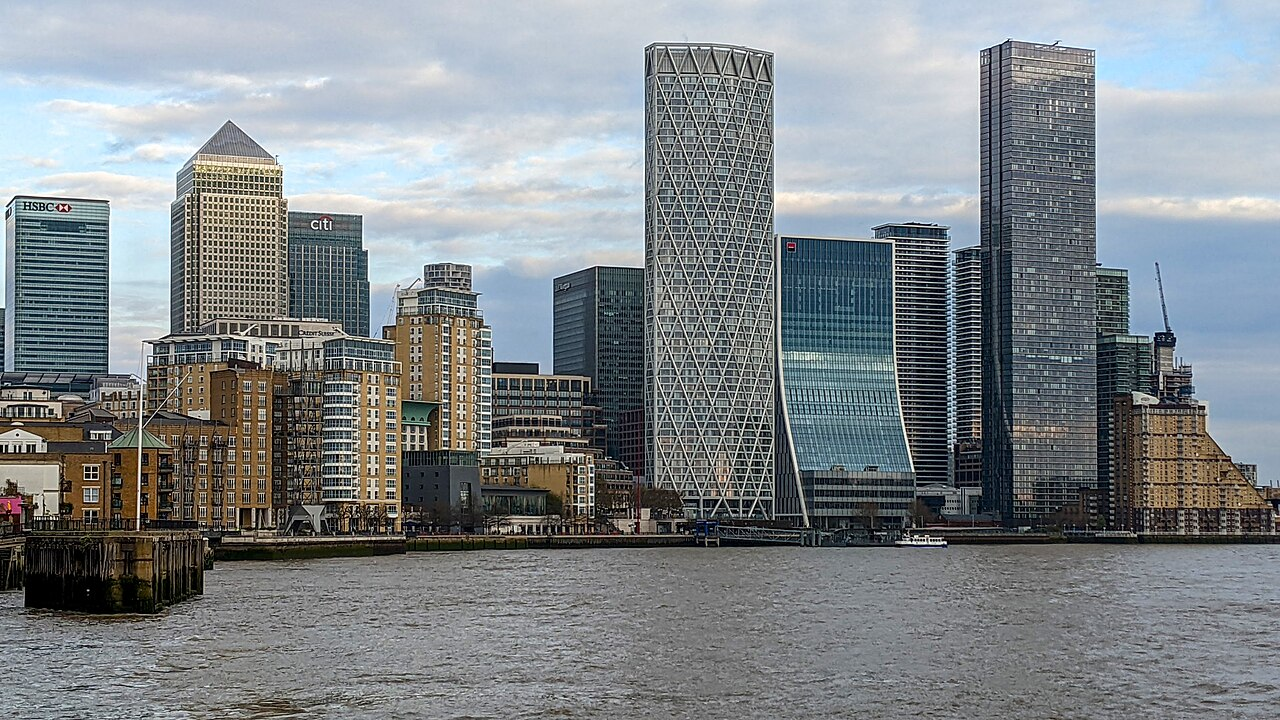
This is why having parents with a house in the right city is an absurd hidden advantage.
People think:
"His parents let him live at home."
No.
His parents may effectively be subsidising his continued presence inside one of the highest-density labour/social markets in the country.
That is worth far more than free food.
Structural class is multiplicative.
Capital → runway → better decisions → better opportunities → more capital.
But the reverse works too.
No capital → urgency → forced decisions → weaker trajectory → continued lack of capital.
This is why someone can look richer than you for five years and suddenly end up dramatically behind you.
They consumed the flow.
You accumulated the stock.
Forget pretending to be rich.
1. Build liquid assets.
2. Keep fixed costs low.
3. Avoid consumer debt.
4. Own productive assets early.
5. Preserve career runway.
6. Stay geographically close to high-value networks.
7. Never allow lifestyle inflation to make continued employment mandatory.
The ultimate flex isn't looking expensive.
It is being extremely difficult to force.
This one is massively underrated.
Where you physically live changes your opportunity set.
If you already live near Dublin 2/4/6, Central London, Canary Wharf etc:
• interview = 20 minute trip
• industry drinks = easy
• date = easy
• recruiter coffee = easy
• gym with ambitious people = easy
• friend texts "come meet these guys" = easy
Now imagine losing your job and moving 90 minutes away because you can no longer afford the city.
Every interaction becomes an expedition.
You slowly stop attending things.
People stop spontaneously inviting you.
Your network becomes less dense.
You have reduced your burn rate...
but you have also moved yourself further away from the opportunity graph.
This is why having parents with a house in the right city is an absurd hidden advantage.
People think:
"His parents let him live at home."
No.
His parents may effectively be subsidising his continued presence inside one of the highest-density labour/social markets in the country.
That is worth far more than free food.
WHY THIS COMPOUNDS
Structural class is multiplicative.
Capital → runway → better decisions → better opportunities → more capital.
But the reverse works too.
No capital → urgency → forced decisions → weaker trajectory → continued lack of capital.
This is why someone can look richer than you for five years and suddenly end up dramatically behind you.
They consumed the flow.
You accumulated the stock.
THE ACTUAL CLASSMAXXING STACK
Forget pretending to be rich.
1. Build liquid assets.
2. Keep fixed costs low.
3. Avoid consumer debt.
4. Own productive assets early.
5. Preserve career runway.
6. Stay geographically close to high-value networks.
7. Never allow lifestyle inflation to make continued employment mandatory.
The ultimate flex isn't looking expensive.
It is being extremely difficult to force.
STRUCTURAL CLASS > PERFORMATIVE CLASS
Your lifestyle tells people what you consumed.
Your balance sheet tells you what choices you actually have.
Your lifestyle tells people what you consumed.
Your balance sheet tells you what choices you actually have.