xan!

[INSERT TITLE]
- Joined
- Dec 7, 2025
- Posts
- 515
- Reputation
- 1,020
The Ultimate Carnivore Diet Guide for Beginners
Made by @xan!
The carnivore diet is one of the most talked about and misunderstood diets in the health space right now. At its core it is simple, you eat only animal products and nothing else. No plants, no grains, no vegetables. Just meat, fish, eggs, and dairy. This guide will break down everything you need to know to get started, what to expect, and why so many people are seeing incredible results.
What is the Carnivore Diet?
The carnivore diet is an elimination diet built around animal based foods exclusively. It removes all plant matter including fruits, vegetables, legumes, grains, nuts, and seeds. The idea is that animal products contain everything the human body needs to thrive and that many of the health problems people deal with today are caused by plant compounds, processed foods, and seed oils.
What Can You Eat?
The foundation of the carnivore diet is straightforward
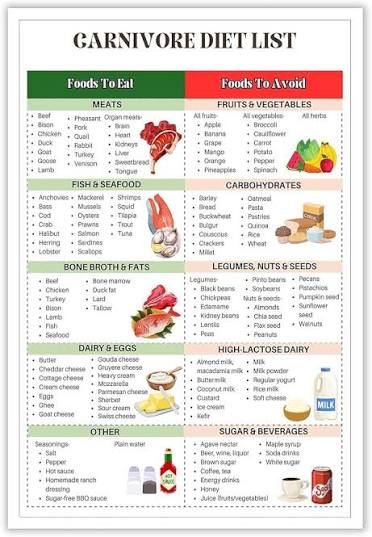
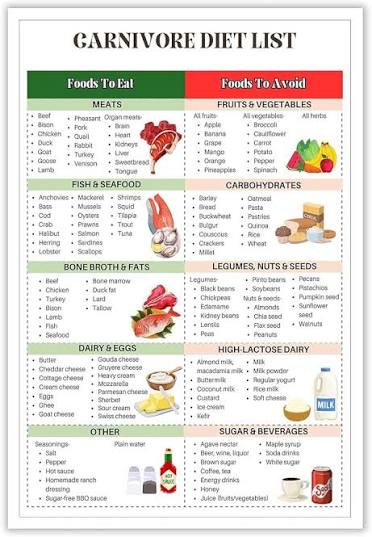
Beef is the staple and most people doing carnivore eat beef as their primary food source. Ribeye steak, ground beef, brisket, and organ meats like liver are the most popular choices. Other red meats including lamb, pork, and bison are also great options. Poultry like chicken and turkey are acceptable though many strict carnivore advocates prefer ruminant animals like beef and lamb. Fish and seafood including salmon, sardines, and shrimp are excellent sources of omega 3 fatty acids and are widely eaten on carnivore. Eggs are one of the most nutrient dense foods on the planet and are a carnivore staple. Dairy including butter, cheese, and heavy cream is allowed by most people on carnivore though some choose to exclude it especially if they have dairy sensitivities. Organ meats like liver, kidney, and heart are considered superfoods on carnivore and are packed with vitamins and minerals that are hard to get anywhere else.
What Can't You Eat?
Everything plant based is off the table. No fruits, vegetables, grains, legumes, nuts, seeds, oils from plants, coffee, tea, or any processed food. Salt is generally fine and many people include it as a staple.
Why Do People Do Carnivore?
People turn to the carnivore diet for a wide range of reasons. Many come from keto or low carb diets and want to take elimination further to identify food sensitivities. Others do it for autoimmune conditions, gut issues, mental clarity, weight loss, muscle building, or simply because they feel better eating this way. A growing number of people in the looksmaxxing and physical optimization space have adopted carnivore because of its reported effects on testosterone, skin health, inflammation, and body composition.
(As well as influencers like goatis and faceIQ promoting it)


Health Benefits People Report
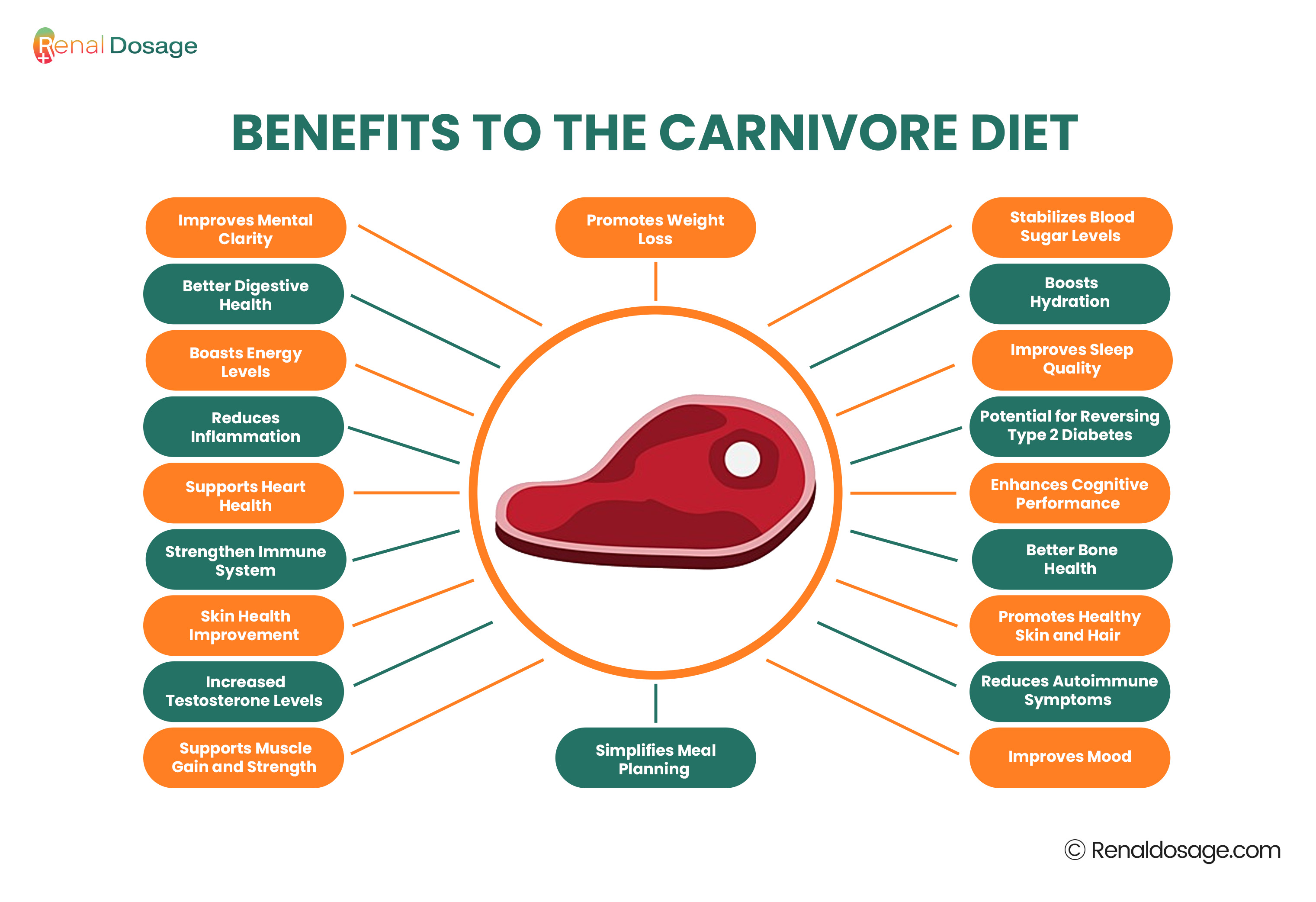
Those who stick with the carnivore diet consistently report a range of benefits. Fat loss is one of the most common outcomes, particularly stubborn body fat that doesn't respond to other diets. Many people report significant improvements in skin clarity, reduction in acne, and overall better complexion. Mental clarity and focus is another frequently reported benefit, many carnivore advocates describe a level of mental sharpness they never experienced on a standard diet. Reduced inflammation is a major reason many people with autoimmune conditions try carnivore. Joint pain, digestive issues, and skin conditions like eczema and psoriasis have all been reported to improve. Increased energy and better sleep are also commonly reported, along with improved mood and reduced anxiety.
The Adaptation Phase
The first few weeks on carnivore can be rough and it is important to know what to expect. Your body has been running on carbohydrates and it needs time to adapt to burning fat and ketones as its primary fuel source. During this adaptation phase you may experience fatigue, headaches, brain fog, digestive changes, and cravings. This is completely normal and typically passes within two to four weeks. Staying well hydrated and making sure you are eating enough fat and salt will help significantly during this period. Do not undereat during adaptation, if you are hungry eat more meat.
How Much to Eat
One of the biggest mistakes beginners make is not eating enough. On carnivore you eat to satiety, meaning you eat until you are full and stop. Do not count calories. Your body will regulate itself over time. In the beginning most people find they need to eat more than they expect, especially during the adaptation phase. Prioritize fatty cuts of meat like ribeye and ground beef with higher fat ratios. Fat is your primary fuel source on carnivore and you need enough of it to feel good.
Electrolytes
When you cut carbohydrates your body excretes more sodium, potassium, and magnesium. This is why many people feel fatigued or get headaches in the early stages. Salting your food generously is important on carnivore. Some people also supplement with potassium and magnesium. Bone broth is an excellent source of electrolytes and minerals and is widely used in the carnivore community.
Organ Meats. The Secret Weapon
If there is one thing that separates serious carnivore practitioners from beginners it is organ meats. Liver in particular is one of the most nutrient dense foods that exists. It is packed with vitamin A, B vitamins, iron, zinc, copper, and a range of other nutrients that are difficult to get in adequate amounts from muscle meat alone. Many people who feel off on carnivore are not eating enough organ meats. Even eating liver once or twice a week can make a significant difference. If you cannot stomach the taste of liver raw or cooked try starting with small amounts mixed into ground beef or consider desiccated liver capsules as a supplement.
Common Mistakes
Not eating enough fat is the most common mistake on carnivore. Lean meat alone will not sustain you and can actually cause issues over time. Make sure you are eating fatty cuts. Not eating enough overall is another issue, many people try to undereat on carnivore and wonder why they feel terrible. Not giving the adaptation phase enough time is also common. Many people quit after two weeks right before they would have started feeling incredible. Finally not including organ meats is a major missed opportunity for the full benefits of the carnivore diet.
Is Carnivore Right for You?
The carnivore diet is not for everyone but for a growing number of people it has been genuinely life changing. If you have struggled with gut issues, autoimmune conditions, skin problems, mental health, or just want to take your health and physique to the next level it is absolutely worth trying for at least 30 days. The elimination aspect alone can help you identify foods that were silently causing you issues for years.
Your First Week
Keep it simple. Buy ground beef, ribeye steaks, eggs, and butter. Eat when you are hungry, stop when you are full. Salt your food well. Drink plenty of water. Do not overthink it. The carnivore diet does not require meal planning, calorie counting, or complicated recipes. Just eat meat
Educational purposes only
Xan
Made by @xan!
The carnivore diet is one of the most talked about and misunderstood diets in the health space right now. At its core it is simple, you eat only animal products and nothing else. No plants, no grains, no vegetables. Just meat, fish, eggs, and dairy. This guide will break down everything you need to know to get started, what to expect, and why so many people are seeing incredible results.
What is the Carnivore Diet?
The carnivore diet is an elimination diet built around animal based foods exclusively. It removes all plant matter including fruits, vegetables, legumes, grains, nuts, and seeds. The idea is that animal products contain everything the human body needs to thrive and that many of the health problems people deal with today are caused by plant compounds, processed foods, and seed oils.
What Can You Eat?
The foundation of the carnivore diet is straightforward
Beef is the staple and most people doing carnivore eat beef as their primary food source. Ribeye steak, ground beef, brisket, and organ meats like liver are the most popular choices. Other red meats including lamb, pork, and bison are also great options. Poultry like chicken and turkey are acceptable though many strict carnivore advocates prefer ruminant animals like beef and lamb. Fish and seafood including salmon, sardines, and shrimp are excellent sources of omega 3 fatty acids and are widely eaten on carnivore. Eggs are one of the most nutrient dense foods on the planet and are a carnivore staple. Dairy including butter, cheese, and heavy cream is allowed by most people on carnivore though some choose to exclude it especially if they have dairy sensitivities. Organ meats like liver, kidney, and heart are considered superfoods on carnivore and are packed with vitamins and minerals that are hard to get anywhere else.
What Can't You Eat?
Everything plant based is off the table. No fruits, vegetables, grains, legumes, nuts, seeds, oils from plants, coffee, tea, or any processed food. Salt is generally fine and many people include it as a staple.
Why Do People Do Carnivore?
People turn to the carnivore diet for a wide range of reasons. Many come from keto or low carb diets and want to take elimination further to identify food sensitivities. Others do it for autoimmune conditions, gut issues, mental clarity, weight loss, muscle building, or simply because they feel better eating this way. A growing number of people in the looksmaxxing and physical optimization space have adopted carnivore because of its reported effects on testosterone, skin health, inflammation, and body composition.
(As well as influencers like goatis and faceIQ promoting it)
Health Benefits People Report
Those who stick with the carnivore diet consistently report a range of benefits. Fat loss is one of the most common outcomes, particularly stubborn body fat that doesn't respond to other diets. Many people report significant improvements in skin clarity, reduction in acne, and overall better complexion. Mental clarity and focus is another frequently reported benefit, many carnivore advocates describe a level of mental sharpness they never experienced on a standard diet. Reduced inflammation is a major reason many people with autoimmune conditions try carnivore. Joint pain, digestive issues, and skin conditions like eczema and psoriasis have all been reported to improve. Increased energy and better sleep are also commonly reported, along with improved mood and reduced anxiety.
The Adaptation Phase
The first few weeks on carnivore can be rough and it is important to know what to expect. Your body has been running on carbohydrates and it needs time to adapt to burning fat and ketones as its primary fuel source. During this adaptation phase you may experience fatigue, headaches, brain fog, digestive changes, and cravings. This is completely normal and typically passes within two to four weeks. Staying well hydrated and making sure you are eating enough fat and salt will help significantly during this period. Do not undereat during adaptation, if you are hungry eat more meat.
How Much to Eat
One of the biggest mistakes beginners make is not eating enough. On carnivore you eat to satiety, meaning you eat until you are full and stop. Do not count calories. Your body will regulate itself over time. In the beginning most people find they need to eat more than they expect, especially during the adaptation phase. Prioritize fatty cuts of meat like ribeye and ground beef with higher fat ratios. Fat is your primary fuel source on carnivore and you need enough of it to feel good.
Electrolytes
When you cut carbohydrates your body excretes more sodium, potassium, and magnesium. This is why many people feel fatigued or get headaches in the early stages. Salting your food generously is important on carnivore. Some people also supplement with potassium and magnesium. Bone broth is an excellent source of electrolytes and minerals and is widely used in the carnivore community.
Organ Meats. The Secret Weapon
If there is one thing that separates serious carnivore practitioners from beginners it is organ meats. Liver in particular is one of the most nutrient dense foods that exists. It is packed with vitamin A, B vitamins, iron, zinc, copper, and a range of other nutrients that are difficult to get in adequate amounts from muscle meat alone. Many people who feel off on carnivore are not eating enough organ meats. Even eating liver once or twice a week can make a significant difference. If you cannot stomach the taste of liver raw or cooked try starting with small amounts mixed into ground beef or consider desiccated liver capsules as a supplement.
Common Mistakes
Not eating enough fat is the most common mistake on carnivore. Lean meat alone will not sustain you and can actually cause issues over time. Make sure you are eating fatty cuts. Not eating enough overall is another issue, many people try to undereat on carnivore and wonder why they feel terrible. Not giving the adaptation phase enough time is also common. Many people quit after two weeks right before they would have started feeling incredible. Finally not including organ meats is a major missed opportunity for the full benefits of the carnivore diet.
Is Carnivore Right for You?
The carnivore diet is not for everyone but for a growing number of people it has been genuinely life changing. If you have struggled with gut issues, autoimmune conditions, skin problems, mental health, or just want to take your health and physique to the next level it is absolutely worth trying for at least 30 days. The elimination aspect alone can help you identify foods that were silently causing you issues for years.
Your First Week
Keep it simple. Buy ground beef, ribeye steaks, eggs, and butter. Eat when you are hungry, stop when you are full. Salt your food well. Drink plenty of water. Do not overthink it. The carnivore diet does not require meal planning, calorie counting, or complicated recipes. Just eat meat
Educational purposes only
Xan