Nectar
Optimistic n carefree | Future Lite
- Joined
- Oct 29, 2022
- Posts
- 59,017
- Reputation
- 88,828
Disclaimer: For obvious reasons this is an educational guide, not medical advice. Hair loss has multiple causes, so ideally establish what type of hair loss you have before starting treatment. A dermatologist/GP can help distinguish androgenetic alopecia from conditions such as alopecia areata, telogen effluvium, nutritional deficiencies, scalp disease, etc.
But anyways…
1. Understand what you’re actually fighting
The most common form of progressive hair loss in men is androgenetic alopecia (AGA), commonly called male-pattern hair loss.
It typically begins with:
The objective isn’t simply to “grow hair.”
Your three goals should be:
1. Preserve existing follicles
2. Prevent miniaturisation
3. Increase the thickness/density of weakened follicles where possible

2. The Core Treatments
 FINASTERIDE — Prevention
 MINOXIDIL - Acceleration
Finasteride is one of the principal medical treatments for male-pattern hair loss.
It works by inhibiting 5-alpha-reductase, reducing the conversion of testosterone into DHT (dihydrotestosterone). DHT plays an important role in androgenetic hair loss.
Why it matters:
Think of it primarily as a hair-preservation treatment.
It can:
 Important
Finasteride is a prescription medication. Don’t treat it like a supplement.
Possible adverse effects include sexual side effects and mood-related effects, and these should be discussed with a doctor before treatment.

Minoxidil works differently from finasteride.
Rather than primarily targeting DHT, it can stimulate hair growth and increase the size/diameter of hair follicles.
What it can do:
The catch:
Consistency is everything.
If minoxidil is helping maintain your hair, stopping treatment generally means losing its benefits over time.
So it isn’t a graunteed substitute since the effects are weaker.
The basic concept is:
Finasteride

Reduces DHT-mediated miniaturisation
Preserves follicles
Minoxidil
Stimulates growth/thickening
Maximises the growth potential of remaining follicles
So you’re attacking the problem from two different directions.
Clinical evidence supports both finasteride and minoxidil for androgenetic alopecia.
3. Scalp & Hair Maintenance
Don’t underestimate basic scalp care.
Good practices:
 Wash your scalp regularly
Treat dandruff/seborrhoeic dermatitis if present
Avoid constantly pulling your hair tight
Avoid excessive heat/chemical damage
Don’t aggressively scratch the scalp
Use conditioner if your hair becomes dry
Avoid extremely restrictive diets
A healthy scalp isn’t a magic cure for genetic hair loss, but preventing unnecessary inflammation and mechanical damage is sensible.
Make sure you go for the correct shampoo that has the least amount of chemicals you probably aren’t familiar off:

4. Nutrition: Don’t Become Deficient
You don’t need some ridiculous “hair growth diet.”
You need adequate nutrition.
Pay particular attention to getting enough:
However:
More ≠ better.
Taking huge amounts of random vitamins won’t automatically make your hair grow faster.
If you’re experiencing unusual or sudden shedding, it’s more useful to investigate the underlying cause than blindly supplement everything.
5. Microneedling — Optional
Think to yourself is there really a need
I only recommend doing so if you know what you are doing.
Microneedling has been investigated as an additional treatment for androgenetic alopecia and may have potential when combined with established treatments.
However, this is not something I’d recommend treating like a casual DIY procedure.
Incorrect technique can cause:
 6. Don’t Ignore Sudden Hair Loss
Not every case of hair loss is Norwooding.
See a doctor/dermatologist if you experience:
7. Track Your Progress Properly
This is one of the biggest mistakes people make.
Don’t judge your hair every day.
Instead:
Every 1–3 months:
Take photographs of:
Front
Both temples
Top
Crown
Hairline
Use:
Hair grows slowly, so expecting a transformation after two weeks is pointless.
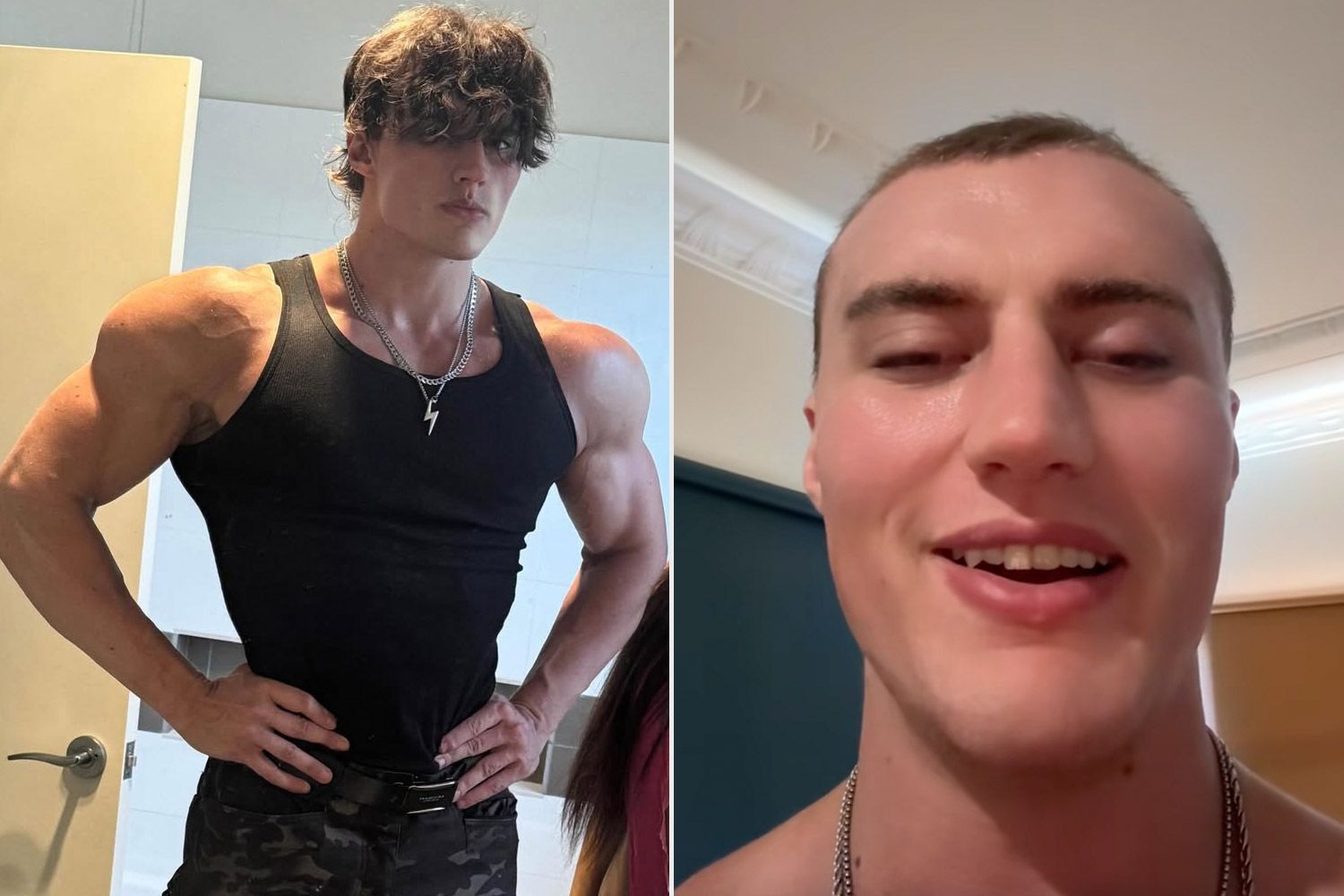
Also, this is a reminder that short hair can add age to your face if you have poor collagen genetics
Androgenic in the span of 4 years:
The Bottom Line/Quick summary
If you’re genetically predisposed to male-pattern hair loss, don’t wait until you’ve lost most of your hair before taking it seriously.
The general strategy is:
Identify the cause → preserve existing follicles → stimulate growth where possible → maintain consistently → monitor objectively.
Finasteride and minoxidil are currently the main established medical treatments for male-pattern baldness, but no treatment is 100% effective and results vary between individuals.
And remember:
Prevention is easier than reconstruction.
Once a follicle has been miniaturised for a long time, getting substantial recovery becomes considerably harder. That’s why recognising progressive hair loss early is so important.
Good luck brah’s
TL;DR:
Finasteride = primarily protect/preserve.
Minoxidil = primarily stimulate/thicken.
Nutrition/scalp care = remove avoidable problems.
Consistency + patience = essential.
Sudden/unusual hair loss = get the cause investigated.
Tags:
@buccalfatremoval @Stalker @Jason5000 @horseman. @ØUROBOROS
But anyways…
1. Understand what you’re actually fighting
The most common form of progressive hair loss in men is androgenetic alopecia (AGA), commonly called male-pattern hair loss.
It typically begins with:
- Recession around the temples
- Thinning around the frontal hairline
- Reduced density at the crown
- Gradual miniaturisation of individual hairs
- Progressively thinner, shorter hairs
The objective isn’t simply to “grow hair.”
Your three goals should be:
1. Preserve existing follicles
2. Prevent miniaturisation
3. Increase the thickness/density of weakened follicles where possible
2. The Core Treatments
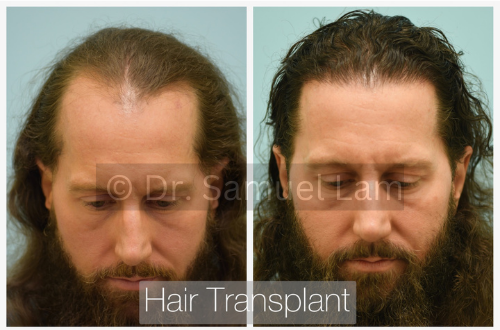
FINASTERIDE — PreventionMINOXIDIL - Acceleration Finasteride is one of the principal medical treatments for male-pattern hair loss.
It works by inhibiting 5-alpha-reductase, reducing the conversion of testosterone into DHT (dihydrotestosterone). DHT plays an important role in androgenetic hair loss.
Why it matters:
Think of it primarily as a hair-preservation treatment.
It can:
- Slow further miniaturisation
- Reduce ongoing hair loss
- Help maintain existing density
- Produce some regrowth in some men
ImportantFinasteride is a prescription medication. Don’t treat it like a supplement.
Possible adverse effects include sexual side effects and mood-related effects, and these should be discussed with a doctor before treatment.
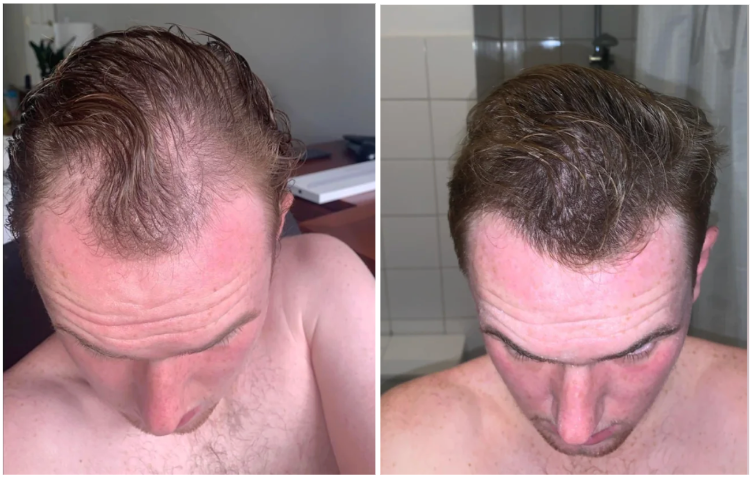
Minoxidil works differently from finasteride.
Rather than primarily targeting DHT, it can stimulate hair growth and increase the size/diameter of hair follicles.
What it can do:
- Increase hair density
- Improve the thickness of miniaturised hairs
- Promote growth in areas experiencing thinning
- Complement anti-DHT treatment
The catch:
Consistency is everything.
If minoxidil is helping maintain your hair, stopping treatment generally means losing its benefits over time.
So it isn’t a graunteed substitute since the effects are weaker.
The basic concept is:
Finasteride
Reduces DHT-mediated miniaturisation
Preserves follicles
Minoxidil
Stimulates growth/thickening
Maximises the growth potential of remaining follicles
So you’re attacking the problem from two different directions.
Clinical evidence supports both finasteride and minoxidil for androgenetic alopecia.
3. Scalp & Hair Maintenance
Don’t underestimate basic scalp care.
Good practices:
Wash your scalp regularly Treat dandruff/seborrhoeic dermatitis if present Avoid constantly pulling your hair tight Avoid excessive heat/chemical damage Don’t aggressively scratch the scalp Use conditioner if your hair becomes dry Avoid extremely restrictive dietsA healthy scalp isn’t a magic cure for genetic hair loss, but preventing unnecessary inflammation and mechanical damage is sensible.
Make sure you go for the correct shampoo that has the least amount of chemicals you probably aren’t familiar off:
4. Nutrition: Don’t Become Deficient
You don’t need some ridiculous “hair growth diet.”
You need adequate nutrition.
Pay particular attention to getting enough:
- Protein
- Iron
- Zinc
- Vitamin D
- B12
- Folate
- Essential fats
However:
More ≠ better.
Taking huge amounts of random vitamins won’t automatically make your hair grow faster.
If you’re experiencing unusual or sudden shedding, it’s more useful to investigate the underlying cause than blindly supplement everything.
5. Microneedling — Optional
Think to yourself is there really a need
I only recommend doing so if you know what you are doing.
Microneedling has been investigated as an additional treatment for androgenetic alopecia and may have potential when combined with established treatments.
However, this is not something I’d recommend treating like a casual DIY procedure.
Incorrect technique can cause:
- Infection
- Scarring
- Irritation
- Damage to the scalp
6. Don’t Ignore Sudden Hair LossNot every case of hair loss is Norwooding.
See a doctor/dermatologist if you experience:
- Very rapid shedding
- Large patches of missing hair
- Eyebrow/eyelash loss
- Significant scalp inflammation
- Scaling/crusting
- Sudden diffuse thinning
- Hair loss following illness, major stress or significant weight loss
7. Track Your Progress Properly
This is one of the biggest mistakes people make.
Don’t judge your hair every day.
Instead:
Every 1–3 months:
Take photographs of:
Front
Both temples
Top
Crown
Hairline
Use:
- Same room
- Same lighting
- Same camera
- Same distance
- Similar hairstyle
- Similar hair length
Hair grows slowly, so expecting a transformation after two weeks is pointless.
Also, this is a reminder that short hair can add age to your face if you have poor collagen genetics
Androgenic in the span of 4 years:
The Bottom Line/Quick summary
If you’re genetically predisposed to male-pattern hair loss, don’t wait until you’ve lost most of your hair before taking it seriously.
The general strategy is:
Identify the cause → preserve existing follicles → stimulate growth where possible → maintain consistently → monitor objectively.
Finasteride and minoxidil are currently the main established medical treatments for male-pattern baldness, but no treatment is 100% effective and results vary between individuals.
And remember:
Prevention is easier than reconstruction.
Once a follicle has been miniaturised for a long time, getting substantial recovery becomes considerably harder. That’s why recognising progressive hair loss early is so important.
Good luck brah’s
TL;DR:
Finasteride = primarily protect/preserve.
Minoxidil = primarily stimulate/thicken.
Nutrition/scalp care = remove avoidable problems.
Consistency + patience = essential.
Sudden/unusual hair loss = get the cause investigated.
Tags:
@buccalfatremoval @Stalker @Jason5000 @horseman. @ØUROBOROS