D
Deleted member 51358
broken but not destroyed
- Joined
- Nov 9, 2023
- Posts
- 32,903
- Reputation
- 58,815
These are excerpts from Aristotle's Nicomachean Ethics
"Our discussion will be adequate if it has as much clearness as the subject-matter admits of, for precision is not to be sought for alike in all discussions, any more than in all the products of the crafts."
essentially he(Aristotle) is saying that language should be made as simple as possible while also admitting that a certain level of technicality is required for complex topics. The implication of course is that people who loved to use complex language to sound smart were common even back then
"Now fine and just actions, which political science investigates, admit of much variety and fluctuation of opinion, so that they may be thought to exist only by convention, and not by nature. And goods also give rise to a similar fluctuation because they bring harm to many people; for before now men have been undone by reason of their wealth, and others by reason of their courage. We must be content, then, in speaking of such subjects and with such premisses to indicate the truth roughly and in outline, and in speaking about things which are only for the most part true and with premisses of the same kind to reach conclusions that are no better."
Here Aristotle is explaining the concept of nuance. He is admitting that language isn't 100% precise and you should engage with the essence of his statements. He gives the examples of money and courage.
Aristotle may say "being courageous is good" but then some nerd might come in and say "Look at our late neighbor Agapios, he died trying to save a child in a house fire! so erm courage actually isn't always good!"
These types of people are common even now, you'll say a statement and then people will point out some extreme niche counter example and act like they've debunked the essence of what you're saying
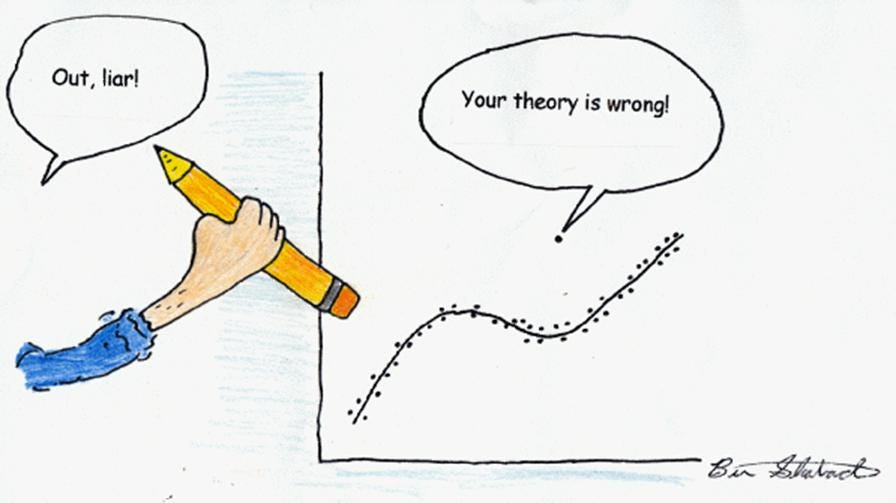
It's funny af how human nature is always the same
@Mainlander @SlayerJonas @imontheloose @Wicket
"Our discussion will be adequate if it has as much clearness as the subject-matter admits of, for precision is not to be sought for alike in all discussions, any more than in all the products of the crafts."
essentially he(Aristotle) is saying that language should be made as simple as possible while also admitting that a certain level of technicality is required for complex topics. The implication of course is that people who loved to use complex language to sound smart were common even back then
"Now fine and just actions, which political science investigates, admit of much variety and fluctuation of opinion, so that they may be thought to exist only by convention, and not by nature. And goods also give rise to a similar fluctuation because they bring harm to many people; for before now men have been undone by reason of their wealth, and others by reason of their courage. We must be content, then, in speaking of such subjects and with such premisses to indicate the truth roughly and in outline, and in speaking about things which are only for the most part true and with premisses of the same kind to reach conclusions that are no better."
Here Aristotle is explaining the concept of nuance. He is admitting that language isn't 100% precise and you should engage with the essence of his statements. He gives the examples of money and courage.
Aristotle may say "being courageous is good" but then some nerd might come in and say "Look at our late neighbor Agapios, he died trying to save a child in a house fire! so erm courage actually isn't always good!"
These types of people are common even now, you'll say a statement and then people will point out some extreme niche counter example and act like they've debunked the essence of what you're saying
It's funny af how human nature is always the same
@Mainlander @SlayerJonas @imontheloose @Wicket