Seth Walsh

Iconoclast
Contributor
- Joined
- Jan 12, 2020
- Posts
- 10,942
- Reputation
- 22,350
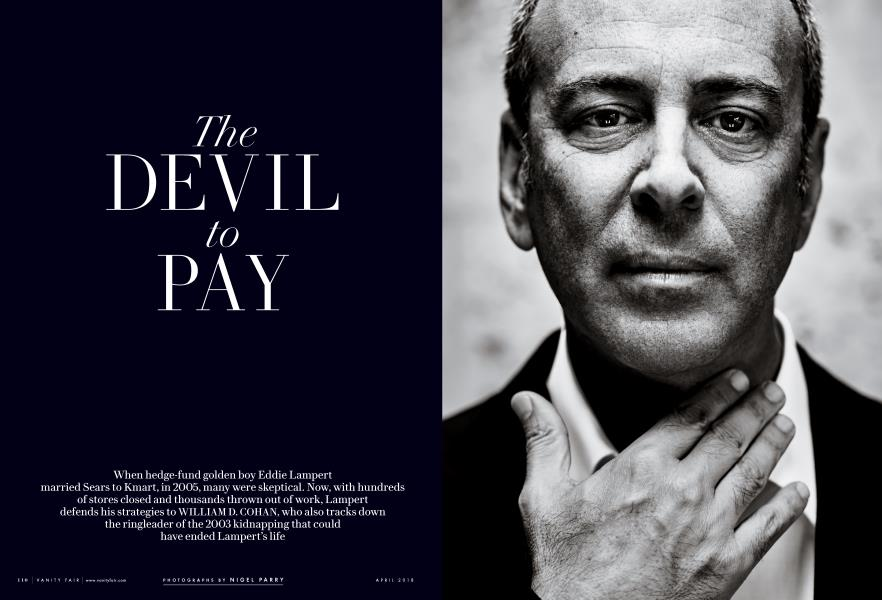
“We don’t need more customers. We have all the customers we could possibly want.”
Lampert reportedly said this at a Sears shareholder meeting in 2017. It is insane because Sears was bleeding relevance, stores were deteriorating, and the customer base was shrinking.
while:
- stores were empty
- customer experience collapsing
- market share evaporating
- Amazon/Walmart eating retail alive
- stores visibly decaying
…signals something chilling:
the operating business was no longer the true priority.
A healthy retailer thinks:
- grow customers
- improve stores
- improve service
- reinvest
- defend relevance
That quote implies:
- customer growth no longer mattered
- preserving capital/assets mattered more
- the business was already mentally written off
That’s why people view it as brutal.
It sounds like:
“The organism itself no longer matters to me.”
The “carcass with financeable organs” idea comes from this.
Meaning:
instead of treating Sears as:
- a living retailer
it was increasingly treated as:
- real estate
- brands
- debt capacity
- financial optionality
- monetizable assets
The stores/employees/customers became secondary to the balance sheet.
Why this range:
- Sears was already weakened, but not yet fully dead.
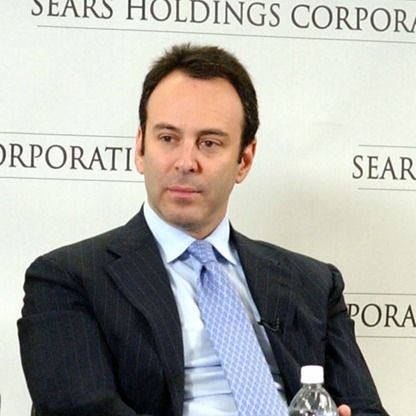
- Lampert was CEO, chairman, largest shareholder, and major creditor.
- Sears entered Chapter 11 bankruptcy on 15 October 2018.
- ESL had lent Sears billions; reports estimated Sears paid ESL large annual interest/origination economics.
- Asset sales/spinoffs included Sears Canada, Lands’ End, Seritage real estate, Craftsman/Kenmore-type monetization.
- Critics alleged the operating company was hollowed while Lampert/ESL sat on multiple sides of the capital structure.
Lampert treated Sears less like a retailer to save and more like a carcass with financeable organs: real estate, brands, debt claims, secured lending, spinoffs, and bankruptcy optionality.
That is the scorched-earth template:
- own equity
- become creditor
- lend against the corpse
- collect interest/fees
- monetize assets
- underinvest in the operating organism
- let labour/customer experience decay
- emerge with optionality after bankruptcy