Seth Walsh

Iconoclast
Contributor
- Joined
- Jan 12, 2020
- Posts
- 11,075
- Reputation
- 22,654
Most social class threads talk about money, nepotism, school, parents, accents, holidays, networks, internships, family names, and hidden financial support.
All true.
But that is still surface-level.
The real social class advantage is not just having more money.
It is having fewer interruptions while developing.



That is the human latency pill.
Upper-class people are not just richer.
They are allowed to stay online.
Lower-status people get constantly rebooted by life.



That is the difference.
People think the rich kid advantage is:
Those are symptoms.
The real advantage is low-friction development.
A rich kid grows up with fewer forced context switches.
Less panic.
Less noise.
Less humiliation.
Less financial dread.
Less family chaos.
Less cortisol.
Less uncertainty.
Less survival-mode thinking.
Less exposure to adults who are constantly stressed, bitter, unstable, or defeated.
That means more uninterrupted bandwidth.
More energy goes into development.
Less energy goes into recovery.
That compounds insanely.

Two kids can have the same IQ.
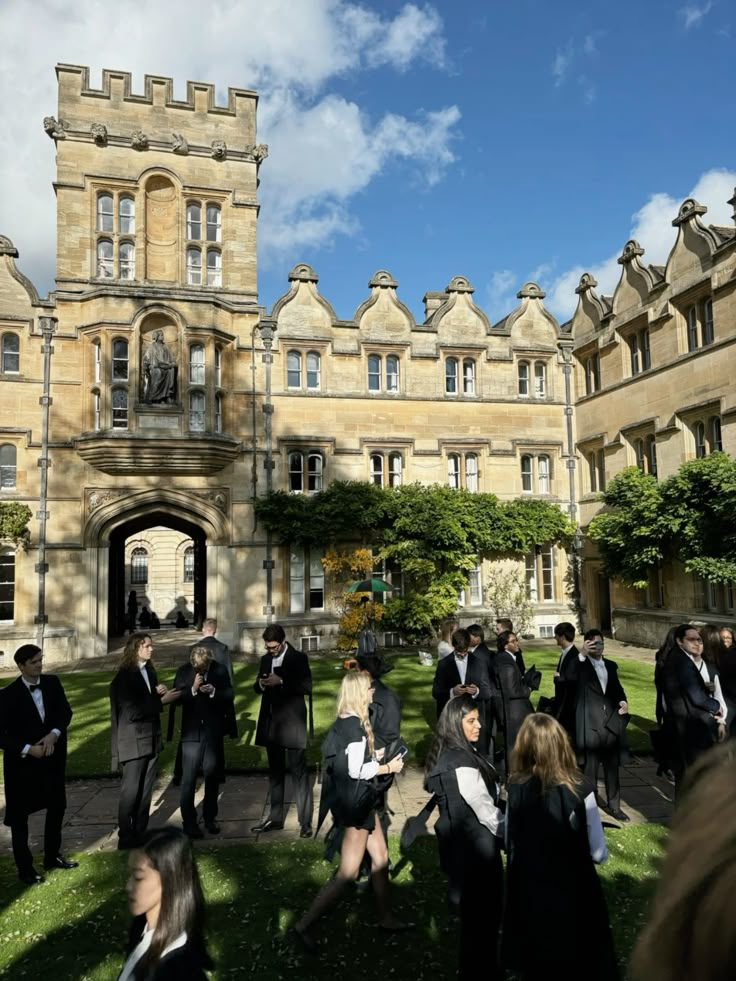
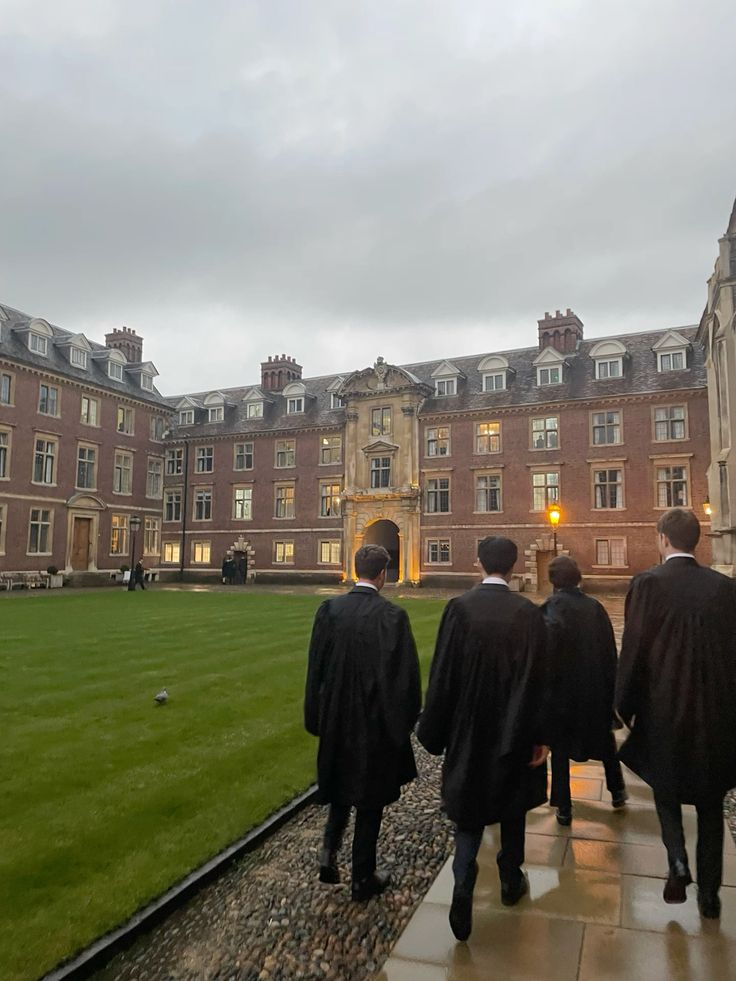
One gets 18 years of calm, encouragement, tutoring, quiet rooms, stable routines, good sleep, confident parents, safe neighborhoods, sports, dental care, holidays, and adults calmly explaining how the world works.
The other gets 18 years of background stress, family arguments, money panic, bad sleep, unstable routines, cramped housing, no private space, shame, loud environments, and adults who are themselves overwhelmed.
Then society tests both at 22 and calls the result “merit.”
That is the joke.
The upper-class kid did not necessarily work harder.
He just had fewer forced resets.
His attention was not taxed every day by entropy.
His nervous system was not being trained for threat detection.
His self-concept was not constantly being damaged.
His family did not make every mistake feel existential.
That is why class shows up in the body.
Not just the bank account.
You see it in:
Often it is just the absence of chronic threat exposure.
People call it “charisma.”
Often it is just someone whose nervous system was not fried before adulthood.
People call it “executive presence.”
Often it is just a person who was allowed to develop without constantly defending himself from chaos.
This is why rich kids can seem “naturally” better.
Not because they are morally superior.
Not because they are always smarter.
Not because they are always better looking.
They are often just less burdened.
They have less drag.
They had fewer interruptions.
They were allowed to compound.
That is the part people do not understand.
Class is not only what your parents give you.
Class is what your parents prevent from happening to you.
They prevent bad schools.
They prevent dangerous areas.
They prevent chaotic peers.
They prevent desperate decisions.
They prevent humiliating jobs.
They prevent early debt.
They prevent forced commuting.
They prevent bad housing.
They prevent “take whatever you can get” life paths.
They prevent one mistake from becoming a life derailment.
That is the real parental subsidy.
Not just cash.
Damage prevention.
The rich kid does not need to be exceptionally strong because his environment absorbs shocks for him.
The lower-status kid is told to be “resilient.”
That word is cope.


Resilience usually means you were exposed to things that damaged your compounding curve.
Yes, you may become tougher.
But toughness is not free.
You paid for it with time, sleep, trust, softness, confidence, and years of clean development.
The rich kid gets confidence without trauma.
The poor/middle kid gets “character.”
Brutal trade.
The most unfair part is risk.
People love saying:
“Just take risks.”
“Just move city.”
“Just network.”
“Just start a business.”
“Just do an unpaid internship.”
“Just change career.”
“Just go where the opportunity is.”
But risk is not the same for everyone.
A rich kid can fail and return to baseline.
An unsupported kid can fail and fall through the floor.
That changes everything.
Because high-upside lives require experimentation.
Founders experiment.
Traders experiment.
Artists experiment.
Elite careerists experiment.
People with capital experiment.
People with family backing experiment.
Everyone else is told to be responsible.
Translation:
Do not take risks because nobody will catch you.
Then ten years later people ask why the rich kid has more upside.
Because he was allowed to fail without failure becoming identity death.
This is also why two people on the same salary are not the same class.
Two graduates in London can both earn £35k.
One is poor.
One is rich.
Same job.
Different universe.
Person A pays rent from income, saves nothing, fears mistakes, cannot leave, cannot wait, cannot take risks, and treats the job as survival.


Person B has family support, no real rent stress, family contacts, no panic, and treats the job as a stepping stone.


Same title.
Different balance sheet.
Different nervous system.
Different life.
The lower-status person is playing survival Tetris.
The upper-class person is playing reputation compounding.
That is why “just copy rich people” advice is mostly fake.
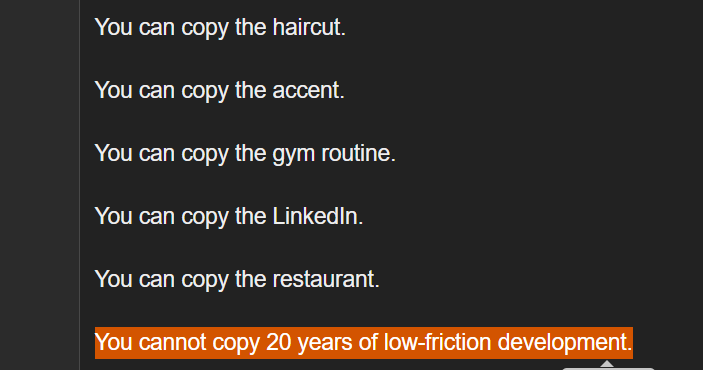
You can copy the clothes.
You can copy the haircut.
You can copy the accent.
You can copy the gym routine.
You can copy the LinkedIn.
You can copy the restaurant.
You cannot copy 20 years of low-friction development.
You cannot copy growing up around calm adults.
You cannot copy never wondering if one mistake collapses your life.
You cannot copy being introduced instead of having to beg.
You cannot copy being assumed competent.
You cannot copy having a floor.
The floor is everything.
A floor creates patience.
Patience creates selectivity.
Selectivity creates taste.
Taste creates better networks.
Better networks create better opportunities.
Better opportunities create better partners.
Better partners create stable families.
Stable families create the next generation’s calm nervous system.
That is class reproduction.
Not just money being passed down.
A nervous system being passed down.
A baseline expectation of safety being passed down.
A belief that life is negotiable being passed down.
A calm relationship with the future being passed down.
That is why social class is so hard to fake.
People do not only detect your clothes or accent.
They detect your interruption history.
They detect urgency.
They detect hunger.
They detect micro-defensiveness.
They detect over-explaining.
They detect scarcity.
They detect that you are trying to extract value from the room because you cannot afford to just exist in it.
And the brutal part:
The upper-class person usually does not know he has this advantage.
He thinks he is relaxed because he has a good personality.
He thinks he takes risks because he is brave.
He thinks he networks well because he is naturally social.
He thinks he belongs because he is talented.
Sometimes he is.
But also:
The floor was always there.
That changes the entire psychology of life.
If you know failure will not destroy you, you move differently.
If you know your parents can help, you move differently.
If you know your social circle has opportunity, you move differently.
If you know you can wait for the right thing, you move differently.
If you know you are not one emergency away from collapse, you move differently.
That movement gets mistaken for superiority.
It is not always superiority.
It is low latency.
Clean signal.
No background panic.
No survival lag.
This is the real blackpill:
Social class is not just having more.
It is being interrupted less.
Less interrupted sleep.
Less interrupted education.
Less interrupted confidence.
Less interrupted ambition.
Less interrupted health.
Less interrupted career development.
Less interrupted identity formation.
Less interrupted compounding.
The rich kid compounds continuously.
The lower-status kid compounds in fragments.
Build.
Get hit.
Recover.
Build.
Get hit.
Recover.
Build.
Get hit.
Recover.
By 30, one has a clean curve.
The other has scar tissue.
This is why mobility is so rare.
The person trying to move up is not just trying to make money.
He is trying to reverse decades of developmental drag while competing against people who never had the drag.
He has to build capital while healing.
Network while anxious.
Perform while tired.
Take risks while unsupported.
Look relaxed while under pressure.
Act abundant while scarcity-trained.
That is why it feels impossible.
Because he is not only financially behind.
He is behind in uninterrupted reps.
The rich kid has thousands more reps of:
One has compounding.
One has damage control.
That is the human latency pill.
The upper classes are not always smarter.
They are not always better looking.
They are not always harder working.
They are not even always happier.
But they are more likely to have spent life in environments where compounding was allowed to continue without constant interruption.
That is the hidden edge.
The lower classes are forced to keep selling pieces of the future to stabilize the present.
And every interruption has interest.
Social class is not just what you own.
It is how many times life forced you to stop compounding.



All true.
But that is still surface-level.
The real social class advantage is not just having more money.
It is having fewer interruptions while developing.
That is the human latency pill.
Upper-class people are not just richer.
They are allowed to stay online.
Lower-status people get constantly rebooted by life.
That is the difference.
People think the rich kid advantage is:
- private school
- nice house
- good accent
- clean clothes
- holidays
- parents with connections
- internships
- confidence
- better social circle
Those are symptoms.
The real advantage is low-friction development.
A rich kid grows up with fewer forced context switches.
Less panic.
Less noise.
Less humiliation.
Less financial dread.
Less family chaos.
Less cortisol.
Less uncertainty.
Less survival-mode thinking.
Less exposure to adults who are constantly stressed, bitter, unstable, or defeated.
That means more uninterrupted bandwidth.
More energy goes into development.
Less energy goes into recovery.
That compounds insanely.
Two kids can have the same IQ.
One gets 18 years of calm, encouragement, tutoring, quiet rooms, stable routines, good sleep, confident parents, safe neighborhoods, sports, dental care, holidays, and adults calmly explaining how the world works.
The other gets 18 years of background stress, family arguments, money panic, bad sleep, unstable routines, cramped housing, no private space, shame, loud environments, and adults who are themselves overwhelmed.
Then society tests both at 22 and calls the result “merit.”
That is the joke.
The upper-class kid did not necessarily work harder.
He just had fewer forced resets.
His attention was not taxed every day by entropy.
His nervous system was not being trained for threat detection.
His self-concept was not constantly being damaged.
His family did not make every mistake feel existential.
That is why class shows up in the body.
Not just the bank account.
You see it in:
- posture
- eye contact
- calmness
- speech rhythm
- facial tension
- risk tolerance
- low neuroticism
- clean social timing
- relaxed entitlement
- ability to take up space
- not over-explaining
- not trying too hard
Often it is just the absence of chronic threat exposure.
People call it “charisma.”
Often it is just someone whose nervous system was not fried before adulthood.
People call it “executive presence.”
Often it is just a person who was allowed to develop without constantly defending himself from chaos.
This is why rich kids can seem “naturally” better.
Not because they are morally superior.
Not because they are always smarter.
Not because they are always better looking.
They are often just less burdened.
They have less drag.
They had fewer interruptions.
They were allowed to compound.
That is the part people do not understand.
Class is not only what your parents give you.
Class is what your parents prevent from happening to you.
They prevent bad schools.
They prevent dangerous areas.
They prevent chaotic peers.
They prevent desperate decisions.
They prevent humiliating jobs.
They prevent early debt.
They prevent forced commuting.
They prevent bad housing.
They prevent “take whatever you can get” life paths.
They prevent one mistake from becoming a life derailment.
That is the real parental subsidy.
Not just cash.
Damage prevention.
The rich kid does not need to be exceptionally strong because his environment absorbs shocks for him.
The lower-status kid is told to be “resilient.”
That word is cope.
Resilience usually means you were exposed to things that damaged your compounding curve.
Yes, you may become tougher.
But toughness is not free.
You paid for it with time, sleep, trust, softness, confidence, and years of clean development.
The rich kid gets confidence without trauma.
The poor/middle kid gets “character.”
Brutal trade.
The most unfair part is risk.
People love saying:
“Just take risks.”
“Just move city.”
“Just network.”
“Just start a business.”
“Just do an unpaid internship.”
“Just change career.”
“Just go where the opportunity is.”
But risk is not the same for everyone.
A rich kid can fail and return to baseline.
An unsupported kid can fail and fall through the floor.
That changes everything.
Because high-upside lives require experimentation.
Founders experiment.
Traders experiment.
Artists experiment.
Elite careerists experiment.
People with capital experiment.
People with family backing experiment.
Everyone else is told to be responsible.
Translation:
Do not take risks because nobody will catch you.
Then ten years later people ask why the rich kid has more upside.
Because he was allowed to fail without failure becoming identity death.
This is also why two people on the same salary are not the same class.
Two graduates in London can both earn £35k.
One is poor.
One is rich.
Same job.
Different universe.
Person A pays rent from income, saves nothing, fears mistakes, cannot leave, cannot wait, cannot take risks, and treats the job as survival.
Person B has family support, no real rent stress, family contacts, no panic, and treats the job as a stepping stone.
Same title.
Different balance sheet.
Different nervous system.
Different life.
The lower-status person is playing survival Tetris.
The upper-class person is playing reputation compounding.
That is why “just copy rich people” advice is mostly fake.
You can copy the clothes.
You can copy the haircut.
You can copy the accent.
You can copy the gym routine.
You can copy the LinkedIn.
You can copy the restaurant.
You cannot copy 20 years of low-friction development.
You cannot copy growing up around calm adults.
You cannot copy never wondering if one mistake collapses your life.
You cannot copy being introduced instead of having to beg.
You cannot copy being assumed competent.
You cannot copy having a floor.
The floor is everything.
A floor creates patience.
Patience creates selectivity.
Selectivity creates taste.
Taste creates better networks.
Better networks create better opportunities.
Better opportunities create better partners.
Better partners create stable families.
Stable families create the next generation’s calm nervous system.
That is class reproduction.
Not just money being passed down.
A nervous system being passed down.
A baseline expectation of safety being passed down.
A belief that life is negotiable being passed down.
A calm relationship with the future being passed down.
That is why social class is so hard to fake.
People do not only detect your clothes or accent.
They detect your interruption history.
They detect urgency.
They detect hunger.
They detect micro-defensiveness.
They detect over-explaining.
They detect scarcity.
They detect that you are trying to extract value from the room because you cannot afford to just exist in it.
And the brutal part:
The upper-class person usually does not know he has this advantage.
He thinks he is relaxed because he has a good personality.
He thinks he takes risks because he is brave.
He thinks he networks well because he is naturally social.
He thinks he belongs because he is talented.
Sometimes he is.
But also:
The floor was always there.
That changes the entire psychology of life.
If you know failure will not destroy you, you move differently.
If you know your parents can help, you move differently.
If you know your social circle has opportunity, you move differently.
If you know you can wait for the right thing, you move differently.
If you know you are not one emergency away from collapse, you move differently.
That movement gets mistaken for superiority.
It is not always superiority.
It is low latency.
Clean signal.
No background panic.
No survival lag.
This is the real blackpill:
Social class is not just having more.
It is being interrupted less.
Less interrupted sleep.
Less interrupted education.
Less interrupted confidence.
Less interrupted ambition.
Less interrupted health.
Less interrupted career development.
Less interrupted identity formation.
Less interrupted compounding.
The rich kid compounds continuously.
The lower-status kid compounds in fragments.
Build.
Get hit.
Recover.
Build.
Get hit.
Recover.
Build.
Get hit.
Recover.
By 30, one has a clean curve.
The other has scar tissue.
This is why mobility is so rare.
The person trying to move up is not just trying to make money.
He is trying to reverse decades of developmental drag while competing against people who never had the drag.
He has to build capital while healing.
Network while anxious.
Perform while tired.
Take risks while unsupported.
Look relaxed while under pressure.
Act abundant while scarcity-trained.
That is why it feels impossible.
Because he is not only financially behind.
He is behind in uninterrupted reps.
The rich kid has thousands more reps of:
- being calm
- being trusted
- being guided
- being forgiven
- being introduced
- being listened to
- being around winners
- being in clean rooms
- seeing adults allocate capital
- seeing risk treated as normal
- assuming the future can be shaped
- being rushed
- being ignored
- being corrected harshly
- being financially constrained
- hiding ambition
- watching adults panic
- absorbing shame
- avoiding risk
- recovering from chaos
- learning that wanting more is dangerous
One has compounding.
One has damage control.
That is the human latency pill.
The upper classes are not always smarter.
They are not always better looking.
They are not always harder working.
They are not even always happier.
But they are more likely to have spent life in environments where compounding was allowed to continue without constant interruption.
That is the hidden edge.
The lower classes are forced to keep selling pieces of the future to stabilize the present.
And every interruption has interest.
Social class is not just what you own.
It is how many times life forced you to stop compounding.