Thinking about getting canthoplasty

negativeeyes123

negativeeyes123

Iron
Joined
May 9, 2026
Posts
7
Reputation
3
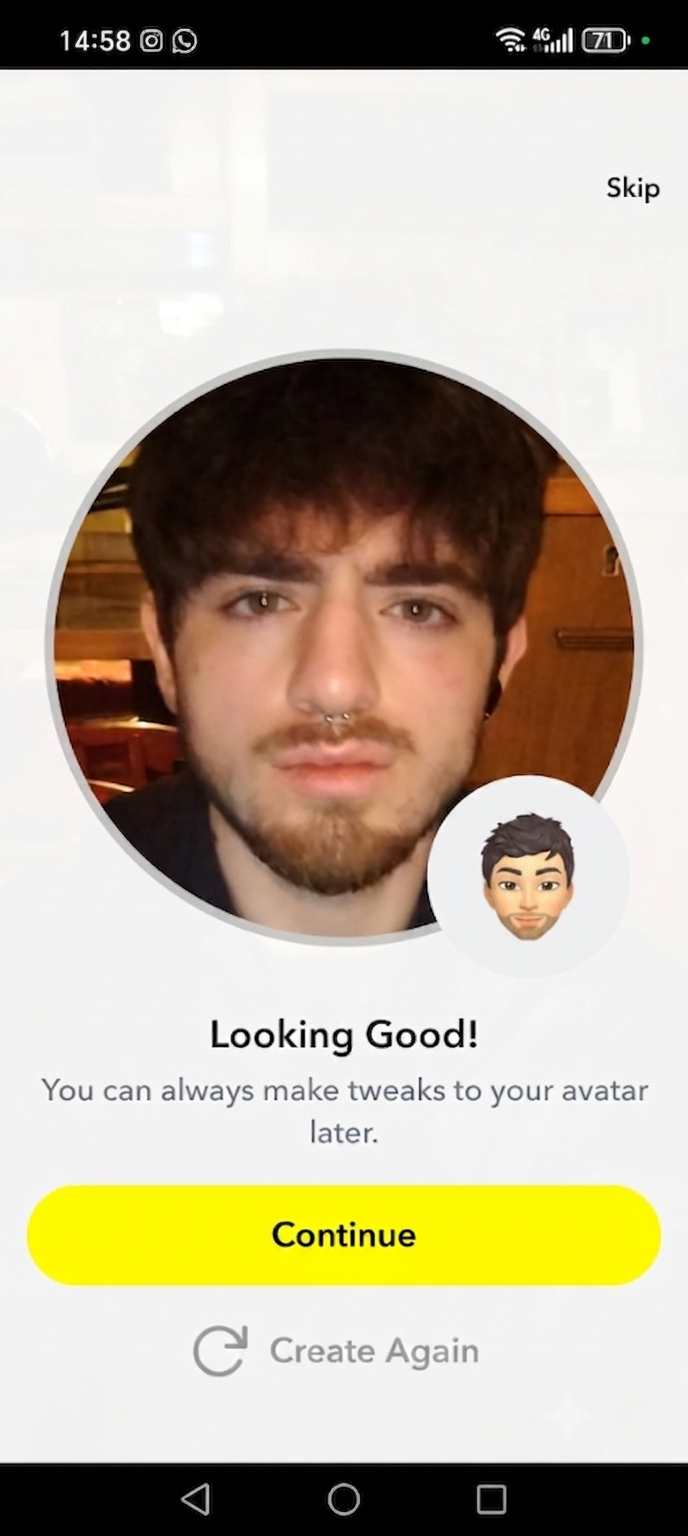
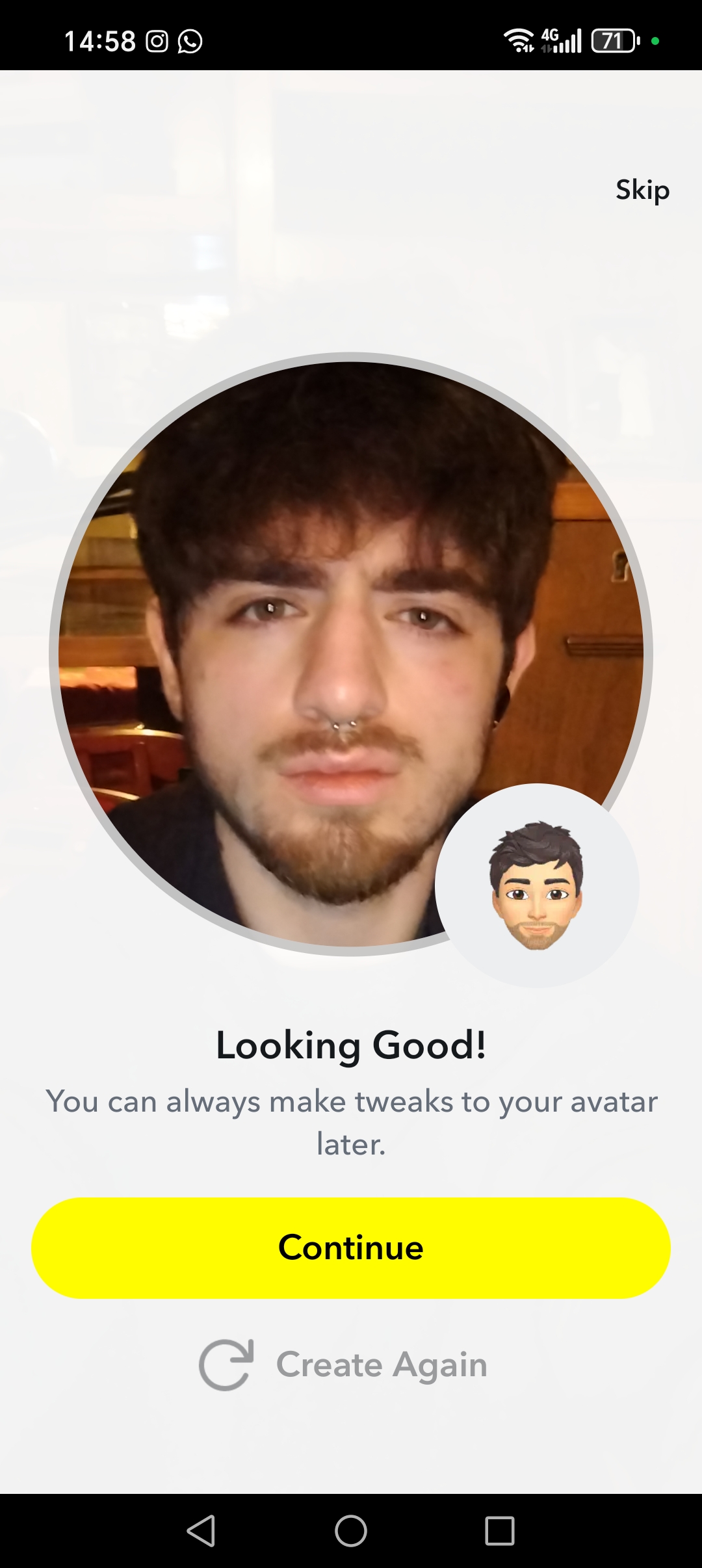
I have a very bad nct and I have been thinking on getting a canthoplasty, Idk how to start with the procedures. In the selfies I was doing a Snapchat account and I take a screenshot so that's my face. I ask chatgpt to simulate a canthoplasty and this is the results he gave me
1000058787
1000058797
 
I have a very bad nct and I have been thinking on getting a canthoplasty, Idk how to start with the procedures. In the selfies I was doing a Snapchat account and I take a screenshot so that's my face. I ask chatgpt to simulate a canthoplasty and this is the results he gave meView attachment 5338098View attachment 5338102
bro stop using generic ai or chatgpt to simulate surgeries because those pixel warps are pure cope and don't take your actual bones into account. no surgeon can replicate a flat 2d ai photo.
if you actually want to fix a severe nct, you need to find out if it's a soft tissue issue or a bone limitation. do this exact blueprint to start the process:
  1. the side profile check (vector analysis): look at your face from a strict side profile. if your lower cheekbone sticks out further than your eyeball, you have a positive vector, which means you have great bone support under the eye. a standard lateral canthoplasty or canthopexy will work perfectly for you because the surgeon can cleanly anchor the tendon higher on the bone to flip your tilt to positive.
  2. the recessed bone trap: if your eyeball sticks out further than your lower cheekbone, you have a negative bone vector. if you try to get an isolated canthoplasty with a negative vector, it will look completely uncanny, tight, and unnatural because you are stretching a tendon over an empty space with zero skeletal support. over time, gravity will just pull the tendon right back down or cause ectropion (your lower lid pulling away from the eyeball). if your bone is recessed, you need a custom infraorbital-malar implant first to build the bone shelf, paired with a canthopexy to lift the eye corner safely.
  3. how to actually start the surgical loop:
  • stop browsing generic plastic surgeons. you need to look strictly for board-certified oculoplastic surgeons or craniofacial specialists who do male almond eye surgeries daily. regular body surgeons love to over-resect eye tissue and will feminize your eye area real quick.
  • pick 3 top-tier oculoplastic specialists (like taban or similar masters depending on your region) and book an online or in-person consultation.
  • they will take professional 3d morphs and clinical measurements of your intercanthal distance and orbital rim vectors to show you a real anatomical simulation of what a canthoplasty will look like on your specific skull.
drop the ai filters, check your profile vector first, and start researching actual oculoplastic masters. simple as.


Deja de usar IA genérica o chatgpt para simular cirugías, porque esas distorsiones de píxeles son pura ilusión y no tienen en cuenta tus huesos reales. Ningún cirujano puede replicar una foto plana en 2D generada por IA.
Si realmente quieres solucionar un problema grave de NCT, necesitas averiguar si se trata de un problema de tejidos blandos o de una limitación ósea. Sigue este plan al pie de la letra para comenzar el proceso:
  1. Análisis del perfil lateral (análisis vectorial): observe su rostro de perfil. Si su pómulo inferior sobresale más que su globo ocular, tiene un vector positivo, lo que significa que tiene un excelente soporte óseo debajo del ojo. Una cantoplastia o cantopexia lateral estándar le resultará ideal, ya que el cirujano puede anclar el tendón de forma precisa en una posición más alta del hueso para corregir la inclinación y convertirla en positiva.
  2. La trampa del hueso retraído: si su globo ocular sobresale más que su pómulo inferior, tiene un vector óseo negativo. Si intenta realizar una cantoplastia aislada con un vector negativo, se verá completamente extraña, tensa y antinatural porque está estirando un tendón sobre un espacio vacío sin ningún soporte esquelético. Con el tiempo, la gravedad simplemente tirará del tendón hacia abajo o causará ectropión (el párpado inferior se separa del globo ocular). Si su hueso está retraído, primero necesita un implante infraorbitario-malar personalizado para construir el soporte óseo, junto con una cantopexia para elevar la comisura del ojo de forma segura.
  3. Cómo iniciar el bucle quirúrgico:
  • Deja de buscar cirujanos plásticos genéricos. Debes buscar exclusivamente cirujanos oculoplásticos o craneofaciales certificados que realicen cirugías de ojos almendrados en hombres a diario. Los cirujanos generales tienden a resecar demasiado tejido ocular y feminizarán tu área de los ojos rápidamente.
  • Seleccione 3 especialistas en oculoplástica de primer nivel (como Taban u otros expertos similares, según su región) y reserve una consulta en línea o presencial.
  • Realizarán modelados 3D profesionales y mediciones clínicas de la distancia intercantal y los vectores del borde orbitario para mostrarle una simulación anatómica real de cómo se verá una cantoplastia en su cráneo específico.
Elimina los filtros de IA, revisa primero tu perfil vectorial y comienza a investigar a verdaderos maestros en oculoplástica. Así de simple.


Thanks men, I'm really new in this world so Idk much, this type responses help me a lot, I got a really bad simmetry so I have positive vector in left side and negative in right side, I'll look for professional help but I use Ai just to take a fast look at the result, thanks again, I'm gonna do what u just told me
 

Similar threads

Howcaniascend
Replies
5
Views
59
Vireon
Vireon
wxtr
Replies
5
Views
54
BasedJoe
BasedJoe
B
Replies
1
Views
34
Ifsixwasnine
Ifsixwasnine
B
Replies
38
Views
194
wxtr
wxtr
B
Replies
2
Views
64
bigbenis4
B

Users who are viewing this thread

Back
Top