Pop23
Iron
- Joined
- Dec 21, 2024
- Posts
- 84
- Reputation
- 52
@thecel so what surgery we need to get to improve Upper max projection?
Follow along with the video below to see how to install our site as a web app on your home screen.

Note: this_feature_currently_requires_accessing_site_using_safari




How do you fix cuz im prolly be surgeey celWhat's the upper maxilla?
The upper maxilla is essentially the Le Fort 2 area minus the Le Fort 1 area.
View attachment 1033427View attachment 1033418View attachment 1033419
Figure 1: The 3 Le Fort fractures. The upper maxilla is Le Fort 2 minus Le Fort 1.
The upper maxilla includes the inner infraorbital rims, the nasal ridge, the canine fossa area (Figure 2), and most importantly, the nasal aperture.
This post doesn't go into detail about the canine fossa; just know that it's an important part of the upper maxilla.
What does upper maxillary projection look like?
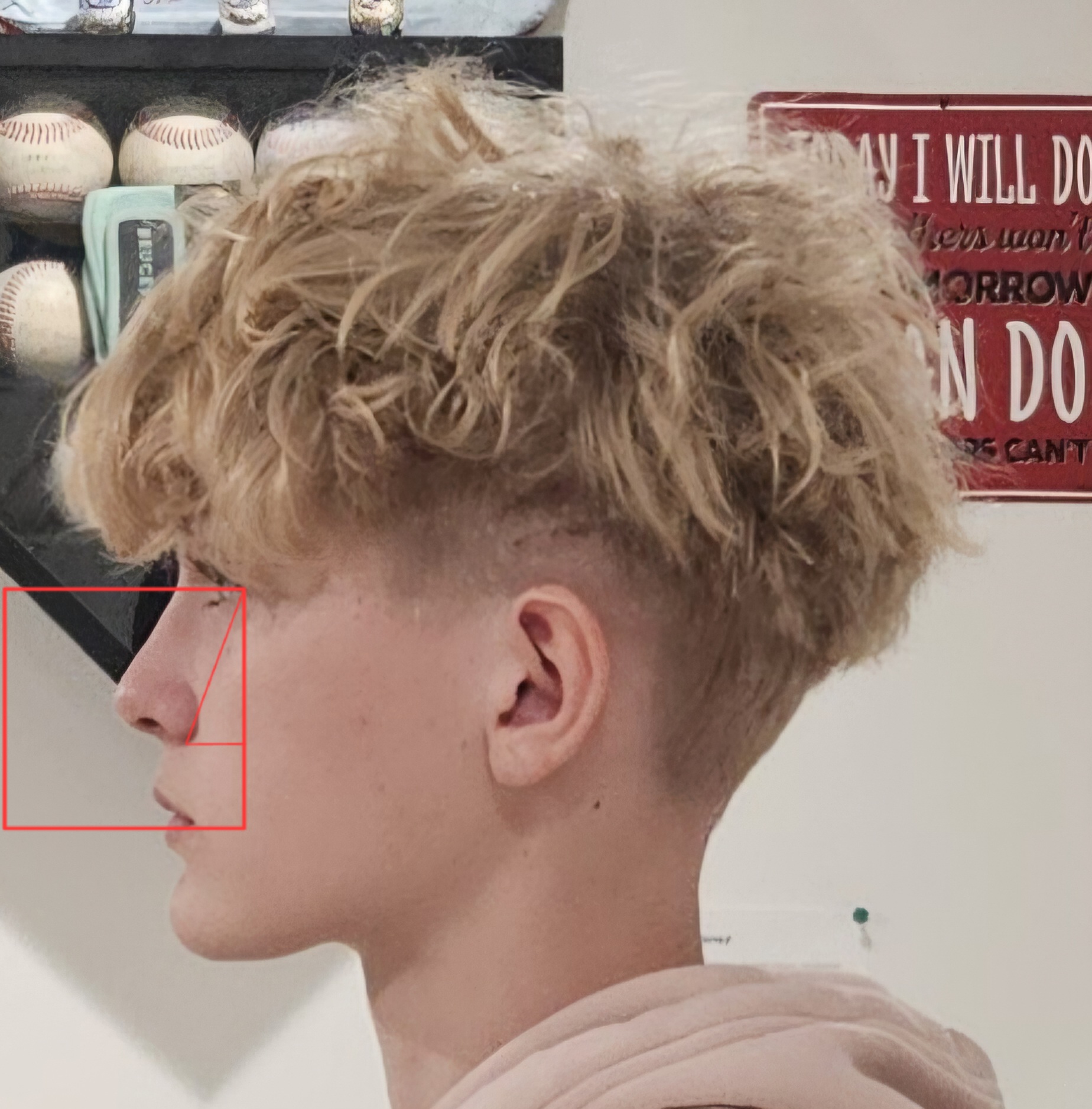
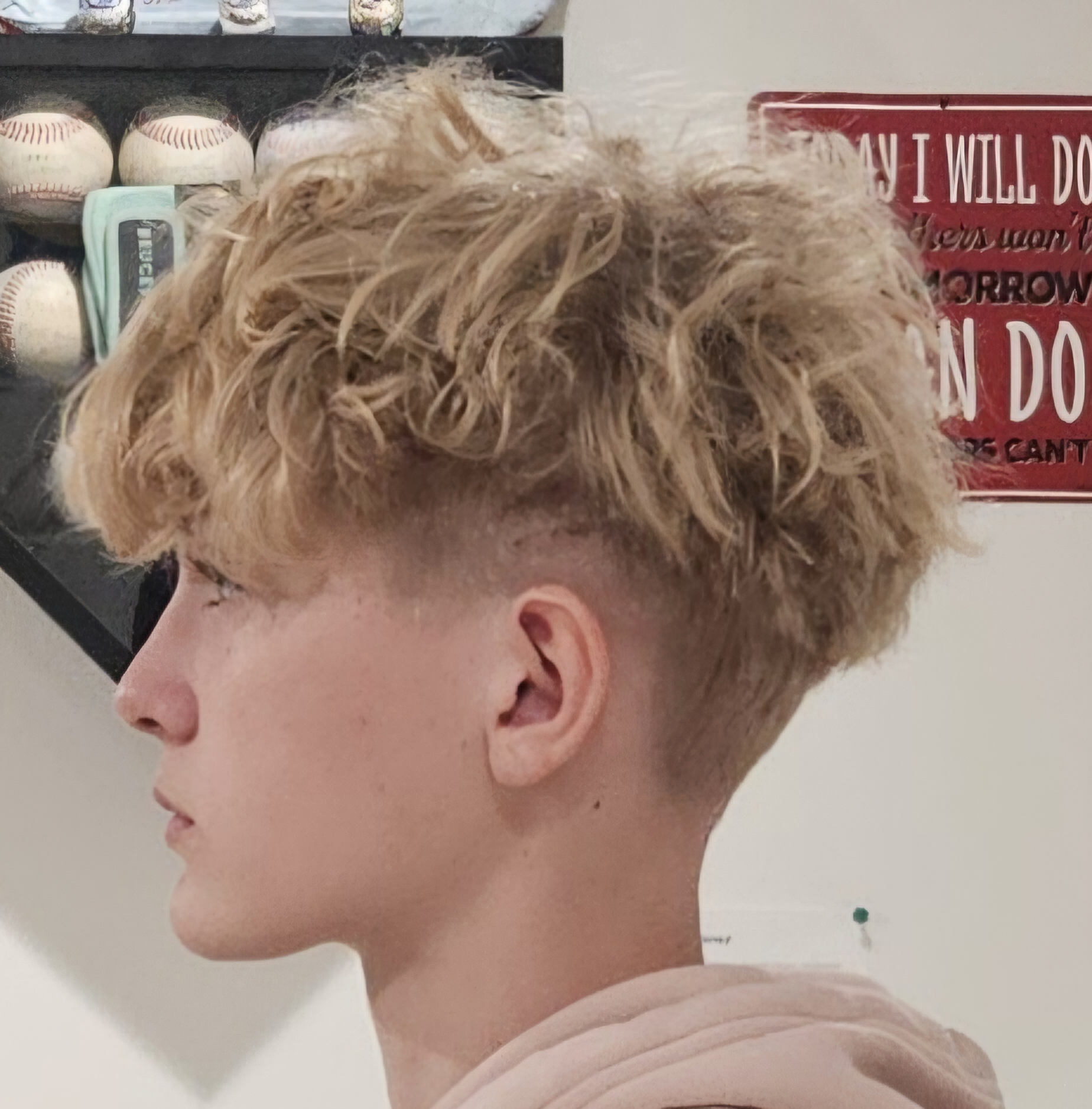
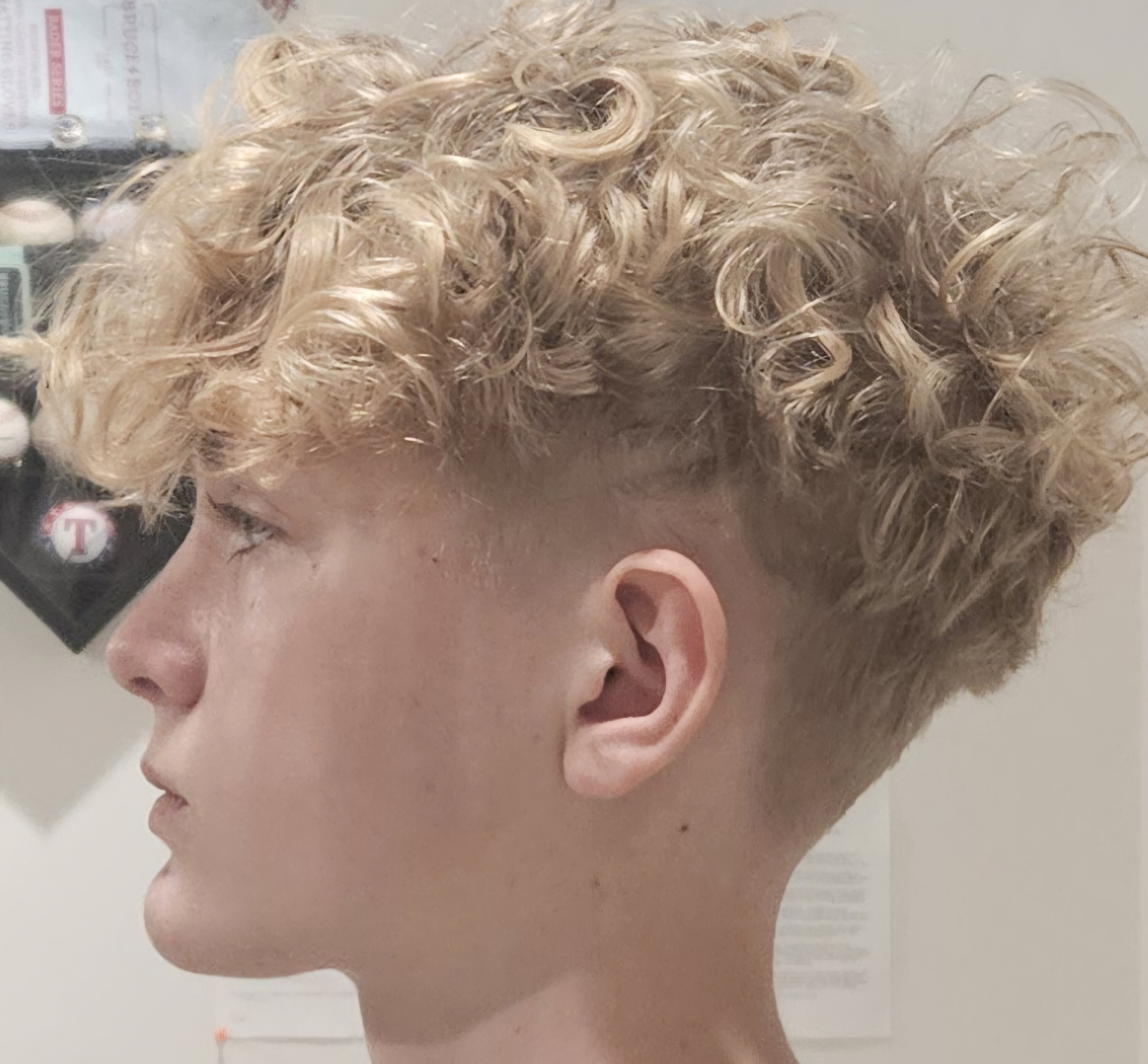
Upper maxillary projection is characterized by the area from the front of the cheekbone to the back of the nose being a smooth transition when viewed from the side, as seen in Figure 3.
View attachment 1033406View attachment 1033407
Figure 3: Almost-side-profile view of a White man with upper maxillary projection
The man in Figure 3 has a seamless "blend" between the zygoma and the back of the nose. Contrast that with this other man who has a clearly defined border in the same spot:
The difference is due to the slope of the bone around the nasal aperture. With a forward upper maxilla, the bone on the left and right taper forward and inward toward the nose. With a flat upper maxilla, the bone on both sides of the upper maxilla are parallel.
View attachment 1033403
Figure 5: Caucasoid projected upper maxilla vs. Mongoloid flat upper maxilla
Projected upper maxillas as typically seen in Caucasoids, whereas a flat upper maxilla is a Mongoloid trait.
Another way to look at this is in terms of the position of the nasal aperture, the hole in the skull you breathe through.
View attachment 1033410View attachment 1033408View attachment 1033409
Figure 6: Underprojected, normal, and overprojected nasal apertures
View attachment 1033417View attachment 1033421
Figure 7: The recessed nasal aperture of a Mongoloid and the projected nasal aperture of a Caucasoid
An aesthetic upper maxilla is for the most part a projected nasal aperture.
Here's an East Asian woman who got a nose job as well as some procedure that moved her nasal aperture forward and made the surrounding tissue more slanted forwards toward the center:
View attachment 1033404View attachment 1033405
Figure 8: Before and after of an East Asian woman who got a more projected nasal aperture, making the surrounding contour slanted forward toward the middle like Caucasians
As you can see, she used to have a clearly defined border between the front of her zygos and the back of her nose, and after surgery it turned into a smooth blended transition, which is ideal.
The difference between a projected upper maxilla and a projected nose
This is a recessed subhuman:
Giving him a forward-protruding Caucasoid nose doesn't result in a good look (Figure 10).
His nasal aperture and the bone around it needs to get pulled forward, like this:
I deliberately kept his nose flat in order to show how a projected upper maxilla with a flat nose mogs a recessed upper maxilla with a projecting nose.
The final nail in the coffin for Mew Indicator Line copers
@loox made a very high-IQ post last year about the faults of the Mew Indicator Line:
https://looksmax.org/threads/how-to-measure-a-recessed-maxilla.122146/post-2598129
Unfortunately, it hasn't gotten many views because it's the 60th reply to a thread that claims the Mew Indicator Line is a "great tool." At the time of writing, that thread is in the "Best of the Best" subforum. I think it has merit, but it should be removed from BotB for the Mew Indicator Line's flaws.
What flaws? Well first of all, the Mew Indicator Line (MIL) does a poor job at measuring forward growth. If you think about it, drawing a line from the incisors to the nose tip measures the projection of the lower maxilla relative to the upper maxilla—though inaccurately because nose size affects the measurement.
A short MIL indicates a more projected lower maxilla compared to the upper, and a long MIL indicates the opposite. Because of the relative nature of the MIL, a more recessed upper maxilla actually causes a shorter and more ideal MIL, which doesn't make sense (Figure 12).
View attachment 1033415
Figure 12: The more recessed a person's upper maxilla, the better the Mew Indicator Line.
As previously mentioned, MIL is affected by nose size, and this makes it an utterly dog shit method of measuring the degree of maxillary projection. If it weren't affected by nose size, it'd serve as a useful tool for measuring the upper/lower projection balance: the projection of the lower maxilla relative to the upper. But it's useless for measuring that too since it's affected by nose size. Methods such as the maxillary triangle (Figure 13) are superior.
View attachment 1033502
Figure 13: The Maxillary Triangle: a better method of measuring maxillary projection than the Mew Indicator Line.
What's the key takeaway?
Upper maxillary projection is pretty much nasal aperture projection. And nasal aperture projection is the most important thing for getting that "forward-grown look." Flawed methods like the Mew Indicator Line are bad for measuring upper maxillary projection.

Could this not be achieved without lefort 2 by having paranasal and inframalar implants?What's the upper maxilla?
The upper maxilla is essentially the Le Fort 2 area minus the Le Fort 1 area.
View attachment 1033427View attachment 1033418View attachment 1033419
Figure 1: The 3 Le Fort fractures. The upper maxilla is Le Fort 2 minus Le Fort 1.
The upper maxilla includes the inner infraorbital rims, the nasal ridge, the canine fossa area (Figure 2), and most importantly, the nasal aperture.
This post doesn't go into detail about the canine fossa; just know that it's an important part of the upper maxilla.
What does upper maxillary projection look like?
Upper maxillary projection is characterized by the area from the front of the cheekbone to the back of the nose being a smooth transition when viewed from the side, as seen in Figure 3.
View attachment 1033406View attachment 1033407
Figure 3: Almost-side-profile view of a White man with upper maxillary projection
The man in Figure 3 has a seamless "blend" between the zygoma and the back of the nose. Contrast that with this other man who has a clearly defined border in the same spot:
The difference is due to the slope of the bone around the nasal aperture. With a forward upper maxilla, the bone on the left and right taper forward and inward toward the nose. With a flat upper maxilla, the bone on both sides of the upper maxilla are parallel.
View attachment 1033403
Figure 5: Caucasoid projected upper maxilla vs. Mongoloid flat upper maxilla
Projected upper maxillas as typically seen in Caucasoids, whereas a flat upper maxilla is a Mongoloid trait.
Another way to look at this is in terms of the position of the nasal aperture, the hole in the skull you breathe through.
View attachment 1033410View attachment 1033408View attachment 1033409
Figure 6: Underprojected, normal, and overprojected nasal apertures
View attachment 1033417View attachment 1033421
Figure 7: The recessed nasal aperture of a Mongoloid and the projected nasal aperture of a Caucasoid
An aesthetic upper maxilla is for the most part a projected nasal aperture.
Here's an East Asian woman who got a nose job as well as some procedure that moved her nasal aperture forward and made the surrounding tissue more slanted forwards toward the center:
View attachment 1033404View attachment 1033405
Figure 8: Before and after of an East Asian woman who got a more projected nasal aperture, making the surrounding contour slanted forward toward the middle like Caucasians
As you can see, she used to have a clearly defined border between the front of her zygos and the back of her nose, and after surgery it turned into a smooth blended transition, which is ideal.
The difference between a projected upper maxilla and a projected nose
This is a recessed subhuman:
Giving him a forward-protruding Caucasoid nose doesn't result in a good look (Figure 10).
His nasal aperture and the bone around it needs to get pulled forward, like this:
I deliberately kept his nose flat in order to show how a projected upper maxilla with a flat nose mogs a recessed upper maxilla with a projecting nose.
The final nail in the coffin for Mew Indicator Line copers
@loox made a very high-IQ post last year about the faults of the Mew Indicator Line:
https://looksmax.org/threads/how-to-measure-a-recessed-maxilla.122146/post-2598129
Unfortunately, it hasn't gotten many views because it's the 60th reply to a thread that claims the Mew Indicator Line is a "great tool." At the time of writing, that thread is in the "Best of the Best" subforum. I think it has merit, but it should be removed from BotB for the Mew Indicator Line's flaws.
What flaws? Well first of all, the Mew Indicator Line (MIL) does a poor job at measuring forward growth. If you think about it, drawing a line from the incisors to the nose tip measures the projection of the lower maxilla relative to the upper maxilla—though inaccurately because nose size affects the measurement.
A short MIL indicates a more projected lower maxilla compared to the upper, and a long MIL indicates the opposite. Because of the relative nature of the MIL, a more recessed upper maxilla actually causes a shorter and more ideal MIL, which doesn't make sense (Figure 12).
View attachment 1033415
Figure 12: The more recessed a person's upper maxilla, the better the Mew Indicator Line.
As previously mentioned, MIL is affected by nose size, and this makes it an utterly dog shit method of measuring the degree of maxillary projection. If it weren't affected by nose size, it'd serve as a useful tool for measuring the upper/lower projection balance: the projection of the lower maxilla relative to the upper. But it's useless for measuring that too since it's affected by nose size. Methods such as the maxillary triangle (Figure 13) are superior.
View attachment 1033502
Figure 13: The Maxillary Triangle: a better method of measuring maxillary projection than the Mew Indicator Line.
What's the key takeaway?
Upper maxillary projection is pretty much nasal aperture projection. And nasal aperture projection is the most important thing for getting that "forward-grown look." Flawed methods like the Mew Indicator Line are bad for measuring upper maxillary projection.
Could this not be achieved without lefort 2 by having paranasal and inframalarWhat's the upper maxilla?
The upper maxilla is essentially the Le Fort 2 area minus the Le Fort 1 area.
View attachment 1033427View attachment 1033418View attachment 1033419
Figure 1: The 3 Le Fort fractures. The upper maxilla is Le Fort 2 minus Le Fort 1.
The upper maxilla includes the inner infraorbital rims, the nasal ridge, the canine fossa area (Figure 2), and most importantly, the nasal aperture.
This post doesn't go into detail about the canine fossa; just know that it's an important part of the upper maxilla.
What does upper maxillary projection look like?
Upper maxillary projection is characterized by the area from the front of the cheekbone to the back of the nose being a smooth transition when viewed from the side, as seen in Figure 3.
View attachment 1033406View attachment 1033407
Figure 3: Almost-side-profile view of a White man with upper maxillary projection
The man in Figure 3 has a seamless "blend" between the zygoma and the back of the nose. Contrast that with this other man who has a clearly defined border in the same spot:
The difference is due to the slope of the bone around the nasal aperture. With a forward upper maxilla, the bone on the left and right taper forward and inward toward the nose. With a flat upper maxilla, the bone on both sides of the upper maxilla are parallel.
View attachment 1033403
Figure 5: Caucasoid projected upper maxilla vs. Mongoloid flat upper maxilla
Projected upper maxillas as typically seen in Caucasoids, whereas a flat upper maxilla is a Mongoloid trait.
Another way to look at this is in terms of the position of the nasal aperture, the hole in the skull you breathe through.
View attachment 1033410View attachment 1033408View attachment 1033409
Figure 6: Underprojected, normal, and overprojected nasal apertures
View attachment 1033417View attachment 1033421
Figure 7: The recessed nasal aperture of a Mongoloid and the projected nasal aperture of a Caucasoid
An aesthetic upper maxilla is for the most part a projected nasal aperture.
Here's an East Asian woman who got a nose job as well as some procedure that moved her nasal aperture forward and made the surrounding tissue more slanted forwards toward the center:
View attachment 1033404View attachment 1033405
Figure 8: Before and after of an East Asian woman who got a more projected nasal aperture, making the surrounding contour slanted forward toward the middle like Caucasians
As you can see, she used to have a clearly defined border between the front of her zygos and the back of her nose, and after surgery it turned into a smooth blended transition, which is ideal.
The difference between a projected upper maxilla and a projected nose
This is a recessed subhuman:
Giving him a forward-protruding Caucasoid nose doesn't result in a good look (Figure 10).
His nasal aperture and the bone around it needs to get pulled forward, like this:
I deliberately kept his nose flat in order to show how a projected upper maxilla with a flat nose mogs a recessed upper maxilla with a projecting nose.
The final nail in the coffin for Mew Indicator Line copers
@loox made a very high-IQ post last year about the faults of the Mew Indicator Line:
https://looksmax.org/threads/how-to-measure-a-recessed-maxilla.122146/post-2598129
Unfortunately, it hasn't gotten many views because it's the 60th reply to a thread that claims the Mew Indicator Line is a "great tool." At the time of writing, that thread is in the "Best of the Best" subforum. I think it has merit, but it should be removed from BotB for the Mew Indicator Line's flaws.
What flaws? Well first of all, the Mew Indicator Line (MIL) does a poor job at measuring forward growth. If you think about it, drawing a line from the incisors to the nose tip measures the projection of the lower maxilla relative to the upper maxilla—though inaccurately because nose size affects the measurement.
A short MIL indicates a more projected lower maxilla compared to the upper, and a long MIL indicates the opposite. Because of the relative nature of the MIL, a more recessed upper maxilla actually causes a shorter and more ideal MIL, which doesn't make sense (Figure 12).
View attachment 1033415
Figure 12: The more recessed a person's upper maxilla, the better the Mew Indicator Line.
As previously mentioned, MIL is affected by nose size, and this makes it an utterly dog shit method of measuring the degree of maxillary projection. If it weren't affected by nose size, it'd serve as a useful tool for measuring the upper/lower projection balance: the projection of the lower maxilla relative to the upper. But it's useless for measuring that too since it's affected by nose size. Methods such as the maxillary triangle (Figure 13) are superior.
View attachment 1033502
Figure 13: The Maxillary Triangle: a better method of measuring maxillary projection than the Mew Indicator Line.
What's the key takeaway?
Upper maxillary projection is pretty much nasal aperture projection. And nasal aperture projection is the most important thing for getting that "forward-grown look." Flawed methods like the Mew Indicator Line are bad for measuring upper maxillary projection.

Over for RicecelsWhat's the upper maxilla?
The upper maxilla is essentially the Le Fort 2 area minus the Le Fort 1 area.
View attachment 1033427View attachment 1033418View attachment 1033419
Figure 1: The 3 Le Fort fractures. The upper maxilla is Le Fort 2 minus Le Fort 1.
The upper maxilla includes the inner infraorbital rims, the nasal ridge, the canine fossa area (Figure 2), and most importantly, the nasal aperture.
This post doesn't go into detail about the canine fossa; just know that it's an important part of the upper maxilla.
What does upper maxillary projection look like?
Upper maxillary projection is characterized by the area from the front of the cheekbone to the back of the nose being a smooth transition when viewed from the side, as seen in Figure 3.
View attachment 1033406View attachment 1033407
Figure 3: Almost-side-profile view of a White man with upper maxillary projection
The man in Figure 3 has a seamless "blend" between the zygoma and the back of the nose. Contrast that with this other man who has a clearly defined border in the same spot:
The difference is due to the slope of the bone around the nasal aperture. With a forward upper maxilla, the bone on the left and right taper forward and inward toward the nose. With a flat upper maxilla, the bone on both sides of the upper maxilla are parallel.
View attachment 1033403
Figure 5: Caucasoid projected upper maxilla vs. Mongoloid flat upper maxilla
Projected upper maxillas as typically seen in Caucasoids, whereas a flat upper maxilla is a Mongoloid trait.
Another way to look at this is in terms of the position of the nasal aperture, the hole in the skull you breathe through.
View attachment 1033410View attachment 1033408View attachment 1033409
Figure 6: Underprojected, normal, and overprojected nasal apertures
View attachment 1033417View attachment 1033421
Figure 7: The recessed nasal aperture of a Mongoloid and the projected nasal aperture of a Caucasoid
An aesthetic upper maxilla is for the most part a projected nasal aperture.
Here's an East Asian woman who got a nose job as well as some procedure that moved her nasal aperture forward and made the surrounding tissue more slanted forwards toward the center:
View attachment 1033404View attachment 1033405
Figure 8: Before and after of an East Asian woman who got a more projected nasal aperture, making the surrounding contour slanted forward toward the middle like Caucasians
As you can see, she used to have a clearly defined border between the front of her zygos and the back of her nose, and after surgery it turned into a smooth blended transition, which is ideal.
The difference between a projected upper maxilla and a projected nose
This is a recessed subhuman:
Giving him a forward-protruding Caucasoid nose doesn't result in a good look (Figure 10).
His nasal aperture and the bone around it needs to get pulled forward, like this:
I deliberately kept his nose flat in order to show how a projected upper maxilla with a flat nose mogs a recessed upper maxilla with a projecting nose.
The final nail in the coffin for Mew Indicator Line copers
@loox made a very high-IQ post last year about the faults of the Mew Indicator Line:
https://looksmax.org/threads/how-to-measure-a-recessed-maxilla.122146/post-2598129
Unfortunately, it hasn't gotten many views because it's the 60th reply to a thread that claims the Mew Indicator Line is a "great tool." At the time of writing, that thread is in the "Best of the Best" subforum. I think it has merit, but it should be removed from BotB for the Mew Indicator Line's flaws.
What flaws? Well first of all, the Mew Indicator Line (MIL) does a poor job at measuring forward growth. If you think about it, drawing a line from the incisors to the nose tip measures the projection of the lower maxilla relative to the upper maxilla—though inaccurately because nose size affects the measurement.
A short MIL indicates a more projected lower maxilla compared to the upper, and a long MIL indicates the opposite. Because of the relative nature of the MIL, a more recessed upper maxilla actually causes a shorter and more ideal MIL, which doesn't make sense (Figure 12).
View attachment 1033415
Figura 12: Quanto mais retraída a maxila superior de uma pessoa, melhor a Linha Indicadora de Mew.
Como mencionado anteriormente, o MIL é afetado pelo tamanho do nariz, o que o torna um método absolutamente inadequado para medir o grau de projeção maxilar. Se não fosse afetado pelo tamanho do nariz, seria uma ferramenta útil para medir o equilíbrio entre as projeções superior e inferior: a projeção da maxila inferior em relação à superior. Mas também é inútil para medir isso, já que é afetado pelo tamanho do nariz. Métodos como o triângulo maxilar (Figura 13) são superiores.
View attachment 1033502
Figura 13: O Triângulo Maxilar: um método melhor para medir a projeção maxilar do que a Linha Indicadora de Mew.
Qual é a principal conclusão?
A projeção da maxila superior é praticamente a projeção da abertura nasal. E a projeção da abertura nasal é o fator mais importante para se obter aquele aspecto de "nariz crescido para a frente". Métodos falhos, como a Linha Indicadora de Mew, são inadequados para medir a projeção da maxila superior.


so how would one go about achieving this type of growth? im 15 and want to know if its overWhat's the upper maxilla?
The upper maxilla is essentially the Le Fort 2 area minus the Le Fort 1 area.
View attachment 1033427View attachment 1033418View attachment 1033419
Figure 1: The 3 Le Fort fractures. The upper maxilla is Le Fort 2 minus Le Fort 1.
The upper maxilla includes the inner infraorbital rims, the nasal ridge, the canine fossa area (Figure 2), and most importantly, the nasal aperture.
This post doesn't go into detail about the canine fossa; just know that it's an important part of the upper maxilla.
What does upper maxillary projection look like?
Upper maxillary projection is characterized by the area from the front of the cheekbone to the back of the nose being a smooth transition when viewed from the side, as seen in Figure 3.
View attachment 1033406View attachment 1033407
Figure 3: Almost-side-profile view of a White man with upper maxillary projection
The man in Figure 3 has a seamless "blend" between the zygoma and the back of the nose. Contrast that with this other man who has a clearly defined border in the same spot:
The difference is due to the slope of the bone around the nasal aperture. With a forward upper maxilla, the bone on the left and right taper forward and inward toward the nose. With a flat upper maxilla, the bone on both sides of the upper maxilla are parallel.
View attachment 1033403
Figure 5: Caucasoid projected upper maxilla vs. Mongoloid flat upper maxilla
Projected upper maxillas as typically seen in Caucasoids, whereas a flat upper maxilla is a Mongoloid trait.
Another way to look at this is in terms of the position of the nasal aperture, the hole in the skull you breathe through.
View attachment 1033410View attachment 1033408View attachment 1033409
Figure 6: Underprojected, normal, and overprojected nasal apertures
View attachment 1033417View attachment 1033421
Figure 7: The recessed nasal aperture of a Mongoloid and the projected nasal aperture of a Caucasoid
An aesthetic upper maxilla is for the most part a projected nasal aperture.
Here's an East Asian woman who got a nose job as well as some procedure that moved her nasal aperture forward and made the surrounding tissue more slanted forwards toward the center:
View attachment 1033404View attachment 1033405
Figure 8: Before and after of an East Asian woman who got a more projected nasal aperture, making the surrounding contour slanted forward toward the middle like Caucasians
As you can see, she used to have a clearly defined border between the front of her zygos and the back of her nose, and after surgery it turned into a smooth blended transition, which is ideal.
The difference between a projected upper maxilla and a projected nose
This is a recessed subhuman:
Giving him a forward-protruding Caucasoid nose doesn't result in a good look (Figure 10).
His nasal aperture and the bone around it needs to get pulled forward, like this:
I deliberately kept his nose flat in order to show how a projected upper maxilla with a flat nose mogs a recessed upper maxilla with a projecting nose.
The final nail in the coffin for Mew Indicator Line copers
@loox made a very high-IQ post last year about the faults of the Mew Indicator Line:
https://looksmax.org/threads/how-to-measure-a-recessed-maxilla.122146/post-2598129
Unfortunately, it hasn't gotten many views because it's the 60th reply to a thread that claims the Mew Indicator Line is a "great tool." At the time of writing, that thread is in the "Best of the Best" subforum. I think it has merit, but it should be removed from BotB for the Mew Indicator Line's flaws.
What flaws? Well first of all, the Mew Indicator Line (MIL) does a poor job at measuring forward growth. If you think about it, drawing a line from the incisors to the nose tip measures the projection of the lower maxilla relative to the upper maxilla—though inaccurately because nose size affects the measurement.
A short MIL indicates a more projected lower maxilla compared to the upper, and a long MIL indicates the opposite. Because of the relative nature of the MIL, a more recessed upper maxilla actually causes a shorter and more ideal MIL, which doesn't make sense (Figure 12).
View attachment 1033415
Figure 12: The more recessed a person's upper maxilla, the better the Mew Indicator Line.
As previously mentioned, MIL is affected by nose size, and this makes it an utterly dog shit method of measuring the degree of maxillary projection. If it weren't affected by nose size, it'd serve as a useful tool for measuring the upper/lower projection balance: the projection of the lower maxilla relative to the upper. But it's useless for measuring that too since it's affected by nose size. Methods such as the maxillary triangle (Figure 13) are superior.
View attachment 1033502
Figure 13: The Maxillary Triangle: a better method of measuring maxillary projection than the Mew Indicator Line.
What's the key takeaway?
Upper maxillary projection is pretty much nasal aperture projection. And nasal aperture projection is the most important thing for getting that "forward-grown look." Flawed methods like the Mew Indicator Line are bad for measuring upper maxillary projection.

close your eyes and make a wishso how would one go about achieving this type of growth? im 15 and want to know if its over
im gonna ropeclose your eyes and make a wish

so should i stick a plunger to my face and pull my upper maxilla to stop having a ricecel upper maxillaWhat's the upper maxilla?
The upper maxilla is essentially the Le Fort 2 area minus the Le Fort 1 area.
View attachment 1033427View attachment 1033418View attachment 1033419
Figure 1: The 3 Le Fort fractures. The upper maxilla is Le Fort 2 minus Le Fort 1.
The upper maxilla includes the inner infraorbital rims, the nasal ridge, the canine fossa area (Figure 2), and most importantly, the nasal aperture.
This post doesn't go into detail about the canine fossa; just know that it's an important part of the upper maxilla.
What does upper maxillary projection look like?
Upper maxillary projection is characterized by the area from the front of the cheekbone to the back of the nose being a smooth transition when viewed from the side, as seen in Figure 3.
View attachment 1033406View attachment 1033407
Figure 3: Almost-side-profile view of a White man with upper maxillary projection
The man in Figure 3 has a seamless "blend" between the zygoma and the back of the nose. Contrast that with this other man who has a clearly defined border in the same spot:
The difference is due to the slope of the bone around the nasal aperture. With a forward upper maxilla, the bone on the left and right taper forward and inward toward the nose. With a flat upper maxilla, the bone on both sides of the upper maxilla are parallel.
View attachment 1033403
Figure 5: Caucasoid projected upper maxilla vs. Mongoloid flat upper maxilla
Projected upper maxillas as typically seen in Caucasoids, whereas a flat upper maxilla is a Mongoloid trait.
Another way to look at this is in terms of the position of the nasal aperture, the hole in the skull you breathe through.
View attachment 1033410View attachment 1033408View attachment 1033409
Figure 6: Underprojected, normal, and overprojected nasal apertures
View attachment 1033417View attachment 1033421
Figure 7: The recessed nasal aperture of a Mongoloid and the projected nasal aperture of a Caucasoid
An aesthetic upper maxilla is for the most part a projected nasal aperture.
Here's an East Asian woman who got a nose job as well as some procedure that moved her nasal aperture forward and made the surrounding tissue more slanted forwards toward the center:
View attachment 1033404View attachment 1033405
Figure 8: Before and after of an East Asian woman who got a more projected nasal aperture, making the surrounding contour slanted forward toward the middle like Caucasians
As you can see, she used to have a clearly defined border between the front of her zygos and the back of her nose, and after surgery it turned into a smooth blended transition, which is ideal.
The difference between a projected upper maxilla and a projected nose
This is a recessed subhuman:
Giving him a forward-protruding Caucasoid nose doesn't result in a good look (Figure 10).
His nasal aperture and the bone around it needs to get pulled forward, like this:
I deliberately kept his nose flat in order to show how a projected upper maxilla with a flat nose mogs a recessed upper maxilla with a projecting nose.
The final nail in the coffin for Mew Indicator Line copers
@loox made a very high-IQ post last year about the faults of the Mew Indicator Line:
https://looksmax.org/threads/how-to-measure-a-recessed-maxilla.122146/post-2598129
Unfortunately, it hasn't gotten many views because it's the 60th reply to a thread that claims the Mew Indicator Line is a "great tool." At the time of writing, that thread is in the "Best of the Best" subforum. I think it has merit, but it should be removed from BotB for the Mew Indicator Line's flaws.
What flaws? Well first of all, the Mew Indicator Line (MIL) does a poor job at measuring forward growth. If you think about it, drawing a line from the incisors to the nose tip measures the projection of the lower maxilla relative to the upper maxilla—though inaccurately because nose size affects the measurement.
A short MIL indicates a more projected lower maxilla compared to the upper, and a long MIL indicates the opposite. Because of the relative nature of the MIL, a more recessed upper maxilla actually causes a shorter and more ideal MIL, which doesn't make sense (Figure 12).
View attachment 1033415
Figure 12: The more recessed a person's upper maxilla, the better the Mew Indicator Line.
As previously mentioned, MIL is affected by nose size, and this makes it an utterly dog shit method of measuring the degree of maxillary projection. If it weren't affected by nose size, it'd serve as a useful tool for measuring the upper/lower projection balance: the projection of the lower maxilla relative to the upper. But it's useless for measuring that too since it's affected by nose size. Methods such as the maxillary triangle (Figure 13) are superior.
View attachment 1033502
Figure 13: The Maxillary Triangle: a better method of measuring maxillary projection than the Mew Indicator Line.
What's the key takeaway?
Upper maxillary projection is pretty much nasal aperture projection. And nasal aperture projection is the most important thing for getting that "forward-grown look." Flawed methods like the Mew Indicator Line are bad for measuring upper maxillary projection.

Good postWhat's the upper maxilla?
The upper maxilla is essentially the Le Fort 2 area minus the Le Fort 1 area.
View attachment 1033427View attachment 1033418View attachment 1033419
Figure 1: The 3 Le Fort fractures. The upper maxilla is Le Fort 2 minus Le Fort 1.
The upper maxilla includes the inner infraorbital rims, the nasal ridge, the canine fossa area (Figure 2), and most importantly, the nasal aperture.
This post doesn't go into detail about the canine fossa; just know that it's an important part of the upper maxilla.
What does upper maxillary projection look like?
Upper maxillary projection is characterized by the area from the front of the cheekbone to the back of the nose being a smooth transition when viewed from the side, as seen in Figure 3.
View attachment 1033406View attachment 1033407
Figure 3: Almost-side-profile view of a White man with upper maxillary projection
The man in Figure 3 has a seamless "blend" between the zygoma and the back of the nose. Contrast that with this other man who has a clearly defined border in the same spot:
The difference is due to the slope of the bone around the nasal aperture. With a forward upper maxilla, the bone on the left and right taper forward and inward toward the nose. With a flat upper maxilla, the bone on both sides of the upper maxilla are parallel.
View attachment 1033403
Figure 5: Caucasoid projected upper maxilla vs. Mongoloid flat upper maxilla
Projected upper maxillas as typically seen in Caucasoids, whereas a flat upper maxilla is a Mongoloid trait.
Another way to look at this is in terms of the position of the nasal aperture, the hole in the skull you breathe through.
View attachment 1033410View attachment 1033408View attachment 1033409
Figure 6: Underprojected, normal, and overprojected nasal apertures
View attachment 1033417View attachment 1033421
Figure 7: The recessed nasal aperture of a Mongoloid and the projected nasal aperture of a Caucasoid
An aesthetic upper maxilla is for the most part a projected nasal aperture.
Here's an East Asian woman who got a nose job as well as some procedure that moved her nasal aperture forward and made the surrounding tissue more slanted forwards toward the center:
View attachment 1033404View attachment 1033405
Figure 8: Before and after of an East Asian woman who got a more projected nasal aperture, making the surrounding contour slanted forward toward the middle like Caucasians
As you can see, she used to have a clearly defined border between the front of her zygos and the back of her nose, and after surgery it turned into a smooth blended transition, which is ideal.
The difference between a projected upper maxilla and a projected nose
This is a recessed subhuman:
Giving him a forward-protruding Caucasoid nose doesn't result in a good look (Figure 10).
His nasal aperture and the bone around it needs to get pulled forward, like this:
I deliberately kept his nose flat in order to show how a projected upper maxilla with a flat nose mogs a recessed upper maxilla with a projecting nose.
The final nail in the coffin for Mew Indicator Line copers
@loox made a very high-IQ post last year about the faults of the Mew Indicator Line:
https://looksmax.org/threads/how-to-measure-a-recessed-maxilla.122146/post-2598129
Unfortunately, it hasn't gotten many views because it's the 60th reply to a thread that claims the Mew Indicator Line is a "great tool." At the time of writing, that thread is in the "Best of the Best" subforum. I think it has merit, but it should be removed from BotB for the Mew Indicator Line's flaws.
What flaws? Well first of all, the Mew Indicator Line (MIL) does a poor job at measuring forward growth. If you think about it, drawing a line from the incisors to the nose tip measures the projection of the lower maxilla relative to the upper maxilla—though inaccurately because nose size affects the measurement.
A short MIL indicates a more projected lower maxilla compared to the upper, and a long MIL indicates the opposite. Because of the relative nature of the MIL, a more recessed upper maxilla actually causes a shorter and more ideal MIL, which doesn't make sense (Figure 12).
View attachment 1033415
Figure 12: The more recessed a person's upper maxilla, the better the Mew Indicator Line.
As previously mentioned, MIL is affected by nose size, and this makes it an utterly dog shit method of measuring the degree of maxillary projection. If it weren't affected by nose size, it'd serve as a useful tool for measuring the upper/lower projection balance: the projection of the lower maxilla relative to the upper. But it's useless for measuring that too since it's affected by nose size. Methods such as the maxillary triangle (Figure 13) are superior.
View attachment 1033502
Figure 13: The Maxillary Triangle: a better method of measuring maxillary projection than the Mew Indicator Line.
What's the key takeaway?
Upper maxillary projection is pretty much nasal aperture projection. And nasal aperture projection is the most important thing for getting that "forward-grown look." Flawed methods like the Mew Indicator Line are bad for measuring upper maxillary projection.

JBW LOLWhat's the upper maxilla?
The upper maxilla is essentially the Le Fort 2 area minus the Le Fort 1 area.
View attachment 1033427View attachment 1033418View attachment 1033419
Figure 1: The 3 Le Fort fractures. The upper maxilla is Le Fort 2 minus Le Fort 1.
The upper maxilla includes the inner infraorbital rims, the nasal ridge, the canine fossa area (Figure 2), and most importantly, the nasal aperture.
This post doesn't go into detail about the canine fossa; just know that it's an important part of the upper maxilla.
What does upper maxillary projection look like?
Upper maxillary projection is characterized by the area from the front of the cheekbone to the back of the nose being a smooth transition when viewed from the side, as seen in Figure 3.
View attachment 1033406View attachment 1033407
Figure 3: Almost-side-profile view of a White man with upper maxillary projection
The man in Figure 3 has a seamless "blend" between the zygoma and the back of the nose. Contrast that with this other man who has a clearly defined border in the same spot:
The difference is due to the slope of the bone around the nasal aperture. With a forward upper maxilla, the bone on the left and right taper forward and inward toward the nose. With a flat upper maxilla, the bone on both sides of the upper maxilla are parallel.
View attachment 1033403
Figure 5: Caucasoid projected upper maxilla vs. Mongoloid flat upper maxilla
Projected upper maxillas as typically seen in Caucasoids, whereas a flat upper maxilla is a Mongoloid trait.
Another way to look at this is in terms of the position of the nasal aperture, the hole in the skull you breathe through.
View attachment 1033410View attachment 1033408View attachment 1033409
Figure 6: Underprojected, normal, and overprojected nasal apertures
View attachment 1033417View attachment 1033421
Figure 7: The recessed nasal aperture of a Mongoloid and the projected nasal aperture of a Caucasoid
An aesthetic upper maxilla is for the most part a projected nasal aperture.
Here's an East Asian woman who got a nose job as well as some procedure that moved her nasal aperture forward and made the surrounding tissue more slanted forwards toward the center:
View attachment 1033404View attachment 1033405
Figure 8: Before and after of an East Asian woman who got a more projected nasal aperture, making the surrounding contour slanted forward toward the middle like Caucasians
As you can see, she used to have a clearly defined border between the front of her zygos and the back of her nose, and after surgery it turned into a smooth blended transition, which is ideal.
The difference between a projected upper maxilla and a projected nose
This is a recessed subhuman:
Giving him a forward-protruding Caucasoid nose doesn't result in a good look (Figure 10).
His nasal aperture and the bone around it needs to get pulled forward, like this:
I deliberately kept his nose flat in order to show how a projected upper maxilla with a flat nose mogs a recessed upper maxilla with a projecting nose.
The final nail in the coffin for Mew Indicator Line copers
@loox made a very high-IQ post last year about the faults of the Mew Indicator Line:
https://looksmax.org/threads/how-to-measure-a-recessed-maxilla.122146/post-2598129
Unfortunately, it hasn't gotten many views because it's the 60th reply to a thread that claims the Mew Indicator Line is a "great tool." At the time of writing, that thread is in the "Best of the Best" subforum. I think it has merit, but it should be removed from BotB for the Mew Indicator Line's flaws.
What flaws? Well first of all, the Mew Indicator Line (MIL) does a poor job at measuring forward growth. If you think about it, drawing a line from the incisors to the nose tip measures the projection of the lower maxilla relative to the upper maxilla—though inaccurately because nose size affects the measurement.
A short MIL indicates a more projected lower maxilla compared to the upper, and a long MIL indicates the opposite. Because of the relative nature of the MIL, a more recessed upper maxilla actually causes a shorter and more ideal MIL, which doesn't make sense (Figure 12).
View attachment 1033415
Figure 12: The more recessed a person's upper maxilla, the better the Mew Indicator Line.
As previously mentioned, MIL is affected by nose size, and this makes it an utterly dog shit method of measuring the degree of maxillary projection. If it weren't affected by nose size, it'd serve as a useful tool for measuring the upper/lower projection balance: the projection of the lower maxilla relative to the upper. But it's useless for measuring that too since it's affected by nose size. Methods such as the maxillary triangle (Figure 13) are superior.
View attachment 1033502
Figure 13: The Maxillary Triangle: a better method of measuring maxillary projection than the Mew Indicator Line.
What's the key takeaway?
Upper maxillary projection is pretty much nasal aperture projection. And nasal aperture projection is the most important thing for getting that "forward-grown look." Flawed methods like the Mew Indicator Line are bad for measuring upper maxillary projection.

holy documentaryWhat's the upper maxilla?
The upper maxilla is essentially the Le Fort 2 area minus the Le Fort 1 area.
View attachment 1033427View attachment 1033418View attachment 1033419
Figure 1: The 3 Le Fort fractures. The upper maxilla is Le Fort 2 minus Le Fort 1.
The upper maxilla includes the inner infraorbital rims, the nasal ridge, the canine fossa area (Figure 2), and most importantly, the nasal aperture.
This post doesn't go into detail about the canine fossa; just know that it's an important part of the upper maxilla.
What does upper maxillary projection look like?
Upper maxillary projection is characterized by the area from the front of the cheekbone to the back of the nose being a smooth transition when viewed from the side, as seen in Figure 3.
View attachment 1033406View attachment 1033407
Figure 3: Almost-side-profile view of a White man with upper maxillary projection
The man in Figure 3 has a seamless "blend" between the zygoma and the back of the nose. Contrast that with this other man who has a clearly defined border in the same spot:
The difference is due to the slope of the bone around the nasal aperture. With a forward upper maxilla, the bone on the left and right taper forward and inward toward the nose. With a flat upper maxilla, the bone on both sides of the upper maxilla are parallel.
View attachment 1033403
Figure 5: Caucasoid projected upper maxilla vs. Mongoloid flat upper maxilla
Projected upper maxillas as typically seen in Caucasoids, whereas a flat upper maxilla is a Mongoloid trait.
Another way to look at this is in terms of the position of the nasal aperture, the hole in the skull you breathe through.
View attachment 1033410View attachment 1033408View attachment 1033409
Figure 6: Underprojected, normal, and overprojected nasal apertures
View attachment 1033417View attachment 1033421
Figure 7: The recessed nasal aperture of a Mongoloid and the projected nasal aperture of a Caucasoid
An aesthetic upper maxilla is for the most part a projected nasal aperture.
Here's an East Asian woman who got a nose job as well as some procedure that moved her nasal aperture forward and made the surrounding tissue more slanted forwards toward the center:
View attachment 1033404View attachment 1033405
Figure 8: Before and after of an East Asian woman who got a more projected nasal aperture, making the surrounding contour slanted forward toward the middle like Caucasians
As you can see, she used to have a clearly defined border between the front of her zygos and the back of her nose, and after surgery it turned into a smooth blended transition, which is ideal.
The difference between a projected upper maxilla and a projected nose
This is a recessed subhuman:
Giving him a forward-protruding Caucasoid nose doesn't result in a good look (Figure 10).
His nasal aperture and the bone around it needs to get pulled forward, like this:
I deliberately kept his nose flat in order to show how a projected upper maxilla with a flat nose mogs a recessed upper maxilla with a projecting nose.
The final nail in the coffin for Mew Indicator Line copers
@loox made a very high-IQ post last year about the faults of the Mew Indicator Line:
https://looksmax.org/threads/how-to-measure-a-recessed-maxilla.122146/post-2598129
Unfortunately, it hasn't gotten many views because it's the 60th reply to a thread that claims the Mew Indicator Line is a "great tool." At the time of writing, that thread is in the "Best of the Best" subforum. I think it has merit, but it should be removed from BotB for the Mew Indicator Line's flaws.
What flaws? Well first of all, the Mew Indicator Line (MIL) does a poor job at measuring forward growth. If you think about it, drawing a line from the incisors to the nose tip measures the projection of the lower maxilla relative to the upper maxilla—though inaccurately because nose size affects the measurement.
A short MIL indicates a more projected lower maxilla compared to the upper, and a long MIL indicates the opposite. Because of the relative nature of the MIL, a more recessed upper maxilla actually causes a shorter and more ideal MIL, which doesn't make sense (Figure 12).
View attachment 1033415
Figure 12: The more recessed a person's upper maxilla, the better the Mew Indicator Line.
As previously mentioned, MIL is affected by nose size, and this makes it an utterly dog shit method of measuring the degree of maxillary projection. If it weren't affected by nose size, it'd serve as a useful tool for measuring the upper/lower projection balance: the projection of the lower maxilla relative to the upper. But it's useless for measuring that too since it's affected by nose size. Methods such as the maxillary triangle (Figure 13) are superior.
View attachment 1033502
Figure 13: The Maxillary Triangle: a better method of measuring maxillary projection than the Mew Indicator Line.
What's the key takeaway?
Upper maxillary projection is pretty much nasal aperture projection. And nasal aperture projection is the most important thing for getting that "forward-grown look." Flawed methods like the Mew Indicator Line are bad for measuring upper maxillary projection.

well u made it broWrote all this shit myself bruh.
I desperately wanna get my threads into BotB. I probably won't make it. Over for forumcels.

good threadWhat's the upper maxilla?
The upper maxilla is essentially the Le Fort 2 area minus the Le Fort 1 area.
View attachment 1033427View attachment 1033418View attachment 1033419
Figure 1: The 3 Le Fort fractures. The upper maxilla is Le Fort 2 minus Le Fort 1.
The upper maxilla includes the inner infraorbital rims, the nasal ridge, the canine fossa area (Figure 2), and most importantly, the nasal aperture.
This post doesn't go into detail about the canine fossa; just know that it's an important part of the upper maxilla.
What does upper maxillary projection look like?
Upper maxillary projection is characterized by the area from the front of the cheekbone to the back of the nose being a smooth transition when viewed from the side, as seen in Figure 3.
View attachment 1033406View attachment 1033407
Figure 3: Almost-side-profile view of a White man with upper maxillary projection
The man in Figure 3 has a seamless "blend" between the zygoma and the back of the nose. Contrast that with this other man who has a clearly defined border in the same spot:
The difference is due to the slope of the bone around the nasal aperture. With a forward upper maxilla, the bone on the left and right taper forward and inward toward the nose. With a flat upper maxilla, the bone on both sides of the upper maxilla are parallel.
View attachment 1033403
Figure 5: Caucasoid projected upper maxilla vs. Mongoloid flat upper maxilla
Projected upper maxillas as typically seen in Caucasoids, whereas a flat upper maxilla is a Mongoloid trait.
Another way to look at this is in terms of the position of the nasal aperture, the hole in the skull you breathe through.
View attachment 1033410View attachment 1033408View attachment 1033409
Figure 6: Underprojected, normal, and overprojected nasal apertures
View attachment 1033417View attachment 1033421
Figure 7: The recessed nasal aperture of a Mongoloid and the projected nasal aperture of a Caucasoid
An aesthetic upper maxilla is for the most part a projected nasal aperture.
Here's an East Asian woman who got a nose job as well as some procedure that moved her nasal aperture forward and made the surrounding tissue more slanted forwards toward the center:
View attachment 1033404View attachment 1033405
Figure 8: Before and after of an East Asian woman who got a more projected nasal aperture, making the surrounding contour slanted forward toward the middle like Caucasians
As you can see, she used to have a clearly defined border between the front of her zygos and the back of her nose, and after surgery it turned into a smooth blended transition, which is ideal.
The difference between a projected upper maxilla and a projected nose
This is a recessed subhuman:
Giving him a forward-protruding Caucasoid nose doesn't result in a good look (Figure 10).
His nasal aperture and the bone around it needs to get pulled forward, like this:
I deliberately kept his nose flat in order to show how a projected upper maxilla with a flat nose mogs a recessed upper maxilla with a projecting nose.
The final nail in the coffin for Mew Indicator Line copers
@loox made a very high-IQ post last year about the faults of the Mew Indicator Line:
https://looksmax.org/threads/how-to-measure-a-recessed-maxilla.122146/post-2598129
Unfortunately, it hasn't gotten many views because it's the 60th reply to a thread that claims the Mew Indicator Line is a "great tool." At the time of writing, that thread is in the "Best of the Best" subforum. I think it has merit, but it should be removed from BotB for the Mew Indicator Line's flaws.
What flaws? Well first of all, the Mew Indicator Line (MIL) does a poor job at measuring forward growth. If you think about it, drawing a line from the incisors to the nose tip measures the projection of the lower maxilla relative to the upper maxilla—though inaccurately because nose size affects the measurement.
A short MIL indicates a more projected lower maxilla compared to the upper, and a long MIL indicates the opposite. Because of the relative nature of the MIL, a more recessed upper maxilla actually causes a shorter and more ideal MIL, which doesn't make sense (Figure 12).
View attachment 1033415
Figure 12: The more recessed a person's upper maxilla, the better the Mew Indicator Line.
As previously mentioned, MIL is affected by nose size, and this makes it an utterly dog shit method of measuring the degree of maxillary projection. If it weren't affected by nose size, it'd serve as a useful tool for measuring the upper/lower projection balance: the projection of the lower maxilla relative to the upper. But it's useless for measuring that too since it's affected by nose size. Methods such as the maxillary triangle (Figure 13) are superior.
View attachment 1033502
Figure 13: The Maxillary Triangle: a better method of measuring maxillary projection than the Mew Indicator Line.
What's the key takeaway?
Upper maxillary projection is pretty much nasal aperture projection. And nasal aperture projection is the most important thing for getting that "forward-grown look." Flawed methods like the Mew Indicator Line are bad for measuring upper maxillary projection.

Does this mean I have a unprotected upper maxillaWrote all this shit myself bruh.
I desperately wanna get my threads into BotB. I probably won't make it. Over for forumcels.
Not recessedDoes this mean I have a unprotected upper maxilla

It feels like people only started talking about this last year, rarely saw anything about it before thenWhat's the upper maxilla?
The upper maxilla is essentially the Le Fort 2 area minus the Le Fort 1 area.
View attachment 1033427View attachment 1033418View attachment 1033419
Figure 1: The 3 Le Fort fractures. The upper maxilla is Le Fort 2 minus Le Fort 1.
The upper maxilla includes the inner infraorbital rims, the nasal ridge, the canine fossa area (Figure 2), and most importantly, the nasal aperture.
This post doesn't go into detail about the canine fossa; just know that it's an important part of the upper maxilla.
What does upper maxillary projection look like?
Upper maxillary projection is characterized by the area from the front of the cheekbone to the back of the nose being a smooth transition when viewed from the side, as seen in Figure 3.
View attachment 1033406View attachment 1033407
Figure 3: Almost-side-profile view of a White man with upper maxillary projection
The man in Figure 3 has a seamless "blend" between the zygoma and the back of the nose. Contrast that with this other man who has a clearly defined border in the same spot:
The difference is due to the slope of the bone around the nasal aperture. With a forward upper maxilla, the bone on the left and right taper forward and inward toward the nose. With a flat upper maxilla, the bone on both sides of the upper maxilla are parallel.
View attachment 1033403
Figure 5: Caucasoid projected upper maxilla vs. Mongoloid flat upper maxilla
Projected upper maxillas as typically seen in Caucasoids, whereas a flat upper maxilla is a Mongoloid trait.
Another way to look at this is in terms of the position of the nasal aperture, the hole in the skull you breathe through.
View attachment 1033410View attachment 1033408View attachment 1033409
Figure 6: Underprojected, normal, and overprojected nasal apertures
View attachment 1033417View attachment 1033421
Figure 7: The recessed nasal aperture of a Mongoloid and the projected nasal aperture of a Caucasoid
An aesthetic upper maxilla is for the most part a projected nasal aperture.
Here's an East Asian woman who got a nose job as well as some procedure that moved her nasal aperture forward and made the surrounding tissue more slanted forwards toward the center:
View attachment 1033404View attachment 1033405
Figure 8: Before and after of an East Asian woman who got a more projected nasal aperture, making the surrounding contour slanted forward toward the middle like Caucasians
As you can see, she used to have a clearly defined border between the front of her zygos and the back of her nose, and after surgery it turned into a smooth blended transition, which is ideal.
The difference between a projected upper maxilla and a projected nose
This is a recessed subhuman:
Giving him a forward-protruding Caucasoid nose doesn't result in a good look (Figure 10).
His nasal aperture and the bone around it needs to get pulled forward, like this:
I deliberately kept his nose flat in order to show how a projected upper maxilla with a flat nose mogs a recessed upper maxilla with a projecting nose.
The final nail in the coffin for Mew Indicator Line copers
@loox made a very high-IQ post last year about the faults of the Mew Indicator Line:
https://looksmax.org/threads/how-to-measure-a-recessed-maxilla.122146/post-2598129
Unfortunately, it hasn't gotten many views because it's the 60th reply to a thread that claims the Mew Indicator Line is a "great tool." At the time of writing, that thread is in the "Best of the Best" subforum. I think it has merit, but it should be removed from BotB for the Mew Indicator Line's flaws.
What flaws? Well first of all, the Mew Indicator Line (MIL) does a poor job at measuring forward growth. If you think about it, drawing a line from the incisors to the nose tip measures the projection of the lower maxilla relative to the upper maxilla—though inaccurately because nose size affects the measurement.
A short MIL indicates a more projected lower maxilla compared to the upper, and a long MIL indicates the opposite. Because of the relative nature of the MIL, a more recessed upper maxilla actually causes a shorter and more ideal MIL, which doesn't make sense (Figure 12).
View attachment 1033415
Figure 12: The more recessed a person's upper maxilla, the better the Mew Indicator Line.
As previously mentioned, MIL is affected by nose size, and this makes it an utterly dog shit method of measuring the degree of maxillary projection. If it weren't affected by nose size, it'd serve as a useful tool for measuring the upper/lower projection balance: the projection of the lower maxilla relative to the upper. But it's useless for measuring that too since it's affected by nose size. Methods such as the maxillary triangle (Figure 13) are superior.
View attachment 1033502
Figure 13: The Maxillary Triangle: a better method of measuring maxillary projection than the Mew Indicator Line.
What's the key takeaway?
Upper maxillary projection is pretty much nasal aperture projection. And nasal aperture projection is the most important thing for getting that "forward-grown look." Flawed methods like the Mew Indicator Line are bad for measuring upper maxillary projection.
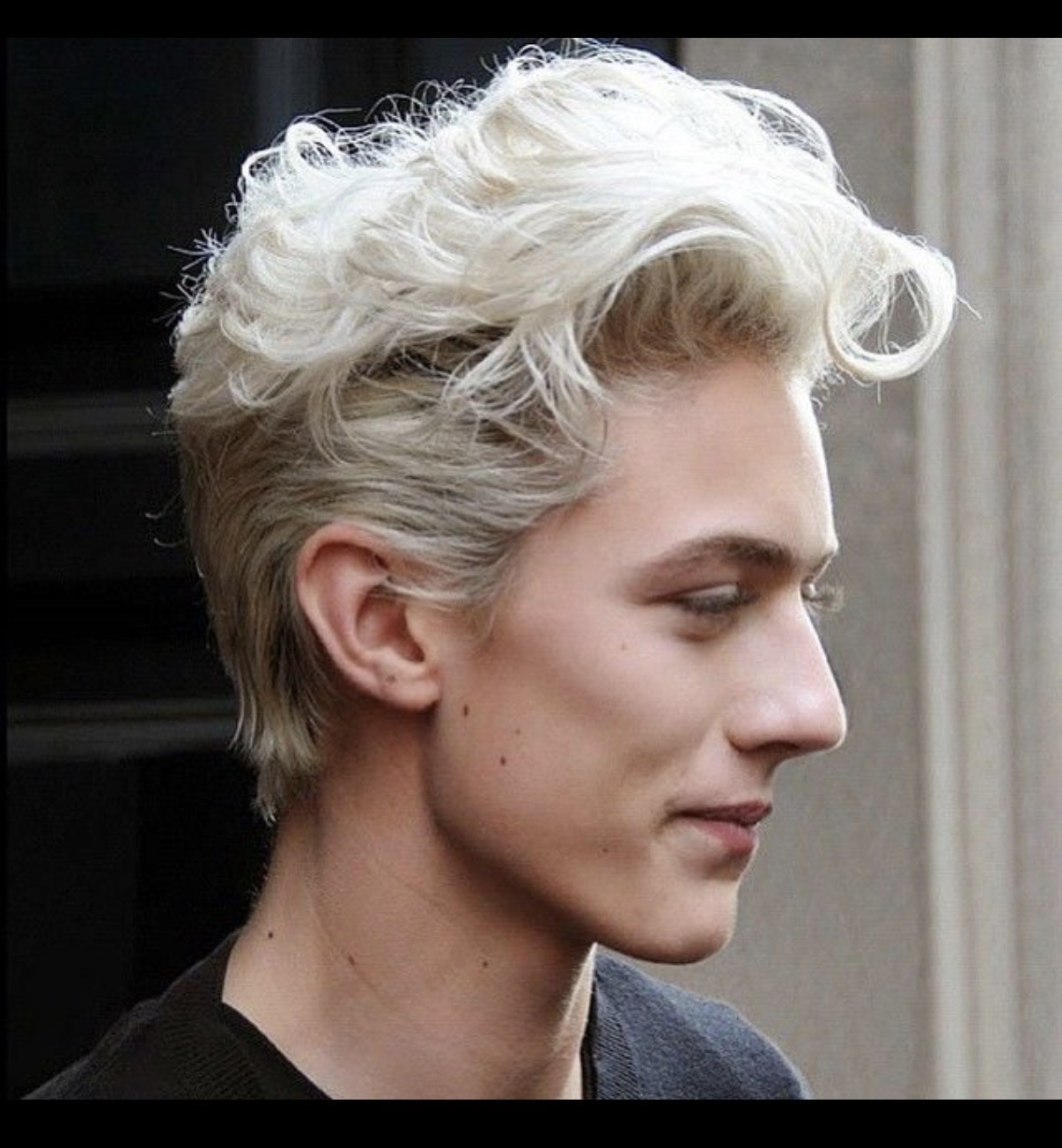
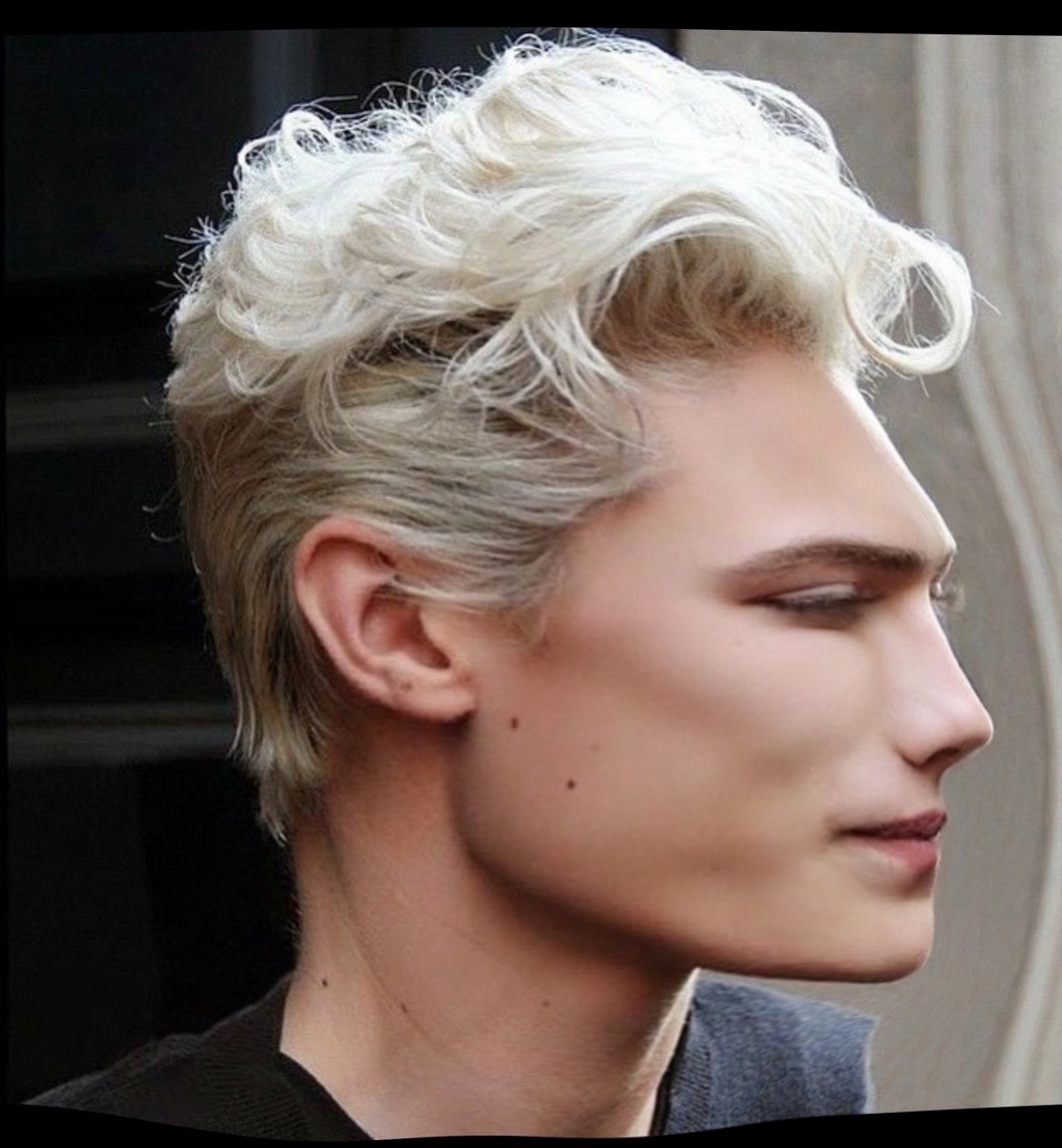

@doggy take sum notesWhat's the upper maxilla?
The upper maxilla is essentially the Le Fort 2 area minus the Le Fort 1 area.
View attachment 1033427View attachment 1033418View attachment 1033419
Figure 1: The 3 Le Fort fractures. The upper maxilla is Le Fort 2 minus Le Fort 1.
The upper maxilla includes the inner infraorbital rims, the nasal ridge, the canine fossa area (Figure 2), and most importantly, the nasal aperture.
This post doesn't go into detail about the canine fossa; just know that it's an important part of the upper maxilla.
What does upper maxillary projection look like?
Upper maxillary projection is characterized by the area from the front of the cheekbone to the back of the nose being a smooth transition when viewed from the side, as seen in Figure 3.
View attachment 1033406View attachment 1033407
Figure 3: Almost-side-profile view of a White man with upper maxillary projection
The man in Figure 3 has a seamless "blend" between the zygoma and the back of the nose. Contrast that with this other man who has a clearly defined border in the same spot:
The difference is due to the slope of the bone around the nasal aperture. With a forward upper maxilla, the bone on the left and right taper forward and inward toward the nose. With a flat upper maxilla, the bone on both sides of the upper maxilla are parallel.
View attachment 1033403
Figure 5: Caucasoid projected upper maxilla vs. Mongoloid flat upper maxilla
Projected upper maxillas as typically seen in Caucasoids, whereas a flat upper maxilla is a Mongoloid trait.
Another way to look at this is in terms of the position of the nasal aperture, the hole in the skull you breathe through.
View attachment 1033410View attachment 1033408View attachment 1033409
Figure 6: Underprojected, normal, and overprojected nasal apertures
View attachment 1033417View attachment 1033421
Figure 7: The recessed nasal aperture of a Mongoloid and the projected nasal aperture of a Caucasoid
An aesthetic upper maxilla is for the most part a projected nasal aperture.
Here's an East Asian woman who got a nose job as well as some procedure that moved her nasal aperture forward and made the surrounding tissue more slanted forwards toward the center:
View attachment 1033404View attachment 1033405
Figure 8: Before and after of an East Asian woman who got a more projected nasal aperture, making the surrounding contour slanted forward toward the middle like Caucasians
As you can see, she used to have a clearly defined border between the front of her zygos and the back of her nose, and after surgery it turned into a smooth blended transition, which is ideal.
The difference between a projected upper maxilla and a projected nose
This is a recessed subhuman:
Giving him a forward-protruding Caucasoid nose doesn't result in a good look (Figure 10).
His nasal aperture and the bone around it needs to get pulled forward, like this:
I deliberately kept his nose flat in order to show how a projected upper maxilla with a flat nose mogs a recessed upper maxilla with a projecting nose.
The final nail in the coffin for Mew Indicator Line copers
@loox made a very high-IQ post last year about the faults of the Mew Indicator Line:
https://looksmax.org/threads/how-to-measure-a-recessed-maxilla.122146/post-2598129
Unfortunately, it hasn't gotten many views because it's the 60th reply to a thread that claims the Mew Indicator Line is a "great tool." At the time of writing, that thread is in the "Best of the Best" subforum. I think it has merit, but it should be removed from BotB for the Mew Indicator Line's flaws.
What flaws? Well first of all, the Mew Indicator Line (MIL) does a poor job at measuring forward growth. If you think about it, drawing a line from the incisors to the nose tip measures the projection of the lower maxilla relative to the upper maxilla—though inaccurately because nose size affects the measurement.
A short MIL indicates a more projected lower maxilla compared to the upper, and a long MIL indicates the opposite. Because of the relative nature of the MIL, a more recessed upper maxilla actually causes a shorter and more ideal MIL, which doesn't make sense (Figure 12).
View attachment 1033415
Figure 12: The more recessed a person's upper maxilla, the better the Mew Indicator Line.
As previously mentioned, MIL is affected by nose size, and this makes it an utterly dog shit method of measuring the degree of maxillary projection. If it weren't affected by nose size, it'd serve as a useful tool for measuring the upper/lower projection balance: the projection of the lower maxilla relative to the upper. But it's useless for measuring that too since it's affected by nose size. Methods such as the maxillary triangle (Figure 13) are superior.
View attachment 1033502
Figure 13: The Maxillary Triangle: a better method of measuring maxillary projection than the Mew Indicator Line.
What's the key takeaway?
Upper maxillary projection is pretty much nasal aperture projection. And nasal aperture projection is the most important thing for getting that "forward-grown look." Flawed methods like the Mew Indicator Line are bad for measuring upper maxillary projection.


Upper macilla is dimorphic feature.Does this mean I have a unprotected upper maxilla

you havent done the triangle right it needs to be standardised in the FHPDoes this mean I have a unprotected upper maxilla

Proper post, well done.What's the upper maxilla?
The upper maxilla is essentially the Le Fort 2 area minus the Le Fort 1 area.
View attachment 1033427View attachment 1033418View attachment 1033419
Figure 1: The 3 Le Fort fractures. The upper maxilla is Le Fort 2 minus Le Fort 1.
The upper maxilla includes the inner infraorbital rims, the nasal ridge, the canine fossa area (Figure 2), and most importantly, the nasal aperture.
This post doesn't go into detail about the canine fossa; just know that it's an important part of the upper maxilla.
What does upper maxillary projection look like?
Upper maxillary projection is characterized by the area from the front of the cheekbone to the back of the nose being a smooth transition when viewed from the side, as seen in Figure 3.
View attachment 1033406View attachment 1033407
Figure 3: Almost-side-profile view of a White man with upper maxillary projection
The man in Figure 3 has a seamless "blend" between the zygoma and the back of the nose. Contrast that with this other man who has a clearly defined border in the same spot:
The difference is due to the slope of the bone around the nasal aperture. With a forward upper maxilla, the bone on the left and right taper forward and inward toward the nose. With a flat upper maxilla, the bone on both sides of the upper maxilla are parallel.
View attachment 1033403
Figure 5: Caucasoid projected upper maxilla vs. Mongoloid flat upper maxilla
Projected upper maxillas as typically seen in Caucasoids, whereas a flat upper maxilla is a Mongoloid trait.
Another way to look at this is in terms of the position of the nasal aperture, the hole in the skull you breathe through.
View attachment 1033410View attachment 1033408View attachment 1033409
Figure 6: Underprojected, normal, and overprojected nasal apertures
View attachment 1033417View attachment 1033421
Figure 7: The recessed nasal aperture of a Mongoloid and the projected nasal aperture of a Caucasoid
An aesthetic upper maxilla is for the most part a projected nasal aperture.
Here's an East Asian woman who got a nose job as well as some procedure that moved her nasal aperture forward and made the surrounding tissue more slanted forwards toward the center:
View attachment 1033404View attachment 1033405
Figure 8: Before and after of an East Asian woman who got a more projected nasal aperture, making the surrounding contour slanted forward toward the middle like Caucasians
As you can see, she used to have a clearly defined border between the front of her zygos and the back of her nose, and after surgery it turned into a smooth blended transition, which is ideal.
The difference between a projected upper maxilla and a projected nose
This is a recessed subhuman:
Giving him a forward-protruding Caucasoid nose doesn't result in a good look (Figure 10).
His nasal aperture and the bone around it needs to get pulled forward, like this:
I deliberately kept his nose flat in order to show how a projected upper maxilla with a flat nose mogs a recessed upper maxilla with a projecting nose.
The final nail in the coffin for Mew Indicator Line copers
@loox made a very high-IQ post last year about the faults of the Mew Indicator Line:
https://looksmax.org/threads/how-to-measure-a-recessed-maxilla.122146/post-2598129
Unfortunately, it hasn't gotten many views because it's the 60th reply to a thread that claims the Mew Indicator Line is a "great tool." At the time of writing, that thread is in the "Best of the Best" subforum. I think it has merit, but it should be removed from BotB for the Mew Indicator Line's flaws.
What flaws? Well first of all, the Mew Indicator Line (MIL) does a poor job at measuring forward growth. If you think about it, drawing a line from the incisors to the nose tip measures the projection of the lower maxilla relative to the upper maxilla—though inaccurately because nose size affects the measurement.
A short MIL indicates a more projected lower maxilla compared to the upper, and a long MIL indicates the opposite. Because of the relative nature of the MIL, a more recessed upper maxilla actually causes a shorter and more ideal MIL, which doesn't make sense (Figure 12).
View attachment 1033415
Figure 12: The more recessed a person's upper maxilla, the better the Mew Indicator Line.
As previously mentioned, MIL is affected by nose size, and this makes it an utterly dog shit method of measuring the degree of maxillary projection. If it weren't affected by nose size, it'd serve as a useful tool for measuring the upper/lower projection balance: the projection of the lower maxilla relative to the upper. But it's useless for measuring that too since it's affected by nose size. Methods such as the maxillary triangle (Figure 13) are superior.
View attachment 1033502
Figure 13: The Maxillary Triangle: a better method of measuring maxillary projection than the Mew Indicator Line.
What's the key takeaway?
Upper maxillary projection is pretty much nasal aperture projection. And nasal aperture projection is the most important thing for getting that "forward-grown look." Flawed methods like the Mew Indicator Line are bad for measuring upper maxillary projection.
its mostly just lighing and midface fatIt does, it creates the type 1 hollow cheeks rather than 2
View attachment 1232800
I mean both are good to have, but 2 is much better and rarer imo


DNR obv it is the maxilla is everythingWhat's the upper maxilla?
The upper maxilla is essentially the Le Fort 2 area minus the Le Fort 1 area.
View attachment 1033427View attachment 1033418View attachment 1033419
Figure 1: The 3 Le Fort fractures. The upper maxilla is Le Fort 2 minus Le Fort 1.
The upper maxilla includes the inner infraorbital rims, the nasal ridge, the canine fossa area (Figure 2), and most importantly, the nasal aperture.
This post doesn't go into detail about the canine fossa; just know that it's an important part of the upper maxilla.
What does upper maxillary projection look like?
Upper maxillary projection is characterized by the area from the front of the cheekbone to the back of the nose being a smooth transition when viewed from the side, as seen in Figure 3.
View attachment 1033406View attachment 1033407
Figure 3: Almost-side-profile view of a White man with upper maxillary projection
The man in Figure 3 has a seamless "blend" between the zygoma and the back of the nose. Contrast that with this other man who has a clearly defined border in the same spot:
The difference is due to the slope of the bone around the nasal aperture. With a forward upper maxilla, the bone on the left and right taper forward and inward toward the nose. With a flat upper maxilla, the bone on both sides of the upper maxilla are parallel.
View attachment 1033403
Figure 5: Caucasoid projected upper maxilla vs. Mongoloid flat upper maxilla
Projected upper maxillas as typically seen in Caucasoids, whereas a flat upper maxilla is a Mongoloid trait.
Another way to look at this is in terms of the position of the nasal aperture, the hole in the skull you breathe through.
View attachment 1033410View attachment 1033408View attachment 1033409
Figure 6: Underprojected, normal, and overprojected nasal apertures
View attachment 1033417View attachment 1033421
Figure 7: The recessed nasal aperture of a Mongoloid and the projected nasal aperture of a Caucasoid
An aesthetic upper maxilla is for the most part a projected nasal aperture.
Here's an East Asian woman who got a nose job as well as some procedure that moved her nasal aperture forward and made the surrounding tissue more slanted forwards toward the center:
View attachment 1033404View attachment 1033405
Figure 8: Before and after of an East Asian woman who got a more projected nasal aperture, making the surrounding contour slanted forward toward the middle like Caucasians
As you can see, she used to have a clearly defined border between the front of her zygos and the back of her nose, and after surgery it turned into a smooth blended transition, which is ideal.
The difference between a projected upper maxilla and a projected nose
This is a recessed subhuman:
Giving him a forward-protruding Caucasoid nose doesn't result in a good look (Figure 10).
His nasal aperture and the bone around it needs to get pulled forward, like this:
I deliberately kept his nose flat in order to show how a projected upper maxilla with a flat nose mogs a recessed upper maxilla with a projecting nose.
The final nail in the coffin for Mew Indicator Line copers
@loox made a very high-IQ post last year about the faults of the Mew Indicator Line:
https://looksmax.org/threads/how-to-measure-a-recessed-maxilla.122146/post-2598129
Unfortunately, it hasn't gotten many views because it's the 60th reply to a thread that claims the Mew Indicator Line is a "great tool." At the time of writing, that thread is in the "Best of the Best" subforum. I think it has merit, but it should be removed from BotB for the Mew Indicator Line's flaws.
What flaws? Well first of all, the Mew Indicator Line (MIL) does a poor job at measuring forward growth. If you think about it, drawing a line from the incisors to the nose tip measures the projection of the lower maxilla relative to the upper maxilla—though inaccurately because nose size affects the measurement.
A short MIL indicates a more projected lower maxilla compared to the upper, and a long MIL indicates the opposite. Because of the relative nature of the MIL, a more recessed upper maxilla actually causes a shorter and more ideal MIL, which doesn't make sense (Figure 12).
View attachment 1033415
Figure 12: The more recessed a person's upper maxilla, the better the Mew Indicator Line.
As previously mentioned, MIL is affected by nose size, and this makes it an utterly dog shit method of measuring the degree of maxillary projection. If it weren't affected by nose size, it'd serve as a useful tool for measuring the upper/lower projection balance: the projection of the lower maxilla relative to the upper. But it's useless for measuring that too since it's affected by nose size. Methods such as the maxillary triangle (Figure 13) are superior.
View attachment 1033502
Figure 13: The Maxillary Triangle: a better method of measuring maxillary projection than the Mew Indicator Line.
What's the key takeaway?
Upper maxillary projection is pretty much nasal aperture projection. And nasal aperture projection is the most important thing for getting that "forward-grown look." Flawed methods like the Mew Indicator Line are bad for measuring upper maxillary projection.


Wrong.All "projected" maxilla pics are anglefrauded. In unfrauded pics at the same angle most people of the same race have around the same maxillary projection

Thank you for reminding me that I need a Lefort IIWhat's the upper maxilla?
The upper maxilla is essentially the Le Fort 2 area minus the Le Fort 1 area.
View attachment 1033427View attachment 1033418View attachment 1033419
Figure 1: The 3 Le Fort fractures. The upper maxilla is Le Fort 2 minus Le Fort 1.
The upper maxilla includes the inner infraorbital rims, the nasal ridge, the canine fossa area (Figure 2), and most importantly, the nasal aperture.
This post doesn't go into detail about the canine fossa; just know that it's an important part of the upper maxilla.
What does upper maxillary projection look like?
Upper maxillary projection is characterized by the area from the front of the cheekbone to the back of the nose being a smooth transition when viewed from the side, as seen in Figure 3.
View attachment 1033406View attachment 1033407
Figure 3: Almost-side-profile view of a White man with upper maxillary projection
The man in Figure 3 has a seamless "blend" between the zygoma and the back of the nose. Contrast that with this other man who has a clearly defined border in the same spot:
The difference is due to the slope of the bone around the nasal aperture. With a forward upper maxilla, the bone on the left and right taper forward and inward toward the nose. With a flat upper maxilla, the bone on both sides of the upper maxilla are parallel.
View attachment 1033403
Figure 5: Caucasoid projected upper maxilla vs. Mongoloid flat upper maxilla
Projected upper maxillas as typically seen in Caucasoids, whereas a flat upper maxilla is a Mongoloid trait.
Another way to look at this is in terms of the position of the nasal aperture, the hole in the skull you breathe through.
View attachment 1033410View attachment 1033408View attachment 1033409
Figure 6: Underprojected, normal, and overprojected nasal apertures
View attachment 1033417View attachment 1033421
Figure 7: The recessed nasal aperture of a Mongoloid and the projected nasal aperture of a Caucasoid
An aesthetic upper maxilla is for the most part a projected nasal aperture.
Here's an East Asian woman who got a nose job as well as some procedure that moved her nasal aperture forward and made the surrounding tissue more slanted forwards toward the center:
View attachment 1033404View attachment 1033405
Figure 8: Before and after of an East Asian woman who got a more projected nasal aperture, making the surrounding contour slanted forward toward the middle like Caucasians
As you can see, she used to have a clearly defined border between the front of her zygos and the back of her nose, and after surgery it turned into a smooth blended transition, which is ideal.
The difference between a projected upper maxilla and a projected nose
This is a recessed subhuman:
Giving him a forward-protruding Caucasoid nose doesn't result in a good look (Figure 10).
His nasal aperture and the bone around it needs to get pulled forward, like this:
I deliberately kept his nose flat in order to show how a projected upper maxilla with a flat nose mogs a recessed upper maxilla with a projecting nose.
The final nail in the coffin for Mew Indicator Line copers
@loox made a very high-IQ post last year about the faults of the Mew Indicator Line:
https://looksmax.org/threads/how-to-measure-a-recessed-maxilla.122146/post-2598129
Unfortunately, it hasn't gotten many views because it's the 60th reply to a thread that claims the Mew Indicator Line is a "great tool." At the time of writing, that thread is in the "Best of the Best" subforum. I think it has merit, but it should be removed from BotB for the Mew Indicator Line's flaws.
What flaws? Well first of all, the Mew Indicator Line (MIL) does a poor job at measuring forward growth. If you think about it, drawing a line from the incisors to the nose tip measures the projection of the lower maxilla relative to the upper maxilla—though inaccurately because nose size affects the measurement.
A short MIL indicates a more projected lower maxilla compared to the upper, and a long MIL indicates the opposite. Because of the relative nature of the MIL, a more recessed upper maxilla actually causes a shorter and more ideal MIL, which doesn't make sense (Figure 12).
View attachment 1033415
Figure 12: The more recessed a person's upper maxilla, the better the Mew Indicator Line.
As previously mentioned, MIL is affected by nose size, and this makes it an utterly dog shit method of measuring the degree of maxillary projection. If it weren't affected by nose size, it'd serve as a useful tool for measuring the upper/lower projection balance: the projection of the lower maxilla relative to the upper. But it's useless for measuring that too since it's affected by nose size. Methods such as the maxillary triangle (Figure 13) are superior.
View attachment 1033502
Figure 13: The Maxillary Triangle: a better method of measuring maxillary projection than the Mew Indicator Line.
What's the key takeaway?
Upper maxillary projection is pretty much nasal aperture projection. And nasal aperture projection is the most important thing for getting that "forward-grown look." Flawed methods like the Mew Indicator Line are bad for measuring upper maxillary projection.
holy maxillary projection. Considered the most attractive hollywood actress by normies. Must be over for her. Lefort 2 candidate?Wrong.
You can still see her projection. Compare that Profile to a recessed one and youll still See the difference. Frankfurt Plane Line doesnt lie.holy maxillary projection. Considered the most attractive hollywood actress by normies. Must be over for her. Lefort 2 candidate?

her upper maxilla is not very projected at all, however her side profile is saved by her borderline chimp tier protruding lower maxilla, same thing as pattinsonYou can still see her projection. Compare that Profile to a recessed one and youll still See the difference. Frankfurt Plane Line doesnt lie.
she doesn't have a chimp lower maxilla. Her philtrum is curved nicelyher upper maxilla is not very projected at all, however her side profile is saved by her borderline chimp tier protruding lower maxilla, same thing as pattinson
if she had the average disparity between upper and lower maxillary growth with a balanced curved philtrum, she would look very recessed
what projection? show me a recessed oneYou can still see her projection. Compare that Profile to a recessed one and youll still See the difference. Frankfurt Plane Line doesnt lie.

Holy fuckigslayerFax just ask justin bieber
she doesn't have a chimp lower maxilla. Her philtrum is curved nicely


#1 ranked chad@loox made a very high-IQ post last year about the faults of the Mew Indicator Line:

Well madeWhat's the upper maxilla?
The upper maxilla is essentially the Le Fort 2 area minus the Le Fort 1 area.
View attachment 1033427View attachment 1033418View attachment 1033419
Figure 1: The 3 Le Fort fractures. The upper maxilla is Le Fort 2 minus Le Fort 1.
The upper maxilla includes the inner infraorbital rims, the nasal ridge, the canine fossa area (Figure 2), and most importantly, the nasal aperture.
This post doesn't go into detail about the canine fossa; just know that it's an important part of the upper maxilla.
What does upper maxillary projection look like?
Upper maxillary projection is characterized by the area from the front of the cheekbone to the back of the nose being a smooth transition when viewed from the side, as seen in Figure 3.
View attachment 1033406View attachment 1033407
Figure 3: Almost-side-profile view of a White man with upper maxillary projection
The man in Figure 3 has a seamless "blend" between the zygoma and the back of the nose. Contrast that with this other man who has a clearly defined border in the same spot:
The difference is due to the slope of the bone around the nasal aperture. With a forward upper maxilla, the bone on the left and right taper forward and inward toward the nose. With a flat upper maxilla, the bone on both sides of the upper maxilla are parallel.
View attachment 1033403
Figure 5: Caucasoid projected upper maxilla vs. Mongoloid flat upper maxilla
Projected upper maxillas as typically seen in Caucasoids, whereas a flat upper maxilla is a Mongoloid trait.
Another way to look at this is in terms of the position of the nasal aperture, the hole in the skull you breathe through.
View attachment 1033410View attachment 1033408View attachment 1033409
Figure 6: Underprojected, normal, and overprojected nasal apertures
View attachment 1033417View attachment 1033421
Figure 7: The recessed nasal aperture of a Mongoloid and the projected nasal aperture of a Caucasoid
An aesthetic upper maxilla is for the most part a projected nasal aperture.
Here's an East Asian woman who got a nose job as well as some procedure that moved her nasal aperture forward and made the surrounding tissue more slanted forwards toward the center:
View attachment 1033404View attachment 1033405
Figure 8: Before and after of an East Asian woman who got a more projected nasal aperture, making the surrounding contour slanted forward toward the middle like Caucasians
As you can see, she used to have a clearly defined border between the front of her zygos and the back of her nose, and after surgery it turned into a smooth blended transition, which is ideal.
The difference between a projected upper maxilla and a projected nose
This is a recessed subhuman:
Giving him a forward-protruding Caucasoid nose doesn't result in a good look (Figure 10).
His nasal aperture and the bone around it needs to get pulled forward, like this:
I deliberately kept his nose flat in order to show how a projected upper maxilla with a flat nose mogs a recessed upper maxilla with a projecting nose.
The final nail in the coffin for Mew Indicator Line copers
@loox made a very high-IQ post last year about the faults of the Mew Indicator Line:
https://looksmax.org/threads/how-to-measure-a-recessed-maxilla.122146/post-2598129
Unfortunately, it hasn't gotten many views because it's the 60th reply to a thread that claims the Mew Indicator Line is a "great tool." At the time of writing, that thread is in the "Best of the Best" subforum. I think it has merit, but it should be removed from BotB for the Mew Indicator Line's flaws.
What flaws? Well first of all, the Mew Indicator Line (MIL) does a poor job at measuring forward growth. If you think about it, drawing a line from the incisors to the nose tip measures the projection of the lower maxilla relative to the upper maxilla—though inaccurately because nose size affects the measurement.
A short MIL indicates a more projected lower maxilla compared to the upper, and a long MIL indicates the opposite. Because of the relative nature of the MIL, a more recessed upper maxilla actually causes a shorter and more ideal MIL, which doesn't make sense (Figure 12).
View attachment 1033415
Figure 12: The more recessed a person's upper maxilla, the better the Mew Indicator Line.
As previously mentioned, MIL is affected by nose size, and this makes it an utterly dog shit method of measuring the degree of maxillary projection. If it weren't affected by nose size, it'd serve as a useful tool for measuring the upper/lower projection balance: the projection of the lower maxilla relative to the upper. But it's useless for measuring that too since it's affected by nose size. Methods such as the maxillary triangle (Figure 13) are superior.
View attachment 1033502
Figure 13: The Maxillary Triangle: a better method of measuring maxillary projection than the Mew Indicator Line.
What's the key takeaway?
Upper maxillary projection is pretty much nasal aperture projection. And nasal aperture projection is the most important thing for getting that "forward-grown look." Flawed methods like the Mew Indicator Line are bad for measuring upper maxillary projection.


What's the upper maxilla?
The upper maxilla is essentially the Le Fort 2 area minus the Le Fort 1 area.
View attachment 1033427View attachment 1033418View attachment 1033419
Figure 1: The 3 Le Fort fractures. The upper maxilla is Le Fort 2 minus Le Fort 1.
The upper maxilla includes the inner infraorbital rims, the nasal ridge, the canine fossa area (Figure 2), and most importantly, the nasal aperture.
This post doesn't go into detail about the canine fossa; just know that it's an important part of the upper maxilla.
What does upper maxillary projection look like?
Upper maxillary projection is characterized by the area from the front of the cheekbone to the back of the nose being a smooth transition when viewed from the side, as seen in Figure 3.
View attachment 1033406View attachment 1033407
Figure 3: Almost-side-profile view of a White man with upper maxillary projection
The man in Figure 3 has a seamless "blend" between the zygoma and the back of the nose. Contrast that with this other man who has a clearly defined border in the same spot:
The difference is due to the slope of the bone around the nasal aperture. With a forward upper maxilla, the bone on the left and right taper forward and inward toward the nose. With a flat upper maxilla, the bone on both sides of the upper maxilla are parallel.
View attachment 1033403
Figure 5: Caucasoid projected upper maxilla vs. Mongoloid flat upper maxilla
Projected upper maxillas as typically seen in Caucasoids, whereas a flat upper maxilla is a Mongoloid trait.
Another way to look at this is in terms of the position of the nasal aperture, the hole in the skull you breathe through.
View attachment 1033410View attachment 1033408View attachment 1033409
Figure 6: Underprojected, normal, and overprojected nasal apertures
View attachment 1033417View attachment 1033421
Figure 7: The recessed nasal aperture of a Mongoloid and the projected nasal aperture of a Caucasoid
An aesthetic upper maxilla is for the most part a projected nasal aperture.
Here's an East Asian woman who got a nose job as well as some procedure that moved her nasal aperture forward and made the surrounding tissue more slanted forwards toward the center:
View attachment 1033404View attachment 1033405
Figure 8: Before and after of an East Asian woman who got a more projected nasal aperture, making the surrounding contour slanted forward toward the middle like Caucasians
As you can see, she used to have a clearly defined border between the front of her zygos and the back of her nose, and after surgery it turned into a smooth blended transition, which is ideal.
The difference between a projected upper maxilla and a projected nose
This is a recessed subhuman:
Giving him a forward-protruding Caucasoid nose doesn't result in a good look (Figure 10).
His nasal aperture and the bone around it needs to get pulled forward, like this:
I deliberately kept his nose flat in order to show how a projected upper maxilla with a flat nose mogs a recessed upper maxilla with a projecting nose.
The final nail in the coffin for Mew Indicator Line copers
@loox made a very high-IQ post last year about the faults of the Mew Indicator Line:
https://looksmax.org/threads/how-to-measure-a-recessed-maxilla.122146/post-2598129
Unfortunately, it hasn't gotten many views because it's the 60th reply to a thread that claims the Mew Indicator Line is a "great tool." At the time of writing, that thread is in the "Best of the Best" subforum. I think it has merit, but it should be removed from BotB for the Mew Indicator Line's flaws.
What flaws? Well first of all, the Mew Indicator Line (MIL) does a poor job at measuring forward growth. If you think about it, drawing a line from the incisors to the nose tip measures the projection of the lower maxilla relative to the upper maxilla—though inaccurately because nose size affects the measurement.
A short MIL indicates a more projected lower maxilla compared to the upper, and a long MIL indicates the opposite. Because of the relative nature of the MIL, a more recessed upper maxilla actually causes a shorter and more ideal MIL, which doesn't make sense (Figure 12).
View attachment 1033415
Figure 12: The more recessed a person's upper maxilla, the better the Mew Indicator Line.
As previously mentioned, MIL is affected by nose size, and this makes it an utterly dog shit method of measuring the degree of maxillary projection. If it weren't affected by nose size, it'd serve as a useful tool for measuring the upper/lower projection balance: the projection of the lower maxilla relative to the upper. But it's useless for measuring that too since it's affected by nose size. Methods such as the maxillary triangle (Figure 13) are superior.
View attachment 1033502
Figure 13: The Maxillary Triangle: a better method of measuring maxillary projection than the Mew Indicator Line.
What's the key takeaway?
Upper maxillary projection is pretty much nasal aperture projection. And nasal aperture projection is the most important thing for getting that "forward-grown look." Flawed methods like the Mew Indicator Line are bad for measuring upper maxillary projection.

Can I get this with simple implants?What's the upper maxilla?
The upper maxilla is essentially the Le Fort 2 area minus the Le Fort 1 area.
View attachment 1033427View attachment 1033418View attachment 1033419
Figure 1: The 3 Le Fort fractures. The upper maxilla is Le Fort 2 minus Le Fort 1.
The upper maxilla includes the inner infraorbital rims, the nasal ridge, the canine fossa area (Figure 2), and most importantly, the nasal aperture.
This post doesn't go into detail about the canine fossa; just know that it's an important part of the upper maxilla.
What does upper maxillary projection look like?
Upper maxillary projection is characterized by the area from the front of the cheekbone to the back of the nose being a smooth transition when viewed from the side, as seen in Figure 3.
View attachment 1033406View attachment 1033407
Figure 3: Almost-side-profile view of a White man with upper maxillary projection
The man in Figure 3 has a seamless "blend" between the zygoma and the back of the nose. Contrast that with this other man who has a clearly defined border in the same spot:
The difference is due to the slope of the bone around the nasal aperture. With a forward upper maxilla, the bone on the left and right taper forward and inward toward the nose. With a flat upper maxilla, the bone on both sides of the upper maxilla are parallel.
View attachment 1033403
Figure 5: Caucasoid projected upper maxilla vs. Mongoloid flat upper maxilla
Projected upper maxillas as typically seen in Caucasoids, whereas a flat upper maxilla is a Mongoloid trait.
Another way to look at this is in terms of the position of the nasal aperture, the hole in the skull you breathe through.
View attachment 1033410View attachment 1033408View attachment 1033409
Figure 6: Underprojected, normal, and overprojected nasal apertures
View attachment 1033417View attachment 1033421
Figure 7: The recessed nasal aperture of a Mongoloid and the projected nasal aperture of a Caucasoid
An aesthetic upper maxilla is for the most part a projected nasal aperture.
Here's an East Asian woman who got a nose job as well as some procedure that moved her nasal aperture forward and made the surrounding tissue more slanted forwards toward the center:
View attachment 1033404View attachment 1033405
Figure 8: Before and after of an East Asian woman who got a more projected nasal aperture, making the surrounding contour slanted forward toward the middle like Caucasians
As you can see, she used to have a clearly defined border between the front of her zygos and the back of her nose, and after surgery it turned into a smooth blended transition, which is ideal.
The difference between a projected upper maxilla and a projected nose
This is a recessed subhuman:
Giving him a forward-protruding Caucasoid nose doesn't result in a good look (Figure 10).
His nasal aperture and the bone around it needs to get pulled forward, like this:
I deliberately kept his nose flat in order to show how a projected upper maxilla with a flat nose mogs a recessed upper maxilla with a projecting nose.
The final nail in the coffin for Mew Indicator Line copers
@loox made a very high-IQ post last year about the faults of the Mew Indicator Line:
https://looksmax.org/threads/how-to-measure-a-recessed-maxilla.122146/post-2598129
Unfortunately, it hasn't gotten many views because it's the 60th reply to a thread that claims the Mew Indicator Line is a "great tool." At the time of writing, that thread is in the "Best of the Best" subforum. I think it has merit, but it should be removed from BotB for the Mew Indicator Line's flaws.
What flaws? Well first of all, the Mew Indicator Line (MIL) does a poor job at measuring forward growth. If you think about it, drawing a line from the incisors to the nose tip measures the projection of the lower maxilla relative to the upper maxilla—though inaccurately because nose size affects the measurement.
A short MIL indicates a more projected lower maxilla compared to the upper, and a long MIL indicates the opposite. Because of the relative nature of the MIL, a more recessed upper maxilla actually causes a shorter and more ideal MIL, which doesn't make sense (Figure 12).
View attachment 1033415
Figure 12: The more recessed a person's upper maxilla, the better the Mew Indicator Line.
As previously mentioned, MIL is affected by nose size, and this makes it an utterly dog shit method of measuring the degree of maxillary projection. If it weren't affected by nose size, it'd serve as a useful tool for measuring the upper/lower projection balance: the projection of the lower maxilla relative to the upper. But it's useless for measuring that too since it's affected by nose size. Methods such as the maxillary triangle (Figure 13) are superior.
View attachment 1033502
Figure 13: The Maxillary Triangle: a better method of measuring maxillary projection than the Mew Indicator Line.
What's the key takeaway?
Upper maxillary projection is pretty much nasal aperture projection. And nasal aperture projection is the most important thing for getting that "forward-grown look." Flawed methods like the Mew Indicator Line are bad for measuring upper maxillary projection.