Seth Walsh

Iconoclast
Contributor
- Joined
- Jan 12, 2020
- Posts
- 11,075
- Reputation
- 22,654
Most people completely misunderstand “networking.”
They think it means:
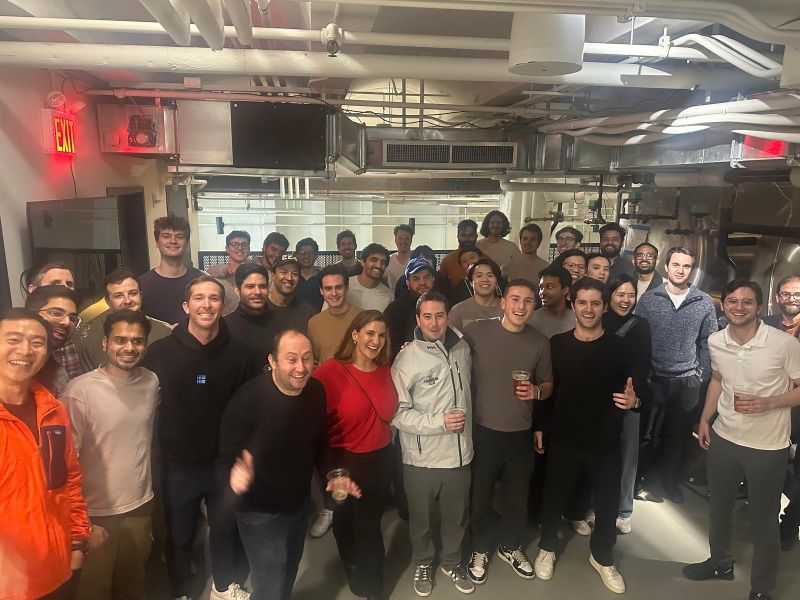
Reality:
Your network is mainly:
The blackpill is that your life trajectory is massively path dependent on the rooms you repeatedly enter.
Not because of “motivation.”
Because of:
 leads to


Most people never enter high-signal environments consistently enough for compounding social effects to begin.
They remain in random social pools.

That alone determines huge portions of life outcome.
The average person’s social graph is:

Then they wonder why:
If everyone around you:
Environment is not motivation.
Environment is probability shaping.

The hidden truth:
high performers disproportionately meet each other through:
Not random nightlife.
Not “networking events.”
Repeated exposure matters more than charisma.
Familiarity compounds trust.


You become:
Most major opportunities happen through:
Especially in:

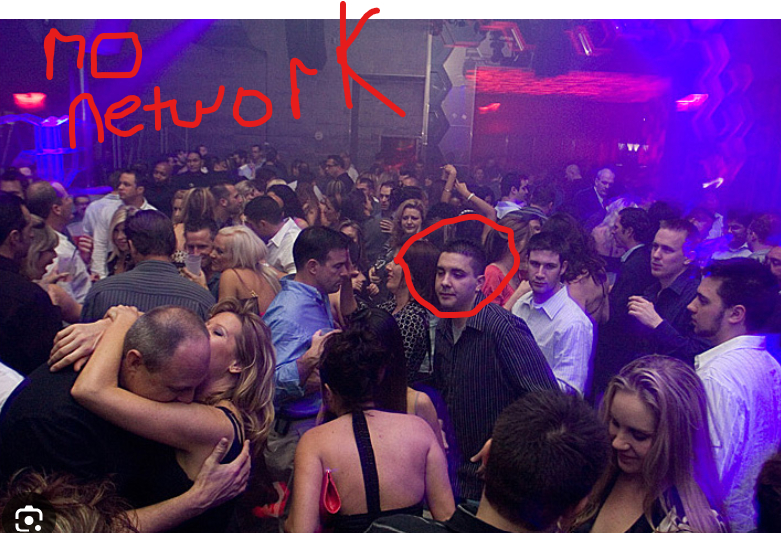
Nightlife is one of the biggest social traps for ambitious people.
Why?
Because nightlife heavily selects for:
You spend:

The hidden blackpill:
A huge percentage of urban nightlife economies are funded by:

Many people in “good jobs” are functionally trapped:
Everyone still:
That illusion traps others into copying it.
Meanwhile:
the people actually compounding capital are often:
Because humans absorb norms automatically.
You begin inheriting:
“wealthy successful people are another species.”
They become normal.
That alone changes behaviour massively.
One of the biggest class blackpills:
people from wealthy/high-functioning environments often start adulthood already possessing:
They are not.
Network effects are enormous.
Research consistently shows:
low-income individuals with higher exposure to high-income networks show materially better upward mobility outcomes.
Not motivation quotes.
Network topology.
Most people never consciously optimize this.
They optimize:
You should think of social environments like portfolio allocation.
Some environments compound:
They think it means:
- going to loud bars
- collecting LinkedIn connections
- generic coffees
- startup events
- pretending to be extroverted
- “putting yourself out there”
Reality:
Your network is mainly:
- repeated proximity
- to high-agency people
- inside environments with real capital allocation
The blackpill is that your life trajectory is massively path dependent on the rooms you repeatedly enter.
Not because of “motivation.”
Because of:
- information flow
- norms
- opportunities
- introductions
- expectation ceilings
- mate selection
- business formation
- access to hidden markets
- reputation inheritance
Most people never enter high-signal environments consistently enough for compounding social effects to begin.
They remain in random social pools.
That alone determines huge portions of life outcome.
The average person’s social graph is:
- coworkers
- school friends
- drinking friends
- renters
- people with no assets
- people with no upside
- people with no ambition
- people optimizing for weekends
Then they wonder why:
- nobody around them builds anything
- nobody invests
- nobody owns property
- nobody has asymmetric upside
- nobody knows opportunities
- nobody changes class
If everyone around you:
- rents forever
- spends everything
- drinks heavily
- mocks ambition
- fears risk
- hates finance
- avoids technical skill
- treats jobs as identity
Environment is not motivation.
Environment is probability shaping.
The hidden truth:
high performers disproportionately meet each other through:
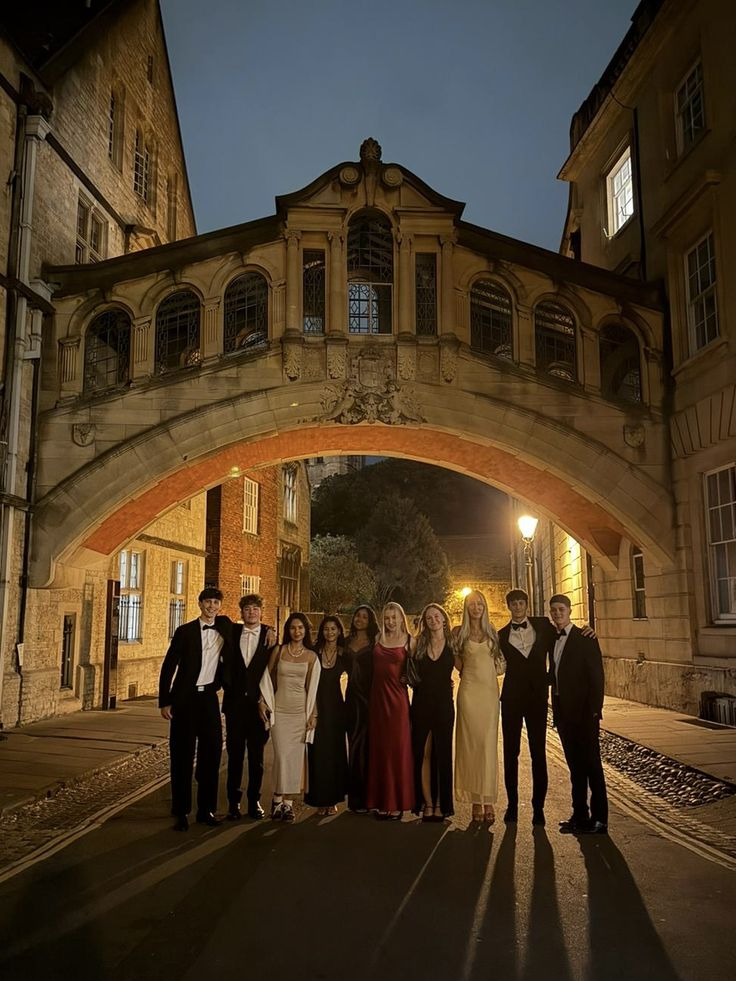
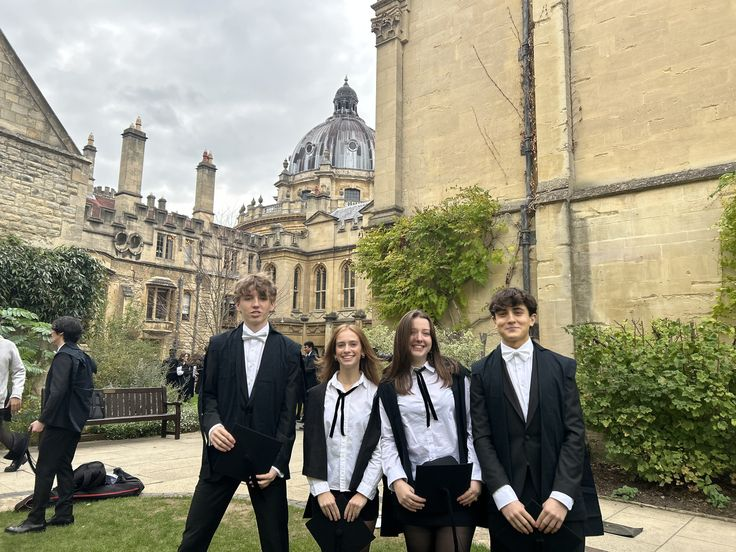
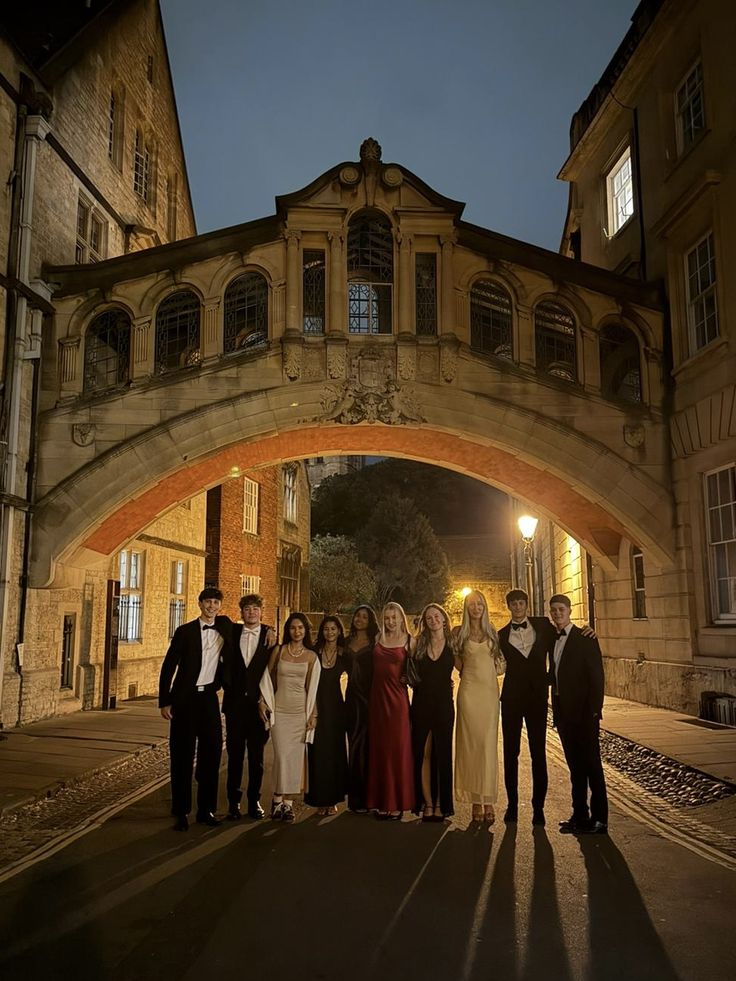
- elite universities
- finance
- family networks
- weddings
- sport
- alumni circles
- private clubs
- repeated exposure environments
Not random nightlife.
Not “networking events.”
Repeated exposure matters more than charisma.
Familiarity compounds trust.
You become:
- “the smart quant guy”
- “the trader”
- “the lawyer friend”
- “the founder”
- “the reliable one”
Most major opportunities happen through:
- warm intros
- semi-private channels
- invisible recommendation chains
- reputation propagation
Especially in:
- trading
- private equity
- startups
- hedge funds
- law
- family offices
- high-end sales
- private deals
- quiet
- boring-looking
- older
- stable
- asset-owning
- low-drama
- highly filtered
Nightlife is one of the biggest social traps for ambitious people.
Why?
Because nightlife heavily selects for:
- appearance signaling
- impulsivity
- consumption
- alcohol
- low attention spans
- temporary identity
- social performance
- status theatre
You spend:
- money
- sleep
- cognition
- weekends
- recovery
- emotional stability
- low savings
- unstable trajectories
- no ownership
- no technical depth
- no long-term orientation
The hidden blackpill:
A huge percentage of urban nightlife economies are funded by:
- parental subsidies
- debt
- future income assumptions
- hidden family wealth
- financial illiteracy
- delayed panic
Many people in “good jobs” are functionally trapped:
- high rent
- low savings
- high consumption
- zero assets
- no optionality
Everyone still:
- dresses well
- drinks
- travels
- posts
- appears “middle class”
That illusion traps others into copying it.
Meanwhile:
the people actually compounding capital are often:
- quieter
- sleeping properly
- training
- investing
- building businesses
- meeting specific people repeatedly
- attending selective events
- keeping burn low
- allocating time carefully
- technically dense
- capital dense
- socially filtered
- reputation sensitive
- trading firms
- top engineering environments
- elite sports clubs
- serious tennis/golf circles
- private dinners
- founder communities
- selective conferences
- alumni events
- weddings of successful families
- niche high-performance hobbies
- traders
- founders
- lawyers
- doctors
- senior finance people
- technical operators
- wealthy families
- business owners
- ambitious couples
- disciplined people
- long-term thinkers
Because humans absorb norms automatically.
You begin inheriting:
- speech patterns
- expectations
- standards
- confidence
- risk tolerance
- business models
- investment awareness
- relationship quality
- aesthetic standards
- emotional control
“wealthy successful people are another species.”
They become normal.
That alone changes behaviour massively.
One of the biggest class blackpills:
people from wealthy/high-functioning environments often start adulthood already possessing:
- social calibration
- investor awareness
- legal/accounting familiarity
- introductions
- confidence around authority
- knowledge of prestigious paths
- emotional stability around money
- familiarity with high-quality environments
- zero map
- zero network
- zero ownership culture
- zero financial literacy
- zero strategic guidance
They are not.
Network effects are enormous.
Research consistently shows:
- jobs are disproportionately filled through referrals
- high-income people cluster geographically and socially
- marriage strongly predicts wealth outcomes
- friend groups heavily influence obesity, savings, and ambition
- social mobility correlates strongly with exposure to higher-income networks
low-income individuals with higher exposure to high-income networks show materially better upward mobility outcomes.
Not motivation quotes.
Network topology.
Most people never consciously optimize this.
They optimize:
- entertainment
- validation
- convenience
- comfort
You should think of social environments like portfolio allocation.
Some environments compound:
- opportunity
- discipline
- information
- status
- marriages
- introductions
- capital
- addiction
- consumption
- coping
- drift
- mediocrity
- burnout
- financial fragility