Ideal facial ratios and proportions

this is an updated version of my previous ideal facial ratios & proportions thread which can be found here

facial width to height ratio (FWHR): 1.8+
measured by dividing the bizygomatic width (distance from cheekbone to cheekbone) by the height of the middle part of the eyebrow to the upper lip.

lower/full face ratio: 0.62+
measured by dividing the height between the nasion to the bottom of the chin by the face height (distance from hairline to bottom of the chin)

midface ratio: 1.0-1.1
measured by dividing the interpupillary distance (distance between the centers of the pupils) by the height of the nasion to the upper lip. the closer to 1:1 this is, the better.

mouth to nose ratio: 1.5-1.62
measured by dividing the width of the mouth by the width of the nose.

lower to upper lip ratio: 1.62
measured by dividing the height of the lower lip to the upper lip.

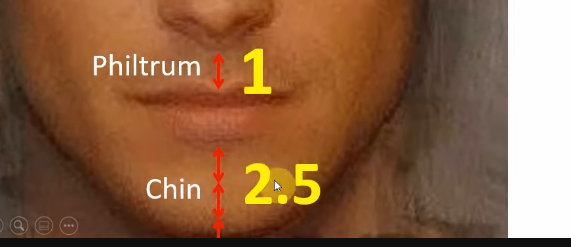
chin to philtrum ratio: 2.0-2.25
measured by dividing the height of the middle part of the lips to the bottom of the chin by the height of the bottom of the nose to the middle part of the lips.

bizygomatic to bigonial width: 1.35
measured by dividing the bizygomatic width (distance from cheekbone to cheekbone) by the bigonial width (distance from gonion to gonion).

ESR (eye separation ratio): 0.45-0.47
measured by dividing the interpupillary distance (distance between the centers of the pupils) by the the bizygomatic width (distance from cheekbone to cheekbone). the "third eyeball method" - a theory in which the distance between your eyes should be another eye apart - is widely accepted in determining whether or not your eyes are an appropriate distance away from eachother, however this is flawed and incorrect. here is a thread explaining why, along with some more useful information about this measurement.

EME (eye mouth eye) angle: 47°-50°
measured by calculating the angle formed upon setting the vertex at the center of the lips with the arms crossing the eye pupils. the EME angle is a good indicator of masculinity and symmetry. here is a thread with more information about this measurement.

cervicomental angle: 105°-120°
measured by calculating the angle formed upon setting the vertex at the hyoid with the arms set along the bottom of the chin and the neck. anything above 120° is said to give the impression of a double chin.

gonial angle: 115°-130°
measured by calculating the angle formed upon setting the vertex at the gonion with the arms set along the mandible and the ramus.

canthal tilt: 4°-6°
measured by calculating the angle formed upon setting the vertex at the medial canthus with the arms set parallel to the floor and the lateral canthus.

palpebral fissure length to height ratio: 3.0-3.5
measured by dividing the palpebral fissure length (distance between the medial to the lateral canthus) by the height of the upper and lower eyelid.

forehead height: 3 fingers
measured by clenching your fingers together and seeing how many you can fit on your forehead horizontally before reaching your hairline.

facial thirds: 1/3 of face length
the upper third (height between the hairline to the middle part of the eyebrows), middle third (height between the middle part of the eyebrows to the bottom of the nose) and lower third (height between the bottom of the nose to bottom of the chin) of the face should be approximately 1/3rd of your entire face length (height between the hairline to bottom of the chin). these facial thirds should all be approximately equal to eachother and dividable smoothly into 3 parts as you transition down the face.

facial fifths: 1/5 of ear to ear width
the nose width, palpebral fissure length and length between the lateral canthus to the ear should be approximately 1/5th of the width between your ears. these facial fifths should all be approximately equal to eachother and dividable smoothly into 5 parts as you transition from left to right of the face.
thanks, but how do I measure the face in a photo?
 
  • +1
Reactions: CorinthianLOX
this is an updated version of my previous ideal facial ratios & proportions thread which can be found here

facial width to height ratio (FWHR): 1.8+
measured by dividing the bizygomatic width (distance from cheekbone to cheekbone) by the height of the middle part of the eyebrow to the upper lip.

lower/full face ratio: 0.62+
measured by dividing the height between the nasion to the bottom of the chin by the face height (distance from hairline to bottom of the chin)

midface ratio: 1.0-1.1
measured by dividing the interpupillary distance (distance between the centers of the pupils) by the height of the nasion to the upper lip. the closer to 1:1 this is, the better.

mouth to nose ratio: 1.5-1.62
measured by dividing the width of the mouth by the width of the nose.

lower to upper lip ratio: 1.62
measured by dividing the height of the lower lip to the upper lip.

chin to philtrum ratio: 2.0-2.25
measured by dividing the height of the middle part of the lips to the bottom of the chin by the height of the bottom of the nose to the middle part of the lips.

bizygomatic to bigonial width: 1.35
measured by dividing the bizygomatic width (distance from cheekbone to cheekbone) by the bigonial width (distance from gonion to gonion).

ESR (eye separation ratio): 0.45-0.47
measured by dividing the interpupillary distance (distance between the centers of the pupils) by the the bizygomatic width (distance from cheekbone to cheekbone). the "third eyeball method" - a theory in which the distance between your eyes should be another eye apart - is widely accepted in determining whether or not your eyes are an appropriate distance away from eachother, however this is flawed and incorrect. here is a thread explaining why, along with some more useful information about this measurement.

EME (eye mouth eye) angle: 47°-50°
measured by calculating the angle formed upon setting the vertex at the center of the lips with the arms crossing the eye pupils. the EME angle is a good indicator of masculinity and symmetry. here is a thread with more information about this measurement.

cervicomental angle: 105°-120°
measured by calculating the angle formed upon setting the vertex at the hyoid with the arms set along the bottom of the chin and the neck. anything above 120° is said to give the impression of a double chin.

gonial angle: 115°-130°
measured by calculating the angle formed upon setting the vertex at the gonion with the arms set along the mandible and the ramus.

canthal tilt: 4°-6°
measured by calculating the angle formed upon setting the vertex at the medial canthus with the arms set parallel to the floor and the lateral canthus.

palpebral fissure length to height ratio: 3.0-3.5
measured by dividing the palpebral fissure length (distance between the medial to the lateral canthus) by the height of the upper and lower eyelid.

forehead height: 3 fingers
measured by clenching your fingers together and seeing how many you can fit on your forehead horizontally before reaching your hairline.

facial thirds: 1/3 of face length
the upper third (height between the hairline to the middle part of the eyebrows), middle third (height between the middle part of the eyebrows to the bottom of the nose) and lower third (height between the bottom of the nose to bottom of the chin) of the face should be approximately 1/3rd of your entire face length (height between the hairline to bottom of the chin). these facial thirds should all be approximately equal to eachother and dividable smoothly into 3 parts as you transition down the face.

facial fifths: 1/5 of ear to ear width
the nose width, palpebral fissure length and length between the lateral canthus to the ear should be approximately 1/5th of the width between your ears. these facial fifths should all be approximately equal to eachother and dividable smoothly into 5 parts as you transition from left to right of the face.
suicide fuel
 
  • +1
Reactions: CorinthianLOX
Measured it on my ID pic

FHWR: 1.77
Lower full face ratio: 0.63
Midface ratio: 0.98
Mouth to nose ratio: 1.52
Lower to upper lips ratio: 0.92 (lol)
Chin to philtrum ratio: 2.24
Bizygo to bigo: 1.12
ESR: 0.46
Palpebral fissure...: 3
Forehead: 4 fingers
post face
 
  • +1
Reactions: CorinthianLOX
hell no forehead just 3 fingers???
 
  • +1
Reactions: CorinthianLOX
who can measure my ratios
 
Outdated dogshit
 
  • +1
Reactions: Lockz
Joined Feb 11, 2025
Last seen A moment ago · Viewing forum list
Posts307Reputation183


pfl
icons8-tiktok-verified-account-64-lightblue.svg

87% harmony
Joined Dec 17, 2023
Last seen A moment ago
Posts5,517Reputation8,528Points68Purchased upgrades1
 
Take a picture of your face with a smartphone camera? or with a special camera if I don't have one?
 
And how do you measure it anyway?
 
  • +1
Reactions: copester2, noconfidence_guy and Tiger Exuberante
this is an updated version of my previous ideal facial ratios & proportions thread which can be found here

facial width to height ratio (FWHR): 1.8+
measured by dividing the bizygomatic width (distance from cheekbone to cheekbone) by the height of the middle part of the eyebrow to the upper lip.

lower/full face ratio: 0.62+
measured by dividing the height between the nasion to the bottom of the chin by the face height (distance from hairline to bottom of the chin)

midface ratio: 1.0-1.1
measured by dividing the interpupillary distance (distance between the centers of the pupils) by the height of the nasion to the upper lip. the closer to 1:1 this is, the better.

mouth to nose ratio: 1.5-1.62
measured by dividing the width of the mouth by the width of the nose.

lower to upper lip ratio: 1.62
measured by dividing the height of the lower lip to the upper lip.

chin to philtrum ratio: 2.0-2.25
measured by dividing the height of the middle part of the lips to the bottom of the chin by the height of the bottom of the nose to the middle part of the lips.

bizygomatic to bigonial width: 1.35
measured by dividing the bizygomatic width (distance from cheekbone to cheekbone) by the bigonial width (distance from gonion to gonion).

ESR (eye separation ratio): 0.45-0.47
measured by dividing the interpupillary distance (distance between the centers of the pupils) by the the bizygomatic width (distance from cheekbone to cheekbone). the "third eyeball method" - a theory in which the distance between your eyes should be another eye apart - is widely accepted in determining whether or not your eyes are an appropriate distance away from eachother, however this is flawed and incorrect. here is a thread explaining why, along with some more useful information about this measurement.

EME (eye mouth eye) angle: 47°-50°
measured by calculating the angle formed upon setting the vertex at the center of the lips with the arms crossing the eye pupils. the EME angle is a good indicator of masculinity and symmetry. here is a thread with more information about this measurement.

cervicomental angle: 105°-120°
measured by calculating the angle formed upon setting the vertex at the hyoid with the arms set along the bottom of the chin and the neck. anything above 120° is said to give the impression of a double chin.

gonial angle: 115°-130°
measured by calculating the angle formed upon setting the vertex at the gonion with the arms set along the mandible and the ramus.

canthal tilt: 4°-6°
measured by calculating the angle formed upon setting the vertex at the medial canthus with the arms set parallel to the floor and the lateral canthus.

palpebral fissure length to height ratio: 3.0-3.5
measured by dividing the palpebral fissure length (distance between the medial to the lateral canthus) by the height of the upper and lower eyelid.

forehead height: 3 fingers
measured by clenching your fingers together and seeing how many you can fit on your forehead horizontally before reaching your hairline.

facial thirds: 1/3 of face length
the upper third (height between the hairline to the middle part of the eyebrows), middle third (height between the middle part of the eyebrows to the bottom of the nose) and lower third (height between the bottom of the nose to bottom of the chin) of the face should be approximately 1/3rd of your entire face length (height between the hairline to bottom of the chin). these facial thirds should all be approximately equal to eachother and dividable smoothly into 3 parts as you transition down the face.

facial fifths: 1/5 of ear to ear width
the nose width, palpebral fissure length and length between the lateral canthus to the ear should be approximately 1/5th of the width between your ears. these facial fifths should all be approximately equal to eachother and dividable smoothly into 5 parts as you transition from left to right of the face.
I supposedly have good ratios, so why do I look so mid?
 
I supposedly have good ratios, so why do I look so mid?
Bad features, bad dimorphism, bad angularity, bad health indicators... Pm me if you want help
 
I have all of them except chin to philtrum but I'm a 5. Why is that? Can someone tell me.

Also, I'm 23% BF so my bones aren't very visible.
 
this is an updated version of my previous ideal facial ratios & proportions thread which can be found here

facial width to height ratio (FWHR): 1.8+
measured by dividing the bizygomatic width (distance from cheekbone to cheekbone) by the height of the middle part of the eyebrow to the upper lip.

lower/full face ratio: 0.62+
measured by dividing the height between the nasion to the bottom of the chin by the face height (distance from hairline to bottom of the chin)

midface ratio: 1.0-1.1
measured by dividing the interpupillary distance (distance between the centers of the pupils) by the height of the nasion to the upper lip. the closer to 1:1 this is, the better.

mouth to nose ratio: 1.5-1.62
measured by dividing the width of the mouth by the width of the nose.

lower to upper lip ratio: 1.62
measured by dividing the height of the lower lip to the upper lip.

chin to philtrum ratio: 2.0-2.25
measured by dividing the height of the middle part of the lips to the bottom of the chin by the height of the bottom of the nose to the middle part of the lips.

bizygomatic to bigonial width: 1.35
measured by dividing the bizygomatic width (distance from cheekbone to cheekbone) by the bigonial width (distance from gonion to gonion).

ESR (eye separation ratio): 0.45-0.47
measured by dividing the interpupillary distance (distance between the centers of the pupils) by the the bizygomatic width (distance from cheekbone to cheekbone). the "third eyeball method" - a theory in which the distance between your eyes should be another eye apart - is widely accepted in determining whether or not your eyes are an appropriate distance away from eachother, however this is flawed and incorrect. here is a thread explaining why, along with some more useful information about this measurement.

EME (eye mouth eye) angle: 47°-50°
measured by calculating the angle formed upon setting the vertex at the center of the lips with the arms crossing the eye pupils. the EME angle is a good indicator of masculinity and symmetry. here is a thread with more information about this measurement.

cervicomental angle: 105°-120°
measured by calculating the angle formed upon setting the vertex at the hyoid with the arms set along the bottom of the chin and the neck. anything above 120° is said to give the impression of a double chin.

gonial angle: 115°-130°
measured by calculating the angle formed upon setting the vertex at the gonion with the arms set along the mandible and the ramus.

canthal tilt: 4°-6°
measured by calculating the angle formed upon setting the vertex at the medial canthus with the arms set parallel to the floor and the lateral canthus.

palpebral fissure length to height ratio: 3.0-3.5
measured by dividing the palpebral fissure length (distance between the medial to the lateral canthus) by the height of the upper and lower eyelid.

forehead height: 3 fingers
measured by clenching your fingers together and seeing how many you can fit on your forehead horizontally before reaching your hairline.

facial thirds: 1/3 of face length
the upper third (height between the hairline to the middle part of the eyebrows), middle third (height between the middle part of the eyebrows to the bottom of the nose) and lower third (height between the bottom of the nose to bottom of the chin) of the face should be approximately 1/3rd of your entire face length (height between the hairline to bottom of the chin). these facial thirds should all be approximately equal to eachother and dividable smoothly into 3 parts as you transition down the face.

facial fifths: 1/5 of ear to ear width
the nose width, palpebral fissure length and length between the lateral canthus to the ear should be approximately 1/5th of the width between your ears. these facial fifths should all be approximately equal to eachother and dividable smoothly into 5 parts as you transition from left to right of the face.
thanks for letting me know i only fit in one of these all ratios
 
There are way more ratios btw
this is an updated version of my previous ideal facial ratios & proportions thread which can be found here

facial width to height ratio (FWHR): 1.8+
measured by dividing the bizygomatic width (distance from cheekbone to cheekbone) by the height of the middle part of the eyebrow to the upper lip.

lower/full face ratio: 0.62+
measured by dividing the height between the nasion to the bottom of the chin by the face height (distance from hairline to bottom of the chin)

midface ratio: 1.0-1.1
measured by dividing the interpupillary distance (distance between the centers of the pupils) by the height of the nasion to the upper lip. the closer to 1:1 this is, the better.

mouth to nose ratio: 1.5-1.62
measured by dividing the width of the mouth by the width of the nose.

lower to upper lip ratio: 1.62
measured by dividing the height of the lower lip to the upper lip.

chin to philtrum ratio: 2.0-2.25
measured by dividing the height of the middle part of the lips to the bottom of the chin by the height of the bottom of the nose to the middle part of the lips.

bizygomatic to bigonial width: 1.35
measured by dividing the bizygomatic width (distance from cheekbone to cheekbone) by the bigonial width (distance from gonion to gonion).

ESR (eye separation ratio): 0.45-0.47
measured by dividing the interpupillary distance (distance between the centers of the pupils) by the the bizygomatic width (distance from cheekbone to cheekbone). the "third eyeball method" - a theory in which the distance between your eyes should be another eye apart - is widely accepted in determining whether or not your eyes are an appropriate distance away from eachother, however this is flawed and incorrect. here is a thread explaining why, along with some more useful information about this measurement.

EME (eye mouth eye) angle: 47°-50°
measured by calculating the angle formed upon setting the vertex at the center of the lips with the arms crossing the eye pupils. the EME angle is a good indicator of masculinity and symmetry. here is a thread with more information about this measurement.

cervicomental angle: 105°-120°
measured by calculating the angle formed upon setting the vertex at the hyoid with the arms set along the bottom of the chin and the neck. anything above 120° is said to give the impression of a double chin.

gonial angle: 115°-130°
measured by calculating the angle formed upon setting the vertex at the gonion with the arms set along the mandible and the ramus.

canthal tilt: 4°-6°
measured by calculating the angle formed upon setting the vertex at the medial canthus with the arms set parallel to the floor and the lateral canthus.

palpebral fissure length to height ratio: 3.0-3.5
measured by dividing the palpebral fissure length (distance between the medial to the lateral canthus) by the height of the upper and lower eyelid.

forehead height: 3 fingers
measured by clenching your fingers together and seeing how many you can fit on your forehead horizontally before reaching your hairline.

facial thirds: 1/3 of face length
the upper third (height between the hairline to the middle part of the eyebrows), middle third (height between the middle part of the eyebrows to the bottom of the nose) and lower third (height between the bottom of the nose to bottom of the chin) of the face should be approximately 1/3rd of your entire face length (height between the hairline to bottom of the chin). these facial thirds should all be approximately equal to eachother and dividable smoothly into 3 parts as you transition down the face.

facial fifths: 1/5 of ear to ear width
the nose width, palpebral fissure length and length between the lateral canthus to the ear should be approximately 1/5th of the width between your ears. these facial fifths should all be approximately equal to eachother and dividable smoothly into 5 parts as you transition from left to right of the face.
 
Noted for my future next thread..
 
  • +1
Reactions: copester2
Honestly my view may be biased but personally I think a equal mid face and upper third is good but then a taller lower third is better than all equal a lot of male models have a longer lower third (masculine ones)
 
this is an updated version of my previous ideal facial ratios & proportions thread which can be found here

facial width to height ratio (FWHR): 1.8+
measured by dividing the bizygomatic width (distance from cheekbone to cheekbone) by the height of the middle part of the eyebrow to the upper lip.

lower/full face ratio: 0.62+
measured by dividing the height between the nasion to the bottom of the chin by the face height (distance from hairline to bottom of the chin)

midface ratio: 1.0-1.1
measured by dividing the interpupillary distance (distance between the centers of the pupils) by the height of the nasion to the upper lip. the closer to 1:1 this is, the better.

mouth to nose ratio: 1.5-1.62
measured by dividing the width of the mouth by the width of the nose.

lower to upper lip ratio: 1.62
measured by dividing the height of the lower lip to the upper lip.

chin to philtrum ratio: 2.0-2.25
measured by dividing the height of the middle part of the lips to the bottom of the chin by the height of the bottom of the nose to the middle part of the lips.

bizygomatic to bigonial width: 1.35
measured by dividing the bizygomatic width (distance from cheekbone to cheekbone) by the bigonial width (distance from gonion to gonion).

ESR (eye separation ratio): 0.45-0.47
measured by dividing the interpupillary distance (distance between the centers of the pupils) by the the bizygomatic width (distance from cheekbone to cheekbone). the "third eyeball method" - a theory in which the distance between your eyes should be another eye apart - is widely accepted in determining whether or not your eyes are an appropriate distance away from eachother, however this is flawed and incorrect. here is a thread explaining why, along with some more useful information about this measurement.

EME (eye mouth eye) angle: 47°-50°
measured by calculating the angle formed upon setting the vertex at the center of the lips with the arms crossing the eye pupils. the EME angle is a good indicator of masculinity and symmetry. here is a thread with more information about this measurement.

cervicomental angle: 105°-120°
measured by calculating the angle formed upon setting the vertex at the hyoid with the arms set along the bottom of the chin and the neck. anything above 120° is said to give the impression of a double chin.

gonial angle: 115°-130°
measured by calculating the angle formed upon setting the vertex at the gonion with the arms set along the mandible and the ramus.

canthal tilt: 4°-6°
measured by calculating the angle formed upon setting the vertex at the medial canthus with the arms set parallel to the floor and the lateral canthus.

palpebral fissure length to height ratio: 3.0-3.5
measured by dividing the palpebral fissure length (distance between the medial to the lateral canthus) by the height of the upper and lower eyelid.

forehead height: 3 fingers
measured by clenching your fingers together and seeing how many you can fit on your forehead horizontally before reaching your hairline.

facial thirds: 1/3 of face length
the upper third (height between the hairline to the middle part of the eyebrows), middle third (height between the middle part of the eyebrows to the bottom of the nose) and lower third (height between the bottom of the nose to bottom of the chin) of the face should be approximately 1/3rd of your entire face length (height between the hairline to bottom of the chin). these facial thirds should all be approximately equal to eachother and dividable smoothly into 3 parts as you transition down the face.

facial fifths: 1/5 of ear to ear width
the nose width, palpebral fissure length and length between the lateral canthus to the ear should be approximately 1/5th of the width between your ears. these facial fifths should all be approximately equal to eachother and dividable smoothly into 5 parts as you transition from left to right of the face.
Low iq thread
 
  • JFL
  • +1
Reactions: Deleted member 96940 and pfl
I think I fit in all of these ideal ratios, could anyone check my posts and tell me if I am wrong?
 
@bombmyhousejfl@
 
  • +1
Reactions: bombmyhousejfl
chin to philtrum ratio: 2.0-2.25
measured by dividing the height of the middle part of the lips to the bottom of the chin by the height of the bottom of the nose to the middle part of the lips.
yo nigga that's not how you measure chin to philtrum ratio
it's the distance from the point where the nose meets the upper lip divided by chin length
1759429402619
 
  • +1
Reactions: desvelamiento
this is an updated version of my previous ideal facial ratios & proportions thread which can be found here

facial width to height ratio (FWHR): 1.8+
measured by dividing the bizygomatic width (distance from cheekbone to cheekbone) by the height of the middle part of the eyebrow to the upper lip.

lower/full face ratio: 0.62+
measured by dividing the height between the nasion to the bottom of the chin by the face height (distance from hairline to bottom of the chin)

midface ratio: 1.0-1.1
measured by dividing the interpupillary distance (distance between the centers of the pupils) by the height of the nasion to the upper lip. the closer to 1:1 this is, the better.

mouth to nose ratio: 1.5-1.62
measured by dividing the width of the mouth by the width of the nose.

lower to upper lip ratio: 1.62
measured by dividing the height of the lower lip to the upper lip.

chin to philtrum ratio: 2.0-2.25
measured by dividing the height of the middle part of the lips to the bottom of the chin by the height of the bottom of the nose to the middle part of the lips.

bizygomatic to bigonial width: 1.35
measured by dividing the bizygomatic width (distance from cheekbone to cheekbone) by the bigonial width (distance from gonion to gonion).

ESR (eye separation ratio): 0.45-0.47
measured by dividing the interpupillary distance (distance between the centers of the pupils) by the the bizygomatic width (distance from cheekbone to cheekbone). the "third eyeball method" - a theory in which the distance between your eyes should be another eye apart - is widely accepted in determining whether or not your eyes are an appropriate distance away from eachother, however this is flawed and incorrect. here is a thread explaining why, along with some more useful information about this measurement.

EME (eye mouth eye) angle: 47°-50°
measured by calculating the angle formed upon setting the vertex at the center of the lips with the arms crossing the eye pupils. the EME angle is a good indicator of masculinity and symmetry. here is a thread with more information about this measurement.

cervicomental angle: 105°-120°
measured by calculating the angle formed upon setting the vertex at the hyoid with the arms set along the bottom of the chin and the neck. anything above 120° is said to give the impression of a double chin.

gonial angle: 115°-130°
measured by calculating the angle formed upon setting the vertex at the gonion with the arms set along the mandible and the ramus.

canthal tilt: 4°-6°
measured by calculating the angle formed upon setting the vertex at the medial canthus with the arms set parallel to the floor and the lateral canthus.

palpebral fissure length to height ratio: 3.0-3.5
measured by dividing the palpebral fissure length (distance between the medial to the lateral canthus) by the height of the upper and lower eyelid.

forehead height: 3 fingers
measured by clenching your fingers together and seeing how many you can fit on your forehead horizontally before reaching your hairline.

facial thirds: 1/3 of face length
the upper third (height between the hairline to the middle part of the eyebrows), middle third (height between the middle part of the eyebrows to the bottom of the nose) and lower third (height between the bottom of the nose to bottom of the chin) of the face should be approximately 1/3rd of your entire face length (height between the hairline to bottom of the chin). these facial thirds should all be approximately equal to eachother and dividable smoothly into 3 parts as you transition down the face.

facial fifths: 1/5 of ear to ear width
the nose width, palpebral fissure length and length between the lateral canthus to the ear should be approximately 1/5th of the width between your ears. these facial fifths should all be approximately equal to eachother and dividable smoothly into 5 parts as you transition from left to right of the face.
Bookmarked
 
i think i talked to u on discord
what's your discord
 
mods remove this thread immediately plz and thank u
 
this is an updated version of my previous ideal facial ratios & proportions thread which can be found here

facial width to height ratio (FWHR): 1.8+
measured by dividing the bizygomatic width (distance from cheekbone to cheekbone) by the height of the middle part of the eyebrow to the upper lip.

lower/full face ratio: 0.62+
measured by dividing the height between the nasion to the bottom of the chin by the face height (distance from hairline to bottom of the chin)

midface ratio: 1.0-1.1
measured by dividing the interpupillary distance (distance between the centers of the pupils) by the height of the nasion to the upper lip. the closer to 1:1 this is, the better.

mouth to nose ratio: 1.5-1.62
measured by dividing the width of the mouth by the width of the nose.

lower to upper lip ratio: 1.62
measured by dividing the height of the lower lip to the upper lip.

chin to philtrum ratio: 2.0-2.25
measured by dividing the height of the middle part of the lips to the bottom of the chin by the height of the bottom of the nose to the middle part of the lips.

bizygomatic to bigonial width: 1.35
measured by dividing the bizygomatic width (distance from cheekbone to cheekbone) by the bigonial width (distance from gonion to gonion).

ESR (eye separation ratio): 0.45-0.47
measured by dividing the interpupillary distance (distance between the centers of the pupils) by the the bizygomatic width (distance from cheekbone to cheekbone). the "third eyeball method" - a theory in which the distance between your eyes should be another eye apart - is widely accepted in determining whether or not your eyes are an appropriate distance away from eachother, however this is flawed and incorrect. here is a thread explaining why, along with some more useful information about this measurement.

EME (eye mouth eye) angle: 47°-50°
measured by calculating the angle formed upon setting the vertex at the center of the lips with the arms crossing the eye pupils. the EME angle is a good indicator of masculinity and symmetry. here is a thread with more information about this measurement.

cervicomental angle: 105°-120°
measured by calculating the angle formed upon setting the vertex at the hyoid with the arms set along the bottom of the chin and the neck. anything above 120° is said to give the impression of a double chin.

gonial angle: 115°-130°
measured by calculating the angle formed upon setting the vertex at the gonion with the arms set along the mandible and the ramus.

canthal tilt: 4°-6°
measured by calculating the angle formed upon setting the vertex at the medial canthus with the arms set parallel to the floor and the lateral canthus.

palpebral fissure length to height ratio: 3.0-3.5
measured by dividing the palpebral fissure length (distance between the medial to the lateral canthus) by the height of the upper and lower eyelid.

forehead height: 3 fingers
measured by clenching your fingers together and seeing how many you can fit on your forehead horizontally before reaching your hairline.

facial thirds: 1/3 of face length
the upper third (height between the hairline to the middle part of the eyebrows), middle third (height between the middle part of the eyebrows to the bottom of the nose) and lower third (height between the bottom of the nose to bottom of the chin) of the face should be approximately 1/3rd of your entire face length (height between the hairline to bottom of the chin). these facial thirds should all be approximately equal to eachother and dividable smoothly into 3 parts as you transition down the face.

facial fifths: 1/5 of ear to ear width
the nose width, palpebral fissure length and length between the lateral canthus to the ear should be approximately 1/5th of the width between your ears. these facial fifths should all be approximately equal to eachother and dividable smoothly into 5 parts as you transition from left to right of the face.
can you fix nose to mouth ratio?
 
can you fix nose to mouth ratio?
you can try to make your nose smaller and mouth wider by doing a topical corticosteroid on nose and try a mouth widening device. there are threads on both in botb
 
  • +1
Reactions: Sadist
this is an updated version of my previous ideal facial ratios & proportions thread which can be found here

facial width to height ratio (FWHR): 1.8+
measured by dividing the bizygomatic width (distance from cheekbone to cheekbone) by the height of the middle part of the eyebrow to the upper lip.

lower/full face ratio: 0.62+
measured by dividing the height between the nasion to the bottom of the chin by the face height (distance from hairline to bottom of the chin)

midface ratio: 1.0-1.1
measured by dividing the interpupillary distance (distance between the centers of the pupils) by the height of the nasion to the upper lip. the closer to 1:1 this is, the better.

mouth to nose ratio: 1.5-1.62
measured by dividing the width of the mouth by the width of the nose.

lower to upper lip ratio: 1.62
measured by dividing the height of the lower lip to the upper lip.

chin to philtrum ratio: 2.0-2.25
measured by dividing the height of the middle part of the lips to the bottom of the chin by the height of the bottom of the nose to the middle part of the lips.

bizygomatic to bigonial width: 1.35
measured by dividing the bizygomatic width (distance from cheekbone to cheekbone) by the bigonial width (distance from gonion to gonion).

ESR (eye separation ratio): 0.45-0.47
measured by dividing the interpupillary distance (distance between the centers of the pupils) by the the bizygomatic width (distance from cheekbone to cheekbone). the "third eyeball method" - a theory in which the distance between your eyes should be another eye apart - is widely accepted in determining whether or not your eyes are an appropriate distance away from eachother, however this is flawed and incorrect. here is a thread explaining why, along with some more useful information about this measurement.

EME (eye mouth eye) angle: 47°-50°
measured by calculating the angle formed upon setting the vertex at the center of the lips with the arms crossing the eye pupils. the EME angle is a good indicator of masculinity and symmetry. here is a thread with more information about this measurement.

cervicomental angle: 105°-120°
measured by calculating the angle formed upon setting the vertex at the hyoid with the arms set along the bottom of the chin and the neck. anything above 120° is said to give the impression of a double chin.

gonial angle: 115°-130°
measured by calculating the angle formed upon setting the vertex at the gonion with the arms set along the mandible and the ramus.

canthal tilt: 4°-6°
measured by calculating the angle formed upon setting the vertex at the medial canthus with the arms set parallel to the floor and the lateral canthus.

palpebral fissure length to height ratio: 3.0-3.5
measured by dividing the palpebral fissure length (distance between the medial to the lateral canthus) by the height of the upper and lower eyelid.

forehead height: 3 fingers
measured by clenching your fingers together and seeing how many you can fit on your forehead horizontally before reaching your hairline.

facial thirds: 1/3 of face length
the upper third (height between the hairline to the middle part of the eyebrows), middle third (height between the middle part of the eyebrows to the bottom of the nose) and lower third (height between the bottom of the nose to bottom of the chin) of the face should be approximately 1/3rd of your entire face length (height between the hairline to bottom of the chin). these facial thirds should all be approximately equal to eachother and dividable smoothly into 3 parts as you transition down the face.

facial fifths: 1/5 of ear to ear width
the nose width, palpebral fissure length and length between the lateral canthus to the ear should be approximately 1/5th of the width between your ears. these facial fifths should all be approximately equal to eachother and dividable smoothly into 5 parts as you transition from left to right of the face.
Aren't these too few of the total ratios to asses harmony and make a surgical plan?
 
Aren't these too few of the total ratios to asses harmony and make a surgical plan?
yes there is another thread expanding on these ratios
 
Aren't these too few of the total ratios to asses harmony and make a surgical plan?
Don't make a surgery plan based off ratios, unless it is some very clear flaws

Example: horrid mouth to nose ratio due to big nose = rhino
 
  • +1
Reactions: ImaASCENDsoon
Noice now I realized im more xhopped
 
this is an updated version of my previous ideal facial ratios & proportions thread which can be found here

facial width to height ratio (FWHR): 1.8+
measured by dividing the bizygomatic width (distance from cheekbone to cheekbone) by the height of the middle part of the eyebrow to the upper lip.

lower/full face ratio: 0.62+
measured by dividing the height between the nasion to the bottom of the chin by the face height (distance from hairline to bottom of the chin)

midface ratio: 1.0-1.1
measured by dividing the interpupillary distance (distance between the centers of the pupils) by the height of the nasion to the upper lip. the closer to 1:1 this is, the better.

mouth to nose ratio: 1.5-1.62
measured by dividing the width of the mouth by the width of the nose.

lower to upper lip ratio: 1.62
measured by dividing the height of the lower lip to the upper lip.

chin to philtrum ratio: 2.0-2.25
measured by dividing the height of the middle part of the lips to the bottom of the chin by the height of the bottom of the nose to the middle part of the lips.

bizygomatic to bigonial width: 1.35
measured by dividing the bizygomatic width (distance from cheekbone to cheekbone) by the bigonial width (distance from gonion to gonion).

ESR (eye separation ratio): 0.45-0.47
measured by dividing the interpupillary distance (distance between the centers of the pupils) by the the bizygomatic width (distance from cheekbone to cheekbone). the "third eyeball method" - a theory in which the distance between your eyes should be another eye apart - is widely accepted in determining whether or not your eyes are an appropriate distance away from eachother, however this is flawed and incorrect. here is a thread explaining why, along with some more useful information about this measurement.

EME (eye mouth eye) angle: 47°-50°
measured by calculating the angle formed upon setting the vertex at the center of the lips with the arms crossing the eye pupils. the EME angle is a good indicator of masculinity and symmetry. here is a thread with more information about this measurement.

cervicomental angle: 105°-120°
measured by calculating the angle formed upon setting the vertex at the hyoid with the arms set along the bottom of the chin and the neck. anything above 120° is said to give the impression of a double chin.

gonial angle: 115°-130°
measured by calculating the angle formed upon setting the vertex at the gonion with the arms set along the mandible and the ramus.

canthal tilt: 4°-6°
measured by calculating the angle formed upon setting the vertex at the medial canthus with the arms set parallel to the floor and the lateral canthus.

palpebral fissure length to height ratio: 3.0-3.5
measured by dividing the palpebral fissure length (distance between the medial to the lateral canthus) by the height of the upper and lower eyelid.

forehead height: 3 fingers
measured by clenching your fingers together and seeing how many you can fit on your forehead horizontally before reaching your hairline.

facial thirds: 1/3 of face length
the upper third (height between the hairline to the middle part of the eyebrows), middle third (height between the middle part of the eyebrows to the bottom of the nose) and lower third (height between the bottom of the nose to bottom of the chin) of the face should be approximately 1/3rd of your entire face length (height between the hairline to bottom of the chin). these facial thirds should all be approximately equal to eachother and dividable smoothly into 3 parts as you transition down the face.

facial fifths: 1/5 of ear to ear width
the nose width, palpebral fissure length and length between the lateral canthus to the ear should be approximately 1/5th of the width between your ears. these facial fifths should all be approximately equal to eachother and dividable smoothly into 5 parts as you transition from left to right of the face.
niiice
 
Was measuring forehead with three fingers, now my mom thinks I have fever.
 
Don't make a surgery plan based off ratios, unless it is some very clear flaws

Example: horrid mouth to nose ratio due to big nose = rhino
Then how would you make a surgery plan that harmonises well.
 
how do I even measure my ratios?
 
thanks mate i just got a new dose of ropefuel:ogre: high iq post
 
anyone experienced with this on an extremely advanced level dm me , paying ppl to help with a project im working on
 
this is an updated version of my previous ideal facial ratios & proportions thread which can be found here

facial width to height ratio (FWHR): 1.8+
measured by dividing the bizygomatic width (distance from cheekbone to cheekbone) by the height of the middle part of the eyebrow to the upper lip.

lower/full face ratio: 0.62+
measured by dividing the height between the nasion to the bottom of the chin by the face height (distance from hairline to bottom of the chin)

midface ratio: 1.0-1.1
measured by dividing the interpupillary distance (distance between the centers of the pupils) by the height of the nasion to the upper lip. the closer to 1:1 this is, the better.

mouth to nose ratio: 1.5-1.62
measured by dividing the width of the mouth by the width of the nose.

lower to upper lip ratio: 1.62
measured by dividing the height of the lower lip to the upper lip.

chin to philtrum ratio: 2.0-2.25
measured by dividing the height of the middle part of the lips to the bottom of the chin by the height of the bottom of the nose to the middle part of the lips.

bizygomatic to bigonial width: 1.35
measured by dividing the bizygomatic width (distance from cheekbone to cheekbone) by the bigonial width (distance from gonion to gonion).

ESR (eye separation ratio): 0.45-0.47
measured by dividing the interpupillary distance (distance between the centers of the pupils) by the the bizygomatic width (distance from cheekbone to cheekbone). the "third eyeball method" - a theory in which the distance between your eyes should be another eye apart - is widely accepted in determining whether or not your eyes are an appropriate distance away from eachother, however this is flawed and incorrect. here is a thread explaining why, along with some more useful information about this measurement.

EME (eye mouth eye) angle: 47°-50°
measured by calculating the angle formed upon setting the vertex at the center of the lips with the arms crossing the eye pupils. the EME angle is a good indicator of masculinity and symmetry. here is a thread with more information about this measurement.

cervicomental angle: 105°-120°
measured by calculating the angle formed upon setting the vertex at the hyoid with the arms set along the bottom of the chin and the neck. anything above 120° is said to give the impression of a double chin.

gonial angle: 115°-130°
measured by calculating the angle formed upon setting the vertex at the gonion with the arms set along the mandible and the ramus.

canthal tilt: 4°-6°
measured by calculating the angle formed upon setting the vertex at the medial canthus with the arms set parallel to the floor and the lateral canthus.

palpebral fissure length to height ratio: 3.0-3.5
measured by dividing the palpebral fissure length (distance between the medial to the lateral canthus) by the height of the upper and lower eyelid.

forehead height: 3 fingers
measured by clenching your fingers together and seeing how many you can fit on your forehead horizontally before reaching your hairline.

facial thirds: 1/3 of face length
the upper third (height between the hairline to the middle part of the eyebrows), middle third (height between the middle part of the eyebrows to the bottom of the nose) and lower third (height between the bottom of the nose to bottom of the chin) of the face should be approximately 1/3rd of your entire face length (height between the hairline to bottom of the chin). these facial thirds should all be approximately equal to eachother and dividable smoothly into 3 parts as you transition down the face.

facial fifths: 1/5 of ear to ear width
the nose width, palpebral fissure length and length between the lateral canthus to the ear should be approximately 1/5th of the width between your ears. these facial fifths should all be approximately equal to eachother and dividable smoothly into 5 parts as you transition from left to right of the face.
Ramus honestly saves my side
 
  • JFL
Reactions: Amex.
im ideal in 13/16 of these. still mtn though bc my angularity and dimo are bad.
 
I’m just goofy looking
 
Is it over for him?
 

Attachments

  • Screenshot_20251124-205224.png
    Screenshot_20251124-205224.png
    156.8 KB · Views: 0
This thread is foundational knowledge. It should be gold plated and put on a plaque.
 

Similar threads

Arthas
Replies
8
Views
81
Arthas
Arthas
G
Replies
6
Views
232
Lenko
Lenko
Arthas
Replies
6
Views
85
recessedheun
recessedheun
fraudedmtn
Replies
8
Views
185
ltn incel2
ltn incel2
loakzie
Replies
32
Views
2K
loakzie
loakzie

Users who are viewing this thread

  • doclean
  • pidoras13131
Back
Top